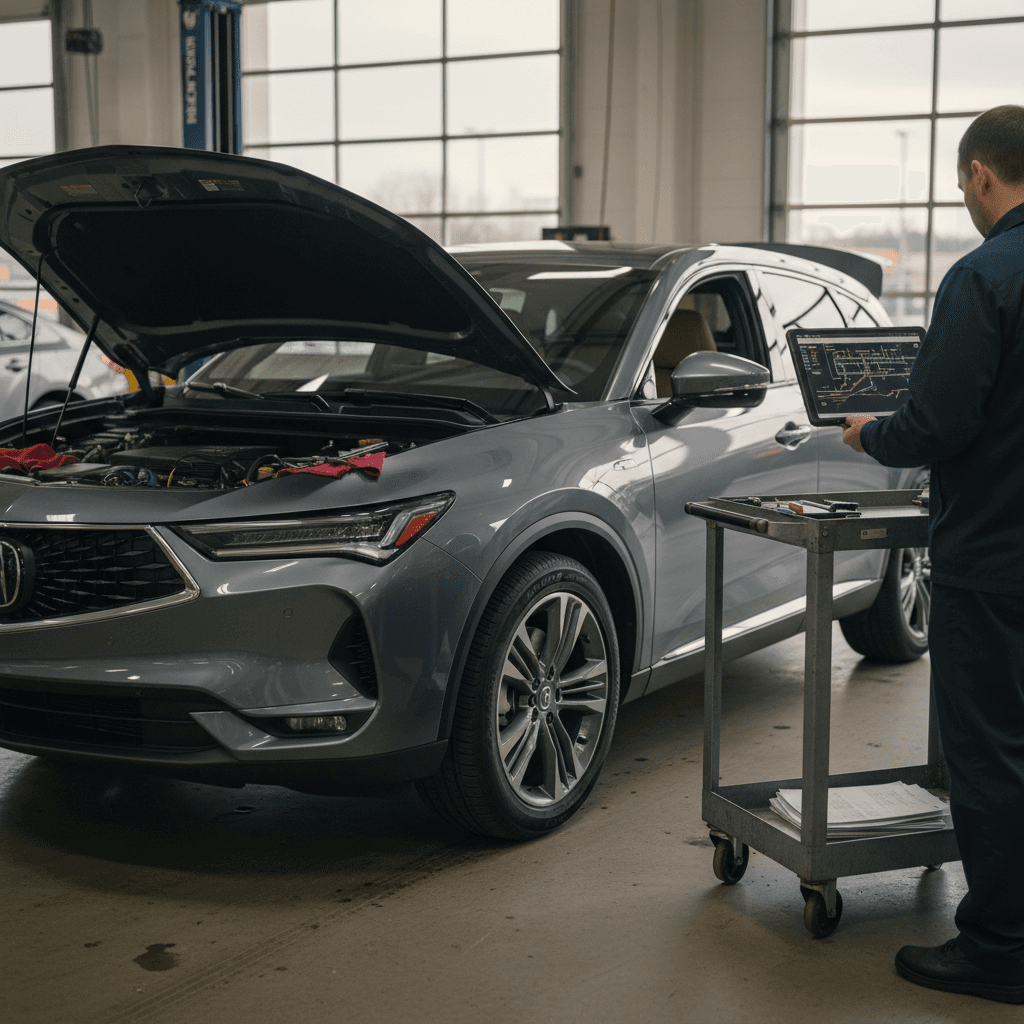
If you own, or are thinking about buying, a 2024 Acura ZDX, understanding the **Acura ZDX recalls list** isn’t just trivia. Recalls tell you how seriously an automaker treats safety, what’s already been fixed, and what still needs your attention, especially as the ZDX’s short production run (2024–2025) and GM Ultium underpinnings make it a bit different from a typical Acura.
Quick snapshot
Overview: Acura ZDX recalls list for 2024–2025
Recalls can sound scary, but for a brand‑new EV like the ZDX, they’re more a sign of **early production debugging** than of a fundamentally flawed vehicle. The key is knowing: - Which recalls exist - Whether your specific VIN is affected - How the fix works, and if it’s already been done For 2024 Acura ZDX models sold in the U.S., the current recall landscape looks like this:
- A **braking software recall** on many 2024 ZDX AWD models (including Type S and A‑Spec AWD) that can be fixed with a quick OTA update.
- A **hardware recall for loose front stabilizer bar bracket bolts** on a limited production window of 2024 ZDXs (about 118 vehicles) that requires a dealer inspection and possible parts replacement.
- No broad battery, airbag, or steering recalls have been announced beyond these campaigns as of February 26, 2026.
Important timing note
Current Acura ZDX recalls by campaign
Below is a plain‑English breakdown of the major Acura ZDX recall campaigns currently on the books for U.S. 2024 models. Exact NHTSA campaign numbers can change as bulletins are updated, but the underlying issues remain the same.
Recall 1: Low‑speed brake software issue (2024 models)
Acura ZDX low‑speed brake software recall at a glance
Software mis‑calibration in the anti‑lock braking system (ABS) affecting low‑speed stops on 2024 ZDX AWD models.
| Item | Details |
|---|---|
| Affected model years | 2024 |
| Likely affected trims | A‑Spec AWD and Type S (all‑wheel drive) |
| Approx. units involved | ~5,000 vehicles (estimate from manufacturer statements) |
| Main symptom | At speeds below about 25 mph on dry, flat roads, the ABS can engage too aggressively, briefly reducing braking force. |
| Safety risk | Longer stopping distances or inconsistent pedal feel in low‑speed stops, increasing crash risk in tight situations. |
| Fix type | Over‑the‑air (OTA) software update to the electronic brake control module. |
| Owner inconvenience | Minimal, about 5 minutes parked while the update installs; dealer help optional. |
| Cost to owner | $0 (safety recall, free of charge). |
This is sometimes described in media as a brake or ABS software recall for the 2024 Acura ZDX.
In practical terms, this recall addresses an **“overly sensitive” ABS calibration** at low speeds. Under very specific conditions, the system can cycle the brakes in a way that reduces stopping power just when you’re easing to a stop. Acura’s remedy is a revised software package for the electronic brake control module delivered as an **OTA update**, a welcome modern solution that keeps you out of the waiting room.
How to confirm the software fix
Recall 2: Loose front stabilizer bar bolts (118 vehicles)
Acura ZDX front stabilizer bar bolt recall summary
Hardware recall for improperly torqued stabilizer bar bracket bolts that can damage high‑voltage components.
| Item | Details |
|---|---|
| Affected model years | 2024 |
| Production window | Roughly March 22, 2024 – October 14, 2024 |
| Estimated vehicles involved | 118 ZDX units (U.S.) |
| Component | Passenger‑side front stabilizer bar bracket bolts |
| Main symptom | Rattling or clunking noise from the front passenger side; in severe cases, loss of stabilizer bar attachment. |
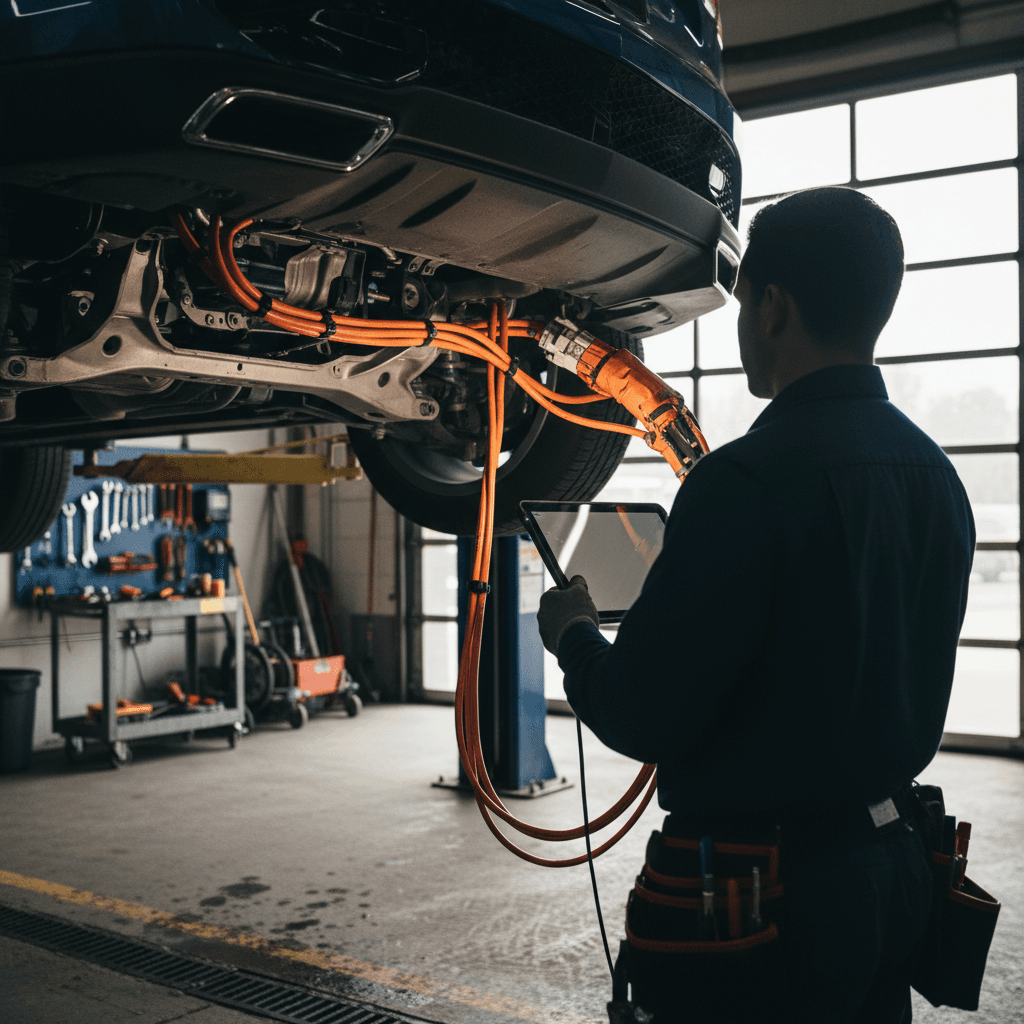
| Safety risk | If the bracket or bar loosens, it can contact high‑voltage cables or battery coolant lines, potentially causing a loss of drive power. |
| Fix type | Dealer inspection of bracket bolts; tightening and replacement of any damaged bolts, sway bar, high‑voltage cables, or coolant lines. |
| Cost to owner | $0 (safety recall, free of charge). |
NHTSA campaign commonly associated with Honda code KKY.
This recall is the classic case of a **torque‑tool calibration error**. During assembly at GM’s Tennessee plant, a tool used to tighten the passenger‑side front stabilizer bar bracket bolts may not have applied enough torque. Over time, those bolts can loosen, allowing the stabilizer bar to move and, in the worst case, chafe high‑voltage cables or coolant lines.
Why this one matters
Are there any other Acura ZDX recalls or stop‑sales?
As of February 26, 2026, public recall databases and industry reports show **two primary ZDX recalls** in the U.S. market: 1. Low‑speed braking software recall (brake control module update). 2. Front stabilizer bar bracket bolt recall (limited VIN range). There have been **no widely reported ZDX‑specific recalls** for airbags, steering, seatbelts, or structural integrity. However, because the ZDX shares GM’s **Ultium** platform and OnStar connectivity stack, it can occasionally get swept into broader software service campaigns or technical service bulletins (TSBs) that don’t rise to full recall status.
Recall vs. service campaign vs. TSB
How to check your Acura ZDX for open recalls
The most reliable way to see if your exact ZDX has unperformed recalls is to run a **VIN‑based recall check**. Here’s how to do it in a couple of minutes:
Step‑by‑step: Run a VIN recall check on your ZDX
1. Locate your 17‑character VIN
You’ll find the VIN on a label at the base of the windshield (driver’s side), on the driver’s door jamb, and on your registration or insurance documents.
2. Use the official NHTSA recall lookup
Go to the NHTSA recall lookup tool and enter your VIN. It will show any **open recalls** that have not yet been completed on your vehicle.
3. Check Acura’s own recall portal
Acura and Honda maintain their own recall websites. Enter your VIN there as well; manufacturers sometimes show campaigns before they populate in third‑party tools.
4. Call an Acura dealer’s service department
If something looks confusing, or you’re seeing a campaign code you don’t understand, call your local Acura dealer. They can see the full recall and service history tied to that VIN.
5. Confirm recall completion after service
After a repair visit, ask for an itemized repair order showing the campaign ID and that it’s been completed. Keep this with your records or service log.
6. Re‑check before buying used
If you’re shopping used, always rerun the VIN through NHTSA and the brand portal. Don’t assume a previous owner fixed everything.
Good ownership habit
What current ZDX owners should do (step‑by‑step)
If you already own a ZDX, here’s a clear action plan to make sure you’re on top of every recall and service campaign that matters.
1. Confirm the brake software update
Check the infotainment system for completed updates or ask your Acura dealer to confirm that the **low‑speed brake software recall** has been applied. This is usually a quick OTA or dealer re‑flash.
If you’ve noticed odd brake behavior at low speeds, pulsing, longer stops, or unusual ABS noise, mention it specifically when you book service.
2. Schedule the stabilizer bar inspection if applicable
If your VIN shows the **stabilizer bar bolt recall**, schedule a visit as soon as practical. The inspection itself is straightforward and should be free.
Listen for any clunks or rattles from the front passenger side and report those symptoms, they can help the technician zero in on potential damage.
- Keep digital or paper copies of all recall‑related repair orders.
- If your ZDX is subject to multiple campaigns, ask whether they can be **combined in a single visit** to save time.
- If you use a third‑party shop for routine service, make sure they know about any outstanding recalls so they can watch for related symptoms.
The upside of early fixes
Shopping used: How recalls affect Acura ZDX reliability
If you’re evaluating a used Acura ZDX, the recall list is part of the due‑diligence story, but not the whole thing. You also need to understand **battery health, charging behavior, and service history**. Here’s how recalls fit into the bigger reliability picture.
Using recall data when buying a used Acura ZDX
Turn recall history into an advantage, not a deal‑breaker.
Treat recalls as free upgrades
Completed recalls, especially software updates, often mean you’re getting the benefit of **improved calibration and tuning** at no extra cost.
Watch for ignored notices
If a seller can’t show documentation and the VIN check shows **open recalls**, that’s a red flag about how the car was maintained.
Look beyond recalls
On an EV, **battery health and charging history** often matter more than a small number of recalls. That’s where independent testing and a detailed report come in.
Questions to ask a private seller or dealer
How Recharged helps with recall checks and battery health
Because the Acura ZDX is a low‑volume EV built on a shared GM platform, doing your homework matters a little more than usual. That’s exactly the gap Recharged is designed to fill for used‑EV shoppers and sellers.
Why use Recharged when buying or selling a ZDX?
Transparency on recalls, pricing, and battery health in one place.
Recharged Score & battery diagnostics
Every vehicle listed with Recharged comes with a **Recharged Score Report**, including verified battery health, charging performance, and fair‑market pricing guidance. That’s critical context for a discontinued model like the ZDX.
Guided support & hassle‑free process
Our EV specialists can help you:
- Interpret recall and service records
- Compare a ZDX to other used EVs
- Arrange financing, trade‑in, or consignment
- Handle paperwork and nationwide delivery
Ready to find your next EV?
Browse VehiclesPrefer to see an EV in person?
Acura ZDX recalls FAQ
Common questions about Acura ZDX recalls
Bottom line: Should Acura ZDX recalls worry you?
In the big picture, the **Acura ZDX recalls list** is short and highly targeted: one software campaign for low‑speed braking and one hardware campaign for a small batch of stabilizer bar bolts. That’s well within the normal range for a first‑year EV, and a far cry from the kind of systemic battery or structural recalls that can truly tarnish a model.
If you own a ZDX, your job is straightforward: verify that both recalls are closed out on your VIN and keep copies of the repair orders. If you’re shopping used, fold recall status into a broader view of **battery health, charging history, and pricing**. That’s where a transparent marketplace like Recharged, with its **Recharged Score Report, financing options, trade‑in support, and nationwide delivery**, can turn a complicated decision into a confident one.