Shopping for a used Acura ZDX is not like buying just any luxury SUV. You’re looking at a short‑run, all‑electric model built on GM’s Ultium platform, with strong performance, fast charging, and the baggage that comes with a discontinued EV. This Acura ZDX buying checklist walks you, step by step, through what to inspect so you can enjoy the style and torque without inheriting someone else’s experimental project car.
A quick note on availability
Quick Acura ZDX specs to know before you shop
Acura ZDX at a glance
You don’t need to memorize the spec sheet, but you do want benchmarks. A healthy ZDX should feel like a long‑range, fast‑charging luxury EV: 300-ish miles of real‑world range for A‑Spec, and a DC fast‑charge session that adds meaningful range in 25–35 minutes, not hours.
Step 1: Verify trim, model year, and build history
Because the Acura ZDX was sold for a short window and then discontinued, details matter. The trim, build date, and early‑production issues can have an outsized effect on your ownership experience.
Acura ZDX trims and what they mean for buyers
Use this as a cheat sheet when you’re scanning listings or standing on a lot.
| Trim | Drive | Power feel | Approx. EPA range | Who it suits best |
|---|---|---|---|---|
| A-Spec RWD | Single motor RWD | Smooth, refined, not wild | ~310–313 mi | Highway commuters, range‑maximizers |
| A-Spec AWD | Dual motor AWD | More traction, still relaxed | ~300–304 mi | Snow‑belt drivers, all‑weather use |
| Type S AWD | Dual motor AWD | Genuinely quick, performance‑tuned | ~275–280 mi | Enthusiasts who value speed over range |
Range figures are approximate EPA combined estimates; real‑world range will vary.
Trim and history checklist
Confirm exact trim and packages
Ask the seller for the original window sticker or build sheet. Verify A‑Spec vs. Type S, wheel size, towing package, and any dealer add‑ons that could affect weight, range, or suspension feel.
Check build date and early VIN range
Look at the door‑jamb sticker and VIN. For very early builds, ask specifically about any major software or charging‑system updates and whether they’ve been applied.
Pull a full vehicle history report
Run a Carfax or similar report. You’re looking for prior accidents, flood damage, lemon law buybacks, and repeated service visits for charging or HV battery issues.
Ask directly about buyback or goodwill repairs
Because the ZDX is a first‑generation Acura EV, ask if this particular VIN has ever been under a manufacturer buyback evaluation or subject to repeated warranty attempts on the same issue.
Watch for silent early-production issues
Step 2: Battery health and Ultium-specific checks
The ZDX’s Ultium pack is its single most expensive component. Acura quotes roughly 102 kWh of usable capacity and an 8‑year / 100,000‑mile battery warranty in the U.S., but that only helps if the specific car you’re buying has a healthy pack today.
How to evaluate Acura ZDX battery health
Mix data, documentation, and old‑fashioned observation.
1. Read battery metrics
Many ZDXs will show estimated battery health and recent DC fast‑charge history in service tools, not on the dash.
- Ask the seller for a dealer battery report.
- Compare indicated range at 100% to EPA numbers.
2. Review high-voltage service records
Request all service invoices. Scan for:
- HV battery module replacements
- Charge‑port or DC fast‑charge controller repairs
- Repeated “no start” or “cannot charge” complaints
3. Look for abuse patterns
Ask how the car has been charged:
- Home Level 2 most nights is ideal.
- Daily DC fast charging and frequent 0–100% sessions are harder on packs.
Use a third-party battery inspection if you can
Battery checklist for your Acura ZDX
Compare full-charge range to EPA estimates
Charge the car to 100% and note the estimated range. A lightly‑used A‑Spec RWD that only shows 240–250 miles in mild weather deserves questions about driving history and software updates.
Check for warning lights or messages
With the car READY, scan the cluster and central screen for HV system warnings, reduced‑power modes, or thermal‑system alerts. Anything related to “electric powertrain” or “battery” needs diagnosis before you buy.
Inspect underbody for impact damage
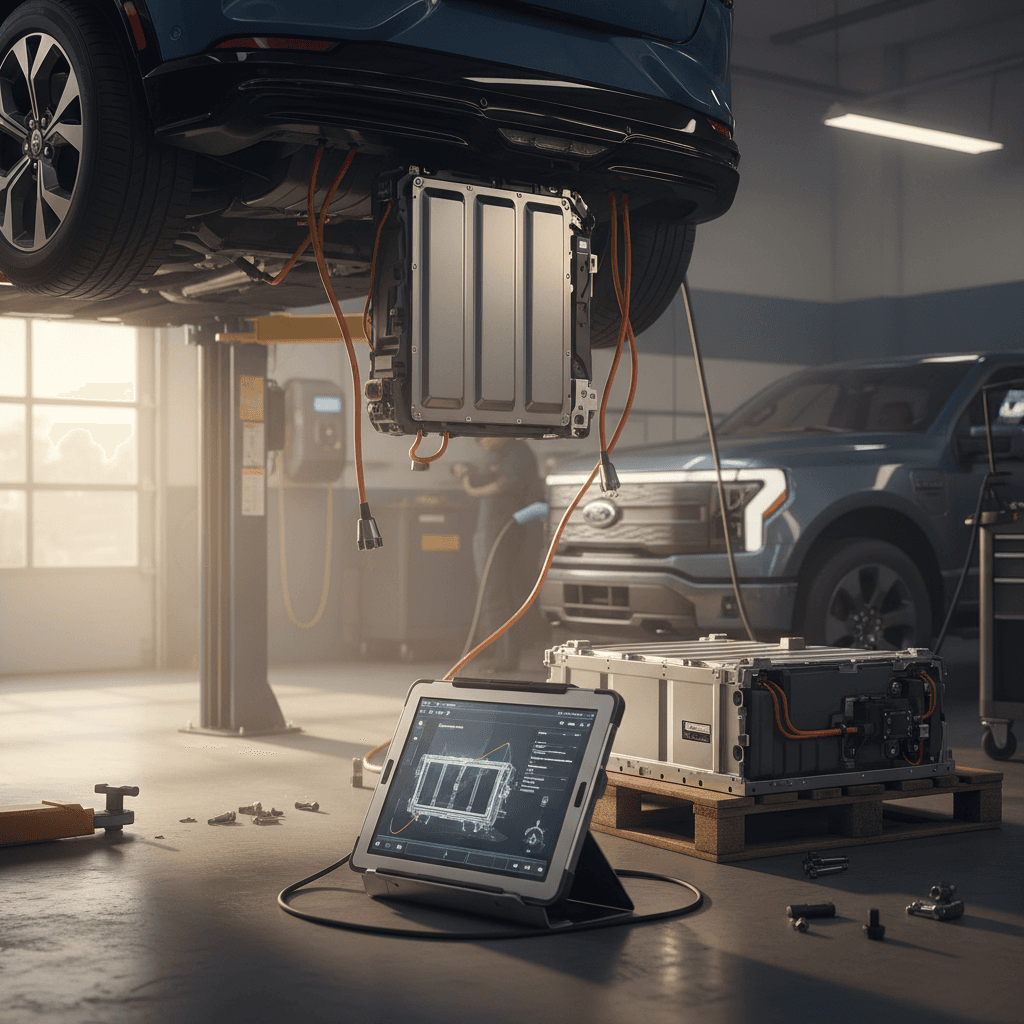
Have the car put on a lift. Look for scrapes or dents in the battery case, crushed cooling lines, or missing under‑panels. A deep impact into the pack can total an EV even when it drives fine today.
Verify battery and powertrain warranty status
Ask for the in‑service date and confirm remaining time and mileage on the battery warranty. Make sure there are no annotations about voided coverage due to modifications or misuse.
Step 3: Range, charging performance, and connectors
On paper, the ZDX offers competitive range and strong charging: A‑Spec RWD in the low 300s for miles, Type S in the high‑200s, and DC fast charging up to about 190 kW. In practice, you want to verify that the specific car behaves like the brochure promised.
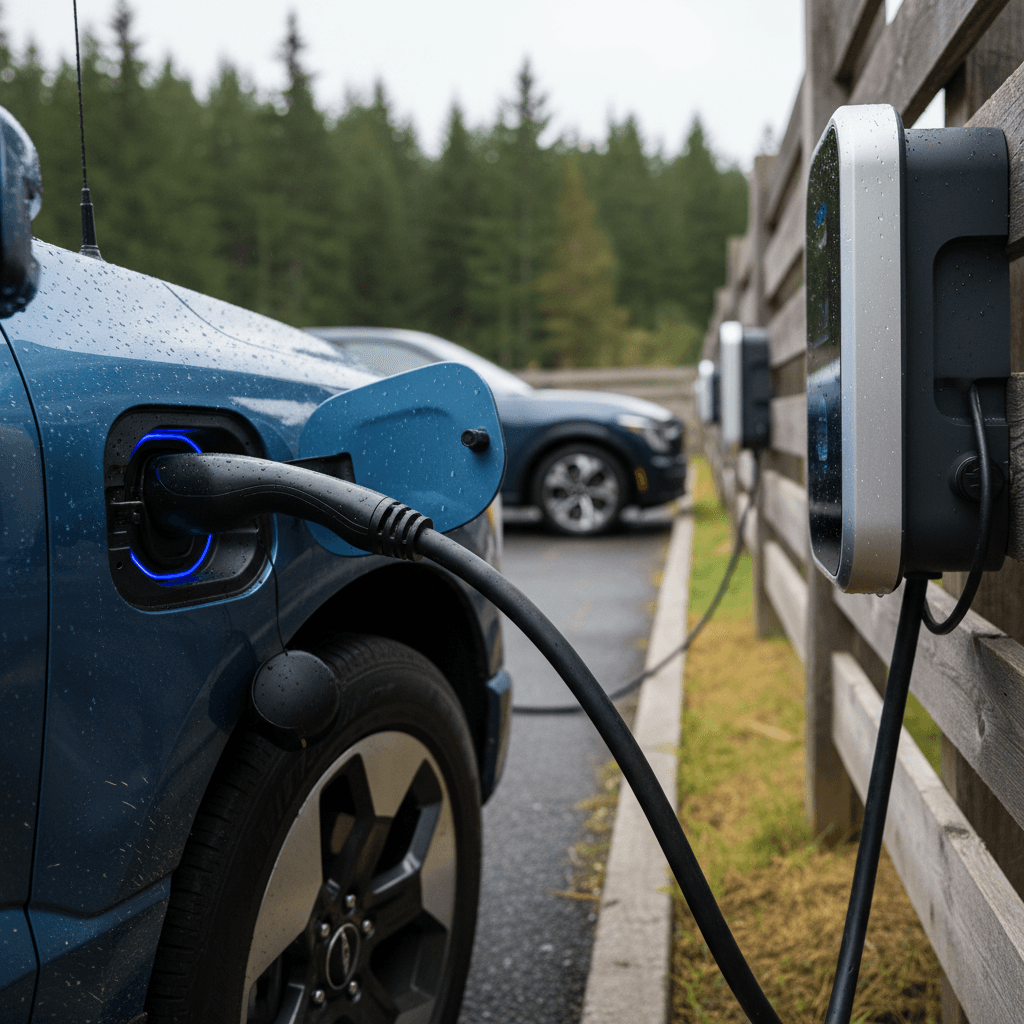
Acura ZDX charging basics
Know which plug does what before you show up at a charger with a seller.
| Charging type | Connector | Typical use | What you should see |
|---|---|---|---|
| Level 1 (120V) | J1772 | Emergency or light overnight | Very slow; 3–4 miles of range per hour |
| Level 2 (240V) | J1772 | Home / workplace / most public AC | Roughly 20–30 miles of range per hour |
| DC fast charging | CCS1 | Highway stops, long trips | 10–80% in ~40–45 minutes at a strong 150–200 kW station |
Charging times assume a healthy battery and a capable charging station.
How to test ZDX charging before you buy
Do at least one Level 2 session
Plug into a 40–48 amp Level 2 charger for 30–60 minutes. Confirm the car wakes, charges without random stoppages, and follows a smooth power curve rather than repeatedly ramping up and dropping out.
Try a real DC fast-charge stop
If possible, arrive at ~20–40% state of charge, plug into a reputable 150+ kW DCFC, and watch the session. A healthy ZDX should ramp quickly and reach triple‑digit kW for at least part of the 20–60% window.
Inspect the charge port and door
Open and close the charge door several times. Check for damaged pins, melted plastic, or excessive corrosion around the CCS contacts, especially on cars used daily in road‑salt climates.
Ask about home charging setup
If the previous owner installed a 240V charger, ask who did the work and to see permits or electrician invoices. A sketchy DIY install can cause nuisance faults or, in a worst case, damage the car.
Do not ignore charging glitches
Step 4: Software, driver assistance, and infotainment
Like most modern EVs, the Acura ZDX is a rolling software stack. Over‑the‑air updates, Google‑based infotainment, and driver‑assist calibration all matter just as much as leather stitching and wheel size.
Infotainment & connectivity
- Check that wireless Apple CarPlay and Android Auto connect quickly and stay connected.
- Verify Google Maps, live traffic, and EV routing all function with your own phone and account.
- Test Bluetooth call quality and audio streaming for drops and weird echo.
Driver assistance
- Confirm adaptive cruise, lane‑keeping, blind‑spot monitoring, and parking sensors all operate cleanly.
- On a calm road, gently test lane‑centering; it should help, not ping‑pong.
- Make sure any calibration or camera replacements after accidents are documented.
Software and electronics checklist
Check software version and update history
In the settings menu, note the current software version. Ask when it was last updated and whether any updates were performed at a dealer to cure charging or range‑estimate bugs.
Scan for error messages after a drive
After a 15–20 minute drive, park, power the car off and back on. Look for intermittent warnings that only appear once the car is warm or has used driver‑assist features.
Test every physical control
Walk the cabin and try window switches, seat adjustments, steering‑wheel controls, climate toggles, and charge‑port release buttons. Electronics gremlins are more common on first‑gen EVs.
Confirm that all keys and digital access work
Make sure any key cards, fobs, and app‑based access functions are transferred to you and function correctly, especially if the ZDX was the first fully online‑only purchase for the prior owner.
Step 5: Physical inspection – wheels, body, and interior
Underneath the tech, the ZDX is still a big, heavy luxury SUV. Curb rash, suspension wear, and interior shortcuts will show up faster on a 5,800‑pound EV than on a compact hatchback.
High-impact areas to scrutinize on a used ZDX
Heavy EVs are tough on consumables.
Wheels, tires, and brakes
- Inspect for bent wheels and sidewall bubbles from potholes.
- Measure remaining tread; ZDX torque can chew through soft tires.
- Look at brake rotors for rust ridges, regenerative braking can leave them underused.
Body and underbody
- Panel gaps should be even; misalignment can hint at accident repairs.
- Check the rear bumper and hatch for cargo‑loading scars.
- Inspect underbody shields and aero panels for missing fasteners.
Cabin wear and features
- Examine seat bolsters, steering wheel, and touchpoints for wear vs. mileage.
- Confirm seats heat/ventilate properly.
- Test seat memory, ambient lighting, and sunroof operation.
Photograph everything during inspection
Step 6: Warranty, recalls, and discontinuation risks
Because Acura has already announced the end of ZDX production, you’re buying a car that exists between generations. That’s not automatically a bad thing, limited‑run cars can age well, but you must go in with open eyes about support and long‑term risk.
- Confirm in‑service date and remaining 8‑year / 100,000‑mile high‑voltage battery warranty. If the car was put into service in mid‑2024, you’ll likely have coverage into 2032.
- Ask an Acura dealer to run the VIN for outstanding recalls and service campaigns, especially anything related to charging hardware, HV battery, or software updates.
- Request documentation for any warranty battery or inverter replacements. A properly documented replacement isn’t a deal‑breaker; a mystery replacement with missing paperwork is.
- Talk candidly about parts availability. Body components and cosmetic trim may be slower to source on a discontinued, low‑volume EV compared with a mainstream MDX or RDX.
Discontinued doesn’t mean orphaned, but plan ahead
Step 7: Total cost of ownership and pricing
Sticker shock on a new ZDX was one thing; the used market is another. You’re now balancing depreciation on a discontinued luxury EV against very low running costs if you charge mostly at home.
Costs likely to be lower than a gas SUV
- Energy: Home Level 2 charging is typically cheaper per mile than premium gasoline, especially if you can use off‑peak rates.
- Routine maintenance: No oil changes, fewer fluids, and less brake wear thanks to regeneration.
- Local incentives: Some states still offer rebates or HOV perks even for used EVs, check your local rules.
Costs that may be higher
- Insurance: Luxury EVs can be more expensive to repair after a crash.
- Tires: Heavy, high‑torque SUVs eat through soft compound tires faster.
- Depreciation: Discontinued status + evolving EV tech can push resale down faster than a comparable gas Acura.
Pricing and negotiation checklist
Benchmark against similar EVs
Compare asking prices for the ZDX to other luxury electric SUVs with similar range and equipment, Audi Q8 e‑tron, Mercedes EQE SUV, Cadillac Lyriq. The ZDX shouldn’t be priced as if it’s the only game in town.
Adjust for battery and charging health
A car with excellent battery diagnostics, clean charging history, and fresh tires deserves more money than an identical‑mileage ZDX with vague service records and spotty charging behavior.
Factor in home charging installation
If you don’t already have a 240V outlet or Level 2 charger, get quotes from a licensed electrician and bake that cost into your total budget.
Use defects as leverage, not a dare
Door dings, curbed wheels, or outdated software can legitimately bring the price down. High‑voltage mystery issues are not bargaining chips; they’re reasons to walk away.
Acura ZDX test-drive checklist
A well‑sorted ZDX should drive like a modern luxury EV, silent, planted, and eerily smooth, with instant torque on tap and no drama in the background.
What to focus on in your ZDX test drive
Begin with a cold start
Start the car after it has sat for several hours. Listen for unusual cooling‑system noises, clunks from the suspension, or error messages that appear only on first startup.
Mix city and highway driving
In town, pay attention to ride quality over broken pavement and parking‑lot maneuverability. On the highway, test acceleration from 40–70 mph, lane‑keeping smoothness, and wind/road noise around the mirrors and pillars.
Check one‑pedal feel and regen
Toggle between regenerative braking modes. Deceleration should feel progressive and predictable, not grabby or inconsistent. Any grinding noises under light braking deserve investigation.
Practice a simulated road-trip stop
After a short highway stint, pull into a DC fast charger if possible. Confirm the car can navigate to stations, precondition the battery (if available), and initiate charging cleanly.
Pay attention to NVH
Creaks from the panoramic roof, buzzes from the dash, or rattles in the cargo area will drive you crazy faster in a nearly silent EV. This is your moment to listen carefully.
How Recharged can help with a used Acura ZDX
If you love what the Acura ZDX promises, range, ride quality, and that quietly extroverted styling, but you’re wary of buying a discontinued EV on your own, you don’t have to go it alone. At Recharged, every used EV we list comes with a Recharged Score Report that includes verified battery health, charging behavior insights, and pricing benchmarked against the broader EV market.
- EV‑specialist advisors to help you interpret battery reports, charging logs, and service records before you commit.
- Financing options tailored to used EVs, including the ability to trade in your current vehicle or get an instant offer online.
- Nationwide delivery from our fully digital marketplace or in‑person help at our Experience Center in Richmond, VA.
- A transparent buying flow that keeps the technical details, battery health, range, and charging, front and center instead of buried in fine print.
Make the ZDX an informed gamble, not a blind bet
Ready to find your next EV?
Browse VehiclesAcura ZDX buying checklist: FAQ
Frequently asked questions about buying an Acura ZDX
Final thoughts: Is an Acura ZDX right for you?
The Acura ZDX is an intriguing crossroads car: a luxury SUV with serious range and performance, built on GM’s Ultium bones, launched into a market that shifted under its feet. That combination makes it potentially one of the better value plays in used luxury EVs, or an expensive headache if you treat it like any old crossover on a dealer row.
Use this Acura ZDX buying checklist to stay disciplined: verify trim and build history, dig deep on battery and charging behavior, test the software and driver‑assist systems, and price the car against both its peers and its risks as a discontinued model. And if you’d rather have an expert in your corner, explore EV‑specialist marketplaces like Recharged, where every vehicle includes a detailed battery health report and support from people who live and breathe electric cars. That way, when you finally hit the start button, the only surprise is just how quickly that quiet Acura disappears down the road.