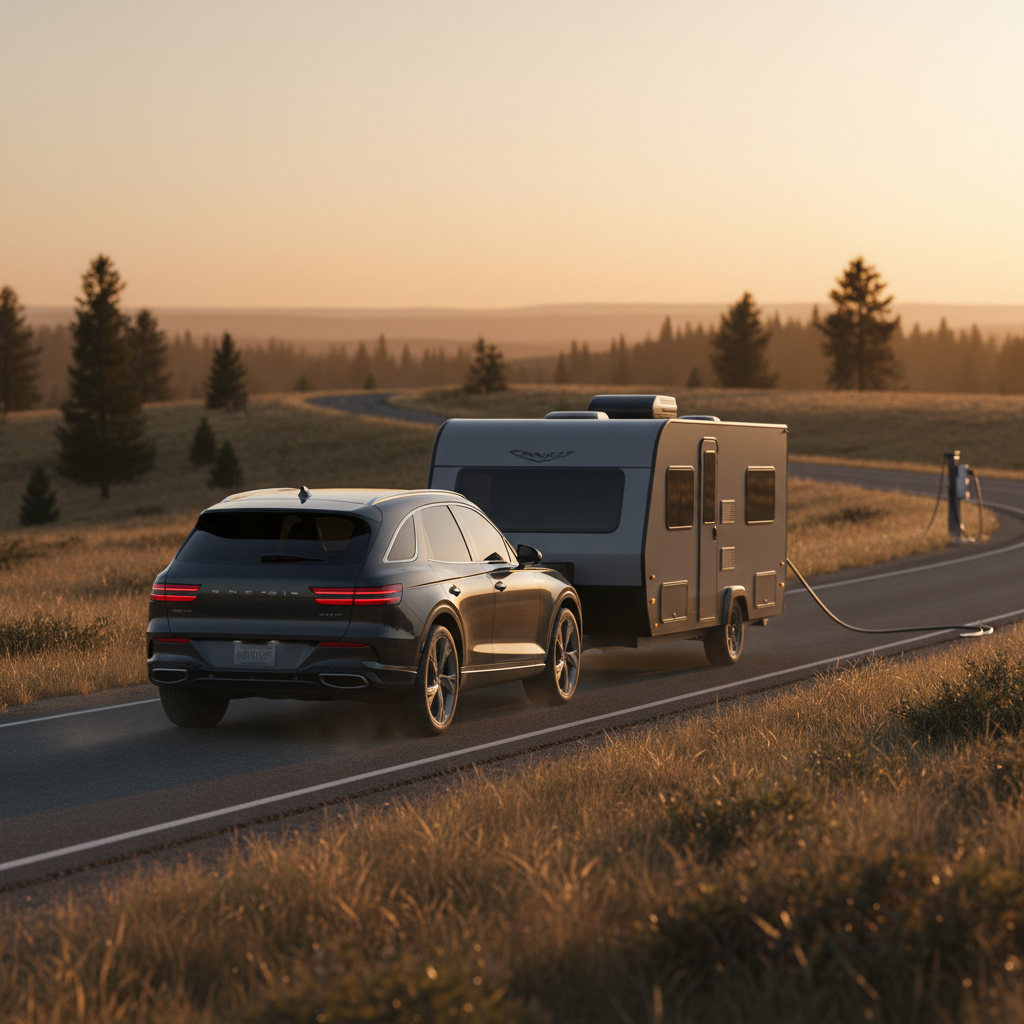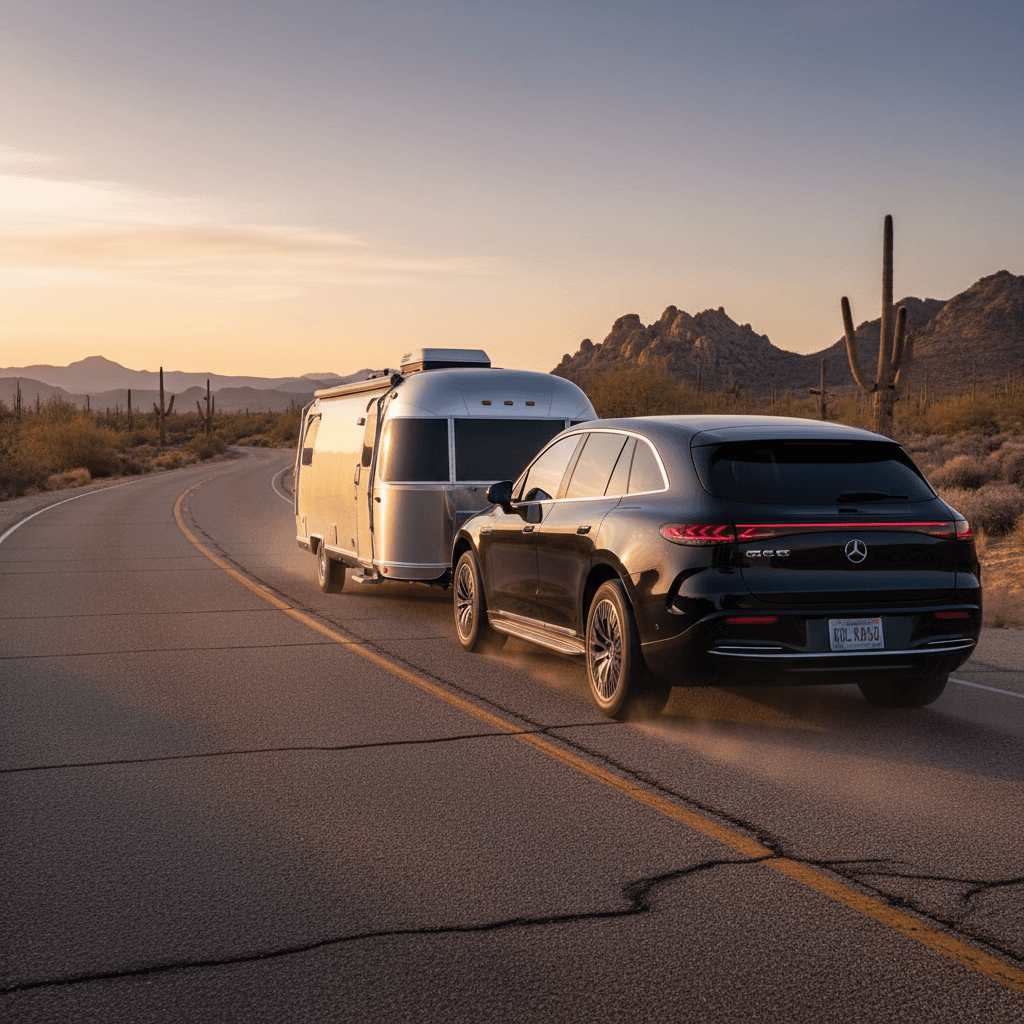
If you’re cross‑shopping luxury EVs and picturing long interstate drives, a **Mercedes EQS road trip** is probably high on your list. On paper, the EQS sedan and SUV offer standout range, ultra‑quiet cabins, and tech-heavy interiors that seem tailor‑made for eating up miles. On the road, the story is mostly positive, but there are a few gotchas you’ll want to understand before betting your family vacation on an EQS.
Sedan vs. SUV vs. AMG
Who this Mercedes EQS road trip review is for
- Drivers considering a new or used EQS as a primary highway cruiser.
- Current EQS sedan or SUV owners planning their first long trip (500–1,500+ miles).
- Shoppers comparing EQS against Tesla Model S/X, Lucid Air, or BMW iX for long‑distance comfort.
- Used‑EV buyers who want to know how EQS range and charging hold up after a few years.
We’ll look at **real‑world range**, DC fast‑charging behavior, comfort over multiple days, navigation and trip planning, and the reliability patterns owners are seeing on long journeys. Along the way, we’ll call out what matters if you’re eyeing a **used EQS**, where a verified battery‑health report like the Recharged Score can make the difference between a great highway car and an expensive headache.
Mercedes EQS lineup: quick cheat sheet for travel
Key EQS variants for road trips
Where each model shines when you leave the city
EQS 450+ sedan (RWD)
Why it’s popular: Longest‑range EQS sedan, smooth and efficient.
- Older cars: ~108 kWh battery, EPA range around mid‑300s miles.
- 2025 update: 118 kWh pack, up to ~390 miles of EPA range in 450+ trim.
- Best choice if you care more about miles than acceleration.
EQS 450 / 580 4Matic sedan (AWD)
Why choose it: Better traction, more power, still strong range.
- Real‑world range often in 300–340 mile band when driven sensibly.
- 580 trades some efficiency for serious power and luxury spec.
- Good all‑weather road‑trip choice if you see snow or heavy rain.
EQS SUV (450+, 450 4Matic, 580)
Why people like it: Higher seating, 3-row option, more cargo.
- 2024+ 450+ SUV tested at over 400 miles of real‑world range on Edmunds’ highway test.
- Newer models use a 118 kWh pack with EPA ranges in the low‑300s for AWD.
- Great for families, but less slippery than the sedan, so expect slightly lower efficiency.
If you care most about range
Real-world range: what you can actually drive between stops
On paper, the EQS sedan and SUV look like range monsters. In practice, they largely deliver, if you set them up correctly and drive with a bit of discipline. Multiple independent tests and owner reports show the EQS can beat its EPA rating at steady highway speeds, while others complain about coming up short. The difference almost always comes down to spec, weather, and driving style.
Highway range snapshot
If you’re planning long days on I‑5, I‑95, or I‑80, a good rule of thumb is this: assume **75–85% of the optimistic EPA number** once you load the car with people and luggage, add weather, and set cruise around 75 mph. For most EQS trims, that means treating the car like a 280–350 mile cruiser rather than chasing the headline numbers.
Wheel size matters more than you think
Sedan: EQS 450+ and 450/580 4Matic
- Best case (light load, moderate speeds): 360–400 miles between DC fast‑charge stops.
- Typical case (75 mph, passengers, luggage): 300–340 miles before you’re ready to plug in.
- Cold or hot weather, 21–22" wheels: Plan for 260–300 miles to stay comfortable.
The sedan’s sleek shape and lower ride height help it sip electrons on the highway. If you prize range above all, this is the EQS to chase on the used market.
SUV: EQS 450+ / 400 / 550 4Matic
- Best case: Right around 400 miles for the most efficient single‑motor variants in ideal conditions.
- Typical case: 280–330 miles for dual‑motor models, depending on wheel size and route.
- Three‑row, loaded up: Think low‑to‑mid‑300s on good days, a bit less if you’re climbing grades or facing strong headwinds.
You’re trading a little efficiency for space and ride height. For a family road‑trip rig, the numbers are still very competitive with other luxury EV SUVs.
Weather and elevation still matter
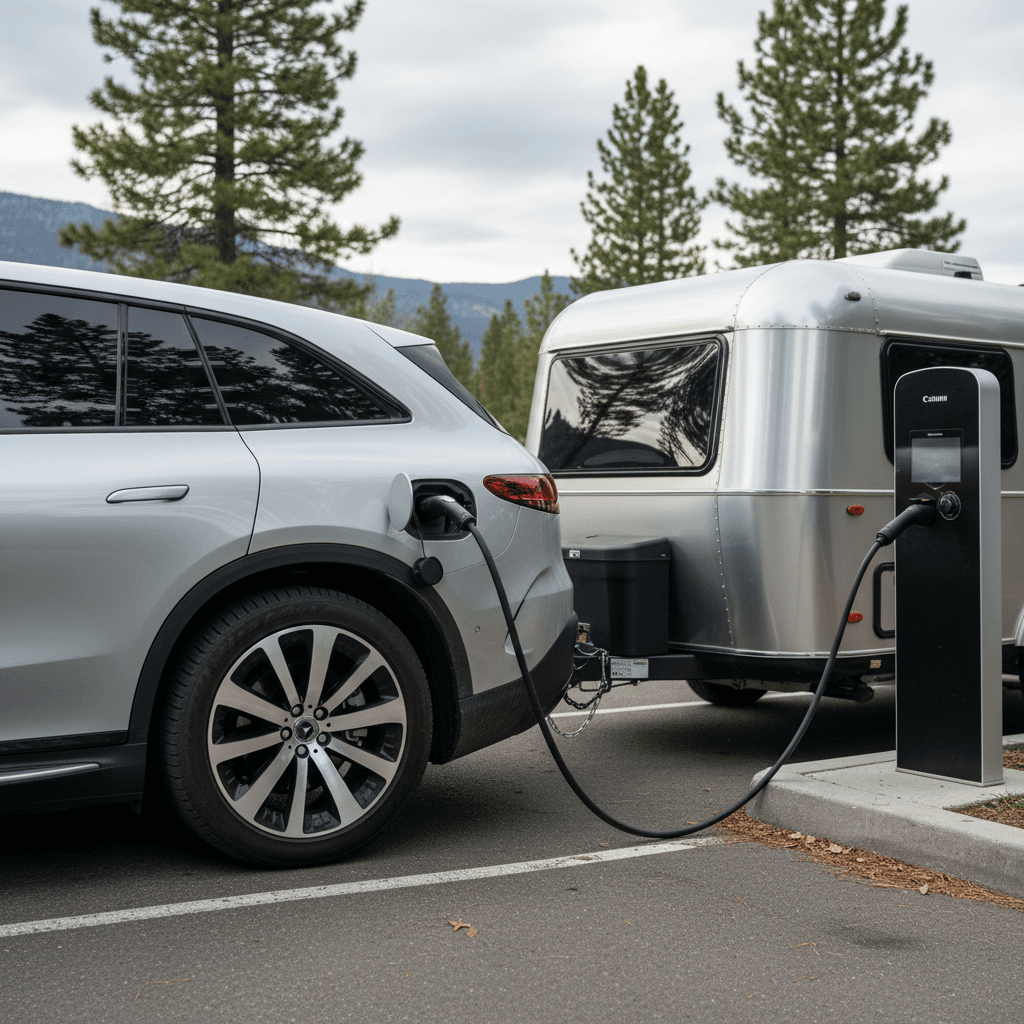
Charging performance on the road
Range only tells half the story. On a multi‑day road trip, what really matters is **how quickly the EQS adds miles back** when you pull into a DC fast charger, and how predictable that experience is.
Mercedes EQS road-trip charging basics
How the EQS behaves at DC fast chargers and Level 2 on the road
| Scenario | What to Expect | Good To Know |
|---|---|---|
| DC fast charge (10–80%) | Roughly 30–40 minutes at a strong 200 kW station when the battery is warm. | Arriving around 10–20% state of charge yields the fastest average charging speed. |
| Real-world charge curve | Strong up to about 50–60%, then gradually tapers down. | To minimize time stopped, it’s often faster to make two short 10–60% sessions than one 10–100% push. |
| Level 2 at hotels (AC) | Up to ~9.6–11 kW depending on spec, typically 30–40 miles of range per hour. | Overnight, you’ll easily refill after a full day of driving if the charger is working and not blocked. |
| Tesla Superchargers (via adapter) | Newer EQS SUVs ship with a NACS adapter; many sedan owners use third‑party CCS‑to‑NACS adapters. | Using Tesla sites can dramatically expand options on some corridors, but always verify compatibility and power levels in advance. |
Actual charging times depend on temperature, charger quality, and how busy the station is, but these figures capture what you can expect when things go right.
Watch out for aggressive DC fast charging on older cars
When everything works, EQS road‑trip charging is competitive with other luxury EVs. You’ll typically **stop every 200–260 miles for 20–35 minutes**, depending on how conservative you are. The biggest pain points aren’t the car’s peak charging speed so much as **station reliability and software**, which we’ll get into next.
Comfort, noise, and fatigue over long days
This is where the EQS really earns its keep. If you’re coming out of an S‑Class, you’ll recognize the focus on **quiet, isolation, and ride quality**. Over 8–10‑hour days, that matters as much as raw speed or range.
What the EQS does well on long trips
Why many owners call it a “rolling lounge”
Exceptionally quiet cabin
Supportive seats & headrests
Tech & ambiance
Not everyone loves the ride tune
Solo or couples road trips
For one or two adults plus weekend luggage, the EQS sedan feels like a private jet. The hatchback‑style trunk swallows bags easily, and the cabin is sized for cross‑country comfort rather than tight city maneuvering.
If you’re mostly running two‑person trips and don’t need the height of an SUV, the sedan is the better match, more efficient, a touch quieter, and easier to park in dense areas between legs.
Family and multi‑row use
The EQS SUV adds usable space and an available third row, but adults will still be happier in the first two rows on true 10‑hour days. Cargo space behind the third row is modest; most road‑tripping families fold it flat.
For kids, the higher ride, huge windows, and Screens Everywhere effect make the SUV feel like a rolling movie theater. Just remember: more people and more stuff mean slightly less range.
Navigation and trip-planning software
Trip planning is where the EQS doesn’t quite match the best in the game. The latest MBUX software has improved routing and charger suggestions, but owners still report **quirks and blind spots** that matter when you’re far from home.
Use the car for big strokes, your phone for fine-tuning
Reliability issues owners see on road trips
Mechanically, the EQS has held up reasonably well so far, but **software glitches and electronics** can turn a big trip into a headache. Because many EQS buyers are early adopters, they’re also vocal, so their stories are easy to find if you’re researching before buying used.
Common pain points on long drives
Not every car will have these issues, but they’re worth understanding
Screen and cluster glitches
Charging hardware quirks
Software updates and bugs
Dealer support varies
How a used-EV inspection helps
How the EQS compares to Tesla, Lucid, and BMW on road trips
Versus Tesla Model S / X
- Charging network: Tesla still wins for plug‑and‑go simplicity, though NACS adapters are narrowing the gap.
- Range: The best Model S trims can exceed most EQS versions, but the difference is shrinking with newer EQS batteries.
- Comfort: EQS generally feels quieter and more insulating; Tesla offers a firmer, sportier character.
Versus Lucid Air
- Range king: Lucid still leads raw range and efficiency charts.
- Ride & cabin: EQS counters with a softer, more traditional luxury feel and a more mature dealer and service network.
- Charging: Both take advantage of 250+ kW stations, but Lucid’s higher peak speeds can shave minutes off stops.
Versus BMW iX / i5 / i7
- Character: BMW’s EVs lean a bit sportier, while EQS is the isolation chamber.
- Tech: EQS’s Hyperscreen is more dramatic; BMW’s iDrive may feel more straightforward on the move.
- Range: Top iX trims are competitive with EQS SUVs; sedans are closer, with small edges depending on spec.
Where EQS stands out
Road trip tips for EQS owners
Pre-trip and on-the-road tips
1. Dial in tire pressures and wheels
Set tire pressures to factory spec before you leave, and if possible, avoid oversized wheel options. A more modest wheel/tire package will quietly add range and comfort.
2. Update software weeks in advance
Don’t install major MBUX or vehicle updates a day before departure. Do it at least a couple of weeks early so you can spot any new quirks close to home.
3. Save multiple charging apps
Install and log into the main networks along your route, Electrify America, ChargePoint, EVgo, and keep an eye on user check‑ins to spot out‑of‑service sites before you arrive.
4. Aim for 10–70% or 10–80% charges
The EQS charges fastest in the middle of the battery. Shorter 10–70% stints usually get you more miles per minute than stretching to 95–100% each time.
5. Precondition when you can
If your route planner or the car allows battery preconditioning before a DC stop, use it. A warm pack hits peak charge rates faster, especially in cold weather.
6. Treat range as flexible, not fixed
If you notice consumption climbing, due to headwinds, speed, or elevation, build in an extra splash stop early. You’ll lose less time than limping into a station with near‑zero charge.
Buying a used Mercedes EQS for road trips
Early EQS sedans are already showing up on the used market at steep discounts, which makes them tempting for long‑distance duty. But a road‑trip car needs to be **more than just a cheap sticker price**, you’re relying on its battery, charging hardware, and software far from home.
Used EQS road-trip checklist
Questions to answer before you sign
Battery health & DC fast-charge history
Charging hardware inspection
Software, recalls, and campaign history
Match the spec to your habits
Consider buying through an EV-focused retailer
FAQ: Mercedes EQS road trip questions
Frequently asked questions about EQS road trips
Bottom line: Is the Mercedes EQS a good road trip EV?
If you define a great road‑trip EV as one that glides down the highway in near silence, goes 300+ miles between stops, and lets you step out at the end of the day feeling more relaxed than when you started, the **Mercedes EQS absolutely belongs on your shortlist**. Its combination of range, comfort, and tech make it one of the most convincing electric replacements yet for a long‑legged S‑Class.
The trade‑offs are real: trip‑planning software that trails the best, more moving pieces in the charging ecosystem, and electronics that can be finicky on a bad day. That’s why a careful pre‑trip routine, and, if you’re buying used, a verified view of battery and charging health, matters so much.
If you want help finding an EQS that’s truly road‑trip ready, Recharged can streamline the process. Every EV we sell includes a Recharged Score battery‑health report, fair‑market pricing, and guidance from EV specialists who understand what long‑distance driving really demands. That way, when you point your EQS at the horizon, the only thing you’re worrying about is where to stop for the best coffee, not whether you’ll make it to the next charger.