If you’ve got kids, carpools, or frequent visitors, a 7-seat electric vehicle can look like the holy grail: all the space of a three-row SUV without the gas bills. The catch? Not all 3-row EVs are created equal, and some “7-passenger” setups are really more like 5+2. This guide walks you through today’s best 7-seat electric SUVs, what’s coming soon, and how to shop smart, especially if you’re considering a used EV.
A young but fast-growing niche
Why 7-seat electric vehicles are having a moment
For years, early EVs were compact hatchbacks or small crossovers, great for commuters, not so great for three kids, a dog, and a Costco run. As battery costs have fallen and platforms have matured, we’re finally seeing true family-size electric SUVs with three rows of seating, serious cargo room, and towing capability.
Family-size EVs in 2025: what’s changed
New, that pricing puts many 7-seat EVs in premium territory. But as first owners move on, these models are starting to appear on the used EV market, where they can represent strong value, especially if you have clear information on battery health and prior fast-charging use.
Current 7-seat electric vehicles you can buy today
Below is a quick tour of the 7-passenger electric SUVs and 3-row EVs that a U.S. shopper is most likely to encounter, either new or used. Always double-check local availability and seating configuration, because some models make the third row optional.
Core 3-row and 7-seat electric SUVs
These are the models most U.S. shoppers will cross-shop for family duty.
Kia EV9
Type: Purpose-built 3-row electric SUV (6 or 7 seats)
Why it matters: One of the first mainstream 3-row EVs to truly rival gas SUVs on space and usability. Strong range, fast charging, and multiple trims from value-focused to near-luxury.
Hyundai Ioniq 9
Type: 3-row electric SUV, sister model to EV9
Why it matters: Shares an advanced E-GMP platform with the EV9 but emphasizes comfort and range with a large battery and refined ride. Offers both 6- and 7-seat layouts.
Cadillac Vistiq
Type: Mid-size luxury 3-row EV
Why it matters: Cadillac’s electric replacement for the XT6, positioned between the Lyriq and Escalade IQ. Designed from the ground up as a three-row luxury family hauler.
Smaller or more premium 7-seat EV options
These work for families that don’t need full-size space, or want more luxury.
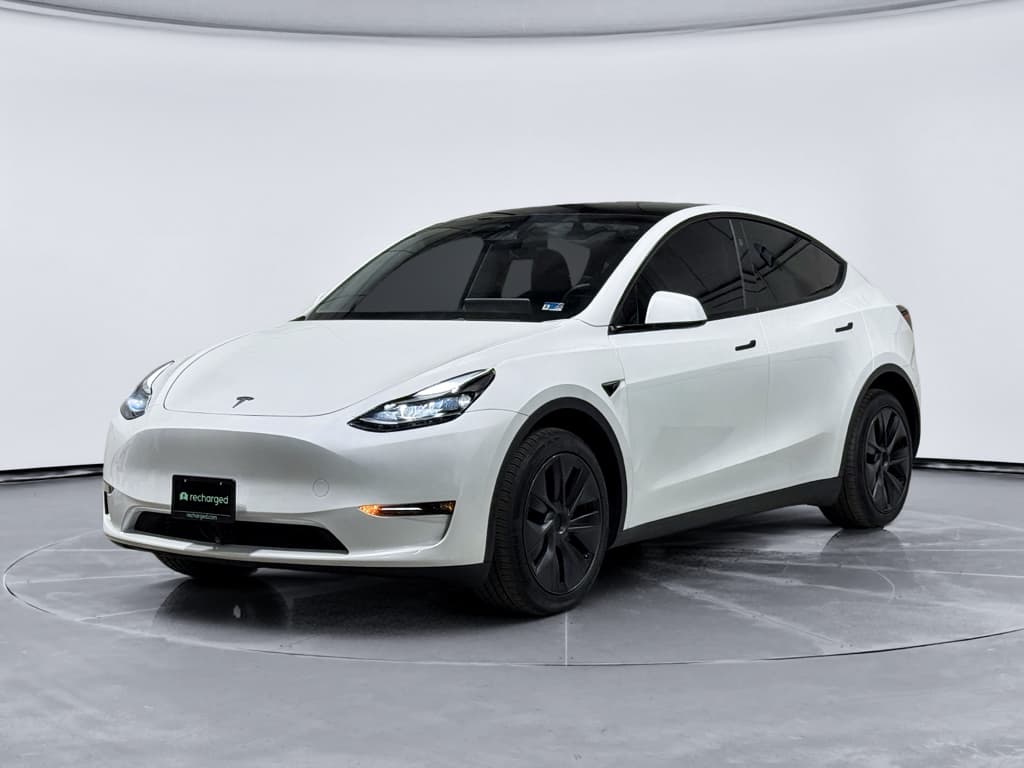
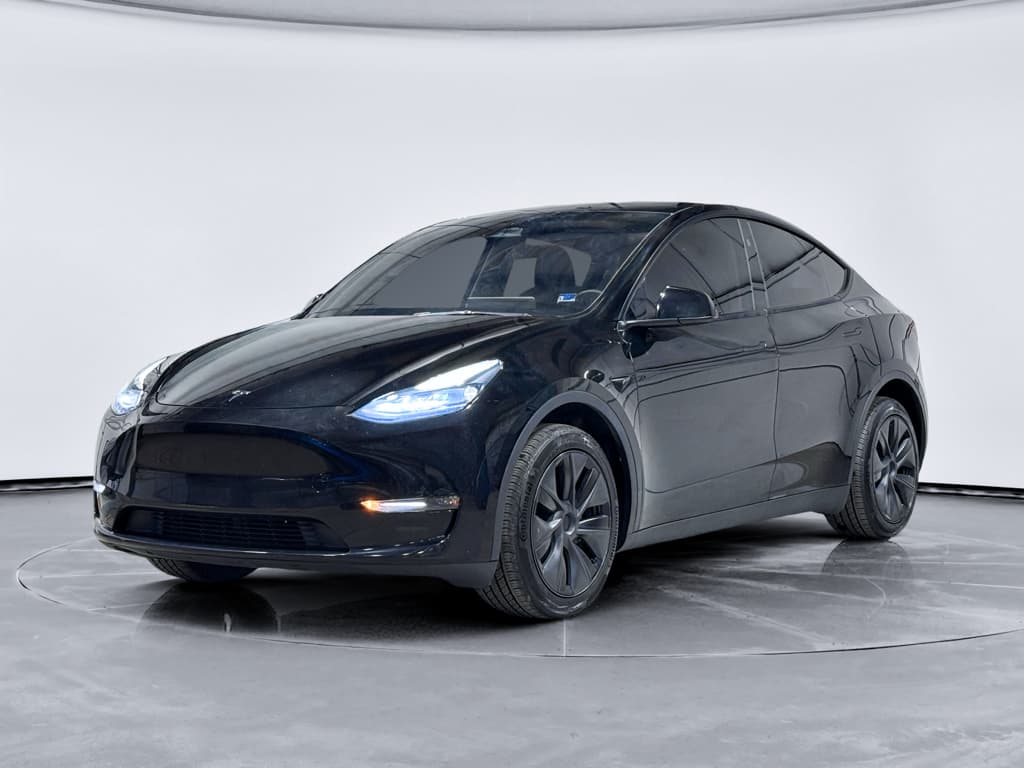
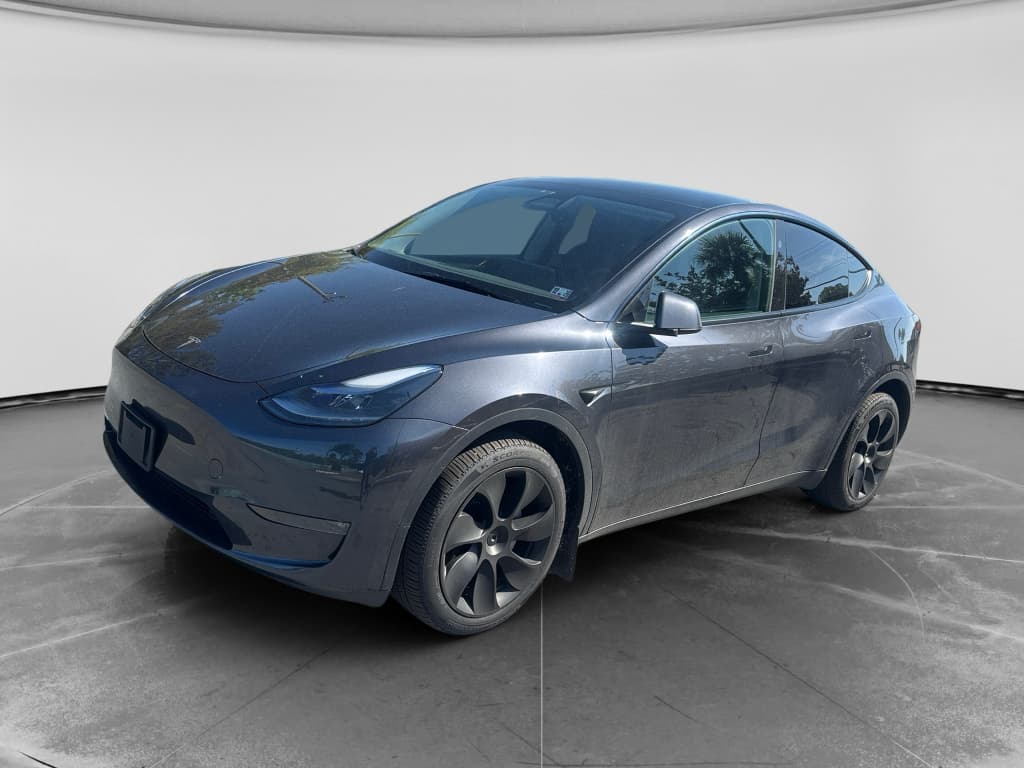
Tesla Model Y (optional 3rd row)
Type: Compact crossover with optional 7-seat package
Reality check: The third row suits kids only, and cargo space behind it is tight. Still, if you mostly need 5 seats and sometimes carry extra small passengers, it’s a flexible choice with strong efficiency and Supercharger access.
Mercedes-Benz EQB
Type: Small luxury SUV with available 7 seats
Reality check: A practical urban runabout. Third row is best for short trips or kids, but the EQB offers premium feel and a compact footprint.
Mercedes-Benz EQS SUV
Type: Large luxury 3-row EV SUV
Reality check: Plush, tech-heavy, and comfortable for six or seven, but priced firmly in luxury territory. The third row is usable for adults on shorter trips, especially compared with compact 5+2 layouts.
There are also a handful of import or specialty models (and upcoming entries like the Lucid Gravity) that may reach low-volume U.S. sales, but for most families the candidates above will form the real-world shopping list, especially in the used market over the next few years.
Key spec comparison of popular 7-seat EVs
Specs don’t tell the whole story, but they do help you narrow your list. Here’s a simplified view of how some key 7-seat and 3-row EVs compare on paper. Always confirm specifics by model year and trim, since automakers continually adjust batteries, motors, and charging hardware.
At-a-glance specs for major 7-seat electric SUVs
Approximate specs for representative trims; verify details for the exact vehicle you’re shopping.
| Model | Typical Seats | Approx. EPA Range | Drivetrain | Notable Strength |
|---|---|---|---|---|
| Kia EV9 | 6 or 7 | 230–300+ mi | RWD or AWD | Excellent packaging, fast charging, strong value |
| Hyundai Ioniq 9 | 6 or 7 | 300+ mi (est.) | RWD or AWD | Big battery, long range, comfortable ride |
| Cadillac Vistiq | 6 or 7 | ~300 mi (est.) | AWD | Luxury cabin, GM Ultium tech, three-row focus |
| Tesla Model Y | Up to 7 (small 3rd row) | 280–330 mi | AWD (for 7-seat) | Efficiency, software, Supercharger access |
| Mercedes-Benz EQB | Up to 7 (small 3rd row) | ~245 mi | FWD or AWD | Compact luxury, urban-friendly size |
| Mercedes-Benz EQS SUV | 6 or 7 | ~285–330 mi | AWD | High-end comfort and tech in a large SUV |
Use this as a starting point, not a substitute for checking a specific VIN and window sticker.
Always match specs to your exact vehicle
7-seat EVs coming soon
If you’re planning a purchase in the next year or two, it’s worth knowing what’s on the horizon. Automakers are steadily adding three-row electric SUVs above their current two-row crossovers, and we’ll see more nameplates offering 6- or 7-seat configurations.
- Additional trims and performance versions of the Kia EV9 and Hyundai Ioniq 9, some with North American Charging Standard (NACS) ports for native Tesla Supercharger access.
- Luxury three-row EVs expanding above and below the Cadillac Vistiq, including longer-wheelbase variants like Escalade IQ/IQL for buyers who need maximum space.
- New or updated 3-row models from premium brands that currently offer only two rows in their U.S.-market EVs.
- More Chinese-built 3-row EVs being evaluated for export, though U.S. tariffs and regulations may limit which of those actually reach American driveways.
Should you wait for the next wave?
Pros and cons of 3-row electric SUVs
Benefits of 7-seat electric vehicles
- Space with less guilt: You get SUV practicality without the fuel consumption and tailpipe emissions of a big gas V6 or V8.
- Quiet, smooth family rides: Electric drivetrains are almost silent, with instant torque that makes merging or passing feel effortless even when you’re fully loaded.
- Home refueling: Most families do 80–90% of charging at home. That means no more detours to gas stations for the school-run and grocery loop.
- Lower running costs: Electricity is typically cheaper per mile than gasoline, and EVs have fewer moving parts, which usually means less maintenance over time.
Trade-offs to think through
- Heavier and pricier: Three-row EVs are large and pack big batteries. That shows up in curb weight and sticker price, especially when new.
- Range when fully loaded: Towing, passengers, and cargo all eat into range. Plan your road trips with more conservative assumptions than the EPA number.
- Charging on long trips: Public fast-charging infrastructure is improving but still uneven. If you road-trip a lot, check your typical routes on charging apps before you buy.
- Parking and maneuverability: A true 3-row SUV is simply a big vehicle. Make sure it fits your garage, your parking garage at work, and your daily routes.
Think beyond the third row
How to choose the right 7-seat EV
Start with your use case, not the brochure. How often you’ll use the third row, where you live, and how far you typically drive in a day should drive your decision more than any single spec number.
7 key questions before you pick a 3-row EV
1. Who will really sit in the third row?
If it’s kids under 12, models like Tesla Model Y or Mercedes EQB may be sufficient. If you want adults back there, look to larger 3-row EVs like Kia EV9, Hyundai Ioniq 9, Cadillac Vistiq, or EQS SUV.
2. How much range do you need on your worst day?
Think about winter, highway speeds, full passenger load, and maybe a cargo box on the roof. If you regularly drive 200 miles in those conditions, a 250-mile EPA rating may feel tight; aim higher.
3. What’s your home charging situation?
A Level 2 (240V) charger at home is ideal for a big 3-row EV. If you’re limited to Level 1 or shared charging in an apartment, factor in how often you’ll need public chargers.
4. Do you tow or carry heavy gear?
Many 7-seat EVs offer solid towing capacity, but towing slashes range. Check the rated tow limit and real-world owner reports, and be honest about how often you’ll actually tow.
5. How important is software and UI?
You’ll interact with the infotainment system and driver-assist tech every single drive. If possible, test-drive competing models back-to-back to see which feels intuitive to you.
6. Are you eligible for incentives?
Federal and state incentives for new EVs shift over time, and used EV credits have their own rules. Check current programs and income caps; they can materially change the math.
7. Will you buy new or used?
New gets you the latest hardware and incentives, but used can save tens of thousands of dollars. With used, put extra emphasis on battery health and fast-charging history.
Buying a used 7-seat EV: what to watch
The first wave of 7-seat and 3-row EVs is starting to hit the used market, where they can offer compelling value, provided you avoid hidden battery or charging issues. This is where a careful inspection and transparent data matter more than ever.
Don’t buy blind on battery health
- Check for uneven tire wear and suspension noise; heavy 3-row EVs can be hard on tires and bushings if not maintained.
- Review DC fast-charging history when possible. Frequent high-power fast charging isn’t necessarily a deal-breaker, but it’s one more data point in assessing long-term battery health.
- Look for software update history, especially on models that received important range, thermal management, or charging improvements via over-the-air updates.
- Confirm that any third-row seating hardware (belts, latches, head restraints) is original and intact, not added or modified after the fact.
- If you test-drive on the highway, watch for steering vibrations or brake pulsation, both can be more noticeable on heavy EVs and may hint at future expenses.
How Recharged helps with used 3-row EVs
Shopping for a used 7-seat EV can feel like a coin toss if you don’t have insight into the battery and prior use. That’s exactly the problem Recharged was built to solve.
What you get with a used 7-seat EV from Recharged
More than a Carfax and a handshake.
Recharged Score battery report
Every vehicle on Recharged comes with a Recharged Score Report that includes verified battery health diagnostics, not just odometer and accident history. You’ll see how the pack is performing versus expectations for its age and mileage.
Fair market pricing and financing
Recharged benchmarks each EV against real market data, so you’re not guessing whether the price reflects its age, mileage, and battery condition. You can also apply for financing online, often with pre-qualification that doesn’t impact your credit score.
Trade-in, consignment, and delivery
Already own an EV or gas SUV? Recharged can provide an instant offer or consignment option and arrange nationwide delivery of your next 3-row EV, so you don’t have to live next door to a major EV dealer.
Ready to find your next EV?
Browse VehiclesExpert EV support from start to finish
FAQ: 7-seat electric vehicles
Frequently asked questions about 7-seat and 3-row EVs
Bottom line: are 7-seat EVs worth it?
If your life regularly involves six or seven passengers, hockey bags, and highway miles, a 7-seat electric SUV can absolutely replace a gas three-row, provided you pick the right model and charging setup for how you actually drive. Today’s standouts like Kia EV9, Hyundai Ioniq 9, and Cadillac Vistiq finally give families real EV choices that don’t feel like compromises.
The key is to shop deliberately. Be honest about how often you’ll use the third row, how far you drive on your biggest days, and whether your home and public charging options match those demands. If you’re leaning toward the used market, insist on transparent battery data rather than taking range on faith. With that groundwork, and help from an EV-focused marketplace like Recharged, you can find a 7-seat electric vehicle that fits your family as well as your budget.