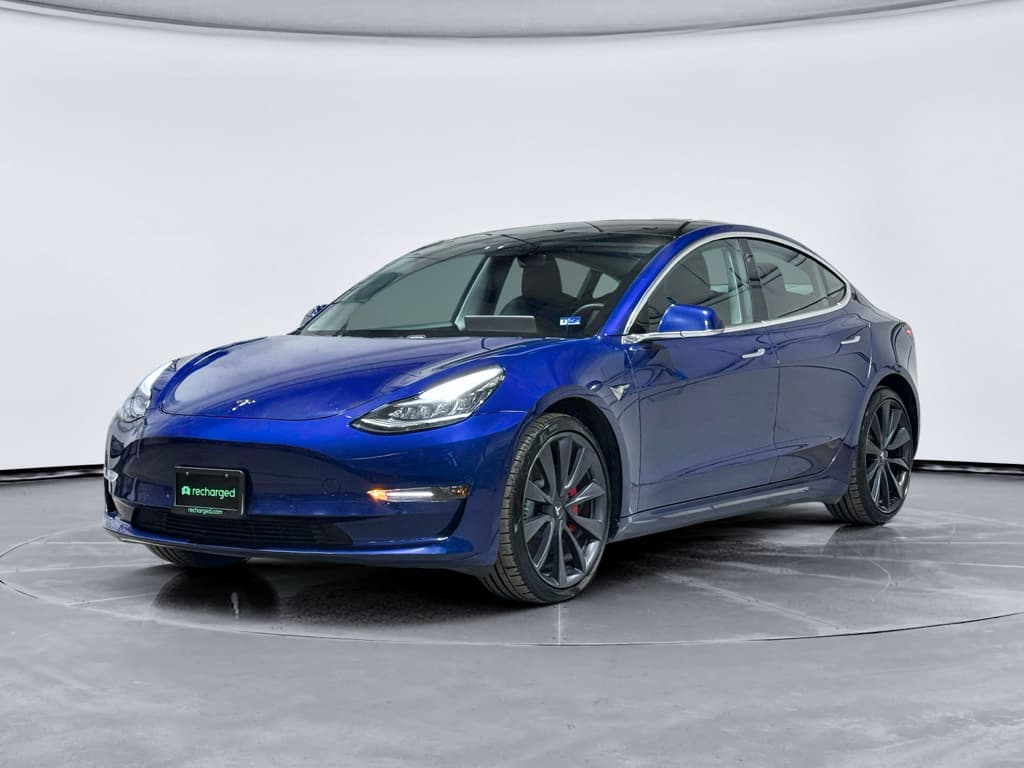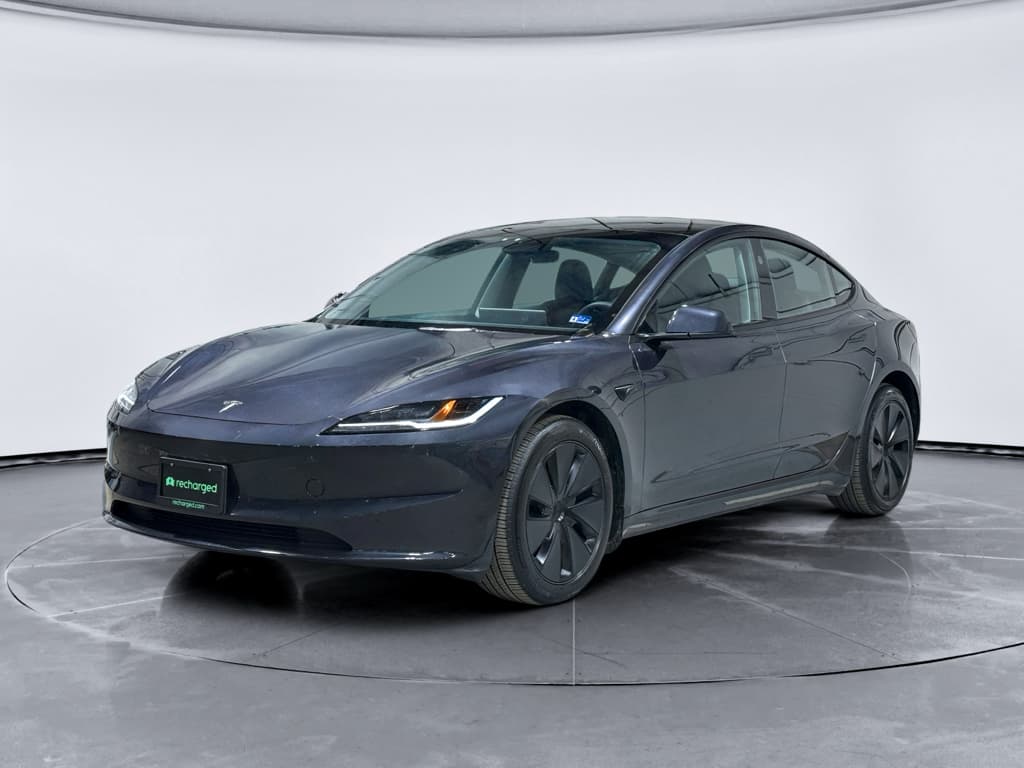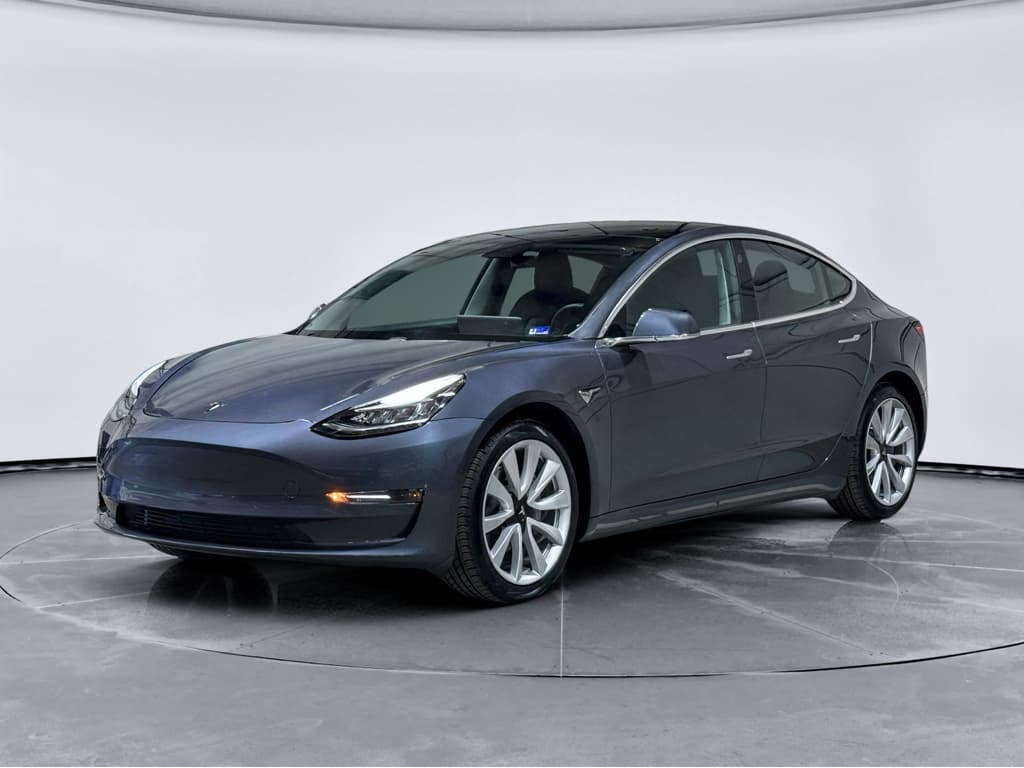
If you’re shopping for a Tesla Model 3 in 2026, new or used, color is more than a cosmetic choice. The most popular Tesla Model 3 colors in 2026 tend to be easier to resell, simpler to maintain, and more plentiful on the used market. At the same time, niche shades can either hurt or help value depending on your buyer pool and where you live.
Quick takeaway
Overview: 2026 Tesla Model 3 Color Lineup
Tesla has streamlined the Model 3 palette over the years, but the 2024+ "Highland" refresh set the template that largely carries into 2026. For U.S. buyers, you’ll typically see these seven factory paints on a 2025–2026 Model 3:
- Pearl White Multi‑Coat – bright tri‑coat white that reads premium rather than fleet‑car plain.
- Stealth Gray – a modern medium gray that replaced older Midnight Silver hues as the default "free" color in many markets.
- Deep Blue Metallic – rich, darker blue with good depth in sunlight.
- Solid Black – classic, gloss black (not metallic).
- Diamond Black – deeper metallic black offered as a premium choice on some trims.
- Quicksilver – high‑end, warm silver/gray with a lot of depth; priced as a premium color.
- Ultra Red – vibrant multi‑coat red that replaced the earlier multi‑coat red and sits at the top of the price ladder.
New vs. used palette
Car color trends that shape Model 3 demand
Most Popular Tesla Model 3 Colors in 2026 (Ranked)
Tesla doesn’t publish public “take‑rate” color data by model, but based on industry color reports, order‑guide pricing, owner forums, and what we see on the used market at Recharged, you can build a very reliable picture of which Model 3 colors are most popular in 2026.
2026 Tesla Model 3 Color Popularity & Buyer Perception
A practical ranking based on frequency on the road, used‑market availability, and shopper demand in 2025–2026.
| Rank | Color (2024+ palette) | Popularity on the road | Buyer desirability | Typical paint price when new* |
|---|---|---|---|---|
| 1 | Pearl White Multi‑Coat | Very high | High | Often included or low‑cost premium |
| 2 | Stealth Gray | High | High | Usually included / “free” color in many markets |
| 3 | Solid Black / Diamond Black | High | Medium‑High | Commonly a mid‑tier paid upgrade |
| 4 | Deep Blue Metallic | Medium | High | Mid‑tier premium color |
| 5 | Quicksilver | Lower volume | High for enthusiasts | Premium pricing near the top of the range |
| 6 | Ultra Red | Lower volume | Very high for right buyer | Top‑tier premium color |
Popularity describes how common the color is; desirability captures how strongly shoppers seek it out when choosing among used cars.
About the ranking
1. Pearl White Multi‑Coat: The default crowd‑pleaser
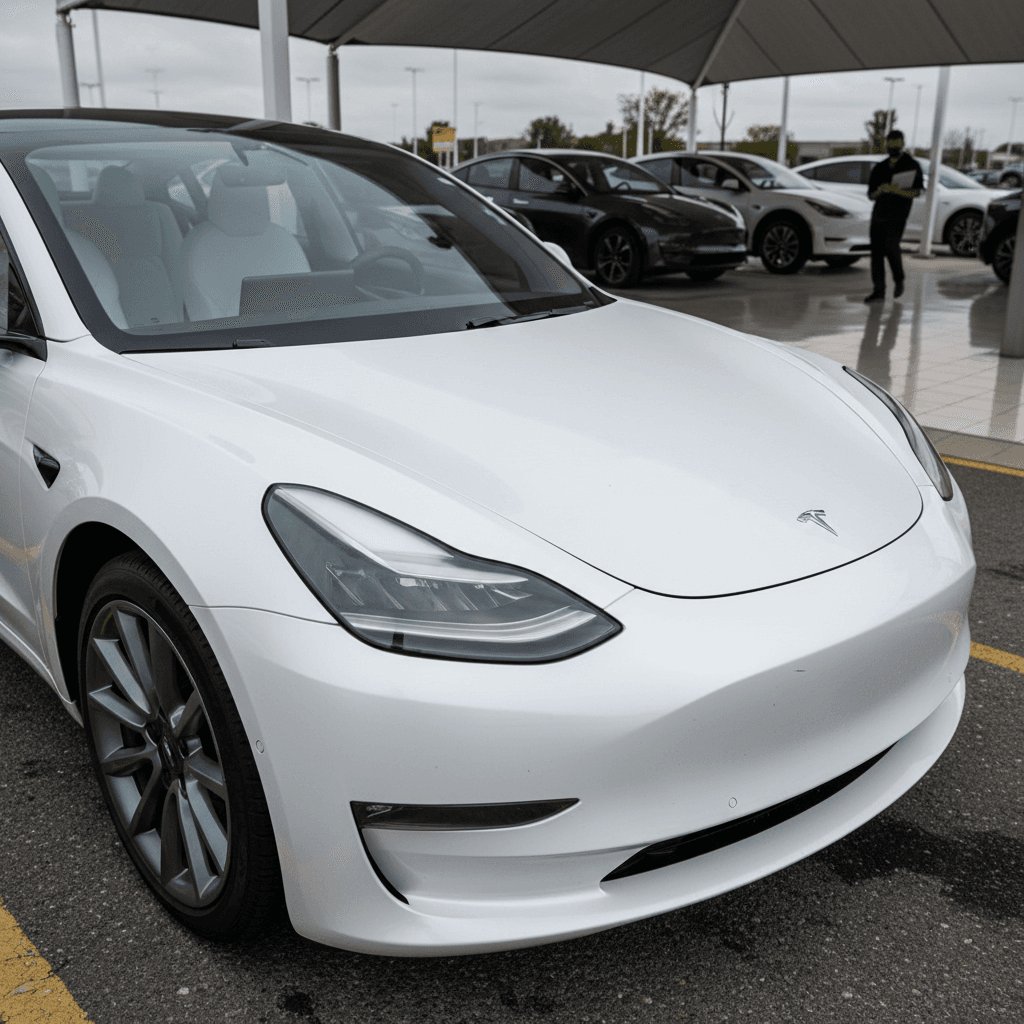
Pearl White Multi‑Coat continues to be the most common Tesla Model 3 color on the road. Whenever Tesla makes white either the free or low‑cost default, order volume follows. As a tri‑coat white, it has more depth and “pop” than basic rental‑car white, and it photographs extremely well, a non‑trivial factor in an Instagram and online‑shopping world.
- Pros: easy to resell, hides light dust and swirl marks, looks upscale, tends to hold value well.
- Cons: so common that it’s almost anonymous; can show road grime in winter; touch‑up matching still matters because of the multi‑coat process.
- Best fit: buyers who care about value, ease of ownership, and mainstream appeal more than standing out.
2. Stealth Gray: The modern “enthusiast default”
Stealth Gray became Tesla’s go‑to standard color on several models and that move made it one of the most popular 2026 Model 3 colors. It sits between light silver and charcoal, modern, understated, and forgiving in day‑to‑day use. Compared with older Midnight Silver Metallic cars, Stealth Gray has a flatter, more contemporary look that pairs well with dark wheels.
- Pros: often the free color, hides dirt and brake dust better than black or white, looks great with chrome‑delete trim and smoked wheels.
- Cons: can blend into a sea of gray crossovers in some markets; not as "wow" as Quicksilver up close.
- Best fit: commuters and first‑time EV buyers who want a sleek look without maintenance drama.
3. Black: Classic, sharp, and unforgiving
Tesla has alternated between Solid Black and metallic black options (like Diamond Black) as its dark paint of choice. Either way, black is one of the most common Model 3 colors in 2026 because it photographs beautifully and still says "premium" to a lot of shoppers. On a Highland with the new lighting and aero, a fresh black car looks expensive, right up until the first hand‑wash reveals micro‑scratches and dust.
- Pros: looks fantastic when clean, pairs well with all interiors, perceived as luxurious, popular with corporate and executive buyers.
- Cons: shows every swirl, water spot, and chip; heats up more in summer; can be more work to keep looking pristine.
- Best fit: detail‑oriented owners who enjoy washing or ceramic‑coating their car, or who plan to garage‑park.
4. Deep Blue Metallic: Underrated and increasingly sought‑after
Deep Blue Metallic doesn’t dominate delivery numbers the way white and gray do, but it punches above its weight in desirability. On the used side, blue Model 3s often attract more clicks per listing than their share of inventory would suggest, especially with light interiors. The color has enough depth to look special without screaming for attention.
- Pros: distinctive but not polarizing, ages well, hides light dust better than black or white, looks great in sun or overcast conditions.
- Cons: mid‑tier optional cost when new; color‑matched repair work can be pricier than for a solid color.
- Best fit: buyers who want a little flair without going all the way to Ultra Red.
5. Quicksilver: Premium, low‑volume, high impact
Quicksilver is Tesla’s high‑end silver/gray finish, introduced first in Europe and later spreading to other regions. It’s a multi‑layer paint with a lot of flop and depth that shows off the Model 3’s sculpted sides. Because it’s one of the priciest colors at order time, you’ll see fewer Quicksilver cars in the wild, which is exactly why some shoppers seek them out in 2026.
- Pros: looks genuinely premium up close, hides dust and light scratches better than darker paints, rare enough to stand out.
- Cons: premium price when new; if you need panel repainting, you’ll want a top‑tier body shop that understands Tesla’s multi‑coat silvers.
- Best fit: buyers who value a high‑end finish and subtle exclusivity over rock‑bottom purchase price.
6. Ultra Red: Low production, high emotion
Ultra Red replaced the original multi‑coat red and quickly became the halo shade for the Model 3. It’s not the most common color by volume, far from it, but it’s arguably the most emotionally compelling 2026 Model 3 color. On a used‑car listing page full of white and gray cars, a clean Ultra Red Highland with the right wheels jumps off the screen.
- Pros: huge curb appeal, often among the fastest to attract attention in used listings, associated with performance trims.
- Cons: usually the most expensive paint choice when new; bright colors can be more polarizing in conservative markets; repainting or blending Ultra Red isn’t cheap.
- Best fit: enthusiasts and design‑focused buyers who plan to keep the car long enough to enjoy that color every day.
How Color Affects Tesla Model 3 Resale Value
Color is only one piece of the value puzzle, battery health, mileage, accident history, and options matter more, but on a like‑for‑like basis, it can still move the needle. Broadly, the same trends we see across the EV market apply to the Model 3:
How Model 3 color choice plays into value
Think of paint as a tiebreaker between otherwise similar cars.
Mainstream colors hold steady
Whites, grays, silvers, and blacks tend to track the market average or slightly better on resale. There’s always healthy demand for neutral colors in the used market.
Desirable brights can outperform
On the right trim, eye‑catching colors like Ultra Red can sell quickly and sometimes command a small premium because there are fewer of them and buyers actively seek them out.
Niche hues narrow your buyer pool
Extremely bold wraps or unusual factory colors may limit demand. A subset of buyers will love them, but others will skip straight past your listing.
Use data, not guesses
Color and the Recharged Score
When you shop a Model 3 at Recharged, every car comes with a Recharged Score Report that focuses on fundamentals: verified battery health, charging history when available, accident checks, and fair‑market pricing. Color isn’t a line item in the score, but it does feed into that fair‑market valuation.
If you’re comparing two Model 3s with the same mileage, battery health, and trim, and the only differences are color and wheels, expect to see small price adjustments that reflect broader market preferences for that color in your region.
Maintenance: Which Model 3 Colors Age Best?
Owning a Tesla is supposed to simplify your life, but certain colors can add, or subtract, work over the years. Before you fall in love with a shade in the configurator, think about how it will look after 30,000 miles of real life.
Easiest Model 3 colors to live with
- Stealth Gray & Quicksilver hide dust, light scratches, and water spots well.
- Pearl White masks swirl marks better than solid black and doesn’t show every speck of dirt.
- Deep Blue sits in the middle, darker than silver but more forgiving than black.
If you plan to use automatic car washes or don’t have covered parking, these shades will look cleaner, longer, with less effort.
High‑maintenance colors
- Solid / Diamond Black: stunning when freshly detailed, but every swirl and scratch shows.
- Ultra Red: bright paints show rock chips and road rash more clearly on the nose and rocker panels.
- Very dark wraps: satin blacks and deep matte finishes look fantastic but need careful washing.
If you’re buying used, inspect darker cars in bright daylight; flaws that disappear at dusk are easy to spot at noon.
Watch for repaints and panel work
Best Tesla Model 3 Colors for Different Types of Buyers
Not every buyer has the same priorities. Some of us want the lowest total cost of ownership; others just want the car that makes us glance back in the parking lot. Here’s how the 2026 Model 3 colors line up for different use cases.
Match your Model 3 color to your priorities
Value‑focused commuters
Choose <strong>Pearl White</strong> or <strong>Stealth Gray</strong> for maximum availability and strong resale.
Don’t overpay for rare colors unless you personally love them; you won’t always get that full premium back.
Look for ceramic coating only if you park outside constantly, it’s nice, not mandatory.
Enthusiasts & design‑driven buyers
Prioritize <strong>Ultra Red</strong>, <strong>Deep Blue Metallic</strong>, or <strong>Quicksilver</strong>, they stand out on the road and in listings.
Pair bold exterior colors with contrasting interiors (white over red, black over blue) for a concept‑car feel.
Accept that unique colors may narrow your future buyer pool slightly, but can also attract the right buyer faster.
Company cars & shared vehicles
Stick with <strong>white, gray, or black</strong>, they’re broadly acceptable in most corporate fleets.
Neutral colors hide branding residue better if decals or wraps are ever removed.
If you’ll use a full‑body wrap for branding, the underlying color matters less, focus on clean history and battery health instead.
Cold‑ or hot‑climate owners
In hot climates, <strong>white and light silver</strong> reflect more heat and help the cabin stay cooler at rest.
In snowy climates, darker colors hide salt and slush stains a bit better, but white contrasts nicely with winter grime for safety.
Remember that Tesla’s heat pump and HVAC efficiency matter more than color, but every advantage helps.
Wraps, Custom Colors, and When They Make Sense
If Tesla’s factory palette leaves you wanting more, you’re not alone. Many Model 3 owners turn to vinyl wraps, partial wraps, or PPF (paint‑protection film) to get the exact look they want.
Factory paint vs. wrap vs. PPF
Three paths to the color, and protection, you want.
Factory paint only
Best for: new‑car buyers who are happy with Tesla’s palette and don’t want extra complexity.
Least up‑front cost beyond the factory paint upgrade; easiest to finance and insure since it’s all OEM.
Full or partial wrap
Best for: unique colors, brand graphics, or matte/satin finishes Tesla doesn’t offer.
Expect roughly $2,500–$6,000 for a quality full‑body wrap on a Model 3, depending on material and region.
Paint‑protection film (PPF)
Best for: preserving a premium color (Ultra Red, Quicksilver) on high‑mileage cars.
Front‑end PPF can dramatically cut rock‑chip damage, especially on low‑nose colors that show every nick.
Warranty and insurance fine print
Used Tesla Model 3 Shopping Checklist (Color Edition)
When you’re evaluating a used Model 3, whether through a private seller, auction site, or a marketplace like Recharged, color should sit alongside battery health, price, and history. Use this checklist to keep emotion and practicality in balance.
Color checklist for used Tesla Model 3 buyers
1. Decide if you care more about standing out or resale
If you plan to own the car 3–4 years and then sell, mainstream colors like Pearl White and Stealth Gray are safest. If you expect to keep it 7–10 years, buy the color that makes you smile, its future resale impact is diluted over time.
2. Inspect paint under harsh light
Look at the car outside in direct sun and in shade. Walk around and look for color mismatches between panels, excessive orange peel, or overspray on rubber seals, signs of repainting or lower‑quality bodywork.
3. Check high‑impact zones for chips
Focus on the front bumper, hood edge, rocker panels, and behind the rear wheels. On darker or bright colors, clusters of chips can be more visible and may warrant touch‑up, PPF, or a small price negotiation.
4. Ask about wraps and film
If the car is or was wrapped, ask for invoices and installer info. A quality wrap can protect paint; a rushed job can hide damage. If a wrap was recently removed, check for knife marks on edges and around badges.
5. Compare pricing to neutral‑color comps
When you’ve found a car you like, compare it to similar‑mileage Model 3s in more common colors. If a rare color is priced the same or slightly below those comps, it can be a smart buy.
6. Leverage objective diagnostics
Use color as the tiebreaker, not the foundation. On Recharged, the Recharged Score gives you verified battery health and pricing benchmarks so you can choose your favorite color without guessing about the fundamentals.
FAQ: 2026 Tesla Model 3 Colors
Frequently asked questions about Tesla Model 3 colors in 2026
Bottom Line: Choosing Your 2026 Model 3 Color
In 2026, the most popular Tesla Model 3 colors are the ones you see everywhere: Pearl White Multi‑Coat, Stealth Gray, and black. They’re popular because they’re safe choices, easy to live with, easy to finance, and easy to resell. But that doesn’t mean you should ignore distinctive shades like Deep Blue Metallic, Quicksilver, or Ultra Red, especially if you plan to keep the car long enough that resale becomes a secondary concern.
If you’re shopping new, think of color as the final 5% of the decision, after you’ve locked in budget, trim, and options. If you’re shopping used, especially online, lean on objective data first, battery health, history, and pricing, and then let your eyes and heart weigh in on color. At Recharged, every Model 3 we list includes a Recharged Score Report, transparent photos, and expert support so you can balance logic and emotion with confidence, no matter which color you ultimately park in your driveway.