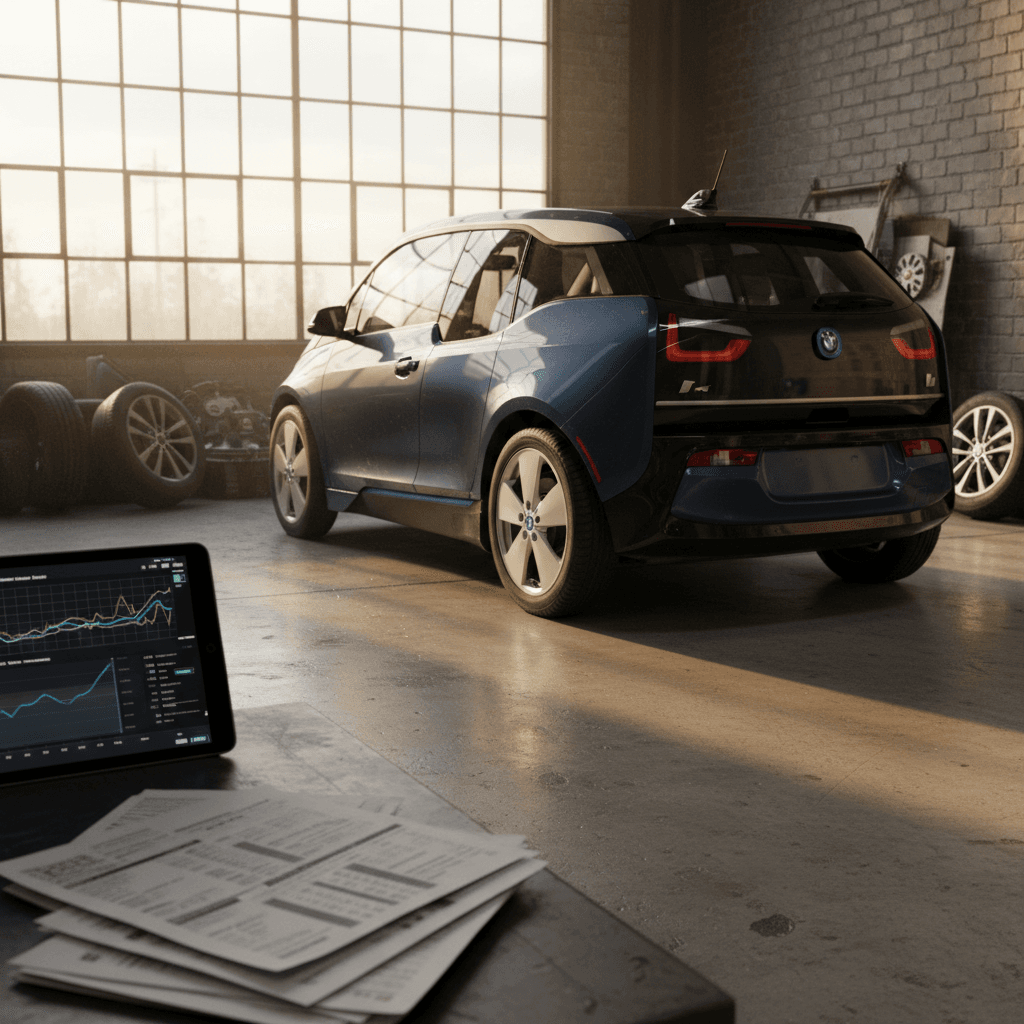
If you’re shopping for a compact used EV, a 2nd hand BMW i3 sits in a sweet spot: premium badge, futuristic design, and surprisingly low prices thanks to heavy depreciation. But the i3 also comes with unique carbon-fiber construction, multiple battery sizes, and that quirky little gasoline "Range Extender", which means you’ll want to know exactly what you’re buying before you sign anything.
Quick take
Why a 2nd hand BMW i3 still makes sense
BMW stopped producing the i3 in 2022 after roughly 250,000 units worldwide, but its design was years ahead of its time. The car uses a carbon-fiber reinforced plastic (CFRP) passenger cell on an aluminum skateboard chassis, rear-wheel drive, and a tight city footprint. For you, that means a used i3 still feels modern next to newer EVs, especially inside, where the open, lounge-like cabin and big windows make most small cars feel cramped.
Core advantages of a used BMW i3
Why it keeps showing up on savvy shoppers’ shortlists
Efficient city EV
The i3 was one of the most efficient EVs on sale, especially the early 60Ah models. That means strong range per kWh and low running costs.
Lightweight & nimble
Thanks to its carbon-fiber body, the i3 feels quick and agile around town, with instant torque and a tight turning circle.
Depreciation is your friend
Original MSRPs were near-luxury. Today, used i3s often list for a fraction of that, making them a budget-friendly way into premium EV ownership.
Who it fits best
Model years, batteries, and range at a glance
Almost every question about a 2nd hand BMW i3 boils down to one thing: Which battery does it have? BMW offered three main battery packs over the life of the car, each with noticeably different range. There are also sportier “i3s” versions and models with the optional Range Extender gas engine.
BMW i3 battery generations (North America focus)
Use this to match a used i3’s model year to its likely battery and range. Always confirm with the VIN or seller documentation.
| Model years (approx) | Battery marketing name | Net usable capacity | EPA electric range (BEV) | Typical real-world range* |
|---|---|---|---|---|
| 2014–2016 | 60Ah (22 kWh pack) | ≈18.8 kWh | ≈81 miles | 60–80 miles |
| 2017–2018 | 94Ah (33 kWh pack) | ≈27.2 kWh | ≈114–115 miles | 90–120 miles |
| 2019–2021 (to end of US sales) | 120Ah (42.2 kWh pack) | ≈37.9 kWh | ≈153 miles | 120–160 miles |
Approximate figures; actual EPA ratings vary slightly by configuration.
Don’t rely on year alone
Range Extender (REx) vs pure electric (BEV)
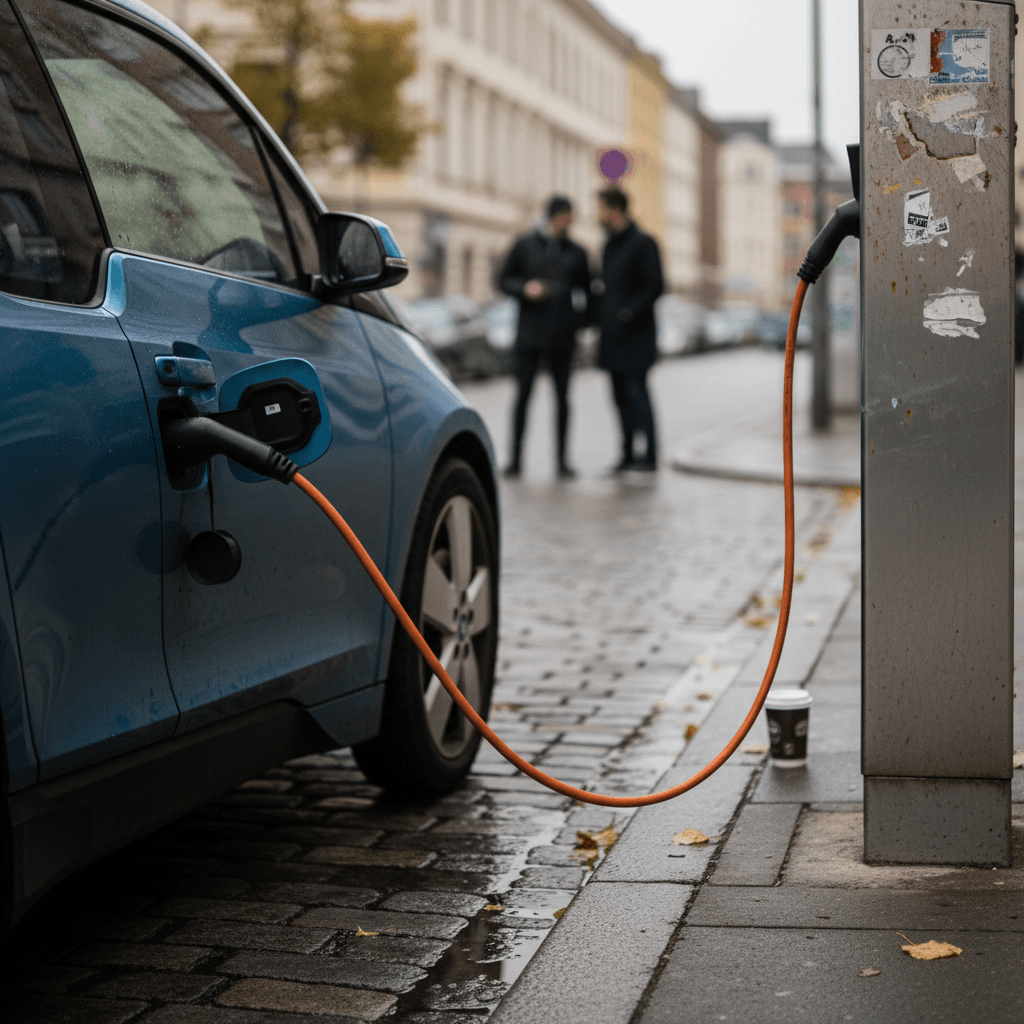
BMW offered the i3 in two basic flavors. The BEV is pure electric. The REx (Range Extender) adds a small two‑cylinder gasoline engine that powers a generator to maintain the battery’s charge once it drops low. Understanding the differences is critical when buying used.
Pure electric i3 (BEV)
- Simpler drivetrain – no engine, fuel system, or emissions equipment to maintain.
- Lighter and slightly quicker than an equivalent REx.
- Lower running costs – electricity only, fewer fluids and wear items.
- Best choice if your daily driving stays comfortably within the car’s electric range.
i3 with Range Extender (REx)
- Small gasoline engine acts as a backup generator, not a traditional hybrid drive.
- Lets you keep driving once the battery hits a low state of charge, great for unexpected detours.
- More complex: additional systems to maintain (engine oil, fuel system, exhaust, emissions controls).
- Slightly smaller gas tank on early US models; later years offered a bit more usable capacity.
How far will the REx really take you?
Real-world range and battery aging
On paper, the BMW i3 has excellent efficiency. But you’re shopping in 2025, which means even the newest US‑market cars are several years old. The questions you really care about are: How far does it go now? and How healthy is the battery?
Typical real-world range for healthy packs
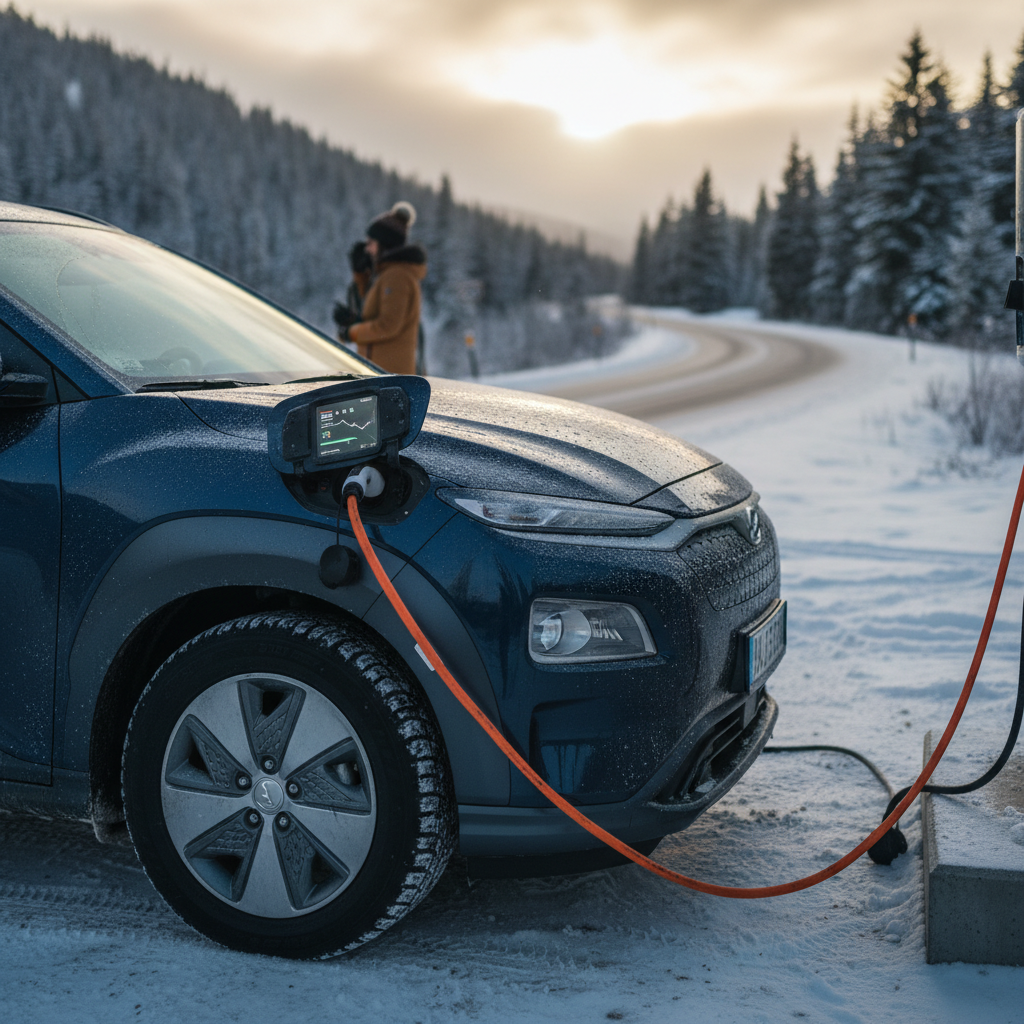
Weather matters more than you think
The i3 uses liquid-cooled, high-quality lithium-ion cells and has a relatively conservative buffer, so catastrophic degradation is rare compared with some early EVs. Still, battery health varies by climate, charging habits, and mileage. That’s why a generic “it still shows 90 miles when full” from a seller isn’t enough on its own.
How Recharged helps here
Ready to find your next EV?
Browse VehiclesCommon issues on a used BMW i3
The i3 is generally robust, but like any aging premium car, it has its quirks. When you’re cross-shopping 2nd hand BMW i3 listings, these are the trouble spots you’ll want to keep in mind.
Most-talked-about BMW i3 trouble spots
Not every car will have these, but all are worth checking.
Charging hardware & ports
Look for damage or corrosion around the CCS/J1772 inlet, test both AC and DC fast charging where possible, and confirm the charge door opens and closes smoothly.
High-voltage battery warnings
Yellow or red battery/drive-train warnings, sudden drops in state-of-charge, or a car that refuses DC fast charging can all hint at deeper issues that need professional diagnostics.
Suspension & wheel wear
The i3’s tall, narrow tires and light weight can hide pothole damage. Listen for clunks, and inspect wheels for cracks or bends, especially on cars that lived in cities.
Climate control quirks
Weak cabin heat or AC isn’t just comfort-related; in an EV, the HVAC system also affects range and battery conditioning. Make sure it heats and cools quickly and quietly.
Coach doors & seat belts
The rear-hinged back doors are handy but rely on precise latching. Check that the front and rear doors line up correctly and that seat belt mounts aren’t loose.
REx engine maintenance (if equipped)
Ask for service records: oil changes, fuel system maintenance, and emissions-system repairs. A neglected REx can turn your “backup” into a liability.
Walk away from structural issues
Checklist: what to inspect on a 2nd hand BMW i3
Use this checklist when you’re looking at a 2nd hand BMW i3 in person or reviewing an online listing. It’ll help you separate the great cars from the ones that will nickel-and-dime you.
Pre-purchase inspection checklist
1. Confirm battery generation
Match the model year to the likely battery (60Ah, 94Ah, 120Ah) and verify via VIN decode or service records. On a full charge, an 80-mile estimate suggests 60Ah, ~110 miles suggests 94Ah, and 140–160 miles points to 120Ah, assuming mild weather.
2. Review battery health data
Ask for any battery health reports, dealer diagnostics, or third‑party tests. When you buy through Recharged, this is included in the Recharged Score, so you’re not guessing based on a dashboard estimate.
3. Test drive in mixed conditions
Start with a cold car if possible. Listen for suspension noises, feel for steering vibration, and verify that one‑pedal driving (strong regen when you lift off the accelerator) feels smooth and predictable.
4. Check charging behavior
Plug into both Level 2 AC and DC fast charging if you can. The car should recognize the charger quickly, ramp up to expected power, and stay connected without throwing charging errors.
5. Inspect tires and brakes
The i3 uses narrow, low-rolling-resistance tires, and replacements can be pricy. Uneven wear may hint at prior suspension damage. Check brake discs for scoring or heavy rust ridges from long periods parked.
6. Verify software & options
Confirm navigation, Bluetooth, and any driver-assistance features work correctly. Ask if the car has received major software updates and whether services like BMW ConnectedDrive are still active or relevant to you.
7. Look up recall and service history
Use the VIN to check open recalls and review maintenance history. Regular brake fluid changes, cabin filters, and REx engine services (if applicable) are good signs of a cared‑for car.
Pricing, depreciation, and value for money
Exact prices change month to month and vary by mileage, battery, and options, but the big picture is clear: the BMW i3 has already taken the steepest part of its depreciation hit. That’s excellent news if you’re considering a 2nd hand BMW i3 today.
- Early 60Ah cars are often the most affordable, but their shorter range means they work best as dedicated city cars or second vehicles.
- 94Ah cars tend to offer the best balance of price and usable range for most commuters.
- Low‑mileage 120Ah cars command a premium but still undercut many newer small EVs while offering comparable day‑to‑day range.
How to think about value
Buying from dealer vs private seller (and where Recharged fits)
With a niche model like the i3, who you buy from can matter almost as much as which car you pick. Many general used-car lots don’t fully understand EVs, and private sellers may genuinely not know the state of their battery. Here’s how the main paths compare.
Private seller
- Often the lowest asking price.
- Best if you’re very comfortable evaluating EVs yourself.
- Limited recourse if hidden issues surface later.
Traditional dealer
- May offer short warranties or service contracts.
- Experience with EVs varies widely, some know the i3 well, others treat it like any used car.
- Battery health is rarely documented beyond "seems fine".
EV specialist / Recharged
- Inventory curated specifically for EVs, including the BMW i3.
- Each car comes with a Recharged Score Report covering battery health, pricing vs market, and overall condition.
- Digital buying experience, nationwide delivery, financing, and trade‑in support, all tuned for EV buyers.
Why EV‑specific inspection matters
FAQ: 2nd hand BMW i3
Frequently asked questions about used BMW i3 models
Bottom line: who the used BMW i3 is perfect for
A 2nd hand BMW i3 isn’t a one-size-fits-all EV, but when your lifestyle lines up with its strengths, it’s a gem. It’s ideal if you value easy parking, low running costs, and a cabin that feels more boutique apartment than basic hatchback. The keys to a good purchase are choosing the right battery generation, being honest about your range needs, and getting a clear picture of battery health before you buy.
If you’d rather skip the guesswork, explore used i3 listings on Recharged. Every car includes a Recharged Score Report with verified battery diagnostics, fair market pricing, and support from EV‑specialist advisors, from shortlisting the right model to arranging financing, trade‑in, and delivery to your driveway.