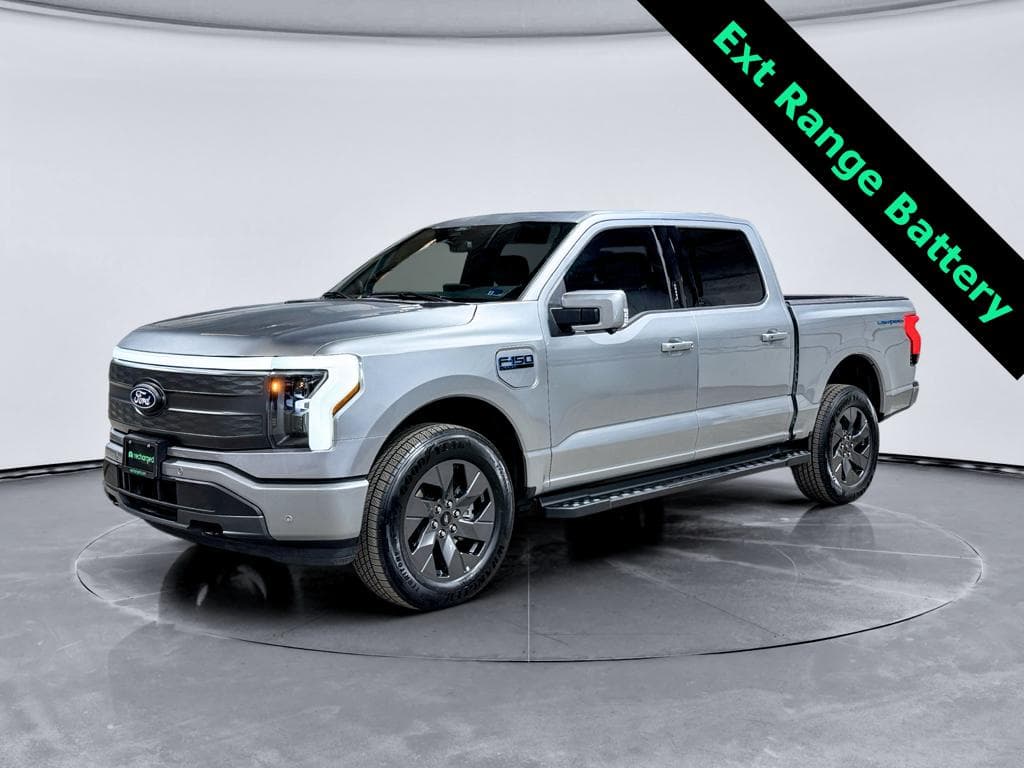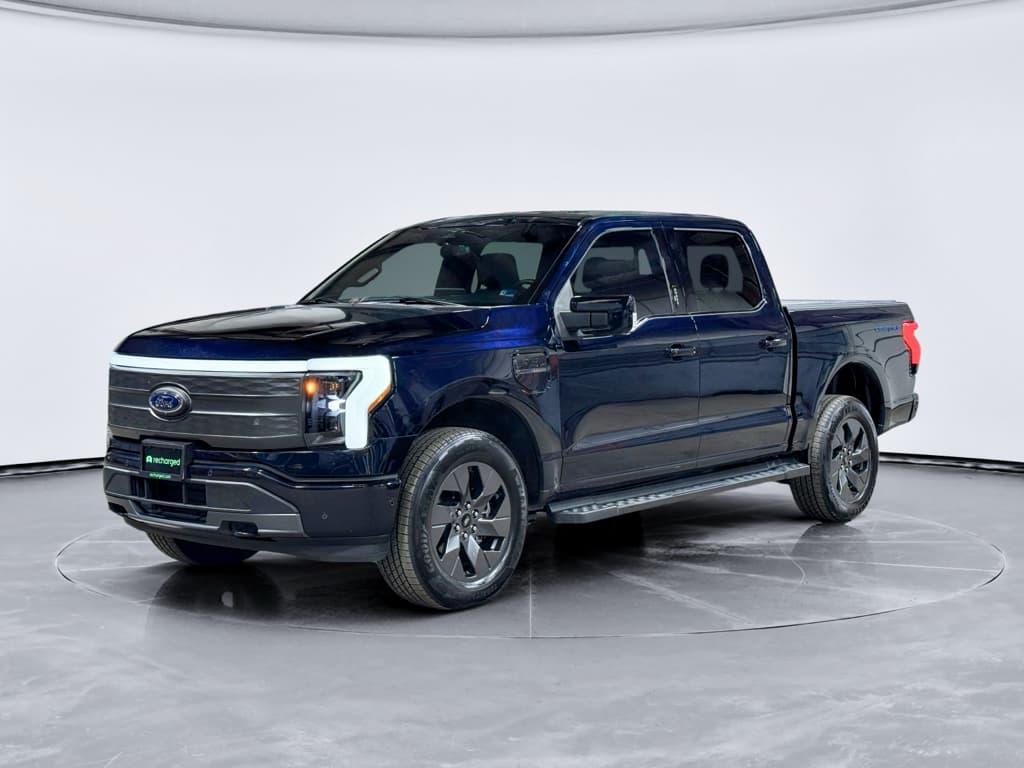
If you’re eyeing a used 2022 Ford F-150 Lightning, reliability is probably your biggest question. It’s Ford’s first mass‑market electric pickup, and early trucks are now four model years old. Between multiple recalls, mixed survey scores, and some very encouraging battery‑life stories, the picture is nuanced, but not a disaster.
Quick context
2022 F-150 Lightning reliability at a glance
Key reliability signals for the 2022 Lightning
Taken together, these signals say the 2022 Lightning isn’t a trouble‑free appliance, but it’s also not a ticking time bomb. Most issues are software, electronics, and quality‑of‑life problems that can be addressed, while the battery and core electric powertrain have looked robust so far.
How consumer studies rate 2022 Lightning reliability
Large owner‑survey organizations give the 2022 Ford F-150 Lightning a below‑average overall reliability score versus other 2022 vehicles. Trouble spots often flagged include in‑car electronics, body hardware, climate system components, brakes and regen behavior, and the EV powertrain’s electronics rather than the motor itself.
- The Lightning scores worse than the average 2022 vehicle for predicted reliability.
- Most problem areas are electrical or software‑related (infotainment glitches, warning lights, electronic driver aids).
- Mechanical failures of the electric motor itself appear rare so far.
- Some owners report completely trouble‑free experiences through tens of thousands of miles, while others see a cluster of minor but annoying issues.
That split is important for a used buyer like you: the variance is high. Two 2022 Lightnings can live very different lives depending on build date, climate, towing usage, and how quickly software updates and recall work were done.
Read survey scores with caution
Major recalls you should know about
By early 2026, the 2022 F-150 Lightning had been subject to several NHTSA safety recalls. Most are software or component‑specific, but they matter for your safety and for tire and lighting performance.
Notable 2022 Ford F-150 Lightning recalls
This isn’t an exhaustive list, but these are the big items you should verify on any used 2022 Lightning.
| Recall area | Model years affected | Issue | Typical fix |
|---|---|---|---|
| Integrated park module / roll‑away risk | 2022–2026 Lightning + other Ford EVs | Vehicle may fail to fully engage Park, increasing roll‑away risk on slopes. | Over‑the‑air or dealer software update to the park module; confirm latest calibration. |
| Tire Pressure Monitoring System (TPMS) calibration | 2022 Lightning with 20" or 22" tires | TPMS light may not illuminate at the correct pressure, reducing warning of under‑inflation. | Body control module software update; in some cases, repeat recall campaign to correct incomplete repairs. |
| Rear lightbar / reverse lighting | 2022–2023 Lightning | Micro‑cracks in the rear lightbar lens can let moisture in and cause flickering or inoperative reverse lights. | Replacement of the rear lightbar assembly. |
| Misc. software / drivability updates | Primarily 2022 | Various drivability, charging, and warning‑light behaviors refined after launch. | Dealer or OTA updates to multiple control modules. |
Always run the VIN through NHTSA or a Ford dealer to confirm completion of all recall campaigns.
Used‑buyer tip
Common owner‑reported issues on the 2022 Lightning
Owner forums and surveys paint a familiar picture for a first‑generation, software‑heavy EV: lots of minor glitches, far fewer catastrophic failures. Here are the most common themes Lightning drivers talk about.
Typical problem areas on early Lightnings
Most are fixable; the key is catching them before they become long‑term headaches.
In‑car electronics
Owners frequently mention:
- Freezing or rebooting infotainment system
- False or persistent warning lights
- Occasional issues with cameras or parking sensors
Many of these are improved by software updates.
Climate & comfort systems
A smaller but notable group report:
- Overactive cabin preconditioning draining range
- HVAC not hitting set temperatures consistently
- Noises from blower or A/C compressor
Chassis, brakes, and hardware
Reports include:
- Brake pulsation or vibration
- Squeaks and rattles over time
- Door, tailgate, or lightbar alignment issues
Most are traditional truck wear‑and‑tear items.
Mild but annoying issues
For many 2022 owners, problems have been limited to things like rattles, electrical gremlins, and the occasional software bug. Trucks in this group can feel totally dependable once updates are current, more like living with an early smartphone than a failing engine.
Less common serious failures
A minority of owners have reported more serious issues such as powertrain malfunction warnings that take the truck out of service, or high‑voltage battery module failures requiring replacement under warranty. These are rare but very expensive if they ever fall outside warranty coverage.
Why documentation matters
Battery life and degradation on 2022 F-150 Lightning
If you’re used to diesel‑or gas‑powered trucks, the idea of a massive, work‑duty battery pack may feel like a big long‑term risk. So far, though, early data on 2022 Lightning battery degradation has been surprisingly positive.
- A documented 2022 Lightning driven nearly 100,000 miles showed a state‑of‑health reading around 97%, suggesting roughly 3% capacity loss, essentially within the noise of measurement and testing conditions.
- Another extended‑range 2022 Lightning tested at around three years and 38,000 miles showed virtually no measurable range loss compared with when it was new, on a repeat highway route with similar conditions.
- Multiple owners with 20,000–60,000 miles report that they have not noticed meaningful changes in usable range in everyday use, especially when they avoid frequent 100% fast charges and extreme heat exposure.
The Lightning uses a Nickel Cobalt Manganese (NCM) battery chemistry, which can be sensitive to heat and high states of charge if abused. Ford’s software appears to use conservative buffers and charging strategies, which likely explains the strong early‑life results you’re seeing in these high‑mileage trucks.
Good charging habits for Lightning longevity
- Charge to 70–80% for daily use instead of 100%.
- Avoid letting the truck sit at 0–5% or 100% for long periods.
- Favor Level 2 home charging over frequent DC fast charging.
- Limit exposure to extreme heat when possible, shade or a garage helps.
How towing and hard use affect perceived reliability
Where the 2022 F-150 Lightning can feel "unreliable" to traditional truck owners is range under load. Towing and hauling don’t usually break the truck, but they can drastically change how predictable it feels day to day.
Range vs. reliability: why expectations matter
The truck can do the work, but you need to know its limits.
Towing & payload impacts
- Heavy trailers can cut effective range by 40–50% or more, especially at highway speeds.
- Hilly terrain, headwinds, and cold temps stack the deck further against range.
- Frequent DC fast charging on long towing trips adds time and cost, but hasn’t yet shown catastrophic battery damage in most owner reports.
Why some owners call that "unreliable"
- Drivers used to 600+ miles of diesel range may feel range estimates are too optimistic when towing.
- Needing extra planning for charging stops can feel like a failure, even if the truck is operating as designed.
- Disappointment in range often shows up as reliability complaints in surveys, even when nothing is broken.
Set realistic expectations
What this reliability picture means if you’re buying used
So where does all of this leave you if you’re evaluating a used 2022 F-150 Lightning? In simple terms: it’s a promising truck with more early‑production warts than a typical half‑ton, but without the catastrophic EV‑battery downside many people feared.
- Expect more recalls and software updates in the service history than you’d see on a conventional F-150.
- Prioritize trucks with documented, timely service and recall completion, ideally at the same Ford dealer.
- Be cautious with trucks that lived hard lives as fleet, commercial, or heavy‑towing rigs in very hot climates.
- Factor in that Ford has adjusted its EV strategy and production plans; parts and software support should continue, but new‑truck sales volume isn’t the growth rocket it once was projected to be.
Who a used 2022 Lightning fits best
- Do most driving within 150–200 miles a day.
- Have home Level 2 charging.
- Use towing occasionally, not every single workday.
- Value instant torque, quiet operation, and low routine maintenance more than maximum cross‑country towing range.
Inspection checklist for a used 2022 F-150 Lightning
Because reliability varies so much truck‑to‑truck, your pre‑purchase inspection is where you turn averages into your specific outcome. Here’s a focused checklist for the 2022 Lightning.
Key checks before you buy a 2022 Lightning
1. Verify recalls and software updates
Run the VIN through official recall tools and ask the seller for a printout of completed campaigns. Confirm that recent park‑module, TPMS, and lighting recalls are marked complete, and check that the infotainment and powertrain control modules show current software versions.
2. Inspect charging behavior
Test both AC Level 2 and, if possible, a DC fast‑charge session. Watch for failures to start charging, charge‑port door glitches, or repeated error messages. A truck that is picky about chargers can be frustrating to live with.
3. Check for warning lights and stored faults
During a long test drive, cycle through drive modes, one‑pedal driving, and highway speeds. Afterward, have a shop or platform like Recharged pull diagnostic codes to see if any battery, inverter, or powertrain faults are lurking in the background.
4. Evaluate cabin electronics
Spend time with the infotainment system: navigation, Bluetooth, cameras, parking sensors, and driver‑assist systems. Frequent reboots or non‑functional sensors today can hint at deeper electrical issues tomorrow.
5. Listen for noises and feel for vibrations
On a rougher road and during braking, pay attention to squeaks, rattles, and brake pulsation. Some noise is normal for a big truck, but loud clunks, shudder under braking, or persistent steering vibration should be investigated.
6. Ask about usage profile
How was the truck used? Daily commute, weekend toy, or workhorse with a trailer? Long‑term heavy towing in hot climates isn’t automatically a deal‑breaker, but it raises the bar for how clean the battery and drivetrain should look on a health report.
How Recharged evaluates used EV trucks like the Lightning
With a first‑generation truck like the 2022 Lightning, the difference between a great buy and a headache comes down to how carefully the vehicle is vetted. That’s exactly what Recharged was built for.
What Recharged looks at on a used Lightning
Beyond a basic test drive and a quick scan for warning lights.
Battery & high‑voltage health
Every Recharged vehicle gets a Recharged Score Report that includes verified battery health readings, charging history clues, and any signs of abnormal degradation or module faults.
Deep diagnostic scan
We pull codes from powertrain, charging, and body electronics modules, not just the OBD‑II basics, so underlying EV‑specific issues don’t surprise you after purchase.
Fair‑market pricing & financing
Because we track recall status, battery condition, and regional demand for EV trucks, our pricing reflects the real value of a specific Lightning, not just a generic book number. We also offer EV‑friendly financing and trade‑in options.
Ready to find your next EV?
Browse VehiclesIf you find a 2022 F-150 Lightning you love, or want help finding one, Recharged can handle inspection, Recharged Score battery diagnostics, trade‑in, financing, and even nationwide delivery, all in a fully digital experience backed by EV specialists.
FAQ: 2022 Ford F-150 Lightning reliability
Frequently asked questions
Bottom line: Is a 2022 F-150 Lightning a good long-term bet?
The 2022 Ford F-150 Lightning is not the flawless, set‑and‑forget EV some early hype suggested. It launched with more recalls and software rough edges than a typical half‑ton, and its real‑world towing range can clash with traditional truck expectations. But its core electric hardware, especially the high‑voltage battery, has held up better than many skeptics predicted, with low early‑life degradation and strong owner satisfaction among trucks that have been updated and maintained properly.
If you match the truck to the right use case, home charging, realistic range expectations, and occasional towing, and you’re willing to insist on strong service documentation and a serious EV‑specific inspection, a 2022 Lightning can be a compelling used buy. Partnering with a specialist like Recharged for battery diagnostics, pricing guidance, and a streamlined purchase can tilt the odds even further in your favor.