If you own a Mercedes EQS and your range seems to evaporate the moment temperatures drop, you’re not imagining it. Mercedes EQS winter range loss is real, and in harsh conditions you can easily see 25–40% less usable range than the EPA sticker suggests. The good news: most of that loss is temporary, predictable, and manageable with a few smart habits.
Key takeaway up front
Mercedes EQS winter range loss: what’s normal?
Let’s start by separating expectation from reality. The Mercedes EQS sedan and SUV are rated anywhere from roughly 305–350 miles of EPA range depending on trim and model year. In mild weather and steady highway driving, independent tests have even seen some EQS variants beat their EPA ratings on long highway loops, which is rare among EVs.
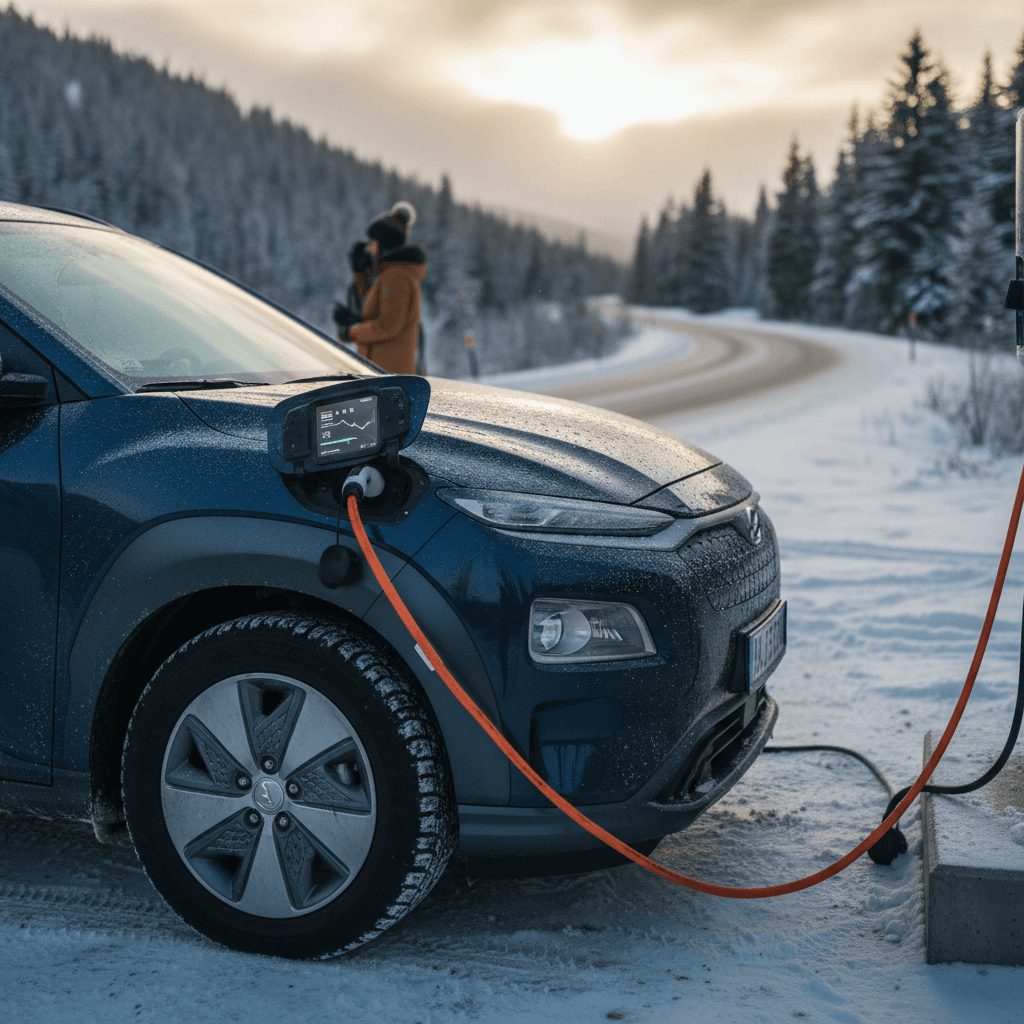
Winter changes the game. Large‑scale data from EV analytics firms and cold‑weather test programs show that most EVs lose about 20% of their range in freezing conditions, with some models losing upward of 35–40% in deep cold. The EQS isn’t an outlier here: owners in cold U.S. states commonly report winter ranges 25–30% below what they see in spring and fall.
- An EQS 450+ that can realistically do ~360–380 miles in mild conditions might deliver ~250–280 miles in freezing weather at highway speeds.
- An EQS 580 4MATIC SUV that can do ~300–320 miles in mild weather might be closer to ~200–230 miles in a Midwest or Northeast winter.
- Short urban trips with a cold-soaked battery can temporarily look much worse (think 40%+ loss) even if your car is healthy.
When to start worrying
How much winter range loss can you expect in an EQS?
Typical winter range bands for Mercedes EQS
Those numbers line up with broader EV studies that find most electric cars retain roughly 70–85% of their rated range in freezing conditions, depending on design and how they’re driven. The EQS’s big battery (over 108 kWh usable in many trims) gives you a lot of buffer, but its generous cabin and luxury features can also consume serious energy in winter.
It’s also worth noting that Mercedes has been refining the EQS line. Newer model years gained standard heat pumps and improved thermal management in many trims, plus small increases in usable battery capacity in some EQS SUV variants. All of that helps blunt winter losses compared to earlier builds, especially in stop‑and‑go conditions where cabin heating dominates.
Why the Mercedes EQS loses range in cold weather
Cold weather hits every EV in three main places: the battery chemistry, the cabin heating, and charging behavior. The EQS is no exception, even though its thermal management is better than many gas‑car owners expect.
Three main drivers of EQS winter range loss
Understanding the physics makes the numbers less scary
1. Colder, less efficient battery
In low temps, the lithium‑ion cells in your EQS become less efficient. Internal resistance goes up, so you use more energy to get the same power. The car also has to spend energy warming the pack to protect it and enable regen.
2. Energy‑hungry cabin heat
A luxury EV like the EQS has a big, quiet, heavily heated cabin, seats, steering wheel, glass, airflow. In winter, a lot of your energy budget goes to comfort instead of propulsion, especially on short trips.
3. Slower, colder charging
DC fast charging depends on battery temperature. A cold battery charges more slowly, so you spend more time at chargers and can’t always take full advantage of 200+ kW peaks.
Heat pump vs. resistive heating
Where the EQS actually does well in winter
If you’re cross‑shopping EVs, it’s important to put the EQS’s winter performance in context. Not all EVs behave the same way in the cold. Some compact crossovers with smaller batteries and less sophisticated thermal management can lose nearly 40% of their range in typical Canadian winter testing, while the best‑engineered examples keep losses closer to the mid‑teens.
- Efficient aero and low drag: The EQS sedan’s teardrop shape and low drag coefficient pay real dividends at winter highway speeds, helping it come closer to EPA range than many rivals in independent highway tests.
- Big battery buffer: With such a large pack, a 25% winter hit still leaves you more real‑world miles than many competitors have in summer.
- Refined thermal management: Mercedes has incrementally improved the EQ platform’s software and thermal strategy, including more use of heat pumps and smarter waste‑heat capture in recent model years.
- Strong regen and drive modes: Multiple regen levels and Eco/Range modes let you dial in a winter‑optimized driving profile instead of wasting energy on unnecessary acceleration and braking.
Bottom line on EQS winter competence
Real-world EQS owner reports in winter
Data and lab tests are useful, but nothing beats real drivers living with these cars. While conditions, speeds, and driving styles vary wildly, a few patterns show up repeatedly in owner reports from colder regions:
- An EQS 580 sedan owner reporting **about 250 miles at 80% charge in mild weather**, dropping closer to **170 miles at 80% in winter**, roughly a 30% swing across seasons on the same commute.
- EQS 450+ sedan drivers seeing **well over 350 miles on a full charge** in temperate conditions, but planning around **260–280 miles between charges** on winter highway trips to keep a comfortable buffer.
- EQS SUV owners getting **300+ miles in good weather** and scaling that down to **200–230 miles of practical winter range** depending on speeds, passengers, and snow or slush on the road.
The common thread isn’t that the EQS is flawed; it’s that owners who understand winter range loss adjust their expectations and habits. Those who treat the EPA number as a hard promise in sub‑freezing weather tend to be unhappy. Those who build in a 25–30% buffer and use the car’s winter‑friendly features rarely run out of usable range.
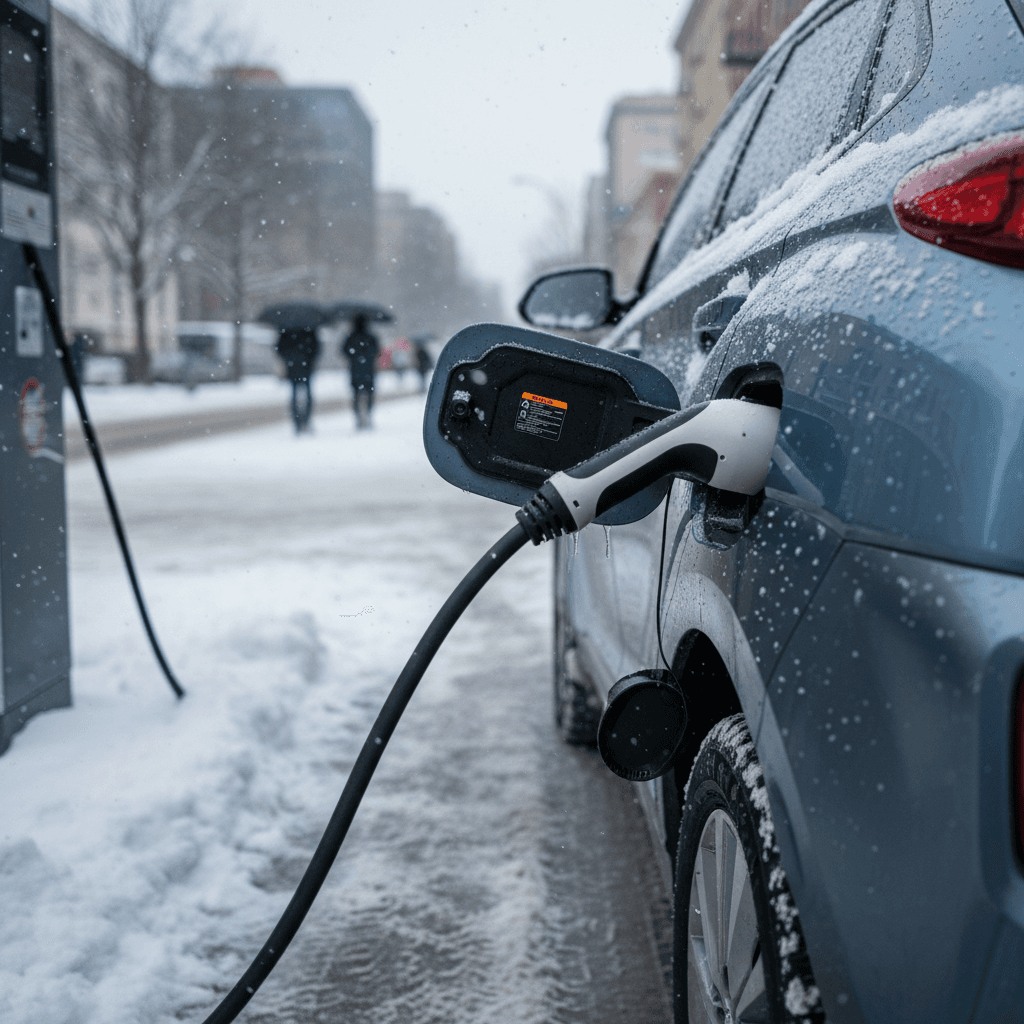
10 ways to cut EQS winter range loss
You can’t negotiate with physics, but you can absolutely stack the deck in your favor. Here are practical steps to keep your Mercedes EQS winter range loss under control.
Winter optimization checklist for your EQS
1. Always precondition while plugged in
Use the Mercedes me app or in‑car schedule so the EQS warms the battery and cabin <strong>before you leave</strong>, drawing energy from the grid instead of your pack.
2. Use Eco or Range mode in cold snaps
Eco/Range modes soften throttle response, reduce climate output, and tweak thermal settings to prioritize efficiency without making the car feel sluggish.
3. Lean on seat and wheel heaters
Seat and steering wheel heaters use surprisingly little energy. You can often run the cabin a few degrees cooler while staying perfectly comfortable.
4. Check tire type and pressure
Winter tires are smart for safety but can add rolling resistance. Make sure pressures are set to the recommended cold value; underinflation is an efficiency killer.
5. Avoid repeated short trips on a cold battery
A 5‑minute errand from a cold start can look horribly inefficient. Batch errands into one longer trip so the pack and cabin warm up once, not five times.
6. Use scheduled charging smartly
In very cold climates, set charging to finish shortly before departure. A recently charged battery is warmer and more efficient than one that’s been sitting at 100% for hours.
7. Clear snow and ice thoroughly
Snow on the roof, wheels, and underbody adds drag and weight. Clear the car properly, especially wheel wells and aero panels, before longer drives.
8. Watch your speed on highways
The EQS is so quiet that 85 mph feels like 65. In winter, that extra 10–15 mph can mean the difference between a 20% and 30% range hit.
9. Use navigation to precondition for DC fast charging
When you set a fast charger as your destination, the EQS can pre‑warm the battery on the way, improving charging speeds even in cold weather.
10. Keep software updated
Mercedes has quietly improved thermal and charging strategies with software updates. Make sure your EQS is on the latest version before winter road‑trip season.
Think in buffers, not promises
Planning winter road trips in a Mercedes EQS
For many shoppers, the question isn’t “Can I commute in winter?”, it’s “Will this car do a 300‑mile ski trip without drama in January?” With the EQS, the answer is generally yes, but you need to plan more like a pilot and less like a gasoline driver.
How to estimate your winter highway range
- Start with your realistic mild‑weather highway range (not the EPA sticker).
- Multiply it by 0.7–0.75 for typical freezing conditions.
- Plan your charging stops around 10–20% arrival SOC, not 0%.
- Add extra margin in headwinds, heavy snow, or if towing.
Charging strategy in cold weather
- Favor more frequent, shorter stops at higher SOC over running the pack very low.
- Use in‑nav charging stops so the EQS can precondition the battery on the way.
- Be realistic about power: a “350 kW” charger won’t hit that if your battery is cold.
- Use the downtime to warm up the cabin instead of blasting heat while driving.
Don’t ignore charging speed loss
Winter range loss vs. permanent battery degradation
One of the biggest misunderstandings around Mercedes EQS winter range loss is confusing seasonal behavior with permanent battery damage. Range bouncing around between July and January is normal; a steady, irreversible decline over several years is what we call degradation.
Seasonal winter drop vs. real battery wear
How to tell what you’re actually seeing
Seasonal winter behavior
- Range drops 20–35% when temps fall, then mostly returns in spring.
- Short trips look worst; long highway drives are more consistent.
- Charging speeds improve once the battery warms up.
- No error messages or sudden step‑changes in range.
Potential degradation issue
- Range is down 15–20% or more compared with your own first year, even in mild weather.
- Loss appears in all seasons and all drive types.
- Charging curve is permanently slower, even with a warm battery.
- You see warnings, reduced‑power messages, or rapid SOC swings.
If you’re buying used, or just want objective reassurance, a third‑party battery health report can help separate winter noise from real wear. At Recharged, every used EQS we list comes with a Recharged Score battery health report so you can see how that specific pack is performing versus peers and what kind of real‑world range you should expect year‑round.
Buying a used Mercedes EQS in cold climates
If you live in the Upper Midwest, Northeast, Rockies, or Canada‑border states, winter performance isn’t a side note, it’s the whole story. A well‑specced used EQS can be a fantastic year‑round luxury EV, but you’ll want to verify how it behaves when the mercury plunges.
What to look for in a used EQS if you care about winter range
Questions to ask sellers and items to check during a pre‑purchase inspection.
| Check | Why it matters in winter | What “good” looks like |
|---|---|---|
| Battery health / usable capacity | Determines how much buffer you have before winter cuts into range. | Independent report shows healthy pack with capacity close to peers for its age. |
| Thermal management & HVAC operation | Faulty pumps or valves can tank efficiency and comfort. | Cabin heats quickly, no unusual noises from pumps, no HVAC error codes. |
| Software version | Later EQS software often improves range accuracy and thermal control. | Car is updated to the latest stable software for its model year. |
| Tires and wheels | Oversized wheels or aggressive tires increase winter energy use. | Appropriate‑size wheels, quality all‑season or dedicated winter tires with correct pressure. |
| Charging behavior in cold | Slow charging can ruin winter trips even if range is fine. | At a known DC fast charger, car reaches expected power after a few minutes of preconditioning. |
Many of these checks apply to any used EV, but they’re particularly important if you regularly drive in sub‑freezing conditions.
How Recharged can help
Mercedes EQS winter range loss: FAQ
Frequently asked questions about EQS winter range
Cold weather will always take a bite out of your Mercedes EQS’s range, but it doesn’t have to define your ownership experience. Once you understand why Mercedes EQS winter range loss happens and how big it’s likely to be, you can plan around it with preconditioning, smarter trip planning, and realistic expectations. And if you’re considering a used EQS, working with a specialist like Recharged, where battery health, pricing, and expert guidance are baked in, makes it far easier to buy with confidence, no matter how long your winters last.