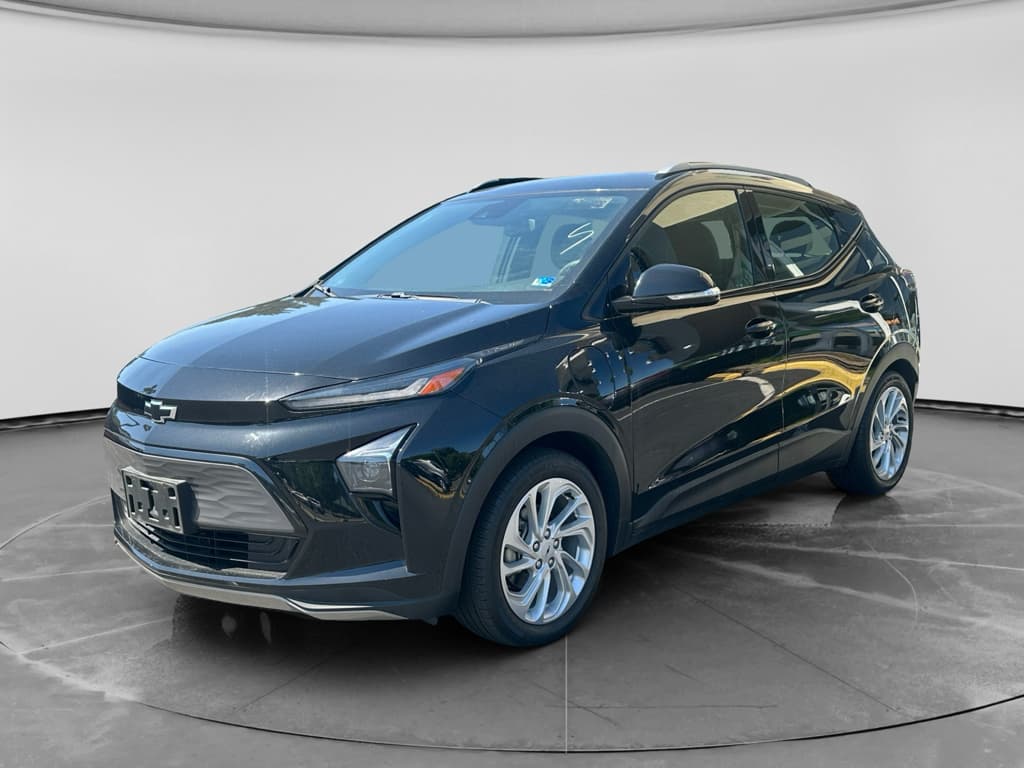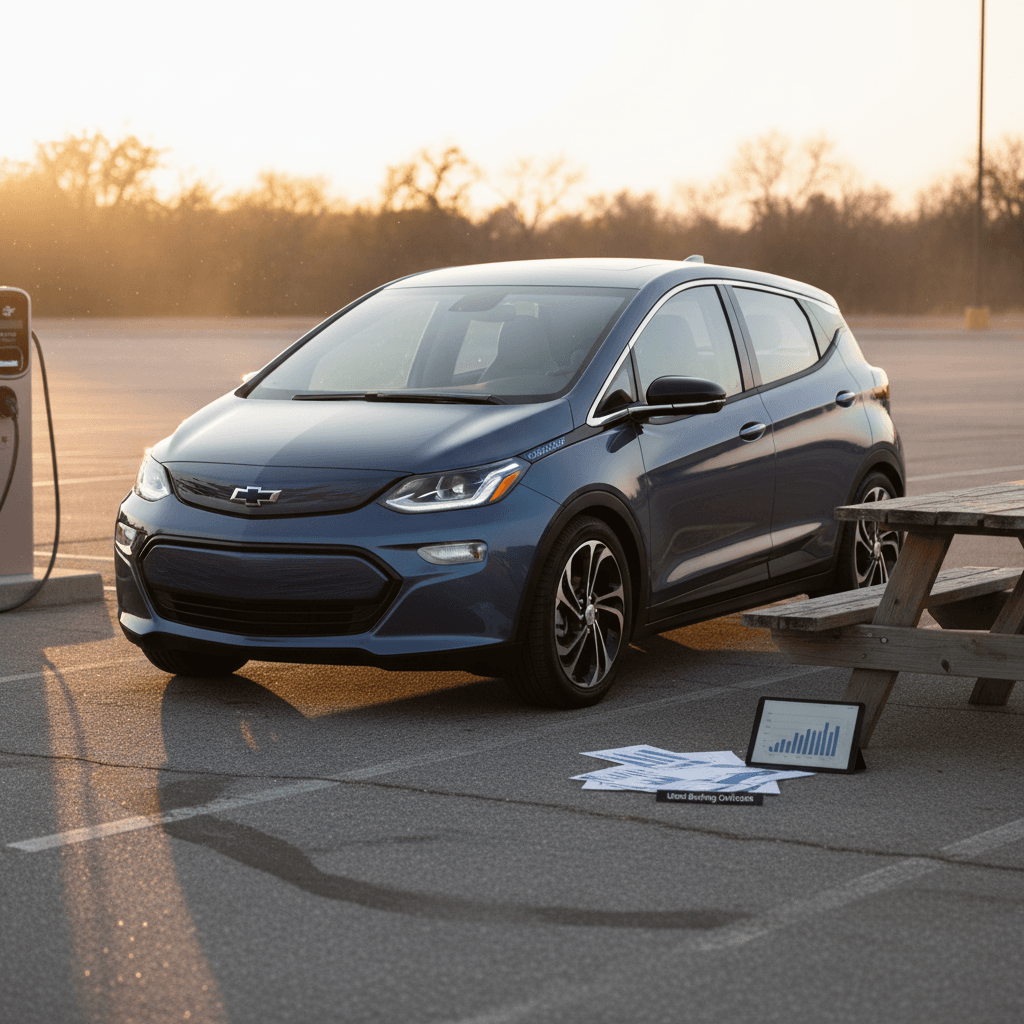
The rumors were true: the 2027 Chevy Bolt EV return is official. After killing off the first-generation Bolt EV and EUV at the end of 2023, Chevrolet has pulled a Hollywood reboot, same basic idea, new tech under the skin, and a very different release strategy. If you’re shopping for an affordable electric hatchback, or considering a used Bolt, this short‑run comeback matters to you.
The headline
Why the 2027 Chevy Bolt EV return matters
The original Bolt EV was the first truly mainstream, long‑range EV you could actually afford. It wasn’t glamorous, but it was honest: a roomy subcompact with real‑world range and a price tag normal people could tolerate. When GM ended production in late 2023, that left a crater in the "EV under $30k" segment just as many shoppers were getting serious about going electric.
The 2027 Chevy Bolt is GM’s answer to that gap, and, candidly, to a chorus of owners who didn’t want to see the car die. It’s also arriving in a very different market: more competition, more skepticism about EVs, and more pressure on pricing. That combination makes this car far more important than its tidy footprint suggests.
If you own an older Bolt
Quick specs: 2027 Chevy Bolt EV at a glance
2027 Chevy Bolt: key numbers
2027 Chevy Bolt vs. previous Bolt EV: high‑level comparison
How the returning Bolt stacks up against the original mass‑market Bolt EV many drivers know.
| Feature | 2017–2023 Bolt EV | 2027 Chevy Bolt |
|---|---|---|
| Platform | GM BEV2 | Ultium‑based architecture, updated drive unit |
| Battery chemistry | Nickel‑rich lithium‑ion | Lithium iron phosphate (LFP) prismatic cells |
| EPA range (approx.) | 238–259 miles | Around 262 miles (GM estimate) |
| DC fast charging | Up to ~55 kW, slower charge curve | 150 kW+ peak, 10–80% in ~25 min |
| Charge port | CCS (SAE Combo) | Standard NACS port |
| Starting MSRP when new | Around $37k at launch, later discounted heavily | Around $29k at launch with cheaper LT variant later |
| Driver‑assist tech | Optional Super Cruise on EUV models | Available Super Cruise (late availability) |
Specs are manufacturer estimates and may vary slightly in final production.
Timeline: when and how the 2027 Bolt is returning
- 2023: First‑generation Bolt EV and Bolt EUV end production at GM’s Orion Assembly plant after a final run and extensive battery‑recall fixes.
- 2025 (fall): GM confirms the Bolt is coming back for the 2027 model year, with Ultium‑derived tech, a focus on affordability, and a limited‑run positioning.
- Early 2026: First 2027 Bolt units begin reaching U.S. dealers, built at GM’s Fairfax Assembly plant in Kansas City, Kansas.
- 2026–mid 2027 (planned): Production runs for roughly 18 months on a single shift. GM has already signaled that Fairfax will pivot to other vehicles afterward.
- Post‑2027: GM hints at a next‑generation affordable EV, but the current Bolt nameplate may once again go into hibernation.
Short window, long wait lists
Pricing and positioning: is this still the budget EV hero?
Chevrolet is very clear about where the 2027 Bolt lives: it’s the anchor at the affordable end of the lineup, beneath the Equinox EV. Launch pricing lands around $29,990 including destination for the LT trim, with Chevy promising an even more affordable LT configuration at about $28,995 later in the model year.
Where the 2027 Bolt fits in the EV price ladder
Rough starting MSRPs before incentives, for context.
2027 Chevy Bolt
~$29k starting price keeps it in rare company: real long‑range EVs under $30k are almost extinct.
Range is competitive, cabin tech has been modernized, and it ships with a NACS fast‑charge port.
Chevy Equinox EV
Sits a rung above the Bolt, with more space and an EPA range cresting 315 miles in some trims, but for more money.
For many buyers, Equinox EV will be the default family EV; the Bolt is the city car, the commuter, the second car.
Other compact EVs
Plenty of rivals now live closer to $35k–$40k before incentives. Even with dealer discounts, few touch the Bolt’s combination of price and range.
That’s why this short‑run Bolt punches far above its weight in the market conversation.
Don’t forget real‑world transaction prices
Range, battery, and charging: what’s new on the 2027 Bolt
Under the familiar hatchback silhouette, the 2027 Bolt is effectively a different animal. GM swapped the original nickel‑rich pack for lithium iron phosphate (LFP) prismatic cells rated at about 65 kWh. LFP chemistry trades some energy density for durability and cost control, good news if you plan on keeping the car well past the warranty window.
- EPA‑estimated range of roughly 262 miles on a full charge, slightly eking out the best of the old Bolts.
- 11.5 kW Level 2 onboard charger, good for about 40 miles of range per hour on a capable 240 V home station.
- 150 kW+ DC fast charging, a huge leap from the original Bolt’s modest ~55 kW peak. Chevy quotes about 10–80% in 25–26 minutes under ideal conditions.
- Standard NACS (North American Charging Standard) port, so you can plug into compatible Tesla Superchargers and other NACS‑equipped networks without carrying an adapter.
- Bidirectional Vehicle‑to‑Home capability baked in, so with the right hardware you can use the Bolt as a small home backup power source.

How this compares to older Bolts
Design and tech: how different does it feel?
Same basic footprint
The 2027 Bolt keeps the upright hatch shape and subcompact footprint that made the earlier car so good at urban life. Visibility is generous, the rear seats still fold flat, and the load floor remains almost comically practical for a car this small.
If you liked the old Bolt’s space‑per‑inch magic, you’ll feel at home here.
New cabin, modern interface
Inside, the 2027 car swaps the old GM infotainment for an 11.3‑inch center touchscreen plus an equally large digital driver display. Google built‑in apps, streaming services, and an improved climate layout make it feel more like a contemporary smartphone on wheels than a science project.
Available Super Cruise, more than 20 standard safety features, and optional heated/ventilated seats push the Bolt much closer to "small premium" than its price suggests.
A better commuter without losing the charm
Limited run: what the 18‑month production window means
Here’s the twist in the plot: GM has already said the 2027 Bolt is a limited‑run vehicle. Production at the Fairfax plant is expected to last roughly 18 months, ending around mid‑2027 as the facility pivots to building other models, including gas SUVs. This isn’t a forever‑car; it’s a limited engagement.
What a short production run means for shoppers
Three big implications if you’re eyeing a 2027 Bolt.
1. Scarcity by design
Chevy doesn’t intend to flood the market. That helps protect residual values, but it also means availability could be spotty, especially in early months.
2. Regional lottery
Allocation favors EV‑heavy markets first. If you live away from coastal or major metro areas, you may see fewer units and longer wait times.
3. Used market halo effect
A well‑received limited‑run car often props up the reputation (and values) of its predecessors. If reviews and owner satisfaction are strong, older Bolts could remain surprisingly desirable on the used market.
Speculate carefully
Impact on used Bolt market: prices and what to watch
Used Bolts have quietly become the back‑door bargain of the EV world. After early‑production battery recalls and media hand‑wringing, many examples were fixed under warranty, then resold at prices that made them functionally the least expensive long‑range EVs you could buy. The 2027 Chevy Bolt EV return doesn’t erase that story, it reframes it.
How the 2027 Bolt could reshape used‑Bolt shopping
Sustained interest in the nameplate
A well‑reviewed 2027 car keeps the Bolt badge in the conversation, which can buoy demand for earlier model years rather than letting them fade into obscurity.
Battery chemistry split in the family
Older Bolts use nickel‑rich lithium‑ion packs; the 2027 car switches to LFP. Both can be good choices when properly maintained, but they age differently. A trusted battery health report becomes even more important when you’re shopping used.
More shoppers cross‑shopping new vs. used
Someone considering a new 2027 Bolt at ~$29k will also notice a 2020–2023 Bolt or EUV that can be several thousand dollars less. That dynamic can help keep used prices realistic, not inflated.
NACS envy and adapter anxiety
The 2027 Bolt’s factory NACS port highlights the reality that older Bolts are CCS‑only. Adapters help, but buyers will increasingly ask how a used Bolt fits into the NACS‑dominated future.
Attention to recall history and battery replacements
The recall era taught everyone to ask tough questions. On the used side, documentation about recall completion and battery replacement history will matter even more to buyers, and to lenders.
Where Recharged fits in the used‑Bolt story
Should you wait for the 2027 Bolt or buy used now?
Reasons to wait for the 2027 Bolt
- You want NACS from day one. If seamless Supercharger access is high on your list, the 2027 Bolt is the first Chevy to build that in from the factory.
- You value LFP’s durability profile. For heavy daily use and high mileage, LFP’s cycle life and tolerance for frequent partial charges are appealing.
- You like being on the leading edge of tech. New‑gen driver assistance, Google‑native infotainment, and V2H capability may be worth the premium to you.
- You can handle the uncertainty. Short‑run production, potential dealer markups, and shifting incentives mean you’re willing to navigate some ambiguity.
Reasons to buy a used Bolt now
- Value trumps novelty. A well‑priced 2020–2023 Bolt EV or EUV can offer 230+ miles of range for considerably less than a new 2027 model.
- You want clarity on incentives. Depending on how federal and state programs evolve, a used EV credit could make a pre‑owned Bolt especially attractive vs. a new one.
- You prefer tested tech. The earlier Bolts have real‑world track records and well‑documented fixes. You know what you’re getting and how they age.
- You need a car sooner. Inventory of used Bolts exists today; waiting for a 2027 build slot might not align with your timeline.
A pragmatic play
How Recharged can help with used and future Bolts
The 2027 Bolt’s return is great news for EV accessibility, but it also adds complexity for shoppers trying to sort out old vs. new tech, CCS vs. NACS, and recall history vs. future durability. That’s exactly the kind of puzzle Recharged was built to solve.
Shopping Bolts with Recharged
Whether you’re eyeing a used Bolt today or planning ahead for the 2027 car, here’s how we can help.
Recharged Score battery health diagnostics
Every EV sold through Recharged includes a Recharged Score Report with lab‑grade battery health data, charging history insights where available, and a clear explanation of what it means for day‑to‑day range.
Transparent pricing and trade‑ins
We benchmark each car against fair market EV pricing so you can see how it stacks up to new options like the 2027 Bolt. Have a car to sell? You can get an instant offer or use our consignment program.
Financing and nationwide delivery
Recharged offers EV‑friendly financing, support with tax incentive questions, and nationwide delivery, plus an Experience Center in Richmond, VA if you prefer to see vehicles in person.
Ready to find your next EV?
Browse VehiclesThe 2027 Chevy Bolt is a fascinating move: a cult‑favorite EV resurrected as a limited‑run tech upgrade just as the market’s patience with expensive electrics is wearing thin. Whether you end up in a brand‑new NACS‑equipped Bolt or a carefully vetted used example, the Bolt idea, compact, practical, genuinely affordable electric driving, has never been more relevant. The key is matching the right version of that idea to your budget, your charging reality, and your appetite for something rare.