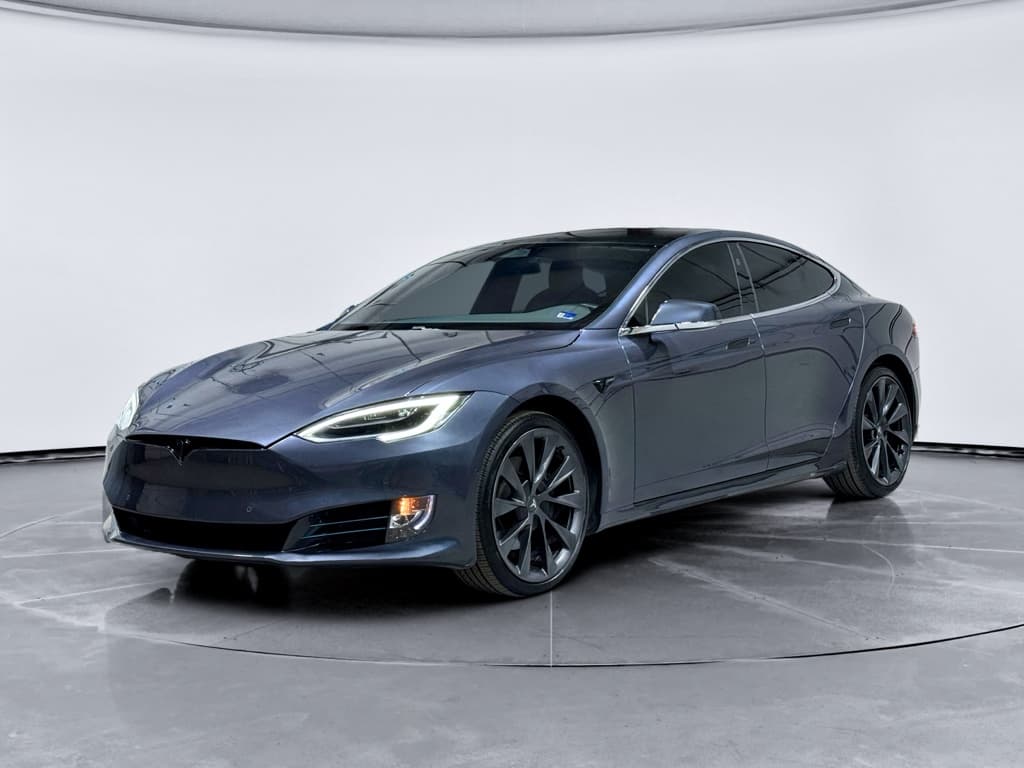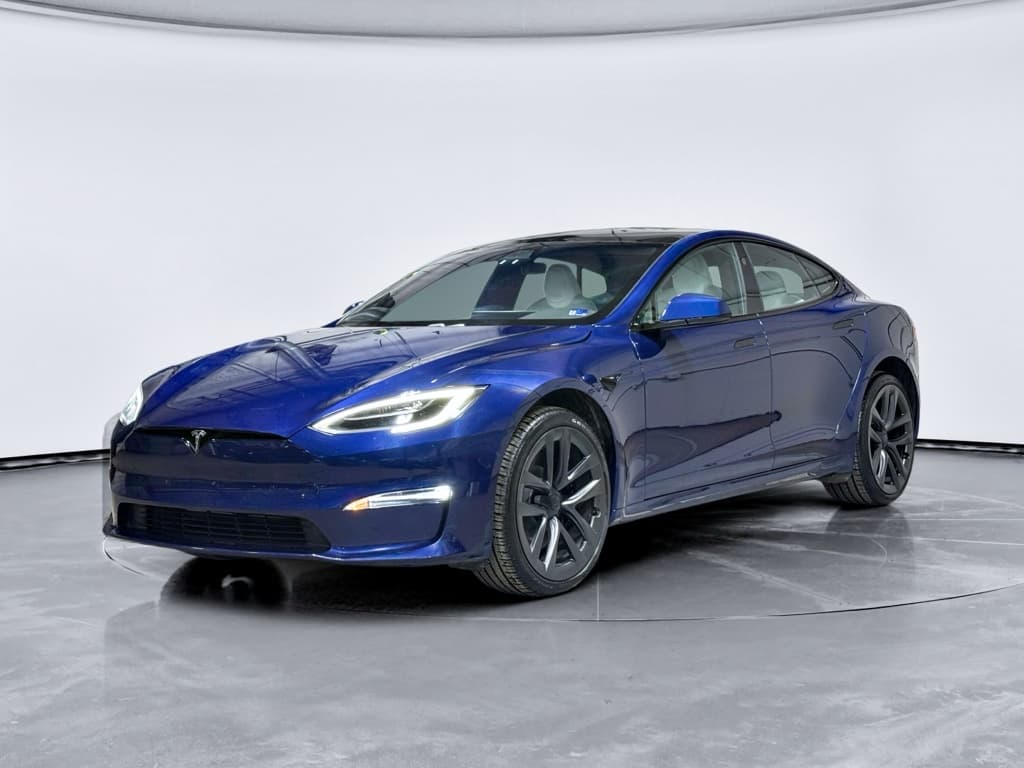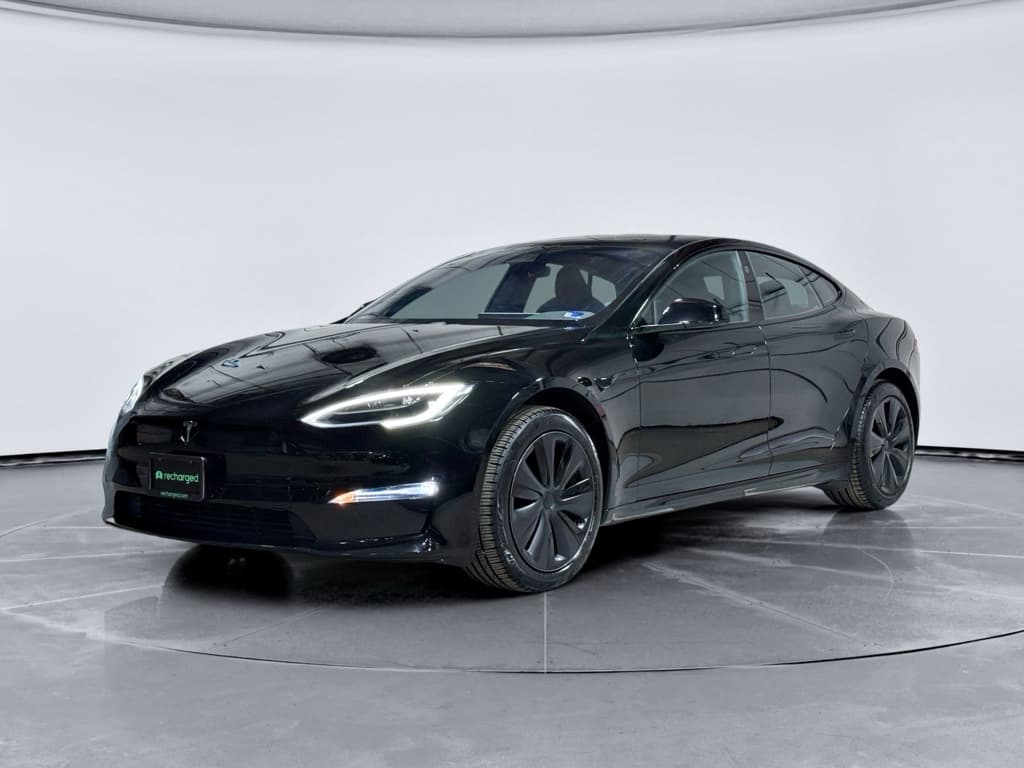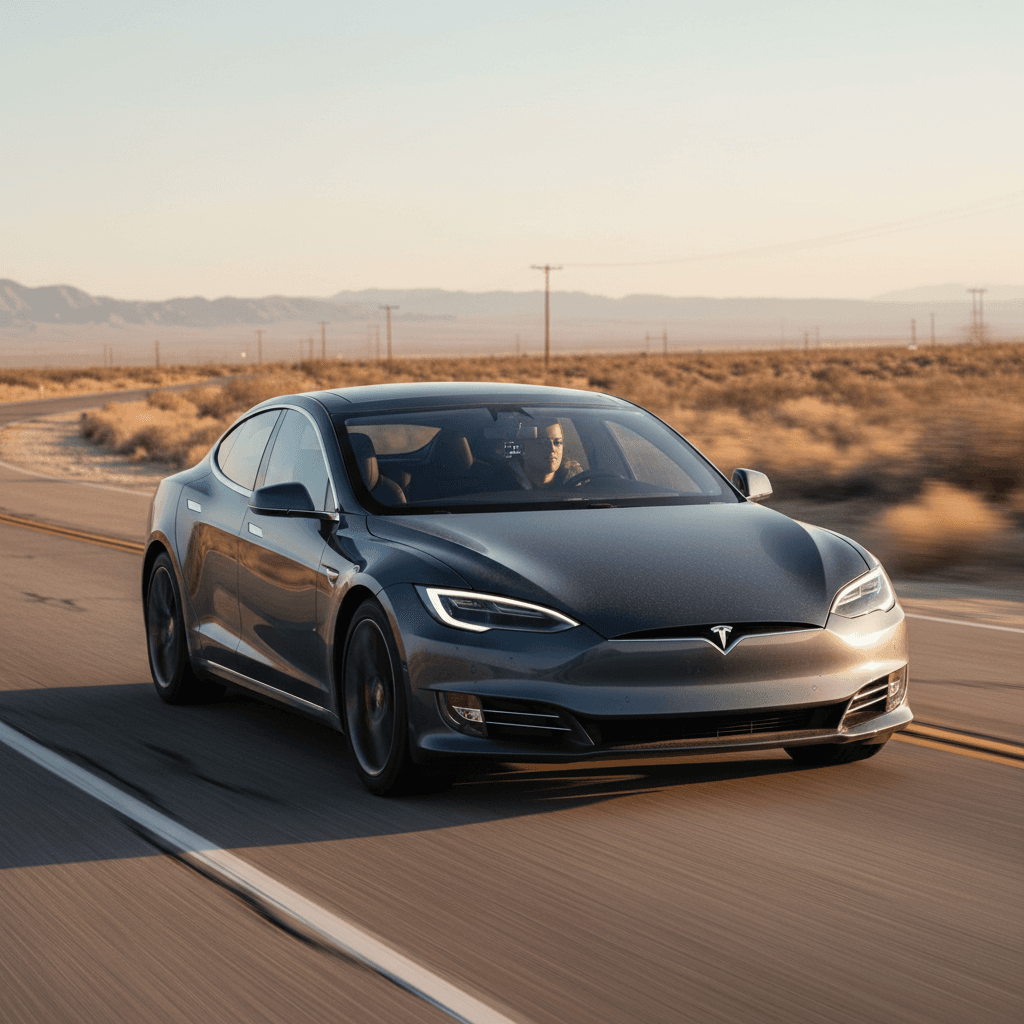
If you’re looking at a 2022 Tesla Model S, especially on the used market, range is probably at the top of your list. The spec sheet promises 396–405 miles on a charge, but real‑world range tests tell a more nuanced story. This guide breaks down EPA ratings, independent highway tests, owner reports, and what that all means if you’re planning a road trip or shopping for a used Model S today.
Why focus on 2022 specifically?
Overview: 2022 Tesla Model S range at a glance
Key 2022 Tesla Model S range numbers
On paper, the 2022 Model S Long Range is still one of the longest‑legged EVs you can buy, and the Plaid isn’t far behind despite its outrageous performance. But like every EV, you won’t see those numbers every day, especially at 70–80 mph or in harsh weather. To understand what range test results really mean, you have to start with the EPA ratings that anchor the conversation.
EPA range ratings for the 2022 Tesla Model S
Official EPA range for 2022 Tesla Model S trims
EPA ratings assume moderate speeds, mild temperatures, and mixed city/highway driving. They are useful comparison tools, but not guarantees.
| Trim & wheels | Drive | Approx. battery (usable) | EPA combined range | EPA city range | EPA highway range |
|---|---|---|---|---|---|
| Model S Long Range 19" | AWD dual motor | ~95 kWh | 405 mi | 420 mi | ~388 mi |
| Model S Long Range 21" | AWD dual motor | ~95 kWh | 375 mi | n/a | n/a |
| Model S Plaid 19" | AWD tri motor | ~95 kWh | 396 mi | n/a | n/a |
| Model S Plaid 21" | AWD tri motor | ~95 kWh | 348 mi | n/a | n/a |
EPA range and basic specs for 2022 Model S variants
The EPA label for the 2022 Model S Long Range shows 405 miles combined, 420 city, 388 highway on the 19‑inch wheel configuration. The Plaid with 19s carries an EPA estimate of 396 miles, while larger 21‑inch wheels knock range down substantially, into the mid‑300‑mile bracket. These numbers assume a standardized test cycle and include charging losses, which makes them most useful as a way to compare EVs to each other, not as a guarantee of what you’ll get on a fast freeway run.
Big wheels, big range penalty
Real‑world range tests: highway vs city driving
70‑mph highway tests: where most “range test” videos live
Most independent “range tests” you’ll see on YouTube or in media reviews focus on steady‑state highway driving at 70–75 mph. That’s harsher than the EPA’s mixed drive cycle, and it’s exactly where Teslas tend to lose the most ground versus their sticker numbers. In InsideEVs’ 70‑mph test, for example, a Model S Plaid with 19‑inch wheels managed around 300 miles on a full charge against its official 396‑mile rating, roughly a 24% shortfall.
If you apply that same discount to a 2022 Model S Long Range, you’re looking at something in the 300–320‑mile ballpark at a constant 70 mph in mild weather, starting at 100% and running the pack very low. Real owners rarely drive that way, but it’s a good sanity check for long freeway legs.
Mixed driving in the real world
In mixed city/highway use, the 2022 Model S does a lot better. The EPA’s combined energy consumption figure of about 281 Wh/mile for the Long Range translates to roughly 350–380 miles per charge in normal use if you’re not driving aggressively. Slow suburban and city miles are where the car can actually match, or occasionally beat, its official range, especially in mild temperatures and with careful driving.
How to replicate a fair “home” range test
What 2022 Model S owners actually see day to day
When you talk to owners or dig into long‑term trip logs, a pattern emerges. A healthy 2022 Model S Long Range, on 19‑inch wheels, typically delivers:
- City‑heavy commuting: 3.0–3.5 mi/kWh (285–330 Wh/mi), or roughly 320–360 miles from 100% to nearly empty in mild weather.
- Mixed suburban + freeway: 2.6–3.0 mi/kWh (330–380 Wh/mi), translating to about 280–320 miles of useful range when charged to ~90% and arriving with ~10% remaining.
- Fast highway cruise (70–80 mph): 2.2–2.6 mi/kWh (385–450 Wh/mi), or more like 240–290 miles between Superchargers using a 10–80% fast‑charge window.
The Plaid behaves similarly but with a small efficiency penalty in aggressive driving. At a cruise, however, the tri‑motor Plaid can be surprisingly close to the Long Range in Wh/mile, especially if you keep it on 19‑inch wheels and resist the temptation to unleash 1,000+ horsepower on every on‑ramp.
Good news for used buyers
7 big factors that change your real‑world range
The main variables in any Model S range test
EPA numbers are just the starting point, here’s what moves them up or down in the real world.
1. Speed
2. Temperature
3. Elevation & terrain
4. Wind & rain
5. Wheels & tires
6. Climate control & accessories
7. Driving style & load
Don’t test to 0% on a road trip
Used 2022 Model S: how much range is left?
On the used market, the key range question isn’t the original EPA number, it’s how much of that range is still available and how the previous owner treated the battery. The encouraging news is that Tesla’s big 100‑kWh‑class packs have aged well overall, with relatively low degradation over high mileage.
What long‑term data shows
- Tesla’s fleet data indicates roughly 12% capacity loss after 200,000 miles for Model S/X packs.
- Most degradation happens in the first few years, then the curve flattens, often averaging ~2% per year early on.
- Supercharging alone doesn’t appear to be catastrophic, but frequent fast charging in extreme heat can accelerate wear.
What that means for a 2022 Model S
- A 3–4‑year‑old 2022 Model S with 40–60k miles often has only a modest range loss versus new.
- Instead of 405 miles theoretical, you might realistically have something closer to 360–380 miles of usable capacity when full.
- The real‑world highway range gap (e.g., ~300 miles at 70 mph) is mostly driving conditions, not degradation.
How Recharged measures used Model S battery health
Road‑trip planning: smart range buffers for a 2022 Model S
If your range test goal is road‑trip readiness rather than lab purity, what matters is how far you can comfortably go between fast‑charge stops with a healthy buffer. For a 2022 Model S on 19‑inch wheels in good condition, a conservative but realistic planning approach looks like this:
Practical range rules for long drives
Aim for a 10–15% arrival buffer
On long legs between Superchargers, plan to arrive with at least 10–15% state of charge. That gives you cushion for unexpected detours, headwinds, or closed chargers.
Use 10–80% as your fast‑charging window
Charging is fastest between roughly 10–60%, then slows down progressively. Stopping more often for shorter sessions usually gets you there sooner than charging to 95–100% each time.
Derate EPA range by 20–25% for real highways
If your Long Range is rated at 405 miles, plan highway legs around 280–320 miles max in mild conditions, less in winter or heavy rain.
Watch live consumption, not just remaining miles
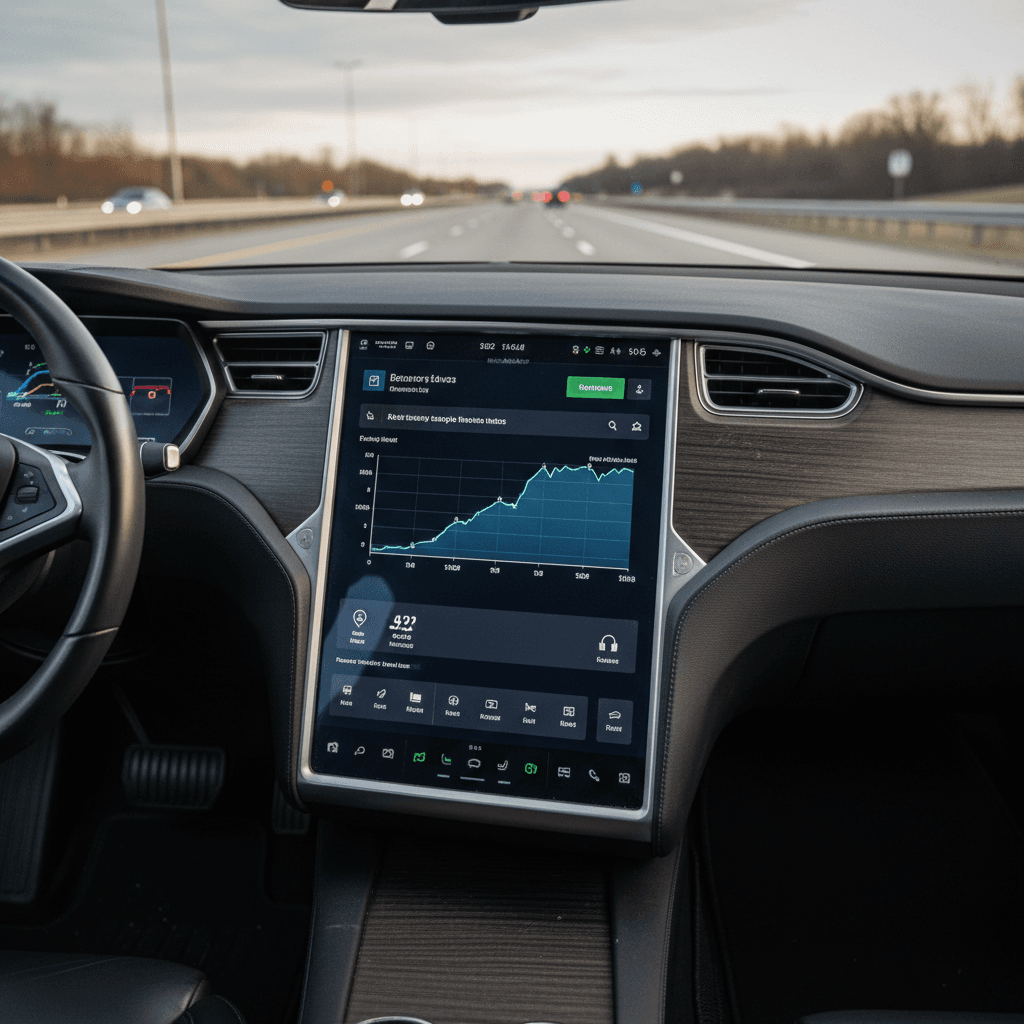
Flip your energy screen to <strong>Wh/mi and Trip</strong> views. If you’re steadily above 350–380 Wh/mi, expect to shorten your next leg or slow down.
Use Tesla’s trip planner, but sanity check it
The in‑car planner is great, but don’t be afraid to add extra stops in bad weather or unfamiliar terrain. It optimizes for speed; you need to optimize for comfort and margin.
Precondition before Supercharging
Let the car warm the battery en route to chargers. A warm pack charges faster and is less stressed, which is better for long‑term health.
Think in energy, not just miles
How the 2022 Model S compares to other luxury EVs
Range isn’t just about bragging rights; it defines how flexible a car feels in real life. The 2022 Model S launched into a competitive field that now includes the Lucid Air, Mercedes EQE/EQS, BMW i5/i7, and others. In raw EPA range, it still sits near the top, though Lucid in particular has pushed the envelope.
EPA range comparison: 2022 Model S vs rivals (approximate)
Representative EPA combined range figures for roughly contemporary luxury EV sedans. Exact values vary by wheel size and trim.
| Model & year | Battery size (usable, approx.) | EPA combined range | Highway‑style real‑world range notes |
|---|---|---|---|
| 2022 Tesla Model S Long Range | ~95 kWh | 405 mi | ~300–320 mi at 70 mph in good conditions |
| 2022 Tesla Model S Plaid 19" | ~95 kWh | 396 mi | Independent tests around 300 mi at 70 mph |
| 2022 Lucid Air Grand Touring | ~112 kWh+ | 516 mi | Independent tests often ~380–410 mi at 70 mph |
| 2022 Mercedes‑Benz EQS 450+ | ~107 kWh | ~350–360 mi | Typically ~270–300 mi at 70 mph |
| 2022 BMW i4 eDrive40 (smaller segment) | ~80 kWh | 301 mi | Roughly ~230–250 mi at 70 mph |
The 2022 Model S remains highly competitive on range, especially against performance‑oriented trims from rivals.
Lucid’s Air Grand Touring has the edge in outright range, but the 2022 Model S still delivers a compelling combination of efficiency, charging speed, and network coverage, especially in North America, where the Supercharger network remains a major advantage for road‑trippers.
Buying a used 2022 Model S? Range checklist
If you’re considering a used 2022 Model S, treat the advertised EPA range as a reference point and focus on the specific car in front of you. Here’s a quick, range‑focused checklist you can work through before you commit.
Range questions to ask before you buy
1. Check the displayed full‑charge estimate
Ask the seller to show you the projected range at 100% (or 90%) in the car’s energy settings. Compare that to the original 396–405‑mile rating, keeping in mind some loss is normal.
2. Look at the trip and charging history
Frequent deep discharges (near 0%) or constant charging to 100% aren’t deal‑breakers, but a history of more moderate use (20–80%) is better for long‑term health.
3. Ask about Supercharging habits
Regular fast charging is fine; almost exclusively Supercharging, especially in very hot climates, can accelerate wear. A mix of home Level 2 and occasional fast charging is ideal.
4. Inspect wheels and tires
A car on 21" wheels with sticky tires will not match 19"‑wheel efficiency. If you care about maximum range, budget for a wheel/tire swap or look for a car already on 19s.
5. Test a real‑world loop if possible
On a test drive, reset a trip meter and drive at your typical speeds for at least 20–30 miles. Compare the projected remaining range and Wh/mi to what you’d expect from EPA numbers.
6. Get third‑party battery diagnostics
If you aren’t buying from a specialist, consider an independent battery health report. On Recharged, that’s built into the <strong>Recharged Score</strong>, so you see battery health, range expectations, and pricing context in one place.
How Recharged can simplify your range homework
Ready to find your next EV?
Browse VehiclesFAQ: 2022 Tesla Model S range questions
Frequently asked questions about 2022 Model S range
Bottom line: what to expect from a 2022 Model S range test
When you strip away the marketing, the 2022 Tesla Model S is still one of the best long‑range EVs on the road, but you need to interpret the numbers correctly. EPA ratings in the high‑300s to low‑400s are benchmarks, not promises. In a typical real‑world range test at 70 mph, you should expect something closer to 300 miles on a healthy car, a bit less with big wheels, harsh weather, or very high speeds.
If you’re cross‑shopping or looking at a used 2022 Model S, focus on battery health, wheels/tires, and your own driving patterns instead of obsessing over a single range figure from a YouTube test. With a transparent battery report, like the Recharged Score included with every vehicle on Recharged, and realistic planning habits, the 2022 Model S delivers exactly what most drivers actually need: effortless daily range and confidence‑inspiring road‑trip capability for years to come.