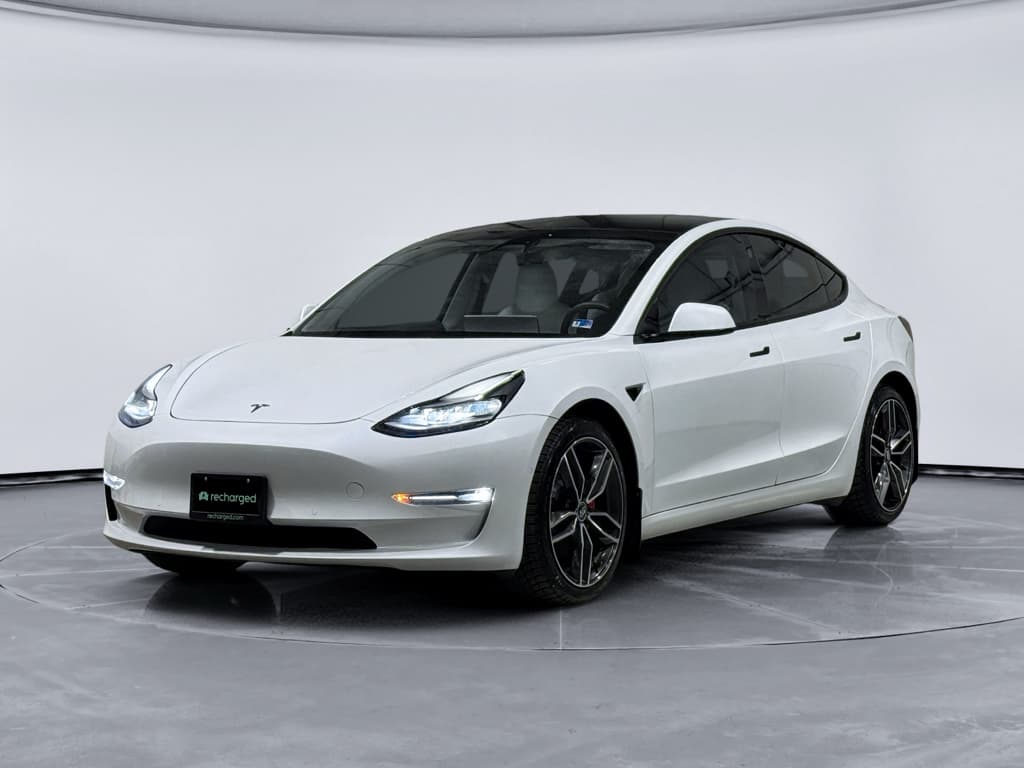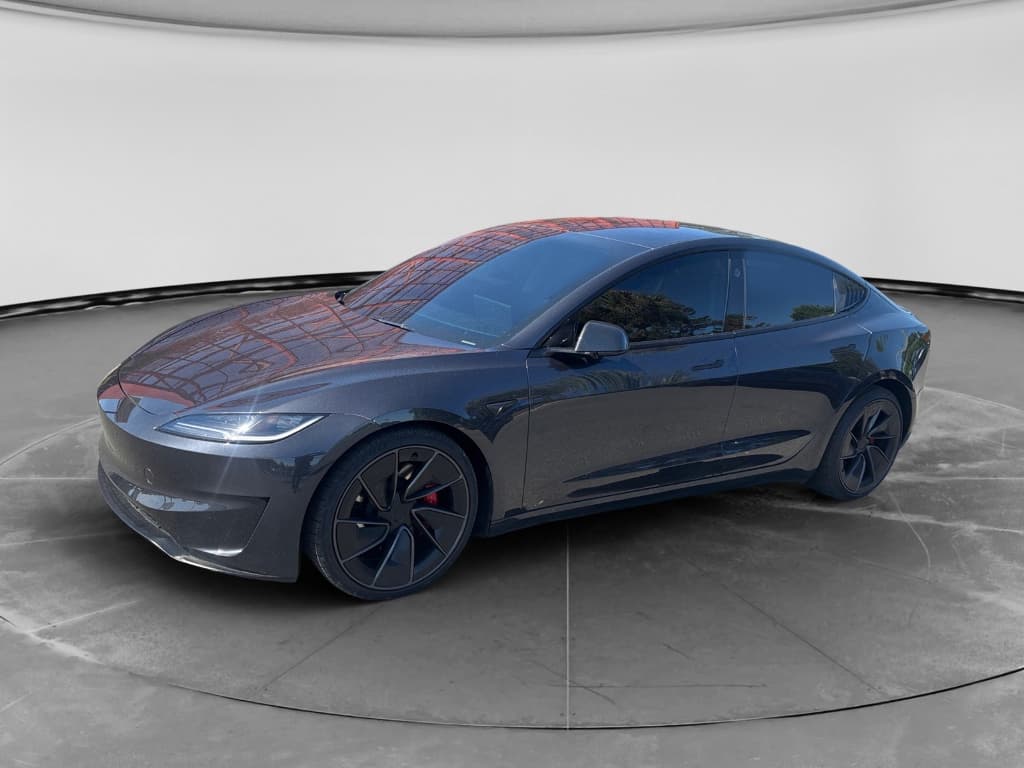
The 2026 Tesla Model 3 is no longer the scrappy disruptor. It’s the default electric sedan, the Civic of the EV age, with all the good and bad that implies. If you’re shopping for a 2026 Tesla Model 3, this buying guide will walk you through trims, real‑world range, charging, pricing, and whether a **used Model 3** from Recharged might quietly be the smarter move.
Quick take
Who should (and shouldn’t) buy a 2026 Tesla Model 3?
Great fit if you…
- Drive 8,000–20,000 miles per year and want low running costs.
- Live with home or reliable workplace charging.
- Value tech, over‑the‑air updates, and a minimalist cabin over physical buttons.
- Want strong performance even in the base trim.
- Plan to road trip and want easy access to Tesla’s Supercharger network.
Probably not the best fit if you…
- Are uncomfortable with a nearly button‑free interior and screen‑only controls.
- Regularly carry tall passengers in the rear or lots of bulky cargo.
- Live far from reliable charging and can’t install a home Level 2 charger.
- Need traditional dealer service support instead of Tesla’s app‑driven model.
- Are extremely price‑sensitive, where a used Model 3 may be the value play.
A note on timing
2026 Tesla Model 3 trims at a glance
By 2026, Tesla has largely settled the Model 3 lineup into three familiar characters: a value‑oriented rear‑wheel‑drive car, a long‑legged all‑weather version, and a performance variant that still embarrasses sports sedans. Exact numbers can move slightly year to year, but the basic roles stay the same.
2026 Tesla Model 3 trim comparison (U.S. overview)
Approximate positioning of the 2026 Model 3 lineup based on 2024–2025 "Highland" specs and current pricing trends. Always confirm final EPA ratings and pricing in Tesla’s configurator before you order.
| Trim | Drivetrain | Approx. EPA range* | 0–60 mph (approx.) | Character | Best for |
|---|---|---|---|---|---|
| RWD (Standard) | RWD | ~270 miles | ~5.8 sec | Value leader, lighter, LFP battery likely | Commuters, mild climates, budget buyers |
| Long Range | Dual‑motor AWD | ~330 miles | ~4.1 sec | Road‑trip king, strong performance | Mixed‑climate families, frequent travelers |
| Performance | Dual‑motor AWD | ~300 miles | Low‑3‑second range | High‑grip, high‑speed sport sedan | Enthusiasts, track days, status seekers |
Use this table to narrow down which trim fits your budget, range needs, and driving style before you even step into a showroom.
About those asterisks
Which 2026 Model 3 trim should you pick?
Three simple use‑case profiles for most U.S. shoppers
Daily commuter
Pick: RWD (Standard)
- Plenty of range for typical 30–60 mile commutes.
- LFP battery means you can comfortably charge to 100% daily.
- Usually the cheapest way into a new Tesla.
Road‑trip all‑rounder
Pick: Long Range
- Extra 50–60 miles of highway range reduces charging stops.
- AWD grip for snowbelt states.
- Sweet spot for families who want one "do‑everything" EV.
Weekend weapon
Pick: Performance
- Supercar‑grade 0–60 sprints.
- Bigger brakes, stickier tires, sport‑tuned suspension.
- Range hit is modest if you mostly commute and play.
Trim‑shopping tip
Range, battery, and charging: real‑world ownership
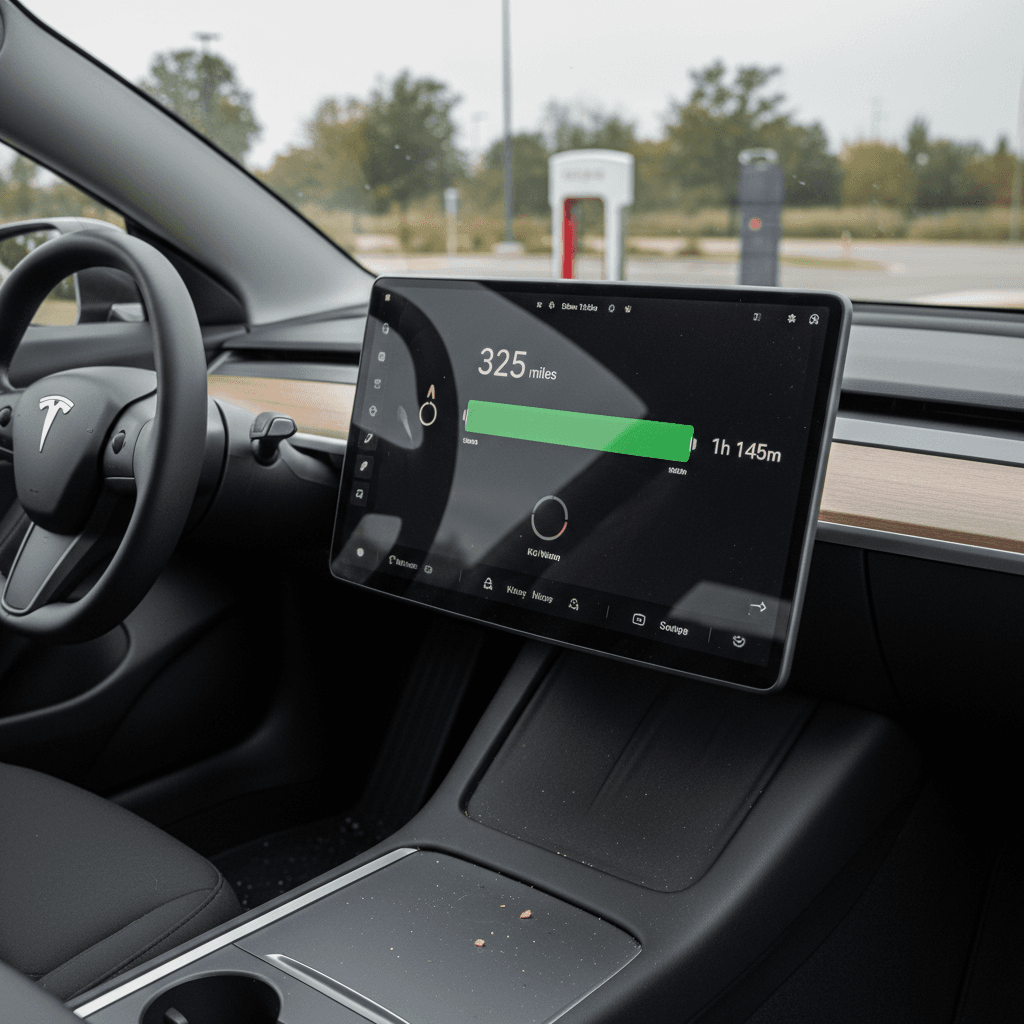
On paper, the 2026 Tesla Model 3 still plays near the front of the segment for efficiency and range. The Highland‑generation updates that arrived in 2024, better aero, revised suspension, quieter cabin, carry forward, with incremental software tweaks doing quiet work in the background.
2026 Model 3: numbers that matter in daily life
Battery chemistry: LFP vs NMC and what it means for you
Recent Model 3 generations have typically paired the **Standard/RWD** car with an LFP (lithium iron phosphate) pack and the **Long Range/Performance** cars with nickel‑based NMC packs. LFP generally tolerates more full‑charge cycles and likes being charged to 100%, while NMC offers more energy density and better cold‑weather performance but prefers staying closer to the 20–80% window for battery longevity.
- If you mostly commute locally and can charge nightly, an LFP‑equipped RWD car lets you use the whole battery every day with less long‑term worry.
- If you road‑trip regularly, an NMC‑equipped Long Range or Performance trim gives you more miles per stop and more robust fast‑charging behavior in varied weather.
- In both cases, software‑limited charging recommendations in the car and app are worth following if you care about long‑term degradation.
Cold‑weather reality check
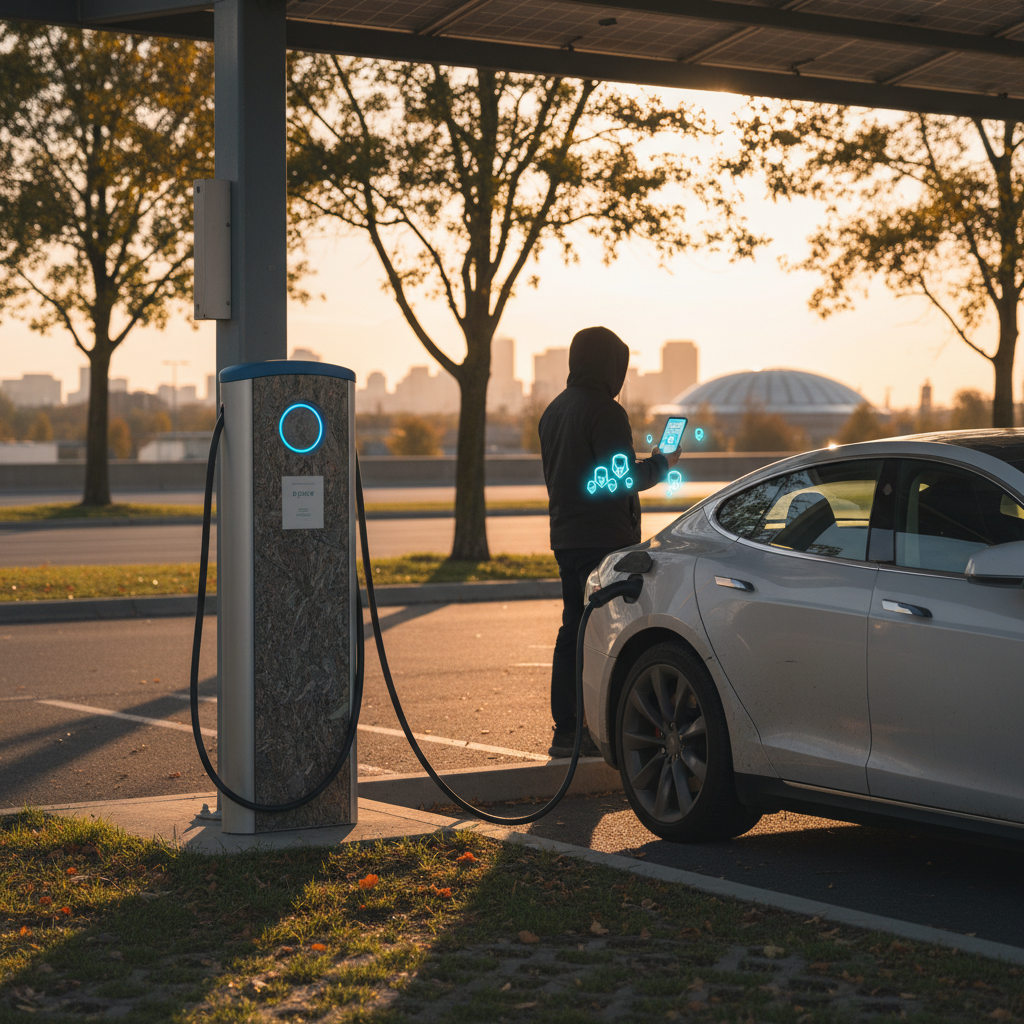
Charging experiences: home, public, and Superchargers
Make sure your charging situation is sorted before you sign
Confirm your home charging plan
If you own your home, budget for a 240V outlet or wall connector in the garage or driveway. Renters should ask about dedicated EV spots or at least a standard outlet near parking.
Understand Supercharger access
By 2026, most new non‑Tesla EVs can use the Supercharger network via NACS. A Tesla‑branded Model 3, of course, plugs in natively, one of its biggest real‑world advantages on road trips.
Know your Level 2 options
Check for workplace chargers, grocery store chargers, and public Level 2 stations around your routine. They’re slower than DC fast chargers but can quietly top you off while you live your life.
Plan your first road trip
Use Tesla’s built‑in trip planner to map a weekend run. If the charging cadence looks comfortable on screen, it will feel even easier in practice.
Pricing, incentives, and financing in 2026
If you’re new to Tesla, the pricing game can feel like watching airline fares: numbers move, incentives appear and vanish, and end‑of‑quarter deals suddenly materialize. The 2026 Model 3 continues this trend.
How new 2026 Model 3 pricing typically behaves
- Sticker vs. street price: The "from" price on Tesla’s site often doesn’t include destination and may not reflect common options like paint and wheels.
- End‑of‑quarter pushes: Historically, March, June, September, and December can bring temporary discounts or low‑APR offers as Tesla chases delivery numbers.
- Standard vs Long Range gap: Expect a mid‑single‑digit thousands‑of‑dollars jump from RWD to Long Range, and another similar jump to Performance.
Incentives and financing to watch in 2026
- Federal tax credits: The landscape has shifted from consumer credits to more complex manufacturer and leasing structures. Some Model 3 configurations may qualify when leased even if purchases do not.
- State and local rebates: Many states and utilities offer stackable rebates for EV purchases and home chargers, worth hundreds to thousands of dollars.
- Low‑APR promos: Tesla has already shown a willingness to run 0%–1% APR deals for limited windows. Third‑party lenders and EV‑focused marketplaces like Recharged can sometimes beat Tesla’s own financing offers.
Run the full cost of ownership, not just the payment
2026 Model 3 vs recent used Model 3
Here’s the uncomfortable truth for new‑car fans: depreciation hasn’t been kind to early EV buyers, and Tesla’s frequent price cuts have amplified the effect. That’s bad news for the first owner, and very good news for the second.
New 2026 Model 3 vs 2022–2024 used Model 3
How a fresh‑built 2026 Model 3 typically compares with a low‑mileage Highland‑era or late pre‑refresh used car.
| Scenario | 2026 Model 3 RWD (new) | 2024 Model 3 RWD Highland (used) | 2022 Model 3 Long Range (used) |
|---|---|---|---|
| Typical transaction price | Highest, full new‑car price, maybe with Tesla incentives | Often 15–25% less than new with similar tech | Often 25–35% less than new, with slightly older styling |
| Warranty coverage | Full new‑car bumper‑to‑bumper & battery warranty | Remaining original warranty; still strong battery coverage | Shorter remaining bumper‑to‑bumper; battery warranty likely still active |
| Tech & features | Latest software, cameras, hardware revisions | Functionally very similar to 2026 car for most drivers | Near‑identical daily experience, especially for commuting |
| Depreciation curve | Steep in years 1–3 | Flatter, you’re skipping the worst of the drop | Flatter still; better if you plan to keep the car 5+ years |
Exact numbers vary by market, mileage, and incentives, but this gives you a directional sense of how new and used stack up.
Where Recharged fits in
Ready to find your next EV?
Browse VehiclesWhat to check on a test drive or at delivery
Whether you’re picking up a factory‑fresh 2026 Model 3 or test‑driving a used one, Tesla’s minimalism can hide issues the way good lighting hides a tired paint job. Here’s where to look.
Model 3 inspection checklist for buyers
1. Panel gaps and paint
Walk the car in good daylight. Check door, hood, and trunk alignment; look for thin paint or mismatched panels, especially around bumpers and corners.
2. Interior squeaks and rattles
On the test drive, use rough pavement and low‑speed alleys to listen for creaks from the dash, pillars, and rear deck. Buzzes can often be fixed under warranty, but they’re annoying to live with.
3. Touchscreen responsiveness
The center screen is your entire interface. Confirm it wakes quickly, doesn’t randomly reboot, and that taps and swipes register cleanly at all corners.
4. Driver‑assist behavior
Try adaptive cruise and lane‑keeping on a well‑marked road. It should track confidently without ping‑ponging. If it feels nervous or unreliable, factor that into how much you value those features.
5. Charging hardware and charge port
Inspect the charge port door, look for damage around the inlet, and test plugging into a Level 2 or Supercharger if possible. Confirm the included mobile connector and any adapters are present and undamaged on a used car.
6. Battery and range readouts
On a used Model 3, compare the displayed full‑charge range to what that trim was rated for when new. A modest drop is normal; a dramatic one merits deeper investigation, something Recharged’s battery diagnostics are designed to surface.
Software quirks aren’t always fixable
When a used Model 3 from Recharged makes more sense
A brand‑new 2026 Tesla Model 3 is a lovely thing. But from a pure value standpoint, the second owner often gets the better story. Here’s when it’s worth running the numbers on a used car, especially one with a verified battery report.
Three scenarios where used usually wins
And how Recharged changes the risk calculus
You’re payment‑sensitive
Monthly payment matters more than being the first owner.
- A 2–3‑year‑old Long Range can often match or beat a new RWD payment.
- Insurance on a slightly older car is sometimes cheaper.
You’re anxious about battery life
With gas cars, you worry about transmissions; with EVs, it’s the pack.
- Recharged’s battery health diagnostics quantify degradation instead of guessing.
- You can choose cars that still have years of battery warranty left.
You live far from a Tesla store
Factory delivery might mean flights, rideshares, and a long first drive.
- Recharged offers nationwide delivery and a mostly digital process.
- EV‑specialist support helps you pick the right car without camping in a showroom.
Leaning used? Use the Recharged Score like a cheat sheet
Frequently asked questions about the 2026 Tesla Model 3
2026 Tesla Model 3 FAQ
Bottom line: is the 2026 Model 3 right for you?
In 2026, the Tesla Model 3 is no longer the wild new thing; it’s the practical, well‑sorted EV sedan the industry has been reacting to for a decade. If you value effortless charging, strong range, and a tech‑forward cabin, a 2026 Tesla Model 3, especially in Long Range form, remains an excellent choice. Just go in with clear eyes about real‑world range, software‑centric controls, and the way Tesla plays the pricing game.
If, on the other hand, you’re more interested in value than new‑car smell, a recent used Model 3 checked and scored by Recharged can give you nearly the same daily experience for less money and with more insight into the battery’s true health. Either way, taking the time to match the right trim, charging plan, and ownership horizon to your life will matter more than what the badge on the trunk says about the model year.