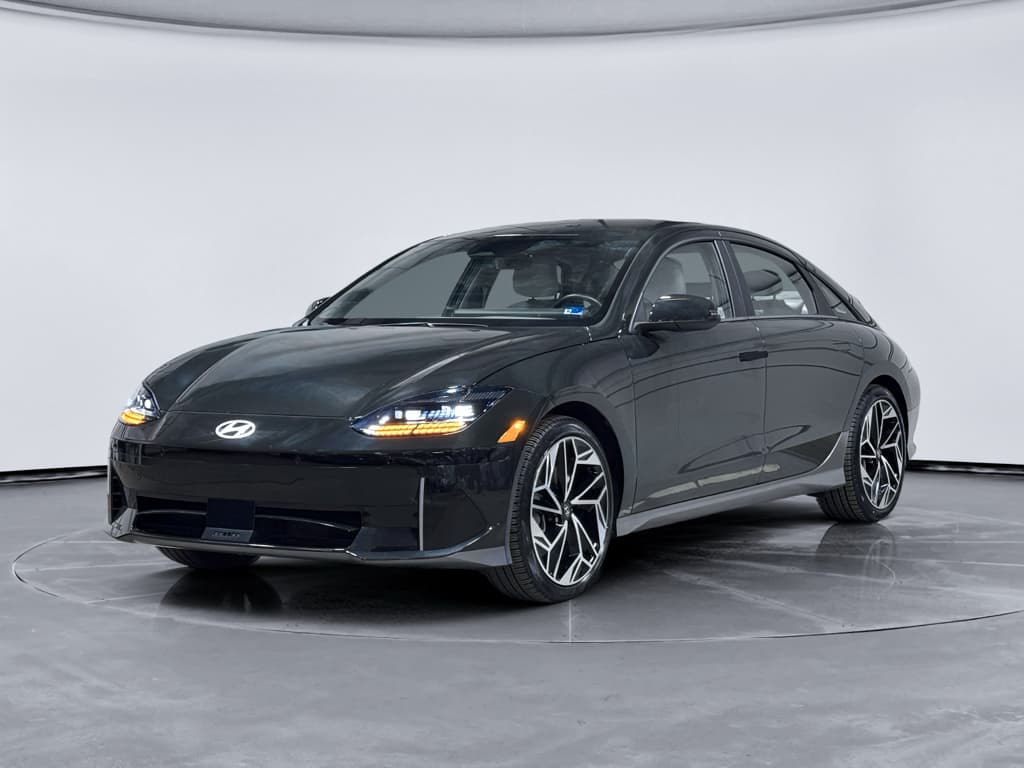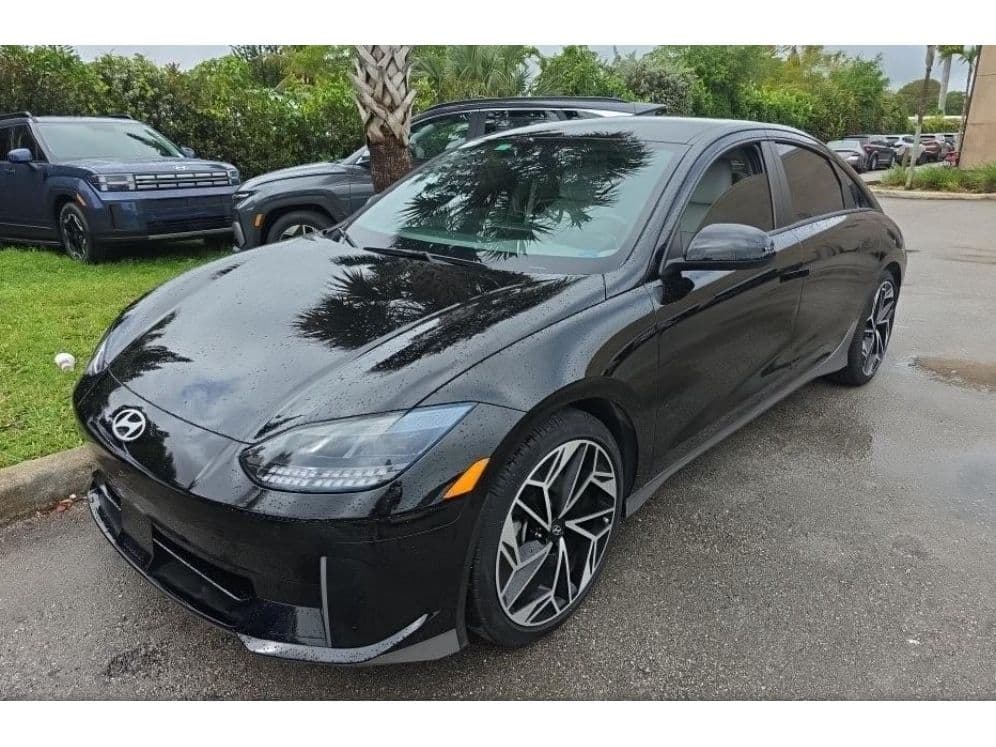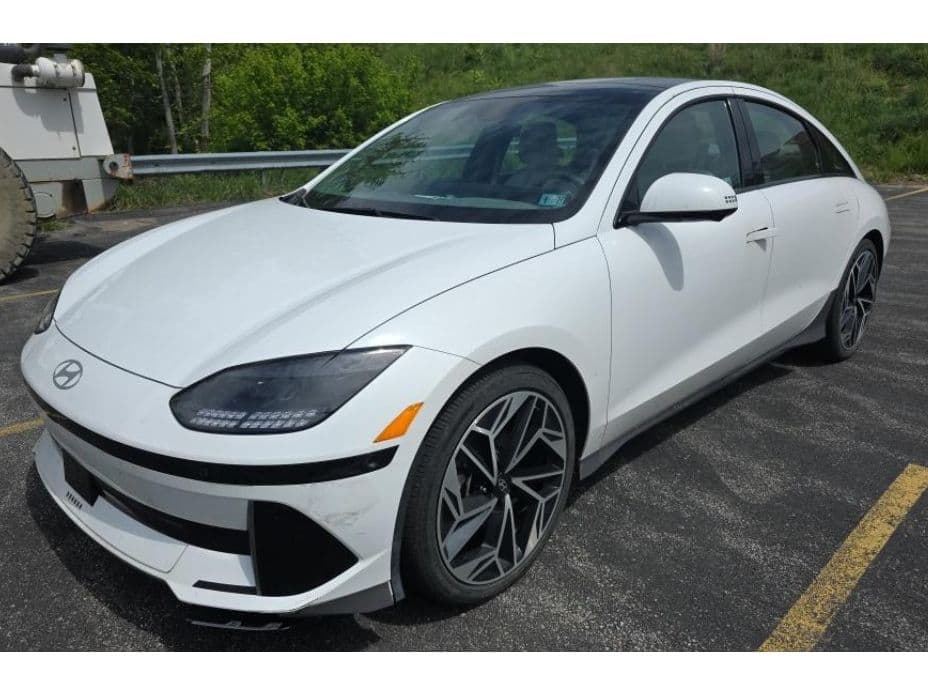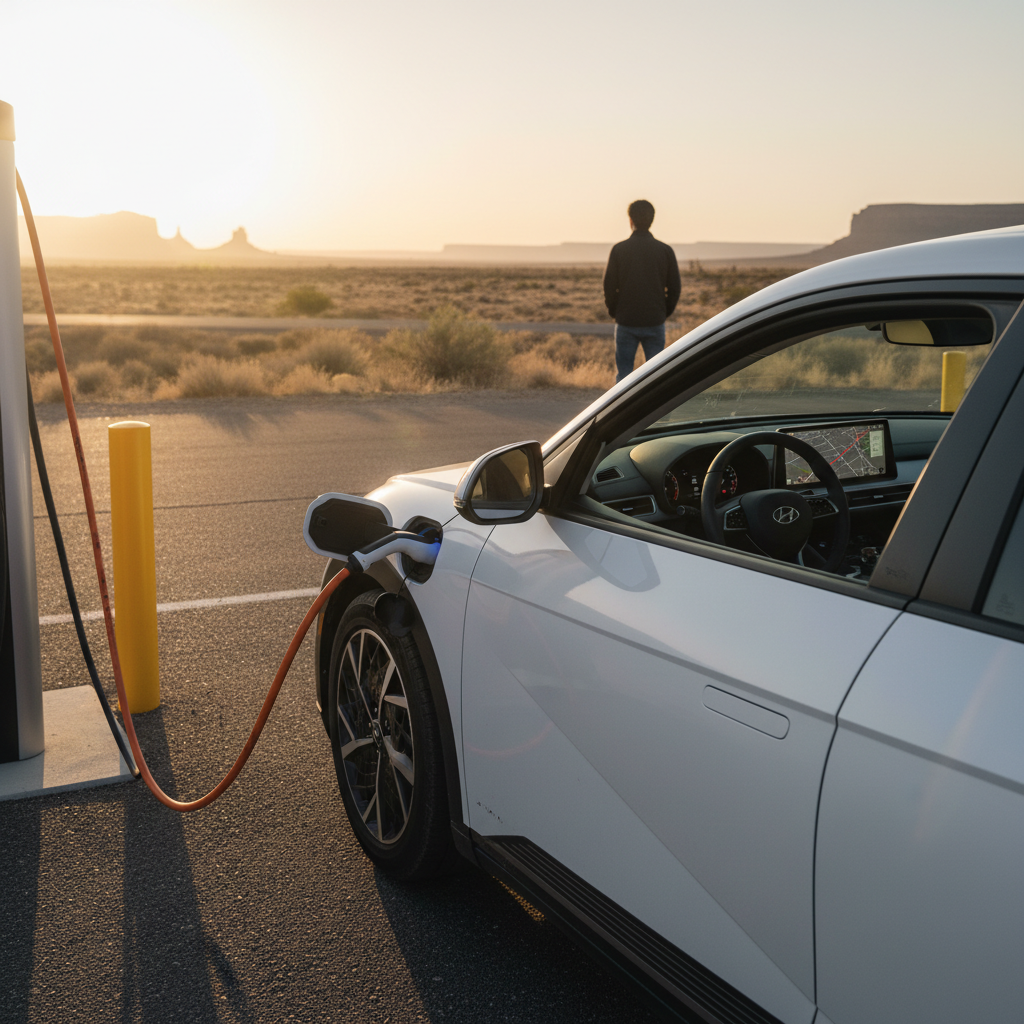
If you’re looking up a 2026 Hyundai Ioniq 6 recalls list, you’ve probably heard about loss‑of‑power issues, charge‑port doors flying the coop, or long dealer waits for parts. The twist is that in the U.S., Hyundai is winding down the standard Ioniq 6 for 2026 and focusing on the performance N variant, but many of the same recall campaigns that hit 2023–2025 cars can still touch 2026‑built sedans and any carryover inventory you might buy new or used.
Important context for 2026 shoppers
Does a 2026 Hyundai Ioniq 6 have any recalls?
Right now there is no NHTSA campaign that lists “2026 IONIQ 6” by name in the U.S. The bulk of official recalls call out 2023–2025 model‑year cars. However, two big campaigns are still very relevant if you’re driving, leasing, or shopping an Ioniq 6 that’s on a lot in calendar‑year 2026:
- An Integrated Charging Control Unit (ICCU) / 12‑volt battery recall that covers 2023–2025 Ioniq 6 vehicles and can cause sudden loss of power if not addressed.
- A charging‑port outer door recall for 2023–2025 Ioniq 6 where the decorative outer door skin can detach at speed.
- Software‑centric campaigns around charging behavior and charging‑speed interruptions when using Level 2 AC chargers, primarily affecting 2023–2024 builds but relevant for any carryover inventory.
If a 2026‑titled Ioniq 6 was actually built during the same production window as a recalled batch, it will be pulled into that recall based on its VIN and build date. That’s why the first step with any specific car is to run the VIN through Hyundai’s recall lookup or the NHTSA site, which we’ll walk through below.
How 2023–2025 recalls can still affect a 2026 Ioniq 6
Model year is a marketing label
“2026” on the window sticker doesn’t mean the car rolled out of the factory in 2026. Automakers often start building a new model year in the middle of the prior calendar year, and they can keep using the same parts and software that were already subject to recalls.
Recalls follow hardware, not hype
Recalls are issued against specific VIN ranges and component suppliers. If your car’s VIN falls into that band, you’re in the recall, even if your registration says 2026 and the paperwork lists a later in‑service date.
So when you see a headline about “2023–2025 Ioniq 6 recall,” treat it as a flag, not a hard wall. The important question is whether the particular 2026 car in your driveway, or the one you’re about to finance, shares the affected hardware and build window.
Don’t assume a clean Carfax means no recalls
2026 Hyundai Ioniq 6 recalls list by issue
Here’s a plain‑English rundown of the main recall campaigns that can still matter for a 2026 Ioniq 6 buyer in the U.S. These are grouped by problem type rather than by the official NHTSA number, because that’s how most owners actually experience them.
1. ICCU / 12‑volt battery recall – potential loss of power
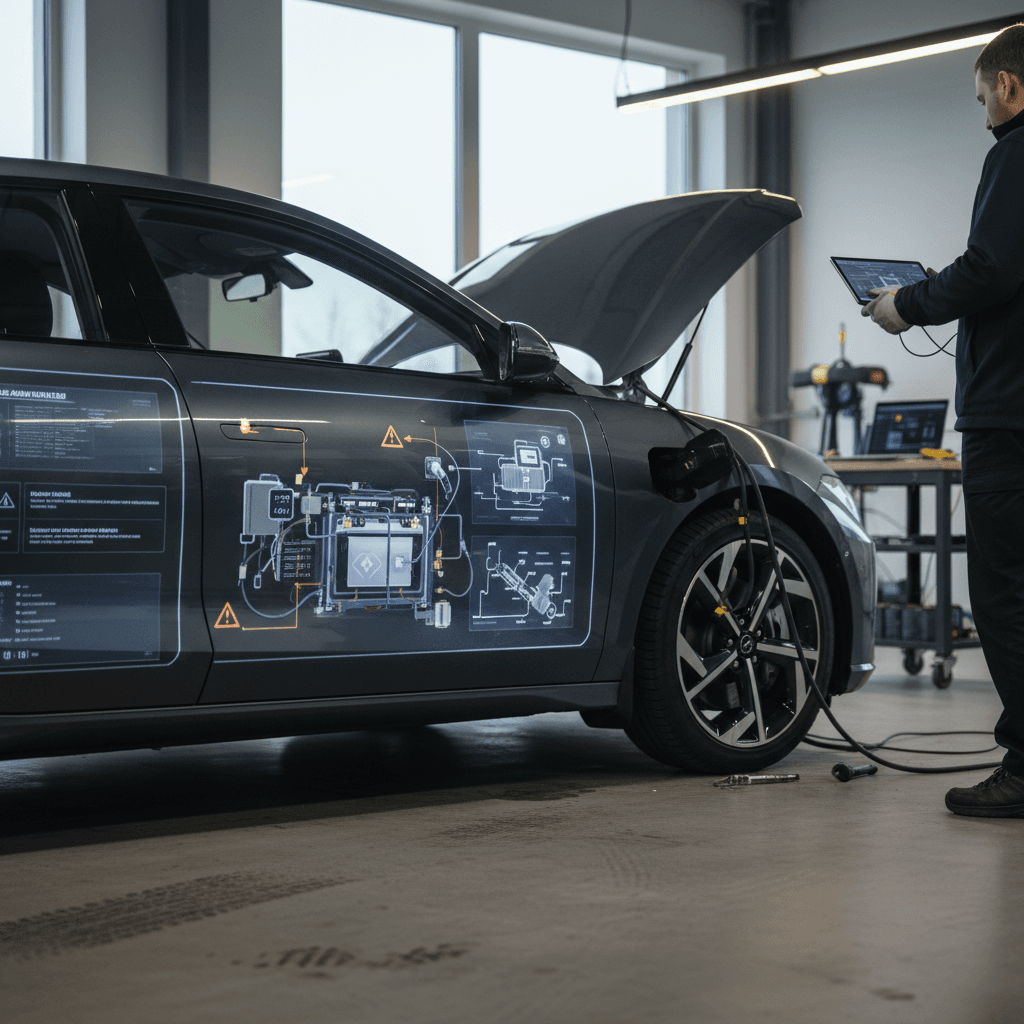
Hyundai and Kia launched a major recall in late 2024 for more than 200,000 EVs, including the 2023–2025 Ioniq 6, because a transistor in the Integrated Charging Control Unit (ICCU) can be damaged. When it fails, the 12‑volt system stops charging and the car can lose drive power, sometimes after a rash of warning lights and chimes.
- Applies to: 2023–2025 Hyundai Ioniq 6 (and related Hyundai/Genesis EVs using the same ICCU design). A 2026‑titled car may still use the same hardware if it was built during that window.
- Symptoms: Sudden loss of propulsion, multiple warning lights, car dropping into limp mode or refusing to shift into gear after charging.
- Fix: Dealers inspect the ICCU, replace the unit and a related fuse if needed, and update software to better protect the component.
- Cost to owner: $0 (safety recall).
Why this one matters most
2. Charge‑port outer door recall – cosmetic panel can detach
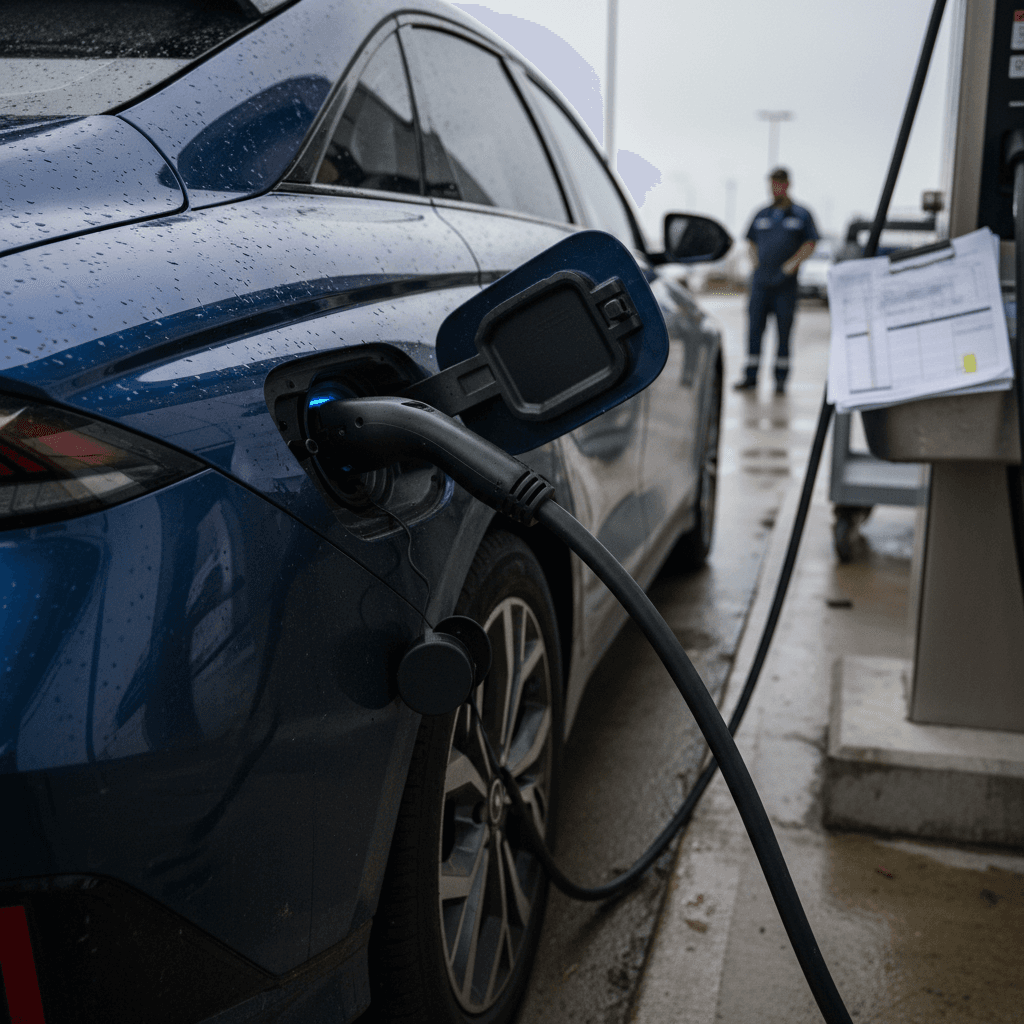
Another high‑visibility recall for the Ioniq 6 involves the outer skin of the charging‑port door. On some cars, the adhesive and clips can weaken over time, allowing the decorative panel to loosen and, in worst cases, detach while you’re driving. It looks minor, but anything flying off at highway speed is a safety issue.
- Applies to: Roughly 2023–2025 Ioniq 6 production; again, overlap into 2026 inventory is possible depending on when the car was built.
- Symptoms: Charge‑port door feels loose, misaligned, or you can see gaps at the edges; owners have reported pieces missing without realizing when they departed.
- Fix: Dealers replace the outer charge‑port door panel and hardware with an updated design.
- Cost to owner: $0 (safety recall).
Quick driveway check
3. Level 2 charging interruptions – software campaign
If you’ve ever plugged an Ioniq 6 into a home Level 2 charger and watched the session slow down or stop for no obvious reason, you’re not imagining things. Hyundai issued a service campaign that overlaps with recall‑style work for certain 2023–2024 Ioniq 6 builds to deal with charging interruptions and slower‑than‑expected Level 2 speeds.
- Applies to: Primarily 2023–2024 Ioniq 6, but any early‑build car still on a lot in 2026 can be affected until software is updated.
- Symptoms: AC charging sessions that cut out mid‑charge, repeatedly fail to start, or run at reduced power compared with the charger’s rating.
- Fix: Dealers update vehicle control and charging software; in some cases they’ll also evaluate the onboard charger or ICCU for related issues.
- Cost to owner: Often $0 when done as part of a campaign or under warranty, ask your dealer how your VIN is coded.
4. Instrument‑cluster and warning‑light software bugs
Across Hyundai’s EV lineup, there have been scattered campaigns to fix digital instrument‑cluster glitches, ranging from blank screens to warning indicators not behaving as intended. For an electric car, nearly everything you need to know about what the vehicle is doing is presented digitally, so software updates matter.
- Applies to: Selected VIN ranges of 2023–2025 Ioniq 6; many of those cars will still be sold as new or CPO vehicles in 2026.
- Symptoms: Cluster going blank, frozen graphics, delayed or missing warning messages, odd behavior when shifting or starting the car.
- Fix: Dealer software update to the cluster and/or main vehicle control unit (VCU).
- Cost to owner: $0 when tied to an official campaign; sometimes bundled with other recall visits.
Quick comparison of major Ioniq 6 recalls
Key Ioniq 6 recalls that can impact 2026 shoppers
Use this as a cheat sheet when talking with a seller or service advisor about a specific Ioniq 6.
| Issue / Recall | Risk to driver | Typical symptoms | What dealer does | Applies to* |
|---|---|---|---|---|
| ICCU / 12‑V failure | High – possible loss of drive power | Warning lights, car won’t move or drops into limp mode after charging | Inspect and replace ICCU and fuse, update software | 2023–2025 Ioniq 6 (may include early‑build 2026 units) |
| Charge‑port outer door | Medium – panel could detach at speed | Loose, rattling, or missing outer charge door panel | Replace outer charge‑port door with updated part | Select 2023–2025 Ioniq 6 builds |
| Level 2 charge interruptions | Low–medium – inconvenience, possible stranded if relied on | Home/public AC charging cuts out or runs slower than expected | Update charging and control software, diagnose hardware if needed | Mainly 2023–2024 Ioniq 6 |
| Cluster / warning‑light bugs | Medium – hard to see critical info | Blank or frozen cluster, odd warnings | Update cluster/VCU software | Selected 2023–2025 Ioniq 6 |
Always confirm details against a current VIN lookup, this table is a guide, not a substitute for official NHTSA or Hyundai data.
About those model‑year ranges
How to check if your 2026 Ioniq 6 has open recalls
Step‑by‑step: check your Ioniq 6 for recalls in 10 minutes
1. Find your VIN
Your 17‑digit VIN is on the lower driver‑side windshield, your registration, and usually on a sticker inside the driver’s door jamb. Snap a photo with your phone so you don’t have to jot it down.
2. Use the NHTSA recall lookup
Go to the official NHTSA recall lookup tool and enter your VIN. It will show all <strong>open safety recalls</strong> that haven’t been completed on that vehicle.
3. Check Hyundai’s own recall site
Hyundai also runs a VIN tool on its customer‑service site. Sometimes OEM tools show service campaigns and software updates that don’t appear as formal NHTSA recalls.
4. Call or message a Hyundai dealer
Ask the service department to pull a <strong>warranty and campaign history</strong> for your VIN. They can see which recalls were completed, when, and at which mileage.
5. Ask the seller for documentation
If you’re buying used, request printed or digital service records showing recall work. Compare dealer invoices to the campaign numbers your service advisor read you.
6. Set a reminder
Recalls roll out in waves. It’s smart to re‑check your VIN once or twice a year, especially if you notice anything odd with charging, power delivery, or warning lights.
Good news: recall fixes are free
What it’s like to get Ioniq 6 recall work done
If you hang around Ioniq 6 owner forums long enough, you’ll notice a pattern: most people have their recalls done in a day and move on, while a frustrated minority bounce between dealers, waiting on parts or chasing an intermittent problem that won’t stay broken on command.
Typical Ioniq 6 recall owner experiences
Most visits are uneventful, but be prepared for exceptions.
Straightforward visit
For many owners, an ICCU or charge‑door recall is handled in one scheduled appointment. Drop off in the morning, pick up later that day, and you’re back on the road.
Waiting on parts
Because these recalls hit thousands of EVs at once, some dealers run short on parts. That can mean a second visit or a few weeks’ wait if your ICCU actually needs replacement.
Escalation required
In a small but vocal slice of cases, owners report repeat issues even after recall work. That’s when you may need to escalate with Hyundai corporate or explore lemon‑law options in your state.
How to stack the odds in your favor
Shopping a used 2026 Ioniq 6: which recalls to verify
If you’re considering a used Ioniq 6 in 2026, whether it’s titled as a 2023, 2024, 2025, or 2026, the homework is the same: make sure it’s up to date on safety repairs and that past issues were fixed correctly, not just patched over long enough to get the car off the lot.
- Confirm the ICCU/12‑volt recall and whether the ICCU has ever been replaced.
- Check that the charge‑port door recall is closed and the door feels solid.
- Ask for proof of any software updates tied to charging or the instrument cluster.
- Look through service records for repeated visits for no‑start, loss‑of‑power, or charging complaints. Patterns matter more than one‑off glitches.
Leaning toward a used Ioniq 6?
Recalls vs. TSBs: what’s the difference for the Ioniq 6?
Safety recall
- Ordered under federal safety rules.
- Must be fixed for free at a dealer.
- Shows up in NHTSA and Hyundai VIN tools.
- Usually involves a clear safety risk: fire, loss of power, parts detaching, or systems like airbags not working as designed.
Technical Service Bulletin (TSB)
- Guidance from the manufacturer to dealers on known issues and repair procedures.
- Not always free, coverage depends on warranty status and the specific bulletin.
- Doesn’t always appear as an “open recall” in public tools.
- Common for things like charging behavior, infotainment bugs, or noises.
On the Ioniq 6, charging‑behavior quirks and infotainment hiccups often fall under TSBs or internal campaigns rather than headline‑grabbing recalls. When you talk with a dealer, or with a Recharged EV specialist, ask specifically whether your VIN has any outstanding TSB‑related updates available.
FAQ: 2026 Hyundai Ioniq 6 recalls & reliability
Frequently asked questions about 2026 Ioniq 6 recalls
Bottom line: should Ioniq 6 recalls scare you away?
A long 2026 Hyundai Ioniq 6 recalls list looks intimidating, but it doesn’t automatically make the car a bad bet. It does mean you need to be a little more methodical than you might have been with a basic gas sedan ten years ago. For any Ioniq 6 you’re considering, from early 2023 builds to late‑run 2026 models, run the VIN, confirm the ICCU and charge‑port door campaigns, and make sure software is current.
Do that, and you’re left with what the Ioniq 6 does best: quiet, long‑range cruising, genuinely quick DC fast‑charging, and a design that still turns heads in a crowded EV parking lot. If you’d rather have someone else sweat the details, shopping a used Ioniq 6 through Recharged means every car already comes with a battery‑health report, recall status, and expert guidance baked in, so you can spend more time enjoying the drive and less time decoding acronyms at the service counter.