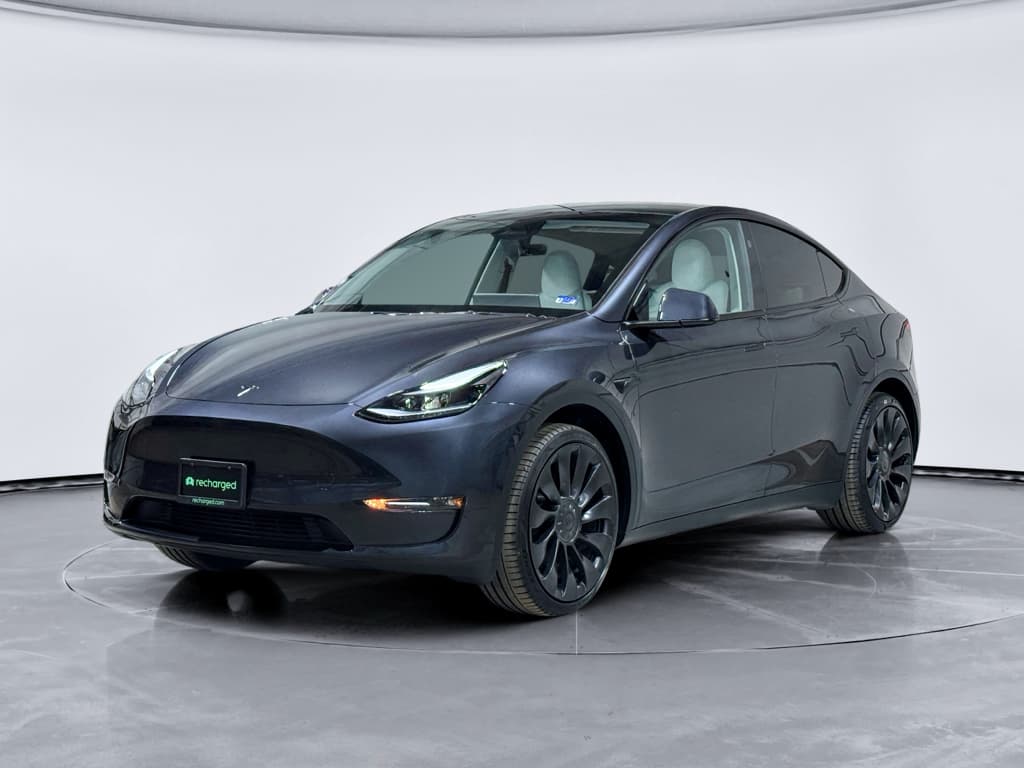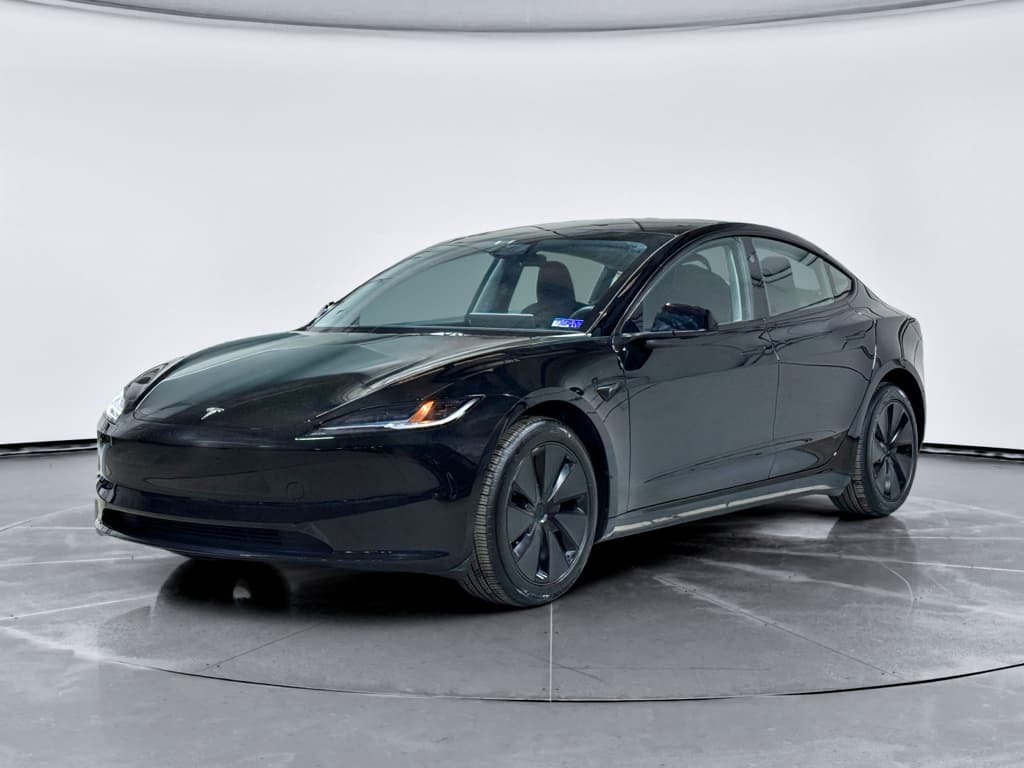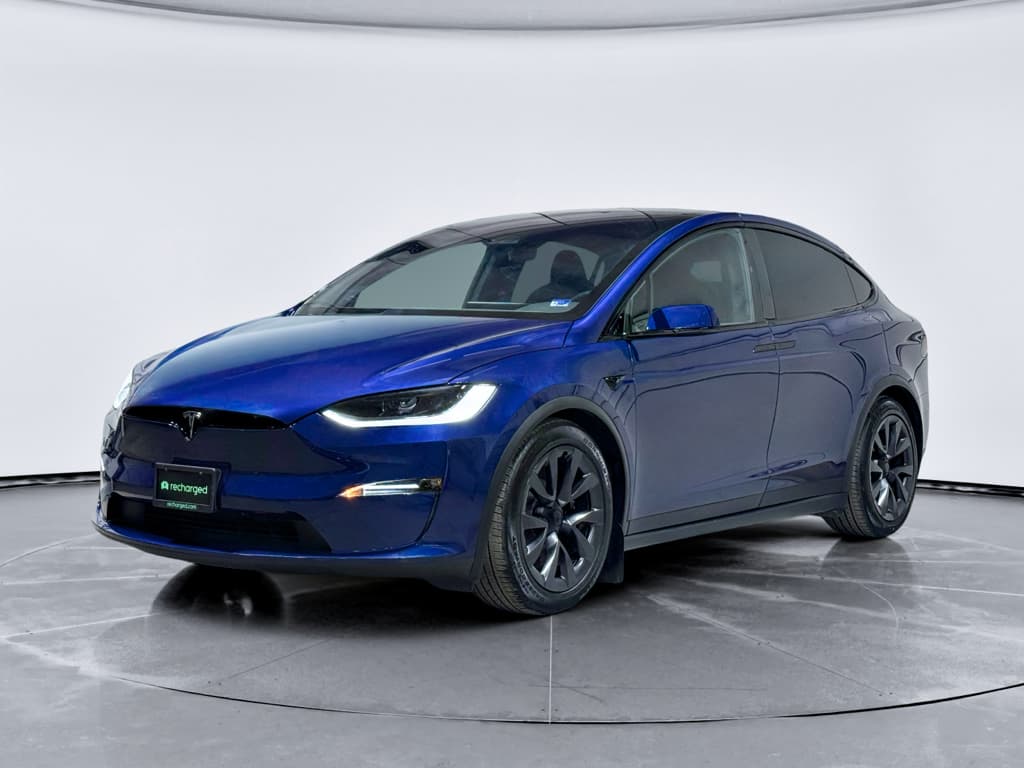
If you’re cross-shopping a Tesla against a gas SUV or looking at a used Model 3 on Recharged, the obvious question is: how much does it cost to maintain a Tesla? The short version: routine maintenance is noticeably cheaper than a comparable gas car, but tires and occasional repairs can still add up, especially on older, higher‑mileage cars.
Key takeaway
How much does it cost to maintain a Tesla? (short answer)
Typical Tesla maintenance cost benchmarks
Across multiple data sets and Tesla’s own guidance, a reasonable planning number in 2025 is that a Tesla will cost around $300–$600 per year in scheduled maintenance, things like tire rotations, cabin air filters and brake fluid checks. When you factor in tires and unscheduled repairs, a 10‑year ownership window comes out to roughly $3,000–$5,000 total in maintenance for a Model 3 or Model Y, and somewhat more for a Model S or X.
Put another way: if you budget $60–$100 per month for maintenance, tires and minor repairs on a Tesla, you’ll be in the right ballpark. Many owners will come in under that number, especially in the first 3–5 years; some high‑mileage or performance‑trim owners will spend more.
Used Tesla buyer tip
Why Teslas are cheaper to maintain than gas cars
What you’re not paying for with a Tesla
Fewer moving parts, fewer fluids, fewer wear items
No oil changes
No multi‑speed transmission
Regenerative braking
Because of that simpler hardware, there’s just less to service. Tesla’s official maintenance guidance focuses almost entirely on tires, filters, brake fluid checks, and a few climate‑system items rather than long menus of fluids and mechanical services.
But EVs aren’t maintenance‑free
Typical annual Tesla maintenance costs by model
Estimated annual Tesla maintenance costs (U.S., 2025)
These numbers blend routine maintenance, typical tire wear and light repairs over a 10‑year horizon. Real‑world costs vary by mileage, climate and how aggressively you drive.
| Model | Average per year (10 yrs) | Average per month | 10‑year total estimate | Notes |
|---|---|---|---|---|
| Model 3 | ~$325 | ~$27 | ~$3,250 | Lowest running costs; smaller tires and simpler hardware. |
| Model Y | ~$400 | ~$33 | ~$4,000 | Slightly larger tires and higher curb weight add cost. |
| Model S | ~$400 | ~$33 | ~$4,000 | Luxury sedan with bigger wheels and more complex air suspension on some trims. |
| Model X | ~$485 | ~$40 | ~$4,850 | Heavier three‑row SUV; more expensive tires and suspension parts. |
| Cybertruck (early estimate) | ~$535 | ~$45 | ~$5,350 | Large, heavy pickup with very large tires; data still emerging. |
Use these as planning ranges, not hard caps.
These estimates line up closely with independent 10‑year maintenance projections from multiple cost‑of‑ownership firms that track real‑world Tesla service and repair invoices. They assume you follow Tesla’s basic maintenance guidance and replace tires when needed, but don’t suffer rare, catastrophic failures like a collision‑related battery replacement.
Routine maintenance: what you’ll actually pay for
Main recurring items
- Tire rotations: Every 6,250–7,500 miles in the U.S. is a good rule of thumb. Expect $50–$120 per visit at a shop, or included if you bundle with other service.
- Cabin air filter: Tesla recommends replacement about every 2 years on the Model 3 and Model Y. Parts and labor typically land around $75–$200, depending on whether you DIY or use a Tesla Service Center.
- Wiper blades: Roughly annually in harsher climates; usually $40–$80 installed.
- Brake fluid checks: Tesla suggests a brake fluid health check about every 4 years. If it needs a flush, plan on $150–$250.
Occasional items
- AC service / desiccant bag: On some models Tesla recommends periodic AC service to maintain cooling performance; think $200–$400 every several years.
- Brake caliper service in salted‑road states: Where winter salt is common, Tesla recommends cleaning and lubricating brake calipers annually or every 12,500 miles. That’s often $150–$300 depending on shop rates.
- Software and diagnostics: Over‑the‑air updates are free. Diagnostic fees at service centers are usually bundled into repairs or billed at an hourly rate if no repair is performed.
Compared with a gas car’s long menu of engine and transmission services, this list is short, and that’s where much of the savings show up.
DIY vs. service center
Big-ticket items: tires, brakes and the battery pack
Tires: your biggest predictable expense
Teslas are heavy and deliver instant torque. That’s great for acceleration, but it’s hard on rubber. Many owners see 25,000–40,000 miles per set of tires, sometimes less on performance trims or if alignment is off.
Typical Tesla tire costs
Real‑world estimates based on common wheel sizes and mid‑range tire brands.
| Model | Common wheel size | Typical price per set (installed) | Likely lifespan | 5‑year estimate (2 sets + service) |
|---|---|---|---|---|
| Model 3 | 18"–19" | ~$900–$1,200 | 25k–40k miles | ~$2,200–$2,800 |
| Model Y | 19"–20" | ~$1,100–$1,400 | 25k–40k miles | ~$2,600–$3,200 |
| Model S | 19"–21" | ~$1,200–$1,600 | 25k–40k miles | ~$2,800–$3,400 |
| Model X | 20"–22" | ~$1,400–$1,800 | 20k–35k miles | ~$3,200–$3,800 |
Performance tires or premium brands can push these numbers higher.
Don’t skip alignments
Brakes: used far less than in a gas car
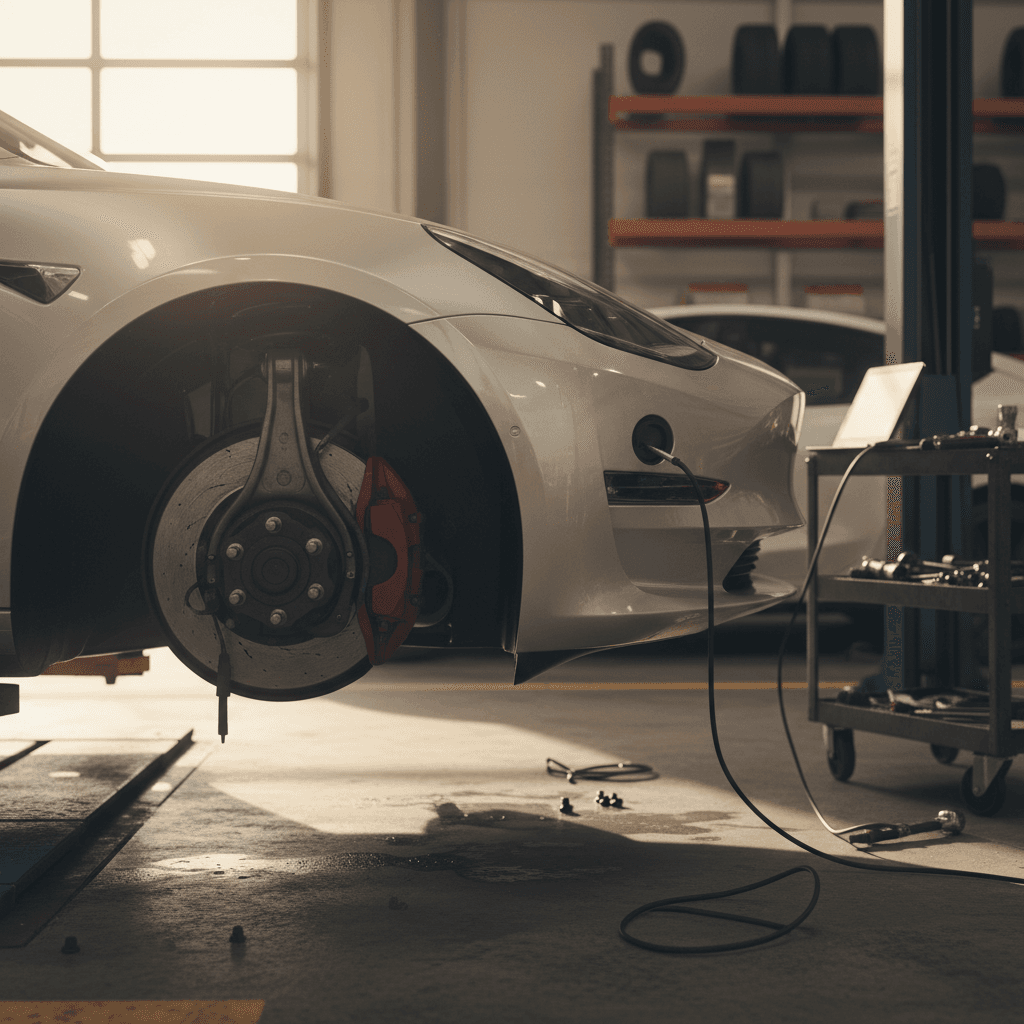
Regenerative braking means your pads and rotors see less heat and friction. On many Teslas, brake jobs don’t show up until well past 80,000 miles, and some owners go past 100,000 miles on original pads. When they do need replacement, expect pricing broadly in line with other premium cars, roughly $300–$800 per axle depending on model and whether rotors are replaced.
Battery pack: covered by warranty for years
Battery‑pack replacement is the scenario that keeps many would‑be Tesla buyers up at night, especially in the used market. The good news is that Tesla’s Battery and Drive Unit Limited Warranty generally runs 8 years and 100,000–150,000 miles depending on model and trim, with a minimum capacity retention guarantee. In practice, most owners see gradual capacity loss rather than sudden failures.
Out‑of‑warranty battery replacements are rare and expensive enough that you should think of them as a low‑probability, high‑cost risk. Reported real‑world pricing has ranged from the mid‑four figures for individual modules to well into five figures for full pack replacements at a service center. That’s why understanding battery health on a used Tesla is critical, and why Recharged’s Recharged Score battery health diagnostics are baked into every used EV we sell.
Repairs, warranty coverage and out-of-pocket risk
Beyond scheduled maintenance, you’ll occasionally face unplanned repairs, everything from door handles and window regulators to suspension bushings or infotainment components. Tesla’s Basic Vehicle Limited Warranty covers 4 years/50,000 miles from the original in‑service date, after which you’re paying out of pocket unless you have an extended service contract.
- Common minor repairs: door latch or window regulator issues, interior trim, sensors and cameras, charge‑port doors.
- Mid‑tier repairs: suspension arms and bushings, wheel bearings, HVAC components, onboard chargers.
- Major repairs: collision damage affecting the battery pack, drive unit replacements, complex electrical faults.
Watch the warranty odometer
Cost comparison: Tesla vs. gas vehicle maintenance
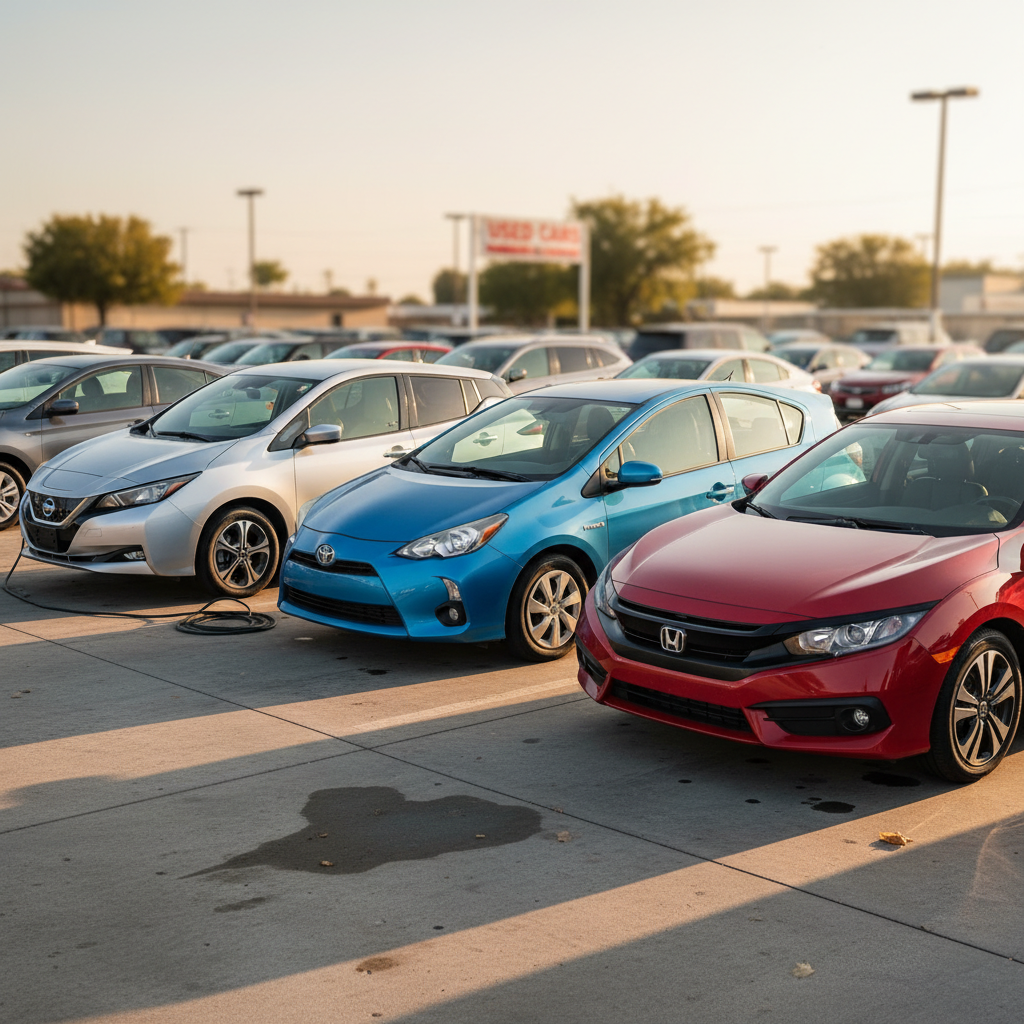
Across the industry, EVs consistently undercut comparable gas vehicles on maintenance and repairs. Several cost‑of‑ownership studies show EV maintenance/repair costs running about 40–60% lower over the life of the vehicle. That lines up with what owners of Model 3s and Model Ys are seeing in the field.
Tesla vs. gas car: common maintenance items
Illustrative comparison of typical service items over 5 years.
| Service item (5 yrs) | Typical Tesla cost | Typical gas car cost | Why Teslas tend to win |
|---|---|---|---|
| Engine oil & filter | $0 | $600–$1,000 | No internal‑combustion engine, so no oil changes. |
| Transmission service | $0 | $300–$600 | Single‑speed drive unit vs. multi‑speed automatic. |
| Spark plugs, belts, fuel system | $0 | $400–$800 | EVs don’t have these components at all. |
| Brake service | $200–$500 | $400–$900 | Regen braking dramatically extends pad/rotor life. |
| Tires | $2,200–$3,200 | $1,600–$2,400 | Heavier EVs can wear tires a bit faster than comparable gas cars. |
| Total maint. + repairs (10 yrs, compact car) | ~$3,250–$4,000 | ~$6,000–$8,000+ | Many studies put EV maintenance at roughly half that of gas cars over a decade. |
Actual numbers depend on mileage, brand and where you service the car.
Where the savings really show up
Used Teslas: how maintenance costs change over time
In the used market, the maintenance story shifts. First‑owner buyers enjoy low costs under warranty; second owners pick up the car just as tires, suspension and some electronics reach middle age. That’s not a reason to avoid used Teslas, if anything, today’s pricing makes them attractive, it just means you need to be realistic about where you are on the wear curve.
What to expect by age and mileage
These are typical patterns, not guarantees.
0–3 years / <40k miles
3–6 years / 40k–80k miles
6–10+ years / 80k–150k+ miles
How Recharged de‑risks used Tesla ownership
How to lower your Tesla maintenance costs
Practical ways to keep Tesla maintenance costs down
1. Rotate and align tires on schedule
Staying on a 6,000–7,500‑mile rotation schedule and doing an alignment every 12–18 months can easily add 10,000+ miles to a set of tires and save hundreds of dollars over the life of the car.
2. Use Chill or standard acceleration modes
Dialing back maximum acceleration reduces tire wear and stress on suspension components without making the car feel slow in everyday driving.
3. Take advantage of regenerative braking
Learn to drive with one‑pedal style where possible. It not only improves efficiency but also preserves brake pads and rotors, pushing that first brake job further into the future.
4. Fix small issues before they snowball
Address odd noises, steering play or vibration early. Catching a worn suspension bushing or tire cupping early is cheaper than waiting for collateral damage.
5. Shop around for service
Tesla service centers are convenient and know the product, but reputable independent EV shops are increasingly common and can sometimes save you money on out‑of‑warranty work.
6. Start with the right car
A well‑maintained used Tesla with documented service, strong battery health and clean history will almost always be cheaper to own than a cheaper car with hidden issues. That’s the philosophy behind how Recharged curates and scores vehicles.
FAQ: Tesla maintenance costs
Frequently asked questions about Tesla maintenance
Bottom line: what to budget for Tesla maintenance
When you zoom out, owning a Tesla in 2025 looks straightforward from a maintenance perspective. Compared with a similar gas car, you’re trading oil changes and transmission services for heavier tire wear and occasional higher‑ticket repairs, and on balance, the numbers usually favor the Tesla.
If you’re penciling out a purchase, a practical rule of thumb is to set aside $60–$100 per month for maintenance, tires and repairs on top of your payment, insurance and charging costs. Buy a well‑maintained car, drive it reasonably and stay on top of tires and alignment, and you may not use that whole budget every year.
If you’re looking at a used Tesla, that’s where a curated marketplace like Recharged earns its keep. Every EV in our inventory includes a Recharged Score battery health report, fair‑market pricing, and end‑to‑end support, from trade‑in and financing to nationwide delivery, so you can focus on whether a Tesla fits your life and your budget, not worry about what’s lurking under the floorpan.