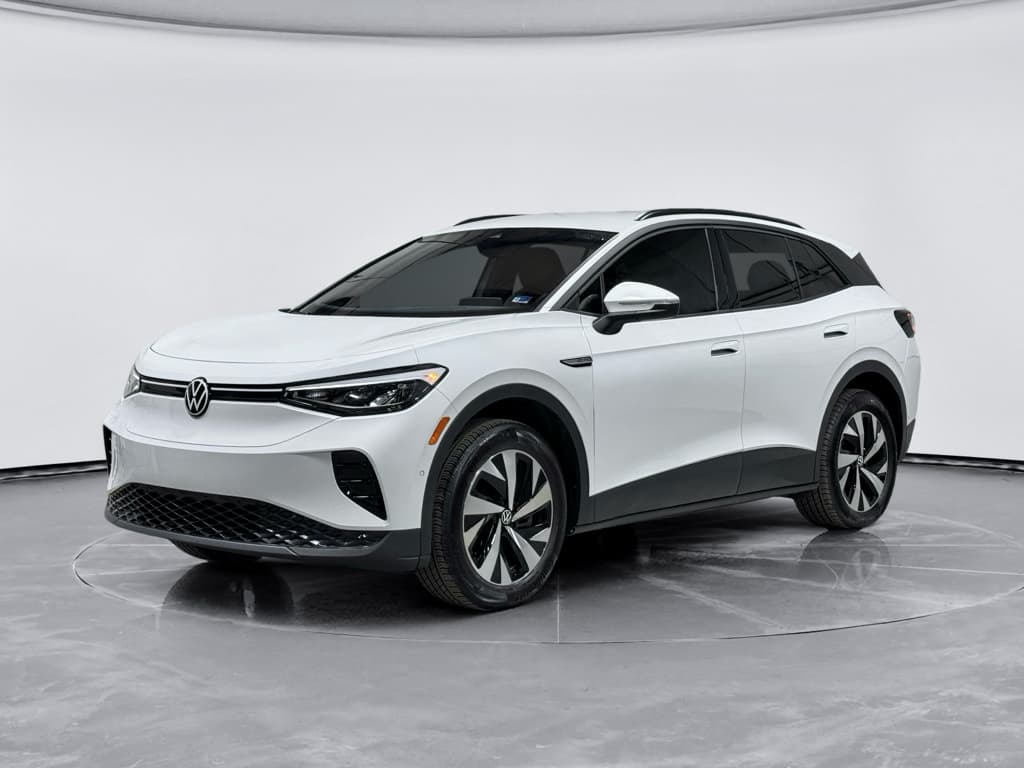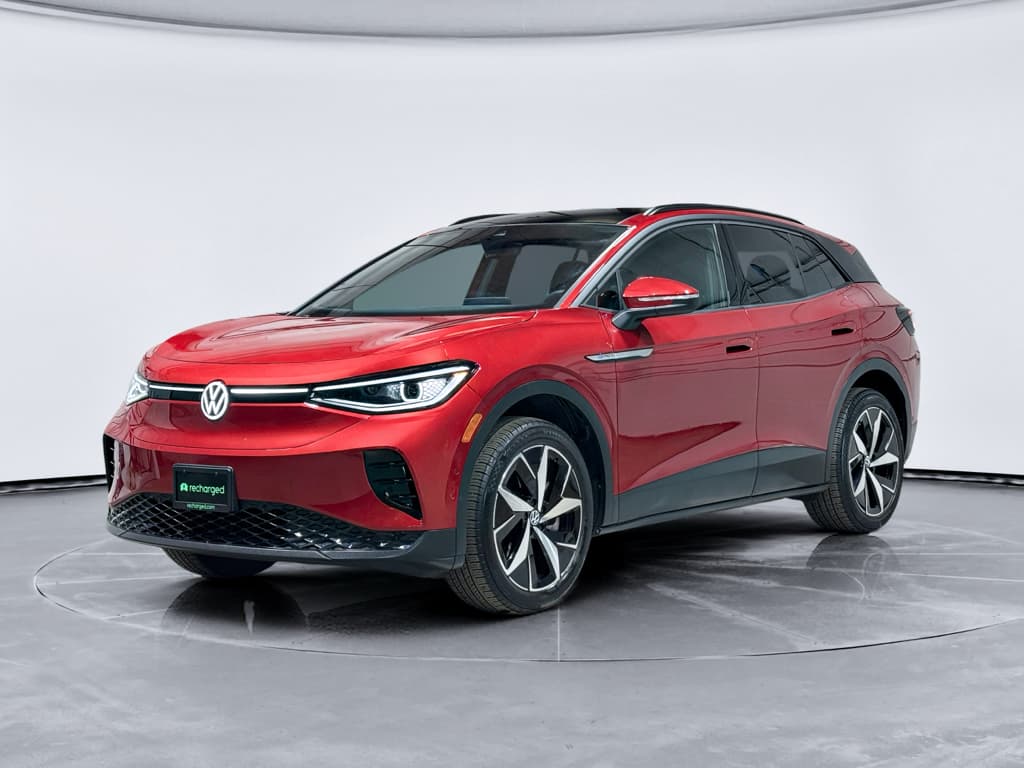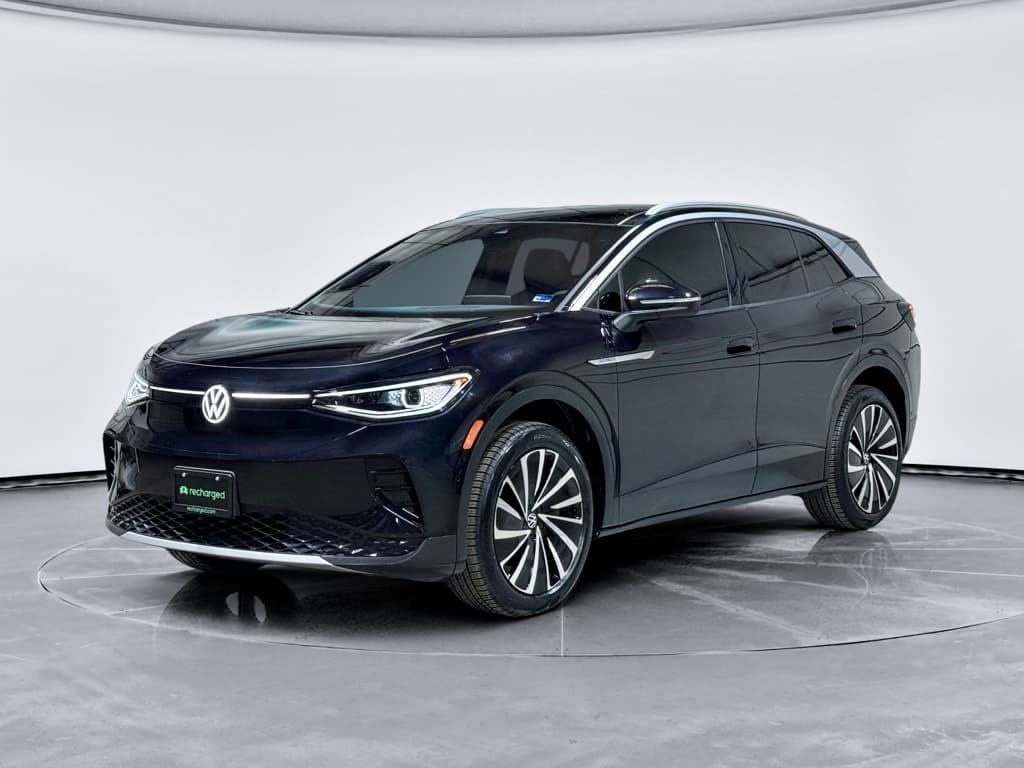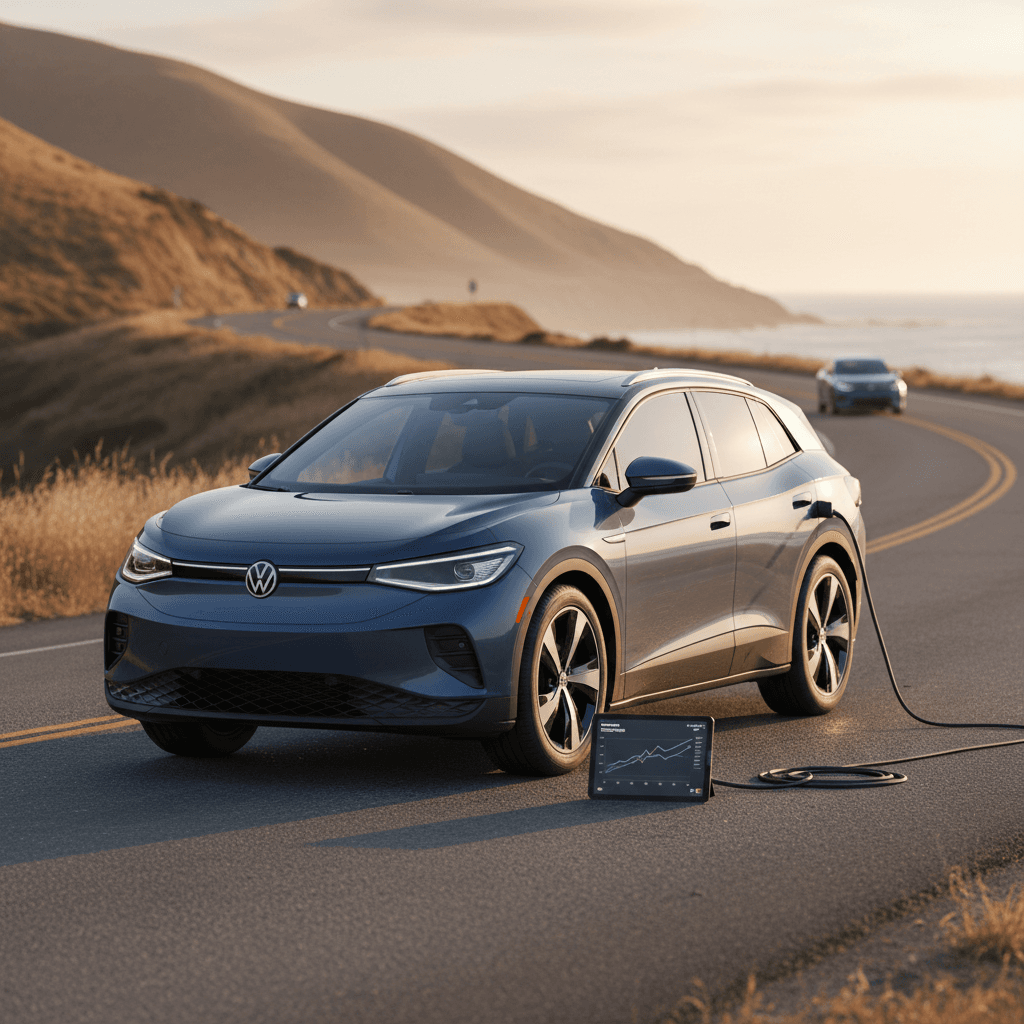
If you’re looking at the 2025 Volkswagen ID.4, you’ve probably noticed the EPA number that keeps coming up: 291 miles of range for certain trims. But what does that look like in a real 2025 VW ID.4 range test, on American highways, in mixed traffic, and through a couple of seasons? This guide pulls together official data, independent testing, and real‑world driving patterns so you know what to expect before you buy new or used.
Key takeaway up front
2025 VW ID.4 range overview
For 2025, Volkswagen has temporarily simplified the ID.4 lineup in the U.S. by focusing on models equipped with the larger battery pack (often described as 77–82 kWh usable capacity). Smaller‑battery variants are slated to return later in the model year, but early‑build 2025s on dealer lots are almost all “Pro” trims with the big pack.
2025 VW ID.4 range at a glance
Those numbers tell you the ID.4 is competitive with other compact electric SUVs, but they don’t tell the whole story. To really understand range, you have to separate EPA lab ratings from independent road tests and from your own daily driving profile.
EPA range ratings for the 2025 VW ID.4
On paper, the 2025 ID.4’s range is straightforward: if you get the larger battery, you get the long‑range numbers. For 2025, Volkswagen and the EPA list roughly the following estimates for the big‑pack ID.4:
2025 VW ID.4 EPA range estimates (large battery pack)
Approximate EPA ratings for common 2025 ID.4 configurations with the Pro (large) battery pack. Exact numbers can vary slightly by wheel size and options.
| Model year | Battery pack | Drive type | Trim examples | EPA rated range |
|---|---|---|---|---|
| 2025 | Pro / large pack (~77–82 kWh) | RWD | Pro, Pro S | Up to ~291 miles |
| 2025 | Pro / large pack (~77–82 kWh) | AWD | Pro, Pro S, Pro S Plus | Around 263 miles |
| 2025 (later in year, expected) | Smaller pack (~58–62 kWh) | RWD | Base trims | Around 200–210 miles (historical guidance) |
EPA numbers are best used as a comparison tool, not as a guaranteed real‑world result.
Why your ID.4 may show a different number on day one
It’s also important to remember how conservative, or optimistic, EPA ratings can be for a given model. Earlier ID.4s have already shown they can beat their window‑sticker numbers in mild weather. Edmunds, for example, saw nearly 300 miles (299 mi) from a single‑motor ID.4 Pro S in its controlled test loop, slightly above that car’s 291‑mile EPA rating for the big battery. That pattern gives us some confidence in the 2025 model’s underlying efficiency.
Real‑world range tests: what drivers are actually seeing
When you move from lab cycles to the highway, the 2025 ID.4 tells a slightly different story, especially in all‑wheel‑drive form. Independent outlets that run steady 70–75 mph highway loops consistently find that many EVs undershoot their combined EPA range, and the ID.4 is no exception.
Highway test results (AWD)
- Independent 75‑mph testing of an AWD ID.4 with the large pack has produced about 240 miles of real‑world range before reaching a very low state of charge.
- That’s roughly 90% of the ~263‑mile EPA figure for similar AWD trims.
- Average efficiency in that scenario tends to land in the low‑30s kWh/100 miles (around 3.0–3.3 mi/kWh).
Mixed‑driving results (RWD and older years)
- Long‑term testing of earlier RWD ID.4s with smaller batteries routinely showed real‑world ranges above EPA ratings when driven on balanced city/highway routes.
- One well‑documented test loop delivered 288 miles from a 260‑mile‑rated ID.4, and later big‑battery cars ticked just under 300 miles.
- That pattern suggests the 2025 RWD Pro with the large battery should have no trouble matching or slightly beating its EPA figure in easy conditions.
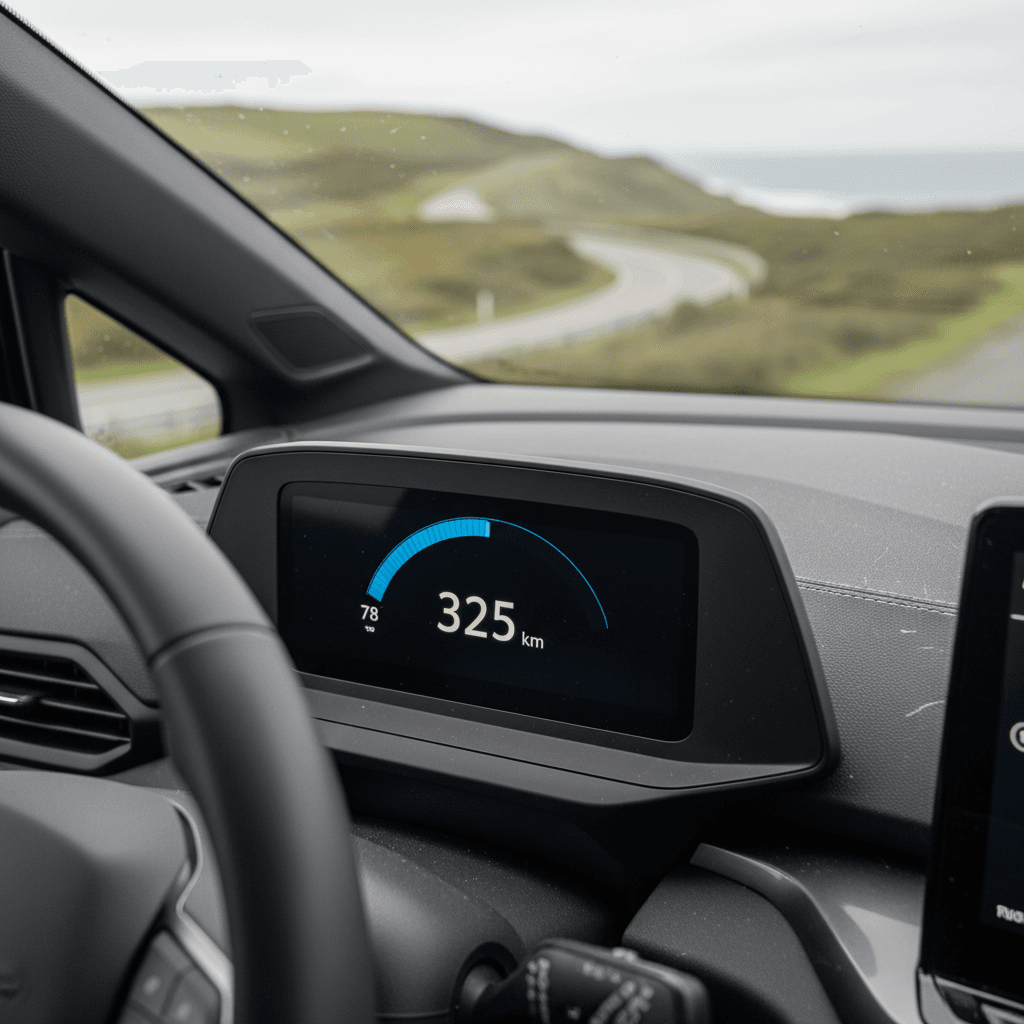
A simple rule of thumb for the 2025 ID.4
Highway vs city: how driving style changes ID.4 range
One reason range tests disagree is that the ID.4 behaves very differently in stop‑and‑go traffic than it does at a steady 75 mph. Volkswagen tuned the ID.4 as a relaxed family crossover, not a hyper‑efficient aero champ, so aerodynamic drag at speed matters a lot.
Why your ID.4 feels efficient in town but thirsty on the interstate
Two very different environments for the same battery pack.
City & suburban driving
- Plenty of chances for regenerative braking to recapture energy.
- Lower average speeds cut aerodynamic drag.
- Easy to hit or beat the EPA rating on temperate days.
Highway cruising
- Constant 70–80 mph multiplies drag on the ID.4’s upright body.
- Little braking means less energy recapture.
- Expect a 10–25% hit vs the EPA number on long freeway legs.
Aggressive driving
- Hard acceleration and rapid lane changes spike consumption.
- Running climate control on “max” compounds the impact.
- Plan for another 10–15% range penalty if you regularly drive this way.
Don’t drive to 0% on purpose
Battery size, trim, and AWD: how they change range
For 2025, the ID.4 story is really a big‑battery story. Manufacturing of 2025 models resumed in the U.S. with only the larger pack available, and all of those early‑run vehicles carry the "Pro" designation. The smaller pack is scheduled to return later in the year, most likely in lower‑priced trims with shorter range.
How 2025 VW ID.4 configuration affects range potential
Approximate relationships between configuration and real‑world range. These are directional, your results will vary with speed, temperature and terrain.
| Configuration | What changes | Effect on real‑world range | Who it suits best |
|---|---|---|---|
| Large battery, RWD (Pro / Pro S) | Single motor, lower weight, best EPA figure | Strong potential to match or exceed EPA in mixed driving; highway numbers often in the 240–280 mile band in good weather | Drivers prioritizing maximum range and efficiency over traction |
| Large battery, AWD (Pro / Pro S / Pro S Plus) | Dual motors, extra weight, more power | EPA rating around mid‑260s; highway tests suggest closer to ~240 miles at 70–75 mph | Drivers in snow‑belt states or those who value acceleration and traction |
| Smaller battery, RWD (late 2025) | Lower cost, less usable capacity | EPA figures expected near 200–210 miles; real‑world winter highway range can drop into the 140–170 mile range | Urban commuters with short daily drives and easy access to charging |
| Larger wheels & heavy options | More rotational mass, less efficient tires | Can chip 5–10 miles of range off EPA figures and real‑world results | Shoppers prioritizing styling or luxury over every last mile of range |
If range is a priority, prioritize the big battery and rear‑wheel drive on smaller wheels when possible.
Good news for used‑ID.4 shoppers
Weather and charging: how conditions affect your 2025 ID.4
Range tests often happen in near‑ideal conditions: mild temperatures, dry roads, relatively light winds. In real life, cold, heat and charging behavior all move the needle. If you’re planning to own a 2025 ID.4 for several years, it pays to know what those swings look like.
Three factors that move your 2025 ID.4’s range up or down
None of them are unique to VW, but together, they explain most real‑world complaints.
Cold weather
- Battery chemistry is less efficient below ~40°F.
- Cabin and battery heating can easily consume several kW.
- Plan for 20–40% less range on frigid highway drives vs mild‑weather EPA numbers.
Heat and AC use
- Air‑conditioning is a modest energy draw, but long hours at high fan speed add up.
- Hot batteries may trigger cooling systems during fast charging.
- Expect a smaller hit than in winter, but still a reduction vs spring/fall tests.
Charging habits
- Living between 10% and 80–90% state of charge generally helps long‑term battery health.
- Frequent DC fast charging is convenient but can accelerate aging if overused.
- Home Level 2 overnight charging is usually the sweet spot for cost and convenience.
Be aware of current ID.4 battery recall guidance
How the 2025 ID.4 compares to other EV SUVs
The compact‑EV SUV space is crowded: Hyundai Ioniq 5, Kia EV6, Tesla Model Y, Ford Mustang Mach‑E and others all jockey for the same buyers. On paper, the VW ID.4’s 2025 range looks modest next to the longest‑range versions of those rivals, but range isn’t the whole story.
2025 VW ID.4 vs selected compact EV SUVs (big‑battery trims)
Directional comparison focused on range and use case. Exact specs vary by configuration.
| Model & configuration | Approx. EPA range | Real‑world highway behavior | Notable strengths |
|---|---|---|---|
| VW ID.4 Pro RWD (large pack) | Up to ~291 miles | Tends to match or slightly exceed rating in mixed driving; highway range in the mid‑200s on mild days | Comfortable ride, pragmatic cabin, competitive used prices |
| VW ID.4 Pro AWD (large pack) | Around 263 miles | Independent 75‑mph testing around ~240 miles to low‑battery warning | All‑weather traction, family‑friendly packaging |
| Hyundai Ioniq 5 RWD long‑range | Mid‑200s to low‑300s | Often strong highway efficiency thanks to aero and 800‑V architecture | Ultra‑fast charging, distinctive styling |
| Tesla Model Y Long Range AWD | 330+ miles (varies by year) | Generally among the best in highway range tests | Supercharger access (for many trims), software ecosystem |
| Ford Mustang Mach‑E extended range | Low‑ to mid‑300s (RWD), lower for AWD | Highway range varies widely by wheel/tire package | Sportier driving feel, strong tech story |
The ID.4 rarely wins the spec‑sheet range war, but it’s competitive for real‑world family use, especially if you value comfort and a familiar SUV feel.
Why range isn’t the only spec that matters for used buyers
Range tips for current and future ID.4 owners
Whether you’re already in a 2025 ID.4 or still cross‑shopping, there are a few practical steps you can take to bring your real‑world range closer to those optimistic test‑loop results.
Practical ways to stretch your 2025 ID.4’s range
1. Use Eco or Comfort rather than Sport
Sport mode feels great off the line, but it also encourages harder acceleration. For daily commuting, Eco or a moderate Comfort setting smooths out power delivery and cuts consumption without making the ID.4 feel sluggish.
2. Pre‑condition while plugged in
On cold or very hot days, use the app or in‑car scheduling to warm or cool the cabin while the car is still on the charger. That energy comes from the grid instead of the battery, which preserves more range for the road.
3. Plan highway legs with a buffer
For long trips, build routes around stopping with 10–20% charge remaining rather than trying to stretch to single digits. This protects against headwinds, unexpected detours, and weather swings that can suddenly eat into predicted range.
4. Watch your speed above 70 mph
Once you push past roughly 70 mph, aerodynamic drag grows quickly. Dropping just 5 mph on long freeway stints can add meaningful range, often more than 10–15 miles over a full pack in an ID.4.
5. Keep tires properly inflated
EVs are heavy, and under‑inflated tires create extra rolling resistance. Check tire pressures monthly (and before road trips), especially if your ID.4 wears larger wheels and low‑profile tires.
6. Charge mostly on Level 2 at home or work
Using a quality Level 2 charger for daily top‑ups is easier on the battery than constant DC fast charging. It also gives you predictable overnight or workday recovery, which reduces the temptation to run the pack all the way down.
Thinking about home charging?
What this means if you’re shopping used
Range questions get even more important once a vehicle leaves the showroom. With any used EV, including the ID.4, you’re not just asking, “What was this rated when new?” You’re asking, “How much battery capacity is left, and how has it been treated?”
Questions to ask about a used ID.4
- Which battery does it have? Confirm whether it’s a smaller‑pack early model or the larger Pro pack common on 2025s.
- Has the battery recall work been done? Ask for documentation that any open campaigns are closed.
- What does a full charge show today? A realistic range display at 100% (in mild weather) can hint at current capacity.
- How was it charged? Daily DC fast charging on road‑trip duty is harder on packs than mostly home Level 2 use.
How Recharged helps de‑risk range questions
When you shop used EVs through Recharged, every vehicle comes with a Recharged Score Report that includes verified battery health, pricing transparency, and expert notes on how the car was likely used and charged.
- Independent battery diagnostics, not just a dash screenshot.
- Range context tailored to your driving pattern.
- EV‑specialist support to help you compare ID.4s with other SUVs on your shortlist.
Why a healthier pack matters more than a higher original rating
FAQ: 2025 VW ID.4 range test
Frequently asked questions about 2025 VW ID.4 range tests
The 2025 VW ID.4 isn’t an outlier in the EV world, it simply behaves like a well‑sorted compact electric SUV. Its EPA ratings give you a useful north star, but your actual numbers will come from how, where, and in what conditions you drive. Big‑battery Pro models can be genuinely comfortable 250‑mile road‑trip machines in good weather, while smaller‑pack versions fit best as efficient commuter tools with regular access to charging.
If you’re weighing a new or used ID.4 against other EVs, look beyond the headline range and focus on battery health, charging access and your real daily miles. That’s exactly what Recharged’s Score Report is built for, giving you verified battery data, fair pricing, and EV‑savvy guidance so your next electric SUV feels like a confident decision, not a range‑anxiety gamble.