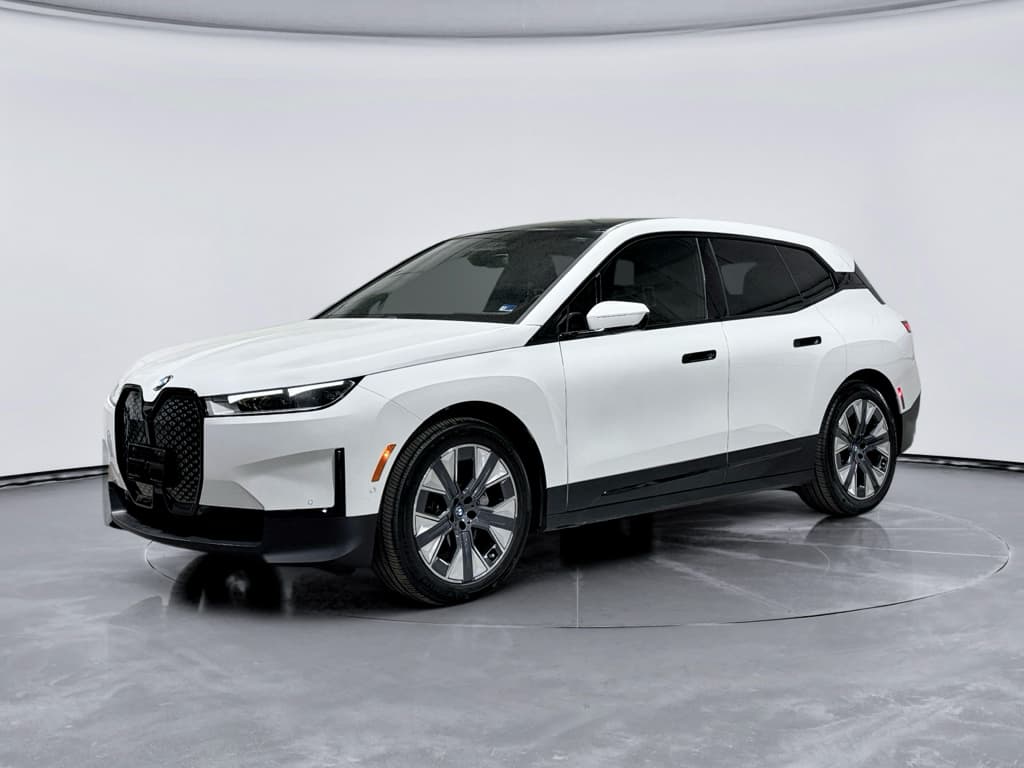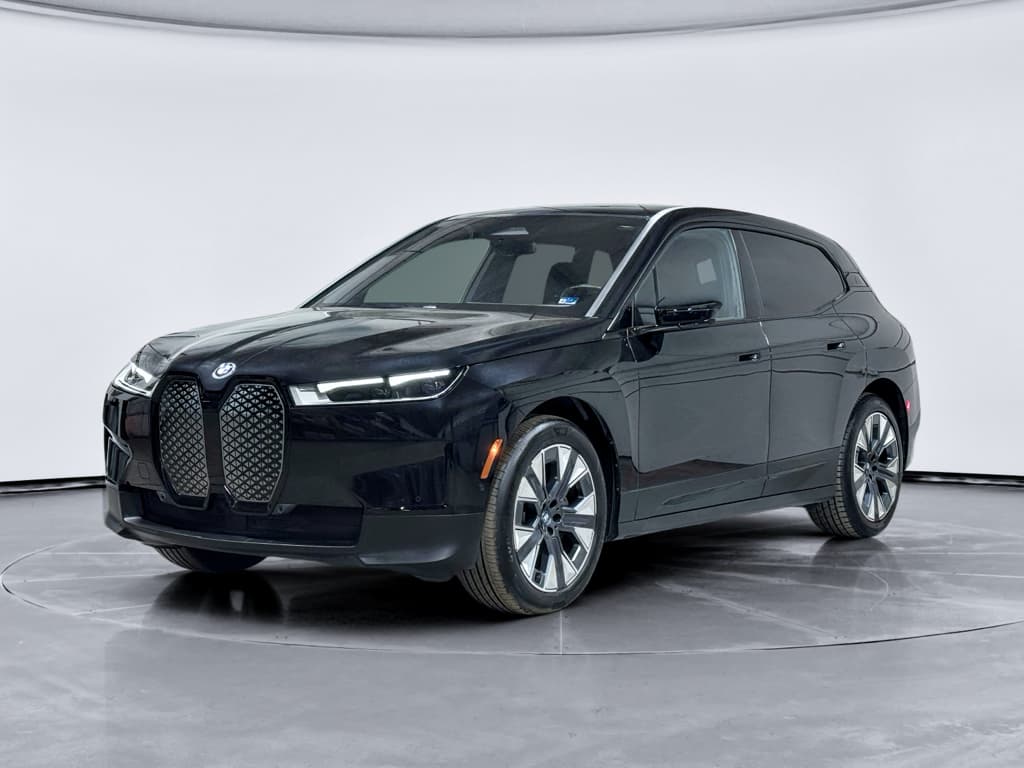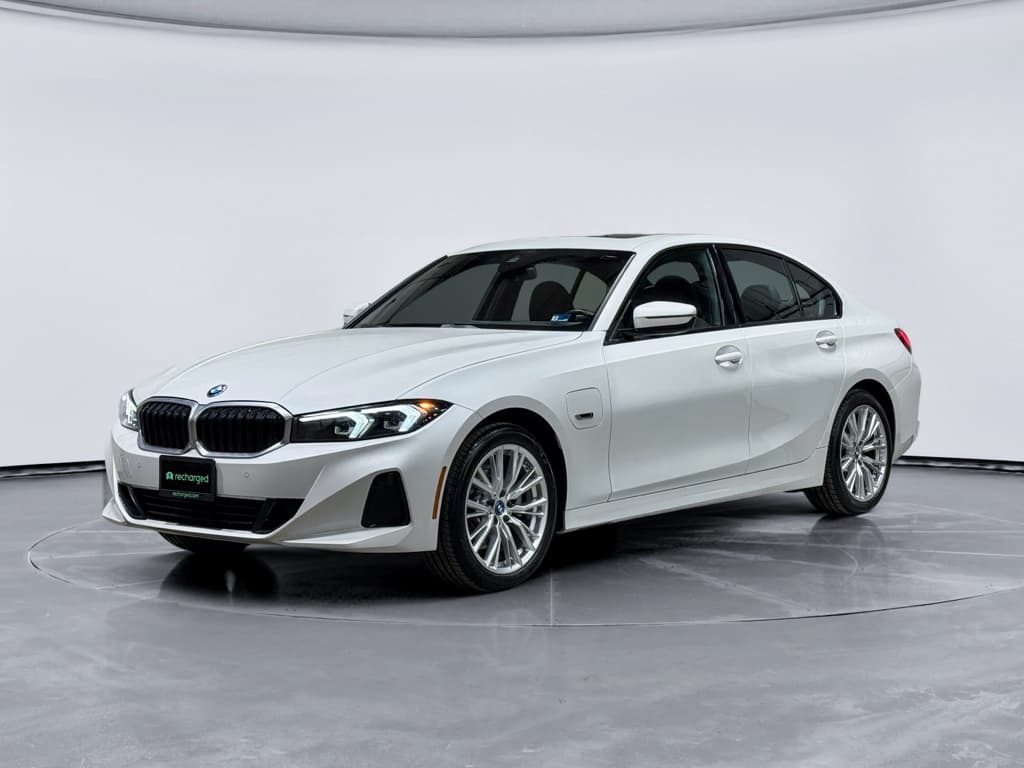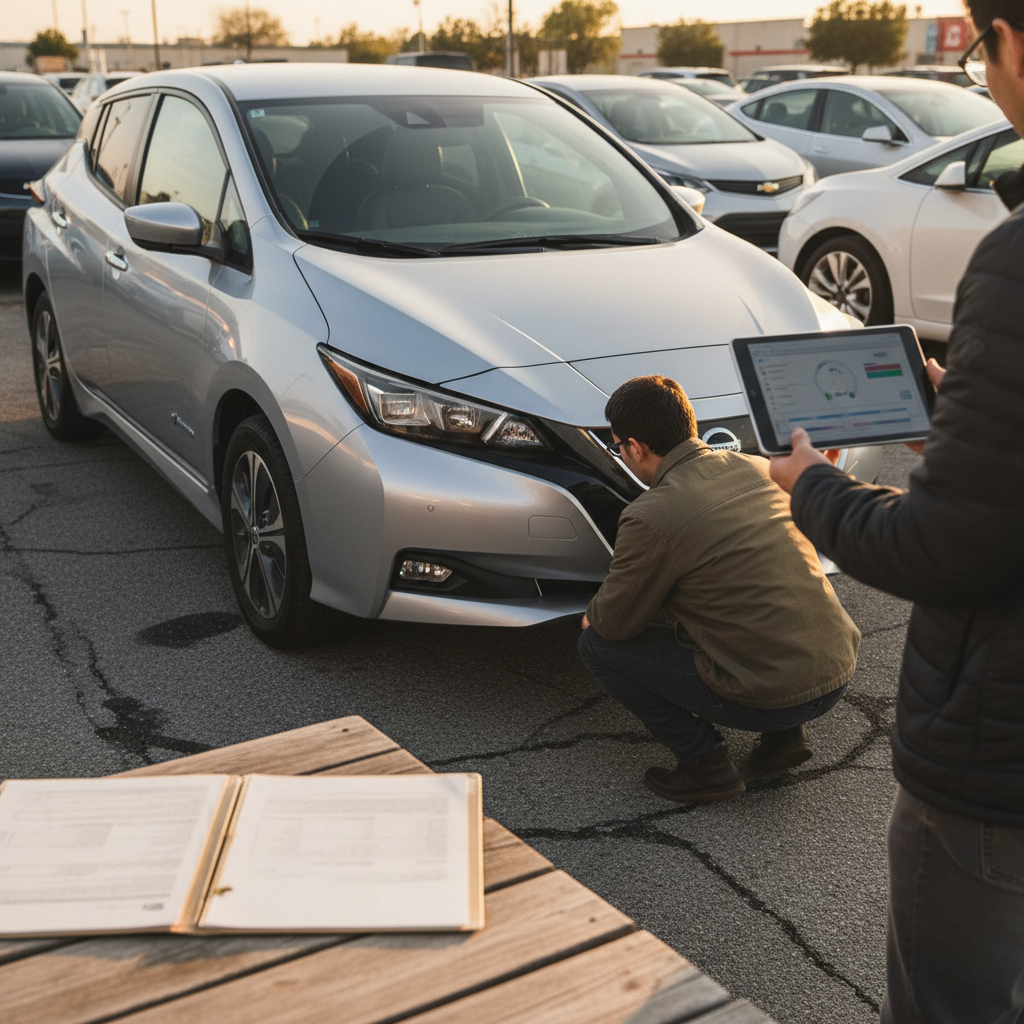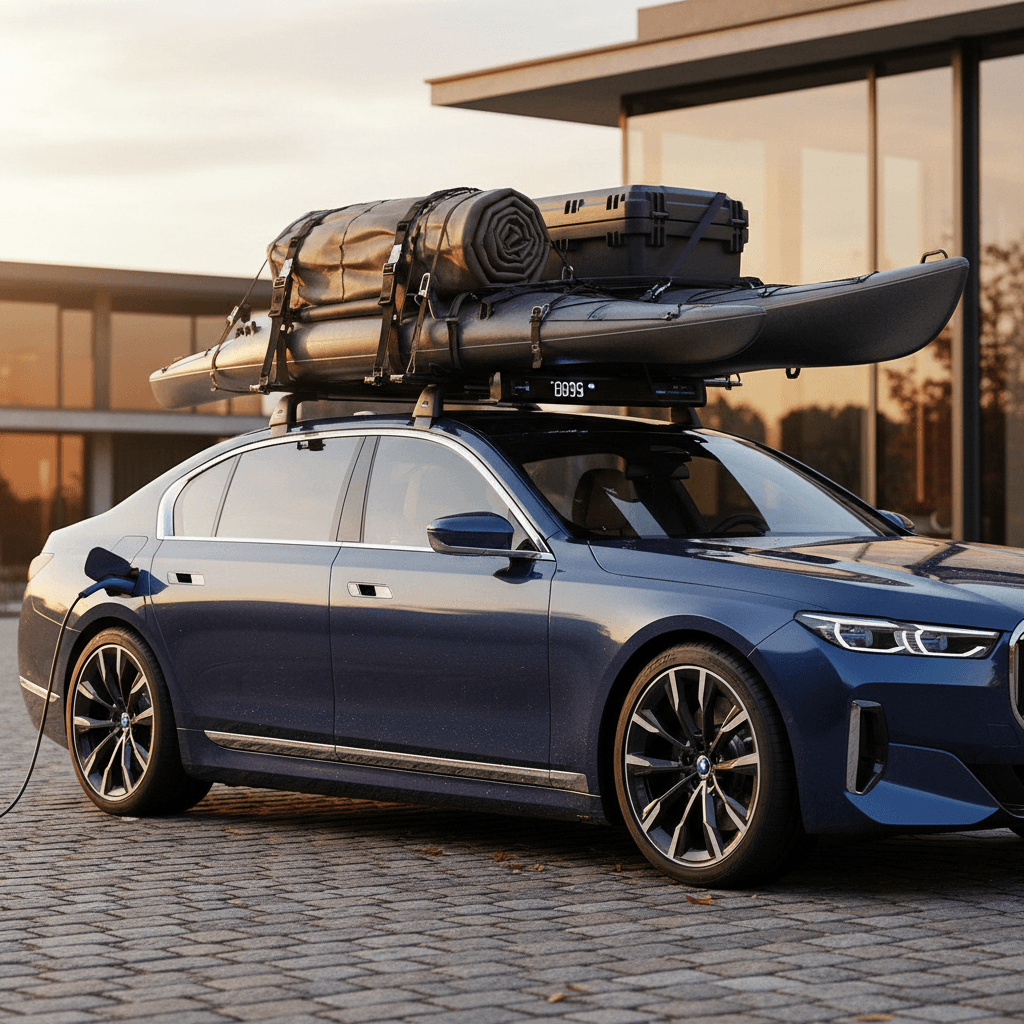
If you’re looking up the BMW i7 roof rack weight limit, you’re probably planning a ski trip, family vacation, or wondering if you can mount a rooftop tent on BMW’s flagship electric sedan. Here’s the bottom line: BMW officially rates the i7’s allowable roof load at 0 kg (0 lbs). That spec trips up a lot of owners, so let’s walk through what it actually means, what you should avoid, and the safer ways to carry extra cargo with an i7.
Quick answer
Does the BMW i7 have a roof rack weight limit?
When you look at the technical data for the G70‑generation BMW i7, you’ll see a line for roof load or roof rack mount that reads 0 kg. That’s different from many SUVs and even past 7 Series generations, which typically list 75–100 kg of allowable roof load.
BMW i7 roof load rating vs a typical EV
How the i7’s official roof rack weight limit compares with vehicles that support roof cargo.
| Vehicle | Body style | Official roof load rating | OEM roof rails/rack ready? |
|---|---|---|---|
| BMW i7 (G70, all trims) | Full-size EV sedan | 0 kg (0 lbs) | No |
| Typical midsize SUV EV | Crossover/SUV | 75 kg (165 lbs) | Often yes |
| Older BMW 7 Series G11/G12* | Full-size sedan | Usually 75 kg (165 lbs) | Yes, with BMW base system |
| Compact ICE hatchback | Hatchback | 50–75 kg (110–165 lbs) | Varies by model |
BMW i7 is one of the few premium EV sedans with an officially zero roof load rating.
What 0 kg really means
- You should not mount a roof rack or crossbars, even if an aftermarket kit claims to fit.
- You should not plan on roof boxes, bike racks, or rooftop tents on an i7.
- If you ignore the spec and something fails, you’re likely on your own for warranty and liability.
Why the BMW i7 roof load is rated at 0 kg
BMW doesn’t publish a long explanation with that 0 kg number, but when you look at how the i7 is designed, the reasoning isn’t hard to follow. This is a very heavy, very rigid electric luxury sedan with a huge glass area and a lot of integrated tech in the roofline.
The engineering reasons behind a 0 kg rating
Several design choices make the i7 a poor candidate for roof cargo.
Battery & weight distribution
Aerodynamics & noise
Glass roof & sensors
Why sedans differ from SUVs
From a safety standpoint, BMW is also managing risk. Roof‑mounted weight raises the car’s center of gravity and can change its behavior in evasive maneuvers. On an already heavy EV, the easiest way to avoid problems is to specify no roof load at all.
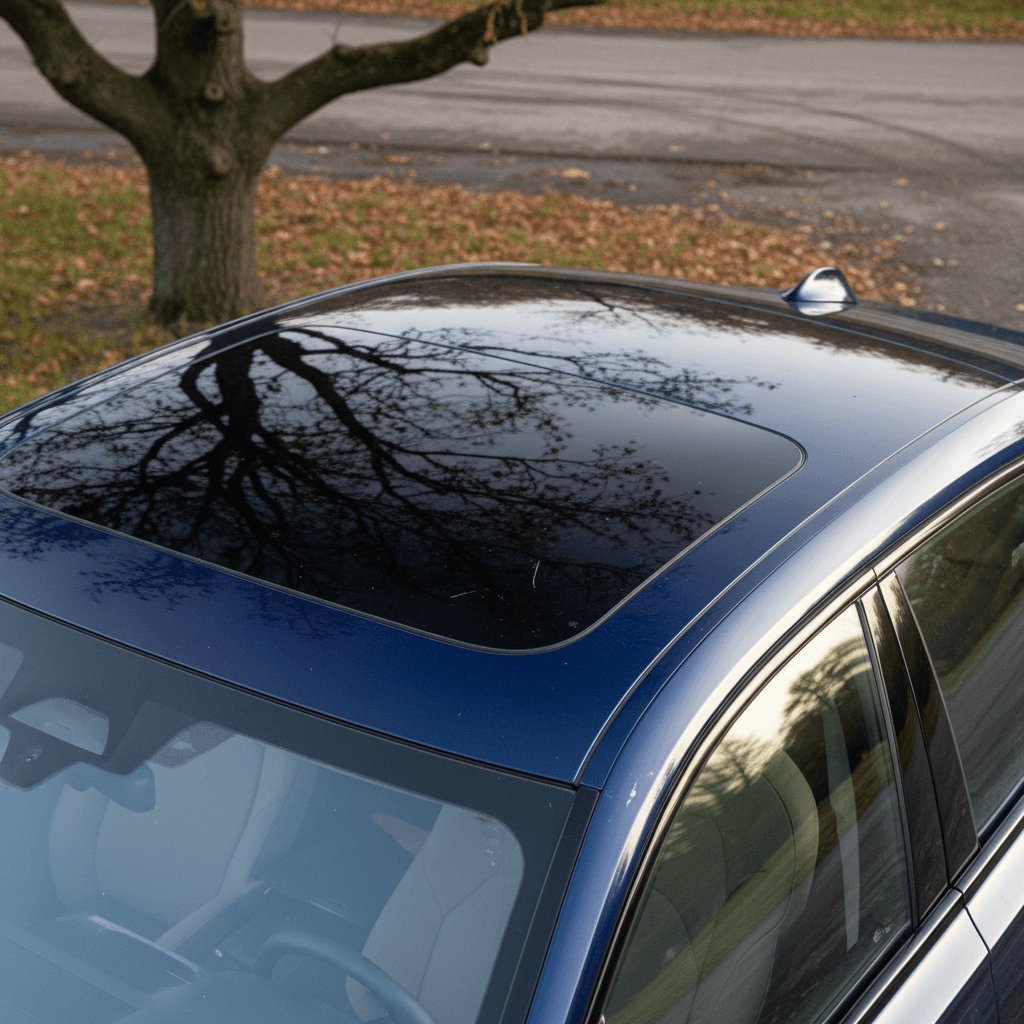
Can you still fit an aftermarket roof rack on an i7?
It’s tempting to assume that if an aftermarket brand offers “fit kits” or generic clamp‑on bars for the BMW i7, you can safely ignore BMW’s 0 kg roof load rating. That’s a mistake. Aftermarket bar ratings (often 75–100 kg) refer to what the bars themselves can handle in ideal conditions, not what your specific car roof is engineered to carry.
What the bar rating means
- Bar makers test their own products, usually on dedicated rigs.
- The rating assumes the vehicle roof and anchor points are officially approved for roof load.
- Those numbers don’t override your i7’s 0 kg spec.
What the vehicle rating means
- BMW has tested (or chosen not to test) the i7 roof for load.
- They’ve concluded it isn’t suitable for roof cargo during normal driving.
- If something fails, aftermarket bar ratings won’t help you with BMW warranty or insurance questions.
Hard no on rooftop tents
If roof‑mounted cargo capacity is a must‑have, bikes, kayaks, boxes, or a rooftop tent, the honest answer is that the i7 simply isn’t the right tool for that job. You’re better off with an SUV, wagon, or crossover that carries a genuine roof load rating from the factory.
BMW i7 roof rack weight FAQs answered
Common questions about the BMW i7 roof load
Safer ways to carry extra gear in a BMW i7
The good news is that the i7 still gives you several practical ways to haul luggage, skis, or bikes without ever touching the roof. You just have to think a little differently than you would with an SUV.
Roof‑free cargo options that work with an i7
How to travel with more gear while respecting the 0 kg roof load.
Use the 500‑liter trunk wisely
Towbar hitch & cargo trays
Consider a small utility trailer
Know your axle & tow ratings
Short of buying a second vehicle, the most elegant solution for most i7 owners is a hitch‑mounted carrier sized appropriately for the car’s towbar rating. It keeps the center of gravity low, preserves aerodynamics better than a roof box, and is far easier to load and unload.
Roof load and resale value if you’re shopping used
If you’re considering a used BMW i7, the 0 kg roof load spec is actually a helpful filter. It tells you a lot about how previous owners should have used the car, and what you should look for during an inspection.
Questions to ask about roof use on a used i7
1. Any history of roof racks or tents?
Ask the seller directly if they ever mounted a roof rack, box, or rooftop tent. Even temporary use can leave marks or stress points on a roof that wasn’t designed for it.
2. Inspect the roof carefully
Look for scratches near door frames and drip rails, sealant marks, dents, or spider‑cracks in glass. Evidence of clamp marks or sealant around the roof can be a red flag.
3. Check for leaks and wind noise
On a test drive, listen for whistling or wind intrusion around the roof at highway speed. Aftermarket racks that were removed may have left subtle alignment or seal issues.
4. Review photos from the seller
If the seller has vacation or outdoor photos, scan for any showing roof boxes or gear up top. It’s not an automatic dealbreaker, but it’s something to weigh in your decision.
5. Ask about warranty repairs
If BMW ever had to address roof glass, antenna, or sunroof issues, ask to see the paperwork. You’ll want to know whether the repairs were OEM‑approved and properly documented.
How Recharged helps here
A well‑cared‑for i7 that’s been used as the luxury sedan it is, kept within its design envelope, with no DIY roof experiments, is going to be a safer, quieter, and more valuable car over the long haul.
Checklist before you put anything on an i7 roof
If you’re still tempted to clip on crossbars “just for a light box” or suction‑cup a bike mount to the glass, run through this quick mental checklist first. It’s a good exercise in risk vs. reward.
BMW i7 pre‑load safety checklist
Confirm the 0 kg rating in your manual
Open the owner’s manual or technical data sheet and find the roof load line. If it says 0 kg, treat that as non‑negotiable. That’s BMW’s engineering answer to the roof rack question.
Compare alternatives
Ask yourself if a <strong>hitch‑mounted solution, better packing, or a small trailer</strong> could solve the same problem without touching the roof. In most cases, they can.
Consider worst‑case scenarios
Picture an emergency lane change with a fully loaded roof box, or a low‑speed rollover. Are you comfortable assuming liability if non‑approved cargo contributes to a failure?
Think about long‑term ownership
Even if nothing fails today, stressed seals, minor dents, or glass fatigue could show up later, as leaks, rattles, or reduced resale value.
Talk to your service advisor
If you absolutely insist on some kind of roof solution, at least have a candid conversation with a BMW service advisor so you understand the <strong>warranty and safety implications</strong> in writing.
Key takeaways on the BMW i7 roof rack weight limit
- The BMW i7 official roof rack weight limit is 0 kg (0 lbs); BMW does not approve any roof cargo on this car.
- That 0 kg rating applies across current G70 i7 trims and is tied to the car’s glass‑heavy roof, aerodynamics, and structural priorities.
- Aftermarket crossbars and rooftop tents may advertise high capacities, but they do not override BMW’s vehicle‑level rating.
- If you need to haul gear with an i7, focus on smart trunk use, hitch‑mounted carriers, and light trailers instead of roof solutions.
- When shopping used, inspect the roof for signs of non‑approved racks or tents, they’re a clue to how the car was treated.
- Respecting the roof load spec isn’t just about protecting the car, it’s about preserving safety, comfort, and resale value in a very sophisticated EV.
In other words, treat the i7’s roof as what BMW intended it to be: a beautifully engineered shell for quiet, efficient travel, not a second cargo floor. If you need a luxury EV that can also wear a box, rack, and bikes on its back, you might be better served by an SUV‑style electric model. And if you’re comparing used i7s, a transparent inspection and history, like you get with a Recharged Score Report, is the best way to be sure no one has asked this elegant sedan to do a job it was never built to handle.