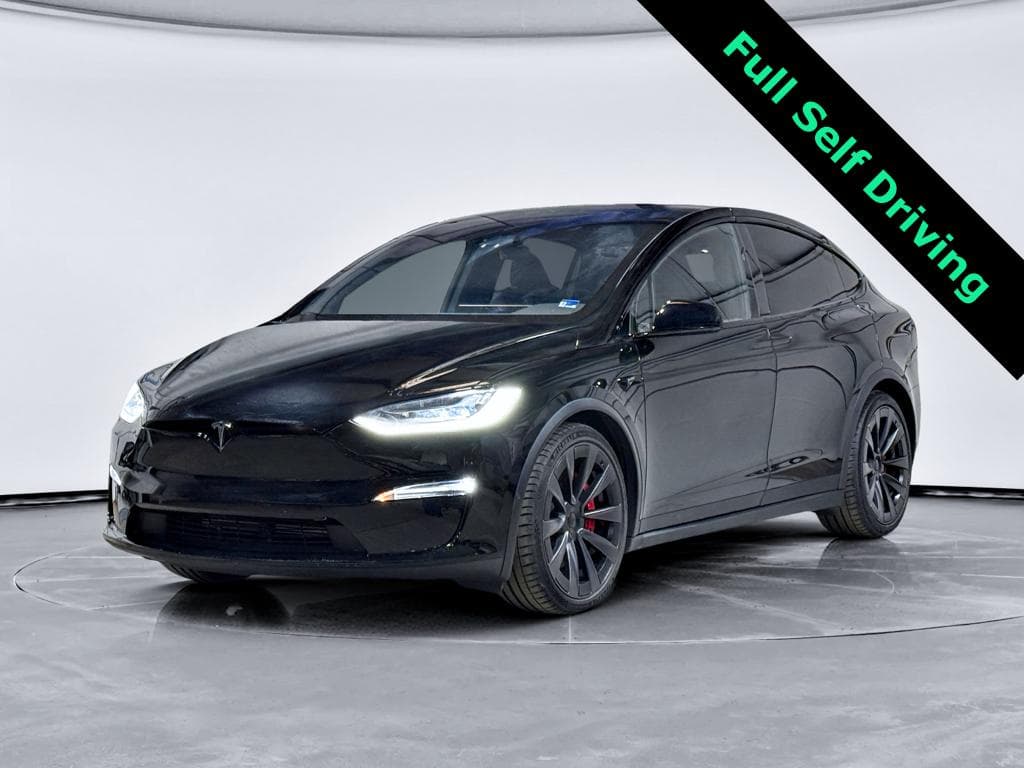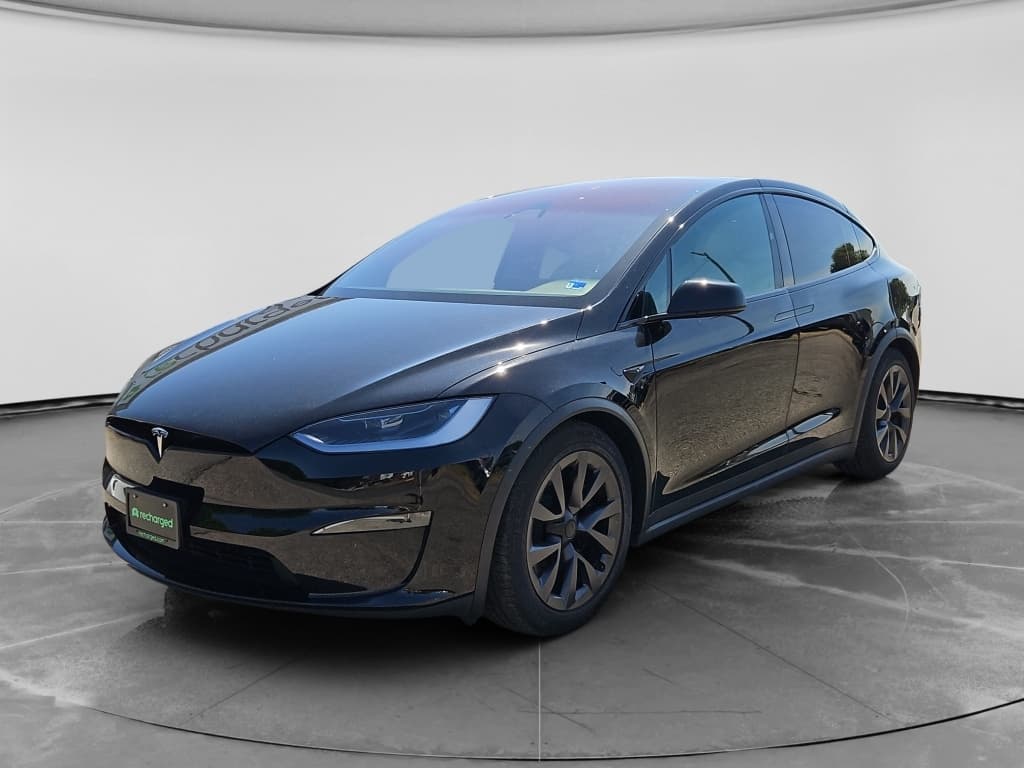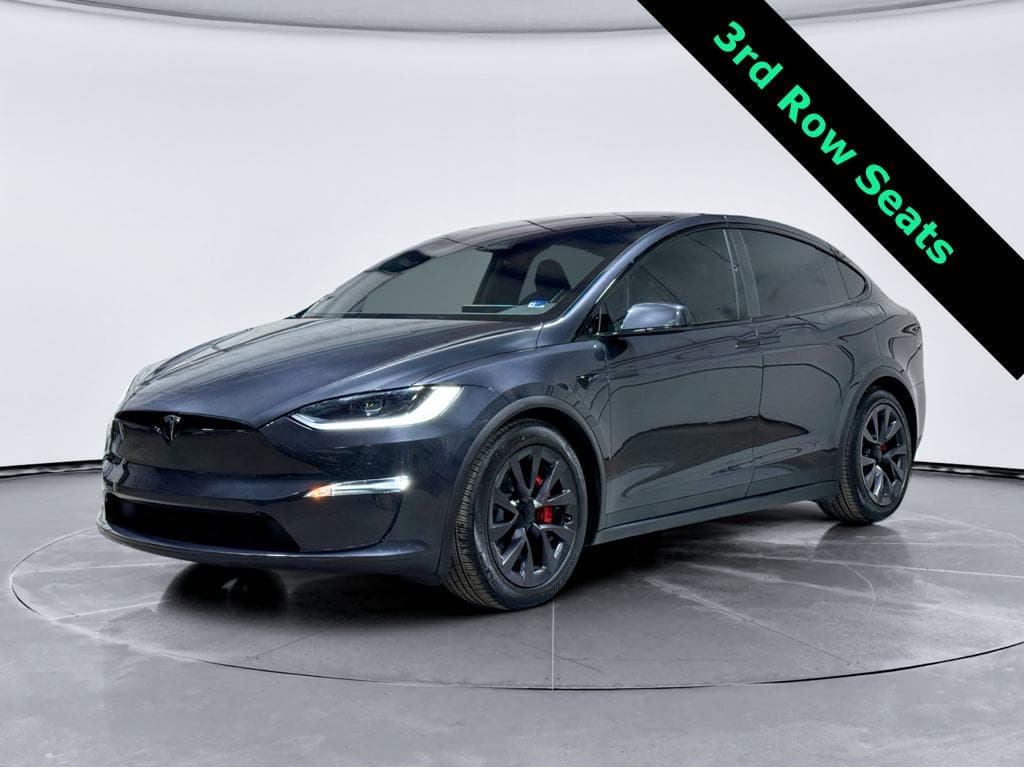
The 2025 Tesla Model X is a paradox on wheels. It’s a six‑figure, 5,000‑plus‑pound family bus that can outrun supercars, seat up to seven, and glide through traffic in eerie silence. It’s also an aging flagship with polarizing doors, occasionally maddening build quality, and ownership costs that are anything but modest. This 2025 Tesla Model X buying guide walks you through trims, pricing, long‑term costs, and whether you’re better off in a carefully chosen used Model X, especially if you’re shopping through a used‑EV specialist like Recharged.
Quick take
Who the 2025 Tesla Model X Is (and Isn’t) For
Is the 2025 Model X a good fit for you?
Start with your use case, not the spec sheet.
You’re a great fit if…
- You regularly carry 5–7 people and need real third‑row space.
- You take long highway trips where Supercharger access matters.
- You want brutal acceleration but refuse to drive a low sports car.
- You tow (boats, small campers) and like the idea of electric torque.
You should think twice if…
- You rarely use more than two rows of seats.
- Garage clearance or tight parking makes Falcon Wing doors a headache.
- You’re sensitive to squeaks, rattles, or panel gaps.
- Your budget is tight and you’re stretching to make payments.
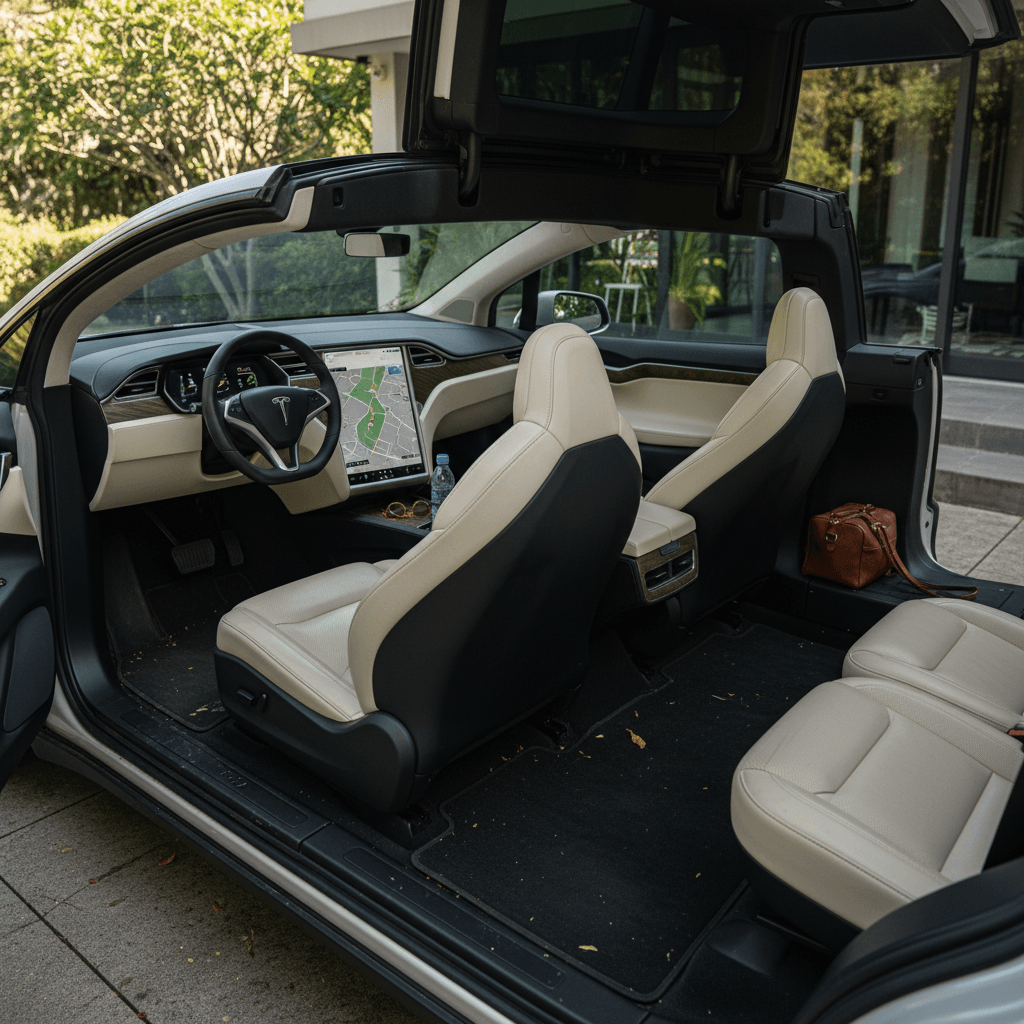
The Model X makes sense when you use what makes it weird: the Falcon Wing doors, the huge windshield, the real adult‑usable third row, the towing capability, and the Supercharger access. If you don’t need those things, the smaller and cheaper Model Y, or a different luxury EV SUV, will feel like a saner choice.
2025 Tesla Model X Trims, Range and Key Specs
2025 Model X headline numbers
2025 Tesla Model X trims at a glance
Both versions share the same basic body and battery, but they drive, and cost, very differently.
| Trim | Drive | Est. EPA Range | 0–60 mph | Top Speed | Seating | Character |
|---|---|---|---|---|---|---|
| Long Range | Dual‑motor AWD | ~348–352 mi | ≈3.8 s | 155 mph | 5, 6 or 7 | Quiet, seriously quick family hauler |
| Plaid | Tri‑motor AWD | ~330–335 mi | ≈2.5 s | 163 mph | 6 or 7 | Ludicrous acceleration, firmer feel |
Always verify current specs and pricing on Tesla’s site; these figures are representative for 2025 shoppers in the U.S.
Both trims ride on a ~100 kWh pack and share the same body, interior layout, and basic tech stack. The Long Range is already absurdly quick and offers the best range; the Plaid adds a third motor and essentially drifts into science‑experiment territory. For most buyers, Long Range is the sweet spot; Plaid is for the small minority who genuinely care about 0–60 bragging rights in a three‑row EV.
Trim choice tip
2025 Model X Pricing, Options and Incentives
Tesla adjusts prices like airline fares, but in 2025 the Model X sits firmly in six‑figure luxury territory once you add tax and a few options. After a round of increases, new Long Range models typically transact in the mid‑$80,000s to low‑$90,000s, while Plaid examples live closer to, or above, $100,000 before fees and taxes.
- Base price (Long Range): usually mid‑$80,000s before destination and options
- Base price (Plaid): typically around $100,000 before destination and options
- Paint, wheels and interior choices can easily add $5,000–$10,000
- Six‑seat layout costs more but is the most comfortable configuration
- Software features like Enhanced Autopilot or Full Self‑Driving are extra and can be added later
About incentives in 2025
If the sticker price feels grim, remember that depreciation on big luxury EVs is also dramatic. That’s bad news for the first owner, and precisely why the used market, where Recharged operates, can be so compelling if you’re willing to let someone else take that initial hit.
Cost to Own a 2025 Tesla Model X
Five‑year ownership snapshot (typical U.S. driver)
The 2025 Model X is cheaper to “fuel” and maintain than a comparable gas‑burning GLS or X7, but that doesn’t make it cheap to own. Depreciation is the elephant in the room. In dollar terms, you’re likely to burn more money in lost value than in electricity, insurance, and maintenance combined. That’s exactly why a well‑vetted used Model X with documented battery health can be such a smart move.
Where you save
- Electricity vs. gas: A Model X can cut your fuel bill by hundreds of dollars per year, especially if you charge off‑peak at home.
- Maintenance: No oil changes, fewer moving parts, regenerative braking that’s kinder to pads and rotors.
- Tax treatment for businesses: In some cases, luxury EVs can be attractive company cars; ask your tax professional.
Where it still hurts
- Insurance: Premiums for high‑value EVs can be steep, especially in states with high repair costs.
- Tires: Heavy, powerful EVs eat through performance tires quickly.
- Depreciation: The first five years are brutal. That’s the pain a used‑EV buyer can avoid.
How Recharged fits in
2025 Model X vs Used Model X: Which Makes More Sense?
By 2025, we’ve had a decade of Model X production. Early cars (2016–2018) were rolling beta tests with spectacular doors and less‑spectacular build quality. Later “refresh” models smoothed out many of the rough edges and added updated interiors, heat pumps, and newer Autopilot hardware. The question isn’t just “new or used?” It’s “which Model X generation fits my life and my appetite for risk?”
2025 new Model X vs used Model X: pros and cons
A high‑level look at how a new 2025 Model X compares with a late‑model used one.
| Option | Typical Price (2025) | Pros | Cons |
|---|---|---|---|
| New 2025 Long Range | ≈$85k–$95k | Full warranty, latest software and hardware, your choice of spec | Highest depreciation, sales tax on full price |
| New 2025 Plaid | ≈$100k+ | Wild performance, status play, newer suspension and tri‑motor tech | Even more depreciation, range trade‑off vs Long Range |
| Late‑model used (2021–2024) | ≈$45k–$75k | Big discount vs new, refreshed interior, newer battery and Autopilot hardware | Out of basic warranty sooner, condition varies by owner |
| Older used (2016–2020) | ≈$25k–$45k | Lowest entry price, still fast and practical | More wear, earlier‑generation hardware, higher risk of door and trim issues |
Used pricing varies wildly by mileage, trim and condition; these are directional trade‑offs, not hard rules.
Don’t shop used X like a Camry
The Model X can be an incredible value in 2025, but only if you understand trims, battery health, and the unique quirks of buying a used Tesla.
Battery, Range and Charging: What to Look For
The party trick of any Tesla isn’t just acceleration, it’s the way the battery, software and Supercharger network work together. Get this wrong, by buying a car with an abused pack or unrealistic expectations, and the honeymoon ends quickly.
Battery and charging questions to answer before you buy
1. What’s the real usable range for my driving?
EPA numbers north of 330 miles look great on paper, but steady 80 mph cruising, cold weather, big wheels, and roof boxes can all eat into that. Assume 70–75% of the official figure for stress‑free road‑tripping.
2. How has this specific battery aged?
For used Model Xs, look at long‑term energy consumption, typical full‑charge estimates, and whether the owner frequently fast‑charged. A structured report, like the Recharged Score, puts hard numbers on battery health instead of guesswork.
3. What’s left on the battery and drive unit warranty?
Tesla’s battery and drive unit warranty typically runs 8 years and a set mileage cap from the original in‑service date. Know those dates and odometer readings cold before you sign anything.
4. Where will I charge most of the time?
Home Level 2 charging makes Model X ownership dramatically easier. If you’re relying mostly on public fast charging, build that cost and time into your decision.
5. Does it have the latest charging hardware I care about?
Autopilot and infotainment hardware changed over the years. Later Model Xs have newer cameras and compute; if you’re paying for advanced driver‑assistance features, you want the most current hardware your budget allows.
Never skip a battery health check
Reliability, Quirks and What Fails First on a Model X
Mechanically, the dual‑motor powertrain in a Model X has proven stout, and battery packs generally age gracefully. The gremlins live in the margins: body hardware, sensors, seals, and the yes‑we‑get‑it iconic Falcon Wing doors.
Common Model X pain points
None of these are deal‑breakers, but you should know them going in.
Falcon Wing door issues
HVAC and rattles
Suspension wear
The good news on durability
How to Shop for a Tesla Model X in 2025
If you’re leaning new 2025
- Decide Long Range vs Plaid before you get lost in colors and wheels.
- Build the car on Tesla’s site and take screenshots, prices move.
- Double‑check lead times in your region and any time‑limited incentives.
- Get pre‑qualified for financing so you know your real monthly budget.
If you’re leaning used
- Target specific model years and hardware revisions, not just “cheap.”
- Shop on EV‑focused platforms like Recharged that provide battery diagnostics and transparent pricing.
- Avoid sight‑unseen purchases without a real inspection or return window.
- Run the VIN for accident history and verify remaining Tesla warranties.
Financing a six‑figure EV
Pre-Purchase Checklist for Any Model X
Model X pre‑purchase checklist
1. Confirm configuration and hardware
Verify trim (Long Range vs Plaid), seating layout, wheel size, tow package, and Autopilot/FSD options. On used cars, make sure the listing matches the in‑car software screen.
2. Inspect exterior and doors
Check panel gaps, paint quality, windshield chips and wheel rash. Cycle Falcon Wing doors and the front doors several times in tight spaces and on an incline.
3. Test drive the way you’ll actually drive
Include highway speeds, rough pavement, and tight parking garages. Listen for squeaks, rattles, wind noise, and air‑suspension thumps.
4. Pull logs and battery health data
For used vehicles, insist on a structured battery health report and a review of energy consumption history. Recharged’s Score report bakes this into every car we sell.
5. Check software status and connectivity
Confirm that the car receives over‑the‑air updates, that navigation and connectivity subscriptions work, and that all driver‑assistance features you’re paying for are active.
6. Run the numbers honestly
Total your down payment, monthly payment, insurance quote, home‑charging installation, and expected energy costs. If the math feels tight, look at a less‑expensive trim or a certified used example.
2025 Tesla Model X Buying Guide: FAQ
Frequently asked questions about buying a 2025 Model X
Bottom Line: Should You Buy a 2025 Tesla Model X?
The 2025 Tesla Model X is still the strangest, most compelling family hauler on the market: a three‑row electric missile with doors out of a sci‑fi storyboard and running costs that embarrass gas‑burning rivals. It’s also expensive, imperfectly built, and overkill for anyone who doesn’t routinely use its space and capability.
If you’re the right buyer, a road‑tripping family, a serial hauler of humans and gear, someone who enjoys tech more than tradition, the 2025 Model X can be deeply satisfying, especially in Long Range form. If you just want to put a Tesla badge in your driveway, a Model Y or a carefully chosen used Model X will treat your finances more kindly.
Whatever you decide, don’t buy blind. Get the battery facts, understand the hardware, and have the car inspected by people who live and breathe EVs. That’s exactly what Recharged is built for: from Recharged Score battery diagnostics and expert guidance to financing, trade‑ins, and nationwide delivery, we make stepping into a Model X, new‑ish or well‑loved, far more transparent than going it alone.