If you own or are shopping for an electric vehicle in the Garden State, “Do I need a state inspection?” is probably near the top of your list. The good news: New Jersey’s electric car inspection requirements are far simpler than they are for gas cars. In most cases, a 100% battery‑electric vehicle registered in New Jersey is **fully exempt from both safety and emissions inspection**, no inspection sticker, no trip to the lane.
Key takeaway for EV drivers
Overview: How New Jersey Treats Electric Car Inspections
New Jersey’s inspection program is built around two big questions: does your vehicle produce tailpipe emissions, and what class is it registered under? The New Jersey Motor Vehicle Commission (MVC) maintains an official list of vehicles exempt from inspection, and **“100% electric vehicles” are explicitly on that list**. That exemption applies whether the vehicle is brand‑new or ten years old, registered passenger or (in most common cases) light commercial.
- Battery‑electric vehicles (BEVs) with **no combustion engine** are exempt from state inspection.
- Standard gasoline and diesel passenger vehicles usually need inspection every cycle (typically every two years, with new vehicles exempt for the first several years).
- Certain other categories, historic vehicles, collector vehicles, motorcycles, some diesel trucks, have their own special rules and exemptions.
Don’t assume “electric = exempt” for everything
Are electric cars exempt from inspection in New Jersey?
Yes. Under current New Jersey rules, **100% electric vehicles (EVs) are exempt from the state inspection program**. The MVC’s exemption list specifically includes “100% Electric vehicles” alongside historic and collector vehicles, some diesel categories, and others. That means:
- No mandatory state safety inspection.
- No emissions or OBD‑II inspection.
- No inspection sticker is required on the windshield for a qualifying BEV.
So if you drive something like a Tesla Model 3, Hyundai Ioniq 5, Chevy Bolt EUV, Nissan LEAF, Ford Mustang Mach‑E, Rivian R1T, or any other **battery‑electric vehicle with no tailpipe**, New Jersey does **not** require you to line up at an inspection station. You’re still responsible for keeping the car roadworthy, brakes, tires, lights, but that’s between you, your service provider, and ultimately law enforcement if the car is dangerously unsafe, not the MVC’s inspection lane.
What actually counts as an “electric vehicle” under NJ rules?
This is where details matter. Several types of vehicles are marketed as “electric” in some way, but **only a subset qualify for New Jersey’s full inspection exemption**.
Common “electric” powertrains and their NJ inspection status
Whether your car is exempt depends on what’s under the hood, not the marketing copy.
Battery‑Electric Vehicles (BEVs)
Examples: Tesla Model 3/Y/S/X, Hyundai Ioniq 5, Kia EV6, Chevy Bolt, Nissan LEAF, Ford F‑150 Lightning.
- Powered only by an electric motor and battery.
- No gas tank, no exhaust, no engine oil.
- Inspection status: Fully exempt from state safety and emissions inspection.
Plug‑In Hybrids (PHEVs)
Examples: Toyota Prius Prime, RAV4 Prime, Chrysler Pacifica Hybrid, Hyundai Tucson PHEV.
- Have both a plug and a gasoline engine.
- Can drive on electricity for short trips, then switch to gas.
- Inspection status: Treated like gas cars, require regular inspection.
Conventional Hybrids (HEVs)
Examples: Toyota Prius (non‑plug), Honda Accord Hybrid, Hyundai Sonata Hybrid.
- Cannot plug in; charge only via engine/regenerative braking.
- Still burn gasoline for all driving.
- Inspection status: Regular inspection required.
Fuel Cell EVs (FCEVs)
Examples: Toyota Mirai, Hyundai Nexo (rare in NJ).
- Electric drive powered by hydrogen fuel cell.
- No traditional tailpipe emissions.
- Inspection status: Generally treated like zero‑emissions vehicles, but verify with MVC because they’re uncommon.
Simple rule of thumb
Do plug‑in hybrids and regular hybrids still need inspection?
Yes. Plug‑in hybrids (PHEVs) and conventional hybrids (HEVs) still have combustion engines, so New Jersey treats them like traditional gasoline vehicles for inspection purposes. They’re subject to the **same periodic safety and emissions testing** that applies to comparable non‑hybrid models of the same age and registration class.
- A Prius Prime still needs inspection, even though you can plug it in.
- A regular Prius or Accord Hybrid still needs inspection, because they burn gasoline the entire time you drive.
- Your sticker, inspection schedule, and pass/fail criteria follow the **gas‑vehicle rule set**, not the BEV exemption.
Don’t skip inspection because the car “runs on electricity sometimes”
If EVs skip inspection, what fees and stickers apply?
The absence of an inspection requirement doesn’t mean your EV is completely off the regulatory radar. New Jersey has been updating its EV policy mix, and there are two practical things to keep in mind: how the state identifies your vehicle as an EV, and how it replaces lost gas‑tax revenue.
1. Emissions exemption and markings
Because BEVs don’t produce tailpipe emissions, the MVC already lists them as exempt from inspection. There has been legislative activity to make that even clearer in day‑to‑day enforcement by issuing **special windshield stickers for electric vehicles** that show they are exempt from emission inspections. The idea is simple: if an officer sees the sticker on a car with no tailpipe, there’s no confusion over the missing inspection sticker.
Whether your particular EV has a dedicated EV exemption decal or not, the underlying rule is the same: if it’s 100% electric and properly registered as such, it’s inspection‑exempt.
2. EV road‑use fees instead of gas tax
Like many states, New Jersey is moving toward **annual EV road‑use fees** to make up for the gas taxes EV drivers don’t pay. These fees are typically handled at registration or renewal, separate from inspection, and apply whether or not the vehicle ever visits an inspection lane.
For budgeting purposes, treat this as part of your annual registration cost of owning an EV in New Jersey. It doesn’t change your inspection obligation, but it does affect your total cost of ownership compared with an equivalent gas car.
What you actually have to do as an EV owner
Do rules change by county or vehicle type?
For gasoline and diesel vehicles, New Jersey’s inspection program varies a bit by **county** and **vehicle class**, for example, some southern counties focus on safety only, while northern counties add emissions testing. But the **EV exemption is statewide**: if the vehicle is 100% electric, it’s exempt no matter where you register it in New Jersey.
How New Jersey treats different vehicle types for inspection
High‑level view of inspection expectations if you register the vehicle in NJ.
| Vehicle type | Example | Inspection required? | Notes |
|---|---|---|---|
| Battery‑Electric (BEV) passenger car/SUV | Tesla Model 3, Hyundai Ioniq 5 | No | State safety and emissions inspection fully exempt. |
| Battery‑Electric light truck/van | Ford E‑Transit (BEV), Rivian R1T | Generally no | Most BEVs are exempt; verify for unusual commercial registrations. |
| Plug‑in hybrid (PHEV) | Toyota RAV4 Prime, Chrysler Pacifica Hybrid | Yes | Treated like gasoline vehicles for safety & emissions. |
| Conventional hybrid (HEV) | Toyota Camry Hybrid, Honda CR‑V Hybrid | Yes | Regular inspection schedule applies. |
| Low‑Speed Vehicle (LSV) / neighborhood EV | Street‑legal golf‑cart‑style EV | No regular inspection | Must be titled, registered, insured; speed and road‑use limits apply. |
| Historic or collector EV | Converted classic EV with QQ plates | Often exempt | Historic/collector rules can provide additional exemptions; requirements are narrower. |
Always verify edge cases with the MVC (especially uncommon commercial and specialty vehicles), but this table covers what most EV shoppers will encounter.
LSVs are a special case
Buying a used EV you’ll register in New Jersey
If you’re shopping for a used EV and plan to register it in New Jersey, the inspection picture is actually simpler than in many other states, but you still want to be methodical. The state might not poke and prod your future car, but you absolutely should.
Used EV buyer considerations in an inspection‑exempt state
No state inspection doesn’t mean “don’t inspect the car.”
1. Prioritize battery health
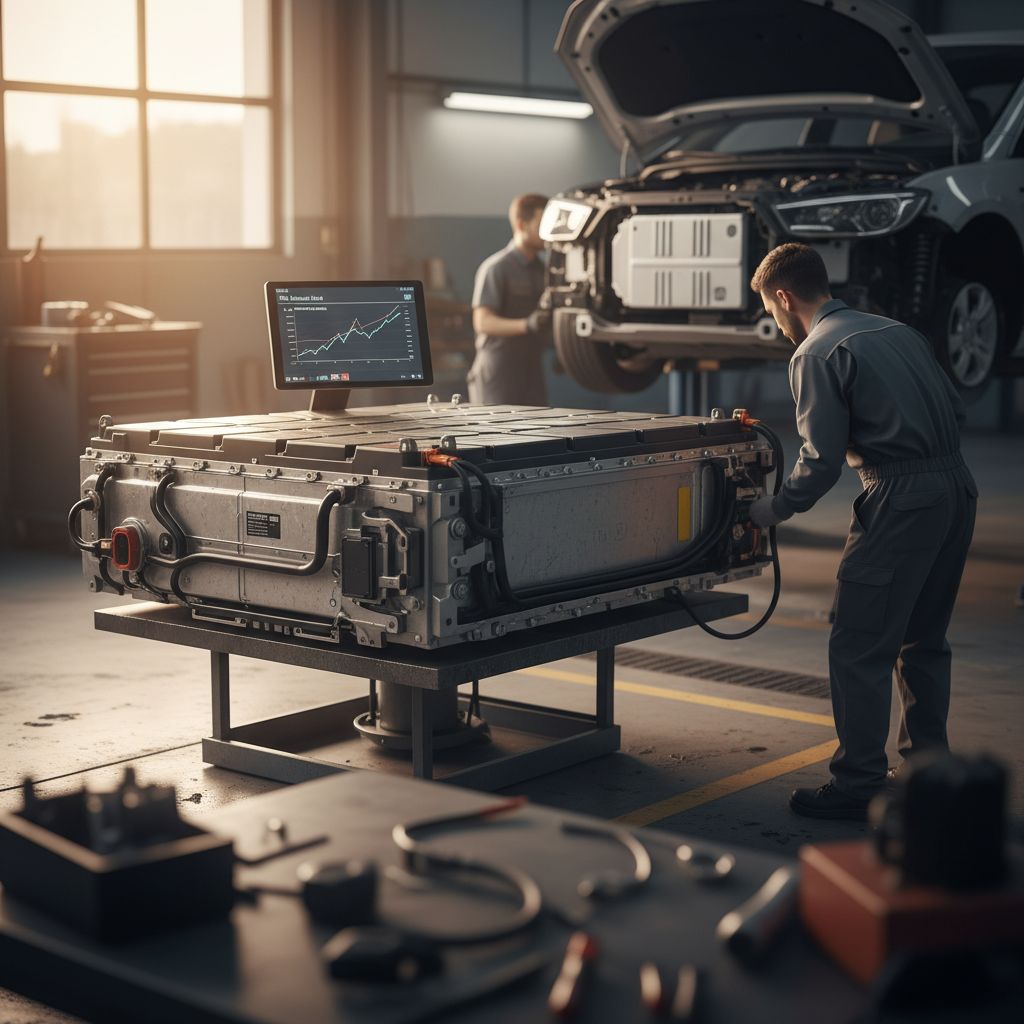
Because the state won’t test it, **you need visibility into battery capacity and degradation**. A healthy pack is the single biggest factor in long‑term EV satisfaction and value.
When you buy through Recharged, every vehicle comes with a Recharged Score Report that includes verified battery health diagnostics, not just a guess based on dashboard range.
2. Check basic safety systems
Brakes, tires, suspension, and lights still wear out. Ask for a recent third‑party inspection or have one performed yourself.
In an inspection‑exempt state, it’s easy for prior owners to defer maintenance. Don’t let their neglect become your surprise repair bill.
3. Confirm registration history
Out‑of‑state EVs might be coming from jurisdictions with very different inspection rules or corrosion environments.
Review title history, any previous inspection reports, and recall status so you understand exactly what you’re bringing into New Jersey.
Recharged is built around exactly this problem: used EVs are different, and traditional used‑car processes rarely account for battery health or fast‑charging behavior. If you prefer a **fully digital experience with expert EV support**, you can browse vehicles, get a trade‑in offer, arrange financing, and schedule delivery, all backed by transparent battery data, without ever setting foot in a traditional dealership or inspection lane.
Staying safe without mandatory inspections
Some drivers hear “EVs are exempt from inspection” and assume they can effectively forget about maintenance. That’s a mistake. Modern EVs may have fewer moving parts than gas cars, but they’re still 4,000‑ to 7,000‑pound machines traveling at highway speeds. You want a system, not just hope, to keep them safe.
Smart maintenance habits for New Jersey EV owners
Schedule annual or 12,000‑mile checkups
EVs don’t need oil changes, but they do need **periodic inspections of brakes, tires, steering, and suspension**. Many manufacturers publish a maintenance schedule, following it is the best starting point.
Rotate tires and check alignment
Instant torque and heavy battery packs are tough on tires. Plan on **more frequent rotations** than you might have with a light compact gas car, and correct alignment issues early to avoid uneven wear.
Monitor brake performance
Regenerative braking means pads can last a long time, but they can also seize or corrode if they’re rarely used. Have a technician check pad thickness, caliper condition, and brake fluid at regular intervals.
Keep software up to date
Many EVs receive over‑the‑air (OTA) updates that improve range, charging behavior, or even safety systems. Accept updates promptly and review release notes so you understand any changes to your car’s behavior.
Inspect charging equipment and ports
Look for signs of overheating, damaged cables, or loose plugs on your home charger and the vehicle’s charge port. Address issues early to prevent failures or safety hazards.
Plan periodic battery health checks
Beyond the range estimate on the dash, battery diagnostics can reveal **usable capacity trends over time**. A periodic report, like the Recharged Score you get when buying through Recharged, helps you understand long‑term value and when it might be time to upgrade.
No state inspection ≠ no liability
Quick checklist: New Jersey electric car inspection requirements
Use this quick reference whenever you’re registering, renewing, or shopping for an EV in New Jersey.
- Is the vehicle **100% battery‑electric** with no gas or diesel engine? → If yes, it is exempt from New Jersey state safety and emissions inspection.
- If the vehicle is a **plug‑in hybrid or regular hybrid**, assume it follows the normal inspection cycle for gasoline vehicles.
- You do **not** need to visit an inspection station or display an inspection sticker for a qualifying BEV registered in New Jersey.
- Expect to pay EV‑specific **road‑use or registration fees** that replace the gas tax; these are separate from inspection and still apply to BEVs.
- Low‑speed vehicles (LSVs) and neighborhood EVs must be titled, registered, and insured, but they are not subject to standard inspection; they also face strict road‑use limits.
- When buying a used EV, always get **battery health data and a safety inspection** from a trusted source, since the state won’t do that for you.
FAQ: New Jersey electric car inspections
Frequently asked questions about NJ electric car inspection requirements
Bottom line for New Jersey EV owners and shoppers
New Jersey’s electric car inspection requirements are refreshingly simple: if your vehicle is **100% battery‑electric**, the state leaves you alone. No inspection sticker, no appointment, no pass/fail anxiety. But that convenience shifts more responsibility onto you as an owner or buyer to make sure the vehicle is genuinely safe and that the battery, the heart of any EV, is healthy.
If you’re already driving a BEV in New Jersey, build a light but consistent maintenance routine around brakes, tires, software updates, and occasional battery‑health checks. If you’re shopping for a used EV, look for transparent, EV‑specific information that a traditional inspection or Carfax report rarely covers. Recharged was created to solve exactly that gap, with **verified battery health, fair‑market pricing, and EV‑specialist support from search to delivery**, so you can enjoy the upsides of New Jersey’s EV policies without inheriting someone else’s deferred maintenance or hidden degradation.