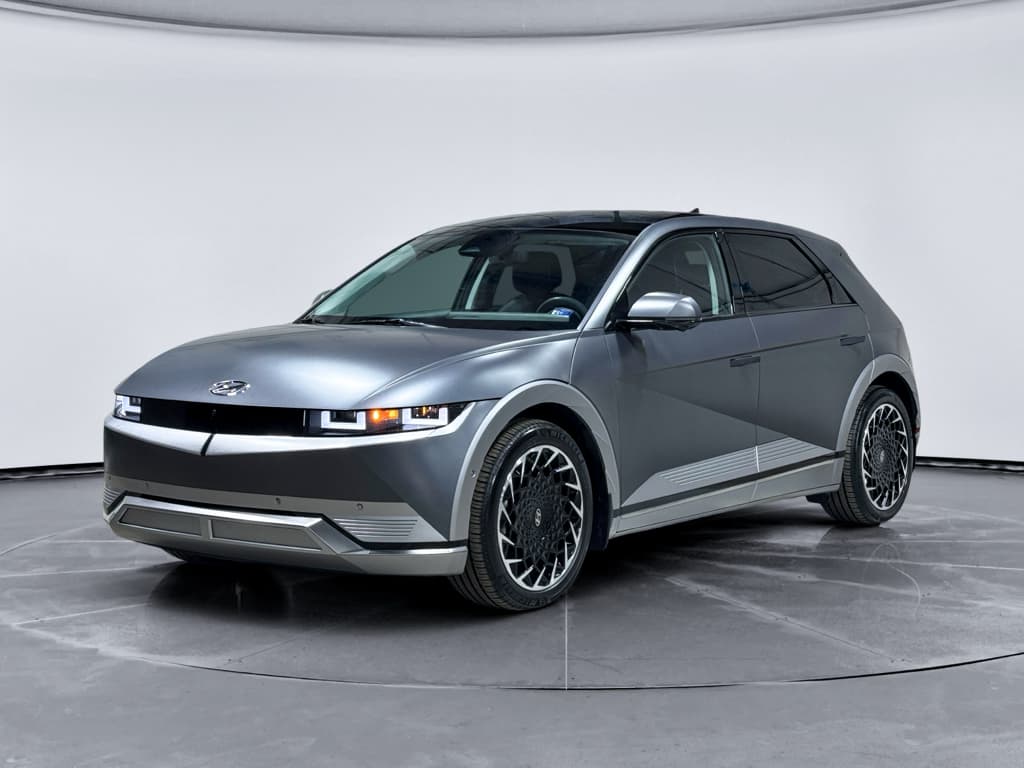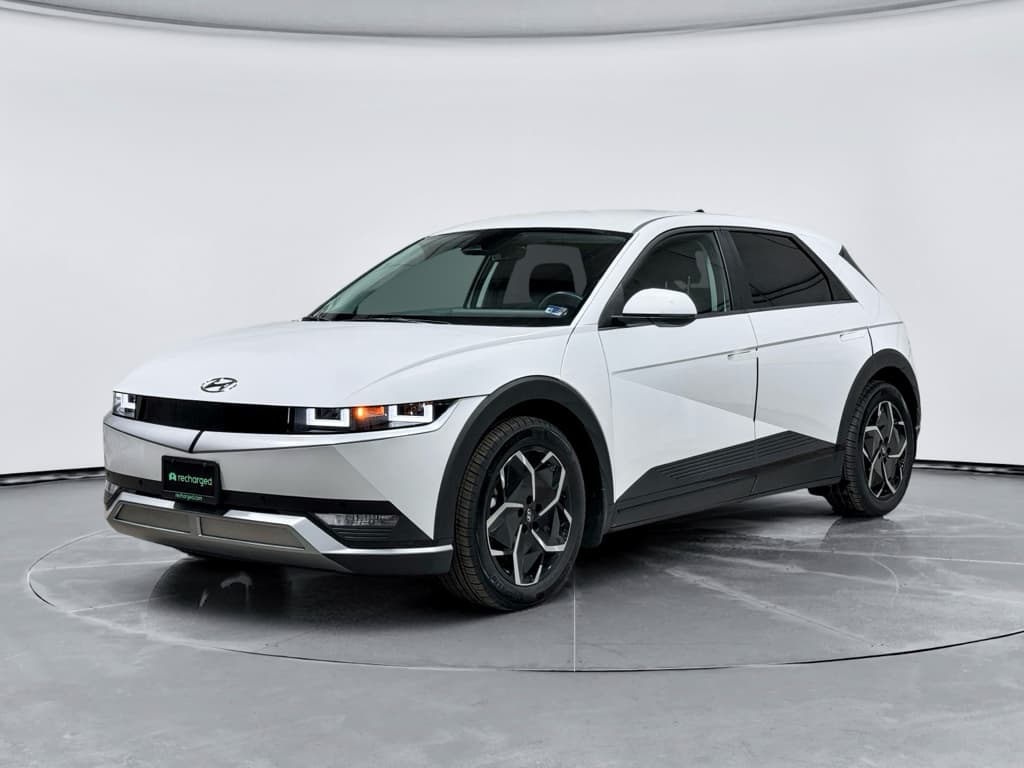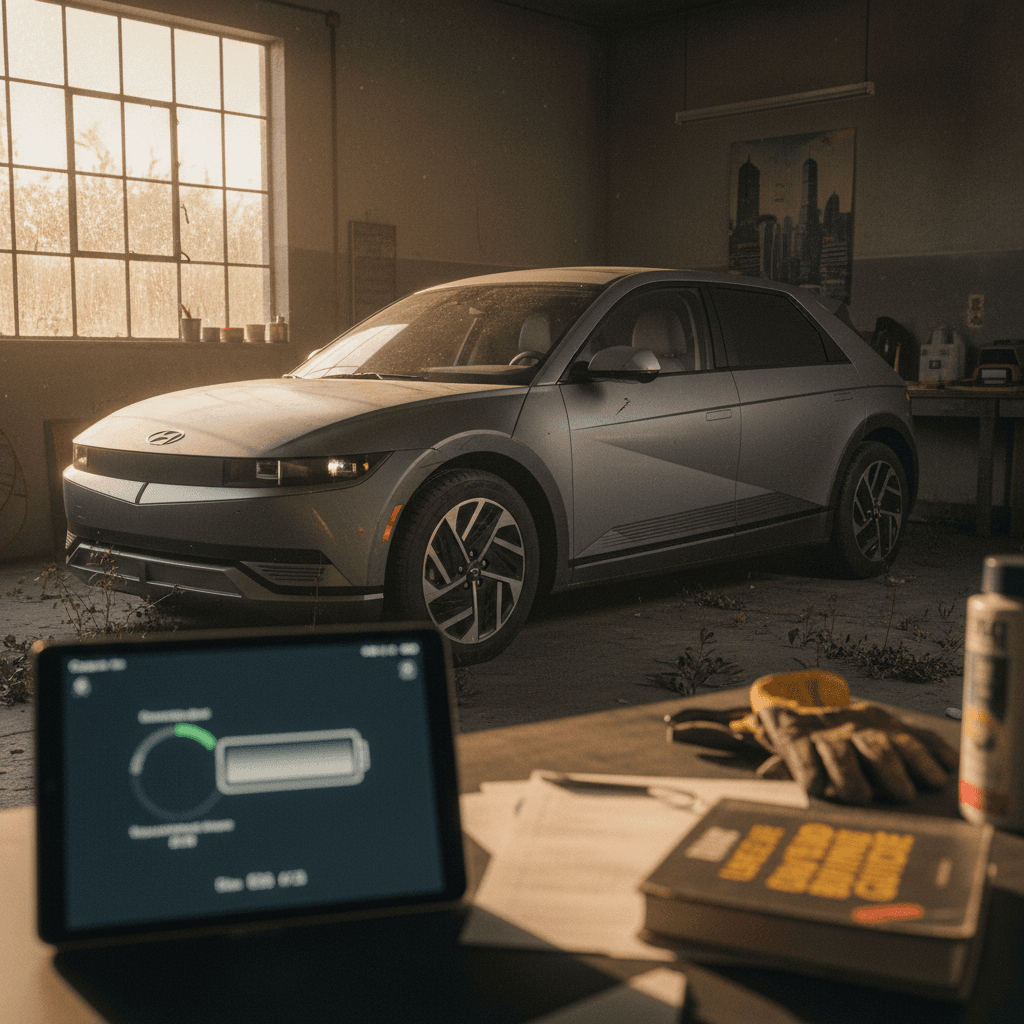
If you’re EV‑shopping in 2026, the question isn’t just whether the Hyundai Ioniq 5 is cool. It obviously is. The real question is whether the Ioniq 5 is worth buying in 2026, now that prices have dropped, rivals have caught up, and some reliability warts have had time to surface.
Snapshot verdict
Quick answer: Is the Ioniq 5 worth buying in 2026?
Hyundai Ioniq 5 in 2026 at a glance
In 2026, the Ioniq 5 lands in a fascinating place. New models have more standard tech and a bigger battery, while used examples are shockingly affordable compared with what people paid in 2021–2023. At the same time, Hyundai’s first wave of E‑GMP EVs, especially the Ioniq 5, has been under scrutiny for reliability issues around the integrated charging control unit (ICCU) and 12‑volt batteries.
- If you want fast road‑trip charging and a stylish, roomy family EV, the Ioniq 5 is still a standout.
- If you want bulletproof reliability above all else, you may want to cross‑shop carefully, or focus on later‑build cars with recall work fully documented.
- If you’re value‑hunting, a 3–4‑year‑old Ioniq 5 is one of the best EV deals in the used market right now.
What’s new for the 2025–2026 Hyundai Ioniq 5?
Hyundai hasn’t left the Ioniq 5 frozen in amber. By the 2025 and 2026 model years, it’s a more mature product than the launch‑year 2022s you’ll mostly see used.
Key changes that matter in 2026
Updates that affect whether you should buy new vs. used
Bigger battery on newer trims
More standard tech & safety
Ioniq 5 N and sporty variants
Ongoing recall & software fixes
Model‑year shopping tip
Driving range and charging: How usable is it today?
The Ioniq 5’s calling card from day one was big‑boy charging performance. Even in 2026, it’s still one of the quickest‑charging EVs you can buy without stepping into six‑figure German luxury territory.
Typical Ioniq 5 range & charging figures
Approximate U.S. EPA figures and real‑world expectations. Always check the exact trim and year you’re considering.
| Configuration | Battery (usable) | EPA range (mi) | Real‑world highway (mi) | Max DC rate |
|---|---|---|---|---|
| 2022–2024 SE/SEL/Limited RWD LR | ~77.4 kWh | ~303 | 240–260 | Up to 235 kW |
| 2022–2024 AWD LR | ~77.4 kWh | ~256–266 | 210–230 | Up to 235 kW |
| Later RWD LR (larger pack) | ~84 kWh | ~310–320+ | 250–280 | Up to 235 kW |
| Ioniq 5 N (performance) | ~84 kWh | ~220 | 180–200 | Similar peak, more variance |
Later model years with the larger pack slightly improve range but the overall pattern stays the same.
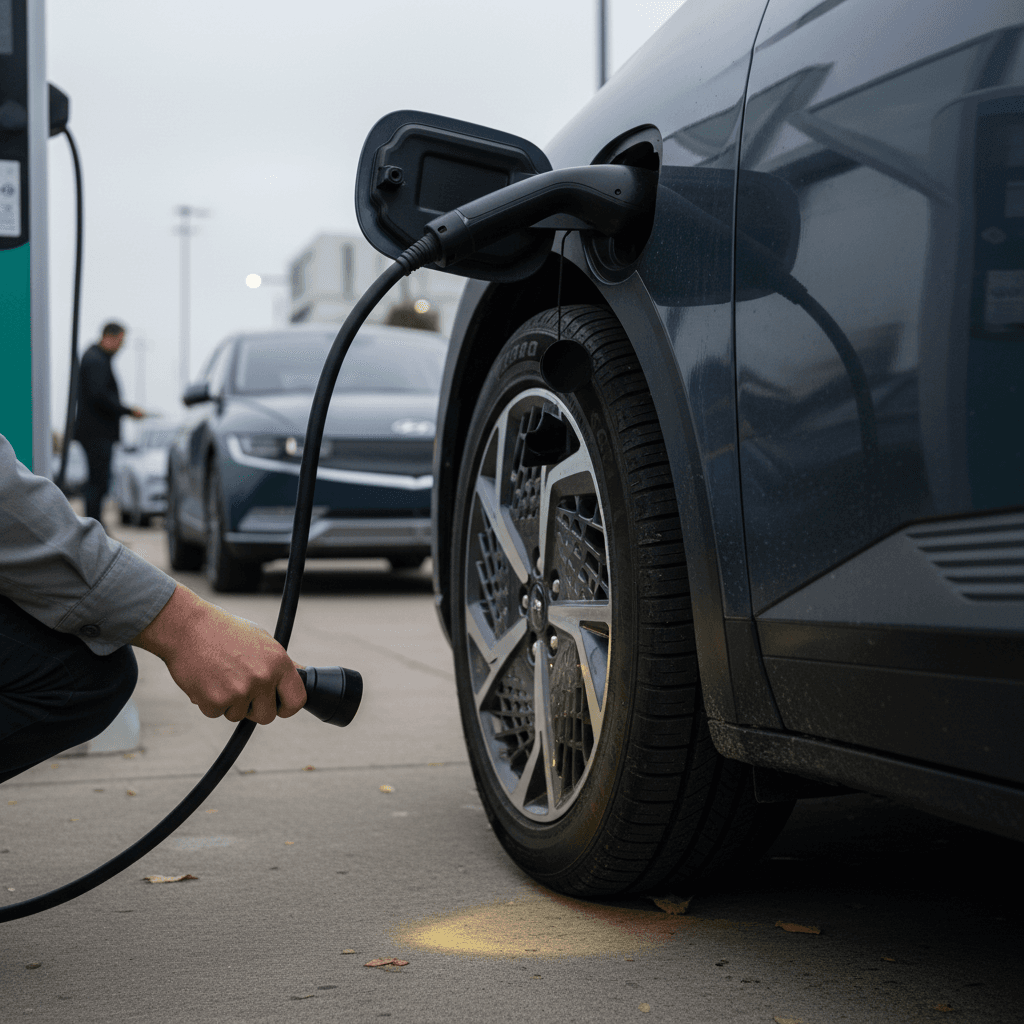
On a 350 kW DC fast charger, the Ioniq 5 can go from roughly 10% to 80% in around 18 minutes under ideal conditions. That’s elite by 2026 standards and makes it a legitimately easy road‑trip car, provided you plan your stops and don’t mind short, intense charging sessions instead of long coffee breaks.
Watch your charging network
Pricing, deals, and depreciation in 2026
If you bought an Ioniq 5 new in 2022, you probably don’t want to read this section. If you’re buying in 2026, you absolutely do.
New Ioniq 5 pricing in 2026
By the 2025 model year, MSRPs had crept into the mid‑$40Ks and up for well‑equipped trims. Heading into the 2026 model year, Hyundai began cutting sticker prices to stay competitive as more EVs flooded the market and Tesla slashed Model Y prices again.
Depending on trim and incentives in your state, seeing effective transaction prices in the mid‑to‑high $30Ks for an SE‑type Ioniq 5 in late 2026 isn’t unrealistic, especially with dealer discounts and EV tax credits in play.
Used Ioniq 5 pricing and depreciation
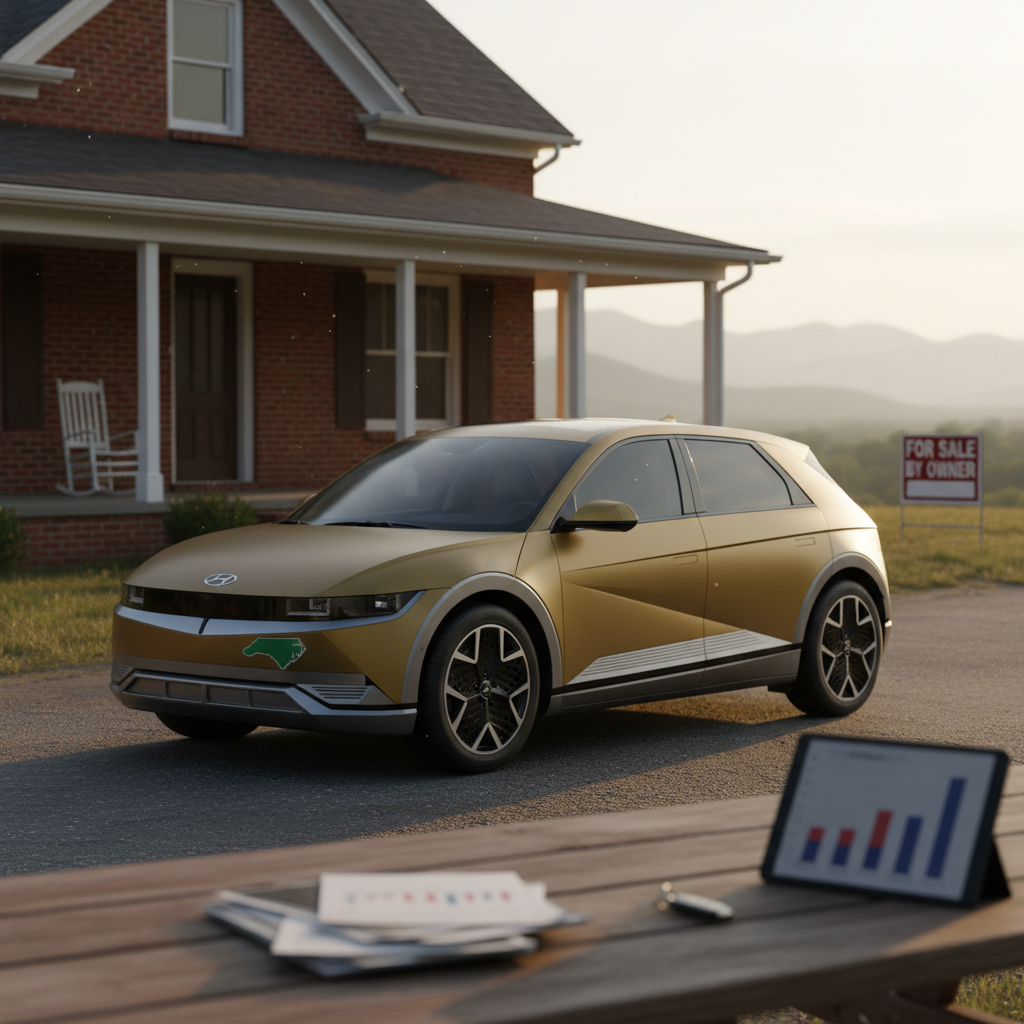
This is where the Ioniq 5 turns from “interesting” to “are you kidding me?” in 2026. Early models have seen 50%+ depreciation in roughly three to four years, according to multiple resale analyses.
- Clean 2022 SE/SEL RWD: often in the low‑to‑mid $20Ks.
- Higher‑trim AWD Limiteds: commonly mid‑to‑high $20Ks, sometimes low $30Ks with low miles.
That’s brutal for first owners, and a gift if you’re buying with good information and a thorough inspection.
Where Recharged fits in
Ready to find your next EV?
Browse VehiclesReliability and known issues: ICCU, 12V & more
Time has been kind to the Ioniq 5’s design and driving experience. Reliability? That’s more complicated. Owner reports, recall campaigns and independent testing all point to one big trouble spot: the integrated charging control unit (ICCU) and related power‑electronics issues.
Major Ioniq 5 complaints you should know about
These don’t disqualify the car, but you must shop with eyes open.
ICCU failures
12‑volt battery deaths
Charging/network quirks
The one thing you should never skip
The good news is that many Ioniq 5 owners report trouble‑free, even blissful ownership once their cars have had the right recall work and software updates. The platform itself, battery, motors, chassis, has held up well so far, and long‑term battery‑degradation data looks encouraging compared with some early EVs. But you can’t buy this car the way you’d buy a used Corolla. It demands EV‑specific due diligence.
Ioniq 5 vs. Tesla Model Y and other rivals
How the Ioniq 5 stacks up in 2026
High‑level comparison against key rivals U.S. shoppers will likely cross‑shop in 2026.
| Model | Strengths | Weak points in 2026 | Who it suits |
|---|---|---|---|
| Hyundai Ioniq 5 | Ultra‑fast charging, roomy interior, standout styling, heavy used discounts | ICCU/12V reliability concerns, CCS fast‑charging dependence | Design‑conscious buyers who value charging speed and comfort |
| Tesla Model Y | Massive Supercharger network (with NACS), efficient, strong software & OTA updates | Interior fit/finish, firmer ride, price volatility, mixed service experiences | Road‑trip warriors who want charging simplicity above all |
| Kia EV6 | Sportier drive than Ioniq 5, similar 800‑V charging, sleek styling | Similar ICCU‑related concerns, tighter rear space, firm ride | Drivers who prioritize handling and design over rear headroom |
| Ford Mustang Mach‑E | Improved software vs. launch, broad availability, BlueCruise on later models | Older battery/charging tech vs. Ioniq 5, heavier, not as efficient | Brand‑loyal Ford buyers and style‑focused shoppers |
| Volkswagen ID.4 | Comfortable ride, often aggressively discounted, simple to drive | Slower charging, past software bugs, more conventional feel | Budget‑minded shoppers who don’t need blazing fast charging |
Exact numbers vary by trim, but this gives you the flavor of where the Ioniq 5 lands.
The Ioniq 5’s competitive edge
Should you buy a new or used Ioniq 5 in 2026?
Reasons to buy new in 2026
- You want the latest battery pack and safety tech, plus any incremental tweaks Hyundai has made to reduce ICCU issues.
- You plan to keep the car 8–10 years and want a clean slate with full warranty coverage.
- You qualify for strong federal and state incentives, and local dealers are discounting aggressively.
If you can stack rebates and discounts, a new 2026 Ioniq 5 can make sense, especially if you’re trading out of a thirsty SUV.
Reasons to buy used in 2026
- You want to take advantage of steep 3–4‑year depreciation and keep your payment low.
- You’re okay buying a 2022–2024 car as long as it has a clean service history, completed recalls, and strong battery health.
- You’d like a higher trim (Limited, AWD, big‑wheel configurations) for the price of a new base car.
For many Recharged customers, a carefully vetted used Ioniq 5 is the real sweet spot, especially if you pair it with nationwide delivery and EV‑savvy support.
How Recharged helps you go used with confidence
Who the Ioniq 5 is perfect for, and who should skip it
Is the Hyundai Ioniq 5 a fit for you?
Two quick profiles to sanity‑check your instincts.
Great choice if…
- You want a comfortable, future‑proof EV with standout design that won’t feel dated in five years.
- You do regular road trips and care about short fast‑charge stops.
- You’re value‑driven and see the upside in buying a 3–4‑year‑old EV after the steepest depreciation.
- You’re willing to spend a little more effort on pre‑purchase inspection and history checks than you would with a simple gas car.
Probably not your car if…
- You want a “fill it and forget it” appliance with minimal tech quirks and near‑zero risk of software drama.
- You live far from a competent Hyundai EV dealer or independent EV shop.
- You’re deeply anxious about any possibility of recall‑type repairs, even if they’re covered under warranty.
- You want the simplest possible fast‑charging life; in that case, a NACS‑native EV on the Tesla network may be better.
Buying checklist for a 2026 Hyundai Ioniq 5
Essential checks before you commit
1. Verify recall and service history
Ask for documentation that ICCU‑related recalls, software updates, and any instrument‑cluster or charging‑system campaigns have been completed. Cross‑check the VIN with Hyundai’s recall lookup and NHTSA’s database.
2. Get a real battery‑health read
A simple “State of Charge” screenshot is not enough. You want data on <strong>usable capacity</strong> versus original spec, DC‑fast‑charging history, and any abnormal cell behavior. This is exactly what Recharged’s <strong>Score battery‑health diagnostics</strong> are built to capture.
3. Test DC fast charging if possible
If the seller and local infrastructure allow, do a supervised DC fast‑charge session. Watch how quickly the car ramps up to its peak rate and whether it maintains a strong curve. Oddly low speeds on a known‑good station can hint at hidden issues.
4. Ask about 12‑volt battery replacements
A 12V replacement isn’t a red flag by itself, but a history of repeated 12V failures can point to deeper power‑management problems. Ask how often it’s been replaced and why.
5. Inspect tires and wheels carefully
Big‑wheel Limited and N‑type trims look fantastic but can chew through tires and are more vulnerable to pothole damage. Check for uneven wear and curb rash, both can hint at alignment issues or a hard life.
6. Confirm charging‑port condition
Look closely at the CCS port for bent pins, melted plastic, or signs of impact from an angry charging cable. Public‑charging mishaps can cause expensive repairs later.
7. Map your local charging reality
Before buying any CCS‑only EV, open your favorite charging app and drop pins on your most common routes. Make sure you have multiple viable fast‑charging options, not just one lonely station in a grocery‑store parking lot.
Hyundai Ioniq 5 in 2026: FAQ
Frequently asked questions about the Ioniq 5 in 2026
Bottom line: Is the Hyundai Ioniq 5 worth buying in 2026?
The Hyundai Ioniq 5 is one of those rare cars that aged into its moment. In 2021 it was a bold, expensive, slightly risky early adopter’s play. In 2026, it’s a visually striking, deeply capable EV that you can now buy for sensible money, especially used, so long as you respect its technical complexities.
If you want a comfortable, fast‑charging, design‑forward family EV and you’re willing to be meticulous about recall history, charging behavior, and battery health, the answer is yes: the Ioniq 5 is absolutely worth buying in 2026. If you want a zero‑anxiety appliance and live in an area with thin CCS coverage, you may be happier in a different EV, likely one that’s native to the Tesla Supercharger network.
Either way, this is not a car you should buy blind. If you’re considering an Ioniq 5, especially used, let Recharged’s Score report, EV‑focused inspections, and expert advisors do the heavy lifting. Then you can enjoy the good parts of Ioniq 5 ownership, the quiet, the torque, the architecture‑school sheet metal, without lying awake wondering what your ICCU is doing while you sleep.