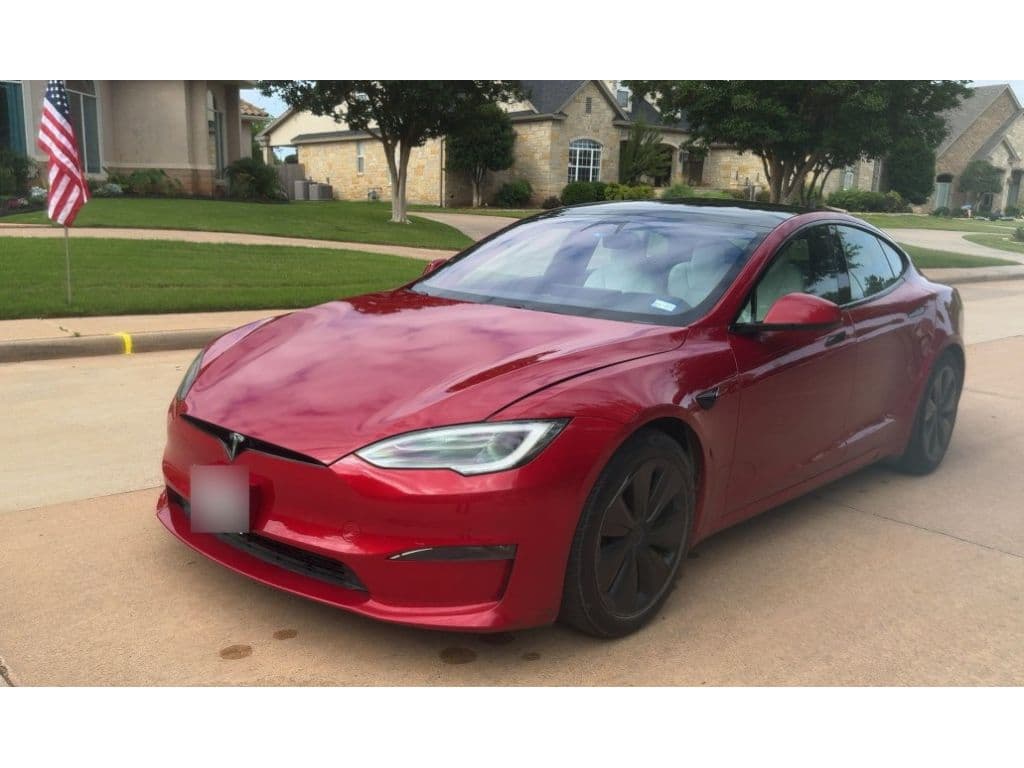
If you’re eyeing a **used Tesla Model S in 2025**, you’re looking at one of the most influential EVs ever built, and one of the trickiest to value. Prices have fallen hard, then bounced, software features don’t always transfer, and battery health can make or break a deal. This 2025 Tesla Model S review focuses specifically on the *used* market so you know when a Model S is a bargain and when to walk away.
Quick Take
Overview: Should You Buy a Used Model S in 2025?
Why a Used Model S Still Makes Sense
- Performance that embarrasses many sports cars, especially Plaid trims.
- Real-world range that still beats many new EVs when you choose the right battery.
- Supercharger access and NACS compatibility for easy road tripping.
- Tech-forward cabin with big-screen UI and frequent over-the-air updates (on newer cars).
Where You Need to Be Careful
- Heavy depreciation can make values volatile, especially for older luxury EVs.
- Out-of-warranty repairs (suspension, screens, door handles) aren’t cheap.
- Software features like FSD may not transfer when the car is sold.
- Battery health varies car to car; you can’t judge it by mileage alone.
Verdict in One Sentence
What Still Makes the Model S Special in 2025
The **Tesla Model S** has been on sale since 2012, but the car you’re likely cross-shopping in 2025 is a **2021+ refresh (“Palladium”)** car or a late pre-refresh model. These versions sharpened what made the S famous: towering torque, long range, and a minimalist interior dominated by a central screen.
Core Strengths of a Used Model S
Why it still competes with brand‑new luxury EVs
Brutal Performance
Long-Distance Range
Road-Trip Ready
Know the Generations
Used 2025 Tesla Model S Pricing, Deals & Depreciation
Depreciation Snapshot for the Tesla Model S
Over the last few years, the Model S has gone from a resale darling to a **depreciation standout**. Sharp new‑car price cuts, more EV competition, and changing tax incentives pushed used prices down, particularly between 2023 and early 2025. Then, as Tesla signaled a possible shift away from S and X volume and new EV supply tightened, values began to stabilize and even tick up in late 2025 and early 2026.
Price Volatility Alert
Typical Used Tesla Model S Price Bands in 2025
Approximate U.S. retail asking prices; actual numbers vary by mileage, condition, options, and region.
| Model Years | Typical Trim | Approx. Price Range (USD) | Who It Suits |
|---|---|---|---|
| 2015–2016 | 70/75/85/90, early P models | $18,000–$28,000 | Budget shoppers comfortable with older tech and higher maintenance risk. |
| 2017–2018 | 75D / 90D / 100D | $28,000–$38,000 | Value hunters who want Autopilot and solid range at a lower price. |
| 2019–2020 | Long Range / Performance | $35,000–$45,000 | Sweet‑spot buyers balancing newer hardware with big depreciation savings. |
| 2021–2022 (Refresh) | Long Range / Plaid | $45,000–$65,000 | Enthusiasts who want the new interior, faster charging, and Plaid‑level performance. |
| 2023–2024 | Long Range / Plaid, low miles | $60,000–$75,000+ | Shoppers cross‑shopping new luxury EVs who want flagship performance. |
Use these price bands as directional guidance, not hard rules, when you evaluate listings.
If you’re comparing a used Model S to a brand‑new crossover EV, you’ll quickly see why many buyers are tempted. For the price of a new mainstream compact SUV, you can move into **full‑size luxury, 300+ miles of range, and explosive acceleration**, provided you pick the right car and budget carefully for long‑term costs.
Battery, Range & Charging: What Matters on a Used Model S
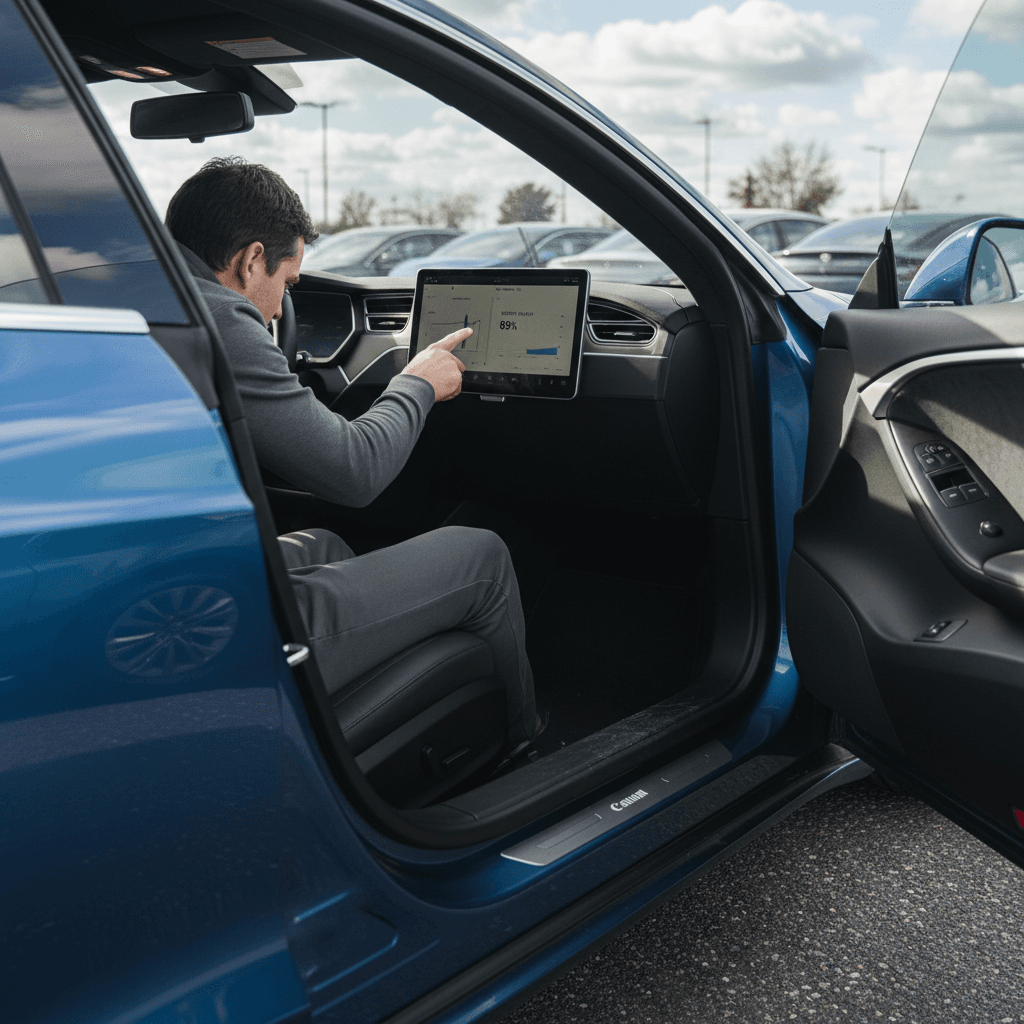
Battery health is the single biggest variable in any **used Tesla Model S review**. The pack is engineered to last hundreds of thousands of miles, and real‑world fleet data suggests **degradation is usually modest and gradual**. But there are outliers, cars that fast‑charged constantly, lived in extreme climates, or sat at 100% state of charge for long periods can age faster.
- Early 60/70/75/85 kWh packs are now quite old; capacity loss and potential out‑of‑warranty issues are real considerations.
- Later 90/100 kWh and Long Range packs generally show slower, smoother degradation when treated well.
- Plaid and 2021+ Long Range cars have among the best real‑world range and most advanced thermal management.
- DC fast‑charging heavily, especially at high state of charge, can accelerate wear compared with mostly home Level 2 charging.
Don’t Rely on a Single State‑of‑Health Number
Charging Realities for a Used Model S Owner
Plan your charging before you sign
Home Charging First
Supercharger Network
NACS Future‑Proofing
Battery Warranty Reality Check
Tech, Autopilot & Software: What Actually Transfers
One of the trickiest parts of buying a used Tesla Model S in 2025 isn’t mechanical, it’s **software**. Tesla ties features like Enhanced Autopilot and Full Self‑Driving (FSD) capability to the vehicle’s configuration, but has historically reserved the right to change what transfers on a case‑by‑case basis, especially on cars resold through third parties.
Features That Usually Stay With the Car
- Basic Autopilot (lane‑keeping and traffic‑aware cruise) on newer cars where it’s standard.
- Most over‑the‑air software updates for bug fixes and minor improvements while the car remains supported.
- Infotainment features: navigation, streaming, app integration (subject to connectivity plan).
Features You Must Double‑Check
- FSD Capability and Enhanced Autopilot – verify on the car’s screen and in the seller’s documentation.
- Connectivity tier – Premium vs. Standard data, which affects live traffic visualization and media streaming.
- Any aftermarket unlocks (acceleration boosts, etc.) – ensure they’re legitimate and supported.
Never Pay for “Phantom” FSD
Reliability & Common Issues on a Used Model S
Mechanically, the Model S’s motor and battery pack have generally aged well when maintained, and some high‑mileage examples have crossed 200,000–300,000 miles. Where owners most often feel pain is in **wear‑and‑tear items, early‑generation components, and water‑intrusion or corrosion issues** in harsh climates.
Common Trouble Spots to Watch
These don’t automatically kill a deal, but they should affect price
Door Handles
Touchscreens & MCU
Suspension & Tires
- Listen for clunks or knocks over bumps, could indicate worn control arms or bushings.
- Check for moisture, fogging, or damage in headlights and taillights, especially in wet or coastal regions.
- Inspect glass roof and seals for cracks or leaks.
- Review any history of high‑voltage battery or drive‑unit replacement; replacements can be a positive if done by Tesla or a trusted specialist.
Service Records Are Gold
Which Model Years & Trims Are Best to Buy Used?
From a used‑buyer perspective, not every Model S is created equal. Your ideal year and trim depend on your risk tolerance, budget, and how much you value the latest interior and tech.
Model S Generations at a Glance
1. 2012–2016: Early Adopters’ Cars
Attractive prices, but you’re dealing with first‑generation hardware, older packs, and more known issues (door handles, early drive units, MCU1). Only consider with a significant discount and documented repairs.
2. 2017–2018: Mature Pre‑Refresh
Many bugs ironed out, better Autopilot hardware, and still‑strong performance. Great bang‑for‑buck if you find good battery health and solid service history.
3. 2019–2020: Pre‑Refresh Sweet Spot
These cars benefit from later packs and Autopilot advances but avoid early‑refresh quirks. For many buyers, this is the ideal combination of price, range, and reliability.
4. 2021+ Refresh: Palladium & Plaid
New interior layout, yoke or round wheel depending on configuration, improved performance and range. If your budget allows, a used 2021–2023 Long Range or Plaid is the most future‑proof choice.
Editor’s Pick for Most Buyers
Pre-Purchase Checklist for a Used Tesla Model S
Before you wire a single dollar, walk through a structured inspection. Whether you’re buying from a private seller, a franchise dealer, or a dedicated EV marketplace like Recharged, this checklist will help you separate the keepers from the headaches.
Essential Used Model S Inspection Checklist
1. Verify Battery Health & Range
Check typical range at 80–90% charge, review charging history if available, and use a trusted battery health report (not just an SOH percentage) to look for abnormal degradation.
2. Confirm Software & Feature Levels
On the car’s screen, verify Autopilot, Enhanced Autopilot, or FSD status, connectivity tier, and current software version. Don’t pay extra for features that aren’t clearly present and documented.
3. Inspect for Physical Damage & Leaks
Examine body panels for mismatched paint or panel gaps, check underbody for corrosion, and look around glass, seals, and lights for water intrusion or previous repairs.
4. Test Drive on Mixed Roads
Drive on both smooth and rough surfaces. Listen for suspension noises, feel for steering shake under braking, and pay attention to how the car tracks at highway speeds.
5. Review Service & Repair History
Ask for Tesla service records or invoices from reputable EV shops. Look for evidence of replaced door handles, MCU repairs, suspension work, and any high‑voltage component service.
6. Check Tires, Brakes & Wheels
Performance trims in particular can eat through tires and pads. Uneven tire wear may indicate alignment or suspension issues. Bent or curbed wheels are another sign of a hard life.
Title & History Still Matter
How Recharged Helps You Shop for a Used Model S
Because so much of a used Tesla’s value is wrapped up in invisible factors, battery health, software, and how it’s been driven, buying purely on mileage and photos is a gamble. That’s exactly the problem Recharged was built to solve.
Why Consider Shopping Your Model S Through Recharged
We’re built around used EV transparency, not guesswork
Recharged Score Report
Financing & Trade‑In Support
Nationwide Delivery & Experience Center
Ready to find your next EV?
Browse VehiclesYou can shop for used Teslas alongside other EVs, compare battery health, and see how a Model S stacks up against alternatives like a Model 3 Performance or a luxury crossover. If you’re unsure whether the S is really the right fit, Recharged’s experts can walk you through total ownership costs, insurance, and charging needs before you commit.
Frequently Asked Questions About Used Tesla Model S Buying
Used Tesla Model S FAQ (2025–2026)
Bottom Line: 2025 Used Model S Review Verdict
Viewed strictly through the lens of a **2025 Tesla Model S review for used buyers**, the car earns high marks for performance, range, and everyday livability, and lower marks for depreciation volatility, repair costs, and software complexity. In other words, it’s a fantastic car for the right owner and a risky one for a buyer who treats it like any other used sedan.
If you’re willing to do your homework on **battery health, software, and service history**, or lean on a marketplace like Recharged that surfaces that information for you, a used Model S can be one of the most rewarding EVs you can own. If you’re not, you may be happier in a newer, simpler EV with more warranty left and fewer variables to worry about.
Take your time, compare a few cars, and insist on real data instead of vague assurances. Do that, and your next daily driver might just be the same car that helped kick‑start the modern EV era, now at a price that finally makes sense.