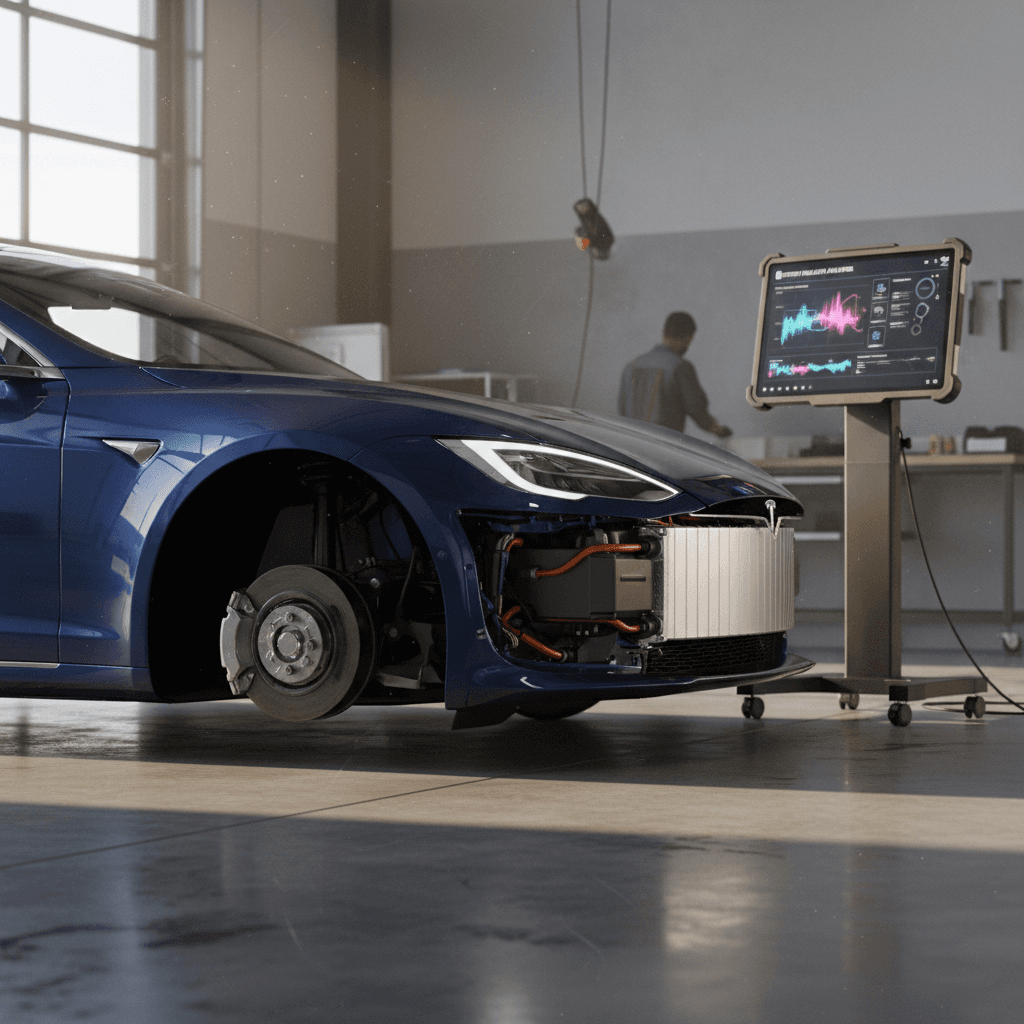
When people ask about the 2025 Tesla Model S reliability rating, they’re rarely asking about a number on a chart. They’re asking: “Will this thing leave me stranded? Will the screens freak out? Is the battery going to die before I’m done paying for it?” Reliability is fear in spreadsheet form.
No one has a 2025 score yet
Overview: What the 2025 Tesla Model S reliability rating really means
Tesla lives in a strange split-screen reality. On one side, you have world‑class powertrains and batteries that routinely run hundreds of thousands of miles with modest degradation. On the other, you have spotty build quality and fussy electronics that drag down formal reliability scores and owner patience.
The good
- Excellent battery and motor longevity; many Model S cars still strong past 150,000–200,000 miles.
- Simplified “skateboard” EV layout means far fewer moving parts than a gas luxury sedan.
- Ongoing over‑the‑air software updates can fix bugs and improve systems without a shop visit.
The not‑so‑good
- Brand has historically ranked below average in new‑car quality and reliability in major studies.
- Fit and finish, squeaks/rattles, and in‑car electronics are frequent complaint areas.
- Complex driver‑assist features add another layer of potential fault codes and owner anxiety.
How to read any Tesla reliability rating
How Consumer Reports & J.D. Power look at Tesla reliability
Two big players shape the public conversation around reliability: Consumer Reports and J.D. Power. They don’t test the 2025 Model S yet, but their recent findings make it clear where Tesla stands going into that model year.
The two scorecards that matter most
Different methods, broadly similar story for Tesla
Consumer Reports predicted reliability
Consumer Reports uses massive owner surveys (hundreds of thousands of vehicles) to build predicted reliability for each model and brand across 20+ trouble spots.
By late 2025, Tesla finally cracked Consumer Reports’ top‑10 brand rankings for reliability, a big jump from its earlier below‑average standing. The only notably weak Tesla in that report: the brand‑new Cybertruck.
J.D. Power quality & reliability
J.D. Power’s Initial Quality Study and vehicle dependability work measure problems per 100 vehicles in the first few years of ownership.
Recent results show Tesla’s new‑car problem rates roughly in line with other EVs, still not trouble‑free, and often hurt by controversial control layouts and software‑related issues.
Why these scores underrate EVs (and Teslas)
Current Tesla Model S reliability data (2021–2024)
Recent Model S owner sentiment snapshot
Put simply, the recent Model S story looks like this: excellent durability where it’s expensive to fail (battery, motors, basic cooling systems), with nuisance issues where it’s merely annoying (rattles, trim, infotainment quirks). That combination gives the car a solid owner‑satisfaction profile, even when formal reliability charts show yellow flags.
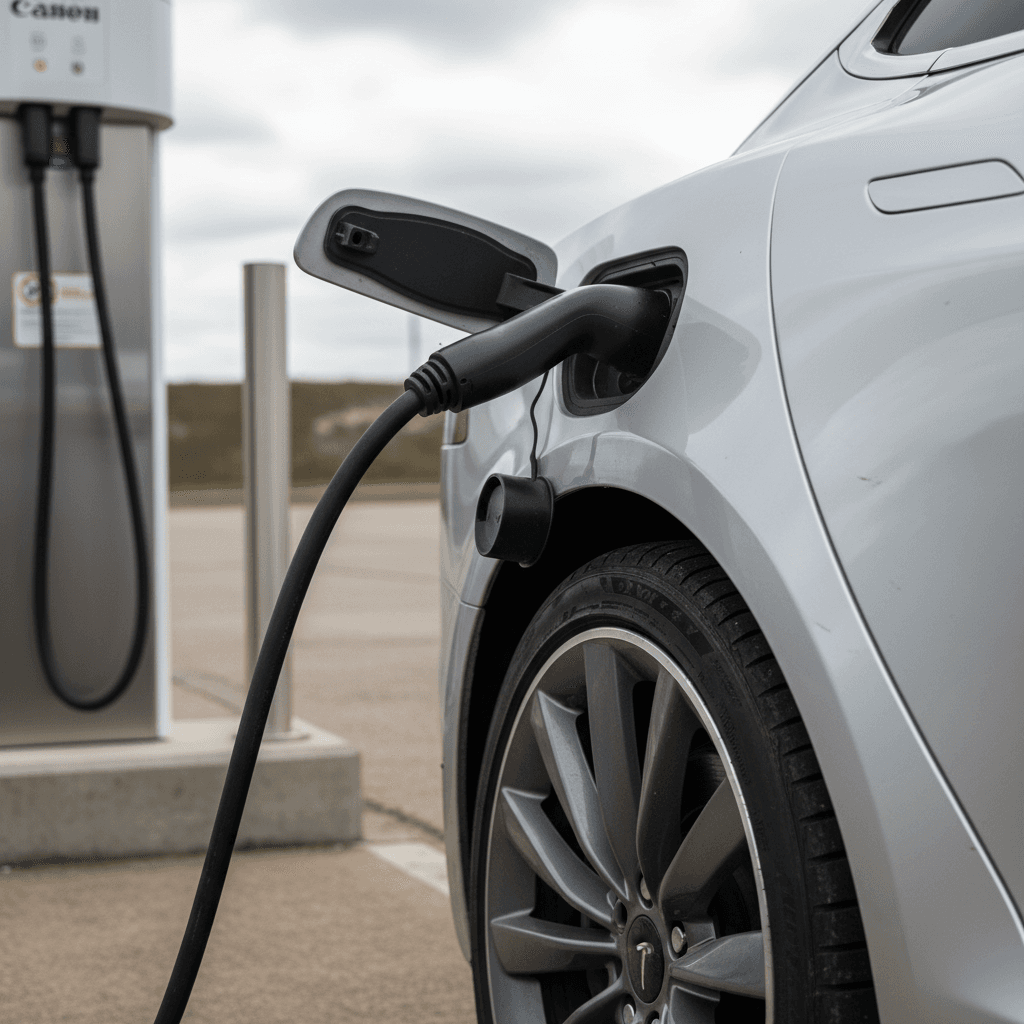
Predicting 2025 Tesla Model S reliability rating
No one can show you a finished “2025 Tesla Model S reliability” bar chart today. But you can make an honest, informed prediction by looking at the trend lines: the 2021–2024 Model S, Tesla’s brand‑level improvement with Consumer Reports, and the absence of major hardware overhauls going into 2025.
How 2025 Model S reliability will likely score
Approximate expectations based on current data for late‑model Teslas, not official ratings.
| Category | 2025 Model S Expectation | What That Means For You |
|---|---|---|
| Overall predicted reliability | Slightly above average for a luxury EV | Better than early‑2010s Teslas and competitive with many gas luxury sedans, but not Toyota‑Camry bulletproof. |
| Battery & drivetrain | Strong / well above average | Long life, low failure rates; major failures are rare but expensive. |
| In‑car electronics | Average or slightly below | Expect the occasional software bug, Bluetooth hiccup, or infotainment reboot. |
| Body & interior trim | Average | Mostly good, but some cars exhibit squeaks/rattles or minor trim issues over time. |
| Advanced driver assist systems | Mixed | Great capability, but features like Autopilot and FSD can generate frequent alerts, updates, and sometimes owner frustration. |
These are directional predictions for shoppers, not guaranteed scores.
Bottom‑line prediction
Battery & drivetrain: The good news on long-term durability
For any used or future 2025 Model S, the real exam is the battery. Fail that, and you’re suddenly auditing a class in six‑figure regret. Fortunately, real‑world data paints a calmer picture than the early EV horror stories.
- Large Model S packs typically lose capacity quickly in the first few years, then degrade slowly, averaging around 2–2.5% capacity loss per year over the first decade when reasonably cared for.
- High‑mileage case studies show some Model S sedans still retaining around 85–90% of their original capacity past 200,000 miles, with motors still pulling like freight trains.
- From 2015 onward, Tesla’s revisions to pack chemistry and cooling significantly reduced the rate of ugly, early‑life failures seen in the very earliest cars.
Habits that quietly improve Model S reliability
Common issues Model S owners actually report
Reliability isn’t just about catastrophic failures; it’s about the slow drip of annoyances that can turn love into tolerance. Late‑model Model S owners tend to talk less about blown motors and more about the modern‑luxury hassles: electronics acting up, wind noise, and the occasional mystery rattle.
Typical trouble spots on recent Model S cars
What you’re most likely to encounter, based on owner reports
Screens & software quirks
- Center display freeze or lag.
- Glitches with Bluetooth, profiles, or streaming apps.
- Occasional need for soft reboots after updates.
Body, trim & NVH
- Wind noise around frameless windows.
- Rattles from interior panels over time.
- Paint and panel‑gap complaints, especially early in a generation.
Sensors & driver assistance
- Erratic lane‑keep behavior on certain roads.
- Ultrasonic sensor or camera warnings.
- Updates occasionally changing how features behave.
Watch for recall history
Cost of ownership, repairs & warranty realities
The Model S is a luxury flagship. It is not cheap to ignore, and it is not cheap to crash. That said, you save money where gas cars bleed: oil changes, transmission services, exhaust systems, and the ceaseless parade of gaskets and belts.
Where reliability saves you money
- No engine, no traditional transmission, no exhaust: far fewer wear items.
- Regenerative braking means very long brake life for many owners.
- Most bugs in infotainment or driver‑assist systems can be addressed with over‑the‑air updates.
Where reliability can still sting
- Out‑of‑warranty repairs at Tesla Service Centers can be steep.
- Hardware tied to the battery pack (contactors, charge port, HV components) is costly if it fails.
- Luxury‑class tires and suspension components aren’t economy‑car cheap.
Warranty context for a 2025 Model S
If you’re shopping a 2025 (or late-model) used Model S
By the time a 2025 Model S shows up on your radar as a used car, the question won’t be “Is this model year reliable in theory?” It’ll be “What has this exact car lived through?” That’s where an objective, battery‑aware inspection matters more than a one‑size‑fits‑all rating.
How to de‑risk a used Model S purchase
Especially for higher‑mileage or performance variants
Start with battery health, not leather smell
The single most important reliability question on a used Model S is: How healthy is the pack? A car that’s cosmetically perfect but badly degraded on range is an expensive mirage.
Every vehicle sold through Recharged includes a Recharged Score Report with verified battery health and a transparent view of how much useful life the pack likely has left.
Look at real-world trouble history
Service records, recall completion, prior owner behavior, and even charging patterns matter. Has the car lived on Superchargers? Has it had recurring sensor or infotainment issues?
Recharged’s EV‑specialist team walks you through the car’s history, flags potential problem patterns, and helps you compare it to similar Model S listings nationwide.
Where Recharged fits in
Ready to find your next EV?
Browse VehiclesChecklist: How to judge a Model S’s real-world reliability
Pre‑purchase reliability checklist for a 2025 (or any late‑model) Model S
1. Verify battery health and projected range
Use an objective battery‑health report or diagnostic tool, not just the dash guess. Compare current usable capacity and range to the car’s original rating so you understand true degradation.
2. Confirm software, recall and service history
Make sure all open recalls are completed and that the car is running current, stable software. Read through service records for patterns: repeated sensor replacements, door handle fixes, or MCU issues are yellow flags.
3. Test every screen, switch and sensor
Spend time in the car with everything on. Cycle cameras, parking sensors, HVAC, Bluetooth, profiles, and driver‑assist features. Many Tesla annoyances hide in the electronics, not the hardware.
4. Listen for wind noise and rattles on the highway
A short, low‑speed test drive won’t reveal body and trim issues. Get the car to highway speed and listen for whistles around the mirrors, rattles from the dash, or suspension clunks over bumps.
5. Inspect wheels, tires and suspension wear
Heavy EVs like the Model S can be hard on tires and bushings. Uneven wear patterns or cheap replacement tires can hint at alignment issues, pothole damage, or a previous hard life.
6. Evaluate charging behavior in real life
If possible, plug into a home Level 2 or DC fast charger. Watch how the car communicates with the charger, how consistent the charging rate is, and whether any warnings pop up.
FAQ: 2025 Tesla Model S reliability questions, answered
Frequently asked questions about 2025 Tesla Model S reliability
Bottom line: Should you worry about Model S reliability?
If you want a car that never glitches, never buzzes, and never throws a spurious camera warning, you probably shouldn’t be shopping six‑figure, software‑heavy luxury cars from anyone, Tesla included. The 2025 Tesla Model S reliability rating, when it finally appears in the charts, will almost certainly show a car that is mechanically stout, electronically high‑strung, and emotionally addictive.
The key is to separate annoyances from existential threats. Late‑model Model S sedans have proven that their batteries and drivetrains can go the distance. The rest of the car, screens, sensors, trim, will occasionally remind you that you’re driving a computer on wheels. If you go in with clear eyes, a good battery‑health report, and support from an EV‑focused retailer like Recharged, the Model S is less a reliability gamble and more a calculated, electrified indulgence.