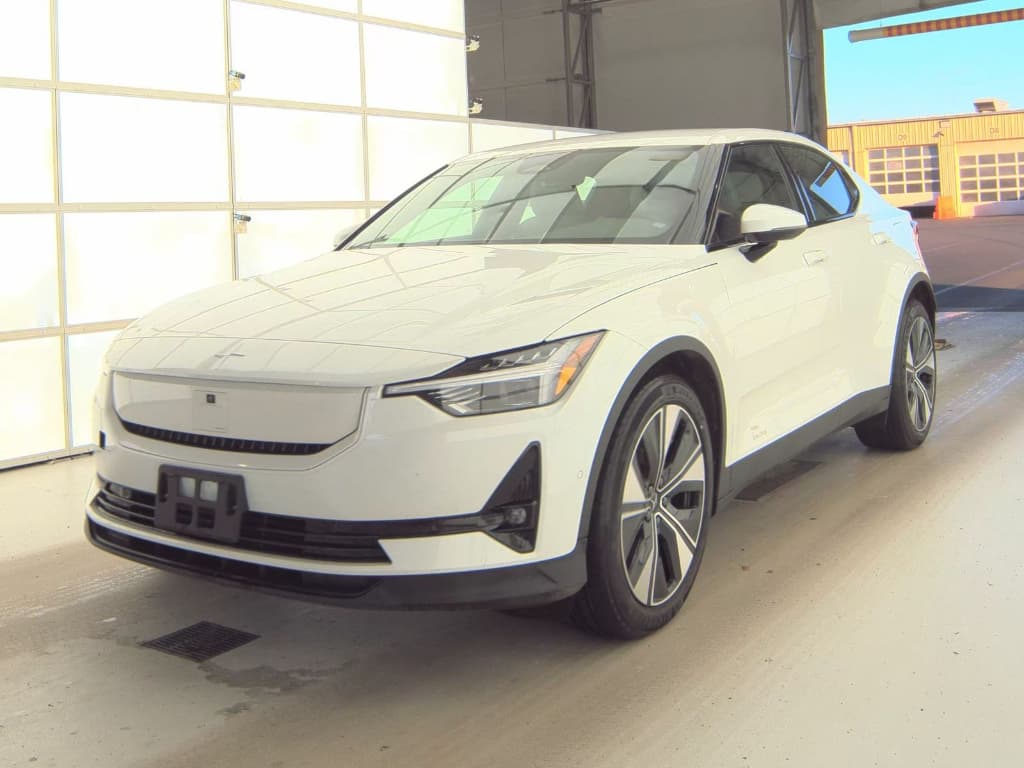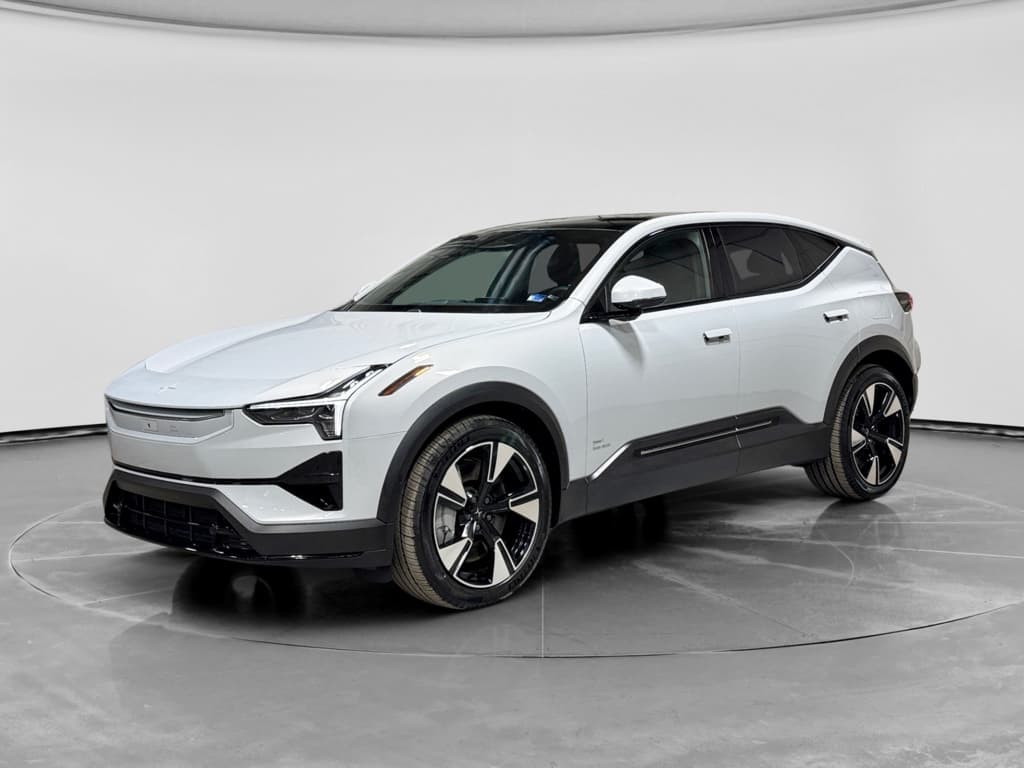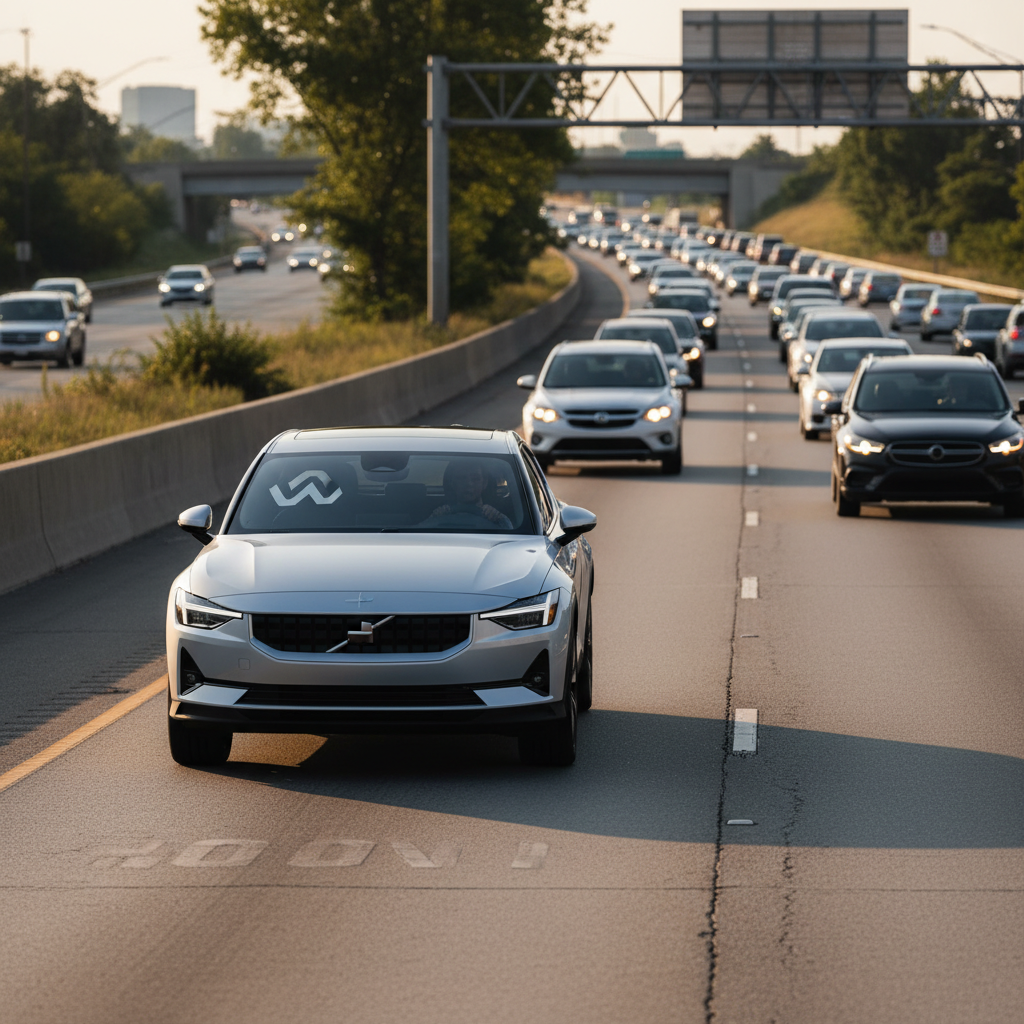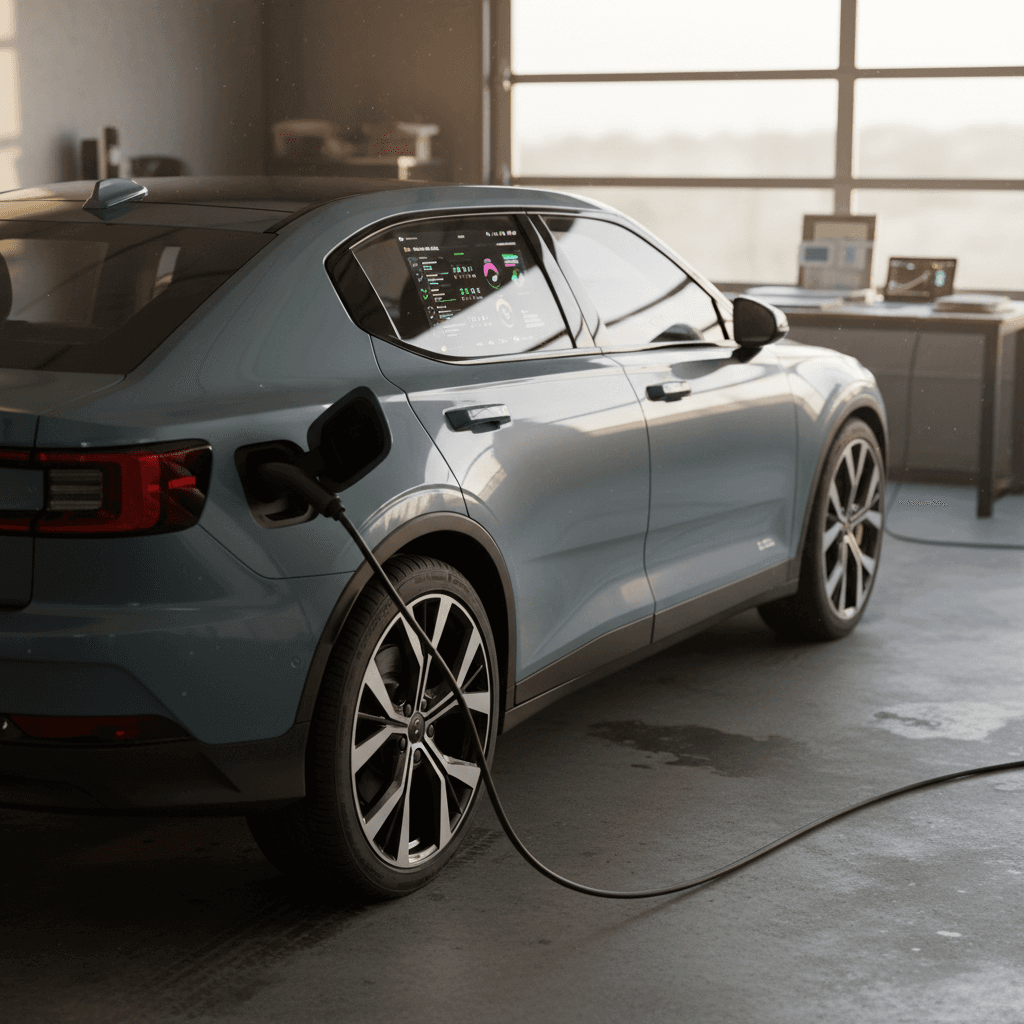
If you’re cross-shopping premium compact EVs in 2026, the Polestar 2 is probably on your list, especially as a used bargain. This long-term Polestar 2 review pulls together owner reports, recall history, and used‑market data to answer a simple question: what is this car actually like to live with for several years, and should you buy one now?
Quick context for 2026
Why this Polestar 2 long-term review matters in 2026
The earliest U.S. Polestar 2s are now about five model years old, and thousands of cars have racked up 30,000–70,000 miles. That means we have real‑world information on battery degradation, software stability, and depreciation, things you could only guess at when the car launched.
Polestar 2 long-term ownership at a glance (U.S. market)
Those numbers put the Polestar 2 squarely in the mainstream of premium EV ownership. It’s not a miracle car, but it’s also not an outlier on costs or degradation compared with a Tesla Model 3 or Hyundai Ioniq 5.
What it’s like to live with a Polestar 2 for years
Daily driving character
The Polestar 2 drives like a taut European sport sedan that happens to be electric. Steering is direct, body control is tight, and dual‑motor versions deliver genuinely strong thrust. Owners who’ve put 40,000 miles or more on their cars consistently highlight driving feel as the reason they’d buy another.
The flip side: the ride is firmer than a Model 3 or Ioniq 5, especially on 20‑inch wheels. Over years of commuting, that’s something you feel on broken pavement.
Cabin, ergonomics and space
The cabin still feels modern in 2026: clean design, Google-based infotainment, solid materials. Front passengers enjoy generous headroom and supportive seats, but the fastback roofline and tall floor mean the rear bench is only adequate for adults on longer trips.
The hatchback layout and split-folding rear seat are long‑term advantages versus a sedan, grocery runs, bikes, IKEA boxes, they all fit more easily than you’d expect from the footprint.
Trim and wheel choice matters long term
Battery health and real-world range over time
Battery health is the make‑or‑break factor for any long‑term EV review. The Polestar 2 uses large, liquid‑cooled packs, and by 2026 there are enough high‑mileage cars to draw some conclusions.
How Polestar 2 batteries age by model year
What owners and data suggest for 2021–2025 cars
2020–2022 early cars
Early dual‑motor and launch cars typically show mid‑90s % state of health after 2–4 years and 25k–50k miles. That lines up with owner reports of losing only a small slice of range in normal mixed driving.
2023–2024 updates
With hardware refinements and, in 2024, revised single‑motor RWD and battery packs, range improved and efficiency ticked up. These cars are just now crossing 20k–30k miles; they appear to be aging similarly or slightly better than the early cars.
2025 models
Too new for deep long‑term stats, but they build on the same chemistry as the 2024 refresh. If trends hold, modest degradation and strong highway range should continue, assuming normal charging habits.
Battery warranties are generous
In real‑world terms, owners regularly report that a long‑range Polestar 2 that delivered, say, 260–280 miles of mixed‑driving range when new might be down only 10–15 miles after a couple of years. On highway‑speed road trips, the car is one of the few compact EVs that can meet or slightly exceed its EPA rating when conditions are right, something long‑term testing has confirmed.
Cold weather can mask a healthy battery
Charging experience: home, public and road trips
Long‑term happiness with any EV comes down to how painless it is to charge. With the Polestar 2, the story splits neatly into home charging and public DC fast charging.
Home and workplace charging
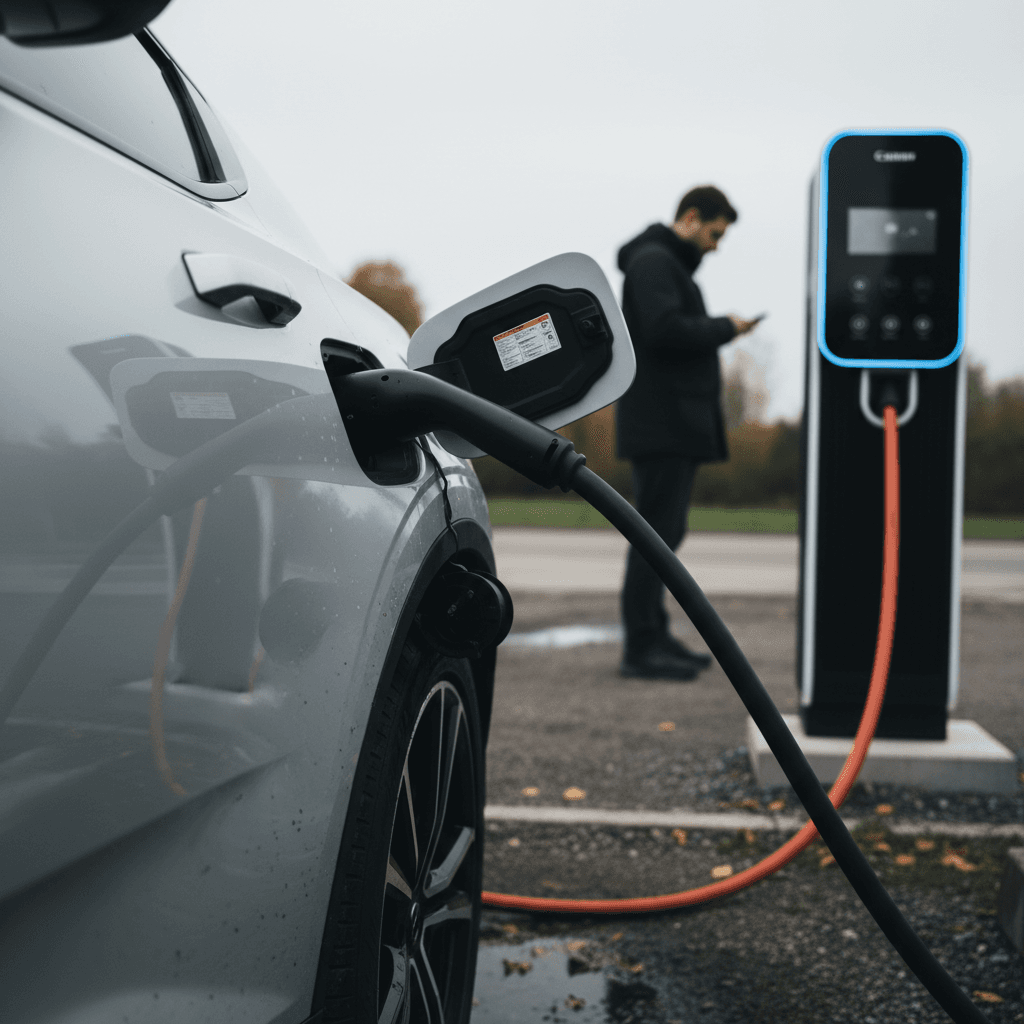
Most Polestar 2 owners who can charge at home report a smooth experience. The car supports typical Level 2 AC rates for this class, so a 40‑ or 48‑amp home charger can easily refill a daily commute overnight. Charging scheduling and preconditioning are built into the Google‑based interface and work reliably for the majority of drivers once set up.
If you’re shopping for a used Polestar 2 in 2026, plan your home charging first. A basic 240‑volt Level 2 setup in your garage or driveway will transform the ownership experience compared with relying on public stations.
Public fast charging and road trips
On the road, the Polestar 2 performs competitively, but not class‑leading, at DC fast chargers. Peak charging speeds vary by model year and pack, but you can plan on a typical 10–80% fast charge in the 30‑40 minute range under ideal conditions.
The car’s route planning with Google Maps can integrate charging stops, and long‑term owners praise the simplicity of the interface while noting that station reliability depends more on the network than on the car itself.
Think in "stints," not full charges
Software, infotainment and recalls: the good and the bad
If there’s a recurring theme in Polestar 2 long‑term ownership stories, it’s software. The car runs an automotive‑grade version of Android with Google Maps and Google Assistant baked in, which many owners love. But there have also been well‑documented quirks and glitches that show up over months and years.
Living with Polestar 2 software over time
Strengths, weak spots and recalls to know about
Infotainment strengths
Native Google Maps, Assistant and Play Store apps feel familiar and are easy to live with long term. Voice commands, routing with charging stops, and OTA map updates are everyday wins for owners.
Common owner complaints
Across several model years, owners have reported intermittent issues: backup camera glitches, audio cutting out after an update, laggy responses from the central screen, or rare full reboots of the head unit. For many, these are occasional annoyances; for some, they’ve been reason enough to sell.
Recalls and fixes
Polestar has issued multiple software-based recalls and campaigns, including updates addressing rear camera behavior and graphical rendering issues in the main display. By 2026, many cars have received several rounds of fixes, but it’s crucial to confirm that any used example is fully up to date.
Check for completed software recalls
Long‑term, the pattern you see is that most Polestar 2s are fundamentally solid hardware wrapped in software that has needed repeated refinement. If you’re tolerant of the occasional glitch, and you confirm recall work has been done, the ownership experience is generally positive. If you expect smartphone‑like perfection, you may find the quirks frustrating.
Running costs, maintenance and repairs
Over several years, the Polestar 2’s day‑to‑day running costs have proven to be one of its strengths. There’s no engine oil to change, brake wear is light thanks to strong regeneration, and scheduled service intervals are comparatively long.
Typical long-term running costs for a Polestar 2
Approximate annualized costs once the car is out of its first year, assuming 12,000 miles per year and mixed driving in the U.S.
| Cost category | What to expect over time | Owner takeaways |
|---|---|---|
| Electricity | Home charging often equates to the cost of running a very efficient gasoline sedan, especially on off‑peak rates. | Big savings if you can mostly charge at home; public fast charging is pricier but still usually beats gas. |
| Maintenance | Cabin filters, brake fluid, alignment and inspections every 20,000 miles or two years; tires as needed. | Many owners go two years before their first paid service visit beyond tires. |
| Repairs | Most issues in the first years are software‑related or minor hardware items handled under warranty. | Post‑warranty, major failures are rare but expensive; having remaining coverage adds peace of mind. |
| Insurance | Similar to other premium compact EVs; can be higher than an equivalent ICE sedan. | Shop quotes before you buy; rates vary widely between carriers and states. |
Actual costs vary by region, utility rates, tire choice and how often you use DC fast charging.
Use total cost of ownership, not just payment
Depreciation and resale value in 2026
Here’s where the Polestar 2 long‑term story gets complicated. Resale values have lagged some better‑known rivals, which is great news if you’re buying used in 2026, but more sobering if you’re the one trading out.
Polestar 2 depreciation snapshot (U.S. market)
For you as a used buyer, those numbers mean that a 3‑ or 4‑year‑old Polestar 2 can cost dramatically less than it did new, even when mileage is modest. On Recharged, it’s common to see early dual‑motor cars with strong spec in the high‑$20,000s, while later 2023–2024 updates still retain a higher share of MSRP but remain competitive against a new Model 3 or other premium EVs.
Why depreciation can be your friend
Polestar 2 vs rivals as a used buy
Versus Tesla Model 3
- Pros: More distinctive design, more conventional interior, strong safety story, generally nicer materials.
- Cons: Smaller brand/service footprint, slower Supercharger access rollout than Tesla’s own cars, depreciation has been steeper.
- Who it suits: Drivers who like the idea of a stylish Scandinavian alternative and value refinement over raw efficiency.
Versus Hyundai Ioniq 5 / Kia EV6
- Pros: Sportier driving feel, more compact footprint for city use, high perceived quality inside.
- Cons: Not as roomy, not as fast on DC fast charging, fewer dealer service points.
- Who it suits: Singles and couples who drive mostly 1–4 people and prefer a sedan‑like driving position.
Versus Volvo XC40 / C40 Recharge
- Pros: Sharper handling, sleeker styling, generally better efficiency and range on later model years.
- Cons: Less upright seating and cargo flexibility than the XC40; shares some software DNA and issues.
- Who it suits: Those who like Volvo’s feel but want something sportier and more distinct.
Who the Polestar 2 long term is best for
What to check when buying a used Polestar 2
A long‑term review is only as useful as the inspection you do on the car in front of you. The Polestar 2 doesn’t have many chronic mechanical flaws, but there are consistent themes you’ll want to check before you sign paperwork.
Used Polestar 2 buying checklist (2026)
1. Verify battery health and fast‑charging history
Ask for a <strong>quantitative battery health report</strong> and look for signs of heavy DC fast‑charging, such as many high‑power sessions over a short mileage. On Recharged, every Polestar 2 listing includes a Recharged Score Report that surfaces this data so you’re not guessing.
2. Confirm all software recalls are complete
Request documentation that the car has had the latest software updates, including campaigns concerning the infotainment head unit and rear‑view camera behavior. A car left on old software is more likely to glitch.
3. Test every screen, camera and sensor
Spend time in the car with it in Park and in Reverse. Make sure the center screen responds quickly, audio works consistently, and the backup camera and parking sensors behave as expected during multiple tries.
4. Inspect tires, wheels and suspension
The firm ride and heavy curb weight can be hard on tires and wheels, especially on 20‑inch packages. Look for uneven tire wear, curb rash and any clunks over bumps during a test drive.
5. Check charging hardware and cables
Inspect the charge port door, onboard charger behavior at both Level 2 and DC stations (if possible), and make sure the included charge cable is in good condition. Intermittent charging issues are often cable‑related, not pack‑related.
6. Evaluate remaining warranty and support
Confirm how much factory bumper‑to‑bumper and battery warranty time/mileage is left, and identify the nearest authorized service point. That matters for long‑term peace of mind, especially if you’re buying a 2020–2021 car.
Leverage Recharged’s Polestar expertise
FAQ: Polestar 2 long-term ownership questions
Polestar 2 long-term ownership: common questions
Verdict: Is a used Polestar 2 worth it in 2026?
Taken as a whole, the Polestar 2 long‑term story in 2026 is encouraging. The core hardware, battery, motors, chassis, has aged well. Running costs are low for a premium compact, and depreciation has turned the car into one of the better values in its class on the used market. The trade‑offs are clear: a smaller service footprint than mainstream brands, and software that has required ongoing polish via recalls and updates.
If you prioritize driving feel, design and safety, and you go in with eyes open about software quirks, a well‑vetted used Polestar 2 can be a smart buy this year. Focus on cars with documented battery health, completed software campaigns and remaining warranty, and use tools like the Recharged Score Report to benchmark pricing and condition. Do that, and you’ll end up with a distinctive, enjoyable EV that should serve you well for many years to come.