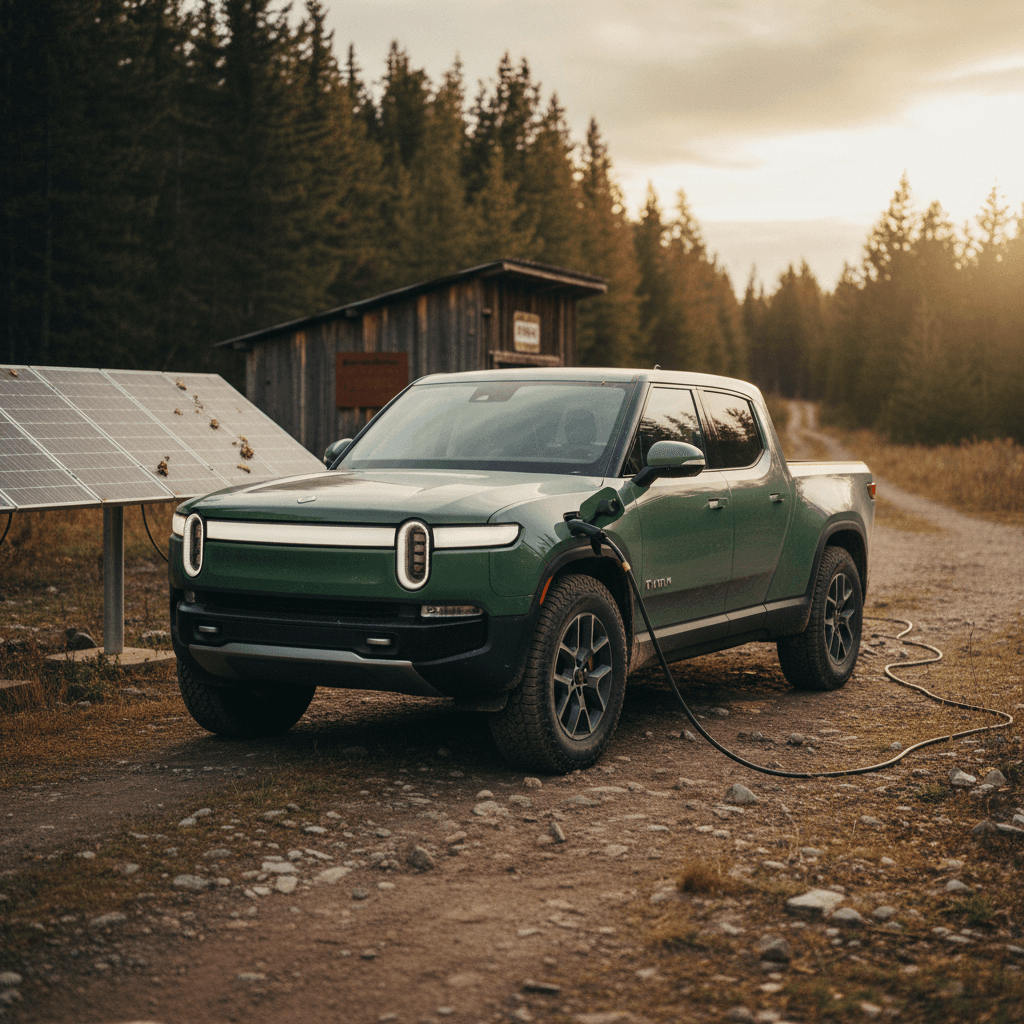
If you’re eyeing a 2025 Rivian R1T, you’ve already fallen for the looks and the numbers. The big question now is reliability. The 2025 Rivian R1T reliability rating from major agencies is still below average, and early owner stories are a mixed bag of grins and service appointments. This guide pulls together ratings, real-world issues, and practical shopping tips so you know exactly what you’re getting into, especially if you’re considering a used R1T.
Quick context
2025 Rivian R1T reliability at a glance
2025 R1T reliability snapshot
If you boiled the 2025 R1T down to a single line, it would be this: spectacular to drive, shaky to trust completely. Reliability scores from JD Power and consumer-survey outlets paint a picture of an electric truck that still behaves like an early adopter product, even four years into production. At the same time, many owners put tens of thousands of miles on their trucks with nothing more than software quirks and minor trim complaints.
Who should think twice
How the 2025 R1T reliability rating is calculated
Here’s the unglamorous truth about any 2025 Rivian R1T reliability rating: nobody has years of hard data on the 2025 model itself yet. What you’re seeing from JD Power, Consumer Reports, and others is a blend of three things:
- Owner-reported problems on earlier R1T model years (2022–2024) covering everything from door seals to total loss of drive power
- The type and frequency of Rivian recalls and service bulletins, especially those touching safety-critical systems
- Survey-based impressions of build quality, in-car electronics, and how often vehicles need unscheduled repairs or software fixes
What JD Power looks at
JD Power’s predicted reliability score for the 2025 R1T (around 69/100) is based on problems per 100 vehicles across similar Rivian products, with heavy weight on earlier years of the R1T and R1S. It lumps together everything from minor squeaks to major powertrain faults.
In plain English: you’re more likely to see a warning light or visit service than in the typical gas pickup.
What owner surveys capture
Consumer-focused outlets ask owners about frequency and annoyance level of issues. Rivian tends to score poorly on reliability but extremely high on overall satisfaction, meaning people love the trucks even when they’re in for repairs.
For you, that means you need to weigh joy-of-ownership against the risk of hassle-and-waiting.
How to read these scores
Common 2025 R1T problems to watch for
Because the 2025 R1T shares its basic platform and many components with 2023–2024 trucks, the best clues to future trouble come from those earlier years. Here are the problem areas that show up again and again in owner reports, service bulletins, and recall campaigns.
Where the 2025 R1T tends to act up
Not every truck sees these issues, but they’re common enough to watch for on a test drive.
Software & driver-assistance glitches
Owners report Driver+ and other advanced driver-assistance features randomly shutting off, throwing "features unavailable" warnings, or behaving inconsistently after over‑the‑air (OTA) updates.
Symptoms: surprise chimes, lane-keep dropping out, hands-free systems disengaging when they shouldn’t.
12‑volt & electronic gremlins
Like many EVs, the R1T depends on a traditional 12‑volt system to wake up the truck. A failing low‑voltage system can cause no‑start situations, stuck in Park, or a forest of warning lights.
Symptoms: truck won’t power on, multiple systems offline, recovery only after tow or service reset.
Suspension, alignment & tire wear
Some owners complain of premature inner tire wear, steering vibration, and clunks over rough pavement. Rivian has issued service bulletins over time to quiet excessive noise and refine alignment specs.
Symptoms: uneven tire wear, pulling, or a truck that feels less tight than its mileage suggests.
Fit, finish & hardware faults
Loose interior trim, creaks, wind noise, and bed/tailgate alignment issues still pop up. They’re rarely safety-critical, but they do send you back to the service bay.
Symptoms: rattles over bumps, water intrusion, misaligned panels.
HVAC & cabin comfort issues
Older R1Ts have seen noisy HVAC compressors and intermittent heating or defrost performance, especially in extreme temperatures. Technical bulletins target excessive cabin noise and vibration.
Symptoms: loud fan/compressor, weak windshield defrost, odd smells.
Charging quirks & public-network bugs
DC fast charging generally works well, but occasional software mismatches with certain stations or post-update bugs can limit charge speed or throw fault codes.
Symptoms: lower-than-expected charge rates, aborted charging sessions, warnings on the driver display.
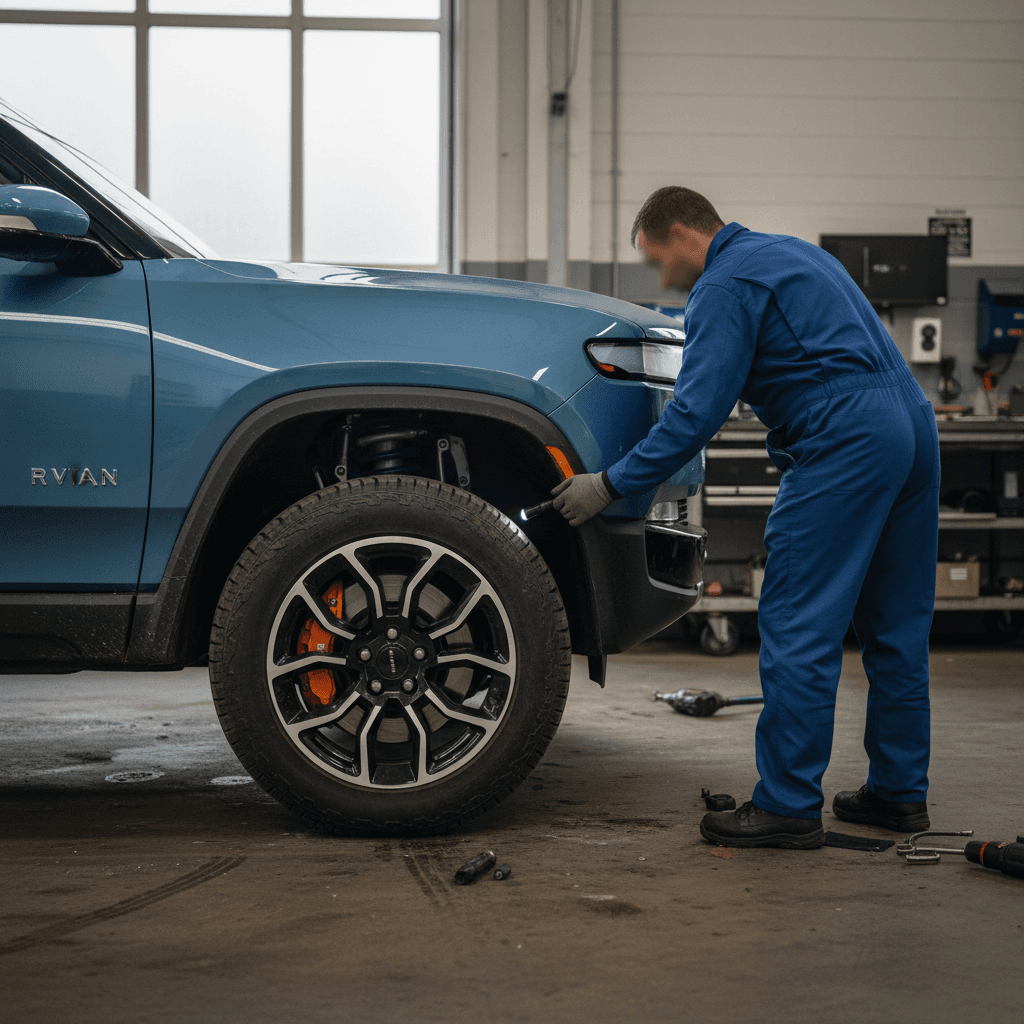
Walk away from these red flags
Recalls affecting the 2025 Rivian R1T
Recalls are part of owning any modern vehicle, but they’re especially common with young EV brands ironing out first- and second‑generation hardware. For the 2025 R1T, two themes stand out so far: advanced driver-assistance software and safety-critical components like seat belts and lighting.
Key recall themes for the 2025 R1T
Exact campaign numbers change over time, but these are the categories you’re most likely to see on a vehicle history report or NHTSA lookup.
| Area | Typical Fix | Risk if Ignored | How It’s Updated |
|---|---|---|---|
| Highway / Driver+ assist software | Over‑the‑air (OTA) software update to correct misidentification of lead vehicles or lane-marking issues | Unexpected braking or failure to respond correctly to traffic, increasing crash risk if you rely too heavily on the system | Usually OTA; in rare cases, dealer visit for calibration |
| Exterior lighting / visibility | Reprogramming headlamps, replacing faulty light units, or updating cold‑weather performance logic | Reduced night visibility or non‑compliant lighting in certain conditions | Dealer service with updated parts or software |
| Labels & compliance (tire, weight, etc.) | Installing corrected labels for GVWR, tire info, or airbag warnings | Incorrect loading or tire-pressure information that could lead to unsafe operation | Quick dealer visit; often combined with other work |
| Seat-belt & restraint-related issues (prior years, possible carryover) | Inspection and, if needed, replacement of belt anchors or tensioners | Improper restraint performance in a crash | Dealer inspection and hardware replacement if required |
Always run the VIN through the NHTSA recall site before you buy any new or used Rivian R1T.
How to check a specific truck
Software updates: the blessing and the curse
Rivian leans hard on over‑the‑air updates. That’s terrific when you wake up to better range estimates, new drive modes, or a calmer Driver+ system. It’s less terrific when a major update lands and suddenly your truck throws new fault codes, or features you’ve relied on go offline until Rivian issues a follow‑up patch.
Why OTA is a win
- Faster fixes: Many bugs and mild recalls are resolved without a shop visit.
- New features over time: 2022 trucks now drive and feel different, often better, than they did at delivery.
- Better diagnostics: Rivian can often see what went wrong remotely and prepare parts before you arrive.
Where OTA can bite
- Short‑term instability: Big updates sometimes introduce new glitches before they’re patched.
- Inconsistent experience: Two trucks on different software versions may behave differently on the same road.
- Owner surprise: Your go‑to settings can change overnight unless you read the release notes.
What you can do as an owner
Owner experiences: mixed but passionate
Spend ten minutes in an R1T owners’ forum and you’ll see the pattern: some drivers report 10,000–20,000 nearly flawless miles, while others rack up half a dozen service visits in their first year. The common thread is that people love the way the truck drives even when they’re frustrated by the time and distance it takes to get it fixed.
"I’ve put over 20,000 miles on my R1T in a year with one mobile visit for a minor sensor. It’s the best vehicle I’ve ever owned. But my friend’s R1T has been back to the service center so many times he’s looking at lemon law options. Same truck, totally different stories."
- Owners near major metro service centers generally report smoother experiences than those who live 100+ miles away.
- Loaner availability and communication quality vary widely by location and workload.
- Many owners accept the hassle because the R1T’s performance, design, and off‑road ability are genuinely special.
Service access matters more than usual
How the 2025 R1T compares to other EV trucks
In the EV truck world, nobody is wearing a reliability halo yet. The Tesla Cybertruck and other first‑wave electric pickups have their own gremlins. But Rivian has earned particular attention for the gap between owner delight and measurable dependability.
2025 EV truck reliability: R1T vs key rivals (big-picture view)
This table summarizes general reliability impressions from major surveys and owner reports as of early 2026. Exact scores vary by source, but the pattern is consistent.
| Model (2025) | Predicted Reliability | Biggest Issues Mentioned | Owner Satisfaction |
|---|---|---|---|
| Rivian R1T | Below average | Software bugs, electronic glitches, fit/finish, occasional driveline & suspension repairs | Very high |
| Tesla Cybertruck | Below average | Build-quality variation, software behavior, unusual parts availability | High but polarized |
| Ford F‑150 Lightning | Average to below average | Early battery & charging issues, some electronics problems, dealer-to-dealer variation | Moderate to high |
| Chevrolet Silverado EV (early builds) | Too new / limited data | Software & launch‑phase issues typical of first‑year models | Too early to judge |
Use this as directional guidance, not as a substitute for checking the latest ratings and recalls for each truck you’re cross‑shopping.
Where the R1T still shines
Warranty coverage and what it means for you
One reason some shoppers are comfortable rolling the dice on a 2025 R1T is Rivian’s relatively strong warranty. The exact terms can change slightly over time, but for U.S. R1T trucks built in 2024–2025, you can generally expect:
- New vehicle limited warranty: typically 5 years or 60,000 miles, covering most non‑wear components.
- Battery pack warranty: about 8 years or 175,000 miles against defects and excessive capacity loss, giving you a long runway on the most expensive piece of hardware.
- Drivetrain warranty: separate coverage (often aligned to the battery term) for motors, gearboxes, and inverters.
- Corrosion and roadside assistance: additional coverage windows that help with rust perforation and basic towing if something strands you.
Read the fine print, carefully
Shopping used 2025 Rivian R1T: what to check
If you’re considering a used 2025 R1T, the homework you do before delivery matters more than it would on a well‑proven truck from an old‑line brand. You’re not just looking for cosmetic dings, you’re trying to predict future downtime.
Pre‑purchase checklist for a used 2025 R1T
1. Pull a full digital history
Ask for a vehicle history report plus Rivian service records. Look for repeated visits for the same problem, long stretches in the shop, or any mention of "loss of drive power," "no start," or major drivetrain replacement.
2. Confirm software & recall status
Verify the truck is on a current, stable software version and that all recalls and service campaigns have been completed. At Recharged, this is baked into every <strong>Recharged Score Report</strong>, so you’re not guessing.
3. Inspect tires, brakes & alignment
Uneven tire wear, feathered tread blocks, or a steering wheel that’s off-center can point to alignment or suspension issues. Budget for an alignment at minimum, or dig deeper if the truck wanders or pulls.
4. Stress‑test Driver+ and electronics
On your test drive, use adaptive cruise, lane‑keeping, cameras, and every switch you can reach. Watch for warning messages, laggy screens, or random feature dropouts.
5. Check for leaks, noises & panel fit
Drive over rough pavement at low speed with the radio off. Listen for clunks, buzzes, or water sloshing. After a wash or rainstorm, inspect door seals, the frunk, and the bed for water intrusion.
6. Verify charging behavior
If possible, plug into both Level 2 and DC fast chargers. Confirm the truck connects quickly and charges at expected speeds for its battery and state of charge.
How Recharged helps de‑risk a used R1T
FAQ: 2025 Rivian R1T reliability rating
Frequently asked questions about 2025 R1T reliability
Bottom line: is the 2025 R1T too risky?
The 2025 Rivian R1T is one of those rare vehicles that can make you smile every time you walk up to it and still make you grit your teeth when an unexpected warning light pops on. Its reliability rating sits below the industry average, and Rivian’s young service network means even minor issues can feel bigger than they would in a truck from a legacy brand. But for the right driver, someone who prioritizes performance, design, and EV adventure over absolute predictability, it can be a deeply satisfying choice.
If you’re leaning toward a 2025 R1T, go in with clear eyes: plan for the possibility of software quirks, keep a close eye on service bulletins, and make sure you have reasonable access to a Rivian service center. If you’re shopping used, consider working with an EV‑focused marketplace like Recharged, where every R1T comes with a Recharged Score battery‑health report, verified history, and expert guidance. That way, you’re not just buying into the R1T’s wow‑factor, you’re managing the risk that comes with it.