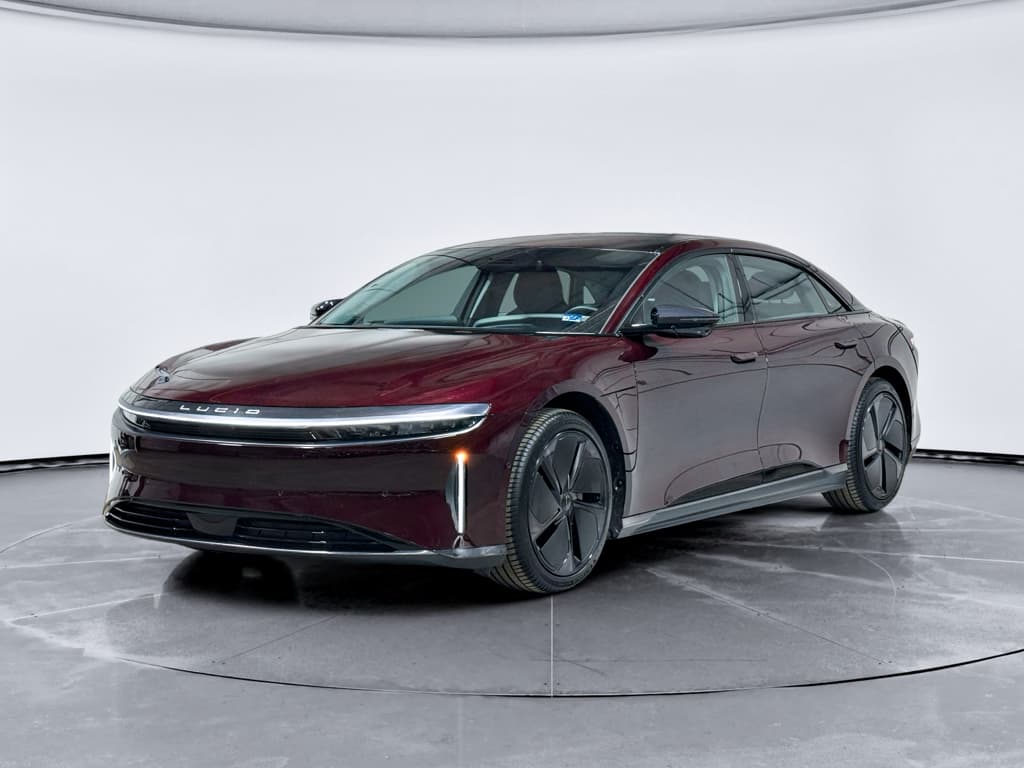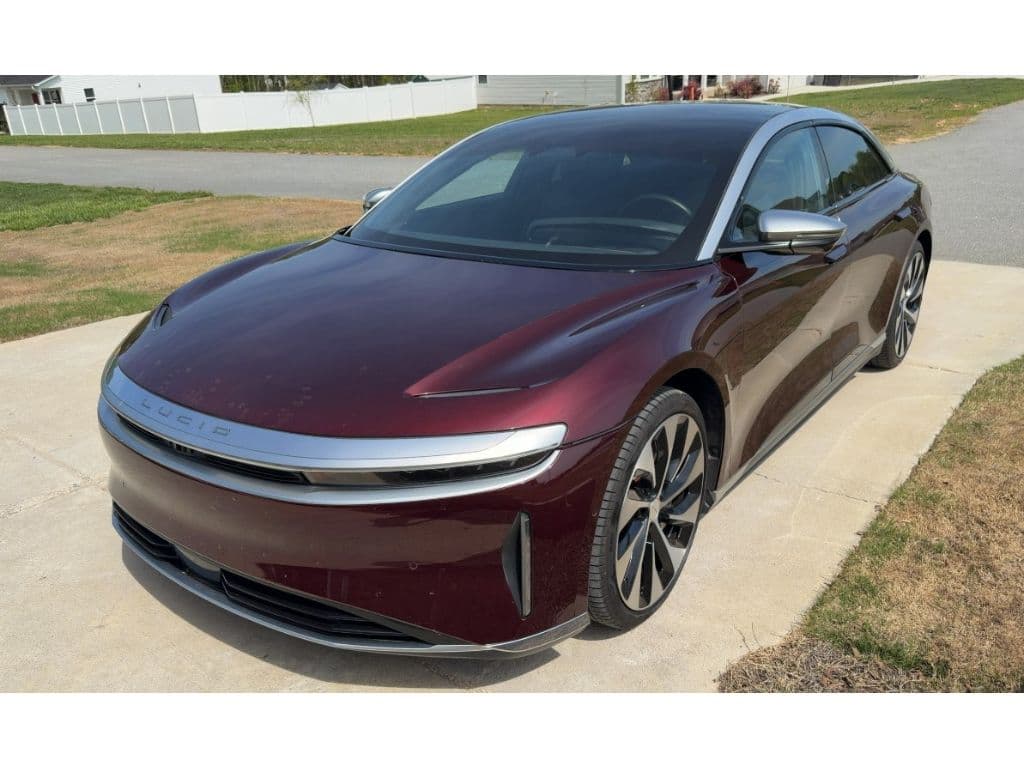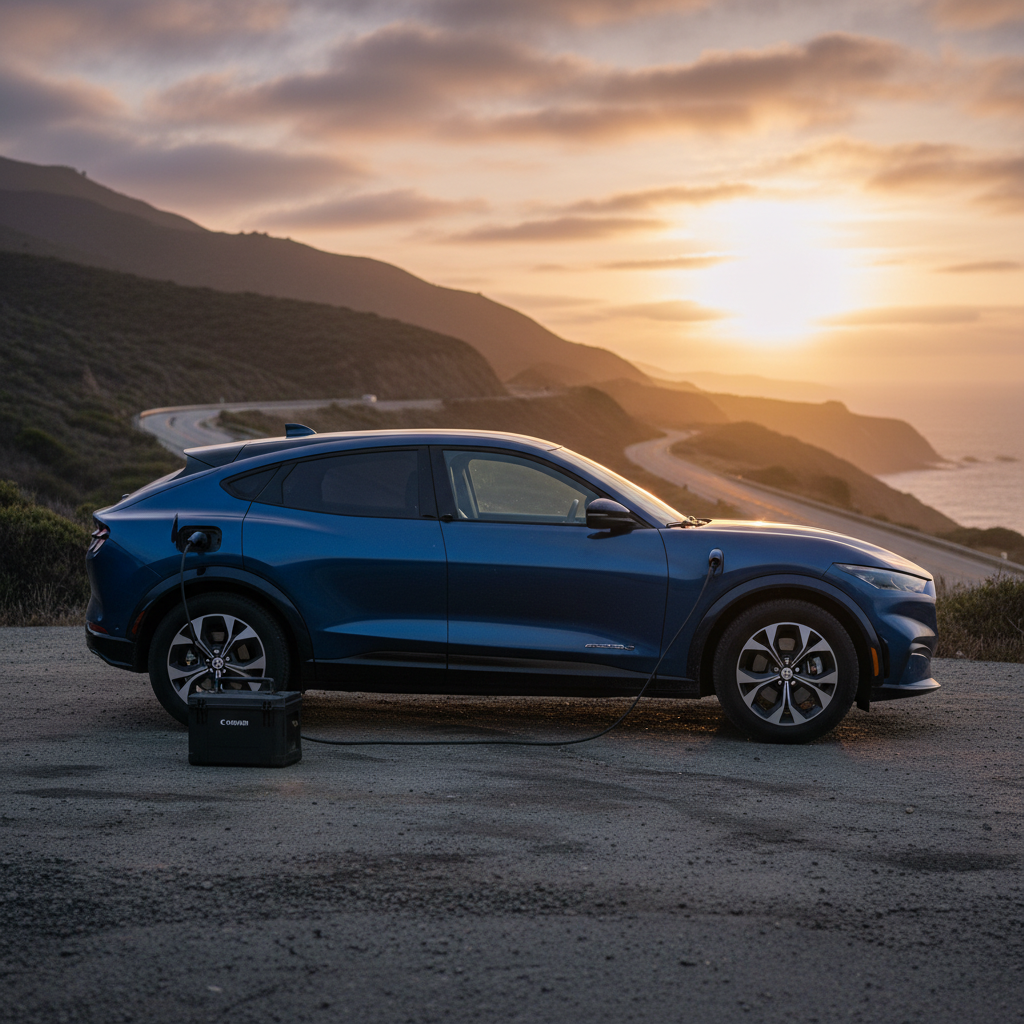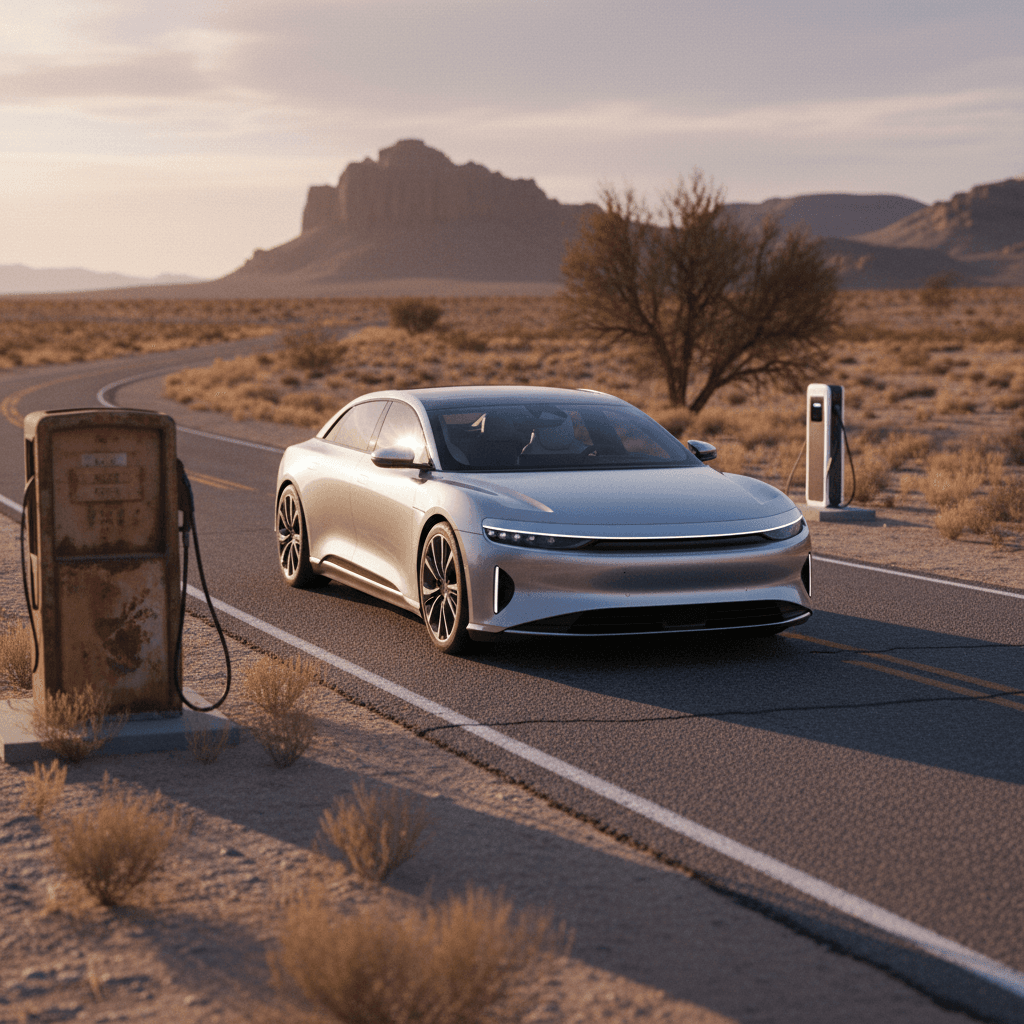
If you care about electric range, the 2025 Lucid Air is still the car that makes everyone else sweat. With up to 512 miles of EPA-rated range and efficiency that touches 5.0 miles per kWh on the base Pure, it remains the long-range benchmark among production EVs. But range is only half the story. Tight finances at Lucid, evolving software, and steep depreciation all change the way you should look at this car, especially if you’re cross-shopping a Tesla Model S or considering a used Air.
Quick take
Who the 2025 Lucid Air Is For
Is the 2025 Lucid Air a good fit for you?
Different trims suit very different kinds of drivers
Long-distance commuters & road-trippers
Luxury EV shoppers
Value-focused used EV hunters
If you mainly drive a few miles around town and charge at home every night, you’ll never tap most of what the Air can do. But if you hate range anxiety, want something more distinctive than a Model S, and are comfortable betting on a newer brand, the 2025 Lucid Air deserves a close look.
2025 Lucid Air trims, pricing, and key specs
The 2025 Lucid Air lineup in the U.S. consists of four main trims: Pure, Touring, Grand Touring, and Sapphire. All share the same basic aluminum-intensive platform and 900+ volt electrical architecture, but they differ a lot in power, driven wheels, and range.
2025 Lucid Air trims at a glance
Approximate U.S. MSRPs and headline specs for the 2025 model year. Actual transaction prices can be significantly lower depending on incentives and discounts.
| Trim | Drivetrain | Power | 0–60 mph (est.) | EPA range (max) | Approx. MSRP* |
|---|---|---|---|---|---|
| Pure | RWD | ~430 hp | 4.5 sec | 420 miles | $71,400 |
| Touring | Dual-motor AWD | ~620 hp | 3.4 sec | 406 miles | $80,400 |
| Grand Touring | Dual-motor AWD | 819 hp | 3.0 sec | 512 miles | $112,400 |
| Sapphire | Tri-motor AWD | 1,234 hp | ~1.9 sec | 427 miles | $250,500 |
Always confirm current pricing and range with Lucid or a retailer before you sign anything.
Sticker price vs reality
2025 Lucid Air: headline numbers
Range, efficiency, and charging performance
Lucid built its brand around efficiency rather than just stuffing in a bigger battery, and the 2025 Air continues that play. The entry-level Air Pure actually moves to a slightly smaller 84 kWh pack for 2025, yet manages an estimated 420 miles of range thanks to improved aero, thermal management, and software. That works out to about 5.0 miles per kWh, making it one of the most efficient vehicles of any kind on the U.S. market.
- Air Pure (RWD, 19" wheels): ~420 miles EPA, record-setting efficiency
- Air Touring (AWD): up to ~406 miles EPA
- Air Grand Touring (AWD, 19" wheels): up to 512 miles EPA
- Air Sapphire (tri-motor AWD): around 427 miles EPA despite supercar performance
Real-world range expectations
Charging speeds
The Air’s 900+ volt architecture and clever battery management let it take advantage of the fastest DC chargers on the road. Under ideal conditions on a 350 kW station, Lucid says you can add 200 miles of range in as little as 12–17 minutes, depending on trim:
- Pure: ~17 minutes to add 200 miles
- Touring: ~16 minutes
- Grand Touring: ~12 minutes
- Sapphire: ~15 minutes
That’s competitive with, or better than, anything this side of a Hyundai/Kia E-GMP car, and you’re starting from a much bigger range buffer.
Home and public AC charging
On Level 2 (240V) AC charging, you’re looking at roughly 9–14 hours for a near-empty to full charge, depending on battery size and amperage. Most owners simply plug in nightly and treat the Air like a smartphone. For apartment dwellers, pairing an Air with reliable DC fast charging infrastructure is key, something to think about if you’re shopping used in an area with sparse CCS coverage.
If you’re new to EVs, you may want to read a broader EV charging basics guide alongside this review.
Charging standard and Supercharger access
Performance and driving dynamics
Even the "slow" Lucid Air is quick. The single-motor Pure punches out around 430 hp and does 0–60 mph in the mid‑4‑second range. The dual-motor Touring steps that up to roughly 620 hp and low‑3‑second 0–60 times, squarely in Model S territory. Grand Touring and Sapphire move from "very fast" into "this is getting silly" territory.
How the Lucid Air drives
What you feel from behind the wheel, beyond the numbers
Composed and planted
Light but precise steering
Powertrain refinement
Ride quality and wheels
Interior design, comfort, and practicality
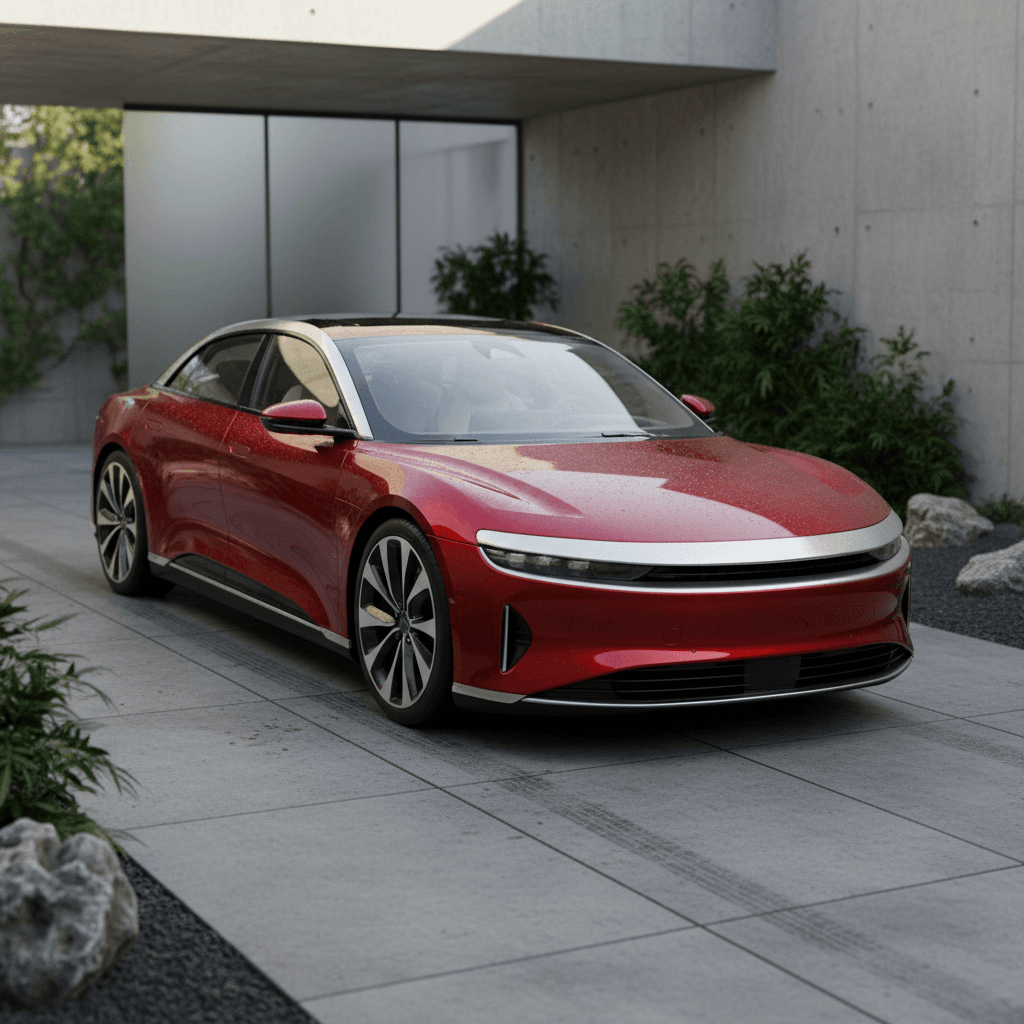
Lucid’s design brief was "California modern" rather than old-world German luxury, and it shows. The Air’s cabin feels airy and minimalist, with slim pillars, a low cowl, and expansive glass. Synthetic PurLuxe upholstery is standard, with real leather and more elaborate color themes available. For 2025, tri‑zone climate control and heated, power-adjustable front seats remain standard across the lineup.
- Excellent front-seat space with a low, relaxed driving position
- Rear-seat space is generous, though the sloping roofline can pinch headroom for very tall passengers
- Huge trunk plus a useful front trunk (frunk), though the rear opening is a conventional sedan, not a hatchback
- Cabin noise levels are low, but road noise on coarse asphalt can be more noticeable on bigger wheels
Check the back seat before you buy
Infotainment and DreamDrive driver assistance
Lucid’s cockpit is anchored by a curved, tablet-like display in front of the driver and a lower, retractable "Pilot Panel" in the center console. For 2025, Lucid rolls out new-generation control hardware with around three times the processing power and double the memory, aimed at making the UI more responsive and future-proof.
Infotainment strengths
- Sharp, bright displays with a clean design language
- Dedicated EV energy and route-planning tools that make good use of the large screen real estate
- Ongoing over‑the‑air (OTA) updates, including improvements to navigation, audio, and camera views
- Optional Surreal Sound Pro 21-speaker audio (standard on Grand Touring and Sapphire for 2025) that ranks among the best factory systems in any EV
Pain points and learning curve
- Some common functions are still buried in menus instead of having hard buttons or knobs
- Owners report occasional software glitches that get smoothed out by later OTAs, but you may be an unwitting beta tester
- Voice recognition and smartphone integration lag the very best systems from Apple, Google, and some legacy automakers
If you’re buying used, ask the seller to confirm the car is on the latest software and demonstrate basic functions before you commit.
DreamDrive and DreamDrive Pro
Hands-free ≠ self-driving
2025 updates: what actually changed?
Key changes for the 2025 Lucid Air
More efficient but smaller Pure battery
The Air Pure’s battery shrinks to about 84 kWh, but improved efficiency nudges range up to roughly 420 miles, making it one of the most frugal EVs on sale.
Standard heat pump across the lineup
Previously reserved for the Sapphire (and later Grand Touring), a heat pump is now standard on all 2025 Air trims, improving cold-weather efficiency and cabin heating.
New control hardware for infotainment
Lucid fits new-generation control hardware with around 3× the processing power and 2× the memory, aiming for faster, smoother UI performance and more headroom for future features.
Expanded standard driver-assistance
DreamDrive Premium becomes standard, bundling a surround-view camera, improved blind-spot display, and additional safety features that were formerly optional or limited to higher trims.
Audio upgrades on Grand Touring
The excellent Surreal Sound Pro system becomes standard equipment on Grand Touring, where it previously lived higher up the options sheet.
From a shopper’s point of view, the 2025 Air is less about a visual refresh and more about incremental technical refinement. The car you see in photos looks almost identical to earlier years; what’s changed is the engineering under the skin and the value equation as prices, incentives, and software have evolved.
Lucid Air vs. Tesla Model S and other rivals
The Air entered the market with a clear target: beat the Tesla Model S on range, efficiency, and refinement while undercutting German luxury EVs on price. In 2025, that basic positioning still holds, but the competitive picture is more nuanced.
2025 Lucid Air vs. key luxury EV rivals
High-level comparison of where the Air stands against major alternatives.
| Model | Max range (approx.) | 0–60 mph (quickest trim) | Starting price (approx.) | Notable strengths |
|---|---|---|---|---|
| Lucid Air | Up to 512 mi | ~1.9 s (Sapphire) | $71k | Class-leading range and efficiency; very fast charging; airy cabin |
| Tesla Model S | Up to ~402 mi | ~1.99 s (Plaid) | $75k | Mature software ecosystem; Supercharger-native; large owner community |
| Mercedes EQE/EQS sedan | Up to ~350 mi | ~3.4 s | $75k+ | Traditional luxury feel; excellent seats and ride comfort |
| BMW i7 | Up to ~321 mi | ~4.5 s | $106k | Superb NVH and comfort; tech-rich interior; strong dealer support |
| Audi e-tron GT / Porsche Taycan | Up to ~249–300 mi | ~2.5 s | $107k+ | Sharp driving dynamics; Porsche cachet; high build quality |
Specifications are approximate and can vary by configuration. Always compare specific trims, not just nameplates.
Where the Air beats the Model S
- Range and efficiency: The Air’s top trims simply go farther, and the Pure’s mi/kWh figure is in another league.
- Cabin design: The Air feels more open and "lounge-like" than the somewhat dated Model S interior.
- On-paper value: Base pricing undercuts many rivals, especially considering range and performance.
Where the Air lags
- Charging ecosystem: CCS networks are improving, and Supercharger access via adapter helps, but Tesla still offers the most seamless experience today.
- Software maturity: Lucid’s UI and feature set are rapidly improving but haven’t been refined over a decade like Tesla’s.
- Brand/retail footprint: Fewer service centers and a younger dealer/retail network mean more variability in customer experience and support.
Who should choose a Lucid over a Tesla or Mercedes?
Ownership costs and used-market outlook
The brutal reality is that most early Lucid Airs have depreciated faster than Tesla or German luxury EVs. That’s painful if you bought new in 2022, but it also sets up some intriguing used-market plays for 2025 shoppers who do their homework.
What to watch with Lucid Air ownership
Because Lucid is still scaling and managing its finances, resale values are inherently more uncertain than for a Toyota or BMW. That doesn’t mean the Air is a bad buy; it just means you should approach it more like a high-end tech product than a Camry. Expect rapid software and feature evolution and plan your ownership window accordingly.
Why a used Air can be a smart play
Buying advice: new vs. used Lucid Air
How to shop for a Lucid Air in 2025
1. Start with your real range needs
If your daily driving is modest and you take a few road trips a year, a used Air Touring or Grand Touring may already provide more range than you’ll realistically use. If you’re constantly on the interstate, the 2025 Grand Touring’s refinements and warranty might justify going new.
2. Decide how much performance you’ll actually use
The Sapphire is an engineering flex, but it’s overkill for almost everyone. For most buyers, the Touring hits the sweet spot between speed, range, and price; the Pure is plenty quick for everyday use.
3. Scrutinize battery health on used examples
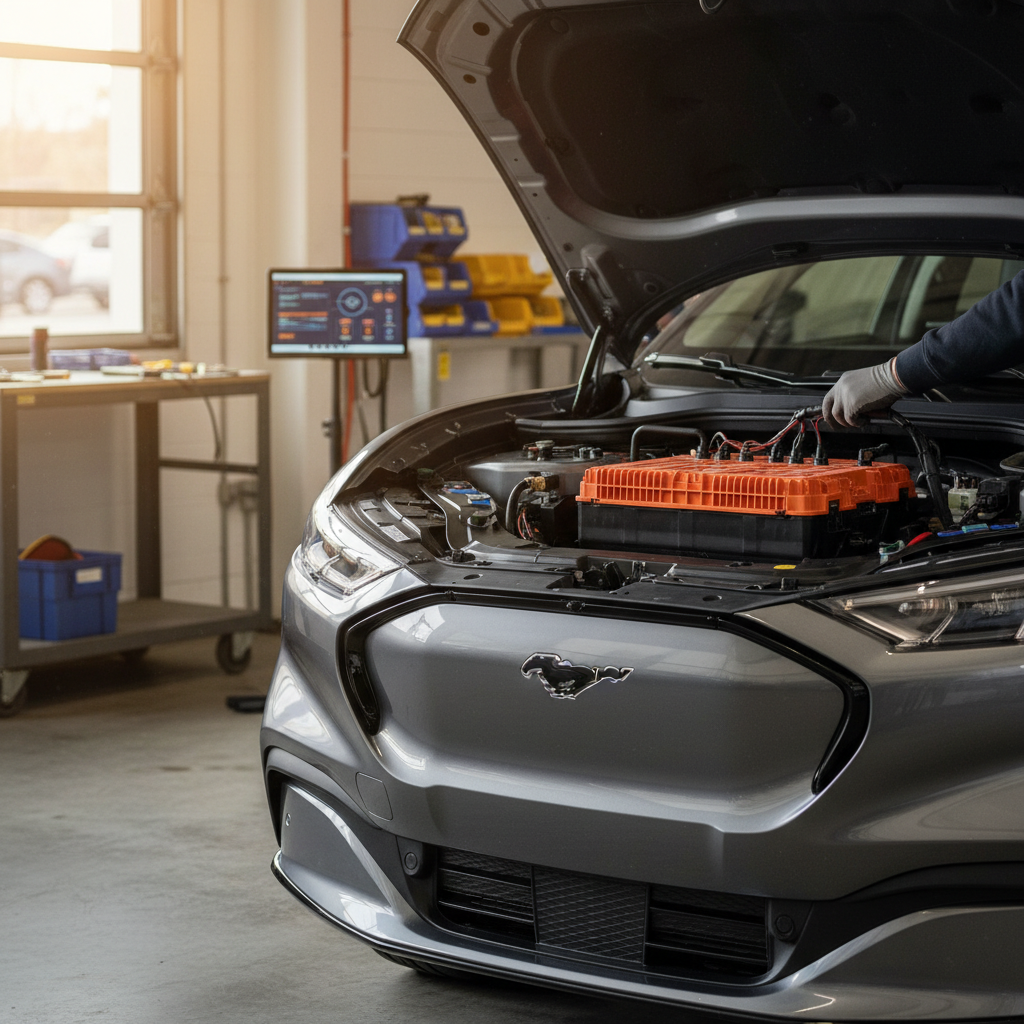
Battery replacement is by far the biggest potential expense on any high-end EV. When you’re shopping used, insist on <strong>independent battery-health data</strong>. Recharged’s <strong>Recharged Score</strong> and battery diagnostics are designed to quantify this for you instead of relying on guesses.
4. Verify software version and feature set
Ask the seller (or salesperson) to show the software version and demonstrate key ADAS features, camera views, and infotainment responsiveness. A car that’s up to date, and on the right DreamDrive tier, is worth more than one that’s lagging behind.
5. Understand charging where you live
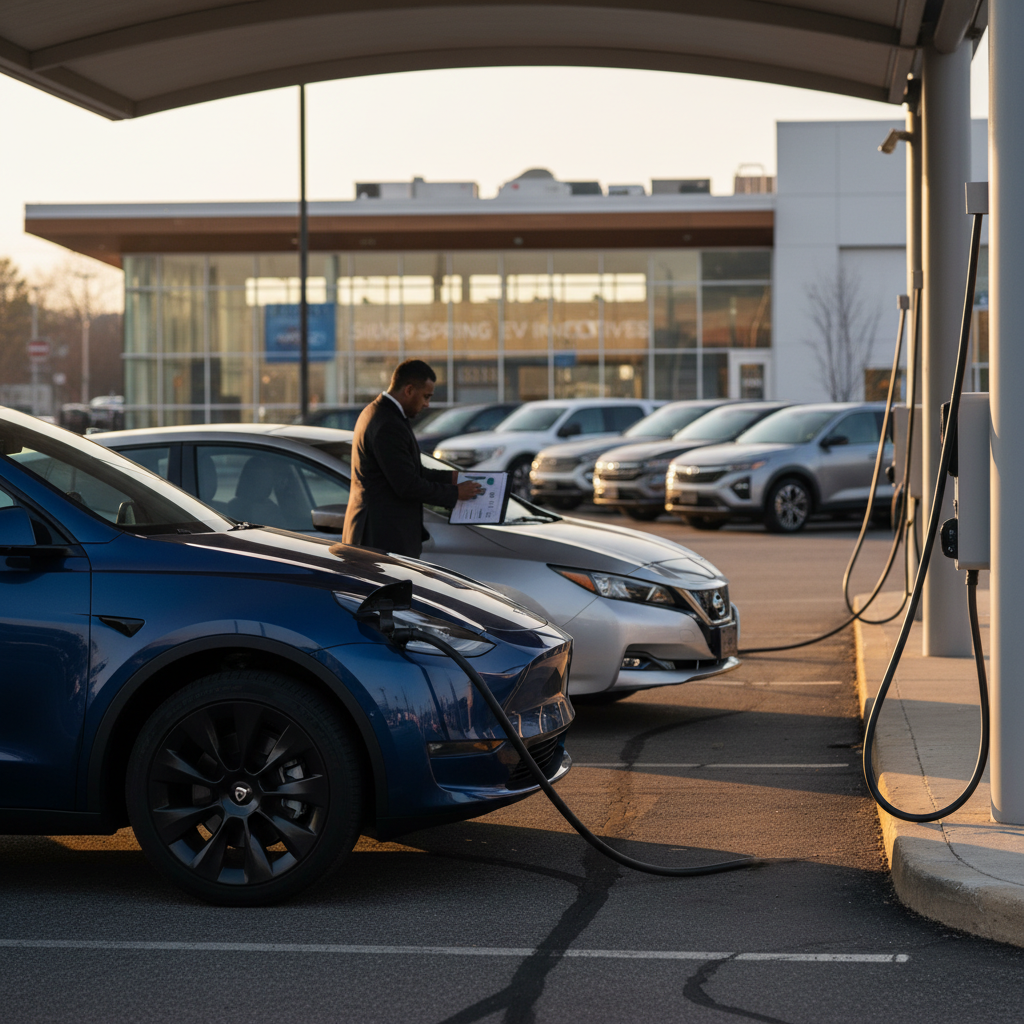
Look at CCS and Supercharger coverage along your typical routes using PlugShare, the Tesla app, or similar tools. The Air’s range buys you flexibility, but you still need confidence that there are reliable fast chargers where you actually drive.
6. Run the numbers on warranty and TCO
Factor in remaining factory warranty, potential extended coverage, energy costs, and anticipated depreciation. A slightly more expensive car today with stronger warranty coverage and verified battery health can be cheaper to own over 5–7 years.
In EV land, the Lucid Air remains one of the purest expressions of what electrification does best: relentless, silent, long-legged speed. The open question is how well the brand and ecosystem mature around that core strength.
Viewed dispassionately, the 2025 Lucid Air is both brilliant and imperfect. It sets the bar for range and efficiency, offers truly formidable performance, and wraps it in a distinctive, comfortable package. At the same time, it comes from a young automaker still proving itself on software, service, and long-term durability. If you go in with your eyes open, armed with solid data on battery health, realistic expectations about resale value, and a clear sense of your charging options, it can be one of the most satisfying electric cars you can own.
If you’re considering a used Lucid Air or cross-shopping it with other long-range EVs, using a marketplace like Recharged gives you a head start. Every vehicle includes a Recharged Score Report with verified battery diagnostics, fair-market pricing analysis, and EV-specialist support from search to delivery. For a car as advanced, and as fast‑evolving, as the Lucid Air, having that extra layer of transparency isn’t just comforting; it’s smart risk management.