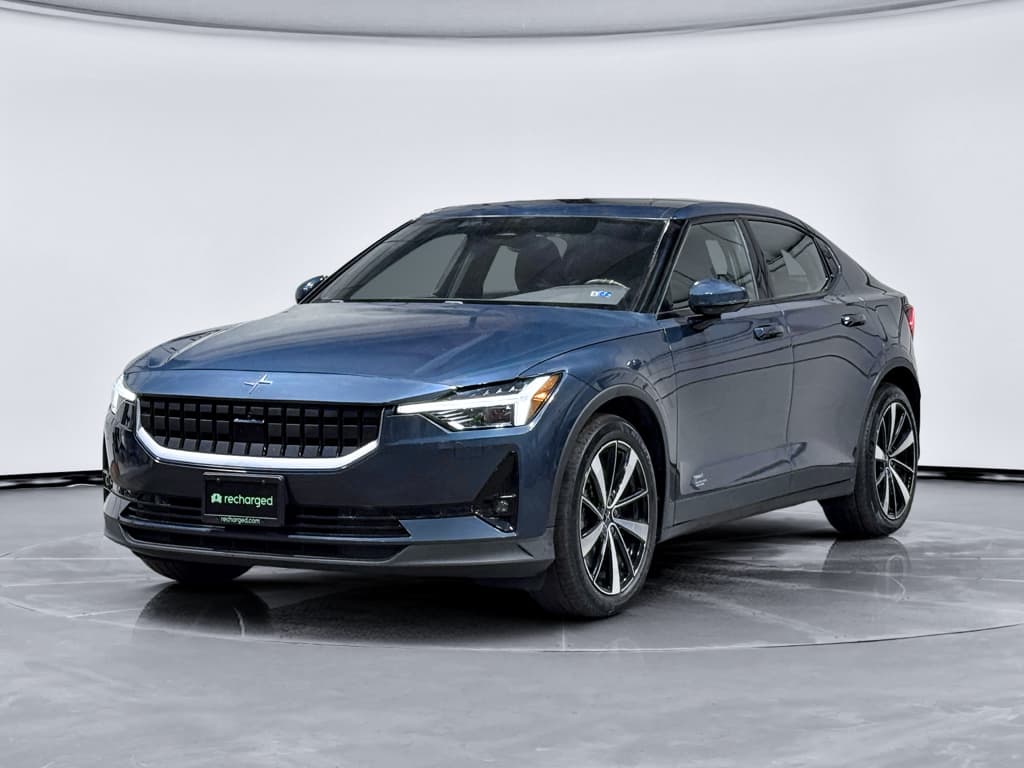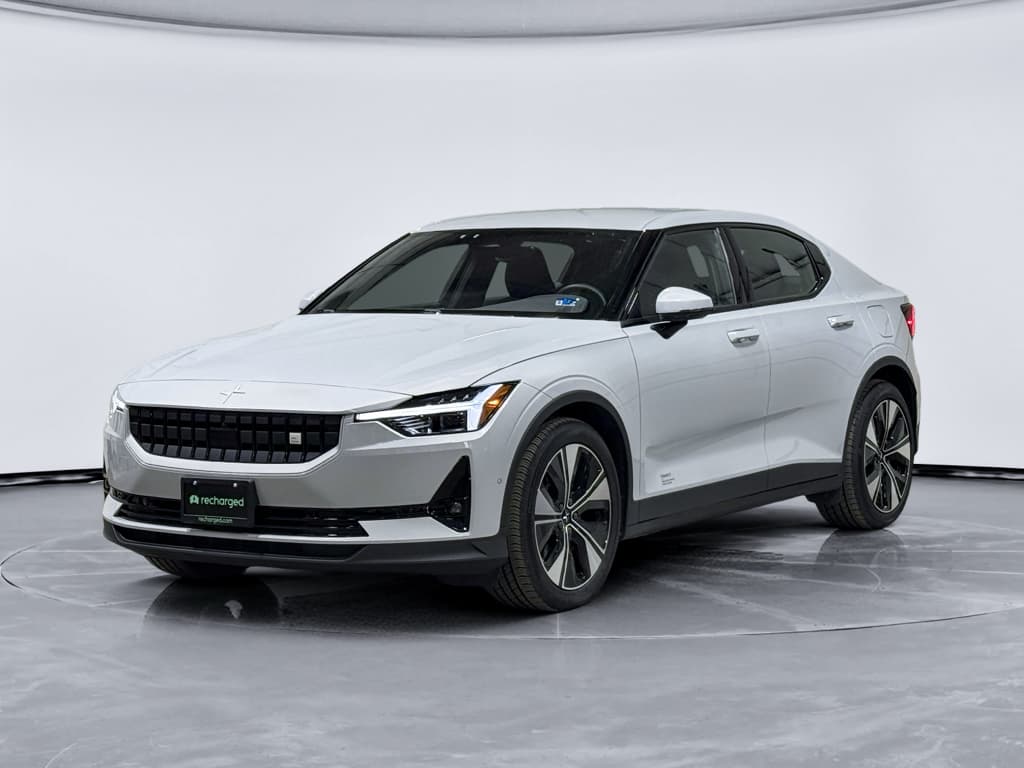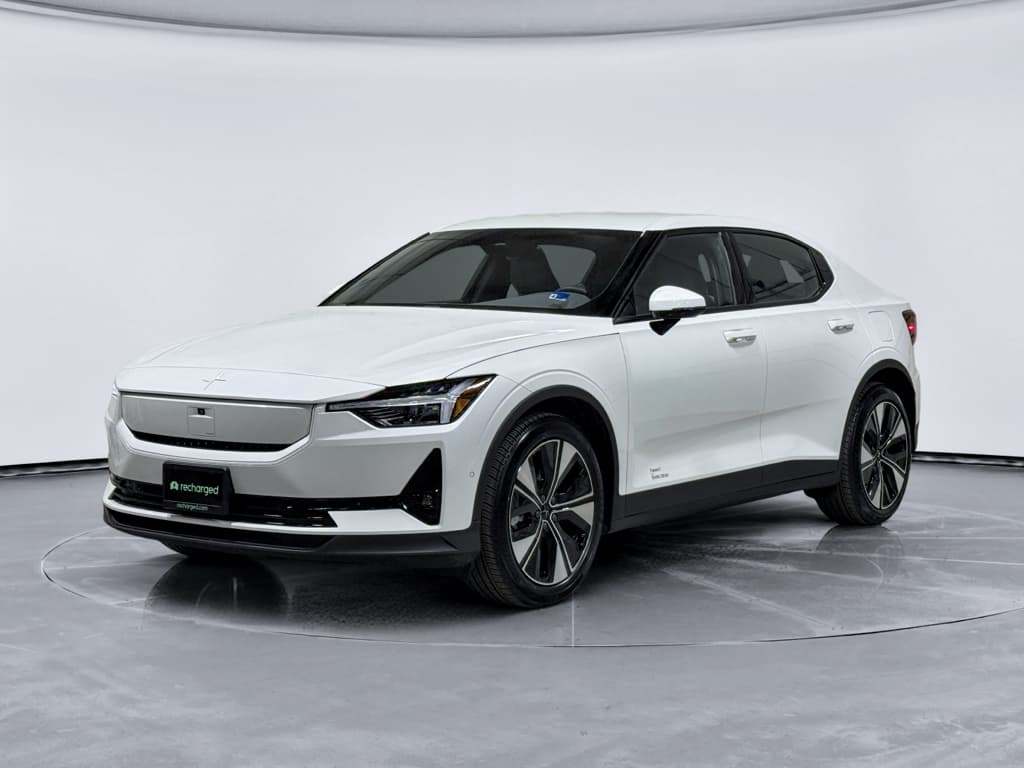
If you’re eyeing a 2025 Polestar 3, reliability is probably your biggest question. On paper, this Swedish‑designed luxury EV SUV rides on shared Volvo tech, has a big battery, and offers advanced safety features. In the real world, early owners are reporting a mix of stellar driving dynamics, and some frustrating software and quality hiccups. This guide pulls together what we know so far so you can decide if the Polestar 3’s reliability fits your risk tolerance, especially if you’re planning to buy one used.
Early‑production caveat
Overview: where 2025 Polestar 3 reliability stands now
The short version: the 2025 Polestar 3 drives like a premium SUV but behaves like early‑adopter tech. Owners consistently praise comfort, performance and refinement, yet a meaningful minority report repeated visits to the shop for software bugs, camera issues and driver‑assist faults. There have already been multiple recalls for the 2025 model year, though most are software‑fixable. That puts the Polestar 3 in a gray zone, roughly in line with other first‑generation EVs from smaller brands, but not at the “set it and forget it” level you see from mature models.
2025 Polestar 3 reliability snapshot (early days)
If you want a conservative, low‑drama family hauler, this matters. If you’re comfortable playing in the first wave, trading some risk for cutting‑edge design and driving feel, the Polestar 3 might still be compelling. The key is understanding what tends to go wrong and how it’s being handled.
Known issues, recalls and safety campaigns
For a brand‑new model, the 2025 Polestar 3 has already seen more than one recall campaign. That doesn’t automatically make it a bad bet, most modern vehicles see at least one recall, but it does tell you where Polestar is still maturing.
Key 2025 Polestar 3 recalls in the U.S.
This table summarizes major safety‑related issues that have surfaced for the 2025 Polestar 3 so far.
| Issue | Model years affected | Typical symptom | Fix | Impact on reliability |
|---|---|---|---|---|
| Rear‑view camera display fault | 2025 | Backup camera view doesn’t appear or shows 360° view instead | Over‑the‑air or dealer software update | Annoying but easily corrected once updated |
| Rear seat backrest striker not properly secured | 2025 | In a severe crash, rear backrests may not stay latched, increasing cargo‑intrusion risk | Dealer inspects and retorques / reinstalls hardware | One‑time hardware fix; important safety item |
| Polestar‑wide camera display glitches (shared with P2) | 2021–2025 (P2) and 2025 (P3) | “Camera temporarily unavailable” message, no image | Software update to stabilize communication between camera and infotainment unit | More about safety compliance than long‑term drivability |
Always run a VIN check with NHTSA or Polestar to see if a specific vehicle still has open recalls.
Don’t assume recalls are done
On their own, these recalls don’t spell disaster. What matters more is how quickly Polestar can deploy software fixes and whether future campaigns stay in the realm of inconveniences versus core drivability issues.
Software and tech glitches: the main reliability story
Like many modern EVs, the 2025 Polestar 3’s weakest link is software, not motors or batteries. Early owner reports describe cars that drive beautifully while the digital side of the experience lags behind.
Most common Polestar 3 software and tech complaints
Pulled from early owner anecdotes, your exact experience may vary.
Driver‑assist faults
Some owners report frequent "Driver support failure" or lane‑keeping errors when using Pilot Assist or lane‑centering. The system may drop out and ask for a service visit.
Infotainment glitches
Complaints include frozen or black screens, audio cutting out while the track timer still moves, and inconsistent Bluetooth or call functionality that returns only after a reboot.
Connectivity issues
Cellular connection sometimes fails to recover after driving through low‑coverage zones, leaving the car offline even when signal is strong again until it’s restarted.
Simple reboot can be a temporary fix
Why software issues matter for reliability
In the Polestar 3, critical systems are tightly integrated with the central computer. That means glitches can temporarily knock out driver‑assist, cameras or even keyless access, not just CarPlay or radio presets. From an owner’s perspective, anything that sends the car to the shop counts as a “reliability” issue, even if the fix is just a line of code.
Why it’s not all bad news
The upside is that many problems can be corrected with over‑the‑air (OTA) updates instead of physical repairs. Polestar has already pushed camera‑related fixes remotely, and it’s reasonable to expect additional updates to smooth out driver‑assist and infotainment gremlins over time.
Watch for repeat failures
Battery and drivetrain reliability on the Polestar 3
So far, battery and motor failures on the 2025 Polestar 3 appear rare but not nonexistent. One high‑profile owner story involved a brand‑new 2025 Polestar 3 that threw a “Battery system fault. Restart not possible.” message with only a few hundred miles on the odometer, leaving the car undriveable and requiring a flatbed tow to a distant service center. That’s an outlier, but it highlights why support infrastructure matters for a low‑volume brand.
- Most owner anecdotes focus on software, not high‑voltage hardware, as the root of problems.
- The dual‑motor powertrain is closely related to Volvo’s latest electric architecture, which has not shown systemic motor failures so far.
- High‑voltage battery defects are covered under a long warranty, and serious faults tend to appear early, often while the car is still under factory coverage.
Polestar 3 battery warranty basics
From an EV‑specific reliability angle, that’s good news. If there’s a weak spot emerging, it isn’t widespread motor failures or rapid battery degradation, it’s the “computer on wheels” layer sitting on top of the hardware.
Build quality, hardware issues and ride experience
On hardware, the 2025 Polestar 3 is a bit of a split personality. Owners frequently praise its refinement, quiet cabin, secure handling, strong brakes, yet there are scattered reports of small but frustrating build issues.
What owners say about Polestar 3 build quality
Highlights and headaches, beyond software.
Driving feel
Described as smooth, quiet and "freakishly comfortable". Many cross‑shoppers say it rides better than some rival luxury EV SUVs and even out‑ranges certain older Teslas in mixed driving.
Fit and finish
Most cabins feel solid, but there are reports of sticky or malfunctioning door handles, minor trim issues, and occasional rattles, typical early‑build quirks on a new platform.
Ride & space
Some testers note the Polestar 3 feels very big and heavy, with limited cargo space relative to its exterior size and a slightly unsettled feel when switching power modes or in sharp transitions.
None of these are catastrophic, but they’re worth watching on a test drive. Check that every door handle presents and retracts properly, that power seats and tailgate function smoothly, and that there are no unusual squeaks over rough pavement.
Warranty coverage, roadside help and service experience
Reliability isn’t just about what breaks, it’s also about how painful it is when something does. Here, Polestar offers competitive warranty coverage but a thin service network compared with mainstream brands.
2025 Polestar 3 warranty coverage at a glance (U.S.)
Exact terms can vary by region and over time; verify with Polestar before purchasing.
| Coverage type | Typical term | What it covers | Reliability impact |
|---|---|---|---|
| New vehicle limited warranty | ~4 years / 50,000 miles | Most non‑wear components, including many electronics | Protects you from early‑life defects while patterns emerge. |
| High‑voltage battery warranty | Up to 8 years with mileage cap | Battery pack defects and excessive capacity loss | Mitigates long‑term EV‑specific worries. |
| Corrosion & paint | Multi‑year, mileage‑capped | Rust‑through and some paint defects | Useful in harsh climates, not core to drivability. |
| Roadside assistance | Included during base warranty term | Towing for breakdowns or undriveable faults | Important given the limited service network. |
This overview is meant as a guide, not a legal document. Always confirm with current Polestar materials.
Service centers and parts delays
If your nearest Polestar‑authorized service point is hours away, a major fault can mean a long tow plus days, or weeks, of downtime. That’s where a strong roadside plan and a clear loaner‑car policy from your retailer become just as important as the spec sheet.
Ownership costs, downtime risk and lemon‑law angles
From a day‑to‑day cost standpoint, the 2025 Polestar 3 benefits from the same EV strengths as its peers: fewer moving parts, no oil changes, and strong regenerative braking that can stretch pad and rotor life. Where it may cost you more is in time lost if you draw an early build with gremlins.
Downtime risk
- Some owners report weeks to more than a month in the shop for repeated software faults, failed onboard chargers, or unresolved driver‑assist errors.
- Parts logistics and limited technical expertise at some service centers can stretch out repair timelines.
- Loaner coverage varies; get this in writing before you sign.
Lemon‑law considerations
In many U.S. states, a car that spends 30 or more cumulative days out of service for warranty repairs in the first year (or a small number of repeated repair attempts for the same serious defect) may qualify as a lemon. A few Polestar 3 owners have already gone through buyback processes on that basis.
Keep detailed logs of every fault, date, and repair order. If problems stack up, talk with a consumer‑rights attorney early rather than late.
How Recharged can reduce your risk
Ready to find your next EV?
Browse VehiclesBuying a used 2025 Polestar 3: reliability checklist
Because the 2025 model year is already filtering into the used market, often as early lease returns or buybacks, you’ll want to be extra methodical. Here’s a reliability‑focused checklist to work through before you commit.
Pre‑purchase reliability checklist for a used 2025 Polestar 3
1. Run a full recall and campaign check
Use the VIN to look up open recalls on NHTSA’s website and Polestar’s own recall portal. Confirm that camera and rear‑seat campaigns have been completed, and ask for documentation.
2. Review service history for repeat visits
Ask for complete service records. Multiple trips for the same issue, especially charger failures, driver‑assist faults, or infotainment crashes, are red flags. A single visit followed by a successful software update is less concerning.
3. Test all driver‑assist features
On a thorough test drive, repeatedly engage Pilot Assist, lane‑keeping and adaptive cruise. Watch for warning messages (“Driver support failure”) or unexpected disengagements. These systems should feel smooth and predictable, not jittery or error‑prone.
4. Stress‑test infotainment and connectivity
Play audio from different sources, place calls, use navigation, and toggle between apps. Let the car sit, then restart and try again. You’re looking for freezing, random rebooting or lost sound with the track still playing.
5. Inspect hardware closely
Check all door handles, power seats, windows, hatch, and charging port operation multiple times. Listen for rattles over rough roads. Inspect seals and panel alignment around doors and liftgate, it’s your best peek into build quality.
6. Verify battery health and DC fast‑charge behavior
Ask for a recent battery health report or have one run independently. On a test, if possible, use a DC fast charger and note whether charging starts cleanly and progresses at a reasonable rate without unexpected faults.
7. Confirm remaining warranty and roadside coverage
Have the seller verify, in writing, the in‑service date and remaining new‑car and battery warranty. Make sure roadside assistance is active, or line up your own coverage before you take delivery.
Use data, not just a test drive
So, is the 2025 Polestar 3 a reliable EV?
Putting it all together, the 2025 Polestar 3 lands in the “promising but immature” reliability bucket. The underlying EV hardware, motors, battery, chassis, looks reasonably solid so far, and many owners are delighted with how the SUV drives. But the number of software bugs, camera‑related recalls, driver‑assist glitches and long repair times points to a brand still climbing the learning curve.
Good fit if…
- You value design, driving feel and safety tech as much as bulletproof appliance‑grade reliability.
- You live near a strong Polestar/Volvo service center and have backup transportation.
- You’re comfortable receiving and managing periodic software updates.
- You’re buying with ample warranty remaining (or a strong third‑party protection plan).
Think twice if…
- You need a zero‑drama family hauler with minimal time for service visits.
- Your nearest Polestar‑authorized shop is far away and loaner coverage is unclear.
- You’re highly risk‑averse and prefer a model with years of reliability data behind it.
- You can get similar space and range from a more established luxury EV SUV with a better‑developed service network.
If you love what the 2025 Polestar 3 offers, the smart play is to stack the odds in your favor: target examples with clean histories, completed recalls and plenty of warranty left, and buy through a seller that’s transparent about battery health and prior repairs. That’s exactly the niche Recharged is built for, making used EV ownership, even with younger brands like Polestar, feel a lot less like a gamble and a lot more like a well‑informed choice.