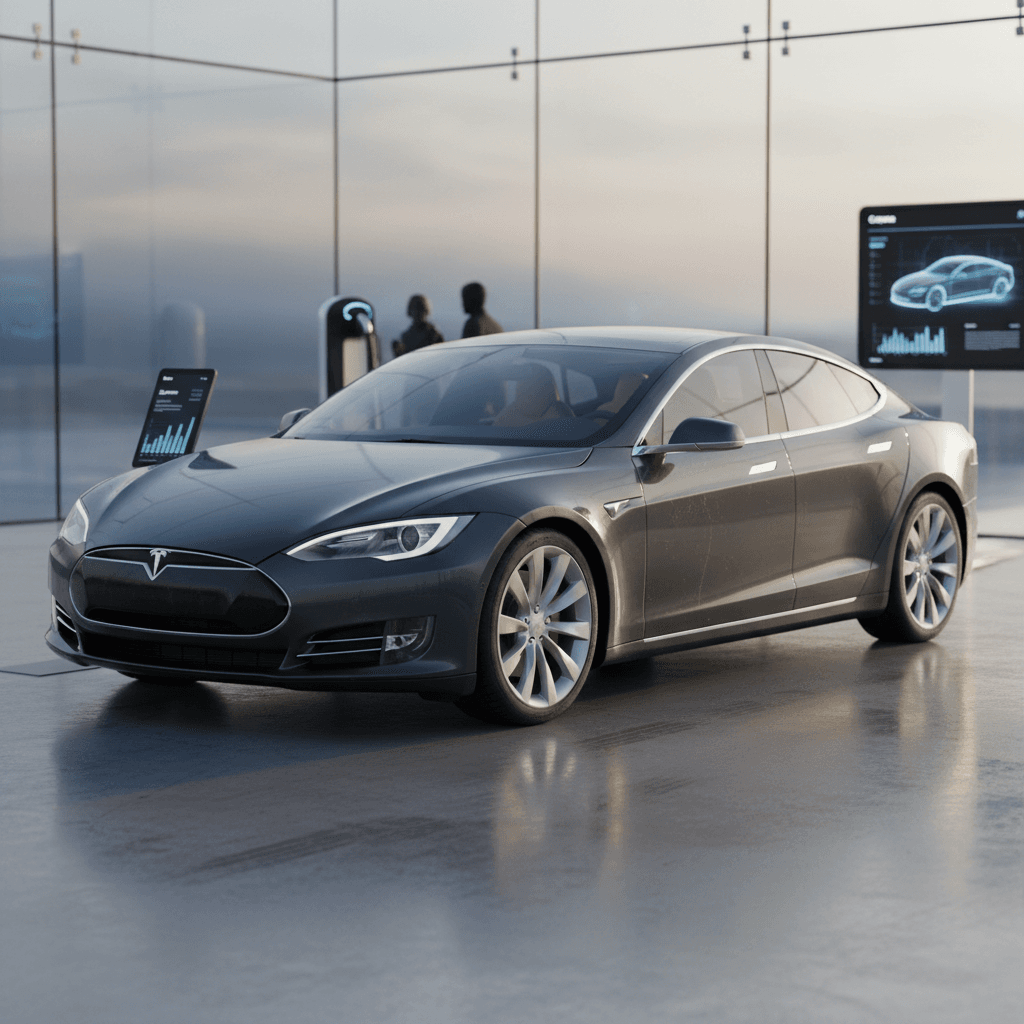
You picked the Tesla Model S for a reason: it’s quick, sleek, and still turns heads at a stoplight. Now you’re staring down the question, “Where should I sell my used Tesla Model S so I don’t leave money on the table?” In 2026, with Tesla discontinuing new Model S production and used EV prices bouncing around, getting this decision right really matters.
The short answer
Why selling a used Model S feels tricky right now
If you’ve been reading headlines, you’ve seen both “used Tesla prices are crashing” and “used Tesla prices are rising again” in the last year. Both are true, depending on when you look and which model you mean. After steep drops through 2024, used Tesla prices fell roughly in the mid‑teens percent year over year, then climbed again about 4% in late 2025 and early 2026, with Model S and Model X leading that rebound as Tesla wound down new production.
Used Tesla Model S market at a glance (early 2026)
Why this matters for you
Overview: your main choices to sell a Tesla Model S
The four main ways to sell a used Model S
Speed, price, and effort vary a lot by channel
1. Tesla trade‑in
Fast and simple if you’re buying another Tesla. You likely get less money than a private sale, but you avoid paperwork and strangers.
2. Online car buyers
Sites like CarMax, Carvana, and Vroom give instant offers and can pick up your car. Clean, easy experience but offers are usually below private‑party value.
3. Private sale
Highest potential sale price, especially for clean, well‑optioned Model S cars. But you handle ads, test drives, and payment risk yourself.
4. EV specialists
EV‑focused marketplaces like Recharged balance strong pricing with hands‑on help, battery health reports, and nationwide buyers.
Every option can work, you’re deciding how much you’re willing to trade off between time, price, and hassle. Let’s walk through each one with your Model S in mind.
Option 1: Tesla trade‑in or sell to Tesla
The most obvious place to sell a used Tesla Model S is back to Tesla. If you’re buying a new Tesla, they’ll give you a trade‑in offer that can be applied directly to your purchase. In some cases, they also buy cars outright, though they prioritize trade‑ins tied to another Tesla order.
- Go to Tesla’s website or app and start a new order for a vehicle.
- Enter your Model S VIN, mileage, and condition details when prompted.
- Upload a few clear photos; sometimes they’ll request extra pictures.
- Tesla reviews your info and gives a firm offer, usually within a day or two.
- You drop off the car at delivery or a service center and they handle payoff and paperwork.
When Tesla trade‑in makes sense
Pros of trading in to Tesla
- Fast and integrated: The value comes right off your new‑car price.
- No strangers: You’re not meeting buyers at Starbucks parking lots.
- Simple payoff: Tesla handles your existing loan or lease payoff.
- Tax advantage in some states: In many states, you only pay sales tax on the difference between your new car price and the trade‑in value.
Cons of trading in to Tesla
- Lower offers: Like any dealer, Tesla needs margin, offers are often a bit under private‑party value.
- Tied to buying another Tesla: If you’re jumping to another brand or out of EVs entirely, you’ll likely need another route.
- Limited negotiation: Tesla’s direct‑sales model means what you see is usually what you get.
Option 2: Online car buyers (CarMax, Carvana, Vroom & more)
If you’re asking where to sell a used Tesla Model S without buying another Tesla, online car‑buying platforms are the next easiest route. Names change over time, but the basic idea is the same: you enter your VIN and details, get a fast offer, and schedule pickup or drop‑off if you accept.
How the big online buyers typically work
Details vary by company, but the flow is similar
1. Get an instant offer
You enter your Model S’s VIN, mileage, options, and condition. Many platforms give a same‑day or instant quote that’s good for a set period.
2. Schedule inspection or drop‑off
Some send an inspector to you, others have you visit a hub or store. Expect them to verify battery range, cosmetic condition, and Autopilot/FSD status.
3. Get paid
Once you sign, they can often pay you by EFT or check within a day or two. They’ll also handle loan payoff and DMV paperwork.
What these sites love (and hate) to see
- Pros: Quick, mostly online, clear timing, and you avoid the logistics of a private sale.
- Cons: Offers are often a step below what you could get selling yourself or via an EV‑focused marketplace; some platforms charge fees or quietly bake them into a lower offer.
- Best for: Sellers who value time and convenience over squeezing every dollar out of the car.
Option 3: Selling your Model S privately
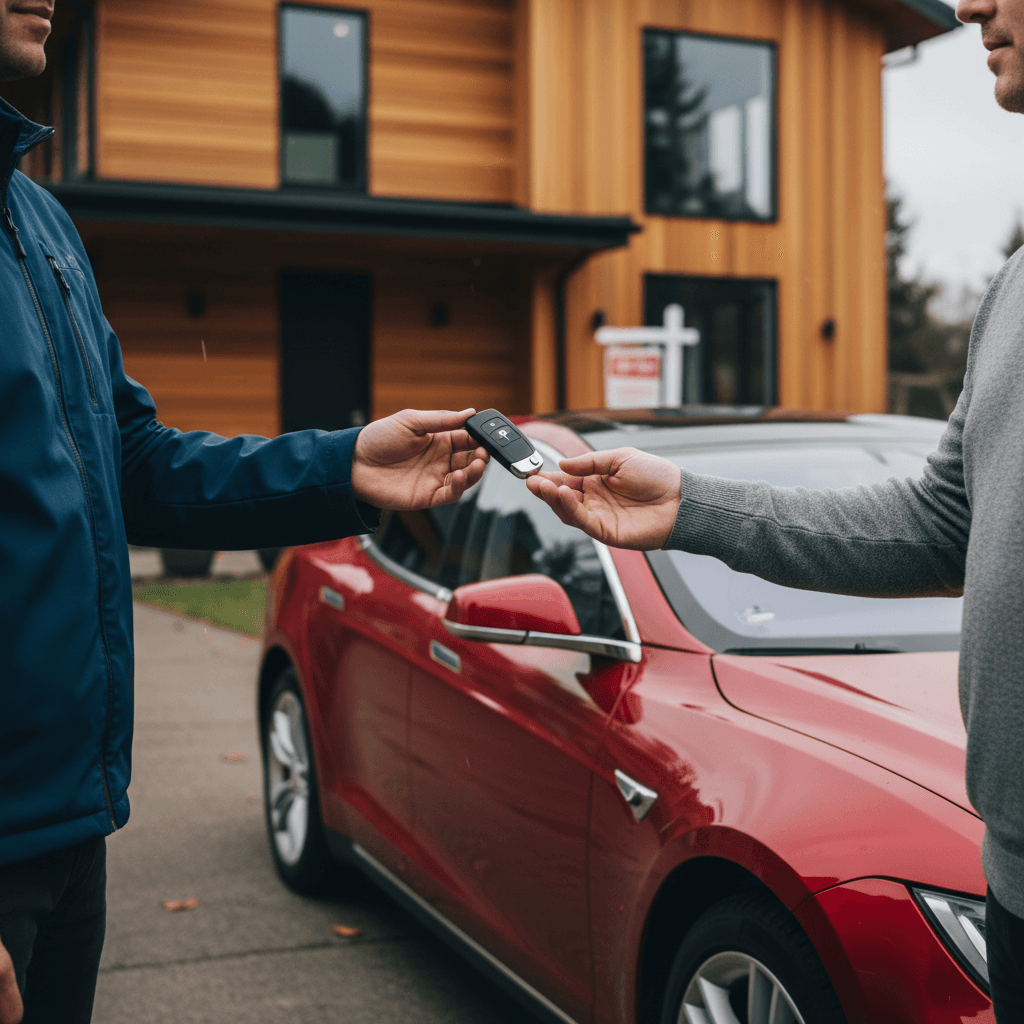
If your goal is to maximize what you walk away with, a private‑party sale is still the high‑ceiling option for a used Tesla Model S. Well‑kept cars with desirable specs, long‑range batteries, dual‑motor, clean histories, and popular colors, regularly sell for thousands more than dealer‑style offers. But you earn that premium with your time.
Private sale must‑dos for a Model S
1. Pull a fresh vehicle history report
Buyers shopping for a used Tesla expect a clean Carfax or similar. If there’s an accident on file, be prepared to explain what was repaired and provide receipts if you have them.
2. Showcase real‑world range
Take a clear photo of your <strong>current rated range at 100%</strong> and be honest about your typical daily range. Savvy Tesla shoppers know that battery health is the whole ballgame.
3. Photograph like you’re a dealer
Shoot wide, bright photos from every angle, plus close‑ups of the touchscreen, seats, wheels, and any flaws. A well‑photographed Model S listing stands out instantly.
4. Screen buyers and control test drives
Ask for a photo of a driver’s license before meeting, insist on meeting in a public place, and ride along on test drives. Never hand over the car or title until funds are verified.
5. Use secure payment methods
Avoid wire scams and cashier’s‑check tricks. Many banks will help you conduct the transaction in‑branch so funds and title can change hands safely.
Watch for EV‑specific scams
Option 4: Local dealers vs EV specialists like Recharged
Traditional franchised dealers are still figuring out used EV pricing. Many of them quietly avoid stocking older Teslas, or they bid very cautiously because they’re unsure about battery health and future demand. That’s why a lot of Model S owners hit a wall when they walk into a random dealer with an electric flagship.
Local dealers
- Pros: Close to home, quick appraisals, immediate payoff and paperwork.
- Cons: Many underestimate EVs, especially older Model S cars; offers can be far under true market value; limited audience for resale.
EV‑specialist platforms (like Recharged)
- Pros: Built around EVs, with battery health diagnostics, fair‑market pricing tools, and shoppers who specifically want used electric vehicles.
- Recharged includes a Recharged Score Report with verified battery health and market pricing that helps justify a stronger sale price.
- Nationwide reach and EV‑savvy support teams that know how to talk Teslas.
- Cons: Not every EV marketplace is in every region yet; some services are fully digital instead of face‑to‑face.
Where Recharged fits in
What your used Model S is really worth today
Let’s talk brass tacks: value. As of early 2026, pricing guides show late‑model Tesla Model S cars commonly trading in the mid‑$50,000s to low‑$60,000s when relatively new, with trade‑in values running a few thousand dollars below private‑party resale. Older cars can span from the mid‑teens to well over $40,000 depending on year, miles, and options.
3 levers that move Model S value the most
- A clean, 2–3‑year‑old dual‑motor Model S with average miles and solid range can often bring near guide retail in a private sale.
- High‑mileage or early‑generation cars with range loss, curb rash, or repair history may trade at a steep discount, especially at non‑EV dealers.
- Because Tesla stopped building new Model S, some trims and colors are seeing a collector‑style bump from shoppers who specifically want that car rather than a Model 3 or Model Y.
Use multiple data points
5 steps to prepare your Tesla Model S for sale
Make your Model S stand out in any channel
1. Get your software and settings in order
Make sure the car is up to date on software, clear any warning messages, and reset personal data where appropriate. Buyers like to see a car that <strong>boots clean</strong>, not one buried in old profiles and mystery alerts.
2. Charge to 100% and document range
Even if you don’t normally charge to full, do it once before photographing and appraising. Note the <strong>rated range at 100%</strong> and keep a screenshot, this is the single clearest proxy buyers have for battery health.
3. Fix the cheap stuff first
Curb‑rashed wheels, scuffed bumpers, and worn wiper blades are small fixes that can make a big difference. If a $300 detail and touch‑up puts $800–$1,000 on the table, that’s money well spent.
4. Gather your records
Collect service invoices, tire receipts, and anything showing <strong>HV battery or drive unit work</strong>. Transparent records build trust, especially for early‑generation Model S cars.
5. Decide your selling path in advance
Before you list or accept an offer, be honest about your priorities. If you need cash this week, a slightly lower instant offer might be right. If you can wait a few weeks, a consignment or private sale can reward your patience.
Comparison table: where to sell a used Model S
Where to sell a used Tesla Model S: quick comparison
Every path has strengths. Use this table to match your priorities to the right channel.
| Option | Typical price vs private sale | Speed to cash | Effort level | Best for |
|---|---|---|---|---|
| Tesla trade‑in | Low to medium (often 5–10% under private party) | Fast (at delivery) | Very low | Drivers replacing a Model S with another Tesla |
| Online car buyers (CarMax, Carvana, etc.) | Low to medium (offers below private, above some dealers) | Fast (1–7 days) | Low | Sellers who want convenience without a new Tesla order |
| Local dealer | Low (often the lowest of all options) | Fast (same day) | Low | Sellers who value speed and don’t mind leaving money on the table |
| Private sale | High (often the most you can get) | Medium to slow (1–6+ weeks) | High | Owners willing to market the car and manage buyers |
| EV marketplace like Recharged | Medium to high (near private‑party in many cases) | Medium (varies by offer or consignment) | Medium | Sellers who want strong pricing with EV‑expert help and nationwide reach |
Estimates are directional; your actual numbers will depend heavily on your Model S’s age, battery health, mileage, and options.
Selling a Model S to Recharged: how it works
Recharged exists for exactly this crossroads moment: you have a valuable EV, the broader used‑car world is still figuring out how to price it, and you don’t want to gamble on a dealer who thinks of your Model S the same way they think of a used minivan.
What selling through Recharged looks like
Built around EVs, not gas cars
1. Instant offer or consignment
You can start online with your VIN and a few details to see where your used Tesla Model S lands. Choose an instant offer if speed is the priority, or consignment if you’d rather aim for a higher sale price with expert help.
2. Recharged Score battery report
Every vehicle sold through Recharged gets a Recharged Score Report with verified battery health, range estimates, and fair‑market pricing. That transparency helps justify stronger prices to EV‑savvy buyers.
3. Nationwide buyers & delivery
Recharged isn’t limited to one metro area. With nationwide delivery and an EV‑focused audience, your Model S can find the right buyer whether they’re in Richmond, Seattle, or Miami.
Ready to find your next EV?
Browse VehiclesWhy many Model S sellers choose Recharged
FAQ: selling a used Tesla Model S
Frequently asked questions about selling a used Model S
Bottom line: which option is right for you?
There’s no single “right” answer to where to sell a used Tesla Model S, only the right match for your priorities. If you’re trading into another Tesla and want the least friction, a Tesla trade‑in is tough to beat. If you want to squeeze every last dollar out of a pristine car and don’t mind doing the legwork, a private sale can reward your time. And if you want a strong price without becoming your own salesperson, an EV‑specialist marketplace like Recharged gives your Model S the audience and battery‑health transparency it deserves.
Whichever path you choose, take a beat to document your battery health, gather records, and pull a few real offers before you sign anything. The Model S is still one of the most desirable used EVs on the road. Sold smart, it can fund a big chapter of whatever you drive next.