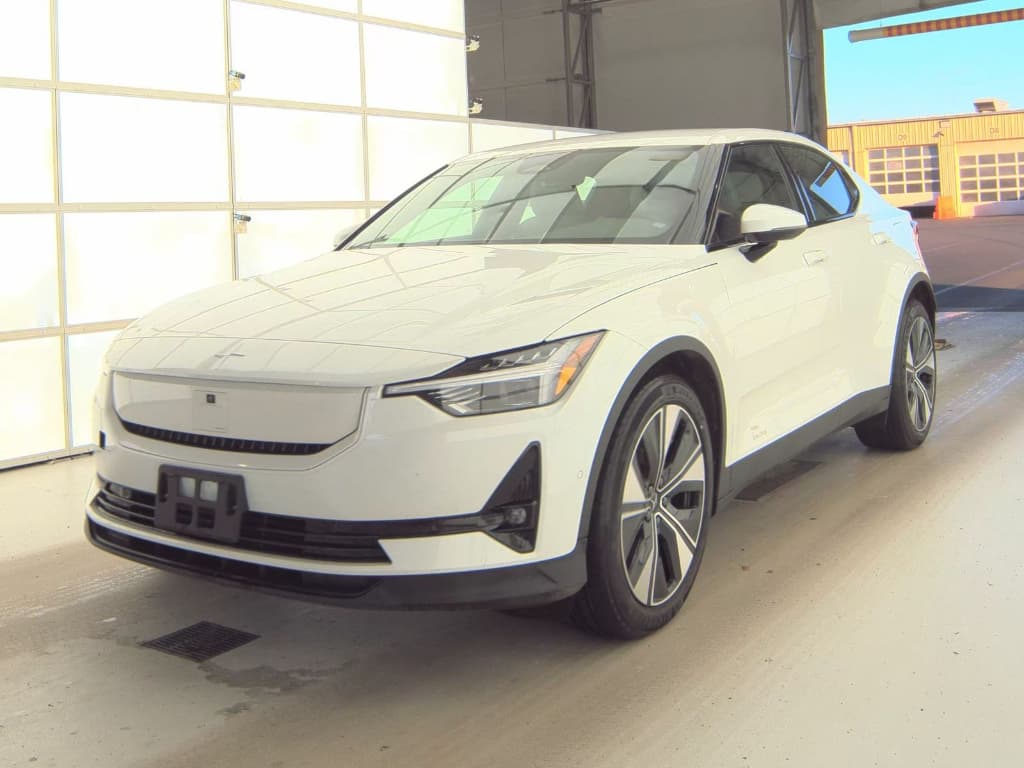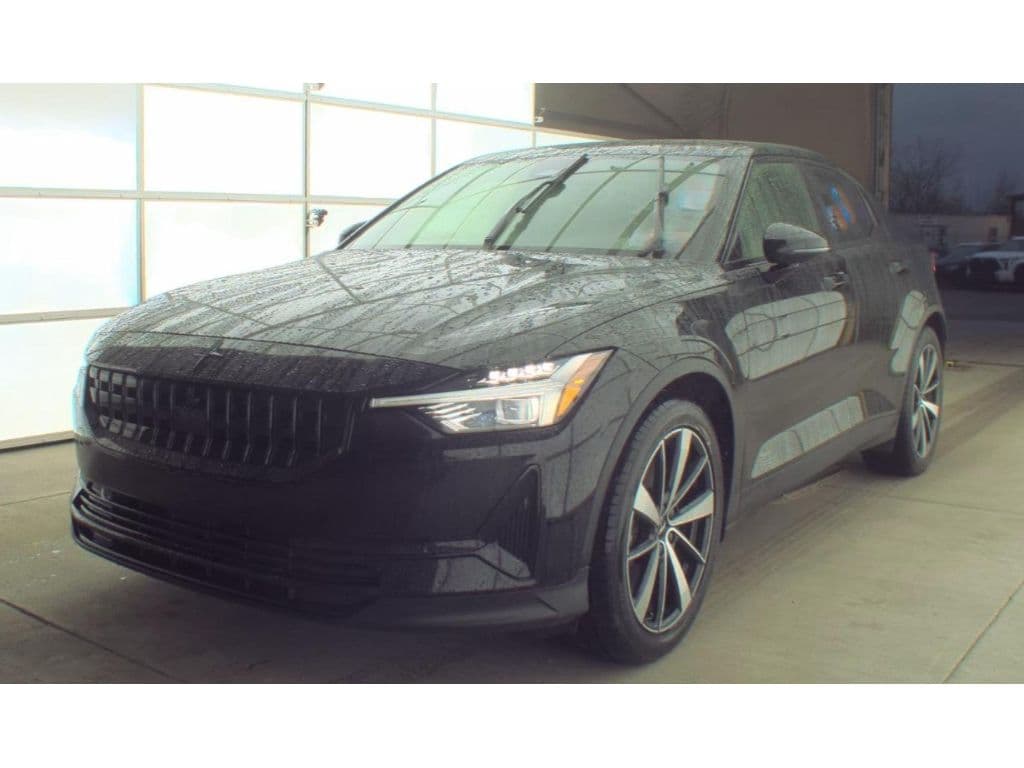
If you’re eyeing a sleek Scandinavian EV, the 2025 Polestar 2 is probably on your list. But before you fall for the design and Google-based tech, it’s smart to understand the **2025 Polestar Polestar 2 reliability rating**, because this is an electric sedan with some clear strengths and some recurring weak spots.
Quick take
2025 Polestar 2 reliability at a glance
2025 Polestar 2 reliability snapshot
If you boil it down to one number, most data-driven outlets and marketplaces peg the **2025 Polestar 2 reliability rating in the 2.5–3.5 out of 5 range**. That puts it behind rock-solid mass‑market EVs, but ahead of some first‑generation luxury experiments. The car’s electric drivetrain and battery are proving stout; it’s the **infotainment, 12‑volt system, and suspension hardware** that tend to generate complaints.
Don’t confuse safety with reliability
How the 2025 Polestar 2 reliability rating is calculated
When you see a **reliability rating for the 2025 Polestar 2**, it’s almost never based on 2025 cars alone. Instead, analysts blend several streams of data from **2021–2024 model years**, then adjust for Polestar’s mid‑cycle mechanical update in 2024:
- Owner surveys from outlets like What Car? and Driver Power that track the share of cars with at least one fault and how serious the problems were.
- Third‑party reliability aggregators that assign a numerical score based on repair frequency, claim severity, and mileage when issues show up.
- Government recall data and technical service bulletins (TSBs) covering 2021–2025 Polestar 2 vehicles.
- Warranty behavior, how often cars are visiting the dealer for warranty work, and how long they stay there.
- Hardware and software changes introduced for the 2024 and 2025 model years, which appear to address some, but not all, early‑run issues.
The **2024 refresh**, with the switch to rear‑drive single‑motor, updated batteries, and chassis tweaks, means the **2025 Polestar 2 is usually rated separately from 2021–2023 cars**. Early cars had the same basic shell but more teething problems with software, cameras, and drive units. For 2025, predicted reliability is bumped slightly upward, but the brand as a whole still sits mid‑pack.
How Recharged looks at reliability
Strengths: where the 2025 Polestar 2 scores well
2025 Polestar 2 reliability strengths
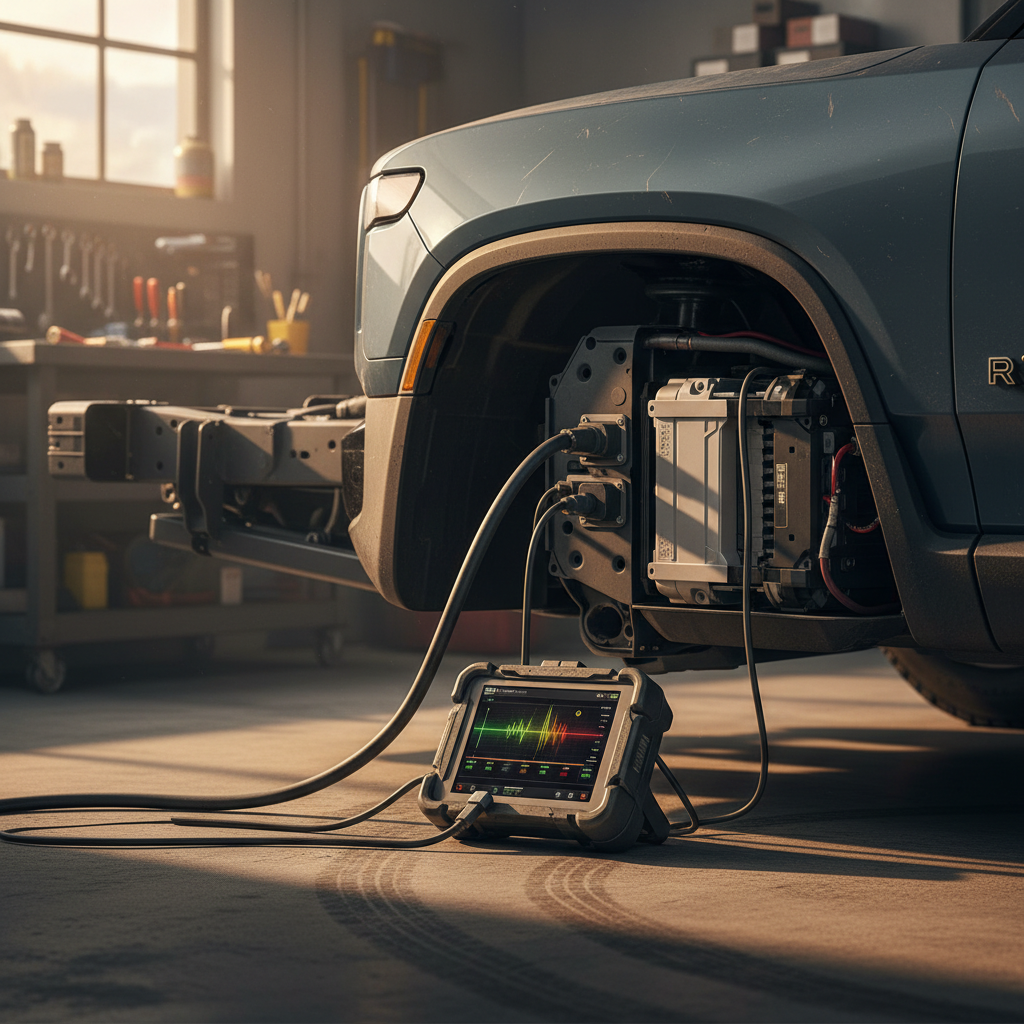
The core EV hardware is more solid than the anecdote threads suggest
Battery durability
Across 2021–2024 cars, the high‑voltage pack has shown low failure rates and modest degradation when properly charged. For 2025, chemistry and thermal management carry over from the refreshed 2024 design.
Motor & driveline
The permanent‑magnet motors and single‑speed gearboxes have far fewer serious failures than the software would make you think. Most driveline complaints are noises and sensations, not catastrophic breakages.
Structural & safety hardware
Body, crash structure, and major suspension arms are generally robust. The Polestar 2 maintains top‑tier safety ratings even as it adds new software‑driven driver‑assist features.
From a long‑term ownership standpoint, that’s good news. The most expensive components in an EV, the **battery pack and main drive unit**, have not emerged as systemic weak points. Instead, owners report a car that drives beautifully, feels solid on the highway, and ages reasonably well structurally, even if the software occasionally acts like a first‑generation smartphone.
Common 2025 Polestar 2 problems and owner complaints
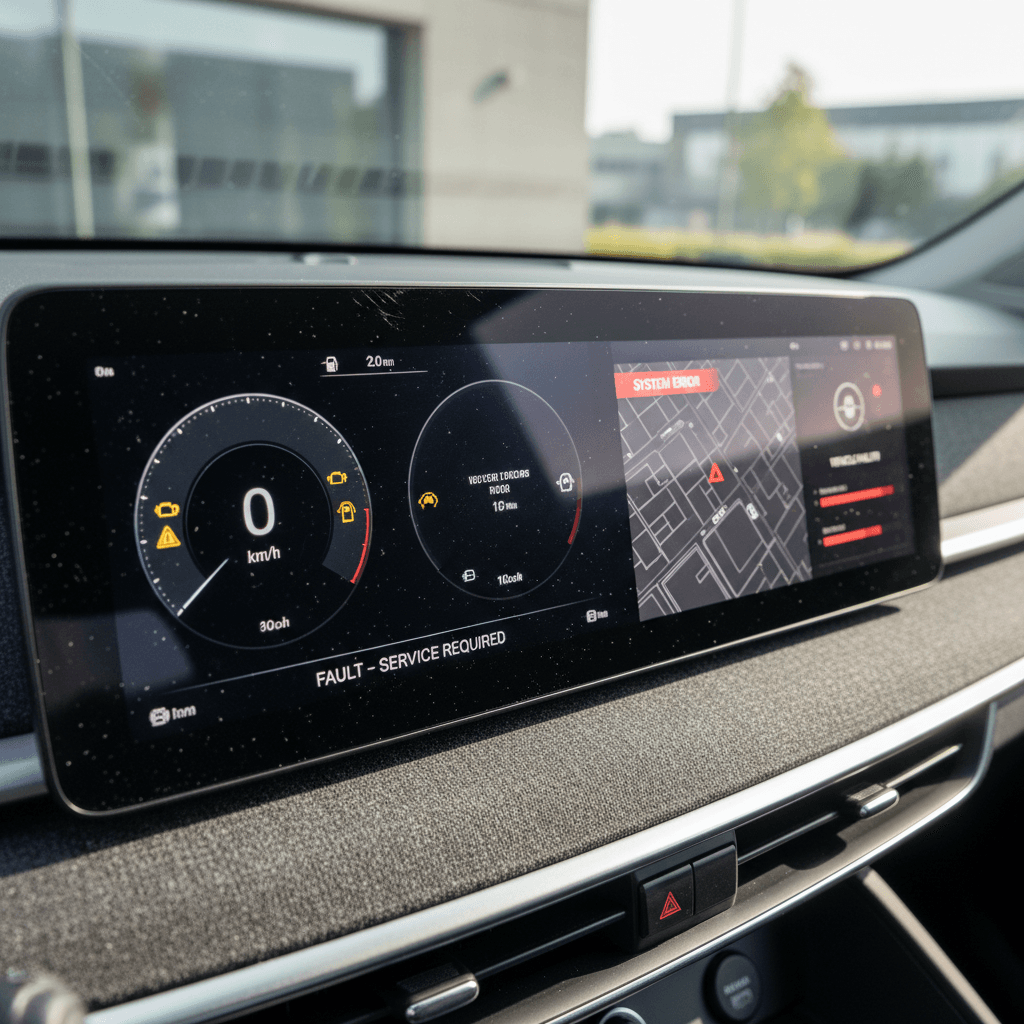
Almost every EV has a “personality” when it comes to reliability. With the 2025 Polestar 2, the pattern is clear: the **car’s software and fine‑print hardware cause more headaches than the big mechanical pieces**. Here are the issues you’re most likely to hear about or find in a pre‑purchase inspection.
Typical 2021–2025 Polestar 2 issues
Patterns that inform today’s 2025 Polestar Polestar 2 reliability rating
| Area | Example symptoms | Why it matters | How it’s usually resolved |
|---|---|---|---|
| Infotainment & Android Automotive | Slow boot, frozen screen, random reboots, laggy Google Maps, Polestar app disconnects | Annoying in daily use; can affect climate and vehicle settings | Software patches or full system reset at a dealer; sometimes multiple visits |
| Cameras & parking sensors | Backup camera fails to show image, intermittent sensor warnings | Ties directly into safety and parking confidence | Camera software update or hardware replacement; 2023–2025 recall campaigns address some behavior |
| 12‑volt battery & electrical | Random warnings, no‑start events after sitting, strange dash messages | Can leave the car inoperative until boosted or replaced | 12‑volt battery replacement and updated software to reduce parasitic draw |
| Axle & suspension noises | Rear axle clicking under acceleration, front‑end clunks over bumps | Usually noise and nuisance, but can hint at wear in expensive components | Replacement of axles, mounts, or struts; sometimes covered under warranty |
| HVAC & comfort | Clicking behind dash, A/C weak on one side, noisy blower | Comfort issue more than safety, but can be costly out of warranty | Blend‑door or fan motor replacement; software reset for climate controls |
Not every car will have these problems, but they’re the items you want to screen for on a test drive and vehicle history report.
Biggest red flag on a test drive
If you read nothing else about Polestar 2 reliability, remember this: the car’s EV hardware is better than its software reputation, but you cannot ignore the electronic gremlins if you plan to own one out of warranty.
Recalls and safety updates for 2023–2025 Polestar 2
Because the 2025 Polestar 2 largely carries over the updated 2024 mechanical package, it also shares **software‑heavy recall activity** from recent years. For example, a 2025 campaign in the U.S. targeted **2023–2025 Polestar 2 models where the rearview camera image didn’t reliably default to the rear view when shifting into reverse**. That’s a software behavior issue, but it sits squarely in the safety column.
- Rearview camera behavior updates (2023–2025 cars) to ensure the correct image appears whenever reverse is selected.
- Earlier software recalls on 2021–2022 cars for sudden loss of drive or infotainment failures, less common on late‑run 2024–2025 vehicles but still worth checking in the service history.
- Ongoing “workshop updates” that bundle bug fixes for driver‑assist, keyless entry, and charging behaviors when the car visits a service center.
How to check recall status
2025 Polestar 2 reliability vs rivals
Tesla Model 3
The obvious comparison. Tesla has had its own share of build‑quality controversies, but years of volume production mean a large repair history. Recent data generally puts the Model 3 at similar or slightly better predicted reliability than the Polestar 2, with more issues around trim and paint, and fewer around infotainment stability.
Where Tesla clearly wins is service access and parts availability in North America, which can matter more than the raw number of faults.
Hyundai Ioniq 5 / Kia EV6 / Volvo XC40 Recharge
Among mainstream rivals, the Korean duo tends to rate better on reliability, especially in early ownership, though they’re not free of charging quirks. The XC40 Recharge, sharing corporate DNA with Polestar, shows a similar pattern of software niggles.
If your top priority is long‑term dependability, a well‑vetted Ioniq 5 or EV6 typically looks like a safer bet than a Polestar 2 at similar mileage and price.
How the 2025 Polestar 2 compares on reliability
High-level snapshot for shoppers cross‑shopping premium compact EVs.
| Model | Typical reliability rating | Trouble hot spots |
|---|---|---|
| 2025 Polestar 2 | 2.5–3.5 / 5 | Infotainment, cameras, 12‑V battery, suspension noises |
| Tesla Model 3 (2025) | 3–4 / 5 | Paint/trim quality, suspension wear, minor interior rattles |
| Hyundai Ioniq 5 | 3.5–4 / 5 | Charging curve quirks, some high‑voltage component cases |
| Kia EV6 | 3.5–4 / 5 | Occasional DC fast‑charge hiccups, minor electronics |
| Volvo XC40 Recharge | 2.5–3.5 / 5 | Software bugs, infotainment lag, occasional 12‑V issues |
Scores are generalized ranges from major owner‑survey and dependability sources, not precise numbers from a single provider.
Battery health and longevity in the Polestar 2
For any used EV, battery health can matter more than cosmetic wear, and the **2025 Polestar 2 is no exception**. The good news: long‑term data from 2021–2024 cars suggests **degradation that’s broadly in line with other premium EVs**, provided previous owners avoided constant DC fast charging and regularly updated software.
Polestar 2 battery reliability: key points
What we’re seeing from 2021–2024 cars that informs 2025 predictions
Thermal management
The liquid‑cooled pack and active thermal strategy have not shown widespread defects. That’s crucial for preserving range over time.
Charging behavior
Most charging complaints involve communication glitches with public stations, not pack failures. Software updates have improved handshakes and preconditioning logic.
Degradation trend
Well‑cared‑for cars often show single‑digit percentage loss of usable capacity in the first 3–4 years, competitive with peers.
Why a battery health report matters
What a used 2025 Polestar 2 reliability rating means for you
A **2.5–3.5 out of 5 reliability rating** doesn’t mean every 2025 Polestar 2 is a troublemaker. It means that, on average, you should expect **more minor faults and software visits** than in the very best EVs, but not a parade of catastrophic failures.
- Early‑life warranty coverage will soak up many of the infotainment and camera fixes for first or second owners.
- If you plan to own the car beyond the factory warranty, budgeting for occasional electronic or suspension repairs is prudent.
- Because the Polestar 2 is still a relatively low‑volume model, **dealer coverage and parts logistics** may stretch repair timelines compared with, say, a Tesla or Hyundai.
How Recharged can tilt the odds in your favor
Ready to find your next EV?
Browse VehiclesInspection checklist for a used Polestar 2
Used Polestar 2 reliability checklist
1. Scan for warning lights and messages
On startup, make sure the cluster and central screen boot quickly and cleanly. Watch for repeated alerts about cameras, sensors, 12‑V battery, or driver‑assist systems that come back after a restart.
2. Exercise the infotainment system
Test Google Maps, Bluetooth pairing, voice commands, and app connectivity. A one‑off freeze isn’t a dealbreaker, but persistent lag or black screens suggest you’ll be living at the service center.
3. Test all cameras and parking aids
Shift into reverse multiple times in a row and confirm the <strong>rearview image appears instantly</strong> and consistently. Check surround‑view (if equipped) and make sure sensors aren’t chattering with false proximity alerts.
4. Listen for axle and suspension noises
On a slow test loop, go on and off the accelerator and turn tightly in a parking lot. Clicking, clunking, or grinding from the rear can point to driveline or axle issues that get expensive out of warranty.
5. Check HVAC performance
Run the climate system in both heat and A/C modes. Verify both sides get equally hot or cold and listen for excessive clicking or fan noise behind the dash.
6. Review software and recall history
Ask for proof of recent software updates and recall completion, especially camera‑related campaigns. A car that’s been regularly updated is less likely to surprise you.
7. Evaluate charging behavior
If possible, plug into both a Level 2 station and, briefly, a DC fast charger. Watch for handshake failures, error messages, or unusually low charge rates compared with spec.
8. Get a battery health report
Use a third‑party test or a platform like Recharged that provides **measured state of health**. This is your best proxy for long‑term range and value retention.
Is the 2025 Polestar 2 a good used EV bet?
If you value **design, driving feel, and Google‑powered tech**, the 2025 Polestar 2 is one of the most interesting compact premium EVs on the market. Its **reliability rating sits in the middle of the class**: better than online horror stories might imply, but not a set‑and‑forget appliance like the best Korean offerings. The high‑voltage hardware has been encouraging so far; the soft underbelly remains software, cameras, 12‑volt electronics, and some chassis pieces.
For a shopper, that means two things. First, you should be choosy about the specific car you buy, history, updates, and battery health matter more here than on a vanilla compact SUV. Second, you should think through your ownership horizon: if you’ll move on before the warranty expires, the risk band is narrower than if you plan to keep the car long‑term.
Work with a seller that understands EVs, can document software and recall status, and is willing to share objective battery health data. That’s exactly the gap Recharged was built to fill, so whether you ultimately pick a Polestar 2, a Model 3, or an Ioniq 5, you’re making that choice with **clarity instead of guesswork**.