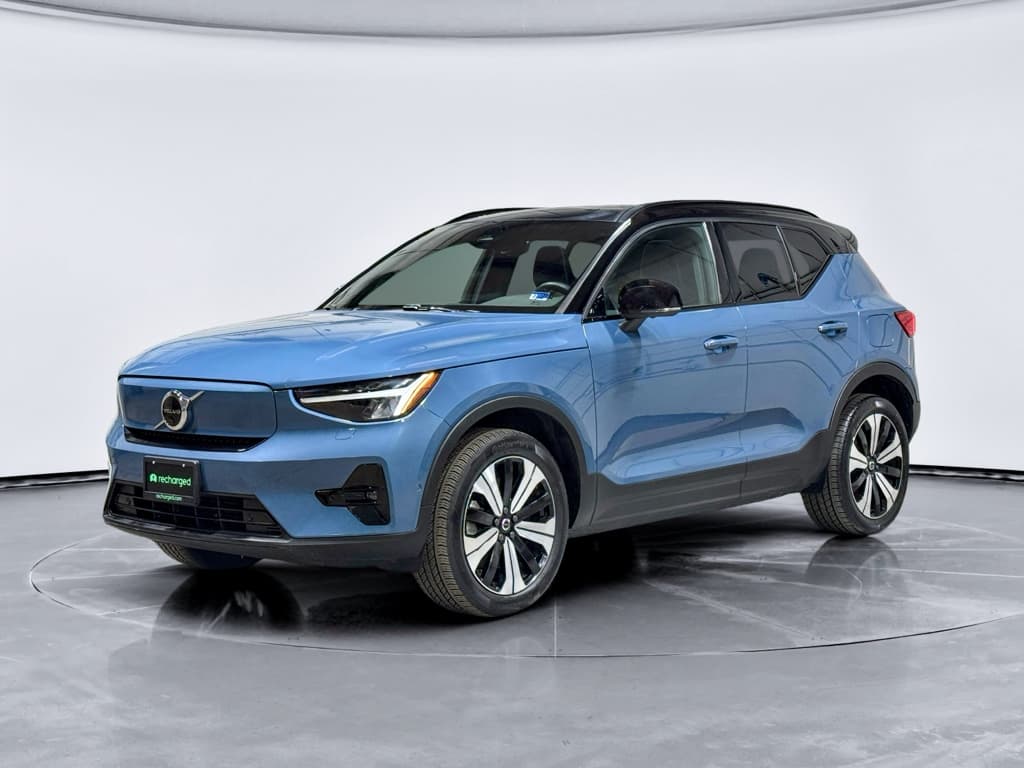
If you’re eyeing a Volvo EX30, you’re probably wondering what the depreciation curve over 5 years will look like. With any new EV model, there’s less historical data than with long‑running gas SUVs, but we can still build a realistic picture using Volvo’s pricing, typical EV depreciation, and what we’re already seeing across the used‑EV market.
Quick context
Why Volvo EX30 depreciation matters
Depreciation is simply how fast your EX30 loses value over time. For most owners, it’s the single biggest cost of ownership, often larger than electricity, insurance, or maintenance combined. Understanding the EX30’s 5‑year depreciation curve helps you decide:
- Whether to lease or buy a new EX30
- How long you should plan to keep the car
- When it becomes attractive to buy one used instead of new
- What a fair resale or trade‑in price will look like in a few years
Because the EX30 is a smaller, relatively affordable premium EV, it sits in an interesting spot: it’s more price‑sensitive than a flagship luxury SUV, but it also benefits from Volvo’s brand equity and strong safety reputation. Both of those shape its depreciation curve.
How EV depreciation works vs gas SUVs
What pushes EVs to depreciate faster
- Rapid tech change: Range, charging speed, and driver‑assist tech improve quickly, making older EVs feel dated sooner.
- Incentives and discounts: When new EVs get federal or state incentives, or deep dealer discounts, used prices have to follow.
- Battery concerns: Shoppers still worry, fairly or not, about long‑term battery life and replacement costs.
What helps EVs hold value
- Lower running costs: Cheap "fuel" and minimal routine maintenance make EVs attractive as used cars.
- Software updates: Over‑the‑air updates can keep features feeling fresh longer.
- City‑friendly packaging: Compact EVs like the EX30 work well for urban buyers, supporting demand on the used market.
Keep the market in mind
Typical 5-year depreciation patterns (modern vehicles)
Volvo EX30 5-year depreciation curve: baseline forecast
The EX30 is new enough that we don’t have a clean 5‑year data set yet. But based on pricing for similar compact premium EVs and Volvo’s historical performance, a realistic baseline 5‑year depreciation curve for a well‑kept EX30 might look like this.
Illustrative Volvo EX30 5-year depreciation curve
Example based on a hypothetical $50,000 out‑the‑door price for a well‑equipped EX30. Real‑world numbers will vary by trim, mileage, region, and market conditions.
| Age | Estimated value % of original | Example value from $50,000 | What this stage looks like |
|---|---|---|---|
| 1 year | 80–85% | $40,000–$42,500 | Lightly used, low miles, still feels essentially new. |
| 2 years | 72–78% | $36,000–$39,000 | First owners begin to sell; incentives on new models start to influence used pricing. |
| 3 years | 60–68% | $30,000–$34,000 | Warranty still strong, but newer tech and range options exist above it. |
| 4 years | 50–60% | $25,000–$30,000 | Sweet spot for value‑oriented used buyers if battery health is strong. |
| 5 years | 45–55% | $22,500–$27,500 | Depreciation slows; condition, battery health, and mileage drive price more than age alone. |
These are directional estimates meant to show the shape of the curve, not guaranteed resale values.
In other words, it’s reasonable to expect a typical EX30 to lose around half its value in the first five years, with the steepest drops in years 1–3. That’s similar to many premium compact SUVs, but with a slightly wider possible range because EV pricing has been more volatile.
How to use this curve
Factors that shift the EX30 depreciation curve
Four big forces that change EX30 depreciation
Your actual curve will depend heavily on how and where you drive.
Mileage and use pattern
High annual mileage will push your EX30 down the curve faster. A 5‑year‑old car with 35,000 miles and strong battery health will be much more desirable than one with 90,000 miles that’s fast‑charged every day.
Region and climate
EX30s in EV‑friendly regions with strong charging infrastructure and milder climates often hold value better. Extreme heat can stress batteries if the thermal management system is overworked, and limited local demand can soften resale values.
Tech and range competitiveness
If future EX30 updates significantly extend range, improve infotainment, or add driver‑assist features, early models could see a sharper mid‑cycle price adjustment. If changes are more incremental, values tend to be steadier.
Incentives and new‑car pricing
Big swings in new‑car transaction prices, whether from incentives, tax credits, or widespread discounts, directly affect used prices. If Volvo cuts EX30 pricing hard in year 3, that will ripple through used values almost immediately.
Battery health and Volvo EX30 resale value
For any EV, including the EX30, the battery pack is the heart of the depreciation story. Buyers aren’t just asking, “How many miles are on it?” They’re asking, “How healthy is the battery?” because that determines real‑world range and long‑term confidence.
- An EX30 with 5 years and 70,000 miles but only modest battery degradation can still command strong money.
- The same‑age EX30 with obvious range loss or a history of repeated DC fast‑charging, harsh climates, or neglect will sit much lower on the curve.
- Transparent, third‑party battery diagnostics can narrow the price gap between EVs with similar age and miles but different health profiles.
Where Recharged fits in
Lease vs buy: which is smarter for EX30 depreciation?
Leasing a new EX30
- Upside: You don’t carry the resale‑value risk. The bank sets a residual value, their prediction of what the EX30 will be worth at lease end, and you simply hand the vehicle back if the market tanks.
- Great if: You want the newest tech every 3 years, you drive predictable miles, and you’re uneasy about long‑term EV values.
- Watch for: Mileage limits and wear‑and‑tear charges. If you intend to buy out the lease, compare the buyout price to real‑world used EX30 values at that time.
Buying (new or nearly new)
- Upside: You control when you sell and can benefit if values hold up better than expected.
- Great if: You plan to keep the EX30 at least 5–7 years and you’re comfortable riding out short‑term price swings.
- Watch for: Rapid new‑car price cuts or major model updates that could accelerate early‑year depreciation.
A simple rule of thumb
What used Volvo EX30 prices may look like
To make the 5‑year depreciation curve more concrete, here’s how different age bands of a typical Volvo EX30 might line up in the used market, again using a notional $50,000 original price. These aren’t offers or guarantees, think of them as ballpark bands that will move up or down with the market.
Illustrative used Volvo EX30 price bands
Estimated retail asking‑price ranges for a typical, well‑equipped Volvo EX30 in good condition, assuming a $50,000 new price. Real‑world numbers depend on trim, mileage, battery health, and timing.
| Age band | Typical mileage range | Illustrative asking range | Buyer profile |
|---|---|---|---|
| 1–2 years | 10,000–30,000 miles | $36,000–$41,000 | Buyer wants "almost new" at a discount from MSRP. |
| 3–4 years | 30,000–60,000 miles | $27,000–$34,000 | Value‑focused shopper balancing price and remaining warranty. |
| 5+ years | 50,000–90,000+ miles | $22,000–$28,000 | Budget‑minded EV buyer; battery health and history become critical. |
These ranges are directional only and intended to help you think about when to buy or sell.
If you’re a new‑car shopper, these bands can help you picture your exit strategy, what your EX30 might realistically bring in trade or private sale. If you’re a used‑EV shopper, they show where the value sweet spots are likely to sit, especially around the 3–5‑year mark.
How to protect your Volvo EX30’s value
Six practical ways to stay on the right side of the curve
1. Keep fast‑charging in check
DC fast‑charging is great on road trips, but using it as your daily routine can accelerate battery wear. Whenever possible, charge at home or work on Level 2 and save fast‑charging for when you really need it.
2. Stick to sensible state of charge
Try to avoid living at 100% or 0%. Keeping your EX30’s battery mostly between about 20% and 80% for daily driving is easier on the pack and helps preserve long‑term health.
3. Follow Volvo’s software and service guidance
Install software updates and follow the manufacturer’s recommended maintenance and inspections. A documented history from an authorized service facility is a plus at resale time.
4. Protect the interior and exterior
Premium compact SUVs like the EX30 attract buyers who care about condition. Regular detailing, prompt chip and scratch repair, and avoiding smoking or heavy interior wear all add up when you go to sell.
5. Document everything
Keep records of charging habits (if available), tire rotations, software updates, and any repairs. When selling through a marketplace like Recharged, good documentation supports a stronger price.
6. Time your sale strategically
If you can, avoid selling right after a major price cut or a big model‑year update. Waiting even a few months for the market to rebalance can sometimes mean thousands of dollars.
Don’t ignore warning lights
How Recharged can help with a used Volvo EX30
Because the EX30 is a newer EV, the used market will evolve quickly over the next few years. That’s where buying and selling through a dedicated EV marketplace like Recharged can give you a real edge.
Buying or selling an EX30 with Recharged
Designed around used EVs, not just any used car.
Verified battery health
Fair, data‑backed pricing
Flexible ways to transact
Ready to find your next EV?
Browse VehiclesIf you’re shopping from a distance, Recharged’s fully digital process and detailed reporting help you compare multiple used EX30s side‑by‑side without stepping into a showroom. And if you’re near Richmond, VA, you can visit the Recharged Experience Center to see vehicles in person.
Volvo EX30 depreciation: FAQs
Frequently asked questions about Volvo EX30 depreciation
Key takeaways on the Volvo EX30 depreciation curve
When you zoom out, the Volvo EX30’s likely 5‑year depreciation curve looks a lot like other compact premium SUVs: expect roughly half the value to disappear over that window, with more volatility in the EV space than in traditional gas models. What makes the EX30 different is how much of its long‑term value will ride on battery health, software support, and how quickly the segment evolves around it.
If you’re shopping new, use these estimates to plan your ownership horizon and exit strategy. If you’re shopping used, focus on battery diagnostics, documented history, and fair market pricing rather than age alone, and consider a platform like Recharged, where every EX30 comes with transparent battery health data and EV‑savvy support from start to finish.