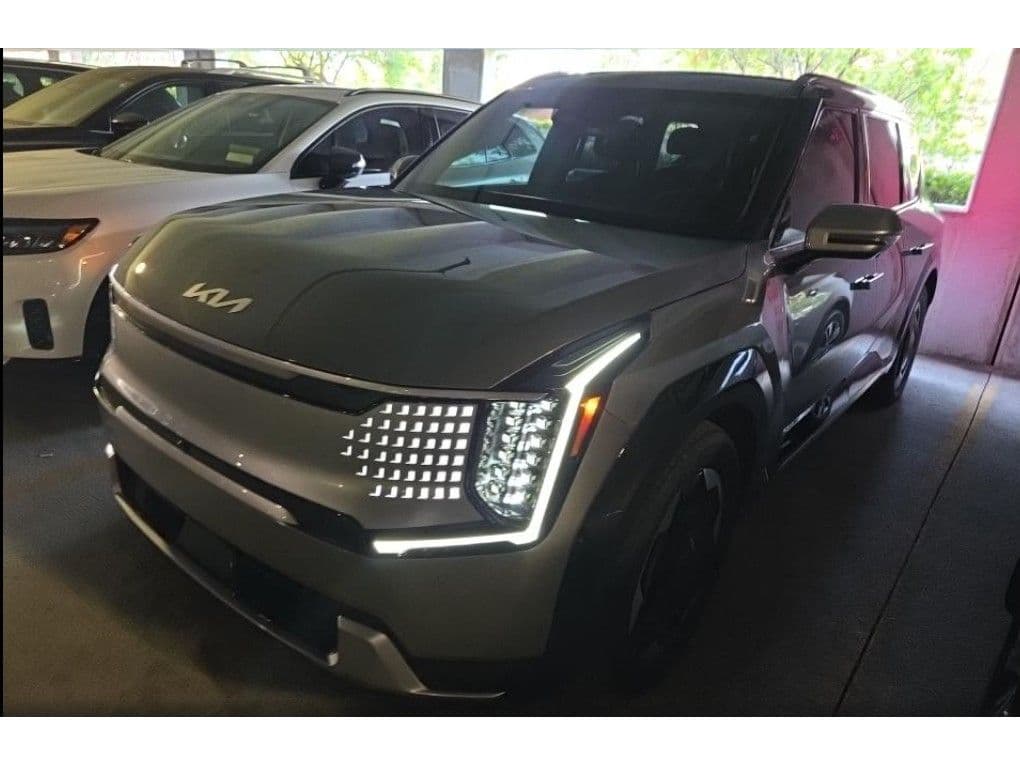
If you’re looking at a three-row electric SUV, the 2025 Kia EV9 is probably on your short list. It’s spacious, quick, and packed with tech, but reliability has become the big question hanging over this model. Before you sign a finance contract or hunt for a used EV9, it’s worth taking a clear-eyed look at how this SUV is actually holding up in the real world.
Quick takeaway
2025 Kia EV9 reliability at a glance
2025 Kia EV9 reliability snapshot
From 30,000 feet, the 2025 Kia EV9 looks like a classic first‑generation EV story: bold product, compelling value, and cutting‑edge features, wrapped around hardware and software that are still maturing. That doesn’t automatically make it a bad buy, but it does mean you should go in understanding the risks, and how to manage them.
Important context
Why EV9 reliability is under a microscope
The EV9 is more than just another Kia, it’s one of the first mass‑market, three‑row electric SUVs actually sized and priced to compete with mainstream family haulers. That puts it under a brighter spotlight than a niche luxury EV.
- It’s one of the only fully electric three‑row SUVs that regular families can realistically cross‑shop with Telluride, Palisade, or Highlander money.
- Kia’s previous E‑GMP models (EV6, EV5, etc.) have had well‑documented ICCU (integrated charging control unit) and 12‑volt battery issues, so shoppers are watching to see if those gremlins carry over.
- Kia’s dealer network is still getting up to speed on high‑voltage diagnostics and EV‑specific repairs, which can stretch repair times when something does go wrong.
How to read early EV reliability
Early data: what surveys and studies say
By early 2026, we have enough data points to say the 2025 Kia EV9 is not an outright disaster, but it is not a reliability standout either. Here’s how it’s shaking out in the numbers and rankings that are publicly discussed:
What the early studies suggest
Predicted reliability is shaky, tech satisfaction is better
Consumer reliability rankings
Consumer‑oriented outlets that aggregate owner surveys have flagged the EV9 as one of the least reliable EVs for 2026, driven by low predicted reliability scores for the 2025 model year. The pattern: strong driving experience, weak early durability.
J.D. Power scoring
Quality and reliability scores discussed publicly for the EV9 hover in the mid‑60s on J.D. Power’s 0–100 scale, solidly below average for a new vehicle, and a yellow flag if your top priority is trouble‑free ownership.
Tech satisfaction
On the flip side, the EV9 has been recognized in technology‑focused studies for features like its one‑pedal driving and tech experience. Owners tend to like how the vehicle drives and how its features work, when they’re working.
Surveys vs. your experience
Common 2025 Kia EV9 issues so far
Owner forums, Facebook groups, and early reliability reporting all point to a few recurring themes. You won’t see every one of these on every EV9, but they’re the patterns worth knowing before you buy.
Reported 2024–2025 Kia EV9 trouble spots
Not every EV9 will see these issues, but they explain why predicted reliability scores are conservative.
| Area | What owners report | How serious is it? | What to ask the seller |
|---|---|---|---|
| ICCU / charging control | Sudden charging failure, vehicle won’t DC fast charge, or errors after DC sessions; some units replaced under warranty. | High – can take the vehicle out of service and may require specialized parts. | Has the ICCU or any charging components been replaced? Any history of fast‑charging failures or "check EV system" warnings? |
| 12‑volt system | Early cars had 12V battery and software issues that could brick the car or throw repeated warning messages. | Medium – usually fixable with software and a 12V battery, but annoying. | Have all 12V‑related recalls and software updates been completed? Any no‑start situations or tows? |
| Battery / BMS quirks | A minority of owners report reduced usable capacity, abrupt range loss, or BMS error messages, sometimes after an OTA update or DC fast charging. | High – if capacity really drops, it affects range, resale, and may require battery work. | What range do they realistically see at 80–90%? Any documentation of battery tests, BMS warnings, or dealer visits for range loss? |
| Body & interior | Seat mounting issues (covered by recalls), seat "popping" noises, window malfunctions, rattles. | Low to medium – annoying but usually repairable without major downtime. | Has it had any seat bolt or interior TSB/recall work? Any current rattles, seat noises, or window issues? |
| Software & app | Glitches with Kia Connect app, remote features not working, instrument cluster bugs, frequent dealer visits for updates that aren’t OTA. | Medium – doesn’t usually strand the car, but hurts day‑to‑day experience. | How many software updates has it had at the dealer? Do remote app features (remote start/AC, lock/unlock) currently work consistently? |
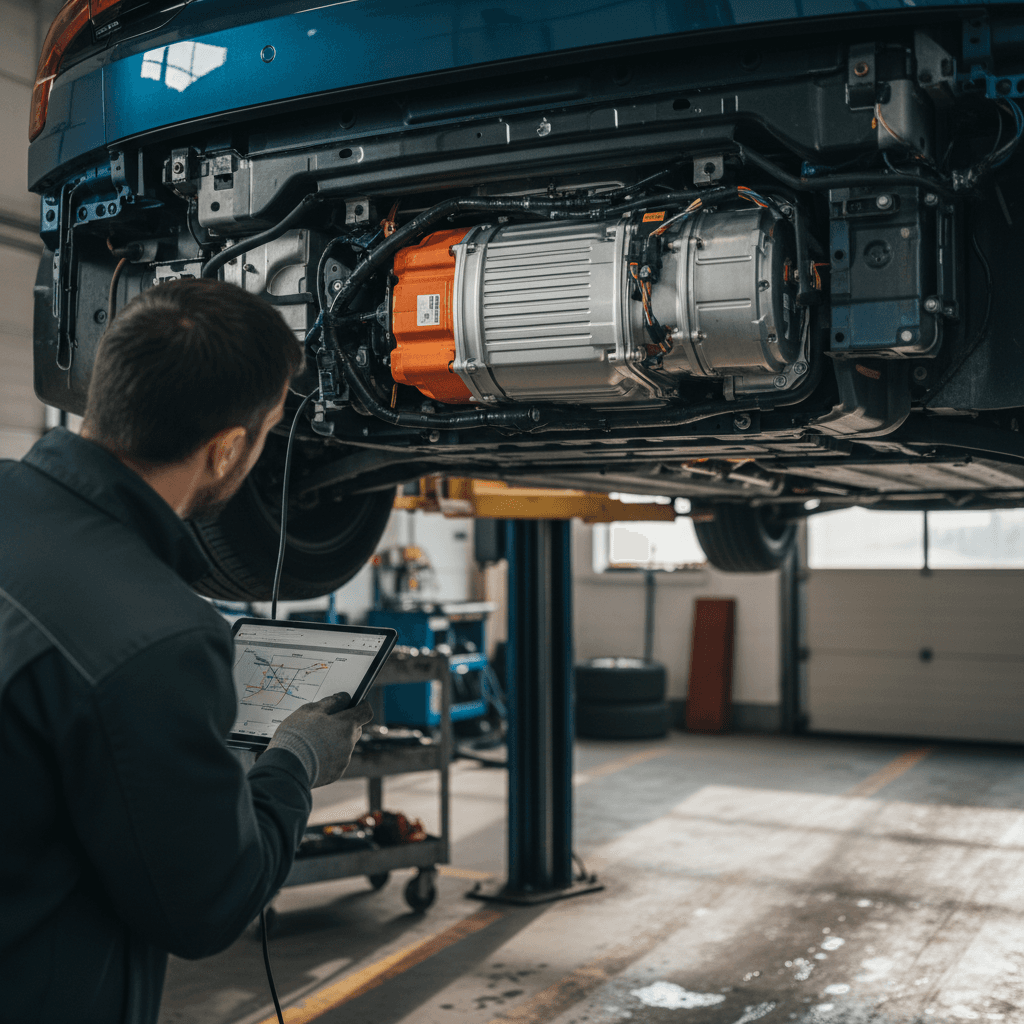
| Drive unit / drivetrain | On a small subset of AWD models, loss of drive power due to faulty rear drive units (subject of an official recall). | High – can cause loss of propulsion until repaired. | Was it built in the affected period? Has the rear drive unit recall been completed, with documentation? |
Use this as a checklist when test‑driving or inspecting a 2025 EV9, especially a used one.
Watch out for long repair times
Recalls affecting the 2025 Kia EV9
Recalls are not unique to Kia or to EVs; they’re a normal part of modern car manufacturing. What matters is what’s being fixed and how disruptive it is. For the 2024–2025 EV9, a few stand out:
Major EV9 recalls you should confirm
Loss of drive power (rear drive unit)
A recall on a limited batch of early U.S.‑built EV9s addresses rear gear drive units with improperly welded motor shafts that can lead to reduced acceleration or loss of drive power. The fix is replacing the rear drive unit. Any 2025 AWD EV9 built in Georgia should be checked against this campaign.
Missing seat mounting bolts
Some early EV9s were delivered with missing bolts in second‑ and third‑row seat mounts. It’s a straightforward fix at the dealer, but you want to see documentation that it’s been done on any used example you’re considering.
Instrument cluster / software campaigns
Kia has issued software‑driven campaigns for digital cluster failures and various driver‑assistance glitches. These often require dealer visits instead of simple OTA updates, so they contribute to the perception of high "nuisance" downtime.
12‑volt battery / ICCU–related updates
Given the history of ICCU and 12‑volt issues on Kia’s E‑GMP platform, it’s important to confirm whether your EV9 has had all related software and hardware updates, especially if it was an early‑build unit.
How to check recall status
Battery health, range, and software updates
For most EV shoppers, "reliability" really means "will the battery and range hold up, and will the car actually turn on when I need it?" With the EV9, the picture is nuanced.
What’s promising so far
- Warranty coverage is strong. Kia’s 10‑year/100,000‑mile high‑voltage battery and electric drivetrain warranty in the U.S. is one of the better safety nets in the market.
- Many owners report stable range. A large chunk of early EV9 drivers, including high‑milers, report no noticeable degradation in day‑to‑day range after a year or more.
- Fast‑charging performance is competitive. When everything is working, the EV9’s DC fast‑charging curve is one of its best features, making it a legitimately road‑trip‑capable family EV.
Where the red flags are
- Capacity loss and BMS quirks. A small set of owners have documented substantial drops in usable battery capacity (via OBD tools) or sudden range loss, sometimes after DC fast‑charging sessions.
- OTA updates changing usable capacity. At least one detailed owner report describes a software update that quietly reduced the battery’s usable window, 100% displayed, but less energy actually available, effectively trimming range without a visible "degradation" event.
- Diagnostic confusion at dealers. Some owners reporting range loss say dealers blamed weather or driving style even when third‑party tools indicated significant capacity loss, slowing down proper diagnosis.
Avoid misreading range loss
Ownership experience: dealer support and downtime
Reliability isn’t just about whether something breaks, it’s about how painful the experience is when it does. And this is where the EV9’s growing pains become very real for some owners.
What EV9 owners are actually saying
Themes that show up again and again in owner communities
"Zero issues so far"
Plenty of owners report 6–18 months of smooth driving: no unscheduled repairs, just tire rotations and recalls done during routine visits. Many call it the best vehicle they’ve ever owned, praising ride comfort, interior space, and charging convenience.
"Weeks in the shop"
On the other side of the spectrum, you’ll find stories of ICCU failures, battery problems, or other high‑voltage faults that kept EV9s at the dealer or regional service centers for weeks or months while parts were sourced and technicians figured out repairs.
"Dealers still learning EVs"
A common thread: many Kia dealers are fantastic at ICE service but still building EV expertise. Owners describe technicians who haven’t seen certain EV9 issues before, limited loaner fleets, and inconsistent communication during longer repairs.
Why support matters more than a score
2025 Kia EV9 vs other three-row EVs on reliability
If you’re shopping the 2025 EV9, you’re probably also eyeing alternatives like the Volvo EX90, Tesla Model X, Mercedes EQS SUV, or extended‑range plug‑in hybrids. None of these are perfect, but they fail in different ways.
How the EV9 stacks up on reliability factors
High‑level comparison based on early owner data and platform history, not long‑term decades‑deep records.
| Model | Reliability profile (early) | Biggest pain point | Where EV9 is better / worse |
|---|---|---|---|
| Kia EV9 (2025) | Mixed; below‑average predicted reliability but many satisfied owners. | Charging electronics, battery/ICCU issues, long repair times in some cases. | Better: price, warranty, DC charging. Worse: predicted reliability vs established hybrids and some Teslas. |
| Tesla Model X | Inconsistent build quality and trim issues, but strong track record on powertrain longevity. | Fit/finish, service delays, out‑of‑warranty repair costs. | Better: software maturity, Supercharger access. Worse: purchase price, repair costs. |
| Volvo EX90 | Too new for clear data; early production issues and software delays. | Launch delays and software bugs. | Better: safety pedigree, cabin quality. Unknown: long‑term EV hardware reliability vs EV9. |
| Mercedes EQS SUV | Premium build and dealer network, but complex electronics and air suspension risk. | Out‑of‑warranty costs for complex systems. | Better: dealership experience. Worse: TCO vs EV9 given purchase price and complexity. |
Use this grid as directional guidance, not a final verdict, these are all relatively new vehicles.
How to think about the EV9 vs rivals
Should you buy or lease a 2025 Kia EV9?
The 2025 Kia EV9 is the definition of a high‑reward, higher‑risk product: fantastic packaging and performance, wrapped in a first‑generation EV platform that’s still working through issues. That reality should shape how you structure the deal.
When a 2025 EV9 can make sense
- You prioritize space and fast charging. For a family that needs three usable rows and road‑trip‑friendly charging, the EV9 is genuinely compelling.
- You’re comfortable with some service friction. If you have a backup vehicle and can live with the possibility of a longer repair if something major fails, the reward may outweigh the risk.
- The pricing is aggressive. Discounts, tax credits passed through leases, or strong used pricing can tilt the math in the EV9’s favor compared with luxury three‑row alternatives.
Why many shoppers should consider leasing
- First‑gen risk is real. Leasing lets you enjoy the EV9 during its warranty sweet spot and walk away if reliability doesn’t improve.
- Battery and software are moving targets. The pace of EV and charging tech change is fast; a 3‑year lease keeps you from being locked into first‑generation quirks long‑term.
- Resale uncertainty. If early reliability perceptions stick, resale values could be volatile. A lease pushes that risk onto the lessor instead of you.
Practical strategy
How to shop a used EV9 smarter with Recharged
If you’re considering a used 2024–2025 Kia EV9 instead of buying new, the way you shop matters as much as which VIN you pick. This is exactly the gap Recharged was built to fill.
What Recharged adds to an EV9 purchase
Transparency around the parts of EV ownership that most shoppers can’t see
Verified battery health
Every EV9 on Recharged comes with a Recharged Score Report that includes battery health diagnostics, not just what the dash says for range. That helps you distinguish between a healthy pack and one that’s already lost a chunk of usable capacity.
Known recall & repair history
We pull service and recall data so you can see which campaigns, seat bolts, drive‑unit replacements, software updates, have already been completed, and which are still pending.
EV‑specialist guidance
Recharged’s EV‑focused team can talk you through the differences between a Korean‑built and U.S.‑built EV9, what ICCU or 12‑volt work to look for, and whether a given vehicle’s history should be a dealbreaker or just a negotiation point.
Ready to find your next EV?
Browse VehiclesUsed 2025 EV9 reliability checklist
Confirm build location and date
Check the door‑jamb build label and VIN. Early U.S.‑built EV9s had a higher concentration of driveline‑related recalls; Korean‑built vehicles have their own patterns. Knowing which you’re looking at helps you interpret the history.
Pull the full recall and TSB history
Use the VIN to see every recall and technical service bulletin that applies, and verify what’s actually been done. Missing seat bolts or drive‑unit recalls should be resolved before you take delivery.
Get a real battery health reading
Don’t rely solely on the displayed range. Ask for a battery health report, whether through a Recharged Score or another trusted diagnostic, to confirm usable capacity is in line with mileage and age.
Probe for charging and ICCU issues
Ask directly about any DC fast‑charging problems, "check EV system" messages, or previous ICCU replacements. Multiple events here may justify walking away or demanding a steep discount.
Evaluate dealer ecosystem
If you’ll be using a specific Kia dealer for service, call the EV advisor and ask how many EV9s they’ve worked on, how they handle loaners, and what typical wait times look like for high‑voltage parts.
Align term with warranty
If you’re financing a used EV9, try to keep your loan term within the remaining factory EV drivetrain warranty, or budget for an extended warranty that meaningfully covers high‑voltage components.
FAQ: 2025 Kia EV9 reliability
Common 2025 Kia EV9 reliability questions
Bottom line: is the 2025 Kia EV9 reliable?
The honest answer is that the 2025 Kia EV9 is a brilliant family EV with average‑to‑below‑average early reliability. If you happen to get a good one, and many owners have, it can be a fantastic, low‑maintenance, no‑gas family hauler. If you land on the wrong side of the statistics, you could be looking at frustrating downtime and a dealer network that’s still climbing the EV learning curve.
That doesn’t mean you should automatically walk away. It means you should approach the EV9 the way you would any ambitious first‑wave EV: pair the right deal structure (often a lease), the right warranty coverage, and the right vehicle‑level due diligence, battery health checks, recall verification, and a realistic understanding of your local dealer support.
If you want help navigating that process on a used EV9, or want to compare it against other three‑row electric options, Recharged can give you the kind of battery‑level transparency and EV‑focused guidance that the traditional used‑car world simply doesn’t offer. That’s how you turn a high‑reward, high‑risk EV into a decision that actually fits your life and your tolerance for surprises.