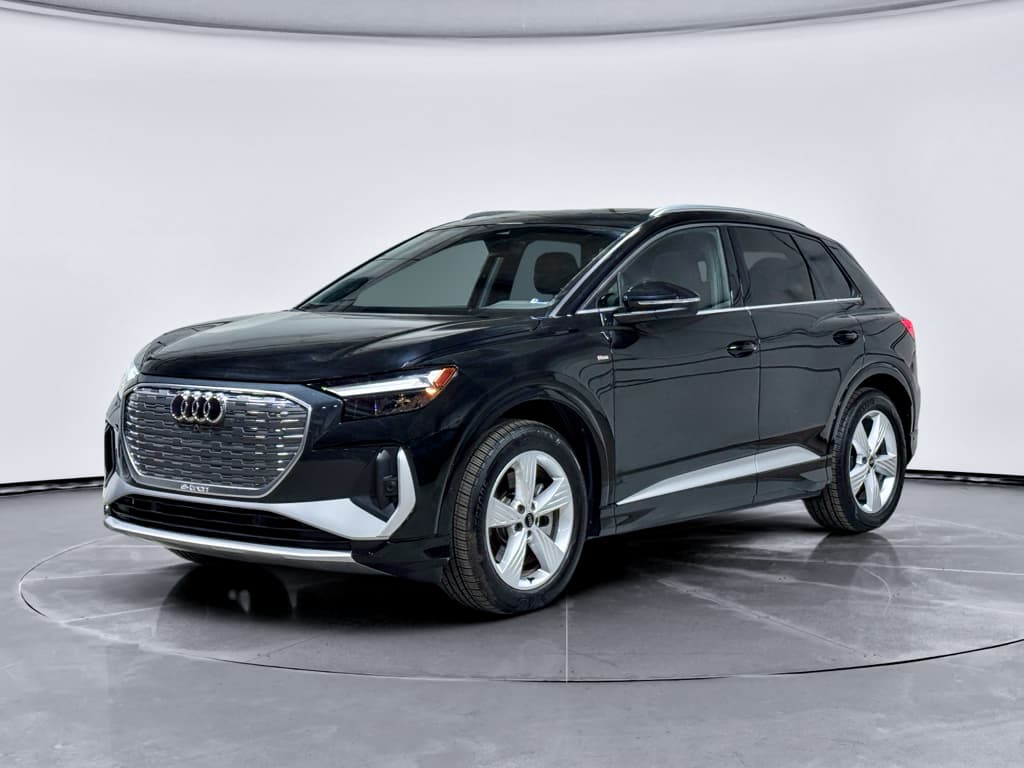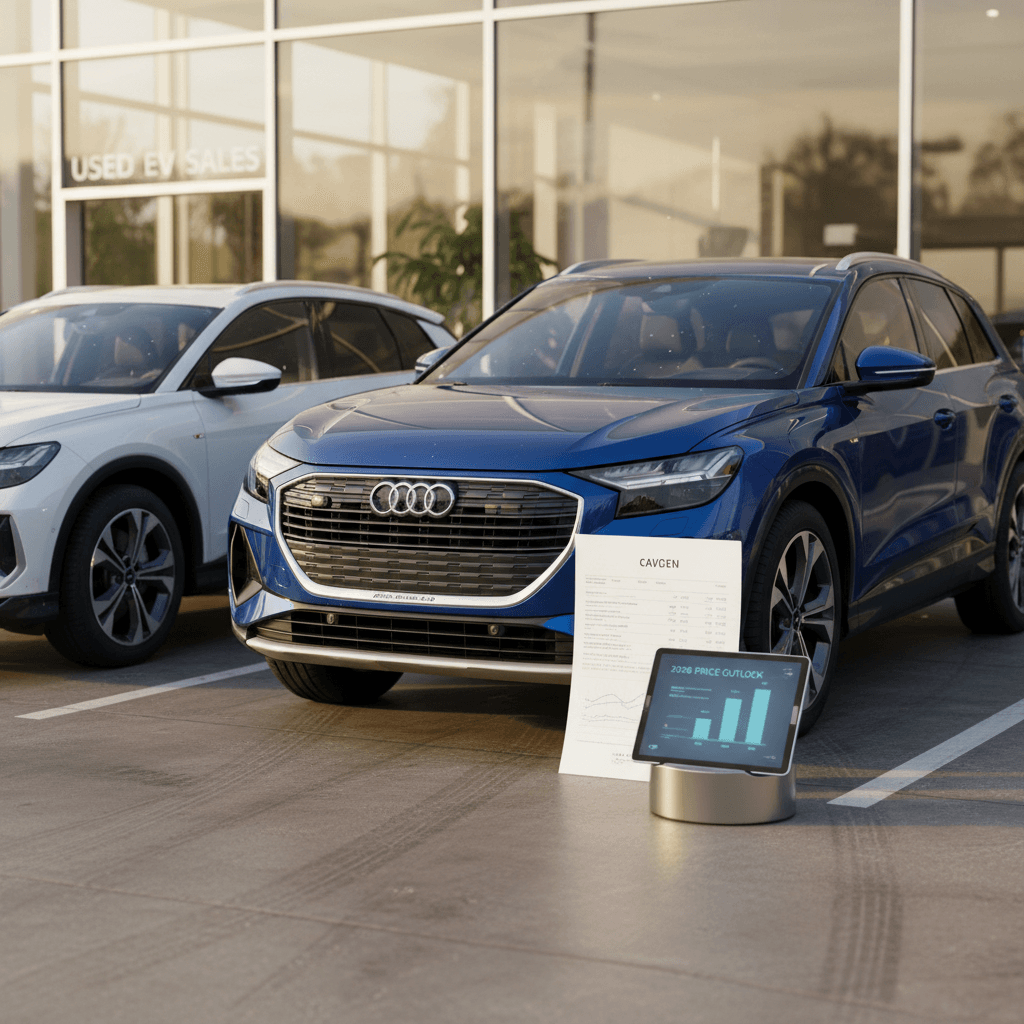
If you’re eyeing an Audi Q4 e-tron in 2026, whether new, used, or as a lease, the big question is simple: what will it actually cost you? The EV market is softening, incentives are in flux, and compact luxury SUVs like the Q4 e-tron are feeling real price pressure. This guide breaks down the Audi Q4 e-tron price forecast for 2026 so you can decide when to buy, how to shop, and what a fair deal looks like.
Quick 2026 price snapshot
Why a 2026 Audi Q4 e-tron price forecast matters
The Q4 e-tron sits in a fiercely competitive corner of the market: compact luxury EV SUVs. In 2025, Audi was already squaring off against the Cadillac Optiq, Tesla Model Y, Mercedes EQB, and Volvo XC40 Recharge. The Q4’s 2025 starting price around $51,000 put it right in the thick of that segment, but it hasn’t always been the value winner on paper.
At the same time, the broader EV market has been resetting. Average EV transaction prices in the U.S. have drifted downward as Tesla and others cut prices, battery costs fell, and incentives fluctuated. Used EV prices in particular saw steep drops from 2022 to 2025 before stabilizing. That context matters a lot when you’re trying to estimate what a Q4 e-tron will be worth in 2026, whether you’re considering a new purchase, looking at used, or figuring out the right time to sell or trade in.
Where EV pricing stands heading into 2026
Forecasts, not guarantees
Where 2026 Audi Q4 e-tron MSRPs are likely to land
By early 2026, pricing guides were already publishing estimates and early MSRPs for the 2026 Audi Q4 e-tron. Base Premium 45 models are positioned just over the $50,000 mark, with better-equipped 55 and Sportback trims cresting into the high-$50,000s. That aligns with 2025’s starting price of roughly $51,000 and a modest upward creep that’s typical for a mid-cycle EV.
Projected 2026 Audi Q4 e-tron MSRP ranges (U.S.)
Approximate manufacturer suggested retail prices (excluding destination, taxes, and incentives).
| Trim | Drivetrain | Body Style | Likely 2026 MSRP Range |
|---|---|---|---|
| Q4 e-tron 45 Premium | RWD | SUV | $50,000–$53,000 |
| Q4 e-tron 55 Premium | AWD | SUV | $54,000–$57,000 |
| Q4 e-tron 55 Premium Plus | AWD | SUV | $57,000–$60,000 |
| Q4 Sportback 55 Premium | AWD | Sportback | $56,000–$59,000 |
| Q4 Sportback 55 Premium Plus | AWD | Sportback | $59,000–$62,000 |
Use this as a directional guide, dealers and incentives will move your real-world price.
Don’t anchor on MSRP
- Audi quietly raised Q4 e-tron MSRPs by around $800 in late 2025 across most trims, but paired that with complimentary maintenance, signaling margin sensitivity rather than pure pricing power.
- Competitors like the Cadillac Optiq and Tesla Model Y have undercut or matched the Q4’s price while offering more range or features, which limits how aggressive Audi can be with further hikes.
- With the larger and more advanced Q6 e-tron priced from the low $60,000s, Audi has to keep Q4 pricing clearly below that to avoid internal overlap.
Used Audi Q4 e-tron prices in 2026: our best estimates
For most shoppers, the bigger opportunity in 2026 isn’t the new Q4, it’s the used Audi Q4 e-tron market. Early Q4s (2022–2024) have already taken the steepest part of the EV depreciation curve, and a wave of lease returns is landing right as demand for new EVs has cooled. That’s exactly the recipe that’s been pushing used EV prices down faster than used gas cars.
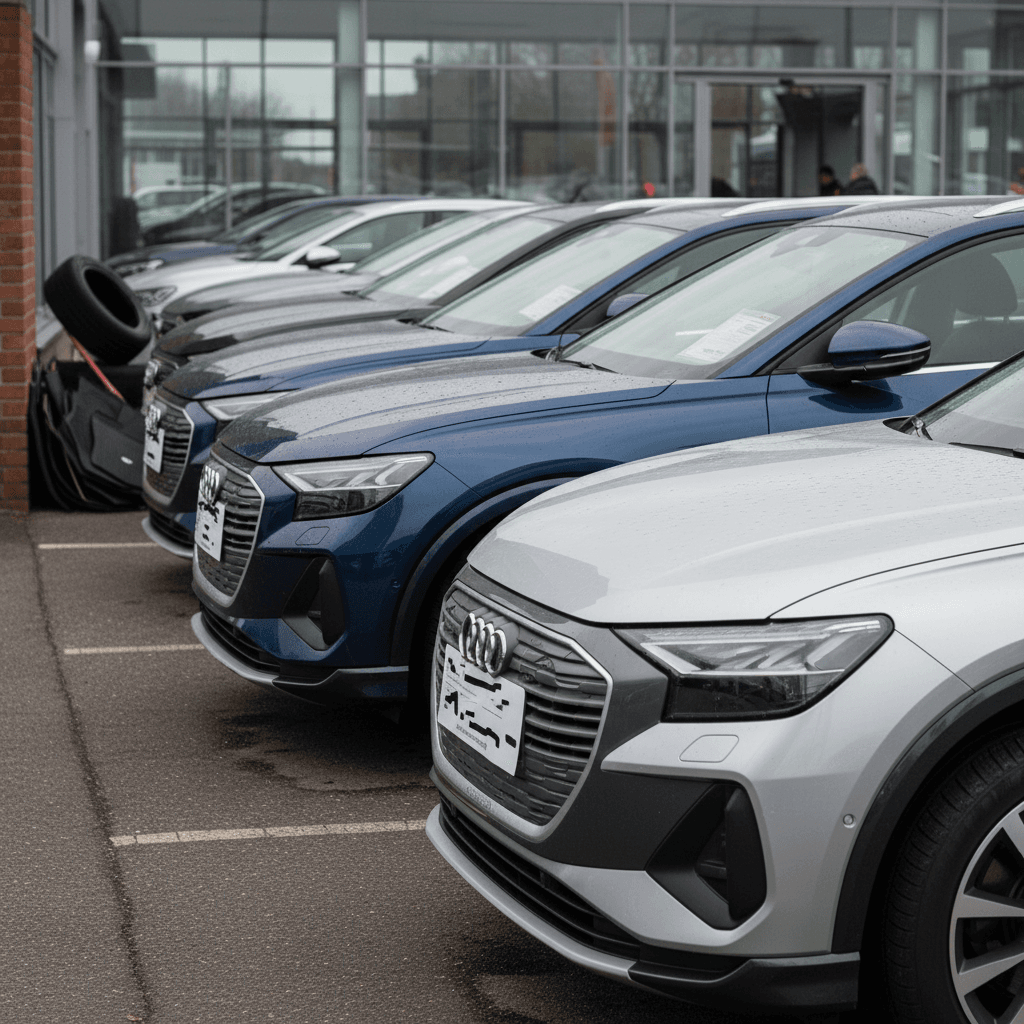
Forecast: Used Audi Q4 e-tron price bands in 2026 (U.S.)
Approximate retail asking prices for clean-title, average-mileage vehicles sold by dealers or well-documented private sellers.
| Model Year | Typical Mileage Range (2026) | Likely Price Band | Notes |
|---|---|---|---|
| 2022 | 30,000–45,000 miles | $28,000–$35,000 | First model year; expect the steepest depreciation but also the most pricing variety. |
| 2023 | 20,000–40,000 miles | $32,000–$40,000 | Sweet spot for value; plenty of lease returns and CPO inventory. |
| 2024 | 15,000–30,000 miles | $35,000–$43,000 | More desirable features and software updates; still in early depreciation. |
| 2025 | 10,000–25,000 miles | $40,000–$48,000 | Late-model used with strong remaining warranty; may overlap with heavily discounted new inventory. |
Real prices will depend heavily on mileage, options, region, and battery health.
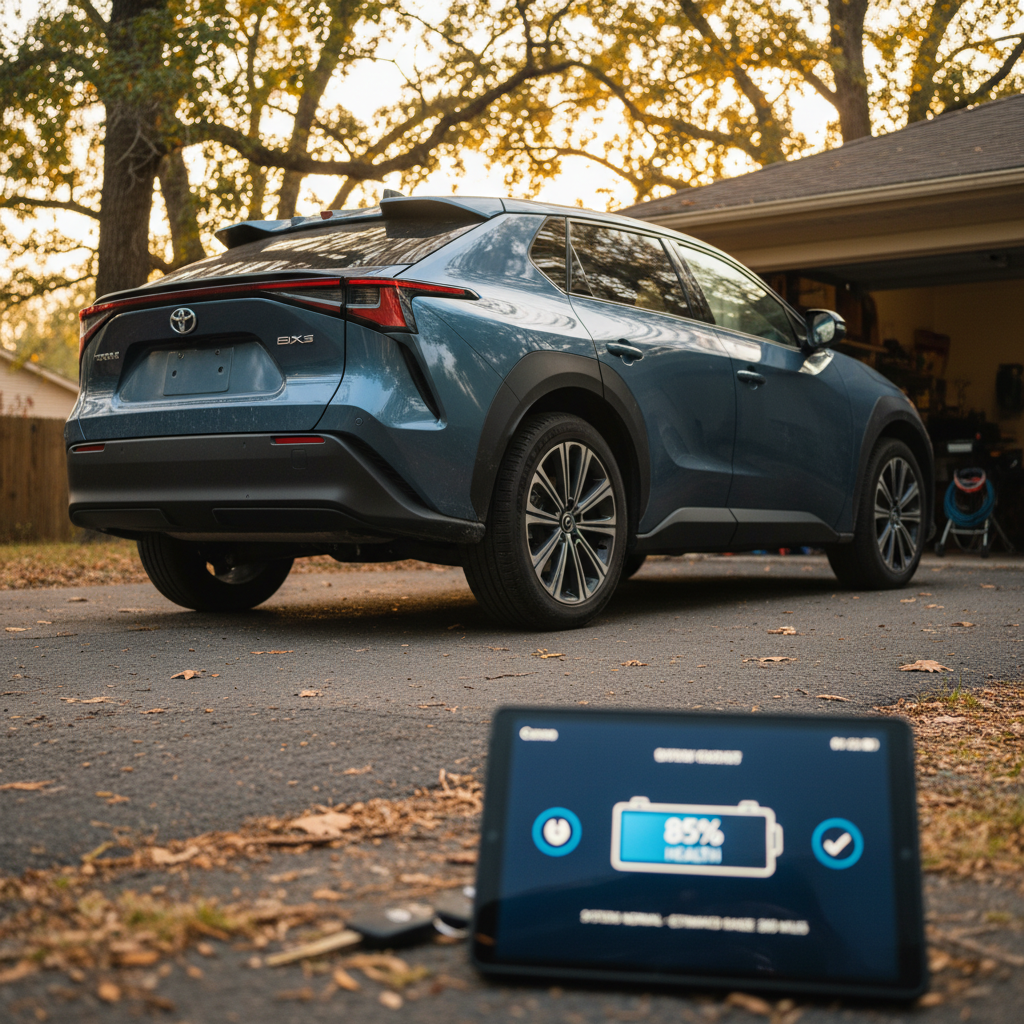
Why battery health is the tiebreaker
Used Audi Q4 e-tron shopping checklist for 2026
1. Start with a 2023–2024 model
You’ll typically get better range, updated software, and improved powertrain options over the 2022 launch year, often for only a modest price premium.
2. Target 10,000–30,000 miles
That’s the sweet spot where depreciation has done its job but you still have plenty of remaining warranty and life left in key components.
3. Demand a battery health report
Ask for documented battery diagnostics, not just a guess based on range shown in the cluster. Recharged includes a verified Recharged Score battery report with every vehicle.
4. Compare against discounted new inventory
In some markets, heavily incentivized new 2025–2026 Q4s will narrow the gap with late-model used. Always compare your used quote to real new-car transaction prices.
5. Factor in charging and incentives
Regional incentives, utility rebates, and home charging installation costs all affect your real cost of ownership, not just the sale price.
Lease deals and monthly payments: what to expect in 2026
Leasing has quietly become one of the smartest ways to get into a Q4 e-tron. Thanks to the so‑called “lease loophole,” many EVs that don’t qualify for retail tax credits can still benefit from incentives when leased, and luxury brands have leaned on that to keep payments attractive even as MSRPs stayed high.
What 2026 Q4 e-tron leases might look like
- 24–36 month terms will remain common as brands manage EV technology risk and fast model updates.
- With MSRPs in the low–to–mid $50,000s and strong support, well‑qualified lessees could see payments in the high $400s to mid‑$600s with modest drive‑offs, depending on mileage and region.
- Expect the best deals on volume trims like Premium and Premium Plus, not heavily optioned one‑offs.
Who should still buy instead of lease?
- If you plan to keep the car 6–8+ years and drive average miles, purchasing can still pencil out, especially if you secure a good rate.
- Buyers in markets with strong used EV demand or limited supply may see better long‑term value holding rather than cycling leases.
- If you’re sensitive to tech obsolescence, a lease lets you treat the Q4 more like a subscription than a forever car.
Watch residuals and money factors
Key forces shaping Audi Q4 e-tron pricing in 2026
Four forces that will move Q4 e-tron prices in 2026
Understanding these helps you read between the lines on any deal.
1. EV market softness
2. Falling battery costs
3. Incentives and policy shifts
4. Used EV supply wave
Cross‑shop pressure matters
Trim, battery, and range: how configurations shape 2026 prices
The Q4 e-tron lineup has gotten more complicated with each model year, different power levels, battery updates, and package reshuffles. That complexity shows up in pricing: two Q4s that look similar on the lot can be thousands of dollars apart on paper.
How configuration choices influence Q4 e-tron pricing
Not every dollar you spend up front comes back at resale, here’s what typically sticks.
| Feature / Option | Upfront Price Impact | Resale Impact by 2026 | Analyst Take |
|---|---|---|---|
| 55 AWD vs 45 RWD | +$3,000–$4,000 | Moderate | AWD and higher power are attractive but not deal‑breakers; value depends on your climate and driving style. |
| Sportback body style | +$2,000–$3,000 | Low–Moderate | Looks great, slightly less practical; tends to command a small premium but not always in every region. |
| Tech & Driver Assistance packages | +$2,000–$4,000 | Moderate–High | Well‑equipped examples are easier to sell used; shoppers expect modern ADAS in a luxury EV. |
| Big wheels / appearance packs | +$1,000–$3,000 | Low | Great for curb appeal, but usually don’t hold value and can hurt efficiency and ride comfort. |
| Premium audio / interior upgrades | +$1,000–$2,000 | Moderate | Nice‑to‑haves that help a specific buyer fall in love but rarely change the core price band. |
Use this grid to decide which boxes are worth checking for future value.
Spec for buyers, not just for you
Strategy if you own a Q4 e-tron today
If you already have a Q4 e-tron in the driveway, 2026 is less about list prices and more about timing and positioning. You’re trying to outrun depreciation without giving up too much remaining utility.
Owner playbook: how to think about 2026
You’re in a lease ending in 2026
Get a payoff quote 60–90 days before lease‑end and compare it to realistic retail values from multiple sources.
If your buyout is well below market, consider purchasing and either keeping the car or reselling in a private‑party transaction.
If your buyout is higher than market, treat the lease like a rental, turn it in and shop fresh deals on a new or used EV.
Use end‑of‑lease inspections to your advantage; fix inexpensive cosmetic issues yourself to avoid turn‑in charges.
You financed and may sell or trade
Pull current offers from instant‑value tools and at least one EV‑focused retailer to sanity‑check your equity position.
If you’re barely above water, consider waiting until more of the loan is paid down unless a strong trade‑in offer closes the gap.
Stay on top of software updates and maintenance; documented care supports stronger offers in a crowded used‑EV market.
If you’re moving to a different EV, time your sale or trade to periods when local inventory is tight and incentives are favorable.
You plan to hold long‑term
Focus on total cost of ownership, not short‑term paper losses, especially if you bought at peak 2022–2023 prices.
Protect the battery: avoid chronic 100% fast charges, keep the car garaged where possible, and follow Audi’s charging guidance.
Keep meticulous service records and consider periodic battery health checks; they’re valuable if circumstances change and you do decide to sell.
Monitor insurance, energy, and maintenance costs annually to make sure the Q4 still fits your budget as it ages.
Avoid panic‑selling into a weak market
How Recharged helps you navigate 2026 Q4 e-tron pricing
The hardest part of shopping this segment isn’t finding a Q4 e-tron, it’s knowing whether the price actually reflects the car: battery health, options, usage pattern, and local demand. That’s exactly the uncertainty Recharged was built to remove from the used EV experience.
Shopping or selling a Q4 e-tron? Here’s what Recharged adds
Built from the ground up around how EVs age and how their value really works.
Verified battery health
Transparent pricing
Nationwide, EV‑savvy support
Financing built for EVs
Flexible selling options
Data‑driven decisions
Ready to find your next EV?
Browse VehiclesFAQ: Audi Q4 e-tron price forecast 2026
Common questions about 2026 Audi Q4 e-tron pricing
Bottom line: should you buy, sell, or wait?
The Audi Q4 e-tron enters 2026 in a very different EV landscape than the one it launched into. New‑car prices are under pressure, used EV inventories are swelling, and luxury crossovers face more competition than ever. For you, that’s not a reason to avoid the Q4, it’s a reason to be price‑sensitive and data‑driven.
If you’re shopping new, aim for meaningful discounts off MSRP, compare against at least two competitors, and be willing to walk if a dealer is still pricing the Q4 like it’s 2022. If you’re hunting used, the 2023–2024 model years look especially compelling in 2026, provided you verify battery health and ownership history. And if you already own a Q4, try not to overreact to headline depreciation numbers; focus on your total cost of ownership and only move if the next step is clearly better, not just newer.
Whichever camp you’re in, working with an EV‑specialist marketplace like Recharged gives you more than just another listing feed, you get transparent pricing, verified battery reports, and a support team whose entire job is to decode a market that’s still finding its footing. In a year like 2026, that context is often worth more than chasing another thousand dollars on the sticker.