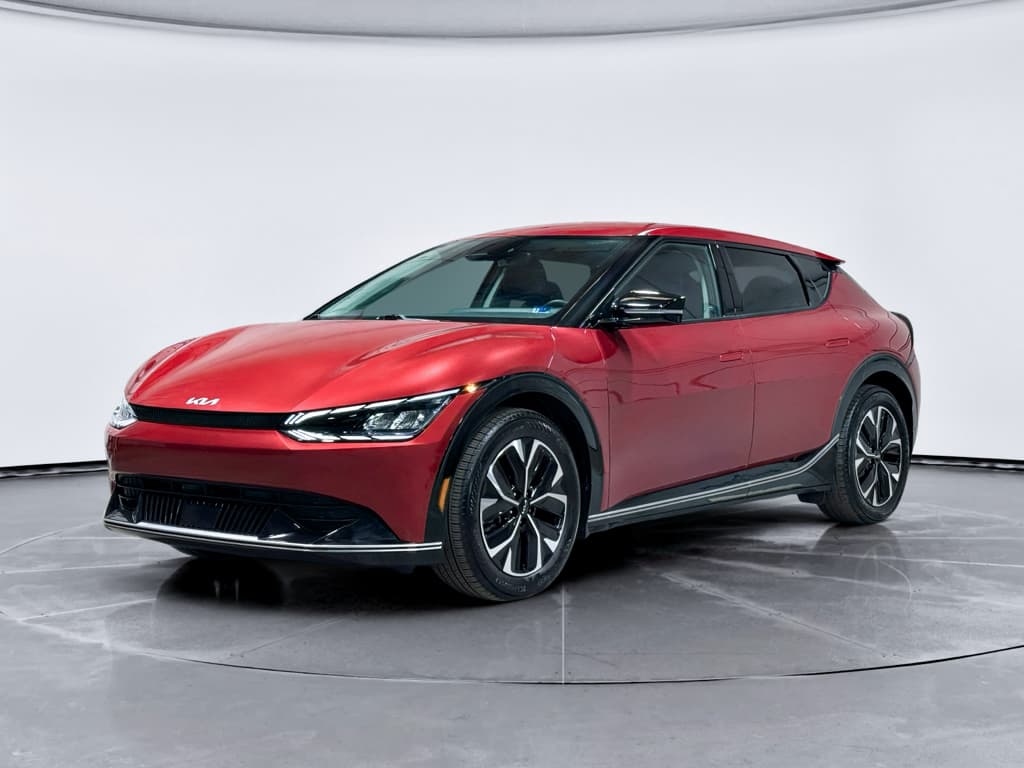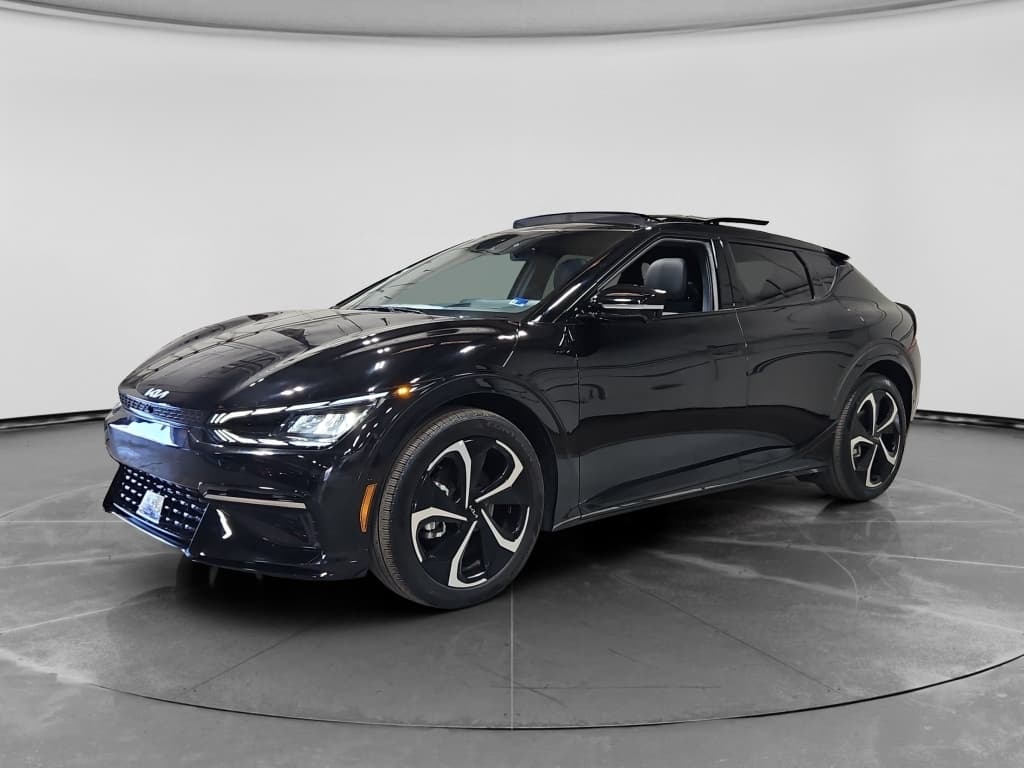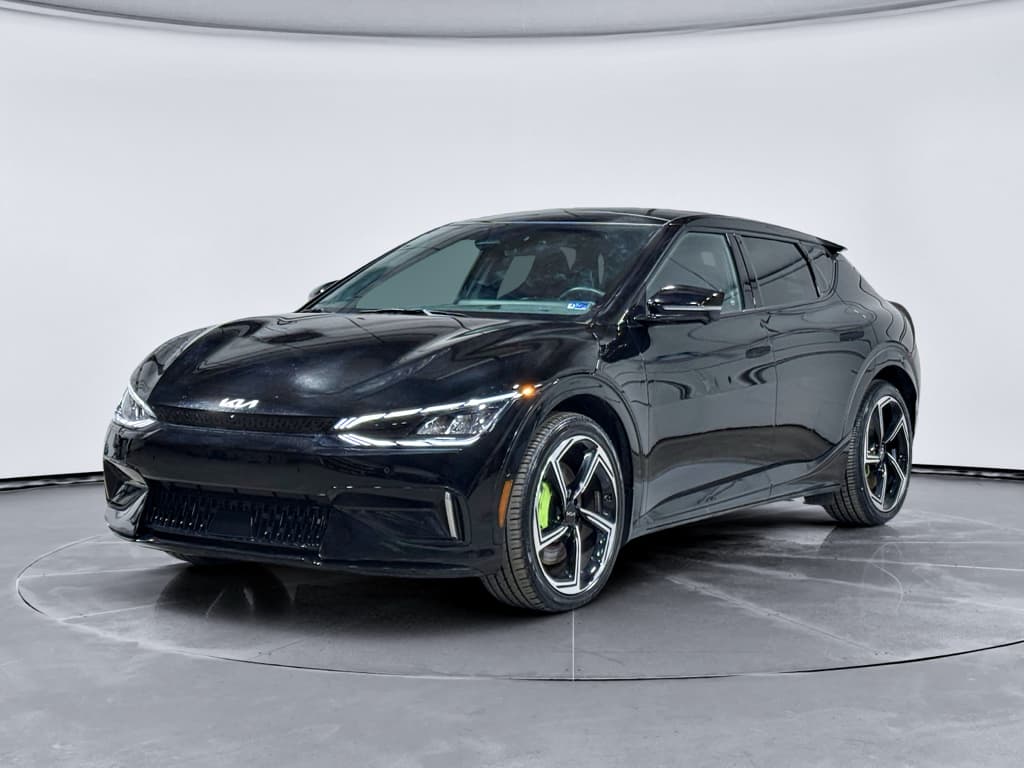
If you’re looking at a 2025 EV and care about long‑term dependability, the 2025 Kia EV6 reliability rating is probably near the top of your research list. The EV6 is quick, efficient, and well‑equipped, but early model years were dinged by charging‑system failures and electrical gremlins, and those stories linger online. Let’s separate noise from signal so you know what the latest data actually says about the 2025 EV6.
Quick take
2025 Kia EV6 reliability at a glance
2025 Kia EV6 reliability snapshot
Put simply, the 2025 EV6 is not a ticking time bomb, but it’s also not at the top of the class for predicted reliability. Charging‑system and 12‑volt issues that surfaced on 2022–2024 EGMP models (Hyundai Ioniq 5, Kia EV6, EV9, Genesis GV60) still cast a long shadow over the 2025 reliability rating, even if the hardware and software have been quietly iterated.
Context matters
How the 2025 Kia EV6 reliability rating is calculated
When you see a headline like “2025 Kia EV6 is less reliable than the average 2025 vehicle,” it usually comes from a single place: a large, survey‑based testing organization that collects reliability data from hundreds of thousands of vehicles each year. For the EV6, they roll together actual repair history and problem rates for 2022–2024 examples, then project that pattern forward into a predicted reliability score for the 2025 model year.
- They track 15–20 trouble areas, from the electric motor and battery to in‑car electronics and charging hardware.
- Early years with widely reported ICCU and 12‑volt issues pull the entire model’s score down, even if later years are improved.
- Software bugs, infotainment glitches, and charging failures often count the same as more traditional mechanical problems.
- Because EV6 is still relatively new, a handful of high‑profile issues has an outsized effect on predicted scores.
Meanwhile, owner‑review sites like Kelley Blue Book paint a slightly different picture. There, the 2025 EV6 currently carries an overall owner score around 4.0–4.2 out of 5, with a specific reliability sub‑rating also just over 4 out of 5 and roughly three‑quarters of owners saying they’d recommend the car. That suggests day‑to‑day satisfaction is strong even if a minority of owners have serious headaches.
Owner reviews: what 2025 EV6 drivers are reporting
Real‑world 2025 EV6 owner themes
Why ratings are good, but not flawless
Most owners are happy
Across public review platforms, most 2025 EV6 owners report trouble‑free driving during the first year: strong performance, good efficiency, and a comfortable ride. Styling and driving enjoyment routinely score highest.
Charging system anxiety lingers
Even owners without problems often mention they bought the car knowing about ICCU and 12‑V issues in earlier years. Some watch for warning messages or slow‑charging behavior as a result.
Dealer experience is hit or miss
Where issues do arise, owners’ frustration is often aimed more at dealer service and parts availability than at the car itself. Long waits for diagnostics or ICCU replacements can sour the experience.
“The EV6 is an awesome car… I absolutely love my EV6, but I have zero confidence that anytime I drive it won’t be the time that I have an ICCU problem.”
That tension, between owners who’ve had a flawless run and a smaller group dealing with serious ICCU or electrical problems, is exactly why the 2025 Kia EV6 reliability rating lands below the segment’s best but still above many other first‑generation EVs.
ICCU and charging issues: are they fixed for 2025?
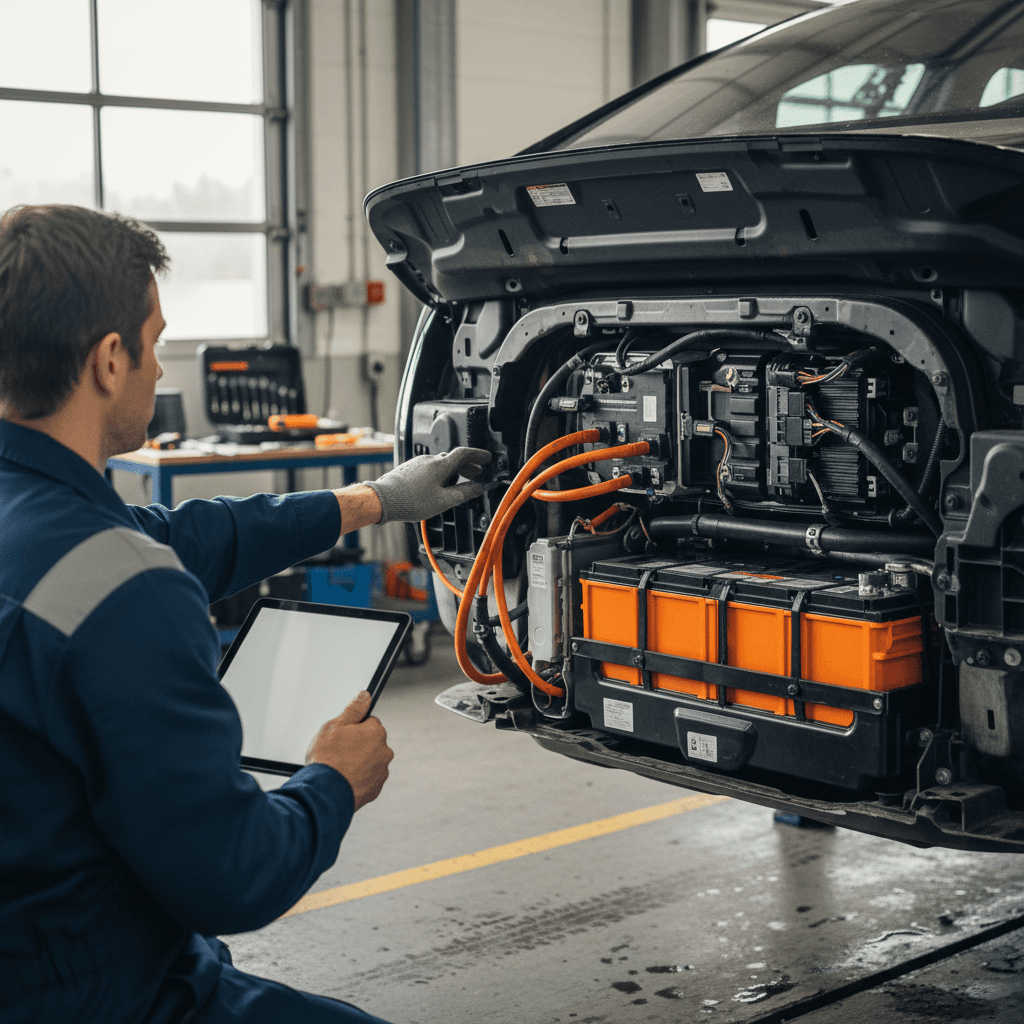
The single biggest reliability story around the EV6 is the Integrated Charging Control Unit (ICCU). This box manages DC fast charging, AC charging, and the car’s 12‑volt support. On some 2022–2024 EGMP vehicles, thermal and electrical stress can damage components inside the ICCU, leading to charging failure, repeated 12‑V battery death, or even loss of motive power while driving.
Why ICCU failures matter
What changed by 2025?
- Updated ICCU hardware and revised thermal management are reported on later production runs.
- Software updates adjust charging behavior and fault detection to reduce stress on components.
- Warranty campaigns and service bulletins give dealers clearer diagnostic and replacement procedures.
What we still don’t know
- Because the 2025 EV6 has only been on the road for a short time, there’s limited long‑term data on whether the updated parts fully solve the issue.
- Survey data suggests ICCU problems affect a minority (single‑digit to low‑teens percent) of owners across Hyundai/Kia EVs, but those failures are serious when they occur.
- Charging‑related complaints still weigh heavily on the EV6’s overall predicted reliability rating.
Good news for 2025 buyers
How 2025 compares to 2022–2024 EV6 reliability
Kia EV6 reliability by model year (big picture)
How the 2025 Kia EV6 reliability story sits in context of earlier years.
| Model year | Overall reliability verdict | Common headaches | Notable positives |
|---|---|---|---|
| 2022 | Below average | ICCU failures, 12‑V battery drain, some loss‑of‑power incidents, early‑software bugs | Strong crash‑test performance, solid battery range, fun to drive |
| 2023 | Below average | Similar ICCU/charging issues, some infotainment glitches; early recalls and TSBs rolled out | Slightly improved software, more data for dealers to diagnose issues |
| 2024 | Below average but improving | ICCU issues remain the main concern; some owners report completely trouble‑free cars, others multiple visits | More mature software, growing owner base with many clean reliability stories |
| 2025 | Predicted below average (so far) | Long‑term ICCU durability of updated hardware still unproven; dealer experience varies | No major new failure pattern yet; owner review scores and day‑to‑day satisfaction remain strong |
Exact numeric scores differ by source, but the pattern below reflects consistent themes across owner reports and independent surveys.
From a used‑EV shopper’s point of view, this pattern means you’re not looking at a model plagued by motor or high‑voltage battery failures. The main risk cluster is around charging and low‑voltage support hardware, which is inconvenient but generally fixable under warranty, if you have access to a competent Kia dealer.
Safety, recalls and investigations affecting the EV6
Reliability and safety are related but distinct. The early EV6 has seen regulatory attention mostly around loss of motive power complaints tied to charging hardware. U.S. safety regulators opened an investigation into 2022 EV6 loss‑of‑power incidents, focused on the high‑voltage system and charging components. In parallel, technical service bulletins and limited recalls have addressed ICCU and 12‑V behavior across several Hyundai/Kia EVs.
2025 EV6 safety picture
What the 2025 Kia EV6 reliability rating means if you buy used
If you’re cross‑shopping a new 2025 EV6 versus a 2022–2024 used example, the reliability story should directly shape how you evaluate price, warranty, and risk. A below‑average predicted reliability score doesn’t automatically mean “run away”, but it does mean you should lean harder on data, diagnostics, and warranty coverage than you might with a simpler gas crossover.
Is a 2025 Kia EV6 a good bet for you?
How the reliability profile fits different buyers
Great fit if…
- You have easy access to a Kia dealer with EV experience.
- You value performance, design, and charging speed as much as bulletproof simplicity.
- You plan to own the car primarily while it’s under original EV component warranty.
- You’re okay with a small but real chance of an ICCU or electrical repair visit.
Think twice if…
- You live far from any Kia dealer or one with strong EV credentials.
- You absolutely need Toyota‑like “never goes wrong” reliability.
- You can’t afford to be without the car if parts delays stretch into weeks.
- You’re buying out of warranty and can’t stomach a four‑figure repair.
Where Recharged fits in
Ready to find your next EV?
Browse VehiclesHow Recharged evaluates Kia EV6 battery and charging health
Because so much of the EV6 reliability story revolves around charging electronics, not the big battery pack itself, you want more than a quick test drive and an OBD scanner. At Recharged, we lean on a structured diagnostic process before any EV6 is listed for sale.
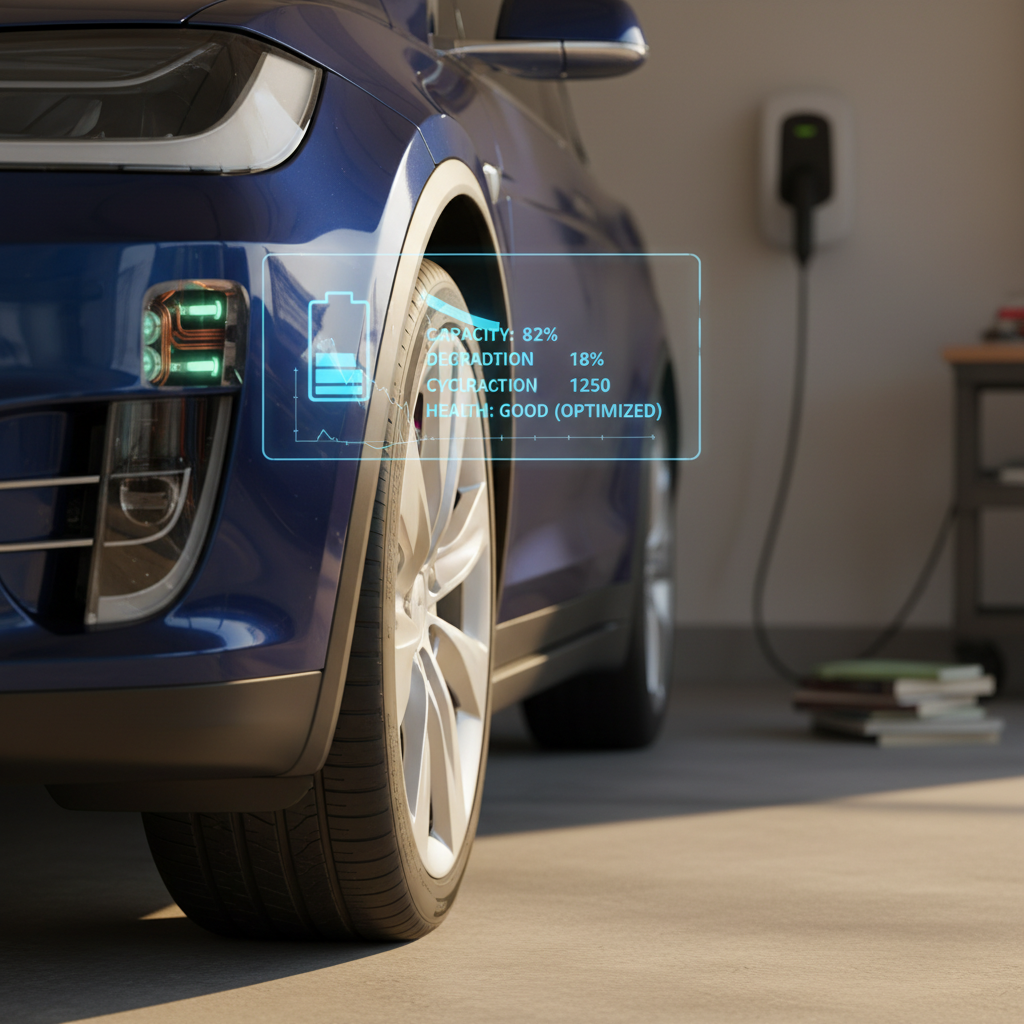
- Battery health and degradation: We read pack‑level and module‑level data, compare usable capacity to original spec, and look at fast‑charging history where it’s available.
- ICCU and 12‑V behavior: We scan for historic and current trouble codes, look for evidence of ICCU replacement, and verify stable DC fast‑charge rates during a monitored session when possible.
- Charging‑port and on‑board charger checks: Physical inspection for heat damage or corrosion, plus functional tests on Level 2 and (when applicable) DC fast charging.
- Software and firmware status: We confirm that critical EV‑system updates have been applied, especially campaigns related to charging and high‑voltage safety.
- Ownership and warranty status: We map remaining high‑voltage and EV‑system warranty coverage against the vehicle’s in‑service date and mileage, so you know what’s protected.
The output of that process is baked into the Recharged Score, so you don’t have to reverse‑engineer whether a used EV6 is one of the trouble‑free majority or a car that’s already burning through its goodwill at the service desk.
Checklist before you buy a 2025 Kia EV6
Pre‑purchase checklist for a 2025 Kia EV6 (new or used)
1. Pull reliability and recall history
Look up any open recalls and scan reliability coverage for the EV6. Pay close attention to ICCU‑ and charging‑related campaigns and whether they’ve already been completed on the car you’re considering.
2. Confirm remaining EV‑system warranty
Kia’s EV component coverage is generous, but transfers and in‑service dates matter. Verify in writing how long you’re covered for the battery, ICCU, and high‑voltage components, especially on a used purchase.
3. Test DC fast charging and Level 2
If possible, do a <strong>real charging session</strong>. A healthy 2025 EV6 should ramp quickly to expected DC speeds and sustain them without repeated error messages or sudden drop‑offs. On Level 2, verify the car charges at its expected AC rate.
4. Watch for warning lights and messages
During a long test drive, look for “Check EV System” warnings, sudden drops in power, or unexpected fan noise while charging. Any of these can hint at ICCU or high‑voltage issues that need deeper investigation.
5. Inspect service records
Ask specifically about prior ICCU replacements, 12‑V battery issues, or charging‑system repairs. A single properly resolved incident isn’t a deal‑breaker, but repeated visits without a clear fix are a red flag.
6. Evaluate your local dealer network
Call nearby Kia dealers and ask bluntly about their EV6 experience: how many EV‑certified techs they have, typical wait times for EV appointments, and whether they’ve handled ICCU repairs before.
7. Consider third‑party inspection or a Recharged Score
If you’re buying from a private seller or non‑EV specialist, budget for an <strong>independent EV inspection</strong> or look for a car that already has a Recharged Score Report so you’re not guessing on hidden issues.
Don’t skip the charging test
FAQ: 2025 Kia EV6 reliability questions
Frequently asked questions about 2025 Kia EV6 reliability
Bottom line: is the 2025 Kia EV6 reliable enough to buy?
So where does the 2025 Kia EV6 reliability rating leave you? In a nuanced spot. Statistically, this is not the safest bet in the EV world if you’re chasing absolute, Toyota‑grade dependability. The shadow of ICCU and charging‑hardware issues still weighs on the scorecards, and long‑term data on the 2025 updates is just beginning to roll in.
At the same time, most 2025 EV6 owners report strong day‑to‑day satisfaction, no pattern of catastrophic battery failures has emerged, and Kia’s EV component warranty buffers you from many worst‑case scenarios in the early years. If you’re willing to accept a bit of extra complexity in exchange for excellent performance, fast charging, and distinctive design, and you pair that with a careful inspection and solid dealer or marketplace support, the 2025 EV6 can still be a very rational choice.
If you’d rather not gamble on your own, shopping through Recharged gives you a shortcut: every EV6 comes with a Recharged Score Report, EV‑specialist guidance, and a buying process built specifically around the realities of used EV reliability. That way, you can focus less on ICCU acronyms and more on whether the EV6’s blend of speed, efficiency, and style fits the way you actually drive.