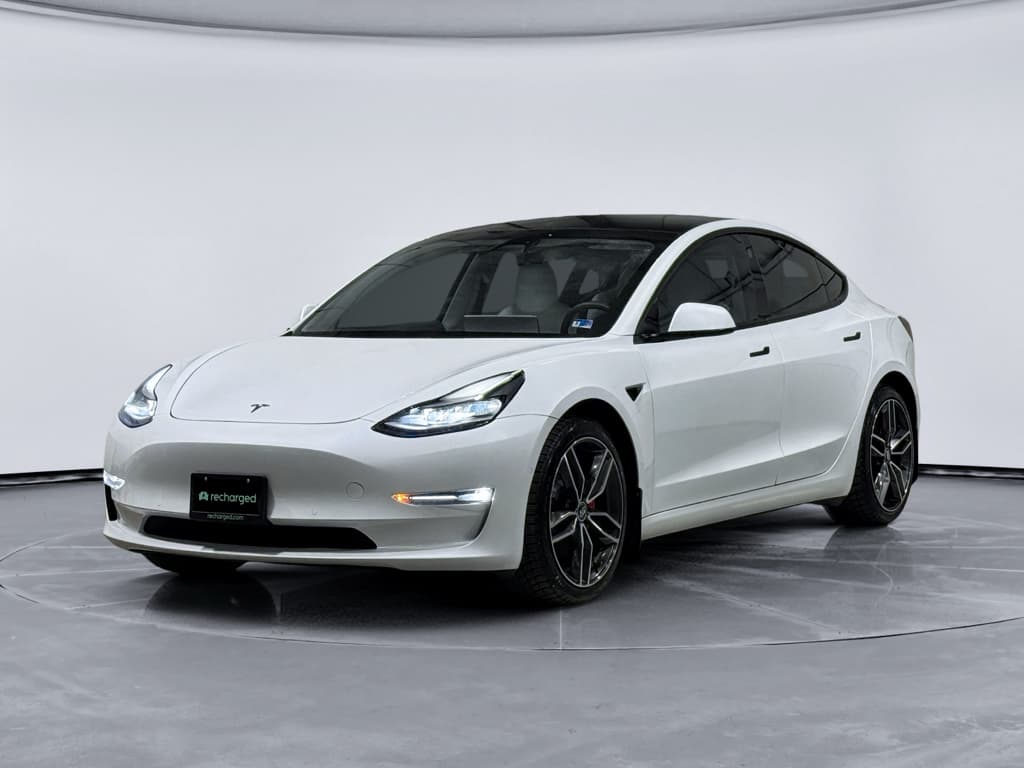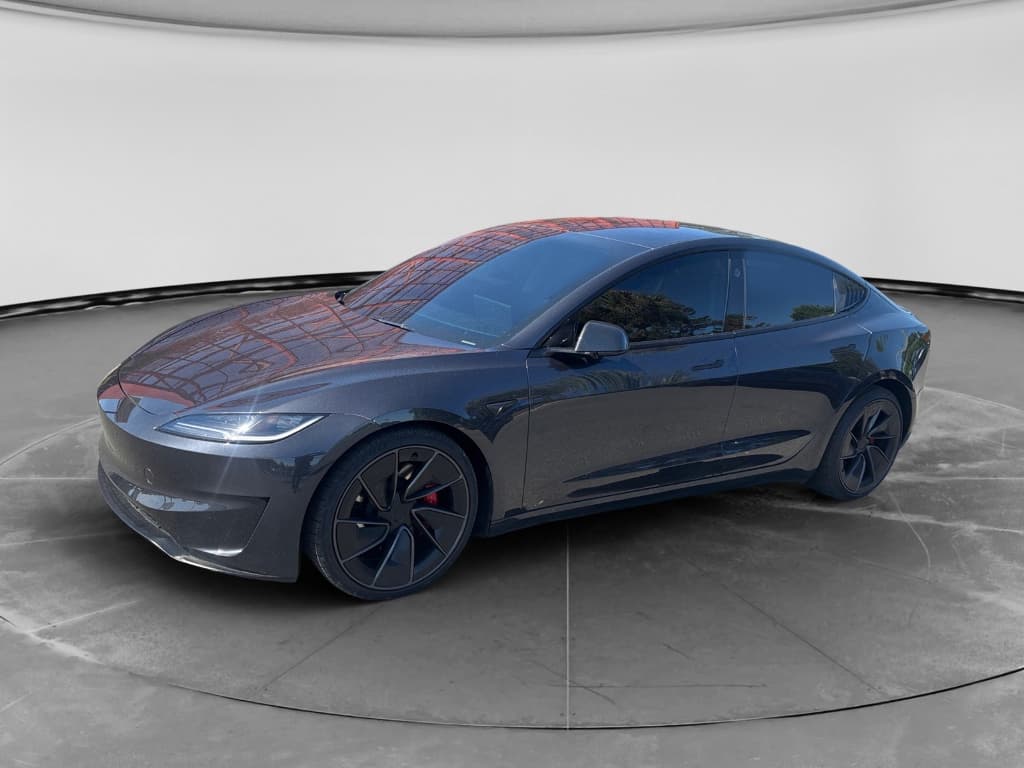
You don’t buy a Tesla Model 3 just for the buzz. Over 5 years, the real question is: **does it actually cost less to own than a comparable gas car?** This guide breaks down the true 5‑year cost of ownership for a Tesla Model 3, purchase price, depreciation, charging, insurance, maintenance, and resale, so you can decide with clear, realistic numbers instead of wishful thinking.
What “true cost of ownership” really means
Why 5‑Year Tesla Model 3 Ownership Costs Matter
Five years is long enough for the honeymoon to wear off. It’s also the window many lenders, leasing companies, and resale values are built around. If you keep a car for 5 years, you’ll feel the impact of **depreciation**, **fuel or charging costs**, and **maintenance surprises**, or the lack of them. That’s where an electric sedan like the Model 3 can quietly out‑perform a gas car, even if the initial price stings a bit more.
Quick 5‑Year Ownership Snapshot (Typical U.S. Driver)
A note on numbers
How We Calculated 5‑Year Tesla Model 3 Costs
- Location: typical U.S. driver, 12,000 miles per year
- Electricity: $0.14–$0.18 per kWh at home, higher at DC fast chargers
- Gasoline comparison car: similar-size gas sedan rated ~30 mpg combined
- Ownership: 5 years, financed purchase with modest down payment
- Use mix: mostly home charging, occasional road-trip fast charging
- Insurance: average U.S. premiums for a clean‑record driver
We’ll walk through **each cost bucket** one by one, then pull it all together into a simple comparison of a new Model 3, a used Model 3, and a similar gas sedan.
Purchase Price: New vs Used Tesla Model 3
The biggest swing in your 5‑year cost of ownership is where you start: new or used. Tesla constantly adjusts pricing, but in broad strokes, you can think of it this way:
Typical Purchase Prices for Tesla Model 3 (U.S.)
Approximate retail prices at the time of writing. Your local market may vary.
| Model 3 Version | Age / Mileage | Typical Price (USD) | Notes |
|---|---|---|---|
| New Model 3 RWD | Brand new | $38,000–$42,000 | Before taxes/fees, after usual Tesla discounts |
| New Model 3 Long Range | Brand new | $45,000–$50,000 | More range, higher upfront cost |
| Used Model 3 RWD | 3–4 years / 40k–60k mi | $22,000–$28,000 | Big depreciation already taken |
| Used Model 3 Long Range | 3–4 years / 40k–80k mi | $25,000–$32,000 | Popular sweet spot for value and range |
Used prices vary widely by mileage, trim, and condition, but they’re often where the best value lives.
Why used often wins on total cost
Financing a New Model 3
- Higher monthly payment
- Full warranty period ahead of you
- Likely access to the latest tech and range
- Possible eligibility for federal or state EV incentives
Financing a Used Model 3
- Lower purchase price and sales tax
- Shorter remaining bumper‑to‑bumper coverage, but long battery warranty
- Best total cost if you buy smart and avoid abused cars
- Great fit if you use a trusted marketplace with verified battery health like the Recharged Score
Depreciation and Resale Value After 5 Years
Depreciation is the silent heavyweight in your 5‑year cost of ownership. The Model 3 has historically held value better than many mass‑market sedans, but **EV prices have been more volatile lately**. Think in ranges, not exact dollars.
How a Tesla Model 3 Typically Depreciates
Very rough, but useful, guardrails for planning
Years 0–3
Biggest drop. A new Model 3 can lose 30–40% of its value in the first 3 years, especially when new price cuts hit.
Years 3–5
Depreciation slows. Another 15–25% drop is common, depending on mileage and condition.
After 5 Years
Expect a well‑kept Model 3 to retain ~50–60% of its original MSRP, assuming average mileage and no major accidents.
If you buy new at $40,000 and sell at 5 years for $22,000, **your depreciation cost is $18,000**, or about $3,600 per year. If you buy used at $26,000 and sell 5 years later for, say, $14,000, you’ve paid $12,000 in depreciation, significantly less.
How Recharged helps on the used side
Ready to find your next EV?
Browse VehiclesCharging Costs vs Gasoline Over 5 Years
This is where the Model 3 quietly pays you back. You trade stops at the gas station for a charging cable in your driveway. Let’s use a simple, realistic scenario: 12,000 miles a year for 5 years (60,000 miles total).
Fuel vs Charging: 5‑Year Cost Comparison
Approximate numbers using average U.S. prices for electricity and gasoline.
| Vehicle Type | Energy Use | Energy Price Assumption | 5‑Year Energy Cost |
|---|---|---|---|
| Tesla Model 3 (mixed driving) | ~0.27 kWh/mile | $0.15/kWh home average | ~$2,400 |
| Tesla Model 3 (more fast charging) | Same efficiency | Blend of $0.15 home / $0.35 DC fast | ~$3,100 |
| Gas sedan, 30 mpg | 2,000 gallons over 60k mi | $3.50/gal gas | ~$7,000 |
Your actual cost will depend on local rates and how much you fast charge, but the direction of the math rarely changes.
Cost per mile, in plain English
- If you mostly charge at home on standard residential rates, your **5‑year fuel savings vs gas can easily land in the $3,000–$5,000 range**.
- If you lean heavily on DC fast charging, those savings shrink but rarely disappear entirely over 5 years.
- If you can charge on off‑peak or EV‑specific rates, you can cut charging costs even further.
Insurance, Registration, and Taxes
EVs can run a little higher on insurance than equivalent gas cars, mostly because of **repair costs and tech‑heavy components**. The Model 3 is no exception, but the difference isn’t always dramatic if you shop around.
What to Expect for Tesla Model 3 Insurance
Very rough annual estimates for a clean‑record driver in the U.S.
New Model 3
$1,500–$2,000 per year is common, depending on your state and coverage.
Used Model 3
$1,300–$1,800 per year, often a bit less than a brand‑new example.
Ways to save
Compare quotes, raise deductibles carefully, and ask about EV or safety‑feature discounts.
Over 5 years, many owners will spend somewhere in the **$7,000–$9,000 range on insurance** alone. That’s similar to other modern compact luxury sedans, with the same advice: don’t accept the first quote.
Registration and taxes
Maintenance, Repairs, and Tires
If you’re used to oil changes and timing belts, EV maintenance feels almost suspiciously quiet. The Model 3 skips many of the big‑ticket wear items that haunt gas sedans, but it’s not maintenance‑free.
Typical 5‑Year Maintenance Items on a Model 3
Tires (likely 1–2 sets)
Heavier EVs and instant torque mean tires wear faster than you might expect. Budget <strong>$800–$1,200 per set</strong> installed, depending on brand and wheel size.
Brake fluid and coolant checks
Tesla recommends periodic checks and occasional fluid replacement. Expect a few hundred dollars over 5 years for routine service visits.
Cabin air filters
Usually replaced every 2–3 years. Not expensive, but worth doing to keep HVAC happy.
Alignment and suspension wear
Potholes don’t care what powers your car. Plan on at least one alignment and potentially some suspension work if your roads are rough.
Software updates
The good news: over‑the‑air updates are free and can even improve efficiency or add features. They’re more like smartphone updates than “service.”
For many Model 3 owners, **$1,500–$2,500 over 5 years** on maintenance and wear items is realistic, less than or comparable to a gas car, with far fewer line items. What you don’t see here: spark plugs, oil, timing chains, exhaust systems, or transmission repairs.
What about surprise repairs?

Battery Health, Warranty, and Big-Ticket Risks
Battery health is the elephant in the EV living room. The good news is that Model 3 packs have generally held up well. The bad news is that a **battery pack is the most expensive single component in the car**, so buyers understandably worry about it.
Tesla Battery and Drive Unit Warranty Basics
Exact terms vary by model year and trim, always verify for the car you’re looking at.
Typical Coverage
Most Model 3s came with **8‑year battery and drive unit warranties** with mileage caps (often 100,000–120,000 miles) and a minimum capacity retention guarantee.
Real‑world degradation
Many owners report **single‑digit percentage loss** in usable range in the first few years, then a slower taper. Driving style, climate, and charging habits all matter.
How to shop smart for a used Model 3 battery
In a 5‑year window, especially if you start with a 3‑ or 4‑year‑old Model 3, your goal is to stay comfortably within that battery warranty period and buy a car whose **real‑world range still fits your lifestyle**. Do that, and battery risk becomes more of a line item to monitor than a dark cloud overhead.
Scenario Comparisons: New vs Used vs Gas Sedan
Let’s line up three simple scenarios over 5 years and 60,000 miles: a new Model 3 RWD, a used Model 3, and a comparable gas sedan. These are ballpark figures, but they’re helpful for seeing the big picture.
5‑Year Ownership Cost: Rough Comparison
All numbers are illustrative U.S. averages for a typical driver. They’re not quotes, just a way to frame expectations.
| Cost Category | New Tesla Model 3 | Used Tesla Model 3 (3–4 yrs old) | Comparable Gas Sedan |
|---|---|---|---|
| Depreciation | ~$18,000 | ~$12,000 | ~$13,000 |
| Energy (fuel/charging) | $2,400–$3,100 | $2,400–$3,100 | ~$7,000 |
| Maintenance & Repairs | $1,800–$2,500 | $2,000–$3,000 | $3,000–$4,500 |
| Insurance | $7,500–$9,000 | $7,000–$8,500 | $6,000–$8,000 |
| Total 5‑Year Ownership | ≈$29k–$32k | ≈$23k–$27k | ≈$29k–$33k |
Depreciation + energy + maintenance + insurance are the big levers you can plan around.
What the table is really telling you
How to Lower Your Tesla Model 3 Ownership Costs
Six Ways to Cut 5‑Year Model 3 Costs
1. Let someone else take the big depreciation hit
Shop for a **3–5‑year‑old Model 3** with clean history and verified battery health. That’s the sweet spot where EVs often deliver their best value.
2. Charge mostly at home, off‑peak if you can
Home charging is almost always cheaper than DC fast charging. If your utility offers EV or off‑peak rates, opt in and schedule charging overnight.
3. Watch tire pressure and alignment
Proper tire pressure and alignment improve both **range and tire life**. A few quick checks a month can save you hundreds over 5 years.
4. Shop insurance like it’s a major bill
Because it is. Get quotes from multiple insurers, ask specifically about **EV and safety‑feature discounts**, and revisit your policy each year.
5. Use a trusted used‑EV marketplace
Buying from a platform that understands EVs, like <strong>Recharged</strong>, with battery diagnostics and expert guidance, helps you avoid hidden issues that could explode your ownership costs later.
6. Think through your real range needs
Don’t overpay for range you’ll never use, but don’t cut it so close that you rely on expensive fast charging. Be honest about your commute and road trips.
FAQ: Tesla Model 3 True Cost of Ownership
Frequently Asked Questions
Bottom Line: Is a Tesla Model 3 Worth It?
If you’re looking purely at 5‑year dollars and cents, a Tesla Model 3 can absolutely make financial sense, often beating or matching a comparable gas sedan once you account for **fuel savings, simpler maintenance, and strong resale value**. The smartest play, for many buyers, is a **well‑vetted used Model 3** with verified battery health and plenty of warranty runway left.
The emotional side, the quiet commute, instant torque, and the simple pleasure of leaving gas stations behind, is harder to price, but easy to appreciate. If you want those perks without getting blindsided by costs, take the time to run your own numbers, consider **new vs used carefully**, and lean on EV‑savvy partners. On Recharged, every used EV comes with a **Recharged Score Report**, transparent pricing, and help with financing and trade‑ins, so you can see your 5‑year ownership picture clearly, before you ever hit “buy.”