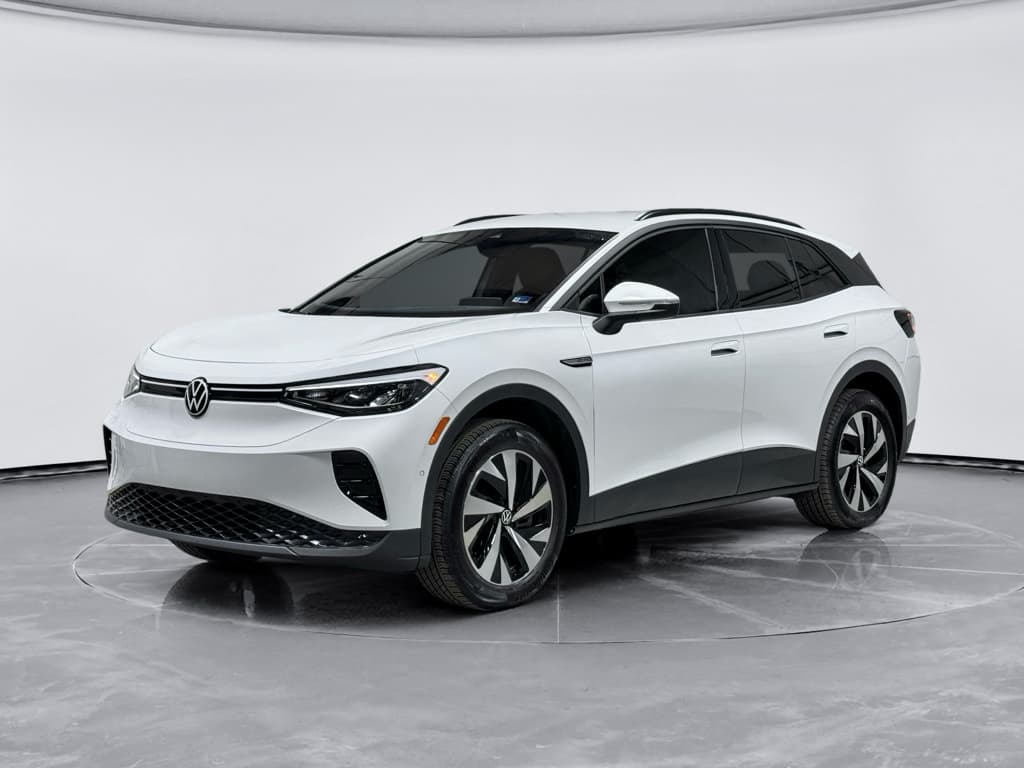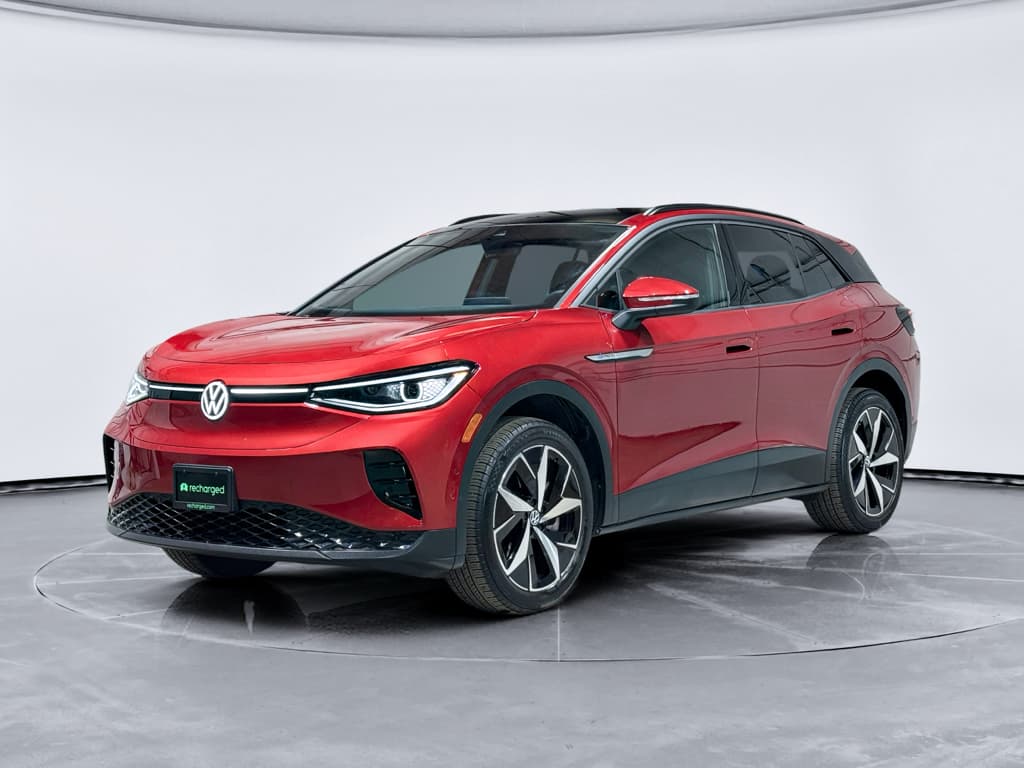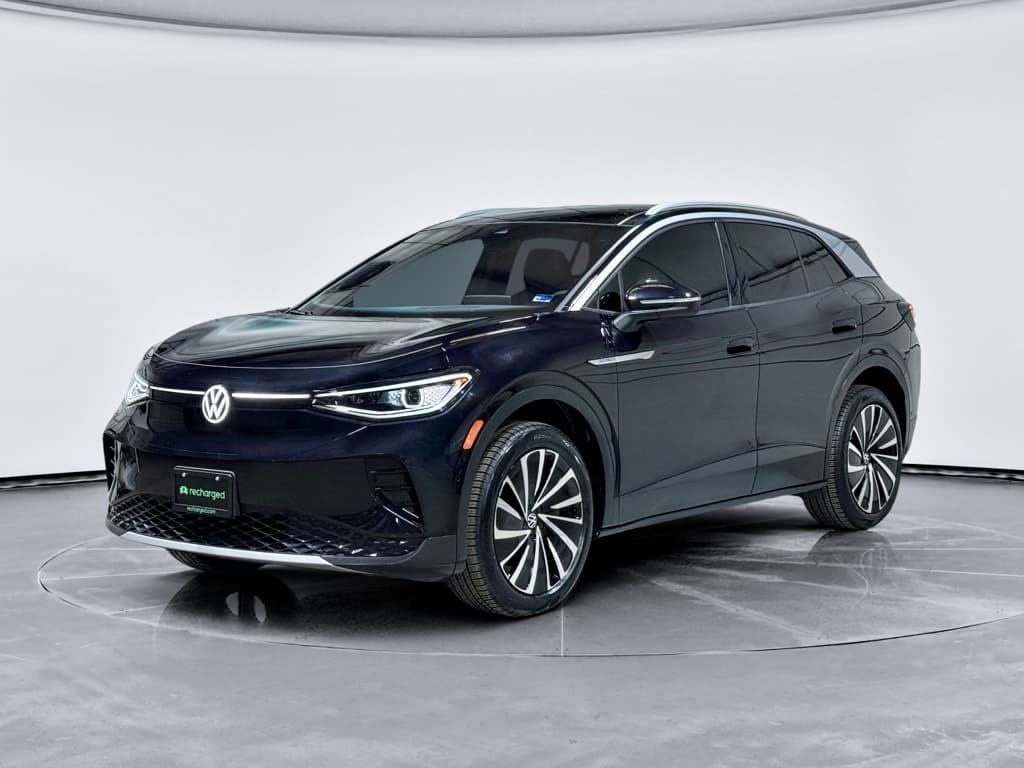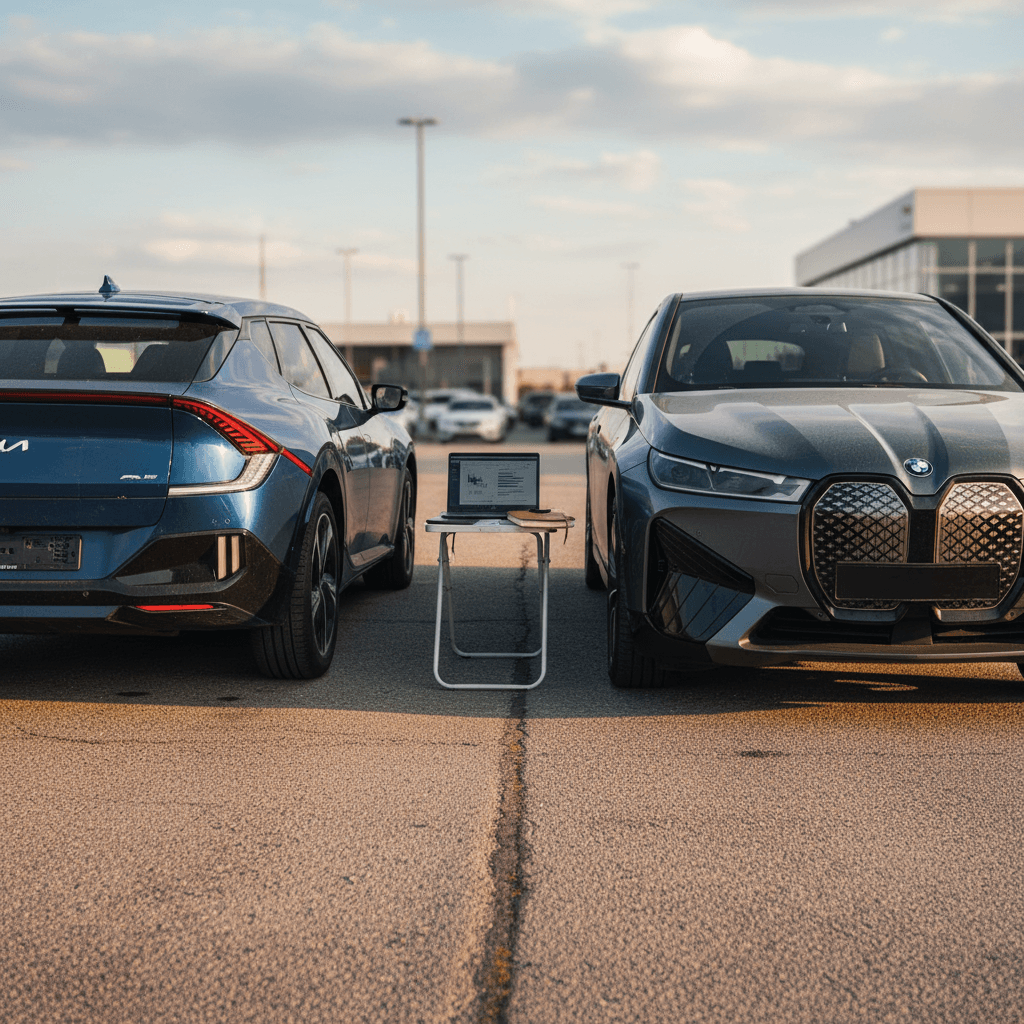
Shopping for a **used Ford Mustang Mach-E vs VW ID.4** puts you right in the sweet spot of the used EV market: modern tech, real SUV practicality, and heavy early depreciation already baked into the price. Both are compact electric crossovers from legacy brands, but they feel very different to live with day to day.
Big Picture
Overview: Used Mustang Mach-E vs VW ID.4
Why shoppers pick a used Mustang Mach-E
- More performance and sharper steering, especially in AWD and GT trims.
- Stronger highway range on many trims (up to ~320 miles when new).
- Distinctive styling and a more premium cabin feel on higher trims.
- Ford’s BlueCruise hands-free driving available on newer builds.
Why shoppers pick a used VW ID.4
- More relaxed, comfort-first tuning that feels like a traditional VW SUV.
- Simple interior layout; newer 2024+ models have much better infotainment.
- Competitive range (up to ~290 miles on some 77 kWh RWD models).
- Often cheaper on the used market trim-for-trim than Mach-E.
Used EV Pro Tip
Headline Numbers for Typical Used Examples
Key Specs & Real-World Range on the Used Market
When you compare a **used Ford Mustang Mach-E vs VW ID.4**, you’re not just looking at badges, you’re looking at different battery sizes, motors, and software generations. That matters a lot for range, reliability, and how the car behaves at fast chargers.
Core Specs: Popular Used Mach-E vs ID.4 Configurations
These are representative trims you’re likely to see in U.S. used listings, not an exhaustive spec sheet.
| Model | Typical Used Years | Battery (usable) | Drive | EPA Range When New | Peak DC Fast Charge |
|---|---|---|---|---|---|
| Mustang Mach-E SR | 2021–2023 | ~70–72 kWh | RWD / AWD | ~211–260 mi | Up to 115–150 kW |
| Mustang Mach-E ER / GT | 2021–2024 | ~88–91 kWh | RWD / AWD | ~270–320 mi | Up to 150 kW |
| VW ID.4 58 kWh | 2021–2023 | ~55–58 kWh | RWD | ~206 mi | Up to ~120–125 kW |
| VW ID.4 77 kWh RWD | 2021–2024 | ~77 kWh | RWD | ~250–291 mi | Up to ~135–175 kW (later MYs) |
| VW ID.4 77 kWh AWD | 2021–2024 | ~77 kWh | AWD | ~236–263 mi | Up to ~135–175 kW (later MYs) |
Always verify the exact battery and drivetrain on a specific VIN before you buy.
Beware of Trim Confusion
Real‑world, both vehicles usually deliver **10–20% less highway range at 70–75 mph** than their original EPA numbers, and more loss in cold weather. The Mach-E’s larger extended‑range pack and generally better aero make it the more comfortable choice if you regularly do 150–250 mile highway legs between chargers. The ID.4’s 77 kWh pack is fine for most daily driving but feels closer to the margin on winter road trips or in less developed charging regions.
Charging Experience: Home, Public, and Road Trips
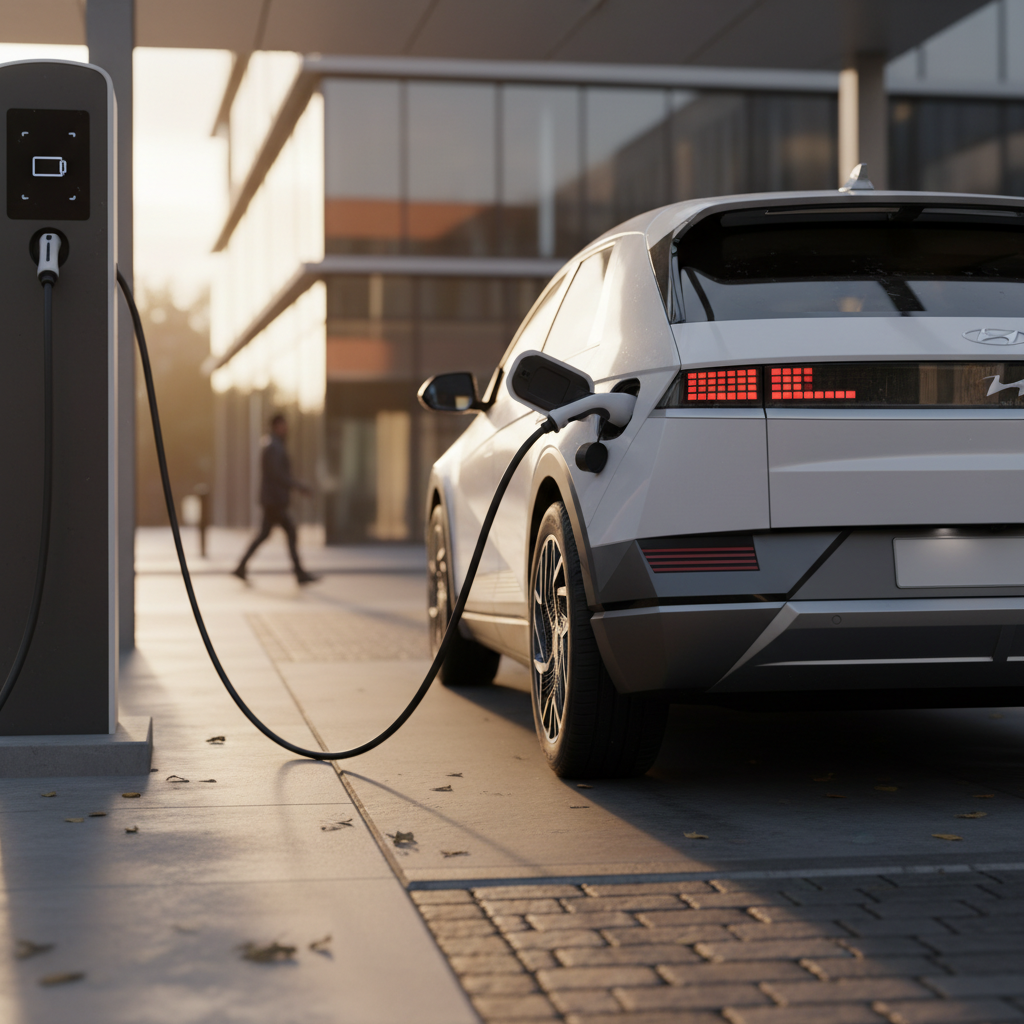
From a used‑buyer standpoint, charging isn’t just about kilowatts. It’s about how predictable the car is at DC fast chargers, and which networks you can realistically use in 2026.
Home vs Road-Trip Charging: Mach-E vs ID.4
Both charge well at Level 2, road‑trip behavior is where they diverge more clearly.
Home Charging
Both models support ~11 kW Level 2 charging, so a 40–48A home charger will refill an empty battery overnight.
- Mach-E ER: ~9–10 hours from low to full.
- ID.4 77 kWh: ~7–9 hours from low to full.
Public Level 2
Public L2 experiences are broadly similar. In practice, the biggest difference is **how well each app helps you find and activate chargers**, Ford’s BlueOval app has improved, while VW’s software has historically been more frustrating, though newer ID.4s are getting better UX.
DC Fast Charging / Road Trips
Mach‑E: Extended‑range cars can hold higher power for longer, making it easier to add 150+ miles in a 25–30 minute stop.
ID.4: Earlier cars can be conservative about charging curves and may taper earlier, so plan slightly longer stops.
NACS & Tesla Superchargers
If you’ll mostly **charge at home and drive locally**, charging performance differences are minor. If you’ll **road‑trip a lot in regions where CCS infrastructure is patchy**, the Mach-E’s combination of better real‑world range and earlier access to Tesla’s network makes ownership less stressful.
Space, Practicality, and Comfort
Both of these are **compact electric crossovers** that comfortably seat four adults and can take five in a pinch. The big differences are in cargo layout, rear‑seat space, and ride tuning.
- **Mach-E:** Slightly sportier seating position, higher beltline, and more aggressive styling. Cargo space is good and helped by a useful front trunk, but the sloping roof can reduce rear headroom and boxy‑item practicality.
- **ID.4:** Feels more like a traditional small SUV inside: upright seating, airy glass, and more headroom. The rear bench is friendly for child seats, and the squared‑off tail makes it easier to load bulkier items. No frunk, but the rear cargo area is very usable.
Family Friendliness Edge: ID.4
Driving Experience, Performance, and Tech
Here’s where the personalities truly diverge. The **Mustang Mach-E is trying to live up to the Mustang name**, and it largely succeeds, especially in AWD and GT trims. The **ID.4 is deliberately ordinary in the best way**, it drives like a normal compact VW SUV that just happens to be electric.
How They Drive: Feel Behind the Wheel
Same basic format, very different vibe.
Ford Mustang Mach-E
- Steering & handling: Sharper, heavier steering, more playful rear‑drive balance.
- Acceleration: Even non‑GT AWD trims are quick; GT and GT Performance can be genuinely rapid.
- Noise & ride: Sportier tuning means more road feel; some owners find the ride firm on 19–20" wheels.
- Tech feel: Dominated by the large vertical touchscreen and optional BlueCruise hands‑free driving on newer models.
Volkswagen ID.4
- Steering & handling: Lighter steering, more relaxed body control, tuned for comfort, not corner carving.
- Acceleration: Adequate for daily driving; AWD trims feel brisk but not thrilling.
- Noise & ride: Softer ride, good noise isolation, easy car to live with on broken urban pavement.
- Tech feel: Early software was laggy and unintuitive, but 2024+ updates significantly improve responsiveness and menu logic.
Try Before You Decide
Reliability, Battery Health, and Recalls
Used EV shoppers are rightly laser‑focused on **battery health and reliability**. Both the Mach‑E and ID.4 are still relatively young products, which means a mix of teething issues, over‑the‑air fixes, and a few headline‑grabbing recalls.
How to Judge Battery & System Health on a Used Mach-E or ID.4
1. Look for a recent battery health test
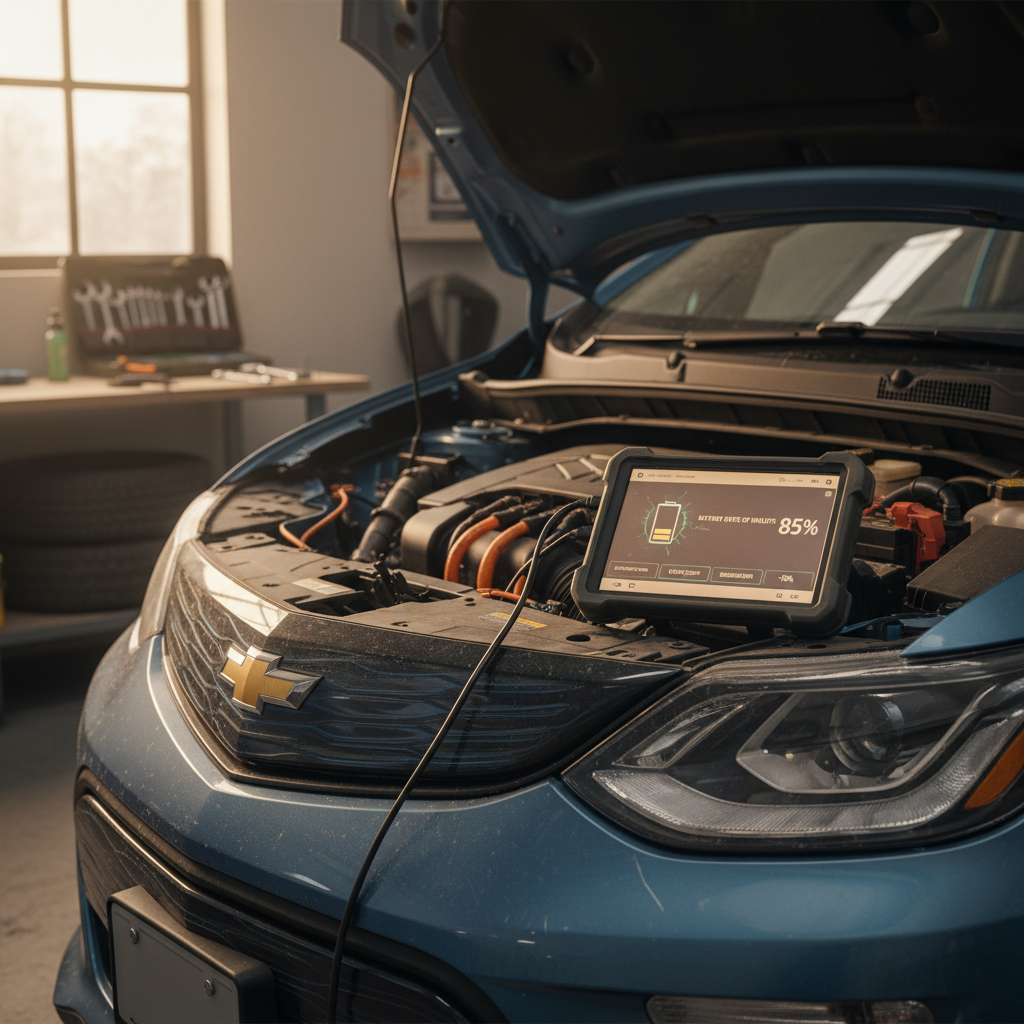
Ask for a <strong>third‑party battery diagnostic</strong>, for example, every vehicle on Recharged comes with a Recharged Score Report that measures pack health and fast‑charging history, not just odometer miles.
2. Review fast-charging history
Heavy DC fast charging isn’t necessarily a deal‑breaker, but consistent high‑power sessions in hot climates can accelerate degradation. A good report will show you how the car has actually been used.
3. Check for open recalls and campaigns
Both Ford and VW have issued software and hardware recalls on these EVs, from camera and gear‑indicator glitches to battery‑module issues. Run the VIN through NHTSA and OEM tools before you sign anything.
4. Test DC fast charging behavior
If possible, do a real fast‑charge session during your inspection. Watch whether the car reaches its expected peak power and how quickly it tapers after 50–60% state of charge.
5. Validate OTA update status
Many early‑production issues on both models have been mitigated via over‑the‑air software updates. Make sure the vehicle is on a current software version and that OTA functionality actually works.
Recent Recall Context
So far, broadly speaking, **battery degradation on both models has been modest** for typical mileage and charging patterns. Well‑cared‑for examples often still show capacities in the 90%+ range after several years. The bigger quality‑of‑life issues have tended to be **software bugs, infotainment frustrations, panel fit, and minor electronics**, rather than catastrophic battery failures.
Used Pricing, Depreciation, and Long-Term Value
Depreciation is where these vehicles become genuinely compelling. New, a well‑equipped Mach‑E or ID.4 quickly pushes into the $45,000–$60,000 window. On the used market in 2026, **many 2021–2023 examples now sit in the mid‑$20,000s to mid‑$30,000s**, depending on mileage, trim, and battery.
Typical U.S. Used Market Patterns (2021–2023 Models)
Actual prices vary by region, incentives, and mileage, but these ranges reflect what many shoppers now see.
| Model & Trim | Approx. Price Band | What You Typically Get |
|---|---|---|
| Mustang Mach-E SR Select/Premium | ~$22,000–$30,000 | Standard‑range battery, RWD or AWD, decent equipment; great value if range needs are modest. |
| Mustang Mach-E ER / California Route 1 / Premium ER | ~$26,000–$34,000 | Extended‑range battery, stronger highway range; many include more advanced driver‑assist features. |
| Mustang Mach-E GT / GT Performance | ~$32,000–$40,000 | High‑performance dual‑motor trims with serious acceleration; range somewhat lower than ER RWD cars. |
| VW ID.4 58 kWh (Pro / base) | ~$20,000–$27,000 | Lower‑range RWD, very good around town, less ideal for frequent long highway trips. |
| VW ID.4 77 kWh Pro / Pro S | ~$23,000–$32,000 | The sweet spot: comfortable range, better equipment, and usually better software on newer builds. |
Use this as directional guidance only, always compare to local listings and condition reports.
Value Snapshot
Long‑term, both benefit from avoiding gas and most traditional maintenance, but you should still budget for **tires, brakes (less frequent but still real), cabin filters, and potential suspension work** as the miles add up. Insurance on the Mach‑E can run a bit higher due to performance and the Mustang nameplate; the ID.4 often prices more like a typical small family SUV.
Which Used EV SUV Fits You Best?
Match the EV to Your Lifestyle
Use these quick profiles to find your natural fit.
Choose a Used Mustang Mach-E If…
- You care about driving feel and acceleration as much as practicality.
- You regularly do 150–250 mile highway legs and want stronger range headroom.
- Access to the Tesla Supercharger / NACS ecosystem matters to you in the next few years.
- You’re willing to trade a bit of ride comfort and rear‑seat headroom for style and performance.
Choose a Used VW ID.4 If…
- You want a calm, comfortable, family‑friendly crossover that feels familiar.
- Your driving is mostly urban/suburban with occasional regional trips.
- You prioritize easier cargo loading, child‑seat friendliness, and a soft ride.
- You’d rather save a bit on purchase price and insurance than chase maximum performance.
The right used EV isn’t the one with the biggest battery on paper, it’s the one that best aligns with your charging reality, your driving pattern, and your tolerance for software quirks.
How Recharged Helps With Used Mach-E and ID.4
Comparing a **used Ford Mustang Mach-E vs VW ID.4** on your own usually means juggling dozens of listings, guessing at battery health, and hoping the seller is transparent. Recharged is built specifically to take that guesswork out of used EVs.
- Every vehicle comes with a **Recharged Score Report** that measures verified battery health, fast‑charging history, and fair market pricing, so you’re not buying blind.
- You can shop, get **financing**, and arrange **nationwide delivery** in a fully digital experience, or visit our Experience Center in Richmond, VA if you prefer to see vehicles in person.
- Already own an EV or gas car? Use **trade‑in, instant offer, or consignment** options to make the switch into a used Mach‑E or ID.4 smoother.
- Our EV specialists can walk you through which trims, model years, and options best fit your daily driving, budget, and charging situation.
Why It Matters for These Two Models
FAQ: Used Ford Mustang Mach-E vs VW ID.4
Frequently Asked Questions
A used Ford Mustang Mach‑E vs VW ID.4 isn’t a simple spec‑sheet contest, it’s a choice between two very different takes on the electric SUV. If you want a **sporty feel, stronger range, and early access to Tesla’s fast‑charging network**, a well‑vetted Mach‑E is hard to beat. If you value **calm comfort, family‑friendly packaging, and a lower entry price**, a carefully chosen ID.4 is a smart, unpretentious all‑rounder. Either way, going in with clear data on battery health, charging behavior, and recall status, and leaning on tools like the Recharged Score Report, turns a risky guess into a confident decision.