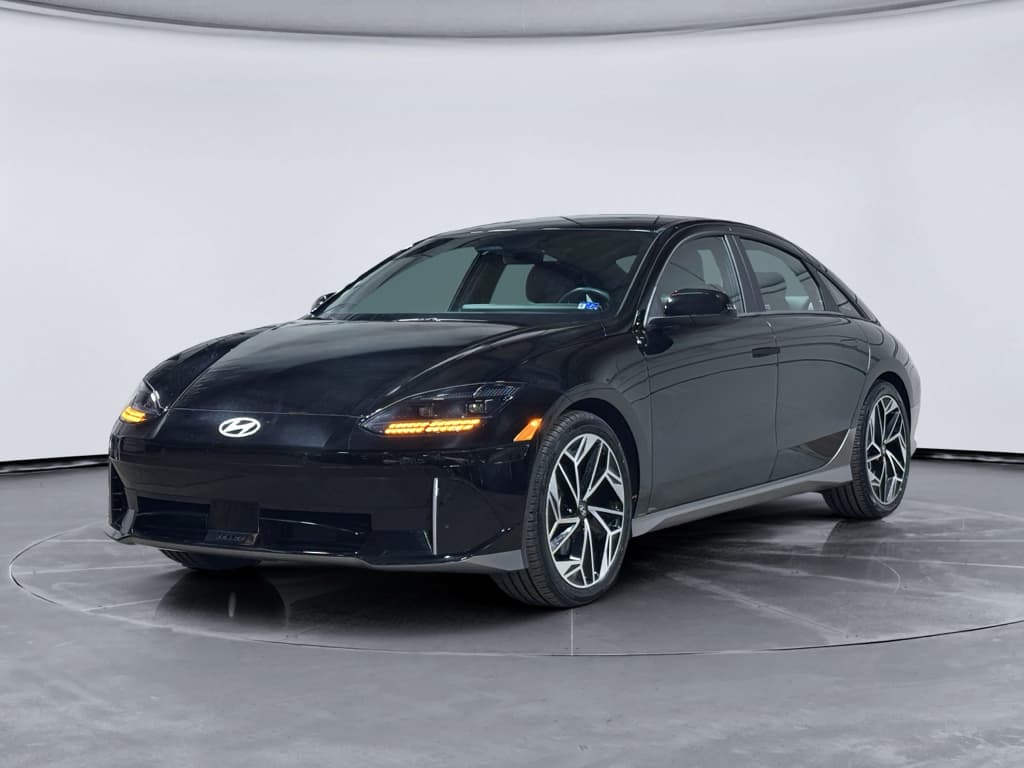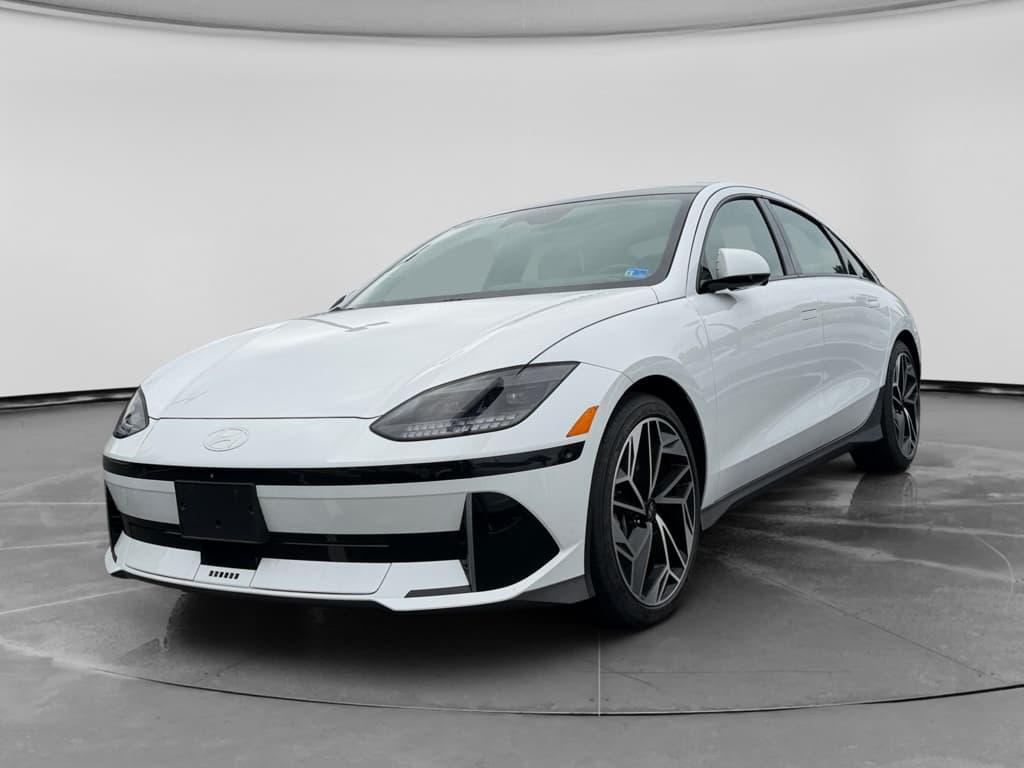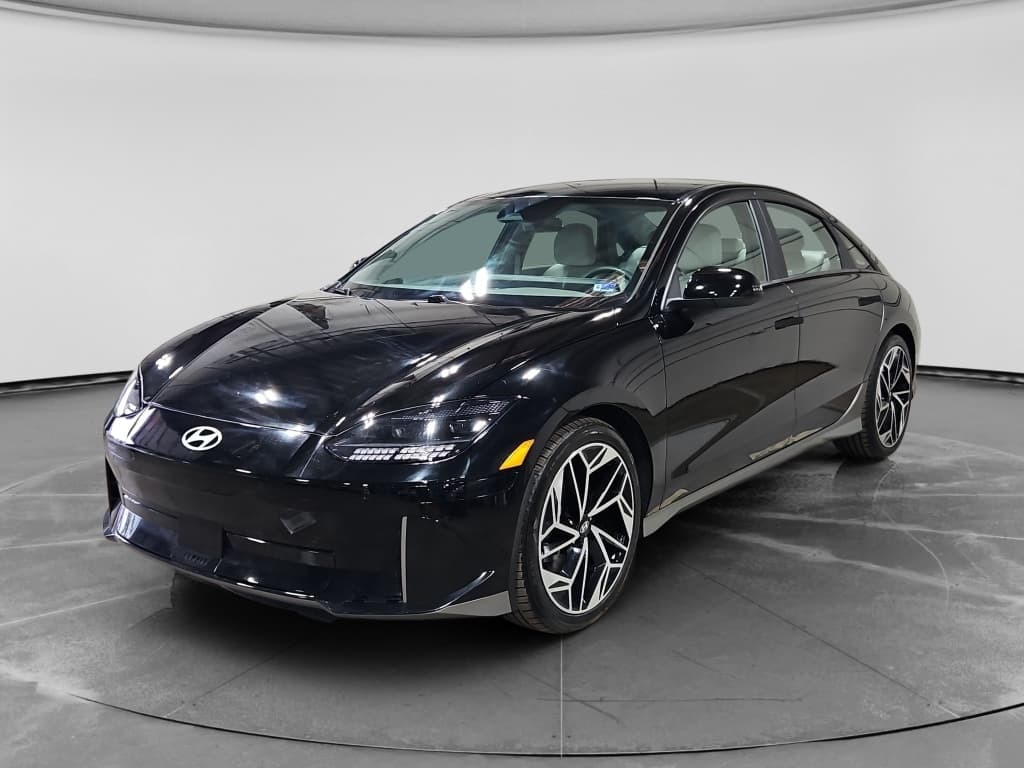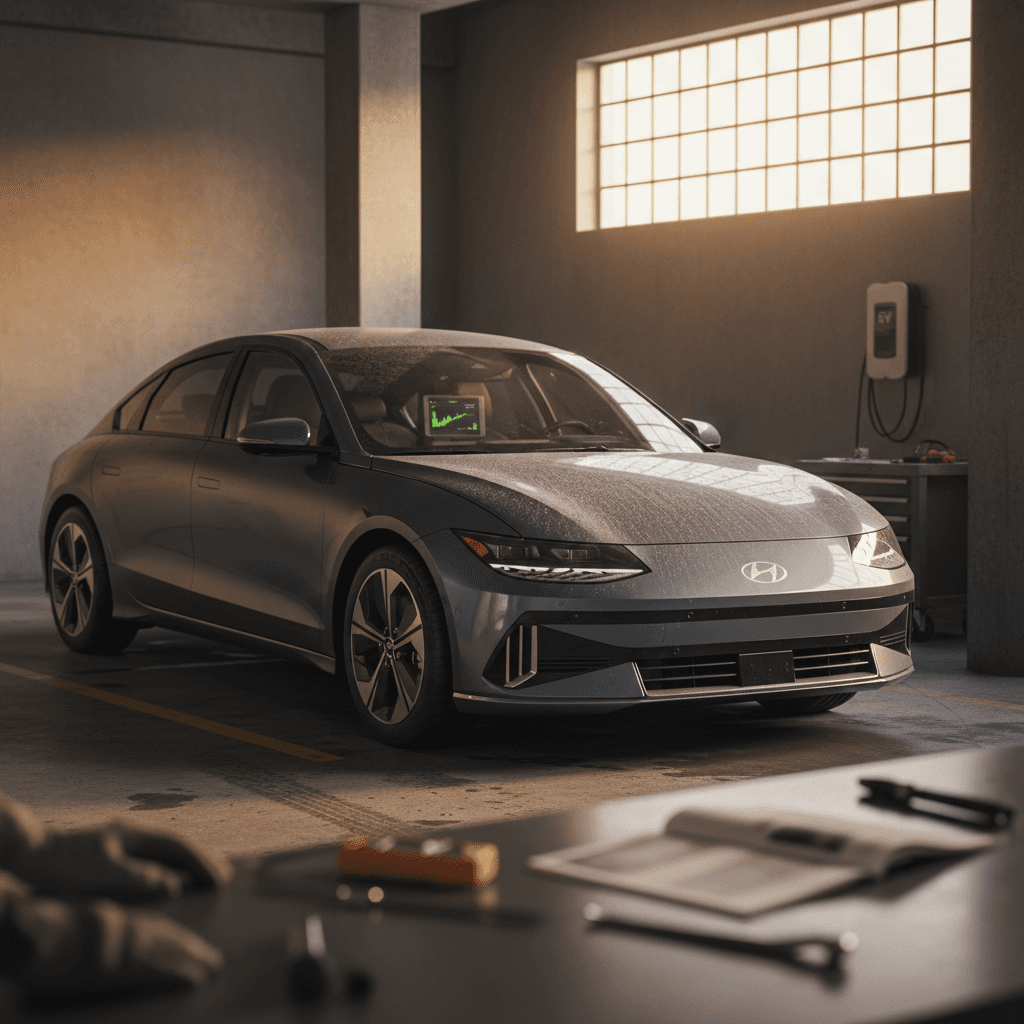
If you’re eyeing a sleek electric sedan, the 2025 Hyundai IONIQ 6 is probably high on your list. But it only takes a few horror stories about electrical failures or bricked cars to make you wonder: are 2025 Hyundai IONIQ 6 problems a dealbreaker, especially if you’re buying one used?
Quick take
Overview: How Worried Should You Be About 2025 IONIQ 6 Problems?
The IONIQ 6 rides on Hyundai’s E-GMP platform, shared with the IONIQ 5 and Kia EV6. That platform has earned praise for efficiency and fast charging, but it’s also been dogged by ICCU (Integrated Charging Control Unit) and 12‑volt system problems on some cars, along with scattered complaints about electrical system warnings, infotainment quirks, and dealer repair delays.
Real‑World IONIQ 6 Ownership Snapshot (Early Years)
About the numbers
Known 2025 Hyundai IONIQ 6 Problems & Quirks
Let’s start with the short list. Across 2023–2025 IONIQ 6s, owners are reporting a handful of recurring themes. You won’t see all of these on every car, but they’re the issues you want on your radar if you’re shopping, or troubleshooting your own sedan.
Most Commonly Reported IONIQ 6 Issues So Far
What shows up again and again in owner stories
ICCU & 12V failures
Some owners report sudden “Check electrical system” warnings, no‑start conditions, or cars that brick and need to be towed. Often linked to ICCU or 12‑volt charging issues.
Charging door & port issues
Hyundai has recalled IONIQ 6s built from 2023–2025 for charge-port door problems where the flap can detach. A few owners also report intermittent DC fast‑charge faults.
Cluster / software glitches
A 2025–2026 recall across several Hyundai models covers a digital instrument cluster software bug that can blank out critical info like speed and warnings.
Noises & vibration
Isolated reports of highway vibration (often tied to flat‑spotted tires on cars that sat on lots) and some creaks or rattles as mileage climbs.
Driver‑assist quirks
Complaints about overly sensitive beeps, lane‑keeping behavior, and speed‑limit chimes that are hard to customize, depending on market and software level.
HVAC & heat pump oddities
Occasional stories of heat pump hiccups, heat failing to kick on until the car is restarted, plus the usual EV range drop in cold weather.
Why build year matters
ICCU & Electrical Failures: The Big Talking Point
If you’ve read any forums, you’ve seen the worst‑case stories: a brand‑new IONIQ 6 throwing an electrical system warning on day one, or a car that dies near 10–15k miles, gets towed, and then sits at the dealer for weeks waiting on parts. Many of these stories center on the ICCU, the module that manages charging and the 12‑volt system, or related hardware like disconnect motors and fuses.
Typical ICCU / 12‑Volt Failure Symptoms
- “Check electrical system” or high‑voltage warning on the cluster.
- Car won’t start or shift out of Park; appears completely dead.
- Car shuts down while driving, sometimes with rattling or harsh noises reported just before.
- Repeated 12‑volt battery drains overnight, even after replacement.
What Usually Happens Next
- Vehicle is towed to a Hyundai dealer (towing may only be covered if you explicitly request it through Hyundai).
- Dealer diagnoses an ICCU failure, 12‑volt charging fault, or a failed disconnect motor.
- Repair often involves replacing the ICCU, a blown fuse, or other high‑voltage components.
- Some owners report long waits for parts, especially when national backorders crop up.
Why this matters if you buy used
The good news: plenty of IONIQ 6 owners report tens of thousands of miles with zero electrical drama. The bad news: the failures that do happen can be spectacularly inconvenient, and Hyundai’s dealer network is still learning how to fix them quickly. That’s why a clean service history and up‑to‑date software are so important on a pre‑owned car.
Recalls Affecting the IONIQ 6 (2023–2025 Builds)
By early 2026, Hyundai had issued multiple recalls affecting the IONIQ 6 and its siblings. Not every campaign is catastrophic, some are simple software flashes, but any used‑car shopper should assume at least one or two recall visits are part of the car’s history.
Key Recalls Touching the IONIQ 6
Always check a specific VIN on the NHTSA site or Hyundai’s owner portal for the latest status.
| Issue | Model Years Affected* | What Can Happen | Typical Fix |
|---|---|---|---|
| Charge-port door can detach | 2023–2025 IONIQ 6 | Port cover may fall off or fail to close properly, exposing hardware to elements. | Dealer inspects and replaces charge‑port door parts as needed. |
| Digital cluster software bug | 2025–2026 Hyundai models incl. some IONIQ 5 (and likely IONIQ 6) | Instrument display can go blank or fail to show speed and warnings. | Software update over‑the‑air or at dealership. |
| Battery / electrical safety campaigns (E-GMP platform) | 2023–2025 E-GMP EVs (IONIQ 5/6, EV6, etc.) | Various safeguards and fault‑handling tweaks after early high‑voltage issues. | Control‑unit software updates and, in some cases, hardware checks or replacements. |
This table summarizes the high‑visibility campaigns as of early 2026; there may be more minor software updates or regional actions.
How to check recall status
Battery Health, Range & Cold-Weather Behavior
Compared with most EV sedans, the IONIQ 6 is a range champ. In the real world, owners consistently report that the car meets or beats its EPA numbers in city and mixed driving. On the highway, especially at 70–80 mph, it settles closer to what physics allows: think 300–350 km (185–220 miles) at 80 mph for the big‑battery versions, depending on conditions.
- In warm weather, many owners see excellent efficiency, sometimes better than rated if they stick to moderate speeds.
- In cold climates, expect the usual 20–40% range drop, especially on short trips where the pack and cabin never fully warm up.
- A few owners mention heat pump startup glitches that clear when the car is restarted, annoying, but typically fixed with software or a warranty repair if it’s chronic.
- So far, there’s no widespread evidence of abnormal long‑term battery degradation unique to the IONIQ 6; it behaves like other modern Hyundai/Kia packs.
Used‑car battery health rule of thumb
Software, Warnings & Driver-Assist Glitches
The IONIQ 6 packs a lot of software, some of it brilliant, some of it over‑eager. A common complaint isn’t that something is broken; it’s that the car simply nags too much.
Common Quirks Owners Talk About
Not necessarily defects, but worth knowing before you buy
Endless beeping
Oversensitive speed limit and driver‑assist chimes that can be hard to dial back, depending on region and software version. Some markets allow wider safety margins than others.
Lane‑keeping behavior
The car sometimes fights your steering inputs on curvy or poorly marked roads. Many owners turn lane‑centering off on secondary roads and only use it on highways.
Cluster / ambient light glitches
Occasional reports of instrument cluster or ambient lighting bugs, colors not matching, animations stuck, usually fixed under warranty with a software update.
App and key glitches
A handful of owners have run into keyless entry or app wake‑up delays where the car won’t respond to the fob or app for a minute or two, then suddenly comes back to life.
Good news on software fixes
Ride Quality, Tires & Noise Complaints
On the road, the IONIQ 6 is usually described as quiet and planted, but there are a few recurring comments you’ll see from owners, especially on early‑build cars that spent months parked at ports or on dealer lots.
- Some new owners noticed strong vibration at highway speeds right after delivery. In several cases, this was traced to tires that had flat‑spotted from sitting, fresh tires or a road‑force balance cleared it up.
- The OEM Pirelli tires on some trims have been prone to sidewall gashes and damage, leading to early replacement.
- There are scattered reports of creaks on first acceleration after rain, often reduced by using the friction brakes briefly to clean rotors before parking.
- Wind noise is generally well‑controlled, but big‑wheel trims on rough pavement can feel busier than their range‑focused siblings.
What to Check If You’re Buying a Used IONIQ 6
Now we’re in Recharged’s wheelhouse. If a 2025 (or 2023–2024) IONIQ 6 is on your short list, you’re not crazy, it’s a terrific EV when you get a good one. You just need to be methodical about screening for the problem children.
Essential Used IONIQ 6 Inspection Checklist
1. Pull a full recall & service history
Ask for a printout from a Hyundai dealer or service portal. Look for completed charge‑port door and electrical safety campaigns, and confirm dates and mileage for any ICCU or high‑voltage repairs.
2. Ask point‑blank about electrical warnings
Has the car ever shown “Check electrical system” or shut down unexpectedly? If yes, you want to see invoices clearly documenting the fix, ideally including part numbers and notes that the car tested fine afterward.
3. Inspect the charge port and flap
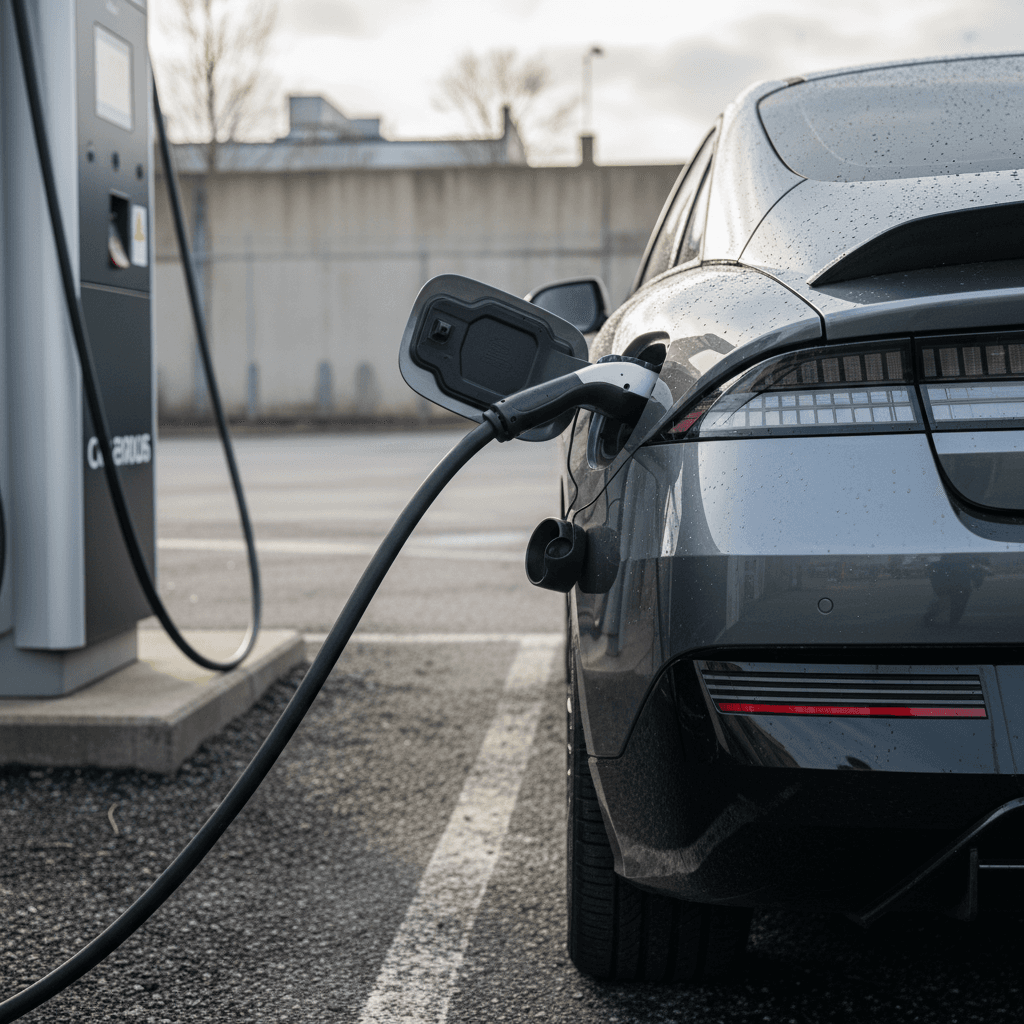
Open and close the charge‑port door several times. Make sure it latches cleanly, sits flush, and doesn’t bind. Plug into Level 2 and, if possible, a DC fast charger to confirm solid communication and charging speed.
4. Do a cold start and a hot drive
On your test drive, start the car after it’s been sitting and watch for warning lights, HVAC weirdness, or cluster glitches. Then drive at highway speed to check for vibrations, noises, and lane‑keep behavior.
5. Evaluate battery health the smart way
Look at estimated range at 100% charge and compare it to the original EPA rating, but also consider how and where the car lived. A Recharged Score battery health report digs deeper into pack condition than the dash display.
6. Confirm remaining warranty coverage
Hyundai’s EV components have long coverage, but time and mileage limits still matter. Ask the seller for the in‑service date and verify how much high‑voltage and basic warranty remains so you’re not on the hook for major surprises.
How Recharged helps
Red Flags: When to Walk Away From an IONIQ 6
Even a great platform can produce a few cars you simply don’t want to babysit. If you’re shopping privately or at a non‑Hyundai lot, pay attention to these signs.
- Multiple electrical repairs in a short window. A stack of invoices for ICCU, disconnect motors, high‑voltage wiring, or repeat 12‑volt drains is a sign this car may be an ongoing science project.
- Current warning lights or stored high‑voltage faults. If anything related to the electrical system is lit up, walk away unless the seller is taking it to Hyundai and fixing it before you sign.
- Unexplained gaps in service history. Missing months around the time many owners were getting recalls and software updates done should make you ask why.
- Rough vibration that doesn’t go away after fresh tires/balance. Flat‑spotted tires are fixable; persistent shake that survives new rubber could point to deeper suspension or alignment issues.
- Seller won’t let you have a pre‑purchase inspection. On any high‑tech EV, especially one with known electrical chatter, that’s an easy deal‑breaker.
Don’t ignore your gut
FAQ: 2025 Hyundai IONIQ 6 Problems
Frequently Asked Questions About IONIQ 6 Reliability
So, Is the Hyundai IONIQ 6 Still Worth It?
If you’ve fallen for the IONIQ 6’s looks and long‑legged range, you’re not wrong. It’s one of the most distinctive, efficient EV sedans on the road. But like every modern EV, it comes with a fine print: software, charging hardware, and complex electrical systems can turn a fantastic car into a frustrating one if you get the wrong example.
The key is to treat 2025 Hyundai IONIQ 6 problems as a checklist, not a doomsday prophecy. Make sure the car you’re considering has its recalls closed, software up to date, and no pattern of electrical warnings or bricked‑car episodes. Get a real battery‑health report, not just a seller’s reassurance. And if anything feels off on the test drive, be willing to walk.
At Recharged, we built our entire process around that reality. Every used EV we sell gets a Recharged Score battery and charging assessment, transparent pricing, and EV‑specialist guidance so you’re not decoding ICCU acronyms alone. If the IONIQ 6 fits your life, we’ll help you find the right one, and avoid the ones that will live at the service bay instead of your driveway.