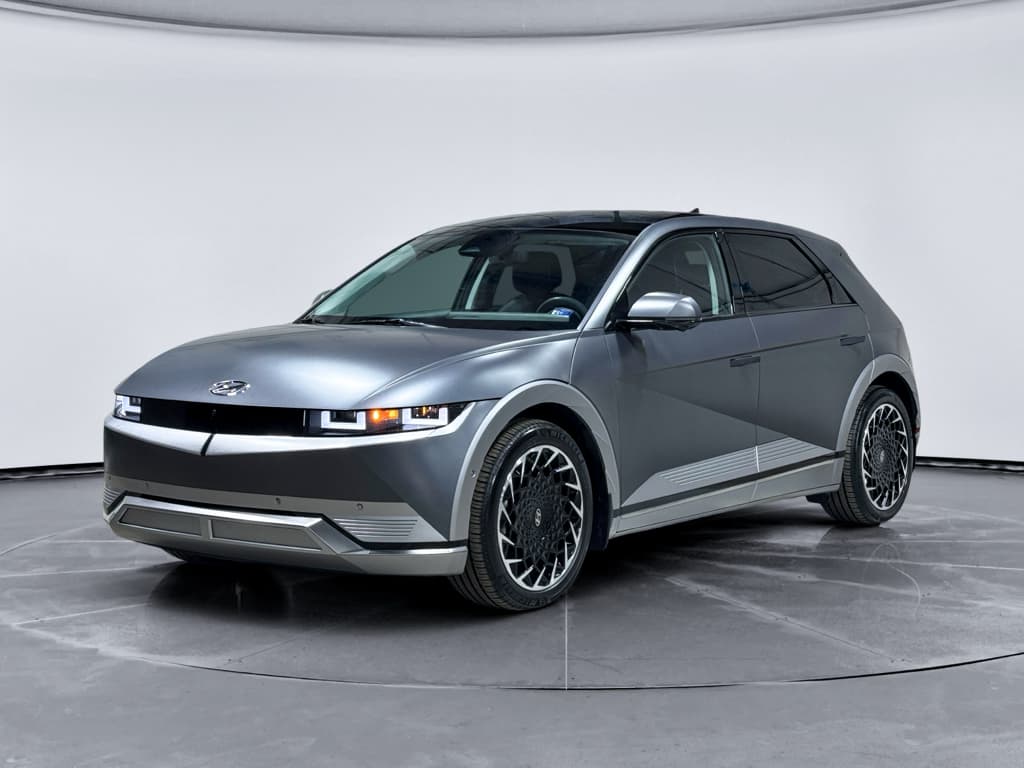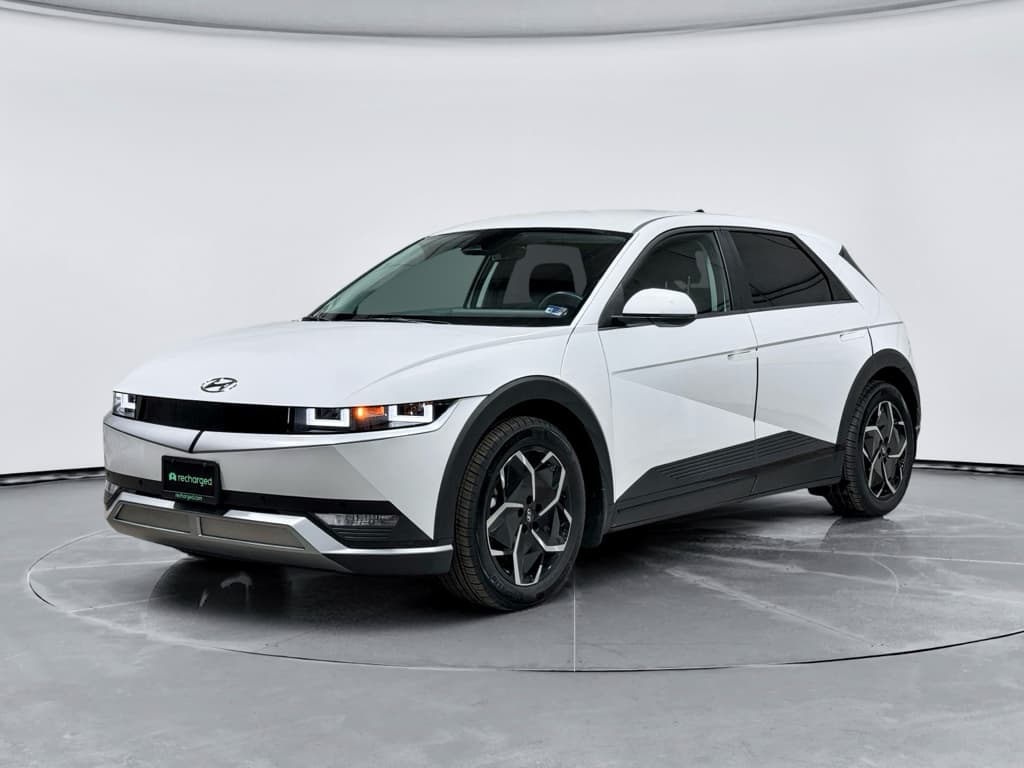
If you’re eyeing a 2025 Hyundai Ioniq 5, you’ve probably heard two very different stories: owners who absolutely love the car, and owners stuck at home waiting weeks for parts. The truth about the 2025 Hyundai Ioniq 5 reliability rating lands somewhere in the middle, and the details matter a lot if you’re planning to keep this EV for the long haul or buy one used.
Quick take
2025 Hyundai Ioniq 5 reliability at a glance
2025 Ioniq 5 reliability snapshot
On paper and in most early surveys, the 2025 Hyundai Ioniq 5 earns an average predicted reliability score. That’s an improvement over some of the earliest 2022 builds, but it’s not in the same league as historically bulletproof models from Toyota or Lexus. The key is knowing where the trouble tends to show up so you can shop, and own, smart.
How Consumer Reports and others rate the 2025 Ioniq 5
Consumer Reports publishes a specific reliability score for the 2025 Hyundai Ioniq 5 based on owner surveys. They’ve flagged Hyundai and Kia EVs for a higher‑than‑average rate of issues with charging electronics and in‑car tech, even as owners report very high satisfaction with performance, comfort, and value. Other outlets and owner forums tell the same kind of story: when the car works, it’s fantastic; when something in the charging stack acts up, the experience sours quickly.
- Predicted reliability: roughly middle of the compact EV pack, better than some first‑generation EVs, not a class leader.
- Main dings: electrical issues (ICCU), 12‑volt battery, infotainment and driver‑assist software.
- Bright spots: traction battery and motors are holding up well so far; few reports of outright pack failures.
How to read an “average” reliability score
Known 2025 Ioniq 5 problem areas
By 2025, Hyundai has several model years of Ioniq 5 data under its belt. The big story is that the core e‑GMP hardware, the big high‑voltage battery and motors, has been solid. The recurring trouble spots sit in the supporting cast: the Integrated Charging Control Unit (ICCU), the 12‑volt battery and its charging logic, and a handful of software and instrument‑cluster glitches.
2025 Ioniq 5: common complaints by system
Most issues are fixable, but some can leave you stranded until a part arrives.
ICCU failures
The ICCU manages onboard AC charging and helps keep the 12‑volt battery topped up. On some Hyundai and Kia EVs, including the Ioniq 5, it can fail early. When it does, owners report:
- “Charge unsuccessful” or charging that stops after a few minutes
- 12‑volt battery going dead without warning
- Power‑limited or “stop vehicle” warnings that force a tow
Hyundai generally replaces the module under warranty, but parts backorders can mean days or weeks without the car.
12‑volt battery & low‑power warnings
Even though the Ioniq 5 has a big traction battery, it still relies on a small 12‑volt battery to power computers, locks, and startup. When the ICCU or software misbehaves, that little battery can drain.
- Dead car after sitting parked for a few days
- “Insufficient power. Check electrical system” messages
- Multiple 12‑volt battery replacements in a short span
Software & cluster glitches
Hyundai has issued software updates and campaigns for things like:
- Interrupted Level 2 charging sessions
- Instrument‑cluster errors where speed/warning lights may not display correctly
- Occasional infotainment reboots or connectivity issues
These are usually resolved with a dealer software update, but you’ll want to confirm that any 2025 you’re considering is up to date.
Why these issues matter
Does the 2025 model fix earlier Ioniq 5 issues?
Hyundai has been chipping away at early Ioniq 5 problems since the first 2022 cars hit the road. Later builds got updated ICCU hardware and software, improved 12‑volt charging logic, and various ECU and infotainment patches. The 2025 cars benefit from that evolution, but they don’t completely escape the family history.
What’s better on 2025 vs. early years
- More software campaigns and service bulletins addressing interrupted Level 2 charging and charging‑port behavior.
- Later‑build ICCU modules that appear less failure‑prone than some 2022–2023 units.
- Additional recall coverage for cluster‑display issues that could hide warning lights.
What still shows up in 2025 owner reports
- Isolated ICCU failures that knock out AC/DC charging and strand the car.
- 12‑volt batteries needing early replacement, especially if the car sits for long stretches.
- Occasional charging‑station compatibility quirks that require dealer software updates.
In other words, 2025 is a “matured” Ioniq 5, not an all‑new clean sheet.
Good news for long‑term ownership
Warranty coverage for 2025 Ioniq 5 owners
One reason many shoppers are comfortable with an Ioniq 5 despite an only‑average reliability rating is Hyundai’s warranty. For U.S. buyers, 2025 Ioniq 5 coverage typically includes:
2025 Hyundai Ioniq 5 warranty overview (U.S.)
Always confirm exact terms on your window sticker or Hyundai warranty booklet, but this is the general structure for 2025 models.
| Coverage | Term | What it usually covers |
|---|---|---|
| Basic bumper‑to‑bumper warranty | 5 years / 60,000 miles | Most non‑wear components, electronics, sensors, interior hardware, some charging equipment. |
| Powertrain warranty | 10 years / 100,000 miles | Motor(s), reduction gear, and other major drivetrain components. |
| EV battery & system warranty | 10 years / 100,000 miles | High‑voltage battery pack and key EV system components; degradation protection to a specified capacity threshold. |
| Anti‑perforation (rust) | 7 years / unlimited miles | Rust‑through of body panels from the inside out. |
| Roadside assistance | 5 years / unlimited miles (typical) | Towing to a dealer if your Ioniq 5 is disabled, including many no‑start and charging‑related issues. |
Hyundai’s long EV system warranty is a big part of the Ioniq 5 value story.
Where ICCU and 12‑volt failures fit
What 2025 Ioniq 5 reliability means if you’re buying used
On the used market, the 2025 Hyundai Ioniq 5 can be a sweet spot: you get the updated hardware and software of a later build, plus a big chunk of Hyundai’s long EV warranty still in play. But an “average” reliability rating and the Ioniq 5’s specific trouble spots mean you shouldn’t buy one blind.
Pros and cons of a used 2025 Ioniq 5
How reliability plays into the value equation.
Why a used 2025 can be a smart buy
- Later‑build updates reduce the odds of some early‑run glitches.
- Plenty of warranty remaining on the EV system and often on the basic coverage.
- Strong owner satisfaction with comfort, performance, and charging speed when everything is healthy.
- Depreciation works in your favor versus new‑car pricing.
Where you still need to be cautious
- ICCU or 12‑volt issues may have already happened once, or might appear for the first time in your ownership.
- Parts backorders can mean long downtime if something fails.
- Charging quirks can be hard to diagnose without a thorough test drive and inspection.
- Reliability scores are average, not stellar, so inspection and documentation matter.
This is exactly where a structured health check makes a difference. At Recharged, every used Ioniq 5 we list comes with a Recharged Score Report that verifies battery health, flags charging‑system trouble codes, and benchmarks pricing against the market, so you’re not guessing about how a previous owner treated the car or whether a hidden issue is lurking.
How to check a used Ioniq 5’s health before you buy
Whether you’re shopping through Recharged, a Hyundai dealer, or a private seller, you can tilt the odds in your favor by focusing on the Ioniq 5’s known weak spots during your test drive and inspection. Here’s a short checklist you can bring along.
Pre‑purchase checklist for 2025 Ioniq 5 reliability
1. Scan for warning lights and messages
Before you drive, power the car on and look for any persistent warnings: “Check electric vehicle system,” “Stop vehicle,” low‑power alerts, or repeated charging messages. Anything related to power or charging deserves a deeper look.
2. Test AC charging at Level 2
If possible, plug into a Level 2 charger during your visit. Watch for “charge unsuccessful,” charging that stops unexpectedly, or power that ramps way down and never recovers. These can be early hints of ICCU or software trouble.
3. Ask directly about ICCU and 12‑volt repairs
Ask for service records. Has the ICCU ever been replaced? How many 12‑volt batteries has the car had? A past failure that was fixed under warranty isn’t a deal‑breaker, but you want to know if failures are recurring.
4. Check for completed recalls and software updates
Ask the seller or dealer to show a printout of open recalls and campaigns. For a 2025 Ioniq 5, you want instrument‑cluster, charging, and ICCU‑related software updates marked as completed.
5. Verify remaining warranty in writing
Get the in‑service date and current mileage, then have a Hyundai dealer or trusted EV specialist confirm how much basic and EV‑system warranty remains. This matters if you’re buying your Ioniq 5 as a long‑term keeper.
6. Get a battery health and diagnostic report
Whenever possible, pair a road test with a formal EV health report. A <strong>Recharged Score battery health report</strong> checks traction‑battery condition and looks for stored fault codes related to charging electronics, things you may not feel in a quick drive.
Red flags that should make you walk away
FAQ: 2025 Hyundai Ioniq 5 reliability rating
Frequently asked questions about 2025 Ioniq 5 reliability
Bottom line: Is the 2025 Ioniq 5 a safe bet?
If you want a roomy, quick‑charging, future‑forward EV, the 2025 Hyundai Ioniq 5 deserves to stay on your shortlist. Its reliability rating won’t impress the hardest‑core Toyota loyalists, but the car’s real‑world track record says this: the big stuff, the battery and motors, has been solid, and the problem areas are concentrated in a few known systems Hyundai continues to refine.
For many shoppers, Hyundai’s long EV warranty plus smart shopping, checking software updates, probing for ICCU history, and getting objective battery‑health data, more than offset the risk. If you’d rather not play detective alone, browsing Ioniq 5 listings on Recharged gets you vehicles with a Recharged Score Report, verified battery health, fair‑market pricing, and EV‑specialist support from test‑drive questions to paperwork and delivery. That way, you can enjoy what the Ioniq 5 does best, fast charging, smooth power, and a great everyday drive, without losing sleep over what might be hiding under the floor.