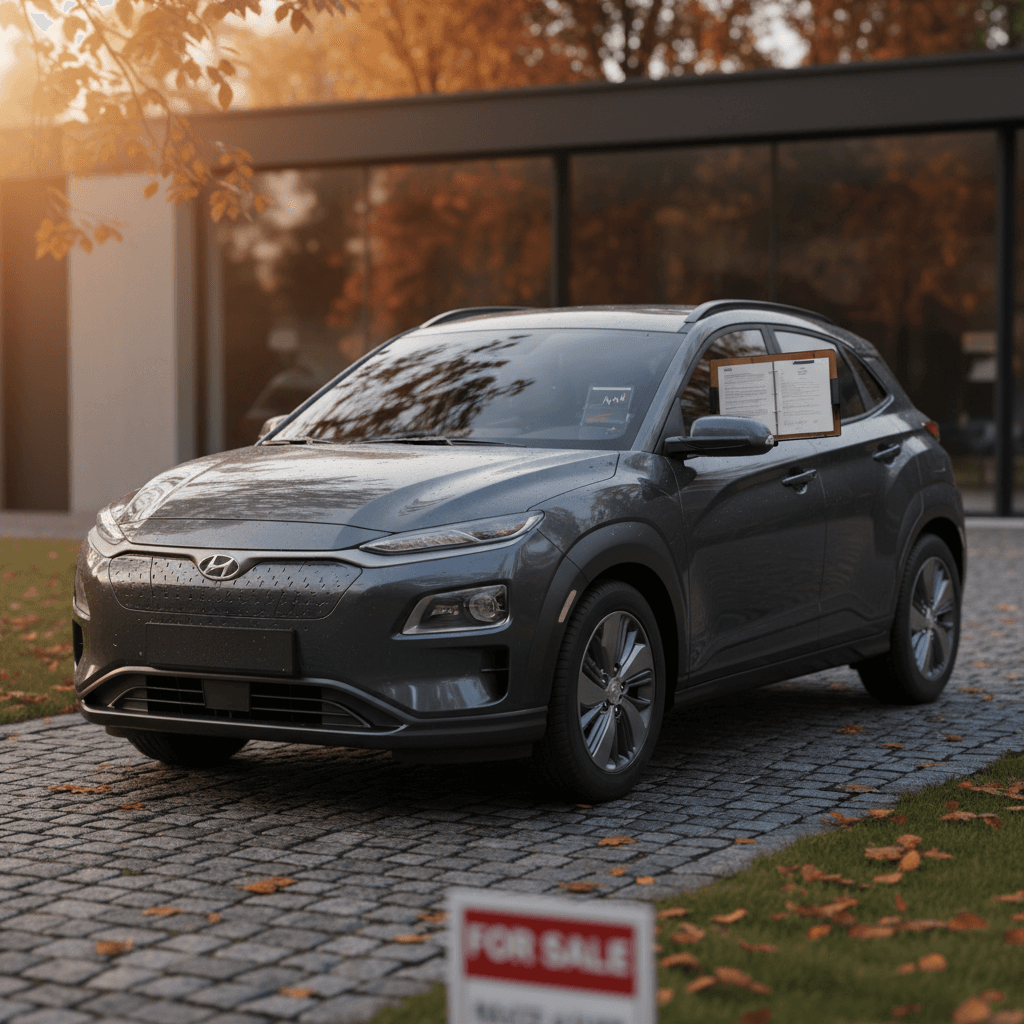
If you’re thinking about selling a 2022 Hyundai Kona Electric, you’re in a sweet spot. The car is new enough to still feel modern, efficient, and covered by warranty, but old enough that buyers expect a good deal. The challenge is knowing your true 2022 Kona Electric value in today’s used-EV market, and how to squeeze every last dollar out of it when you sell.
Why timing matters in 2026
2022 Kona Electric resale value at a glance
Where 2022 Hyundai Kona Electric values sit in 2026
You’ll see scary headlines about EVs losing more than half their value in five years, but the Kona Electric is one of the steadier players. It’s efficient, easy to park, and inexpensive to run, which keeps demand solid in the used market. Your individual 2022 Kona could fall above or below those ranges depending on mileage, battery health, accident history, and where you sell it.
What is my 2022 Hyundai Kona Electric worth today?
To pin down a real number for your 2022 Hyundai Kona Electric value, start with a national baseline, then adjust for your car’s specifics.
2022 Hyundai Kona Electric: Rough 2026 value ranges (U.S.)
These are ballpark numbers for a typical 2022 Kona Electric with clean history. Your exact value will depend on trim, options, condition, mileage, and market.
| Trim / Condition | Private-Party Sale Price | Dealer Retail / Online Retailer | Instant Cash Offer / Trade-In |
|---|---|---|---|
| SEL, ~36,000 miles, good condition | $17,000–$19,000 | $19,000–$22,000 | $14,000–$16,500 |
| Limited, ~30,000 miles, excellent condition | $18,500–$21,000 | $21,000–$23,500 | $15,500–$18,000 |
| SEL or Limited, 60,000+ miles, average wear | $14,000–$17,000 | $17,000–$19,500 | $12,000–$15,000 |
Use this as a starting point, not a final offer sheet.
Don’t skip local reality checks
Recharged keeps tabs on Hyundai Kona Electric resale trends and KBB‑style value ranges, then layers in what actually sells on our marketplace. When you request an instant offer or list on consignment, we’ll show how our valuation compares to trade‑in quotes and private‑party prices so you can choose the path that feels right.
5 factors that drive your 2022 Kona Electric’s value
What buyers look at first on a 2022 Kona Electric
Nail these five areas and you’re already ahead of most sellers.
1. Mileage
For a 2022 model in 2026, buyers expect somewhere around 30,000–50,000 miles. Lower mileage gives you room to ask more; anything above 60,000 miles pushes the price down, but the car is still attractive if it’s been maintained well.
2. Battery health & range
The Kona’s 64 kWh pack is known for strong efficiency, but shoppers still want proof. A recent battery health report, realistic range at 100% charge, and no DC fast‑charge abuse help your car stand out.
3. Warranty coverage
Your 2022 Kona Electric still has its 10‑year/100,000‑mile high‑voltage battery warranty and a 5‑year/60,000‑mile bumper‑to‑bumper warranty counting down from the original in‑service date. More remaining coverage = better value.
4. Trim & options
Limited trims with more comfort and safety tech will bring a premium over base SEL models. Features like adaptive cruise control, heated seats, and upgraded audio help close deals faster.
5. Condition & history
Accidents, paintwork, curb‑rashed wheels, and neglected tires all chip away at your price. A clean Carfax/Autocheck and documented maintenance make buyers more comfortable paying top of range.
6. Local demand
In EV‑friendly markets with strong public charging, think West Coast, Northeast, and big college towns, Kona Electrics tend to move quickly. In regions where EV charging is sparse, expect more negotiation.
Use your warranty as a selling tool
Trade-in vs private sale vs Recharged
Dealership trade‑in
- Pros: Fast, simple, one‑stop transaction when you’re buying another car.
- Cons: Usually the lowest dollar amount; dealers price in auction risk and reconditioning costs.
- Best for: If you value convenience over squeezing every dollar out of the car.
Private‑party sale
- Pros: Highest potential sale price if you’re willing to put in the time.
- Cons: Managing ads, test drives, tire‑kickers, and paperwork; some buyers are skittish about EVs.
- Best for: Sellers comfortable marketing, negotiating, and waiting for the right buyer.
Sell or consign with Recharged
- Pros: EV‑specialist valuation, professional photos and listing, battery health verified via the Recharged Score, nationwide buyer reach.
- Cons: You won’t get emotional “overpay” offers, but you also avoid underpricing.
- Best for: Sellers who want a fair, data‑driven price and hands‑off process.
With a mainstream EV like the 2022 Kona Electric, the spread between an easy trade‑in and a well‑executed private sale can be several thousand dollars. Recharged sits in the middle: you get expert pricing and battery diagnostics plus a wider buyer pool than your local classifieds, without spending your weekends handing over keys to strangers in parking lots.
How battery health impacts what buyers will pay
On a gasoline car, shoppers obsess over mileage and maintenance records. On a used EV, battery health is the headline act. The 2022 Kona Electric’s pack has a solid reputation, but individual cars can vary depending on climate, charging habits, and software updates.
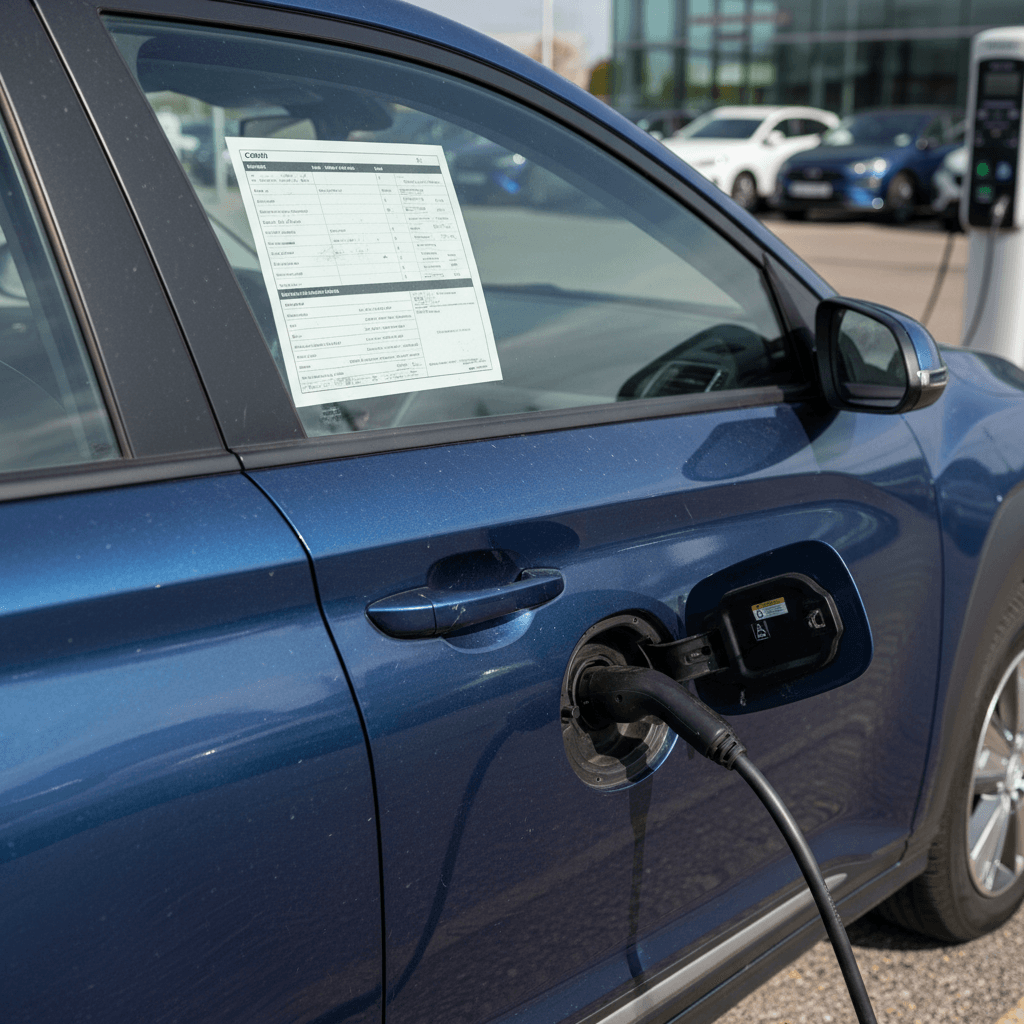
- Most buyers will ask, "What range do you really see on a full charge?" Have an honest number ready based on your typical driving.
- Documented high‑speed DC fast charging several times a week over years can make savvy buyers nervous; occasional road‑trip use is normal.
- A healthy 2022 Kona Electric that originally offered around 258 miles of EPA range might realistically show 220–250 miles at 100% in 2026, depending on conditions and how it’s been treated.
- Visible battery issues, warning lights, big range drops, or a recent pack replacement, should always be disclosed. In some cases a fresh, warrantied pack can actually be a selling point.
Where the Recharged Score fits in
Step-by-step plan to sell your 2022 Kona Electric
From “thinking about it” to money in your account
1. Decide how you want to sell
Compare a dealer trade‑in quote, instant cash offers from online buyers, and a Recharged valuation. If the spread between the lowest and highest paths is more than $2,000, it’s usually worth avoiding the lowest option unless you’re in a hurry.
2. Gather your paperwork
Find your title or loan payoff, registration, service records, and original Monroney sticker if you have it. Buyers love seeing evidence of regular maintenance and recall work.
3. Check battery health and range
Fully charge the car, note the predicted range at 100%, and take a photo of the display. If you sell through Recharged, our Recharged Score process will handle a deeper battery health readout for you.
4. Clean and lightly recondition
Wash, vacuum, and wipe down all touchpoints. Touch up curb rash if it’s inexpensive, replace missing charge‑port caps or floor mats, and consider fresh wiper blades. These low‑cost fixes pay off in buyer confidence.
5. Set a realistic asking price
Use the table above plus local comps. If similar 2022 Kona Electrics are listed at $21,000 and sitting unsold, pricing yours at $19,500–$20,000 with better photos can move it quickly without leaving money on the table.
6. Write an honest, EV‑savvy ad
Highlight efficiency, remaining battery warranty, range you actually see, home charging setup, and any road‑trip experiences. Be upfront about flaws so serious buyers don’t feel ambushed at the test drive.
7. Screen buyers and handle test drives safely
Meet in daylight in a public place or at your bank. Verify driver’s licenses, ride along on the drive, and keep your insurance current until the sale is complete.
8. Close the deal & transfer ownership
Use a simple bill of sale, follow your state’s title transfer steps, and immediately remove the car from your insurance and any connected apps once you’re paid.
Real-world pricing examples for 2022 Kona Electric
Sample 2026 scenarios for selling a 2022 Kona Electric
These fictional but realistic examples show how condition and selling path change your final number.
| Scenario | Details | Likely Sale Price | Notes |
|---|---|---|---|
| “Commuter SEL” | SEL, 32,000 miles, single owner, clean history, mostly Level 2 home charging, interior in good shape. | Private sale: ~$19,000–$20,000; Recharged/retail marketplace: ~$20,500–$21,500. | Well‑equipped, low‑mileage cars with clear battery history bring strong money in EV‑friendly areas. |
| “Road‑tripper Limited” | Limited, 58,000 miles, several long‑distance trips with frequent DC fast charging, some wheel rash, all recalls done. | Private sale: ~$17,000–$18,500; trade‑in: ~$14,500–$16,000. | Higher mileage and heavy DC fast‑charge use trim value, but Limited trim and documented service help. |
| “City‑scarred SEL” | SEL, 40,000 miles, two minor accidents on Carfax, front bumper respray, interior wear on driver’s seat. | Private sale: ~$15,500–$17,000; instant cash offer: ~$13,500–$15,000. | Accident history doesn’t kill the deal, but it moves the car into the lower half of the value range. |
Your mileage will vary, but the patterns hold true across the market.
Be candid about accidents or battery work
Simple ways to boost your Kona’s value before listing
Low-cost upgrades that can return more than they cost
Think of it as staging your Kona Electric the way you’d stage a house.
Detailing & first impressions
- Professional interior/exterior detail can make a 4‑year‑old EV feel nearly new.
- Fix obvious odors (smoke, pets) before a single buyer steps inside.
- Stage photos in daylight with the car fully charged and plugged in if possible.
Minor reconditioning
- Replace a cracked windshield, worn wiper blades, and dead key‑fob batteries.
- Address tire issues; mismatched or bald tires are a red flag for buyers.
- Take care of open recalls at a Hyundai dealer and keep the paperwork.
Tell the “EV story”
- Mention how you typically charged (home Level 2 vs public fast charging).
- Explain real‑world range in your climate and driving style.
- Highlight low running costs vs a similar gas crossover.
Include charging extras
- If you’re not moving to another EV, consider including your portable Level 2 charger or adapters in the sale.
- Buyers love a ready‑to‑go setup; it can justify a slightly higher price or faster sale.
Where Recharged can help
Ready to find your next EV?
Browse VehiclesFAQs: Selling a 2022 Hyundai Kona Electric
Common questions from 2022 Kona Electric sellers
Bottom line: Should you sell your 2022 Kona Electric now?
If your 2022 Hyundai Kona Electric still fits your life, your commute, your family, your parking situation, there’s no financial emergency forcing you to bail out. It’s an efficient, easy‑to‑own EV with warranty life left and sensible running costs. But if you’re eyeing a bigger EV, a longer‑range model, or simply want to cash out while your Kona is still relatively young, 2026 is a perfectly reasonable time to sell.
The key is to treat your 2022 Kona Electric value like a moving target, not a mystery. Ground yourself in real‑world price ranges, be honest about battery health and history, and choose a selling path that matches your appetite for hassle. Whether you want an instant offer, a guided consignment experience, or just a data‑driven benchmark before you talk to local dealers, Recharged is built to make EV selling, especially for models like the Kona Electric, far more transparent than the old‑school used‑car game.