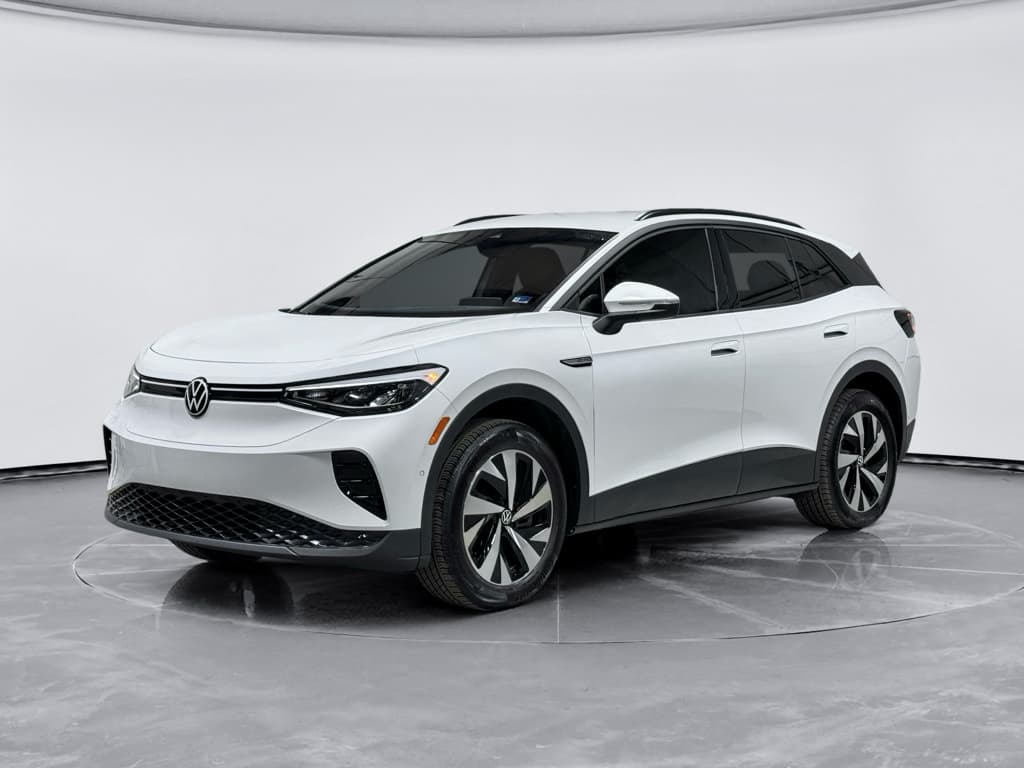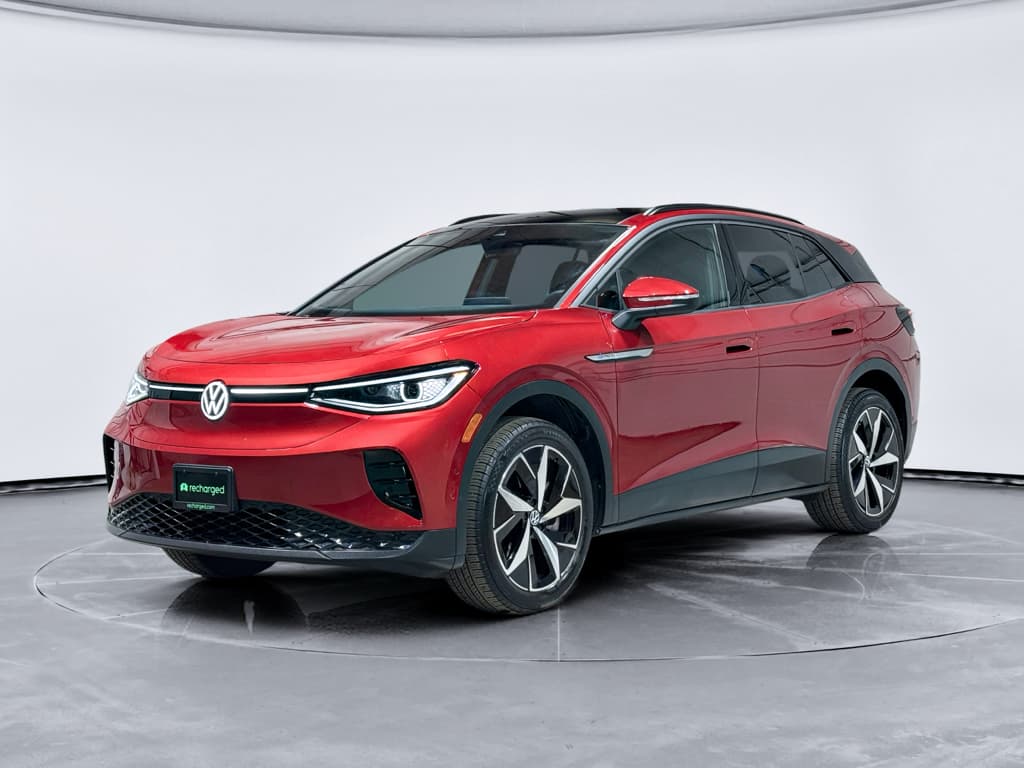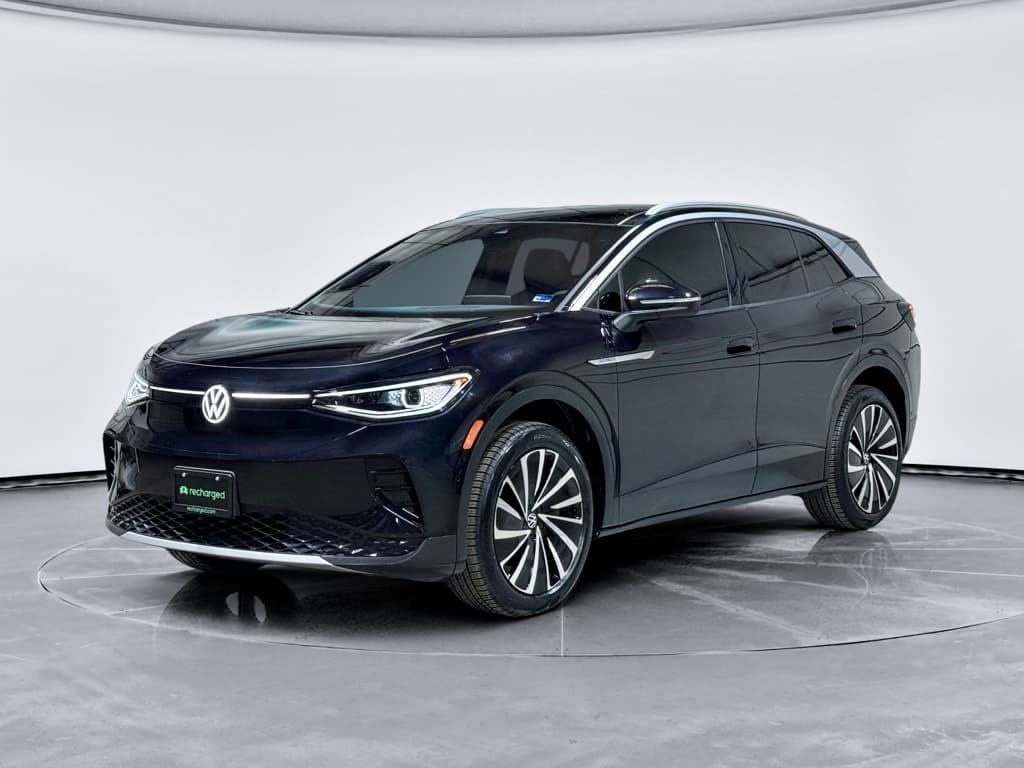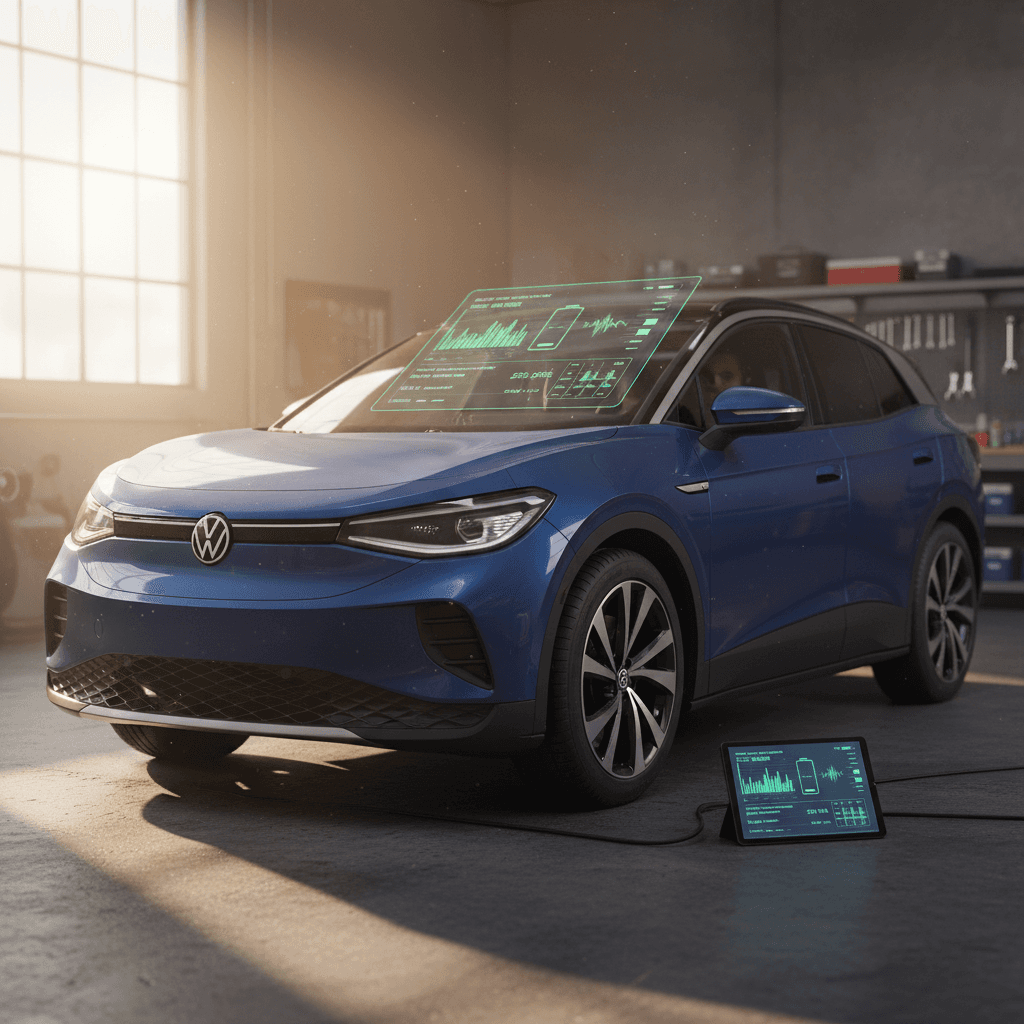
If you’re shopping for an electric SUV, a used Volkswagen ID.4 can look like a bargain in 2026. The ID.4 offers a roomy cabin, decent range, and a relaxed driving experience, but it also brings real questions about software bugs, battery behavior, and resale value. This used Volkswagen ID.4 buying guide for 2026 walks you through model years, range, warranties, pricing, and reliability so you know exactly what you’re getting into before you sign anything.
Who this guide is for
Why consider a used VW ID.4 in 2026?
What the ID.4 gets right as a used EV
Strengths that still matter in 2026
Practical electric SUV
Competitive range
Big depreciation = opportunity
Where the ID.4 is weaker
VW ID.4 model years, trims, and key changes
Not all used ID.4s are created equal. Volkswagen has been iterating on this crossover since its U.S. launch for the 2021 model year, including moving production to Tennessee and tweaking batteries, motors, and software. Understanding those changes helps you pick the sweet spot between price and peace of mind.
U.S. Volkswagen ID.4 model-year snapshot (2021–2025)
High-level changes you’ll see in the used market in 2026. Exact configurations can vary by trim and options.
| Model year | Assembly | Typical battery (usable) | Drive options | Notable changes |
|---|---|---|---|---|
| 2021 | Imported (Europe) | ~77 kWh | RWD, AWD | Launch year in U.S.; software 1.x/2.0 era; early‑build quirks more common. |
| 2022 | Imported (Europe) | ~77 kWh | RWD, AWD | Software refinements; still early‑run hardware, some recurring charging/infotainment complaints. |
| 2023 | Chattanooga, TN | ~62 kWh & ~77 kWh | RWD, AWD | U.S. production; new smaller‑battery entry model; updated interior and options mix. |
| 2024 | Chattanooga, TN | ~62 kWh & ~77–82 kWh | RWD, AWD | Powertrain and software updates; more powerful rear motor on some trims; incremental UX tweaks. |
| 2025 | Chattanooga, TN | ~62 kWh & ~77–82 kWh | RWD, AWD | Further content updates, improved equipment levels; benefits from several years of running changes. |
Use this as a starting point, then confirm specs against the specific VIN and window sticker.
Model-year sweet spot
Battery, range, and charging: what to expect used
Battery health and charging behavior are where a used Volkswagen ID.4 can either shine or frustrate you. The good news: VW backs the high‑voltage pack with a long warranty, and most U.S. models use a relatively large battery. The catch is that real‑world range and charging speed vary by pack supplier, software version, and how the previous owner drove and charged the car.
Battery & range basics for used ID.4 shoppers
Real-world range on a used ID.4
On a typical 77–82 kWh ID.4, many owners report real‑world highway range closer to 200–230 miles, especially in colder climates or at 70+ mph. By 2026, a four‑ or five‑year‑old example will likely show some capacity loss, but most healthy packs should still handle 150–200‑mile round‑trips without drama if you manage speed and weather.
Cold weather reality check
Charging behavior and networks
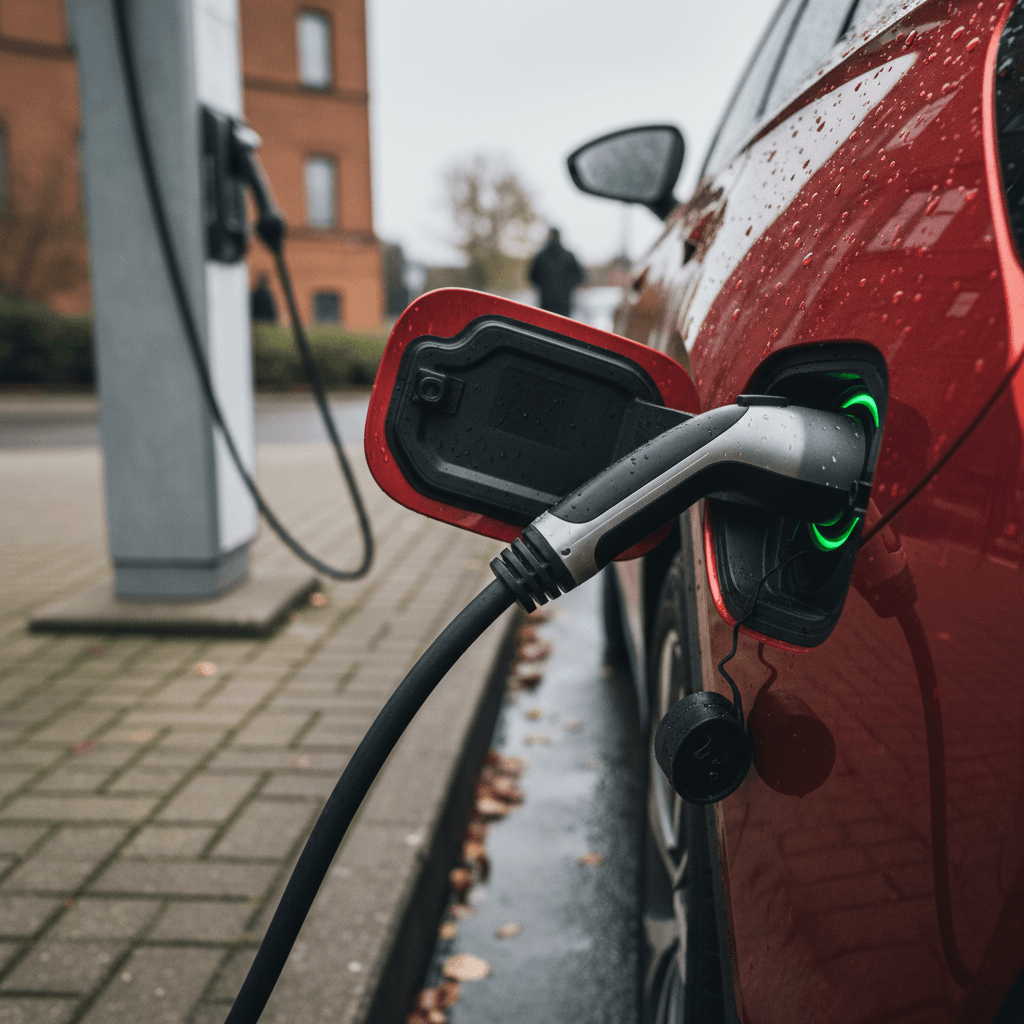
All U.S. ID.4s use the CCS fast‑charging standard and a J1772/CCS combo port. That makes them compatible with most non‑Tesla public DC fast chargers and Level 2 stations. Early cars shipped with promotional access to Electrify America, but in 2026 you should assume you’ll be paying per kWh or per session, just like any other EV owner.
- DC fast charging: Healthy packs typically climb rapidly to 80–90 kW, peak near 125–135 kW on many models, then taper.
- AC Level 2 charging: On a 40‑amp home charger, plan roughly 8–10 hours for a near‑empty to full charge on the big pack.
- Charging quirks: Some owners report inconsistent charging speeds or failed sessions tied to software or specific station brands. Test the car on DC fast charge before you buy if you rely on road‑trip charging.
Warranty and incentives on a used ID.4
One advantage of buying a relatively new used EV is that you often pick up the balance of factory coverage, and in 2026, some shoppers may also qualify for a federal used‑EV tax credit. The details matter, so it’s worth slowing down here.
Key coverage to confirm on a used ID.4
Ask for documentation, not just verbal assurances.
Basic & powertrain warranty
High-voltage battery warranty
Always verify warranty status
Used EV tax credit and other incentives
As of 2026, the federal used clean vehicle credit can be worth up to $4,000 on qualifying used EVs, including many ID.4s, if both the car and the buyer meet IRS rules around price cap, model year, and income limits. Some states and utilities also offer rebates or bill credits for used EV purchases or home charger installations.
Let the dealer or marketplace do the math
Reliability, common issues, and what to watch for
Here’s the candid part: the Volkswagen ID.4 has drawn more than its share of reliability scrutiny. Consumer surveys and complaint databases flag below‑average scores for early model years, driven largely by software, electrical, and charging gremlins, not catastrophic drivetrain failures, but the kind of issues that erode owner patience.
- Infotainment lag and freezes: Slow startup, unresponsive touch controls, disappearing climate controls, or blank screens.
- Charging hiccups: Cars that won’t start DC fast‑charging sessions reliably, or abruptly cut off charging before completion.
- Software bugs: Random warning lights, driver‑assist errors, or strange behavior that sometimes resolves only after a software update or 12‑volt battery replacement.
- Door, window, and HVAC quirks: Reports of windows or HVAC behaving inconsistently, especially in extreme temperatures.
- Early‑build bugs: 2021–early 2022 imports show the densest cluster of complaints; later Chattanooga‑built vehicles trend better but aren’t immune.
Don’t skip the software check
Signs of a better-cared-for ID.4
- Service history shows regular visits and completed recalls/TSBs.
- Software updated to the latest major version; seller can show documentation.
- No recurring warnings, limp‑mode episodes, or unexplained shutdowns during your test drive.
- Previous owner can clearly explain charging habits (home Level 2 vs. repeated DC fast charging).
Red flags to walk away from
- Multiple prior owners in just a few years with low mileage.
- Open recalls or unaddressed campaign notices.
- History of repeated dealership visits for the same electrical or charging complaint.
- Seller brushes off faults as “just a software thing” without proof of resolution.
Used VW ID.4 pricing and depreciation in 2026
If you’ve spent any time browsing listings, you’ve seen the spread. In early 2026, you can find older, higher‑mileage 2021 ID.4s under many comparable gas SUVs, and much closer in price to compact crossovers than to new EVs. Later‑model ID.4s, especially loaded AWD trims, still command more money but sit comfortably below new‑vehicle MSRPs.
What depreciation looks like on the ID.4
Why ID.4 values are softer
How to benchmark a specific ID.4’s price
Steps to sanity‑check pricing on a used ID.4
1. Start with trim, battery, and drivetrain
A rear‑drive Standard with the smaller pack isn’t comparable to an AWD Pro S with the larger battery and premium features. Decode the VIN or grab the original window sticker whenever you can.
2. Compare to similar listings, not just averages
Pull at least 5–10 comparable ID.4s in your region with similar year, miles, and trim. Outliers (too cheap or too expensive) often have hidden stories.
3. Check total cost vs. new deals
New EV leases, especially from mainstream brands and Tesla, can come with heavy incentives. Make sure the used ID.4 actually saves you money over three to five years after tax credits and fuel savings.
4. Use transparent pricing tools
Platforms like Recharged benchmark each ID.4 against fair‑market data and depreciation curves, then show where that specific VIN sits, over‑, under‑, or fairly priced.
How to inspect a used Volkswagen ID.4
A used EV inspection is different from a traditional gas‑car check. You’re less worried about oil leaks and more focused on battery health, software behavior, and charging performance. Here’s a structured way to approach a used ID.4 in 2026.
On-the-ground inspection for a used ID.4
1. Walk-around and body check
Look for panel misalignment, paint work, or mismatched trim that could hint at prior damage. Confirm VIN tags on major panels where accessible, and check for rust in snow‑belt states.
2. Tires, brakes, and underbody
Heavy EVs eat through tires and brakes faster than lighter gas cars. Inspect tread depth evenly across all four corners and look underneath for impact damage near the battery pack area.
3. Interior electronics test
Cycle every function: windows, locks, seats, HVAC, lights, wipers, and all steering‑wheel buttons. Spend time in the infotainment menus: Bluetooth pairing, navigation, drive‑mode settings, and driver‑assist configuration.
4. Short and long drive loops
Begin with neighborhood speeds to check for clunks or steering oddities, then drive at highway speeds to evaluate wind noise, lane‑keeping, adaptive cruise, and straight‑line stability.
5. DC fast-charge test if possible
If the seller agrees, plug into a DC fast charger, note how quickly charging ramps up, whether the session starts smoothly, and whether any warnings appear. This is crucial if you road‑trip.
6. Battery and diagnostic report
Ask for a recent battery‑health or diagnostic report. Recharged’s <strong>Score Report</strong>, for example, includes third‑party battery diagnostics, charge‑cycle analysis, and error‑code checks you won’t get from a typical dealer walk‑around.
Consider a pre-purchase EV inspection
Shopping strategies: dealer vs. marketplace vs. private party
In the 2026 used‑EV market, how you buy matters almost as much as what you buy. ID.4s show up everywhere, from franchised Volkswagen stores and national used‑car chains to peer‑to‑peer marketplaces and off‑lease auctions. Each path has trade‑offs in price, protection, and transparency.
Franchised VW dealer
- Best access to recall history and warranty lookups.
- May offer CPO (certified pre‑owned) coverage on top of factory warranty.
- Prices can be higher, and inventory may skew newer with lower miles.
Online EV-first marketplace
- Typically more upfront about battery health, reconditioning, and pricing.
- Digital-first process with home delivery and standardized return windows.
- Platforms like Recharged add EV‑specific diagnostics you won’t see in generic listings.
Private-party sale
- Often lowest asking prices if you’re willing to negotiate.
- Little to no recourse if software or charging issues emerge after purchase.
- You’re responsible for arranging inspections, payoff verification, and title work.
Balance price against risk
How Recharged helps with used ID.4 shopping
The ID.4 is exactly the kind of used EV where data and transparency change the experience. Recharged is built around making that process more objective so you’re not guessing about battery health or overpaying for a car with a shaky history.
What you get with a used ID.4 from Recharged
Tools and support tailored for EV buyers, not just generic used‑car shoppers.
Recharged Score battery report
Fair-market EV pricing
Flexible ways to sell or trade
Financing & delivery baked in
Ready to find your next EV?
Browse VehiclesUsed VW ID.4 FAQ for 2026 buyers
Frequently asked questions about buying a used Volkswagen ID.4
Bottom line: Is a used VW ID.4 right for you?
A used Volkswagen ID.4 in 2026 is a study in contrasts. On one hand, you get a comfortable, practical electric SUV with competitive range, a strong battery warranty, and softer resale values that put it within reach of many mainstream‑SUV budgets. On the other, you’re buying into a platform that’s still maturing, with more software and charging idiosyncrasies than the average gas crossover.
If you’re the kind of shopper who values data, is willing to test thoroughly, and can live with the occasional software quirk in exchange for value, the ID.4 can be a very smart used‑EV play. Focus on later model years when possible, demand transparency around battery and software history, and lean on EV‑specialist partners like Recharged that back each listing with diagnostics, fair‑market pricing, financing, trade‑in options, and nationwide delivery. Do that, and you’ll stack the deck toward an ID.4 that feels like a solid long‑term companion, not a rolling beta test.