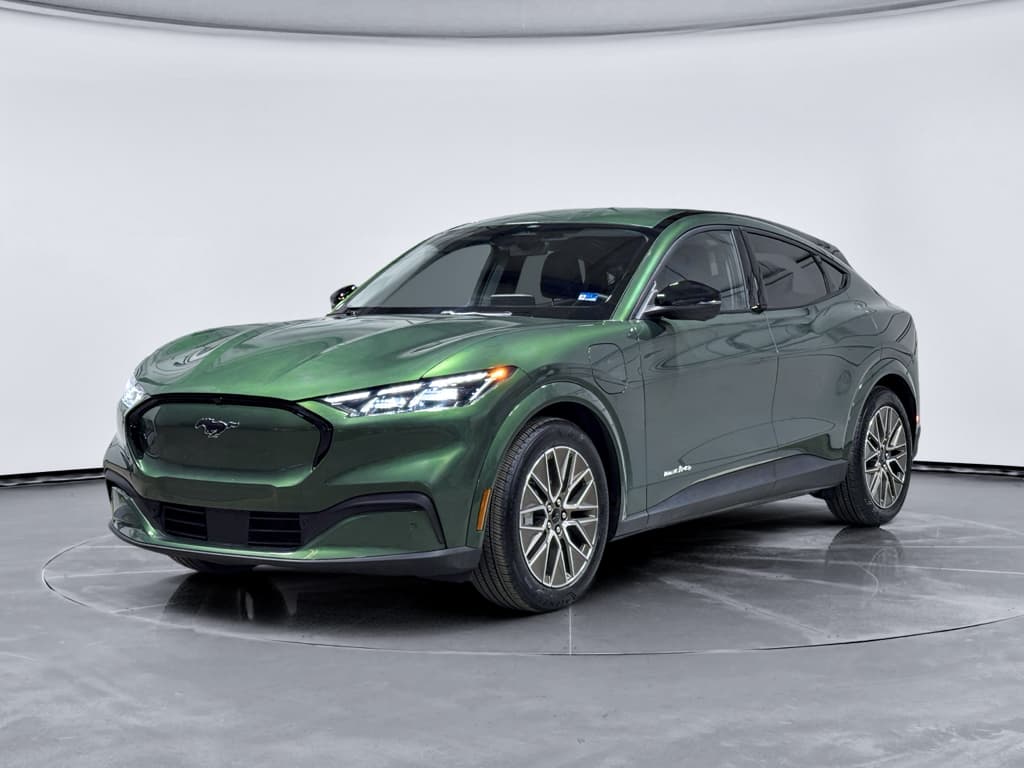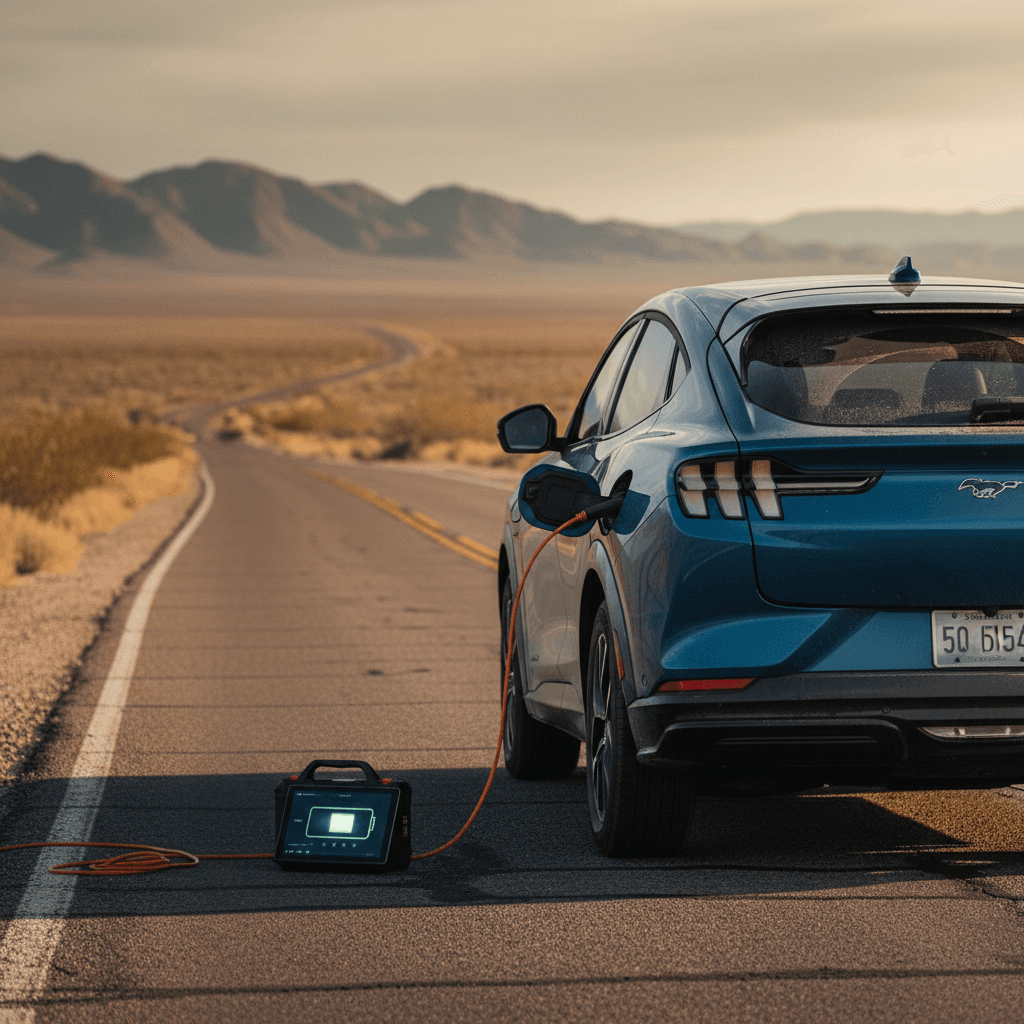
If you’re looking at the 2025 Ford Mustang Mach-E, you’re probably wondering what its range looks like in the real world, not just on a window sticker. EPA numbers are helpful, but a true 2025 Ford Mustang Mach-E range test has to answer a more practical question: how far can you actually drive at highway speeds, on cold mornings, or with a full family on board?
Range in one sentence
Why 2025 Mustang Mach-E range actually matters
The Mach-E competes in one of the most range-sensitive segments in the EV market. Crossovers like the Tesla Model Y, Hyundai Ioniq 5, Kia EV6, and VW ID.4 all sell on the promise that you can use them as your one car for everything: commuting, weekend trips, and serious road trips. Range, and how fast you can restore it, is the difference between an EV that feels liberating and one that feels like you’re constantly negotiating with the battery gauge.
Ford has quietly improved the Mach-E over its first few model years with more efficient powertrains, a standard heat pump across the range, and access to Tesla’s Supercharger network via NACS. That means the 2025 model isn’t just about headline EPA numbers; it’s also about how confidently you can plan your days and road trips without range anxiety.
Tip for shoppers
2025 Mustang Mach-E battery options and EPA range
For 2025, the Mustang Mach-E continues with two usable battery sizes, standard range and extended range, paired with either rear-wheel drive (RWD) or all-wheel drive (eAWD). Ford quotes the following EPA-estimated ranges for the 2025 lineup:
2025 Ford Mustang Mach-E EPA-rated range by configuration
Official EPA-estimated range ratings for major 2025 Mach-E variants, based on Ford’s published figures.
| Trim / Battery / Drive | Usable battery | EPA-estimated range |
|---|---|---|
| Select, Standard Range RWD | ~73 kWh | 260 miles |
| Select, Standard Range eAWD | ~73 kWh | 240 miles |
| Premium, Standard Range RWD | ~73 kWh | 260 miles |
| Premium, Standard Range eAWD | ~73 kWh | 240 miles |
| Premium, Extended Range RWD | ~88–91 kWh | 320 miles |
| Premium, Extended Range eAWD | ~88–91 kWh | 300 miles |
| GT, Extended Range eAWD | ~88–91 kWh | 280 miles |
| Rally, Extended Range eAWD | ~88–91 kWh | ≈265 miles |
Remember: EPA range is measured in mixed driving. Highway-only tests typically yield lower numbers.
EPA caveat
2025 Mustang Mach-E range at a glance
Real-world range vs EPA: what you should expect
Independent testing of earlier model years gives us a very good baseline for the 2025 Mustang Mach-E. A Premium extended-range AWD model, with an EPA rating just under 300 miles in prior years, has delivered close to its EPA figure in mixed driving and roughly 90–95% of that number on a steady 70 mph highway loop when conditions are mild.
For 2025, the core hardware, battery capacities and motor outputs, remains fundamentally similar, while efficiency tweaks (including a standard heat pump and software updates) are aimed more at consistency than raw range. As a rule of thumb, you can think of the EPA rating as an optimistic “mixed use” number, with real-world outcomes roughly as follows:
- Suburban / mixed driving (35–55 mph, light traffic): often 95–110% of EPA range if you’re gentle with acceleration.
- True city driving (stop-and-go, lots of HVAC use): roughly 85–100% of EPA, depending heavily on climate control use.
- Highway cruising (65–75 mph): commonly 75–90% of EPA, with faster speeds and colder temps pulling you toward the lower end.
Why highway range is lower
Highway range test: how the Mach-E performs at 70 mph
Most shoppers searching for a 2025 Ford Mustang Mach-E range test really care about one thing: "How far can I go on the interstate between fast charges?" Let’s translate the EPA numbers into realistic 70 mph expectations for a healthy battery in mild weather (around 70°F, no strong headwinds, stock wheels/tires).
Estimated 70 mph highway range by configuration
Approximate real-world results for a new 2025 Mach-E, assuming you use 90% of the pack (10–100%) but plan around 10–80% for road trips.
Standard Range RWD (260 EPA mi)
- Practical 70 mph range: ~200–220 miles from 100% to near empty.
- Trip planning window (10–80%): ~140–160 miles between fast charges.
- Best fit if your regular highway legs are under 130 miles.
Standard Range eAWD (240 EPA mi)
- Practical 70 mph range: ~180–205 miles 100–0%.
- Trip planning window (10–80%): ~125–145 miles.
- AWD traction is nice, but factor in the slight range penalty.
Extended Range RWD Premium (320 EPA mi)
- Practical 70 mph range: ~245–275 miles 100–0%.
- Trip planning window (10–80%): ~175–200 miles.
- The range “sweet spot” if you road trip a lot.
Extended Range eAWD Premium (300 EPA mi)
- Practical 70 mph range: ~230–260 miles 100–0%.
- Trip planning window (10–80%): ~165–190 miles.
- A strong balance of traction, performance, and usable road-trip range.
GT / Rally (280-ish EPA mi)
- Practical 70 mph range: ~215–240 miles 100–0%.
- Trip planning window (10–80%): ~150–175 miles.
- Performance tires and spirited driving can pull you below these estimates.
Beware of speed creep
City and mixed-driving range for daily use
If most of your life happens below 55 mph, the Mach-E feels significantly more efficient than the raw EPA rating suggests. Regenerative braking in stop-and-go traffic lets the car recover energy you’d otherwise lose as heat in traditional brakes, and the heat pump reduces the climate-control penalty in moderate weather.
Suburban commuter profile
- 20–40 miles per day, speeds mostly 35–55 mph.
- Overnight Level 2 charging at home.
- Standard or extended-range Mach-E rarely drops below 50–60% state of charge.
In this use case, even a standard-range battery is ample. You’ll mostly notice range on the occasional long day rather than day-to-day errands.
Urban stop-and-go profile
- Short trips, frequent stops, more HVAC use.
- Plenty of regen, but more ‘overhead’ from heating/cooling.
- Expect roughly 85–100% of EPA range in mixed seasons.
The main factor here isn’t speed, it’s climate control. Preconditioning while plugged in and using seat/steering wheel heaters instead of blasting cabin heat can preserve a surprising amount of range.
Winter and extreme conditions: how much range you lose
The 2025 Mach-E’s standard heat pump is a meaningful upgrade for cold-weather owners compared with early EVs that relied purely on resistive heating. But physics is still physics: cold batteries are less efficient, and cold air is denser, increasing aerodynamic drag. That means winter is where a real-world range test can diverge the most from the brochure.
How winter driving cuts Mach-E range
1. Cold-soaked battery
If your Mach-E sits outside in sub-freezing temperatures, the pack needs to warm up before it can deliver full power and accept fast charging. Until then, expect higher energy use and slower DC charging speeds.
2. Cabin heating load
Keeping a large cabin at 72°F when it’s 20°F outside takes energy. The heat pump helps, but you’ll still see a bigger hit on short trips where heating never gets a chance to stabilize.
3. Snow, slush, and rolling resistance
Driving through wet snow or slush increases rolling resistance dramatically. Even with efficient motors, pushing that extra drag through the drivetrain burns energy faster than you’d expect.
4. Winter tires and wheels
Aggressive winter tires are fantastic for traction but can cost a few percentage points of efficiency. Tall, wide wheel packages do the same, even before you factor in snow buildup.
Plan for a 20–30% winter buffer
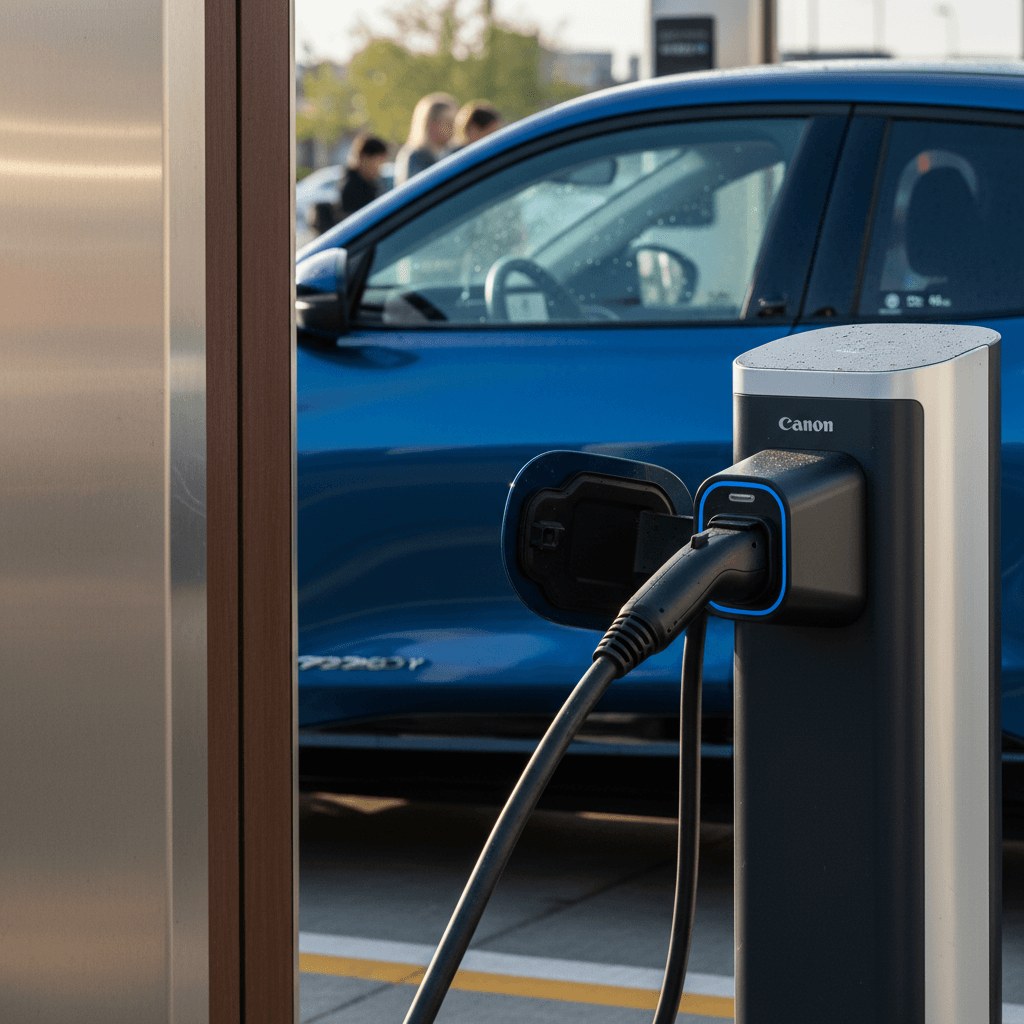
Charging speeds and road-trip pace in the 2025 Mach-E
Range is only half of the road-trip story. The other half is how quickly the 2025 Mustang Mach-E restores that range on DC fast chargers. With the extended-range battery, Ford quotes roughly 36 minutes to go from 10% to 80% on a 350 kW charger in ideal conditions. The standard-range pack is a bit quicker at around 32 minutes for the same 10–80% window.
How long you’ll actually spend charging on the road
Think in terms of miles added per stop rather than raw minutes on the charger.
Extended Range (10–80%)
- Charge time (ideal): ~36 minutes.
- Miles added: roughly 170–210 highway miles, depending on configuration and conditions.
- Typical rhythm: drive 2.5–3 hours, charge 25–40 minutes.
Standard Range (10–80%)
- Charge time (ideal): ~32 minutes.
- Miles added: roughly 120–150 highway miles.
- Typical rhythm: drive 2–2.5 hours, charge ~30 minutes.
Using Tesla Superchargers (NACS)
- Newer Mach-Es can use many Tesla Supercharger sites via NACS.
- This significantly improves charger density along major corridors.
- For used buyers, confirm NACS compatibility and adapter availability.
Charge from 10–60% when possible
Maximizing range: practical tips for Mach-E drivers
The nice thing about the Mach-E is that you don’t have to baby it for solid range, but a few habits can consistently unlock an extra 10–20% of usable miles. Think of these not as hypermiling tricks, but as basic EV literacy.
Simple ways to stretch your Mach-E’s range
1. Use "Wh/mi" instead of just the percent gauge
Watch your energy use in watt-hours per mile on a familiar route. Small changes, like easing into highway speeds or coasting earlier, will show up quickly in this metric.
2. Precondition while plugged in
In cold or hot weather, use the FordPass app or in-car scheduler to heat or cool the cabin while you’re still charging. That way the battery, not your pack, pays for the worst of the thermal load.
3. Moderate highway speeds
Sticking to 68–72 mph instead of 78–80 mph can mean arriving with 10–15% more charge or skipping a stop entirely. Over a long day, that matters more than five minutes saved here or there.
4. Choose efficient tires and wheels
If you’re shopping used, pay attention to wheel/tire packages. Aero-style wheels and all-season tires usually beat big, sticky performance tires for range, especially on GT and Rally trims.
5. Keep SOC between 20–80% day-to-day
For battery health and predictable range, living mostly between 20% and 80% state of charge is a good long-term practice. Save 100% charges for days you truly need every mile.
6. Learn the car’s estimated arrival SOC
On long drives, trust, but verify, the in-car estimate of how much charge you’ll have on arrival. If you see it trending downward, react early by slowing slightly instead of waiting until the last 10 miles.
Used 2025 Mustang Mach-E: what range shoppers should check
If you’re looking at a used 2025 Mustang Mach-E, the good news is that modern battery packs tend to degrade slowly in normal use. Still, two Mach-Es with the same EPA sticker can behave very differently after a few years depending on how they were charged, driven, and stored.
Key range-related questions to ask
- Battery variant: Is it standard range or extended range? Confirm with documentation, not just seller claims.
- Drive unit: RWD or eAWD? Remember that AWD trims sacrifice a bit of range for extra traction.
- Charging history: Mostly DC fast charging or a mix with home Level 2? Heavy DC use isn’t a dealbreaker, but it’s context.
- Climate exposure: Has the car spent life in extreme heat or cold? Garaged vehicles usually fare better over time.
How Recharged can help
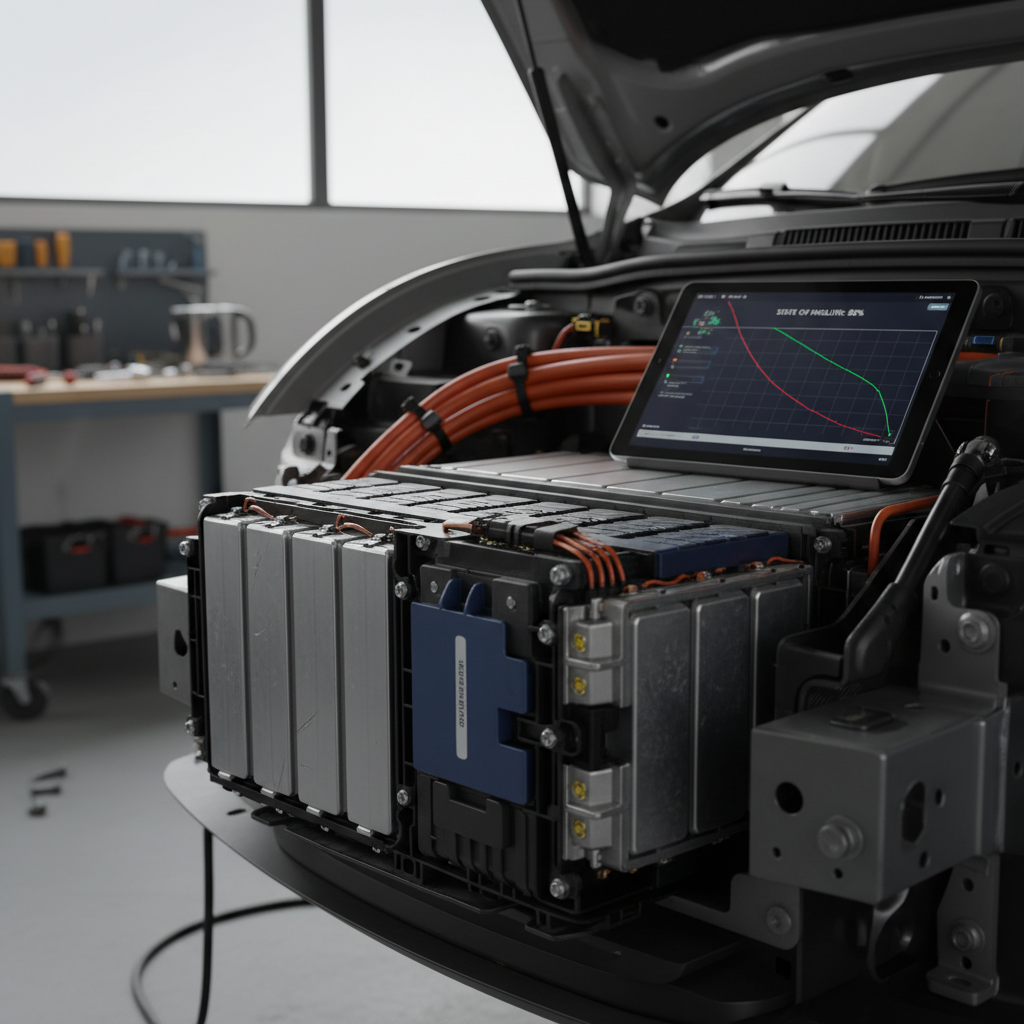
Every vehicle sold through Recharged includes a Recharged Score Report that looks beyond the odometer to understand real battery health and usage patterns. Our tools can:
- Estimate usable battery capacity versus when the car was new.
- Highlight charging patterns that may have affected long-term range.
- Compare pricing against fair-market values for similarly healthy packs.
That means you’re not just buying a badge; you’re buying a verified range profile you can rely on.
Range confidence with diagnostics
FAQ: 2025 Ford Mustang Mach-E range & testing
Frequently asked questions about 2025 Mach-E range
Bottom line: is the 2025 Mach-E’s range good enough?
For most drivers, the 2025 Ford Mustang Mach-E offers more than enough real-world range, especially in extended-range trims, to serve as a primary vehicle. A thoughtful highway range test reveals a crossover that can comfortably cover 175–200-mile legs between fast charges, with acceptable winter penalties and a charging curve that fits neatly into coffee and meal breaks.
The key is matching the configuration to your life: standard-range models shine as efficient commuters and family haulers with home charging, while extended-range trims unlock stress-free road tripping and more margin for cold climates. If you’re looking on the used market, pairing those choices with verified battery health, through tools like the Recharged Score Report, turns the Mach-E from a promising spec sheet into a predictable, confidence-inspiring EV you can live with for years.