If you’re looking at a used 2021 Chevy Bolt EV, you’ve probably heard about battery fires, recalls, and software limits on charging. The reality is more nuanced: the 2021 Bolt EV combines low running costs and strong range with a complicated recall history and a few recurring owner complaints. This guide breaks down the most important 2021 Chevy Bolt EV problems so you can decide if it’s still a smart buy.
Why focus on the 2021 model year?
2021 Chevy Bolt EV overview
Before you zoom in on 2021 Chevy Bolt EV problems, it helps to understand what this car is on paper. The 2021 Bolt EV uses a 65 kWh lithium-ion battery and a single front motor good for 200 hp. EPA-rated range is around 259 miles when new, with DC fast charging up to 55 kW and standard DC compatibility on every trim. It’s a compact hatchback, roughly the size of a small SUV on the inside, and it was one of the most affordable long-range EVs sold in the U.S. at the time.
- 65 kWh battery, ~259 miles EPA range when new
- Front-wheel drive, 200 hp electric motor
- Standard DC fast charging (around 55 kW peak)
- One-pedal driving with strong regenerative braking
- 8-year/100,000-mile EV component and battery warranty (from original in-service date)
Good news on value
The biggest issue: battery fire recalls
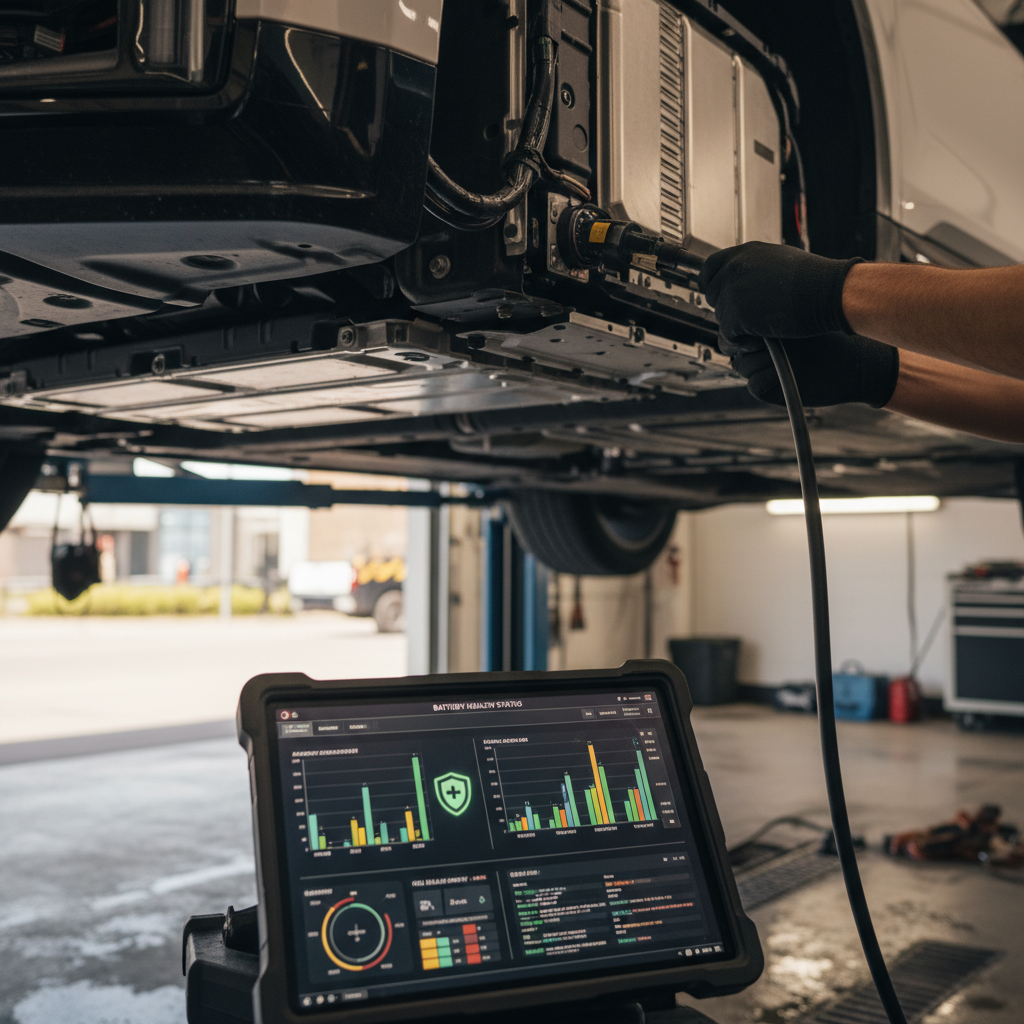
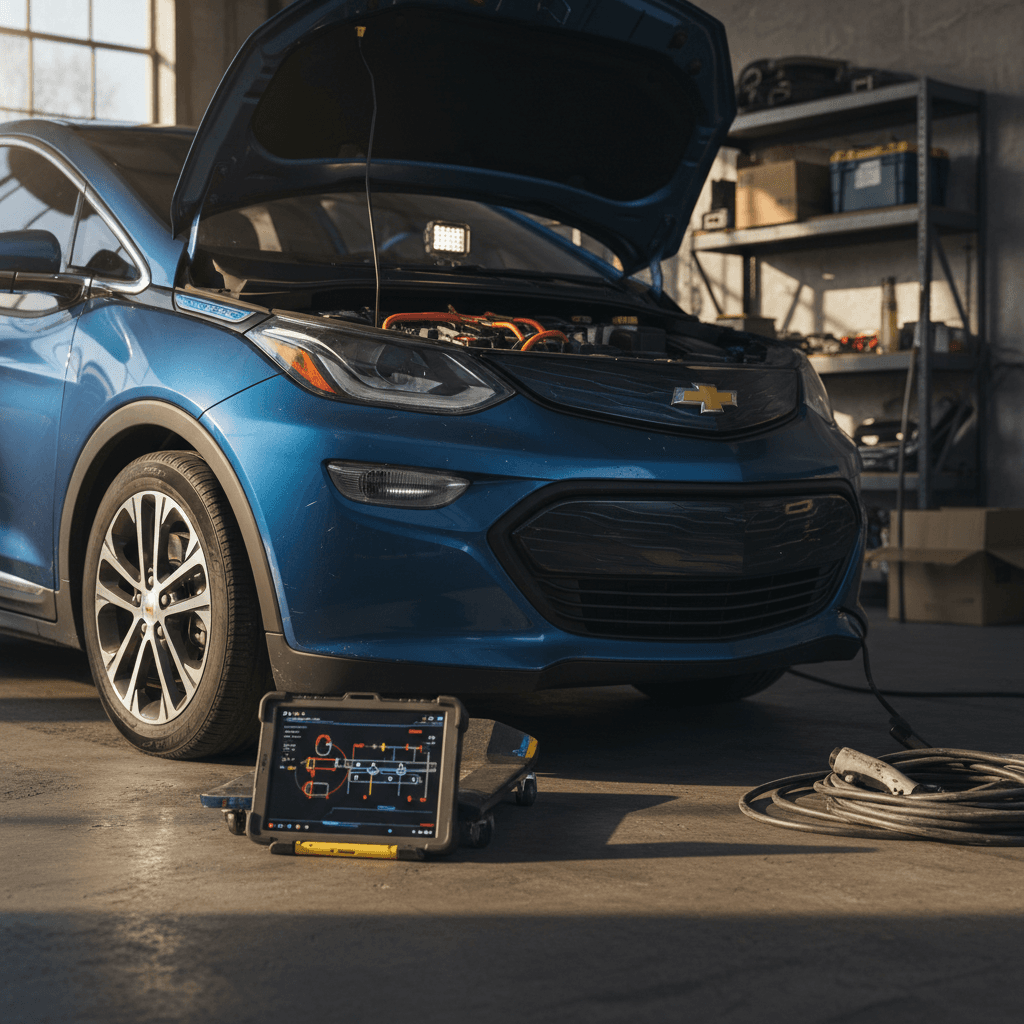
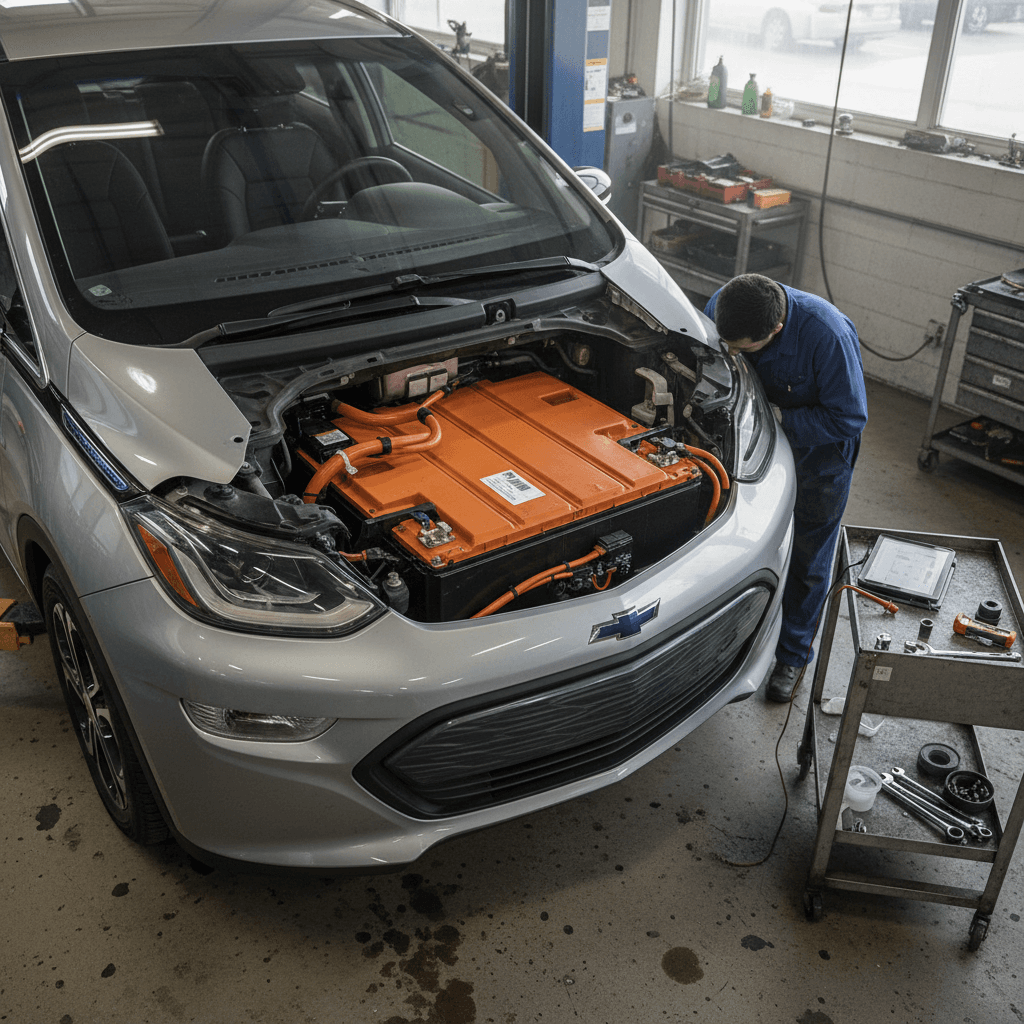
The headline 2021 Chevy Bolt EV problem is the high-voltage battery fire risk tied to cells supplied by LG. GM ultimately expanded the recall to cover all 2017–2022 Bolt EV and EUV models after a small number of vehicles experienced battery fires linked to rare defects inside certain cells.
- Defect source: manufacturing flaws in some LG battery cells (for example, torn anode tabs and folded separators) that could cause internal short circuits under certain conditions.
- Primary risk: thermal runaway inside the battery pack, potentially leading to smoke or fire, especially at high states of charge and after full charges.
- Initial guidance: owners were asked to avoid charging above 90%, avoid deep discharges, and park outside right after charging until repairs were available.
- Scope: the final campaign covered essentially all Bolt EV and EUV model years 2017–2022, including 2021 cars.
Safety came before convenience
How the recalls affect 2021 Bolt EV owners
By now, most 2021 Bolt EVs should have had recall work done, but not all fixes look the same. When you shop used or evaluate your own car, you’ll see three main scenarios.
Three typical recall outcomes for 2021 Bolt EVs
What you find on a used Bolt matters for range, peace of mind, and resale value.
1. Full battery pack replacement
Best-case scenario for buyers. GM replaced the entire high-voltage battery pack with updated hardware from LG.
- Restores ability to charge to 100% after software checks
- Usually comes with a fresh 8-year/100,000-mile warranty on the replacement pack (starting at install date)
- Often boosts long-term resale appeal
2. Module-level fix + diagnostic software
Some cars received new software plus targeted module repairs instead of full pack replacement.
- Advanced diagnostics continuously monitor the battery
- Temporary charge limits (e.g., ~80–90%) for a set mileage period
- If a defect is detected, specific modules or the pack are replaced
3. Software-only, hardware still original
A minority of 2020–2022 cars needed only software updates according to GM’s criteria.
- Still monitored for anomalies
- May have had charge limits for a time
- Hardware is original, so confirm all recalls are closed before buying
Always run the VIN
Owners have also reported frustration with how long those parts took to arrive and how long they had to live with a reduced state-of-charge cap. Some 2021 Bolt EV drivers report spending more than a year limited to 80–90% usable capacity while waiting for parts and then additional time under software evaluation before regaining full range.
Short-term impact
- Reduced range during software-limited phase
- Extra planning for road trips and DC fast charging
- Parking and charging restrictions (no unattended overnight charging, park outside after charging during active recall period)
Long-term outlook
- Updated packs and diagnostics have significantly reduced fire risk
- Replacement packs effectively reset battery aging for many owners
- Resale values have stabilized as fixes rolled out and coverage strengthened
Other common 2021 Chevy Bolt EV problems
Beyond the high-profile battery story, 2021 Bolt EV owners report a cluster of more typical issues. Most are annoying rather than dangerous, but they’re worth knowing about if you’re cross-shopping other used EVs.
Common 2021 Chevy Bolt EV complaints
Not every car will have these issues, but they are recurring themes in owner reports and complaint databases.
| Area | Typical symptom | What to listen or look for | How serious? |
|---|---|---|---|
| Charging & electronics | Occasional DC fast-charging stalls or slower-than-expected speeds | Watch DC fast-charge rate; see if it plateaus well below 40–50 kW with a warm battery | Usually minor; sometimes fixed with software updates |
| Infotainment & cameras | Glitches with the center screen, intermittent backup camera, or Bluetooth dropouts | Check for laggy menus, random reboots, or black camera screens | Annoying but rarely safety-critical |
| Warning lights | ABS, traction control, or other dashboard lights triggered by sensor faults | Scan for any illuminated warning lights on startup and after the test drive | Varies, often a wheel-speed sensor or minor fault, but still needs diagnosis |
| Steering & ride | Reports of off-center steering or clunks over bumps in some cars | Drive at highway speeds and over rough pavement to feel for vibration, pull, or noise | Alignment or wear issues; budget for suspension work on higher-mileage cars |
| Interior wear | Seat fabric wear, plastics scratching easily | Look closely at driver seat bolsters and high-touch plastics | Cosmetic, but useful leverage in price negotiations |
Use this table as a checklist when you test drive a used 2021 Bolt EV.
Check owner forums
Reliability: how bad is the 2021 Bolt EV?
Bolt EV problem patterns by model year
Context matters here. The Bolt EV’s main black eye is the battery recall, not a pattern of motors failing or gearboxes exploding. Once the recall work is done correctly, most 2021 cars have proven to be reliable daily drivers, with very low maintenance costs compared with similarly aged gas hatchbacks.
- Electric motors and drivetrains generally hold up well with basic maintenance.
- No oil changes and far fewer moving parts lower the chances of big mechanical failures.
- Brake wear is often lower than in comparable gas cars because of strong regenerative braking.
- Most headaches are software-related: infotainment quirks, charging station communication, or occasional warning lights.
How the 2021 model compares to earlier Bolts
Warranty coverage on a 2021 Chevy Bolt EV
Warranty coverage is one of your best tools for managing 2021 Chevy Bolt EV problems. For U.S.-market cars, Chevy typically includes an 8-year/100,000-mile electric propulsion warranty that covers the high-voltage battery and key EV components, plus a 3-year/36,000-mile bumper-to-bumper warranty from the original in-service date.
- 8-year/100,000-mile EV Component & Battery Warranty: Covers the high-voltage battery, drive unit, and other electric propulsion components against defects in materials and workmanship.
- 3-year/36,000-mile Bumper-to-Bumper Warranty: Covers most non-wear components on the vehicle; likely expired now on most 2021s unless it was sold late or certified with an extended plan.
- Corrosion coverage: Sheet metal corrosion and rust-through coverage, typically up to 6 years/100,000 miles from in-service date.
- Recall repairs: Safety recall work, including battery-related campaigns, is performed at no cost to the owner regardless of mileage or ownership changes.
Bonus coverage on replacement batteries
Shopping for a used 2021 Bolt EV: what to check
If you’re considering a used 2021 Bolt EV, your goal isn’t to avoid all risk, that’s impossible with any used car, but to separate normal EV quirks from serious unresolved issues. Here’s how to do that systematically.
Used 2021 Chevy Bolt EV buyer checklist
1. Verify recall completion and battery history
Run the VIN through the NHTSA website and ask a Chevy dealer to print the full recall history. Confirm that all battery-related campaigns are completed and ask whether the car received a full pack replacement, module repair, or software-only update.
2. Inspect state of charge limits in the settings
In the infotainment menus, look at the target charge settings. If the car is still locked to ~80–90% with no option to move higher, ask why. It may be in a temporary monitoring phase, or recall work might still be pending.
3. Test DC fast charging, if possible
On a warm battery, plug into a DC fast charger and watch the charge rate. A 2021 Bolt EV should be able to reach roughly 40–55 kW under good conditions. If it stays very low with no clear reason, you may be dealing with a charging or battery management issue that needs diagnosis.
4. Scan for warning lights and run an OBD check
Turn the car on and make sure all warning lights cycle off after startup. If anything stays lit (ABS, traction control, airbag, or check-engine-style icons), budget for a professional diagnosis. A quick OBD-II scan with an EV-friendly reader can reveal stored trouble codes.
5. Evaluate interior, tires, and suspension
Drive at city and highway speeds. Listen for clunks over bumps, vibration, or wind noise. Check tire wear patterns (cupping, inner-edge wear) that might hint at alignment or suspension issues. Inspect seat fabric and trim, these are leverage points in price negotiations.
6. Ask for charging and usage habits
A previous owner who regularly charged to 80–90% and avoided frequent DC fast charging is ideal. Even with recalls addressed, gentler charging habits usually translate into slower battery degradation over the long term.
How Recharged can simplify this
Living with a 2021 Bolt EV after the fix
Once recall work is complete and the car is updated, day-to-day life with a 2021 Bolt EV is pretty straightforward. You plug in at home, monitor software updates, and treat it like any other compact EV, while staying mindful of a few Bolt-specific best practices.
Everyday strengths
- Low operating costs: No oil changes, fewer moving parts, and inexpensive electricity vs. gas.
- Solid real-world range: Even with some degradation, most 2021 Bolts comfortably handle typical U.S. daily commutes with margin.
- Compact footprint, big cabin: Easy to park, with good headroom and hatchback utility.
Quirks to accept
- Moderate DC fast charging: Bolt’s max rate is lower than many newer EVs; plan a bit more time on road trips.
- Software personality: Occasional infotainment or charging-network quirks are part of the experience.
- Recall stigma: You may field questions from friends and buyers later about the battery history, keep documentation handy.
Watch for cold-weather range drops
2021 Chevy Bolt EV problems: FAQ
Frequently asked questions about 2021 Bolt EV problems
Bottom line: should you buy a 2021 Bolt EV?
If you’re comfortable doing a bit of homework, a 2021 Chevy Bolt EV can still be one of the best values in the used EV market. The car’s biggest weakness, the LG battery recall, is also the reason you’ll often find aggressive pricing and, in many cases, a newer replacement pack with fresh warranty coverage. The key is to focus on an individual car’s recall history, battery health, and everyday condition rather than the headlines from 2021.
For buyers who want simple, low-cost electric commuting and don’t mind modest fast-charging speeds, a well-sorted 2021 Bolt EV is worth serious consideration. Just make sure you get documentation of completed recall work, confirm how the car charges and drives today, and lean on tools like the Recharged Score Report to verify battery health before you sign. That’s how you turn a controversial model year into a smart, budget-friendly EV purchase.