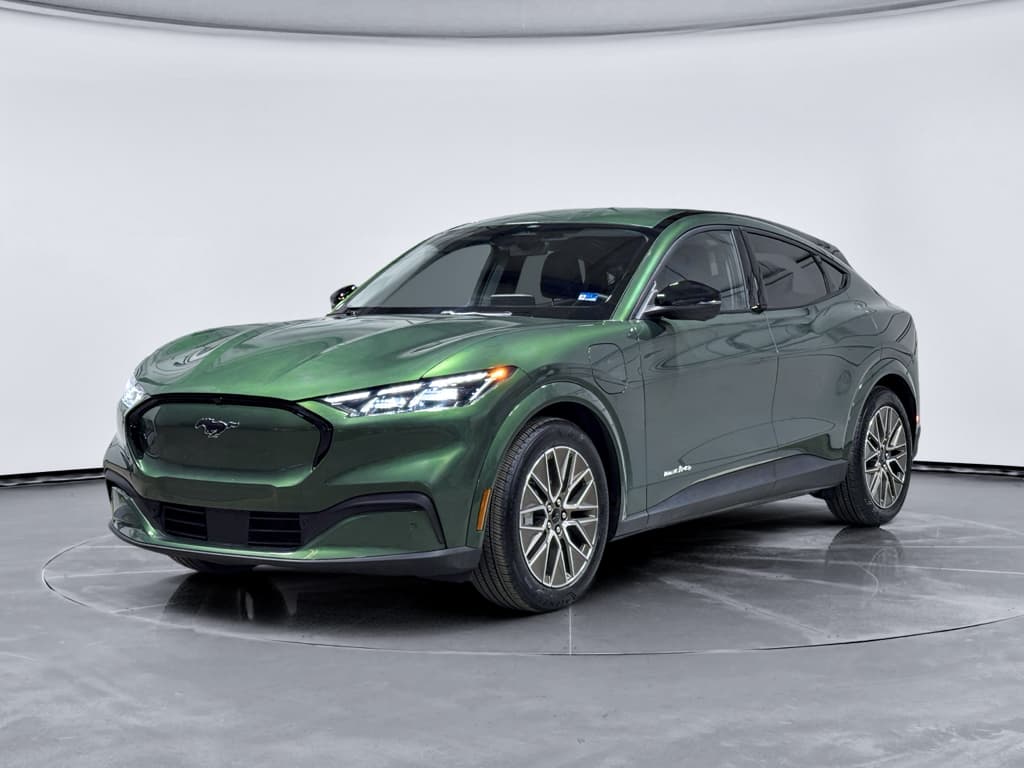
If you own a Ford F‑150 Lightning, you already know what early adopters of electric trucks learned the hard way: values move fast. In 2025, figuring out your Ford F‑150 Lightning trade in value means decoding incentives, battery health, and a used market that’s still nursing a depreciation hangover. This guide will walk you through what your Lightning is really worth in 2025, and how to keep a dealer from low‑balling you.
Good news, bad news
Why F-150 Lightning trade-in value is tricky in 2025
On paper, the F‑150 Lightning should be a resale champ: it’s an electric version of America’s best‑selling truck, with instant torque, home‑backup capability, and a blue‑oval badge that still means something in the heartland. In reality, 2022–2024 trucks depreciated much faster than comparable gas F‑150s, as Ford slashed MSRPs, stacked rebates on new units, and the whole EV market cooled off.
- Aggressive discounting on new Lightnings made used prices look rich overnight.
- EV‑skeptical buyers are still wary of battery life and towing range.
- Many early trucks were heavily optioned, pushing original stickers into luxury‑truck territory.
- Electric pickups in general, Rivian R1T, Silverado EV, even Cybertruck, have seen steep early depreciation, which drags down Lightning values by comparison.
Why your neighbor’s offer doesn’t matter
What 2025 F-150 Lightning trade-in values actually look like
Ford F-150 Lightning trade-in snapshot for 2025
Zooming in on 2025, multiple pricing tools and listing sites tell a consistent story: many 2023–2024 F‑150 Lightnings in clean condition trade in somewhere in the mid‑$40,000s to low‑$60,000s, depending on trim, equipment, mileage, and local demand. Work‑spec Pro models with higher miles can dip below that; loaded Platinums with low miles and extended‑range packs can still command more.
Illustrative 2025 F-150 Lightning trade-in value ranges
These are example bands based on early‑2025 market behavior, not quotes. Your actual number depends on options, miles, condition, battery health, and region.
| Model year & trim (example) | Odometer (approx.) | Condition | Illustrative dealer trade band |
|---|---|---|---|
| 2022 Lightning Pro SR | 40,000–60,000 mi | Average fleet/commuter | $32,000–$42,000 |
| 2023 Lightning XLT/Flash ER | 25,000–40,000 mi | Clean, single‑owner | $42,000–$52,000 |
| 2023 Lightning Lariat ER | 20,000–35,000 mi | Clean, well‑equipped | $47,000–$57,000 |
| 2024 Lightning Platinum ER | 10,000–25,000 mi | Clean, loaded | $55,000–$65,000 |
Use this table as directional guidance, not as an appraisal. Always confirm with a live offer.
Direction, not gospel
7 factors that move your Lightning trade-in price up or down
Getting a fair number for your F‑150 Lightning isn’t about one magic metric. Dealers juggle a half‑dozen variables in their heads before you even finish your complimentary dealership coffee. Here are the seven levers that really move your trade‑in value.
What actually moves your Lightning’s trade-in value
Think beyond miles and model year, this is where real money changes hands.
1. Model year & trim
2. Odometer & use pattern
3. Options & battery pack
4. Cosmetic condition
5. Maintenance & recalls
6. Battery health & DC fast charging
7. Local demand & incentives
What you can actually control
How dealers really calculate a F-150 Lightning trade-in
Most owners assume a dealer punches their VIN into a magical system, and a perfect, neutral price pops out. That fiction dies the moment your truck rolls past the service bays. In 2025, electric trucks are still “special situations” on the used‑car desk, and the manager’s appetite, or lack of it, matters as much as any book value.
The numbers they start from
- Wholesale auction data for similar Lightnings sold in the last 30–60 days.
- Retail listings in a roughly 250‑mile radius for trucks like yours.
- Guidebooks like KBB, Black Book, or Manheim market reports.
- Internal forecasts on where EV prices are headed in the next quarter.
For a truck like the Lightning, managers have also memorized horror stories: units that sat for 90 days, or 2022s that had to be blown out at a loss. That colors how aggressive they’re willing to be.
The adjustments they make in the moment
- Reconditioning budget: What it will actually cost them to detail, repair, and certify your truck.
- Lot strategy: Are they trying to shrink EV inventory or lean into electric trucks?
- Deal structure: Big front‑end discount on your new vehicle often means they squeeze the trade.
- Time pressure: End‑of‑month or end‑of‑quarter targets can work in your favor if you’re willing to walk.
Put differently, your Lightning isn’t being appraised in a vacuum, it’s being priced as one line item in the dealer’s balance sheet for the next 60–90 days.
Why multiple offers still matter
How to use KBB and online tools without getting burned
If you’ve already plugged your VIN and miles into Kelley Blue Book, Edmunds, or a manufacturer “value your trade” widget, you’ve seen some encouraging numbers. Just remember: those are estimates, not checks, and for electric trucks in a volatile market, the fine print matters.
Smart way to use online Lightning trade-in estimates
1. Treat them as a starting line, not a finish line
Think of KBB and friends as a weather report. They give you a sense of the climate, but they don’t tell you exactly how wet you’ll get walking across the lot at 3:17 p.m. on Saturday.
2. Match condition honestly
Most owners quietly select “Excellent.” Most vehicles, frankly, are “Good” or "Fair." Overstating condition sets you up for disappointment when the in‑person appraisal corrects you.
3. Pay attention to mileage assumptions
Some tools assume 12,000 miles per year; trucks run higher. If your Lightning has 35,000 miles in two years, those default assumptions may be flattering you.
4. Cross‑check with real listings
Look at actual used F‑150 Lightning listings near you. If nobody is retailing trucks like yours anywhere near the number you’re seeing online, the algorithm is behind the curve.
5. Print or save your ranges
Walk into the dealership with screenshots and ranges from multiple sites. You’re not saying, “You must pay this,” you’re saying, “Show me why your number is so different.”
Don’t anchor on MSRP
How battery health can save (or sink) your trade-in deal
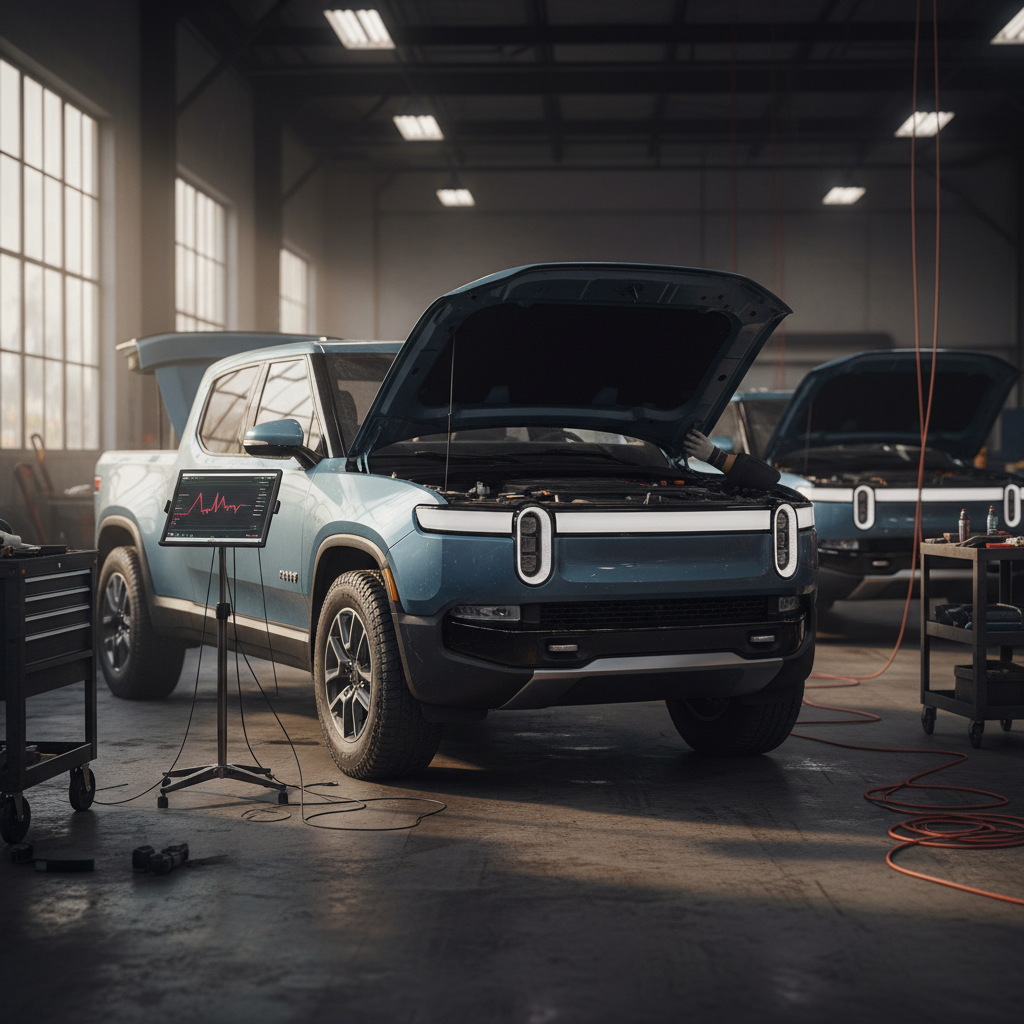
For gas trucks, we talk compression tests and transmission fluid. For your F‑150 Lightning, the single biggest hidden variable is high‑voltage battery health. Two trucks that look identical on the lot can be quietly separated by 10–15% usable capacity, and in 2025, more buyers and lenders know it.
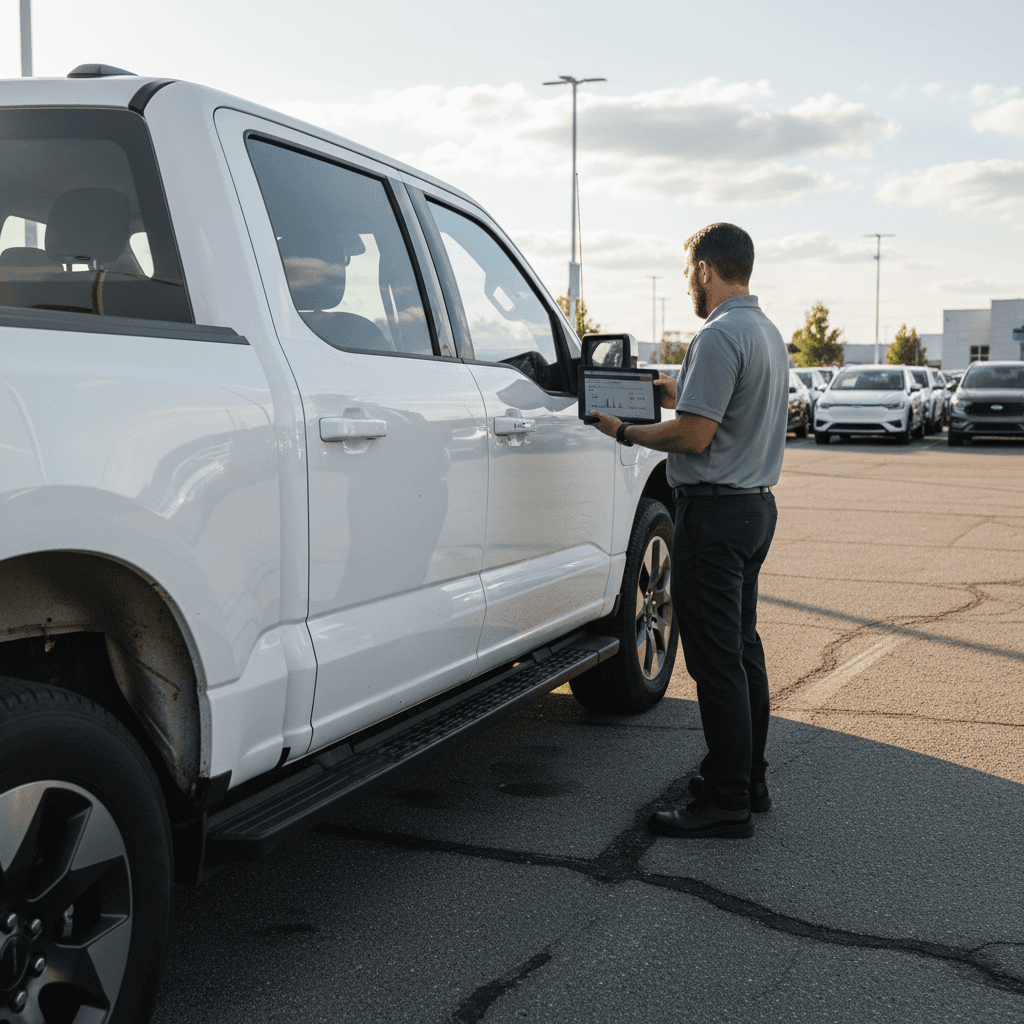
- A Lightning whose pack still tests near original usable capacity will be easier to retail, easier to finance, and easier for a dealer to justify paying up for.
- A truck that’s already lost a visible chunk of range, or throws charging anomalies in diagnostic tests, will be treated like a risk asset and priced accordingly.
- Heavy DC fast‑charging history, towing at high state of charge in hot climates, and regularly charging to 100% all leave a signature in the data.
Where Recharged changes the battery conversation
Step-by-step: Maximize your 2025 Lightning trade-in offer
You can’t will the market higher, but you can absolutely stop leaving easy money on the table. Here’s a simple playbook that works whether your Lightning is a lightly‑used family hauler or a scarred work truck with a hero complex.
Seven steps to a stronger Ford F-150 Lightning trade-in offer
1. Get a real battery-health report
Schedule diagnostics with an EV‑savvy shop or a marketplace like Recharged. Walk into any appraisal with printed proof of pack health and recent charging behavior. You’re eliminating the dealer’s favorite unknown.
2. Fix the cheap stuff first
Detail the truck, remove personal decals, touch up obvious paint scuffs, replace missing key fobs, and clear any warning lights you’ve been ignoring. You’re not restoring a classic; you’re removing mental deductions the appraiser will otherwise bake into the number.
3. Gather your paper trail
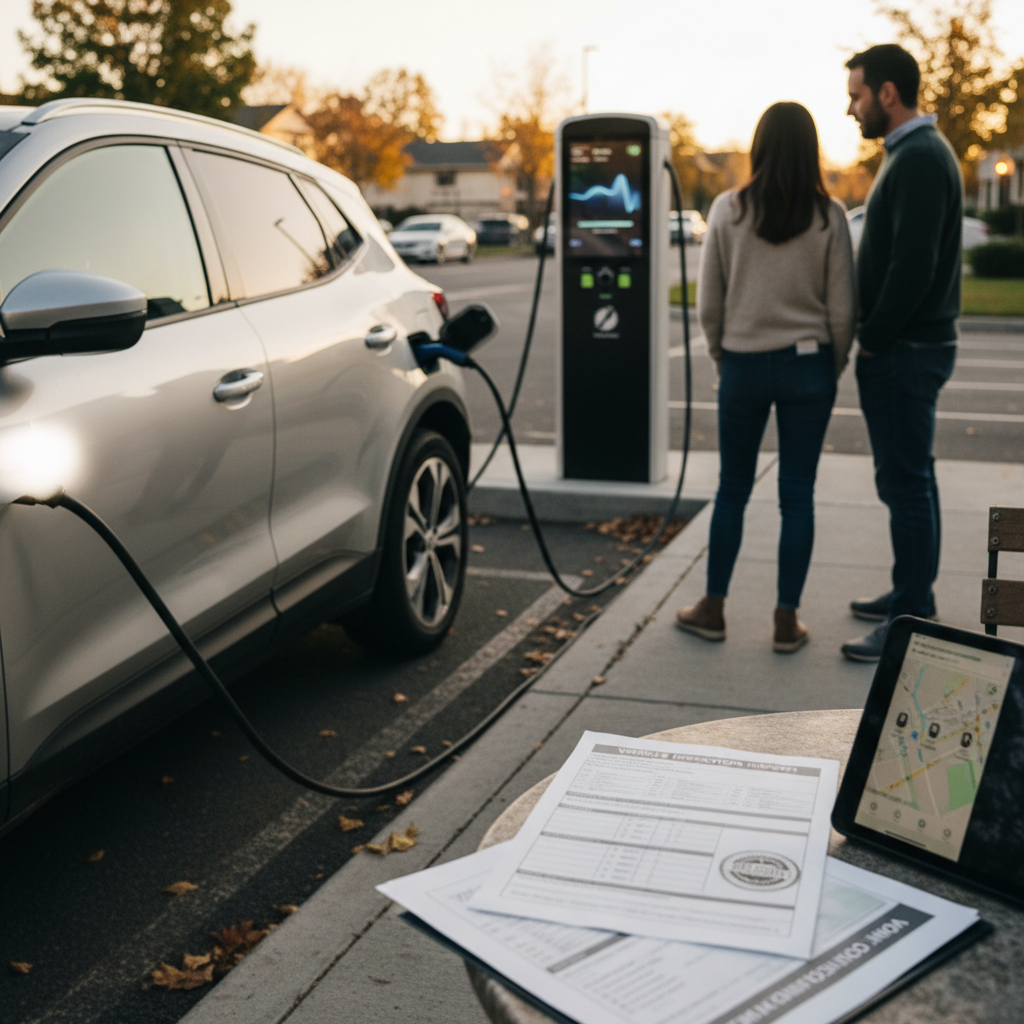
Print service history from FordPass, collect recall completion records, show tire receipts, and have both charging cables present. The more complete your story, the more comfortable the desk is with your truck.
4. Shop three channels in 48 hours
In the same two‑day window, get a written appraisal from at least one franchise Ford dealer, one non‑Ford dealer or large used‑car chain, and an online buyer like Recharged. Markets move; so should you.
5. Separate trade-in from new-car discount
Negotiate the price of your next vehicle and your Lightning’s trade‑in value separately. Mix them together and you’ll never really know where the money moved.
6. Use written offers against each other
Once you have your best quote, show it (literally) to your preferred store and say, “If you can match or beat this number for my Lightning, I’d rather buy from you.” Be polite, firm, and willing to walk.
7. Know your walk-away number
Before stepping onto the lot, decide the minimum trade‑in you’ll accept. Below that, you either keep the truck, sell it privately, or bring it to another buyer. Having a line in the sand makes you calmer and sharper in the finance office.
Trade in vs. sell private party: What makes sense for Lightning owners
Trading in a truck is like selling your house to a cash buyer: you’re paying for simplicity. With the Lightning, the gap between trade‑in and private‑party price can be wide, but so can the hassle. Here’s how the two paths stack up in 2025.
Trading in your F-150 Lightning
- Pros: Fast, no strangers at your house, potential tax savings in many states because you only pay sales tax on the price difference between your new vehicle and your trade.
- Pros: Dealer handles payoff with your lender, payoff vs. value math is done for you in the finance office.
- Cons: You’re accepting a wholesale‑leaning number so the dealer can recondition, floorplan, and retail the truck with a margin.
- Best for: Owners with remaining loans, limited time, or low appetite for test‑drives and tire‑kickers.
Selling your Lightning privately
- Pros: You can often net a few thousand dollars more than the best trade‑in offer, especially on clean, well‑optioned Lariat and Platinum trims.
- Pros: You control the narrative: you can show your battery‑health report, charging habits, and service history directly to the buyer.
- Cons: You manage advertising, test‑drives, payment fraud risk, and payoff logistics yourself.
- Best for: Owners who are not underwater on their loans and who are comfortable screening buyers and doing paperwork.
Don’t forget the tax angle
Where Recharged fits if you’re selling a Ford F-150 Lightning
Recharged exists for exactly the moment you’re in now: a used EV market that feels opaque, with trucks like the F‑150 Lightning caught between old‑school truck logic and new‑school battery economics. Instead of hoping a traditional dealer “gets” your electric pickup, you can work with a marketplace built around them.
How Recharged helps Lightning owners get a fair number
Built for used EVs and electric trucks, not bolted onto an old gas‑car playbook.
Battery health, front and center
Market-based pricing, not vibes
Flexible ways to sell
Financing & payoff help
Nationwide reach, local feel
EV-specialist support
Ready to find your next EV?
Browse VehiclesIn 2025, the Ford F‑150 Lightning is a paradox: a truck that’s both under‑appreciated in trade‑in lanes and quietly coveted by shoppers who understand what it can do. Your job as a seller is to bridge that gap, by walking in with data, documentation, and a clear sense of your walk‑away number. Get a real battery‑health report, collect written offers from at least one traditional dealer and one EV‑focused marketplace like Recharged, and then let them compete for your truck. In a market this fluid, the most powerful tool you have isn’t guesswork; it’s the ability to say "no" until the number matches what your Lightning is actually worth.