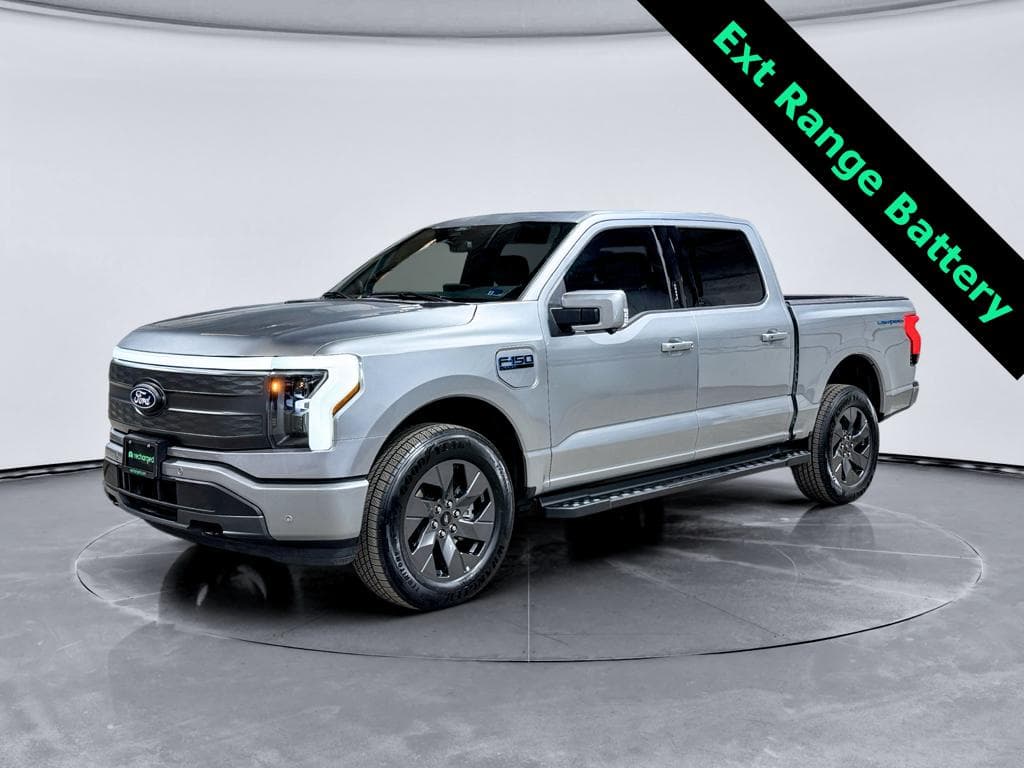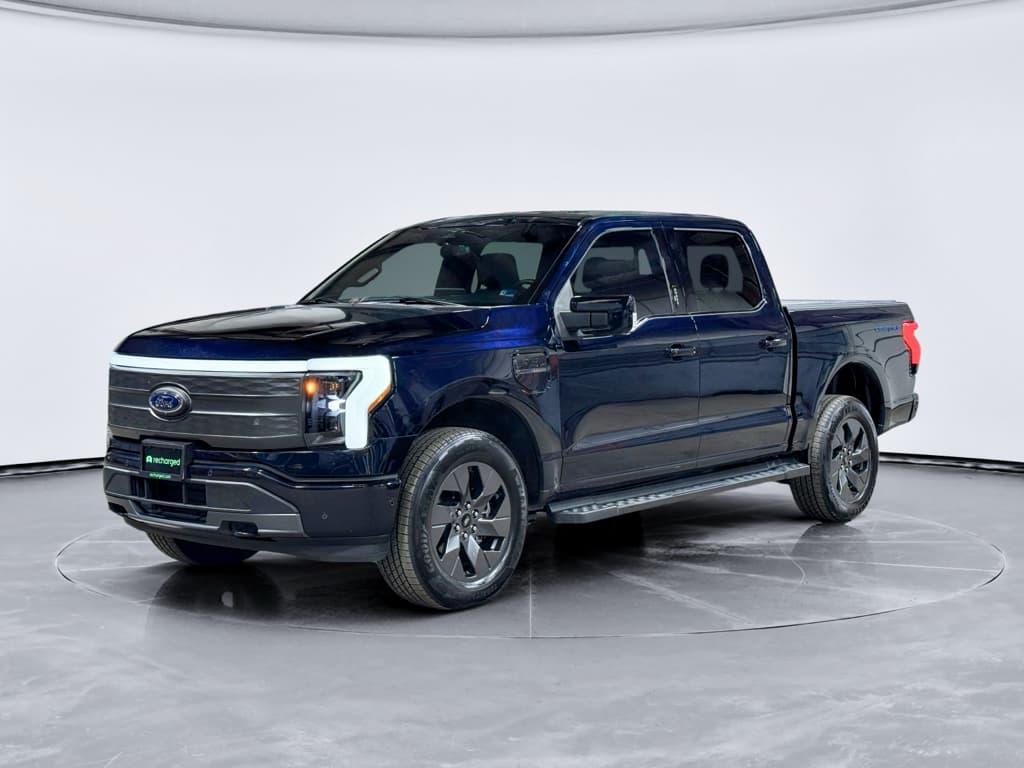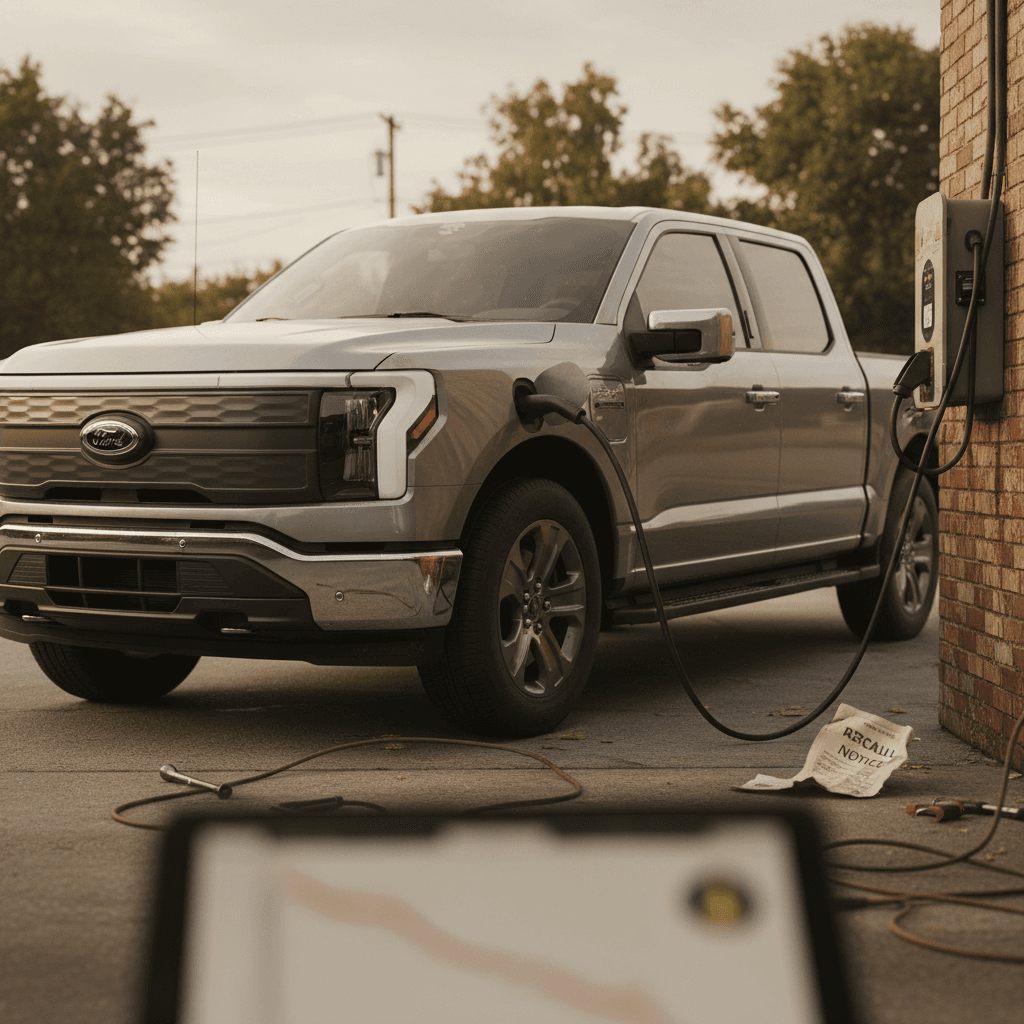
If you’re eyeing a 2025 Ford F-150 Lightning, you’ve probably heard mixed messages about reliability. On paper, the **2025 Ford F-150 Lightning reliability rating** still trails the best full‑size trucks. In the real world, many owners log trouble‑free miles, while others wrestle with software bugs and recalls. This guide breaks down the scores, the problems behind them, and what it all means if you’re buying new or used in 2025.
Quick take
2025 F-150 Lightning reliability rating at a glance
Headline reliability stats for the F-150 Lightning
No single outlet publishes a standalone “2025 Lightning score” yet, but you can triangulate from recent data. Consumer‑oriented reliability lists routinely flag the **F-150 Lightning among the least reliable vehicles of 2024**, with scores around the 30–40/100 mark. Independent truck‑reliability round‑ups that break out 2025 models often show the Lightning with a **predicted reliability in the high‑20s or low‑30s out of 100**, which is meaningfully worse than top gas pickups but not catastrophic.
Important context
How Consumer Reports and others rate Lightning reliability
Most shoppers asking about the **2025 Ford F-150 Lightning reliability rating** are really asking, “What do Consumer Reports and similar outlets say?” Here’s how the truck has been landing there in the mid‑2020s.
Recent reliability snapshots for the F-150 Lightning
Approximate positions and scores based on public summaries from major reliability guides as of early 2026. Exact scores can change as more owner data comes in.
| Source / Guide (recent year) | Model year covered | Reported reliability position | Approx. numeric score | High‑level takeaway |
|---|---|---|---|---|
| Consumer-style annual reliability list (2024 data) | 2024 Lightning | On or near “10 least reliable vehicles” list | ≈ 35–40 / 100 | Below‑average reliability, especially for in‑car electronics and body hardware. |
| Pickup reliability ranking (2025 model guide) | 2025 Lightning | Bottom half of full‑size truck segment | ≈ high‑20s / 100 | Significantly worse predicted reliability than best half‑ton gas trucks. |
| 2026 EV/truck buyer’s guide prediction | 2025–2026 Lightning | Improving but still below segment average | ≈ mid‑30s to mid‑40s / 100 | Trend is upward as early bugs are ironed out, but the nameplate still carries baggage from 2022–2023. |
Use this as a directional guide, not a substitute for checking the latest ratings directly.
Why scores vary
What’s dragging down the 2025 Lightning reliability score?
When you zoom in on complaint data and owner surveys, a pattern shows up: **the F-150 Lightning’s hardware is generally solid, but software and electronics have been trouble‑prone.** Here are the biggest reliability pain points influencing 2025‑era scores.
Top trouble spots for F-150 Lightning reliability
Most of these are fixable, but they still count against the truck in reliability rankings.
In‑car electronics & connectivity
Owners frequently report issues with:
- Sync 4 infotainment crashes or lag
- Connectivity and modem failures (FordPass/OTA)
- Camera and parking sensor glitches
These problems are annoying more than dangerous, but they generate lots of survey complaints.
Software & module updates
Like most modern EVs, the Lightning relies on dozens of modules and frequent software updates.
- Updates that fail mid‑stream or cause new bugs
- Dealer visits needed for re‑programming
- Features temporarily limited after certain recalls
Recall fallout
High‑profile recalls, especially around the high‑voltage battery, hurt confidence and ratings.
- Battery cell manufacturing defects (fire risk) in 2022–2024 trucks
- Roll‑away risk from an integrated park module
- Instrument cluster going blank on some 2025 trucks (mainly gas F‑150, but it colors brand perception)
To be clear, **catastrophic failures are not the dominant story**. The majority of owner gripes look like: truck goes into the shop for a software bulletin, camera glitch, stuck charge door or a recall‑driven update. All of those still count as “problems” in the data, which is why the Lightning’s score sits where it does.
Good news for used buyers
Key recalls affecting 2025 and earlier Lightnings
Reliability ratings bake in recall history, and the F-150 Lightning has had its share. If you’re buying in 2025 or later, you absolutely want to know where a truck stands on these campaigns.
- **High‑voltage battery cell defect (2022–2024)** – A manufacturing issue in certain packs can lead to internal short circuits and, in worst cases, fires. Ford’s remedy typically involves battery array replacement and a temporary charge limit (often ~80% state of charge) until parts are available.
- **Roll‑away risk (2022–2026, including Lightning)** – A problem with the integrated park module can prevent the truck from fully engaging Park, potentially allowing roll‑away. Ford’s fix is a software update to the park module at no cost.
- **Body and lighting issues** – Owners have reported recalls and customer satisfaction programs around the rear light bar, front active air dam and tailgate behavior. These are more nuisance than safety issues, but they still count in reliability data.
- **Charging‑system and 12‑volt issues** – A smaller share of trucks have needed onboard charger, charge‑port, or 12‑volt battery control module service, sometimes leading to no‑start or “bricked” behavior until repaired.
Non‑negotiable for your pre‑purchase check
Battery health vs. reliability ratings: Different stories
One easy mistake is to equate a low **2025 Ford F-150 Lightning reliability rating** with poor battery durability. So far, those are **two different conversations**.
What reliability scores are measuring
- How many issues owners report per vehicle
- Severity of those issues (annoying vs. dangerous)
- Patterns across systems like electronics, body hardware and powertrain
- Recall frequency and repair difficulty
Plenty of Lightning complaints are about things like infotainment bugs and connectivity problems, not failures of the main traction battery.
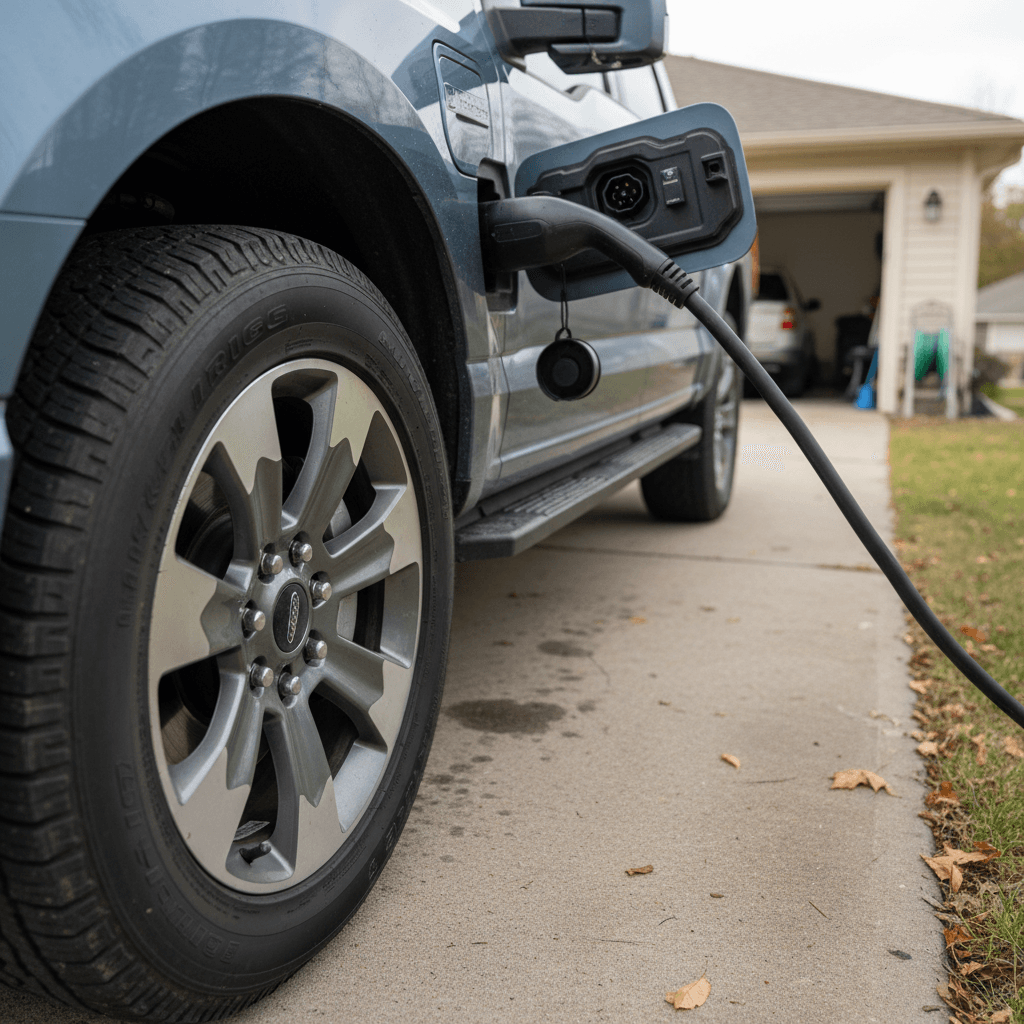
What early battery data shows
- Well‑cared‑for trucks with ~100,000 miles can still show high‑90% state of health in independent tests.
- Ford’s NCM chemistry and large pack provide some buffer against everyday degradation.
- Fast‑charging habits and long stints at 100% still matter, but there’s no wave of pack replacements outside recall campaigns.
In other words: the Lightning’s battery health story is better than its reliability headline right now.
How Recharged looks at Lightning batteries
Owner experience: What Lightning drivers report
Scan owner forums and you’ll see a split view. On one side are drivers who’ve had their trucks in the shop too often, sometimes for the same problem. On the other are owners who’ve racked up tens of thousands of miles with little more than routine service and recall visits.
Real‑world Lightning reliability patterns
What you’re likely to see if you talk to a dozen owners.
Many “no‑issue” trucks
Plenty of owners report:
- 0–2 minor repairs in the first few years
- No high‑voltage battery drama
- Lower maintenance than their prior gas F‑150s
Annoyances & repeat visits
The most common frustrations:
- Connectivity modules that die and need replacement
- Infotainment glitches after software updates
- Multiple appointments to complete recall work
Small subset of “problem trucks”
A smaller slice of owners describe:
- Persistent charging issues (onboard charger, charge port)
- Battery module failures that lead to buybacks
- Weeks in the shop waiting on parts or software
These cases weigh heavily on reliability scores even if they’re not the norm.
“If I get over 150k miles and low or no maintenance costs I will be thrilled.”
That spectrum is exactly what big‑picture reliability ratings are trying to compress into one number. Your job as a buyer is to tilt the odds toward landing one of the uneventful trucks, and away from the small percentage of chronic problem children.
How 2025 Lightning reliability compares to rivals
So where does the 2025 Lightning land against rivals like the Rivian R1T, Tesla Cybertruck and traditional gas half‑tons?
2025 truck reliability: where the Lightning fits
High‑level comparison based on public reliability guides and early owner data as of early 2026.
| Truck | Powertrain type | Predicted reliability vs. segment | Typical pain points | Shopping takeaway |
|---|---|---|---|---|
| Ford F-150 Lightning | Full‑size EV | Below average | Software, infotainment, recalls | High tech and capability, but you must vet recall and service history carefully. |
| Ford F-150 Hybrid | Gas hybrid | Among least reliable | Hybrid system, electronics | Even lower scores than Lightning in some guides; be extra cautious. |
| Rivian R1T | Full‑size EV | Below average | Build quality, early‑production bugs | Similar story: great to drive, but QC and service access matter. |
| Tesla pickups / large Teslas | EV | Below average–average | Build quality, suspension, software | Ratings vary by model; still more issues than best gas trucks. |
| Top gas half‑ton pickups | Gas | Above average | Conventional wear items | Reliability strong but you give up EV benefits and fuel savings. |
Ratings are approximate and focus on trend, not exact scoring.
EV trucks vs. gas trucks
Should you buy a 2025 or used F-150 Lightning?
The honest answer: the **2025 Ford F-150 Lightning reliability rating** is a yellow light, not a red one. It says “proceed, but pay attention.” Here’s how to think about it depending on your situation.
If you’re buying new in 2025
- Expect a truck with most early‑year bugs ironed out, but still more software updates than a gas F‑150.
- Leverage the factory warranty and be diligent with service bulletins and recalls.
- Budget time, not just money: occasional dealer visits are a realistic expectation.
If you prioritize cutting‑edge tech, towing with instant torque, and home‑backup capability, a new 2025 Lightning can still be a compelling choice.
If you’re buying used (2022–2024)
- You’re inheriting the higher‑risk years that pulled the reliability score down.
- Price and depreciation work in your favor; Lightnings have dropped sharply from MSRP.
- Due diligence is everything: battery recall status, software level, and service history can make or break the deal.
This is where **a verified inspection and battery‑health report**, like the Recharged Score, can dramatically reduce your risk.
When a Lightning makes sense
How Recharged checks F-150 Lightning reliability
Because Recharged focuses on used EVs, we’ve seen every flavor of Lightning, from early‑build 2022s with multiple recalls to later trucks that have been nearly flawless. That experience shapes how we vet these trucks before they ever hit our marketplace.
Recharged’s playbook for evaluating a used F-150 Lightning
What happens behind the scenes before you ever click “Buy”.
VIN‑level recall + bulletin sweep
We run each truck’s VIN through recall databases and Ford service information to check:
- Open safety recalls (battery, park module, lighting, etc.)
- Completed vs. outstanding customer satisfaction programs
- Relevant software updates and technical service bulletins
Recharged Score battery health test
Every Lightning gets a Recharged Score report with:
- Measured battery state of health
- Charging behavior insights where data is available
- Range estimates under real‑world conditions
This goes well beyond “battery warranty remaining” on a typical used‑car listing.
EV‑specialist inspection
Our EV‑savvy technicians and partners focus on Lightning‑specific risk areas:
- Onboard charger and charge‑port condition
- Evidence of water intrusion or underbody damage
- Operation of Pro Power Onboard, driver‑assist and cameras
Ready to find your next EV?
Browse VehiclesIf a truck doesn’t clear that bar, say, it shows unexplained battery degradation or recurring electrical issues, it doesn’t get listed. That’s one of the key differences between buying from a general‑purpose dealer and a used‑EV specialist.
Checklist for shopping a used F-150 Lightning
Used F-150 Lightning reliability checklist
1. Pull the full recall history
Use the VIN to check for open recalls with Ford and NHTSA. Confirm that high‑voltage battery campaigns, park‑module fixes, and any lighting or cluster recalls have been completed, and ask for paperwork.
2. Verify software and module updates
Have the seller or a Ford dealer confirm that the truck is on current software. A Lightning stuck on old firmware is more likely to suffer from bugs owners complain about in forums.
3. Get an objective battery health report
Don’t rely solely on the dash’s range estimate. Ask for a third‑party battery health test, like the <strong>Recharged Score</strong>, so you can see real state of health rather than guessing.
4. Inspect charging behavior
Test both Level 2 and DC fast charging if possible. Watch for error messages, unusually slow charging, or charging that cuts out early, all of which can hint at onboard charger or module issues.
5. Check every electronic feature
On a test drive, cycle through cameras, BlueCruise (if equipped), driver‑assist features, Pro Power Onboard, tailgate functions and the power frunk. Electronics are a known weak spot, don’t skip this step.
6. Review service and warranty records
Look for repeated visits for the same concern, long waits for parts, or previous buyback history. A clean, boring service record is what you want to see on any used Lightning.
FAQ: 2025 Ford F-150 Lightning reliability rating
Frequently asked questions about Lightning reliability
Bottom line on 2025 Lightning reliability
The **2025 Ford F-150 Lightning reliability rating** tells a story of an ambitious first‑generation electric truck that’s still working through software complexity and recall hangovers. The numbers are real: compared with the best gas half‑tons, you’re taking on more risk of nuisance issues and dealer visits. But they don’t automatically make every Lightning a bad truck, or a bad buy.
If you want quiet power, strong towing with instant torque, and the ability to charge at home or even power your house, the Lightning remains one of the most compelling EV trucks on the market. The key is to focus less on the headline rating and more on **the specific truck in front of you**: its recall status, software level, service records and battery health. That’s exactly the gap Recharged’s inspections and Recharged Score reports are designed to close, so you can shop used Lightnings with your eyes open, and your risk under control.