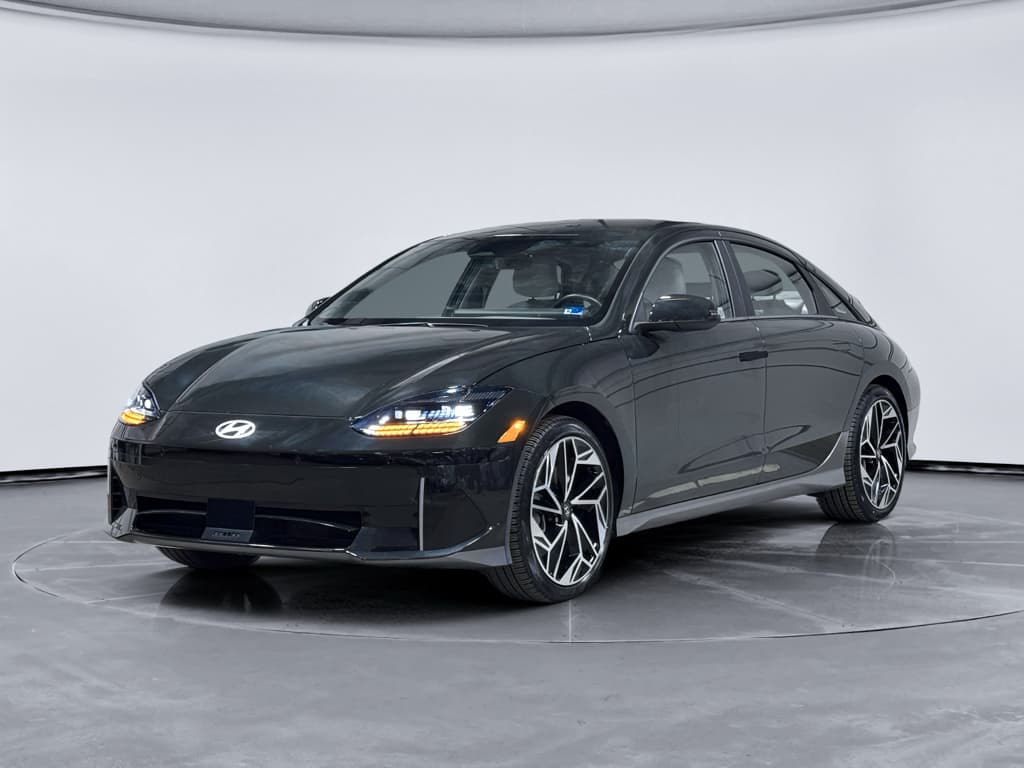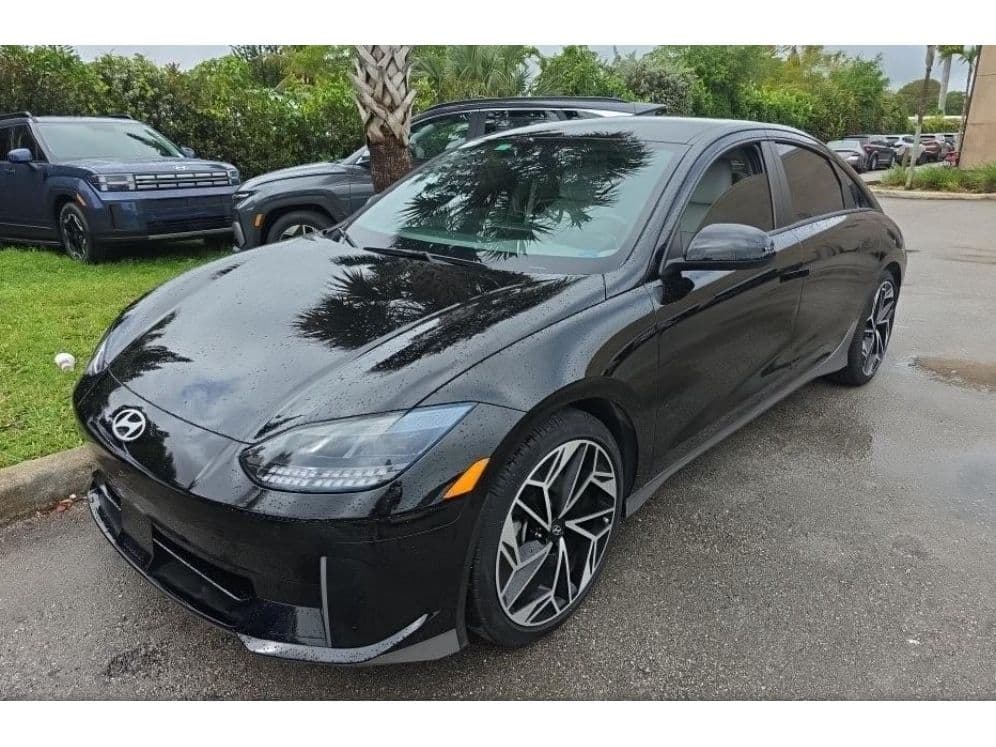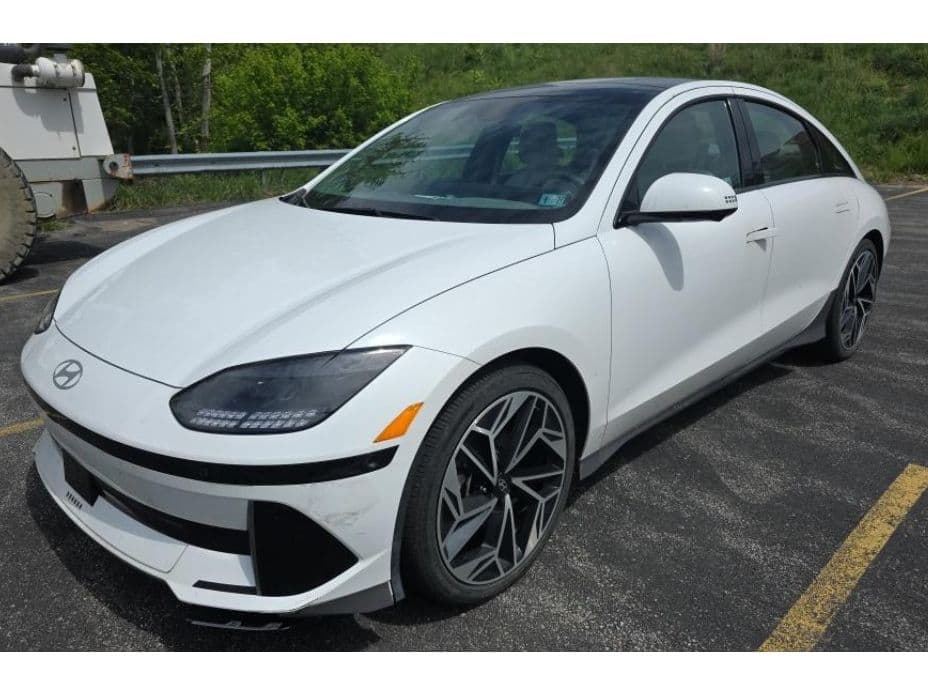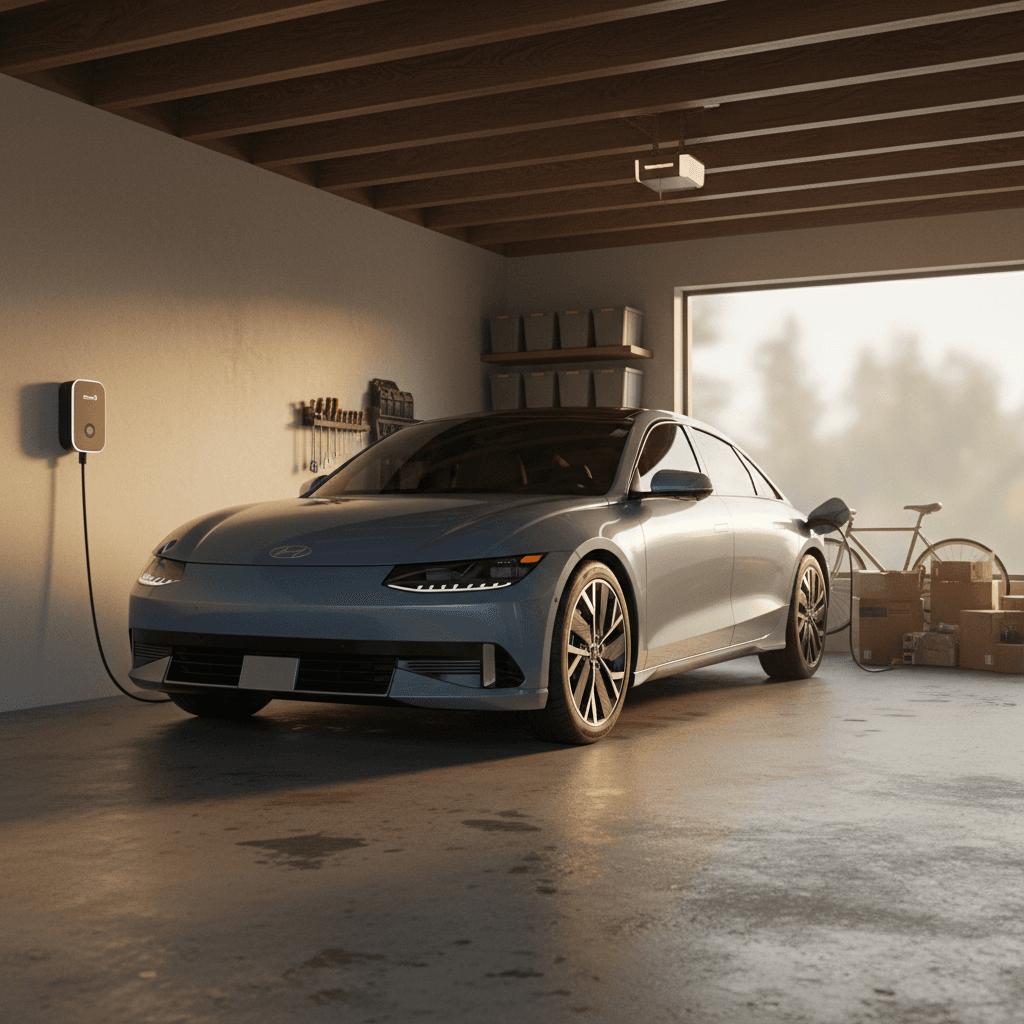
If you own a Hyundai Ioniq 6, or you’re shopping for a used one, the **best home charger** you choose will quietly determine how convenient (or frustrating) your EV life feels. The Ioniq 6 has a strong 10.9 kW onboard charger, so pairing it with the right Level 2 home unit can turn “plug in and forget it” into your nightly routine. This guide walks through exactly what to look for, and which home chargers pair especially well with the Ioniq 6.
Quick takeaway
Why home charging matters for your Ioniq 6
Public DC fast charging is great for road trips, but the **Ioniq 6 is built around home Level 2 charging**. Its large 77.4 kWh battery (on most trims) and efficient platform mean that topping up overnight at home can easily cover a full day’s driving without ever seeing a fast charger.
- Convenience: Start every morning with a full battery instead of planning detours around charging stations.
- Lower cost: Residential electricity is almost always cheaper than DC fast charging, especially if you can use off-peak rates or time-of-use plans.
- Battery health: Regular Level 2 charging is gentler on the battery than frequent DC fast charging.
- Time savings: Plug in at home in seconds instead of waiting at a public charger.
Think about your routine, not the spec sheet
Hyundai Ioniq 6 home charging basics
Before you compare charger brands, it helps to understand what the Ioniq 6 itself can accept on AC (home) power.
Ioniq 6 AC charging specs in plain English
What the car can actually use from a home charger
Onboard charger
The Ioniq 6 includes a 10.9 kW AC onboard charger. That’s the maximum power it can draw from a Level 2 charger at home.
Maximum current
In North America, that 10.9 kW translates to roughly 48 amps at 240V, which is why 48A home chargers are often recommended.
Connector type
For AC home charging, US-market Ioniq 6 models use a J1772-style inlet (often via a CCS1 combo port), compatible with nearly all Level 2 home chargers sold today.
The key point: **any Level 2 charger can charge your Ioniq 6**, but only chargers up to roughly 11 kW / 48A will let it reach its full AC charging potential. Lower-amp chargers simply cap your maximum speed.
About early Ioniq 6 Level 2 quirks
How many amps do you really need?
Home chargers are usually advertised by their maximum current: 16A, 32A, 40A, 48A, sometimes 50–80A for commercial units. Because the Ioniq 6 tops out around 48A on AC, anything above that is wasted for this car. The real question is **how close to 48A you should go** based on your driving and panel capacity.
Common home charger sizes for the Ioniq 6
Approximate power and who each level is best for, assuming 240V.
| Charger rating | Circuit breaker needed* | Max power (kW) | Best for |
|---|---|---|---|
| 16A | 20A | 3.8 kW | Light drivers, apartments, or older panels |
| 32A | 40A | 7.7 kW | Most daily commuters up to ~50–70 miles/day |
| 40A | 50A | 9.6 kW | Heavier drivers, frequent weekend trips |
| 48A | 60A | 11.5 kW | Maxing out Ioniq 6’s onboard charger, fast overnight top-ups |
Choose the lowest amp rating that still comfortably covers your daily driving.
The 80% rule
Questions to pick your ideal amp level
1. How many miles do you drive on a typical day?
If you’re under 40–50 miles/day, a 32A (7.7 kW) charger may already feel like overkill. Heavy commuters and multi-driver households will appreciate 40–48A.
2. Do you have off-peak electric rates overnight?
If your cheap-rate window is only a few hours, higher amps give you more kWh in that window, lowering your total cost per mile.
3. How much spare capacity is in your panel?
If your main panel is already close to its limit, a 32A or 40A charger might avoid an expensive service upgrade. Some smart chargers can dynamically throttle to fit within panel limits.
4. Do you expect to own other EVs later?
If your next EV might have a similar or larger onboard charger, going to 40–48A now can future-proof your setup.
Top home charger picks for the Hyundai Ioniq 6
You’ll find dozens of Level 2 chargers that technically work with the Ioniq 6. The ones below stand out because they combine **48A capability**, solid safety credentials, and useful smart features, without forcing you into a proprietary ecosystem.
Recommended home chargers for Hyundai Ioniq 6
Balanced on price, reliability, and Ioniq 6 compatibility
ChargePoint Home Flex (up to 50A)
Why it’s a strong match: Widely recommended for Ioniq 6 owners and even offered through some Hyundai programs, the Home Flex can be set anywhere from 16A up to 48A on a 60A circuit.
- Fully adjustable current (good for limited panels)
- App control, scheduling, and energy tracking
- Hardwire or NEMA 14-50 options
Ideal if you want a well-known brand with mature software and flexible installation options.
Emporia Level 2 / Emporia Pro (48A)
Why it’s compelling: Emporia’s chargers are popular with owners who care about energy data. When paired with a panel monitor, they can dynamically throttle charging to avoid overloading your service.
- Up to 48A on 60A circuit
- Excellent cost-to-feature ratio
- Strong load-management features for older homes
Great choice if your panel is tight and you want smart load sharing instead of a full upgrade.
Robust UL-listed 48A smart chargers
What to look for: There are several newer 48A wallboxes (HIITIO, IYILO, MSI EV Life Series, and others) that combine UL or ETL listing, Wi‑Fi/Bluetooth, and full 48A output.
- Verify UL/ETL listing and NEMA 4 or similar enclosure rating
- Check for good cable quality and at least 20–25 ft length
- Look for simple apps rather than bloated ones
Ideal if you want maximum power at a lower price than some legacy brands, but still care about safety certifications.
Shortlist if you just want an answer
Charging speed examples: what to expect at home
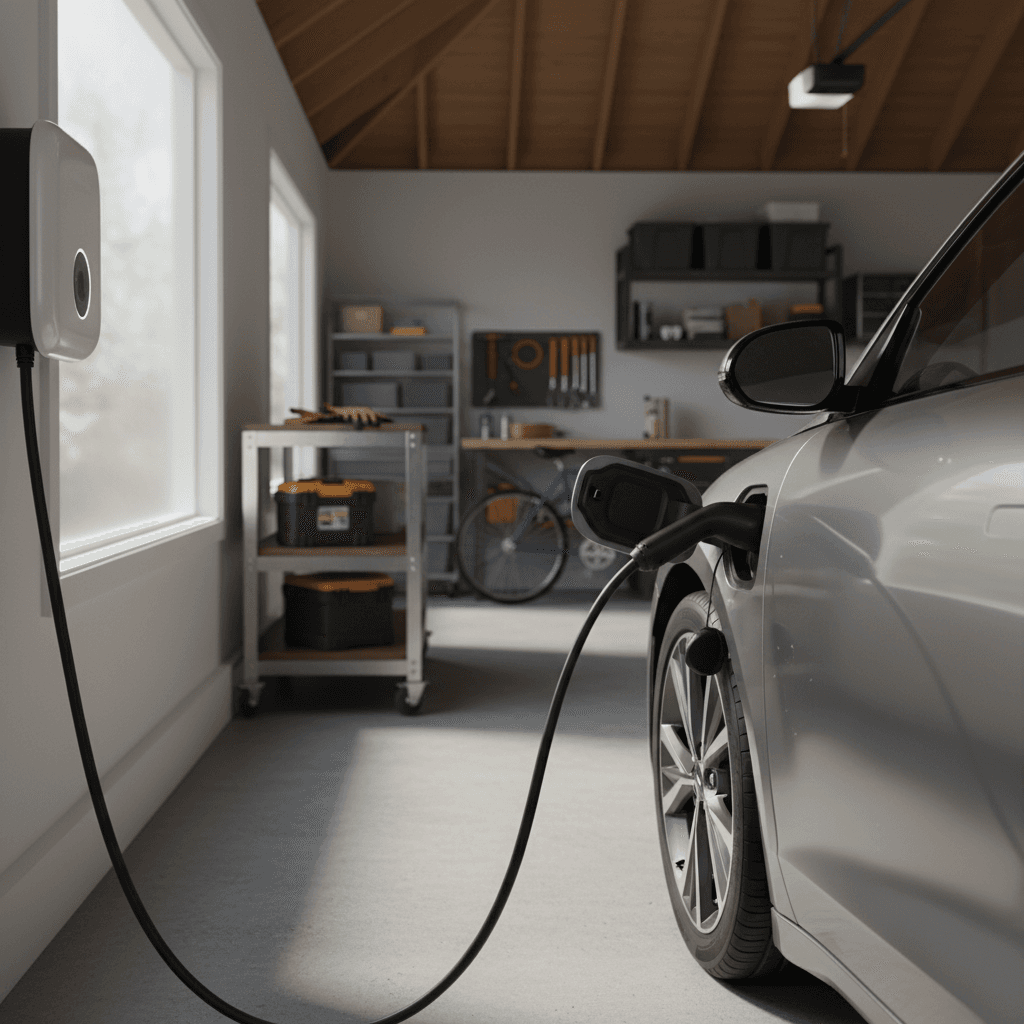
The Ioniq 6’s 10.9 kW onboard charger means that on a full 48A circuit, you’re adding roughly **40+ miles of range per hour** of charging under typical conditions. But even at lower currents, overnight charging is still very usable.
Ballpark Ioniq 6 home charging speeds
Scenario 1: 32A charger on a 40A circuit
You install a 32A wallbox because your panel is tight. At roughly 7.7 kW, you’ll typically add around 25–30 miles of range per hour. Even if you drive 60–70 miles per day, a 3–4 hour evening or overnight session easily covers it.
Scenario 2: 48A charger on a 60A circuit
You spring for a 48A charger and 60A circuit. You’re now in the **35–40+ miles of range per hour** range, depending on conditions. A near-empty long-range Ioniq 6 battery can be refilled in roughly 6–7 hours; everyday top-ups are often done in 1–2 hours.
Don’t obsess over 0–100%
Wiring and installation decisions
Choosing the best home charger for your Hyundai Ioniq 6 isn’t just about the box on the wall; it’s also about **how it’s wired**. The same charger can be flexible or limiting depending on how you connect it.
Hardwired vs. plug-in for an Ioniq 6 charger
Why the installation method matters just as much as the brand
Hardwired installation
Pros:
- Required above 40A in many jurisdictions
- Cleanest look, fewer exposed connections
- Often better for outdoor installations
Cons:
- Less portable if you move
- Electrician visit required to relocate
NEMA 14-50 plug-in
Pros:
- Easier to replace or move the charger
- Good for renters or frequent movers
- Can still support 32A–40A depending on setup
Cons:
- Typically capped at 40A continuous loads
- Outlet quality and location matter
Checklist for talking to your electrician
Confirm panel capacity and main service size
Ask for your panel’s rating (e.g., 100A, 150A, 200A) and how much spare capacity is available after existing loads. This determines if 48A is realistic or if 32A–40A makes more sense.
Discuss charger amperage and breaker size
Show your electrician the charger spec sheet. They should size the breaker according to the continuous load at 80% (e.g., 60A breaker for 48A charger).
Plan cable routing and charger location
Think about where you park your Ioniq 6 most often, and aim for a location where the cable easily reaches the charge port without stretching across walkways.
Ask about permits and inspection
Many jurisdictions require a permit and inspection for a new 240V EV circuit. A good electrician will handle this or guide you through it.
Safety first: don’t DIY beyond your skill level
Smart features that actually matter
Most modern home chargers aimed at Hyundai Ioniq 6 owners come with apps, Wi‑Fi, and a grab bag of “smart” features. Some are genuinely useful; others are marketing fluff. Focus on features that either save you money or make charging more reliable.
- Scheduling and off-peak charging: Let the charger automatically start at your utility’s discounted overnight rate window.
- Adjustable current: Being able to dial the charger down from, say, 48A to 32A or 24A can save you from panel upgrades when you add other large loads.
- Energy monitoring: Tracking kWh and cost per session helps you see what your Ioniq 6 really costs to run compared with a gas car.
- Load management: Some systems (like Emporia with a panel monitor) can share capacity between your charger and other big loads to stay within your main service rating.
- Firmware updates: Chargers that receive regular updates can deliver better reliability and compatibility over time.
Beware of ecosystem lock-in you don’t need
Common Ioniq 6 home charging questions (FAQ)
Hyundai Ioniq 6 home charging FAQ
How Recharged helps if you’re shopping for a used Ioniq 6
If you’re in the market for a used Hyundai Ioniq 6, the home charger decision is only half the equation. You also want to know that the **car itself will make good use of that charger**, especially given early reports of inconsistent Level 2 behavior on some builds.
Why pair a used Ioniq 6 with Recharged
Battery clarity + charging transparency
Recharged Score battery diagnostics
Every EV we sell, including the Hyundai Ioniq 6, comes with a Recharged Score Report that measures real battery health, not just what the dash shows. That helps you understand how confidently you can rely on overnight charging for the long term.
Charging and recall checks
Our specialists review vehicles for any open charging-related recalls, software campaigns, or service bulletins. That’s especially valuable on models with early AC-charging quirks.
Support beyond the sale
Recharged offers EV-specialist support, nationwide delivery, and guidance on home-charging setup. We can talk through 32A vs. 48A, wiring options, and how to match a charger to your home and driving pattern.
Ready to find your next EV?
Browse VehiclesBecause Recharged operates as a digital-first EV marketplace, along with an in-person Experience Center in Richmond, VA, you can evaluate a used Ioniq 6, understand its charging behavior, and line up a home charger plan in one unified process rather than piecing it together on your own.
Bottom line: choosing the best home charger
The Hyundai Ioniq 6 is one of the few sedans on the market that can genuinely live on home charging without compromise, if you pair it with the right hardware. For most owners, that means a **reputable 40A–48A Level 2 charger on a properly sized 240V circuit**, ideally with smart scheduling and adjustable current. Resist the urge to chase exotic features or oversize hardware; focus instead on panel capacity, cable quality, and day-to-day usability.
If you’re already an Ioniq 6 owner, that’s your blueprint for a stress-free home setup. If you’re shopping for a used one, working with a retailer like Recharged, which verifies battery health and checks charging behavior up front, lets you match the right car with the right home charger from day one.