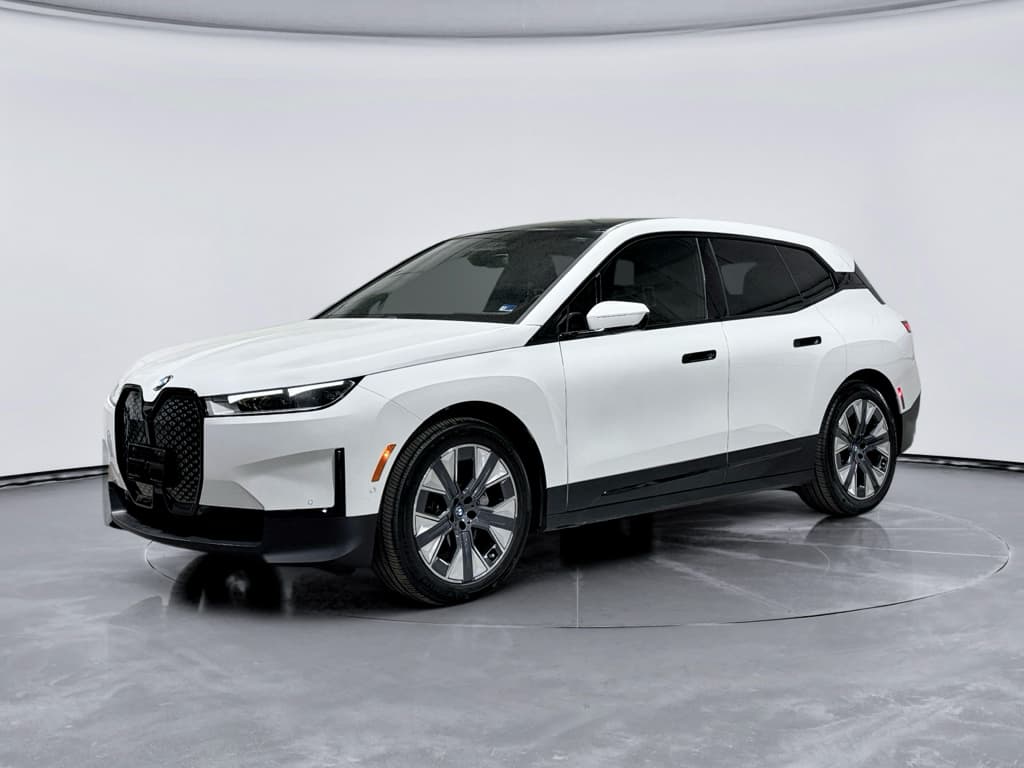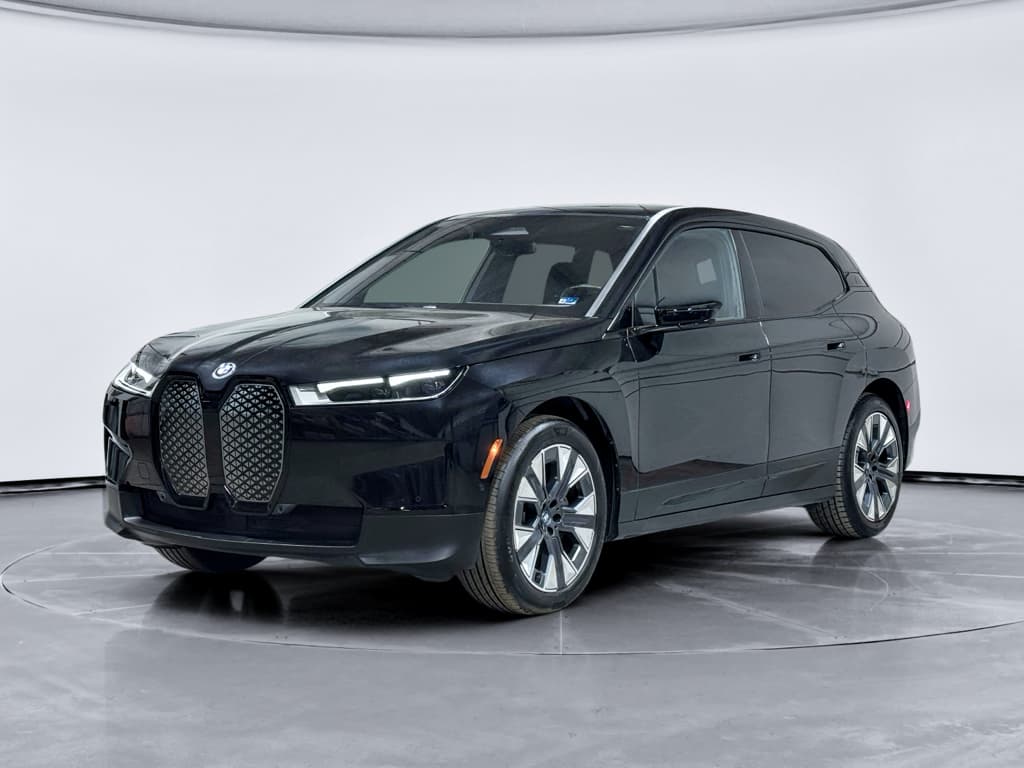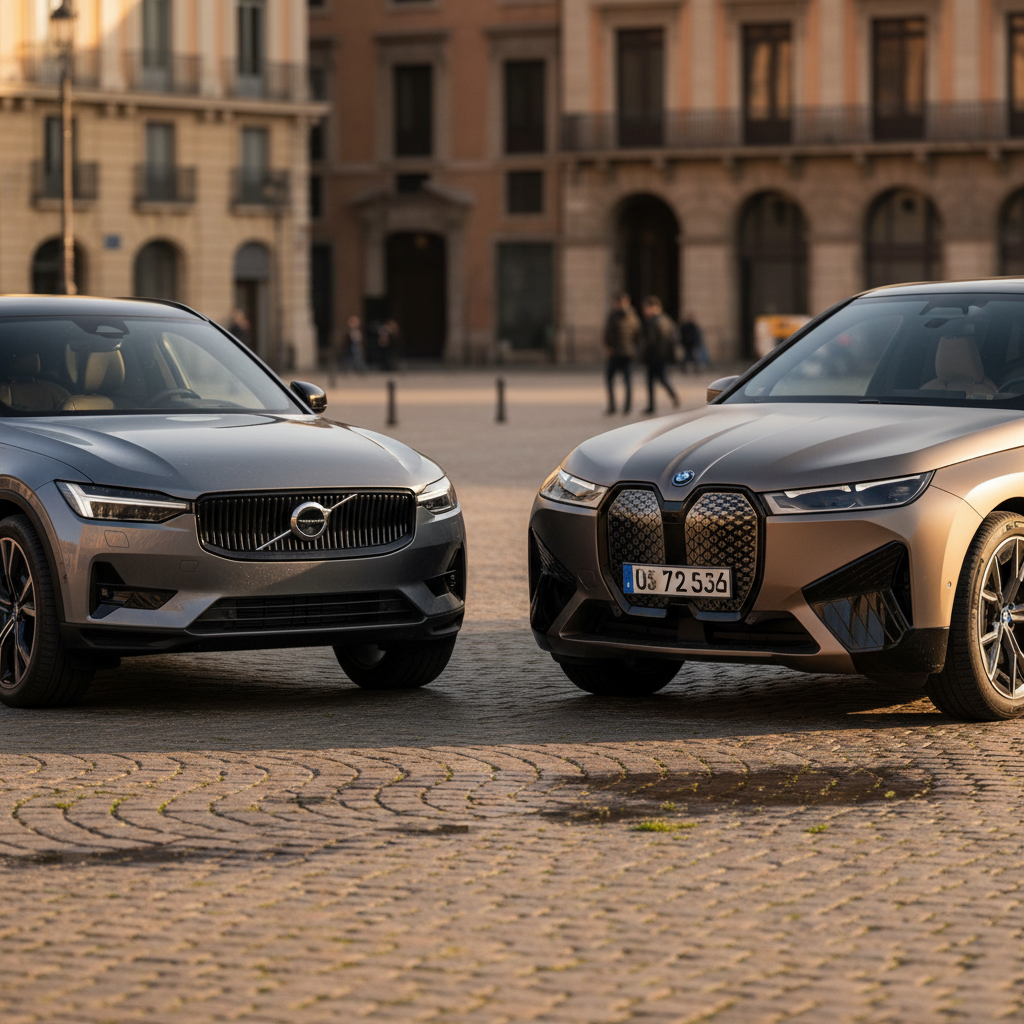
If you’re eyeing a 2025 BMW iX, you’ve probably heard two very different stories. On one side: rave reviews about its silence, speed and space. On the other: headlines about recalls, quirky software, and the occasional electric SUV that suddenly decides to play dead at the airport parking garage. The truth about 2025 BMW iX reliability lives somewhere in the messy middle, and that’s exactly where we’re going to stay.
The short version
2025 BMW iX reliability at a glance
BMW iX reliability snapshot (through 2025)
On paper, the 2025 iX is a technological tour de force, and that’s both the blessing and the curse. The powertrain itself has been largely sound, but high‑voltage components, software logic, steering electronics and 12‑volt support systems have generated more drama than you’d expect in a family SUV with a BMW badge and a six‑figure MSRP.
How reliable has the BMW iX been so far?
To judge 2025 BMW iX reliability, you can’t just look at one model year. The iX launched in the U.S. for 2022, and those first years now form the pattern line:
- 2022–2023: Fantastic road-test scores but below‑average predicted reliability, driven by a flurry of recalls and complaints about electronics, charging equipment and the steering system.
- 2024: Hardware and software revisions reduce major issues but don’t erase them. NHTSA data still shows investigations and complaints centered on electrical and steering behavior.
- 2025: Beneficiary of prior fixes, but still fundamentally the same platform. Isolated owners report 12‑volt failures and no‑start events, though not at epidemic levels.
What testing data is really saying
Owner anecdotes are equally polarized. Some drivers log tens of thousands of miles with nothing more serious than a software update. Others wind up with their iX flat‑bedded to the dealer because an obscure module decided to throw a tantrum. Statistically, the iX isn’t a disaster, but it’s not a paragon of bulletproof German engineering either.
Common 2025 BMW iX problems to know about
The 2025 iX inherits most of its quirks from the earlier years. Many cars have been corrected in the field, but if you’re shopping new or used, these are the issues you want to ask about explicitly.
Typical BMW iX trouble spots
Not every iX will see these, but they’re the patterns that keep resurfacing.
12‑volt battery failures
Charging port & CCU issues
Steering system faults
Less common, but worth noting
Issues that show up in complaints and forums, but not on every driveway.
Phantom braking & driver assists
Infotainment & screen glitches
High‑voltage battery module defects
How to sanity‑check a specific iX
Battery health, range and high-voltage issues
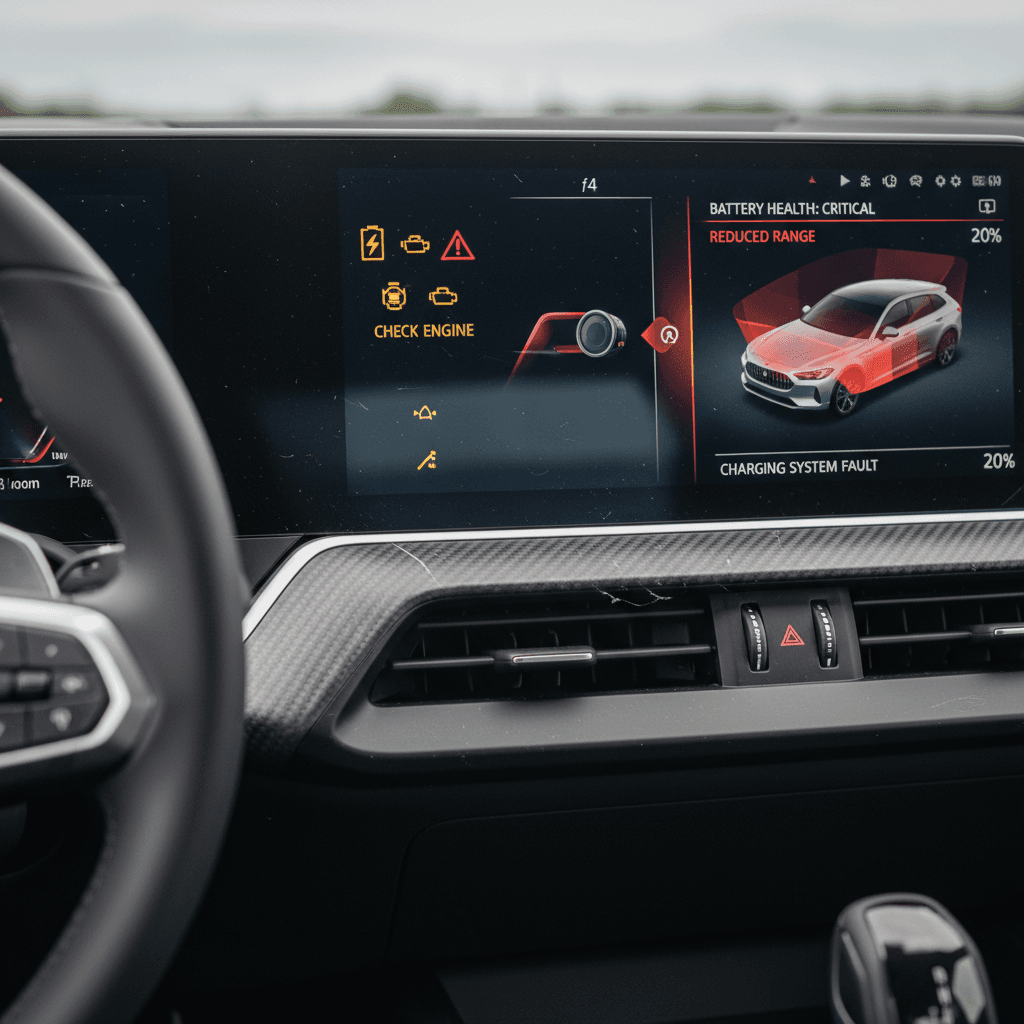
Here’s the good news: so far, the iX high‑voltage battery pack itself has not shown widespread degradation issues. Real‑world owners commonly report holding strong range figures after the first 10,000–20,000 miles. When the iX misbehaves, it’s usually the ecosystem around the battery, charge ports, control units, or supporting 12‑volt systems, not the big pack of cells in the floor.
Real‑world range stability
On long trips, many iX xDrive50 owners report 300+ miles of usable range when driven reasonably, even after a couple of years. That’s competitive with Tesla Model X and easily ahead of many rival luxury SUVs.
We’re not seeing systemic stories of packs dropping 15–20% capacity in the first few years. Small losses, single‑digit percent, are more typical, and that’s normal for any modern EV.
Where high‑voltage issues creep in
- Charge control unit (CCU) failures that prevent charging or cause sudden no‑charge situations.
- Battery module manufacturing defects on a very small population of vehicles, handled via recall and module replacement.
- Software logic that is over‑protective: shutting down systems at the first sniff of an anomaly, which is good for safety but bad for your weekend plans.
In practice, if the iX leaves you stranded, it’s more likely an edge‑case hardware or software protection event than the high‑voltage pack “wearing out.”
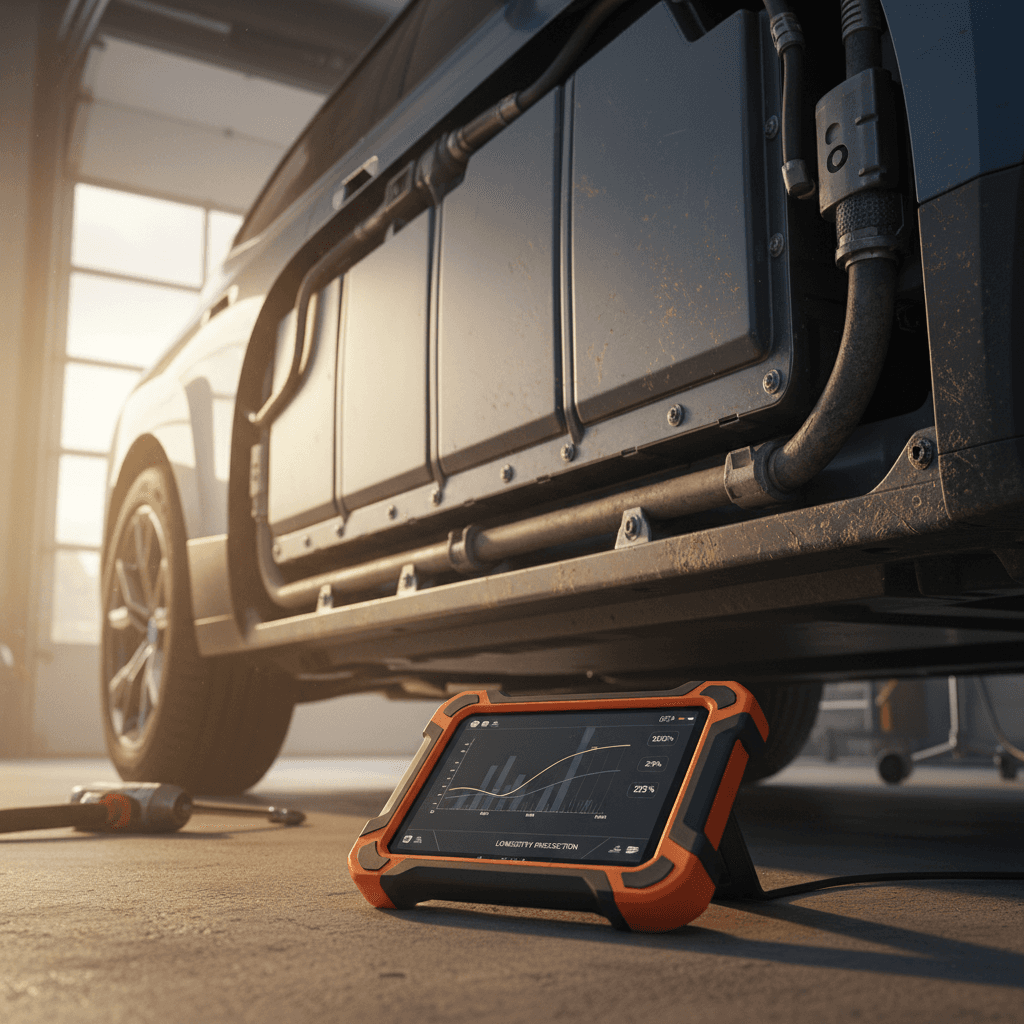
Battery longevity outlook
BMW iX recalls and service campaigns
The iX has had a busier relationship with the recall system than most luxury SUVs. That’s not automatically a red flag, modern EVs are software‑defined products and updates increasingly travel through the air, but it does mean you should be methodical.
Major iX recall themes so far
Exact campaigns vary by model year, trim and build date; always check an individual VIN.
| Area | Typical Concern | Risk if Ignored | What the Fix Looks Like |
|---|---|---|---|
| High‑voltage battery modules | Mis‑assembled modules causing stress or internal faults | Power loss, shutdown, in rare cases increased fire risk | Inspection and replacement of affected modules |
| Charging hardware/CCU | Improperly manufactured combined charging unit or charge port | Charging failures, potential 12‑volt issues or stalling | Replace CCU or charge socket, software update |
| Steering gear/electronics | Manufacturing defects in steering components | Sudden change in steering effort or shudder | Steering gear replacement and updated software |
| Driver‑assist software | Over‑sensitive collision avoidance causing phantom braking | Unexpected deceleration, higher crash risk in traffic | Software reflash with revised tuning |
| Instrument cluster/infotainment | Blank or frozen screens, warning floods | Reduced situational awareness, distraction | Software updates, hardware replacement if needed |
Use this as a conversation starter with the seller or service advisor, not as a substitute for a VIN‑specific recall search.
Paper trail matters
Warranty coverage and expected longevity
BMW wraps the 2025 iX in the same basic warranty blanket as its other models, plus EV‑specific coverage:
- 4 years / 50,000 miles: New‑vehicle limited warranty (bumper‑to‑bumper).
- 8 years / 100,000 miles: High‑voltage battery warranty against excessive capacity loss or defects.
- Corrosion and roadside assistance coverage that mirrors other BMWs in the lineup.
How long should a 2025 iX last?
On a purely mechanical basis, motors, pack, structure, there’s no obvious reason a well‑cared‑for iX couldn’t run 150,000–200,000 miles. BMW’s experience with earlier i models (i3, i8) has been quietly solid in terms of core EV hardware.
The long‑term wild card is electronics complexity. Steering units, infotainment hardware, advanced driver‑assist sensors and countless control modules all age on their own timelines, and out‑of‑warranty replacement costs for some of those pieces are non‑trivial.
What smart owners do
- Time purchases so that at least a couple of years of warranty remain for the next owner.
- Keep software fully up to date, even if that means the occasional overnight update.
- Document everything: warning messages, screenshots, invoices. It all helps when it’s time to sell or make a warranty claim.
2025 BMW iX vs rivals on reliability
If you stack the 2025 iX next to its main electric rivals, Tesla Model X, Mercedes‑Benz EQE SUV, Audi Q8 e‑tron, Genesis GV60/GV70 Electrified, you get a familiar picture: BMW nails the drive and cabin experience, but comes off merely average on dependability.
How the 2025 iX compares on reliability feel
A qualitative look at common owner‑reported patterns and testing‑outlet scores.
| Model | Reliability Feel* | Typical Pain Points | Standout Strength |
|---|---|---|---|
| BMW iX | Below‑avg to average | Electronics, steering faults, charging hardware hiccups | Ride/handling balance, range, interior comfort |
| Tesla Model X | Below average | Build quality, door hardware, infotainment quirks | Supercharger access, efficiency, straight‑line pace |
| Mercedes EQE SUV | Average | Software bugs, air‑suspension components | Cabin quality, refinement |
| Audi Q8 e‑tron | Average | Aging platform, moderate range | Conventional feel, dealership network familiarity |
| Genesis GV70 Electrified | Above average (early data) | Limited dealer EV experience in some regions | Value, warranty, simplicity vs Germans |
Ratings are broad strokes, not lab‑grade numbers, but they match what many owners report.
Who should pick the iX anyway?
Ownership costs, repairs and downtime
One bright spot: the iX’s lack of an engine means no oil changes, no timing chains, no exhaust system, no spark plugs. Tire rotations, brake service, and the usual wear‑items still apply, but day‑to‑day maintenance is lighter than a comparable X5.
What really affects iX ownership costs
The fuel is cheap. The surprises aren’t, if you’re not prepared.
Energy savings
Out‑of‑warranty repairs
Downtime risk
Don’t skip a pre‑purchase inspection
Should you buy a used BMW iX?
On the used market, the iX is fascinating. Heavy early depreciation plus cautious demand means you can often buy a lightly used example for far less than its original sticker. The catch is making sure you’re not just buying a cheaper problem.
Used 2025 BMW iX buying checklist
1. Favor later build dates
A 2024 or 2025 iX with campaigns completed is generally a safer bet than an early‑production 2022 with a spotty service history. Check the build date on the door jamb and compare with recall timelines.
2. Demand a battery health report
Ask for a <strong>quantitative battery‑health test</strong>, not just “it charges fine.” At Recharged, every iX gets a Recharged Score Battery Health Report so you can see remaining capacity, fast‑charge history, and any anomaly flags before you commit.
3. Review the recall & service history
You want evidence that steering, charging and software‑related recalls or service bulletins have been addressed. A car that has already had a steering gear replaced or CCU updated, properly, is often more trustworthy than one that has never seen the inside of a service bay.
4. Test all driver‑assist and steering functions
On a thorough test drive, deliberately engage and disengage adaptive cruise, lane‑keeping and parking aids. Be alert for <strong>phantom braking</strong>, noisy steering, or any warning messages. Walk away from a car that shrugs and says “steering fault, proceed with caution.”
5. Check charging behavior in the real world
If possible, plug into both Level 2 and DC fast charging during your evaluation. Watch for errors, intermittent connections or unusual noises at the charge port. Consider this a stress test of one of the iX’s known weak spots.
6. Consider who’s selling it
A curated used‑EV retailer like <strong>Recharged</strong>, a BMW dealer with EV experience, or a private owner with obsessive records is a better bet than a random corner lot that just learned how to spell “kilowatt.”
How Recharged evaluates BMW iX battery health
Because the iX’s most expensive component is also its least visible one, Recharged leans hard on data, not vibes, when we list a used iX on our marketplace.
Inside the Recharged Score for BMW iX
Why a plain test drive isn’t enough for a six‑figure EV gone pre‑owned.
Deep battery diagnostics
Full module scan
Transparent pricing & guidance
Ready to find your next EV?
Browse VehiclesWhy this matters for iX shoppers
FAQ: 2025 BMW iX reliability
Frequently asked questions about 2025 BMW iX reliability
The 2025 BMW iX is not the set‑and‑forget crossover you buy if your highest ambition is never knowing your service advisor’s first name. It is, however, one of the most rewarding electric SUVs to actually drive and live with when it’s behaving, quiet, quick, outrageously comfortable and genuinely special inside. If you pair that personality with a clear‑eyed view of its reliability trade‑offs, the right warranty coverage, and a serious pre‑purchase inspection, the iX can be a smart, if slightly high‑maintenance, long‑term partner. And if you’d like help finding one that’s already been vetted, Recharged exists precisely for that job.