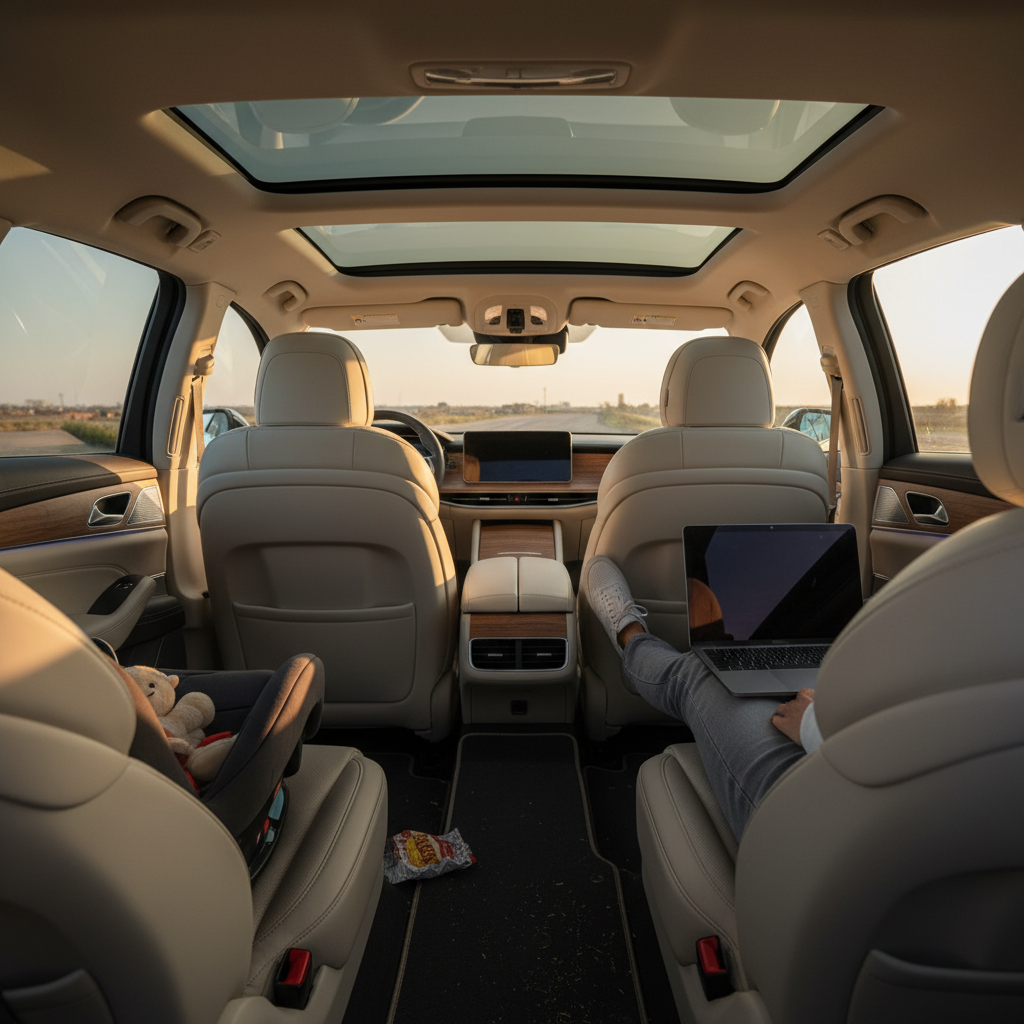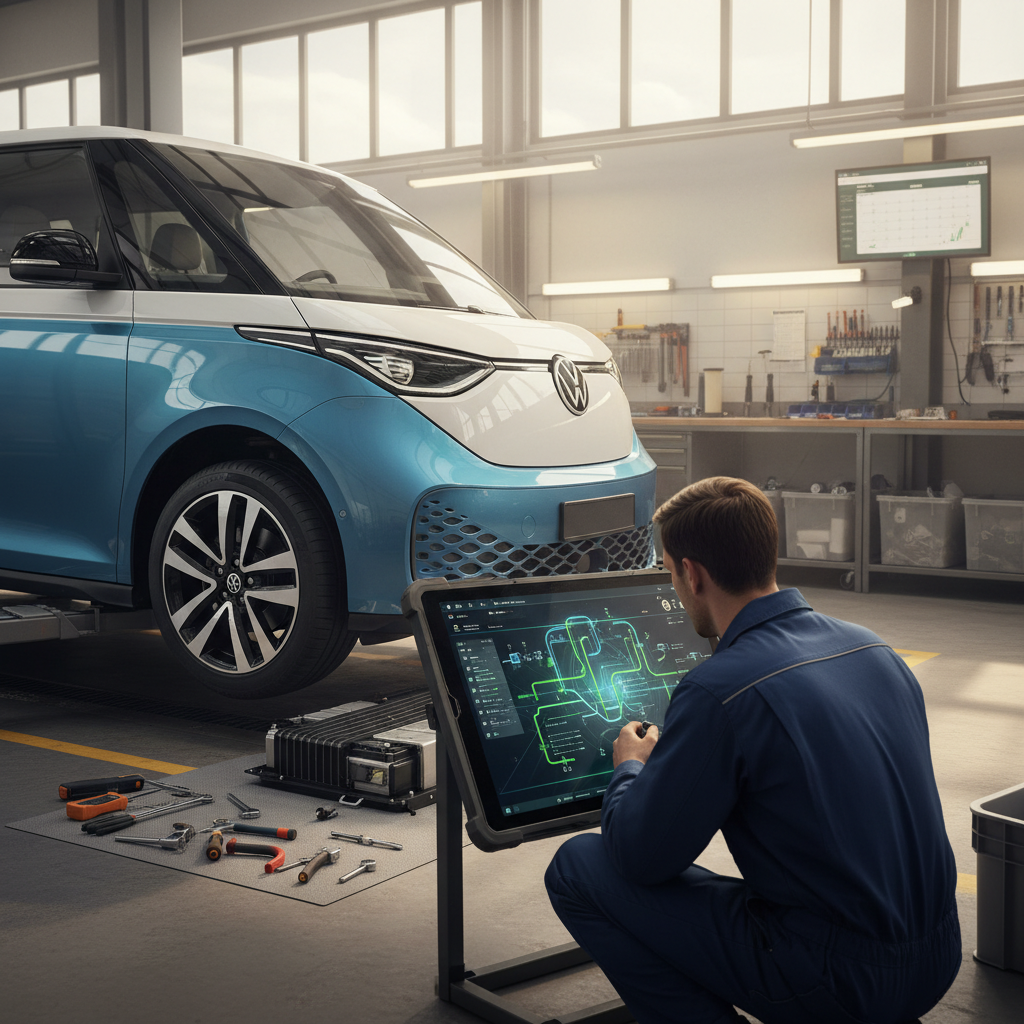
If you’re eyeing the retro‑cool 2024 Volkswagen ID. Buzz, you’re probably wondering what its reliability rating really looks like. The honest answer: the 2024 VW ID. Buzz reliability story is still being written. Safety scores are excellent, but long‑term dependability data is limited, and early owner reports point to software quirks and a few recalls rather than chronic hardware failures.
Safety rating vs. reliability rating
2024 VW ID. Buzz reliability rating: the short version
2024–2025 VW ID. Buzz reliability & safety snapshot
Right now, there’s no authoritative, long‑term 2024 Volkswagen ID. Buzz reliability rating from the usual U.S. reliability scorekeepers. The van only reached American buyers in late 2024, in low volumes, and most examples are still within their first year on the road. That means we’re relying on three imperfect but useful signals:
- Crash-test and safety ratings (Euro NCAP, NHTSA, IIHS where available)
- Official recalls and technical service bulletins (TSBs) issued so far
- Early-owner feedback from Europe and the first wave of U.S. drivers
How to read today’s "rating"
Safety vs reliability: how the ID. Buzz scores in crash tests
Before we talk about things breaking, it’s worth noting that the ID. Buzz starts from a very solid safety foundation. European testing agencies have already put it into the wall, literally, and the results are encouraging.
ID. Buzz safety ratings at a glance
Great protection if something goes wrong, even if software can still be fussy.
Euro NCAP: 5-star rating
Euro NCAP gave the ID. Buzz a 5‑star overall safety rating, with high scores for adult-occupant and child-occupant protection and especially strong marks for its driver-assistance tech.
VW’s standard IQ.DRIVE suite brings features like automatic emergency braking, lane keeping, and adaptive cruise to most trims.
NHTSA & IIHS (U.S.)
As of early 2026, U.S.-market, long‑wheelbase ID. Buzz models have begun receiving strong crash-test marks as well, including a 5‑star overall NHTSA rating for 2025 model-year vans that are structurally similar to 2024 builds.
The takeaway: structurally and from a crash-avoidance standpoint, the ID. Buzz is one of VW’s safer vehicles.
Great safety ≠ bulletproof reliability
Why 2024 reliability data is still thin
There’s a reason independent reliability scores lag a few years behind a vehicle’s launch. The 2024 ID. Buzz checks all the boxes for "too new to grade": it’s a low‑volume electric van, with unique packaging and software on top of VW’s MEB platform.
- Most U.S. 2024 ID. Buzz vans only hit customer driveways in late 2024, so mileage is typically well under 20,000 as of April 2026.
- Real‑world failure patterns (things like premature suspension wear or high‑voltage battery problems) usually surface after several winters and tens of thousands of miles.
- Because the ID. Buzz is a niche, high‑emotion purchase, a single owner’s nightmare story, or dream experience, can get amplified online far beyond its statistical weight.
What we can borrow from other ID models
Known 2024–2025 ID. Buzz recalls and service campaigns
We do have one hard, objective window into 2024 Volkswagen ID. Buzz reliability: recalls and technical campaigns. Early ID. Buzz production for North America has already seen multiple safety recalls that temporarily halted sales while VW rolled out fixes.
Examples of early VW ID. Buzz recalls affecting 2024–early 2025 vans
Exact details vary by market and build date. Always run the VIN through the NHTSA recall lookup before you buy.
| Issue type | Typical model years/build range | What went wrong | Owner impact if unfixed |
|---|---|---|---|
| Electrical or wiring fault | 2024–early 2025 | Improperly routed or defective wiring harnesses can trigger warning lights or disable certain systems. | Warning messages, potential loss of function (like lighting or airbags) until repaired. |
| Software/driver-assistance behavior | 2024–2025 | Driver-assistance systems or infotainment software may behave unpredictably or crash under certain conditions. | Annoying chimes, resets, or temporary loss of specific assistance features. |
| Charging-related control issue | 2024–2025 | On some vans, charge-control software or hardware can misbehave under certain conditions. | Failed charging sessions, charge-rate limits, or increased need for software updates. |
These examples illustrate the type of issues, not an exhaustive list for every van.
VIN check is non‑negotiable
Common 2024 ID. Buzz problems being reported
Pull together European experience, early U.S. owner forums, and what we see in service campaigns, and a pattern emerges: the 2024 ID. Buzz isn’t falling apart mechanically, but it’s not a "set it and forget it" appliance either. Most headaches cluster around software behavior and livability, not blown motors or dead batteries.
The three big buckets of 2024 ID. Buzz complaints
Not every owner sees these, but this is where most of the noise is.
1. Software & infotainment glitches
- Slow or freezing infotainment screen.
- Random reboots of the main display.
- Driver-assistance warnings that feel "too sensitive" or inconsistent.
- Connectivity hiccups with CarPlay/Android Auto.
These issues often improve with over‑the‑air or dealer software updates, but they can be frustrating in a new $60k+ van.
2. Charging behavior quirks
- Scheduled charging that doesn’t always start or stop on time.
- DC fast‑charging sessions that ramp slower than expected.
- Occasional handshake failures with certain public DC fast chargers.
Most owners eventually find a routine and a short list of stations that work smoothly, but it takes some trial and error.
3. Everyday livability nitpicks
- Squeaky brakes at low speeds.
- Seat comfort that doesn’t match expectations on long trips.
- Occasional rattles in the sliding doors or interior trim.
These aren’t "your van is broken" problems, but they do matter if you’re planning to road‑trip with family.
Watch for red‑flag patterns
Battery health and charging reliability
When people search for "2024 VW ID. Buzz reliability," they’re often really worried about the battery. The high‑voltage pack is the single most expensive component on the van, and EV buyers know replacement costs can run into five figures if something goes badly wrong out of warranty.
What we know so far about ID. Buzz batteries
- The ID. Buzz uses a variant of VW’s familiar MEB battery architecture, already deployed in the ID.4 and other ID models.
- No widespread pattern of catastrophic battery failures has emerged for the Buzz itself as of early 2026.
- Most legitimate battery-related complaints look like outliers rather than systemic design flaws.
The bigger risk for most owners is not the battery "dying overnight," but gradual range loss or charge‑rate throttling over many years, and we simply don’t have long‑term Buzz data yet.
How to protect yourself as a buyer
- Lean on the battery warranty. VW typically backs the high‑voltage pack for 8 years/100,000 miles (check exact terms for your van).
- Review fast‑charging history. Heavy DC fast‑charge use isn’t a dealbreaker, but it can accelerate wear.
- Use a third‑party battery health report. A platform like Recharged’s Score Report can give you a quantified look at usable capacity and charging behavior before you buy used.
With a young model like the ID. Buzz, good diagnostics are your best substitute for a decade of reliability stats.
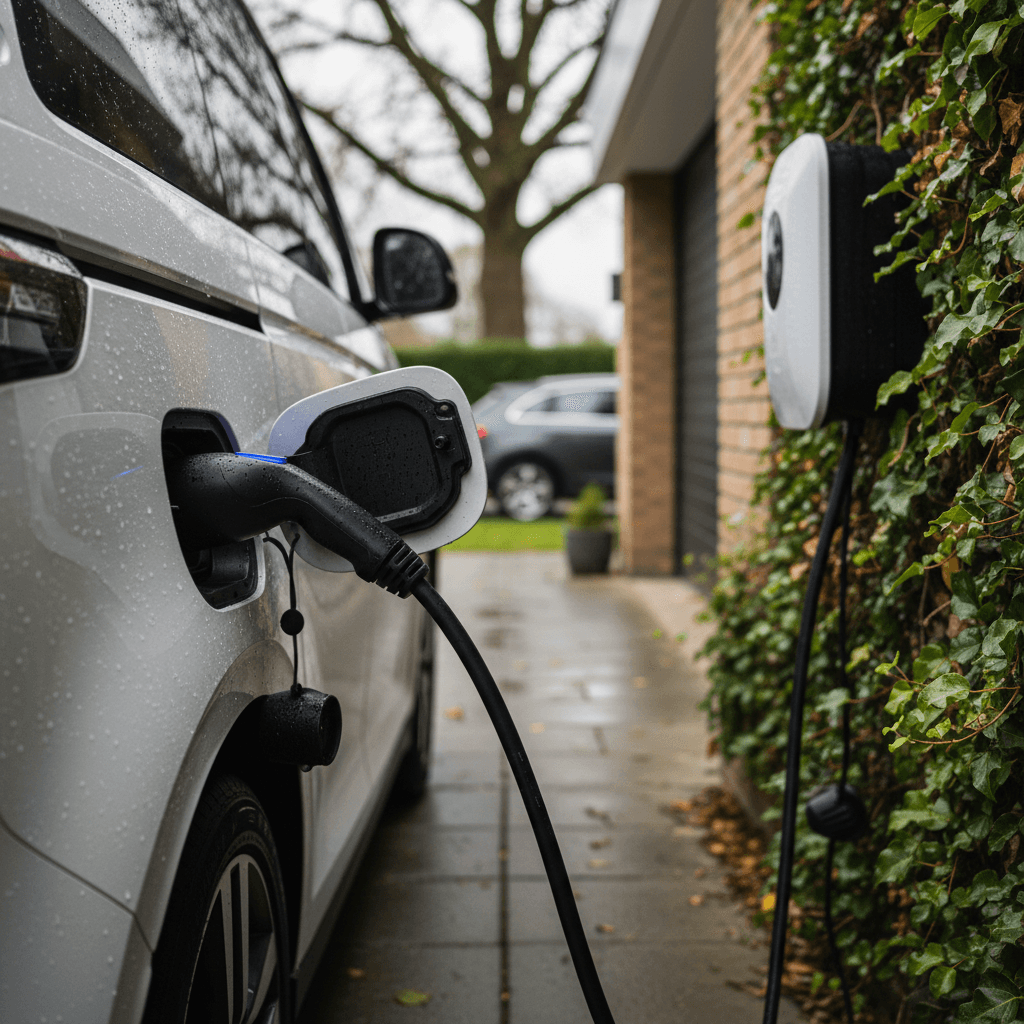
How does the ID. Buzz reliability compare to other options?
It’s easy to line up the 2024 ID. Buzz against established minivans and conclude that VW has work to do. And that’s true, if your priority is "set it and forget it" reliability above all else, a hybrid Toyota Sienna or Honda Odyssey will almost always be less drama over ten years than a first‑generation EV van.
Reliability context: 2024 VW ID. Buzz vs alternatives
This table focuses on expected reliability patterns rather than detailed specs or pricing.
| Model | Type | Reliability expectation (early 2026) | Best fit for |
|---|---|---|---|
| VW ID. Buzz (2024) | Electric van | Strong safety, immature software, limited long-term data; early recalls but no clear hardware disaster. | Buyers who value character, packaging and EV experience more than bulletproof track record. |
| VW ID.4 | Electric SUV | Similar MEB platform with improving but still occasionally glitchy software; more data than the Buzz. | Those who want VW’s EV tech in a simpler, better‑understood package. |
| Toyota Sienna Hybrid | Hybrid minivan | Historically excellent long‑term reliability with very mature hybrid tech. | Families who want maximum dependability and low running costs above all else. |
| Kia EV9 | Electric SUV | More aggressive rollout; solid early reviews but also young in the market, like the Buzz. | Three‑row EV shoppers prioritizing range and tech over quirks like sliding doors. |
Use this as a directional guide, not a crystal ball, every individual vehicle is different.
Where the Buzz still shines
Buying a 2024 ID. Buzz new or used: smart checklist
Because the 2024 VW ID. Buzz doesn’t have a clean, simple reliability score yet, you need to treat each van as an individual case. Whether you’re ordering one new or hunting for an early used example, this is the due‑diligence playbook.
Pre‑purchase checklist for a 2024 VW ID. Buzz
1. Pull a full recall & campaign history
Use the VIN to confirm all safety recalls and software campaigns are complete. If a seller can’t show you documentation, assume you’ll be the one scheduling dealer time.
2. Drive it the way you’ll actually use it
On your test drive, spend time on highways, stop‑and‑go traffic, and parking. Pay attention to brake feel, sliding‑door behavior, seat comfort, and how the driver-assist systems behave.
3. Test both home and DC fast charging
If possible, plug into a Level 2 charger and a DC fast charger during your evaluation. Watch for handshake failures, warnings, or charge rates that seem abnormally low for the state of charge.
4. Ask for software version and update history
Have the dealer or seller show you the current software version and a record of past updates. A van that’s been kept current is less likely to surprise you with old, buggy code.
5. Inspect tires, brakes, and suspension closely
The ID. Buzz is heavy and torque‑rich. Uneven tire wear, noisy brakes, or clunks over bumps on a low‑mileage van can be early clues about alignment or suspension issues.
6. Get an independent EV‑savvy inspection
Traditional used‑car inspections often miss EV‑specific issues. A platform like <strong>Recharged</strong> can pair a high‑voltage system check with a <strong>Recharged Score</strong> battery-health report, so you’re not guessing about what’s under the floor.
Use warranty and financing to de‑risk the unknowns
When a 2024 ID. Buzz does, and doesn’t, make sense
Every EV asks you to trade some uncertainty against the upside of cleaner, smoother, quieter driving. The 2024 ID. Buzz just makes that trade a bit more obvious because it’s new, distinctive, and built on software that’s still evolving.
Good fit for you if…
- You’re comfortable being an early adopter and can tolerate a few software updates and minor quirks.
- You value design, packaging, and the "feel" of the van more than rock‑solid repair statistics.
- You have good local dealer support, or access to an EV‑savvy independent shop, for warranty work.
- You plan to keep the van during its warranty sweet spot, not necessarily for 15 trouble‑free years.
Poor fit for you if…
- Your top priority is long‑term, no‑drama dependability you barely have to think about.
- You live far from a VW dealer and don’t want to be a software beta‑tester.
- You’re extremely sensitive to infotainment quirks, warning chimes, or driver-assist behavior that isn’t perfectly polished.
- You want to drive the van into the ground over 15+ years with minimal intervention, in which case a proven hybrid minivan is still the safer bet.
2024 Volkswagen ID. Buzz reliability FAQ
Frequently asked questions about 2024 VW ID. Buzz reliability
Bottom line on 2024 ID. Buzz reliability
Viewed coldly, the 2024 Volkswagen ID. Buzz is a very safe, moderately complex, and still‑maturing electric van with an incomplete reliability record. You’re trading some uncertainty, and a higher chance of software‑driven annoyances, for a genuinely distinctive EV that does things no other family vehicle quite matches.
If you want maximum predictability, the 2024 ID. Buzz probably isn’t your forever‑car. If you’re comfortable being a little early, willing to lean on warranty coverage, and willing to do your homework on battery health, it can be a fantastic, character‑rich addition to your garage. And if you’d rather not navigate that alone, shopping through Recharged means every used EV comes with a Recharged Score Report, verified battery diagnostics, transparent pricing, and EV‑specialist support from first click to final delivery.