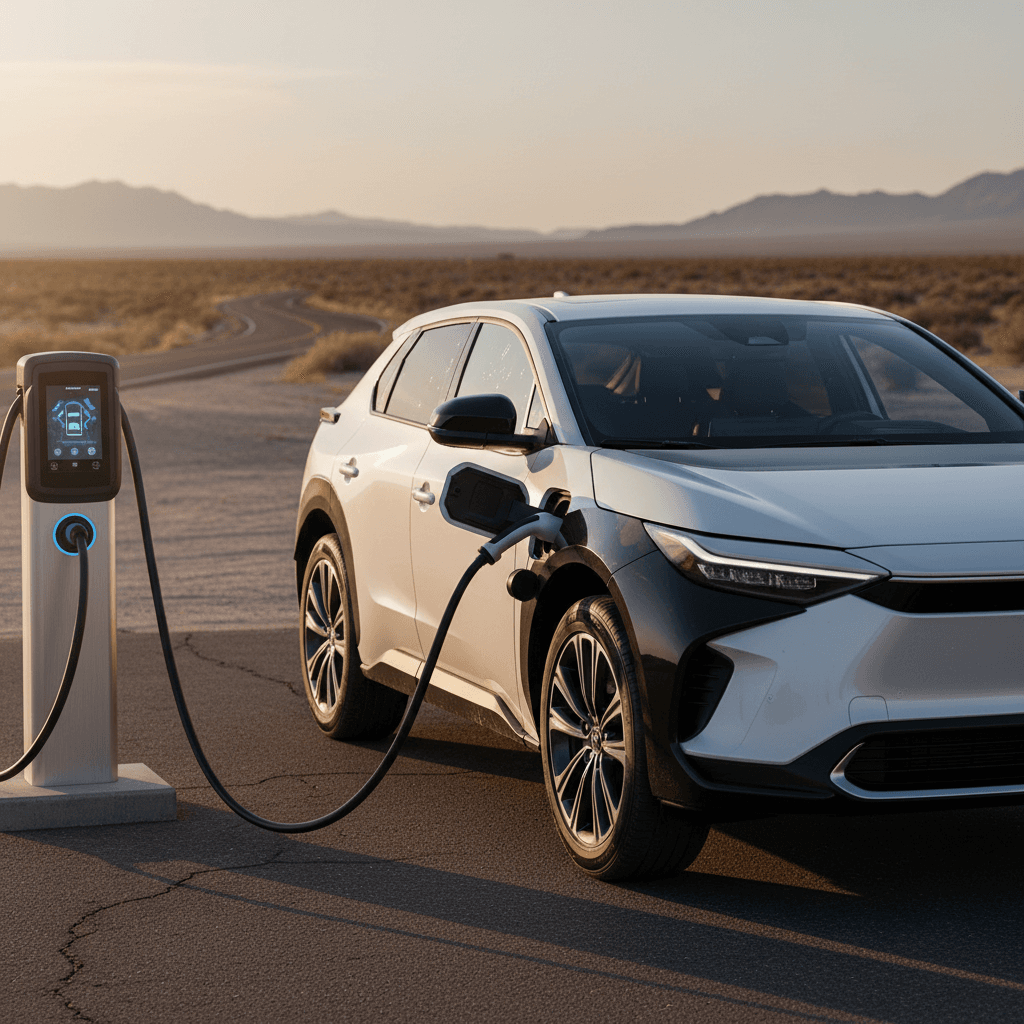
If you’re looking at a 2024 Toyota bZ4X, especially on the used market, range is probably your biggest question. EPA stickers say up to 252 miles, but real-world range tests tell a more nuanced story. In this guide, we break down how far the bZ4X really goes on the highway, in the city, and in winter so you know exactly what to expect before you buy.
Quick takeaway
2024 Toyota bZ4X range at a glance
2024 bZ4X range snapshot
On paper, the bZ4X’s numbers look competitive for a compact electric SUV. Front-wheel-drive (FWD) models can hit the mid-200-mile range mark in EPA testing, while all-wheel-drive (AWD) versions sit a bit lower. In independent highway range tests, though, especially at U.S.-style 70–75 mph cruising speeds, the AWD bZ4X has struggled to match rivals, with some tests landing around 160 miles before needing a recharge. That doesn’t make it a bad EV, it just means you need to set expectations correctly.
Battery and EPA range ratings for the 2024 bZ4X
Every 2024 Toyota bZ4X uses a single battery pack sized just a bit differently depending on drivetrain: roughly 71.4 kWh for FWD models and 72.8 kWh for AWD models. From that, Toyota and the EPA derive official range ratings that vary by trim and drive type.
2024 Toyota bZ4X EPA-estimated range
Official EPA range ratings for the 2024 model year by trim and drivetrain.
| Trim | Drivetrain | Battery (gross) | EPA range (mi) |
|---|---|---|---|
| XLE | FWD | 71.4 kWh | 252 |
| Limited | FWD | 71.4 kWh | 236 |
| XLE | AWD | 72.8 kWh | 228 |
| Limited | AWD | 72.8 kWh | 222 |
EPA ratings are a useful benchmark, but your actual range will depend heavily on speed, temperature, terrain, and driving style.
If you’re coming from a gas car, think of these EPA numbers like highway fuel economy stickers: they’re useful for comparison shopping, but they’re not a promise. For the bZ4X, those figures assume moderate speeds, mild temperatures, and conservative use of climate control, conditions you won’t always see in daily life.
Don’t forget trim and drivetrain
Real-world range: city vs. highway
City & mixed driving
In stop‑and‑go and suburban driving at 25–50 mph, the 2024 bZ4X can come surprisingly close to its EPA estimate, especially in mild weather. Regenerative braking lets you recapture energy every time you slow down. Owners routinely report real‑world 200–230 miles from a full charge in town when temperatures are in the 60–80°F range and speeds are modest.
For many commuters, that means you’ll be charging at home every few days rather than every night, particularly in the more efficient FWD XLE trim.
Highway driving
Once you get to sustained highway speeds, aerodynamics take over. Above about 65 mph, the bZ4X has to push a lot of air out of the way, which drags down efficiency. At a steady 70–75 mph, it’s realistic to expect 20–30% less range than the EPA number, with AWD trims seeing the biggest drop.
This is where the bZ4X lags some rivals. Real‑world testing has shown the dual‑motor AWD version running out of juice around 160 miles on a full highway stint, putting it at the bottom of the current EV crossover pack for long‑distance efficiency.
Highway range rule of thumb
Highway 70 mph range test: what to expect
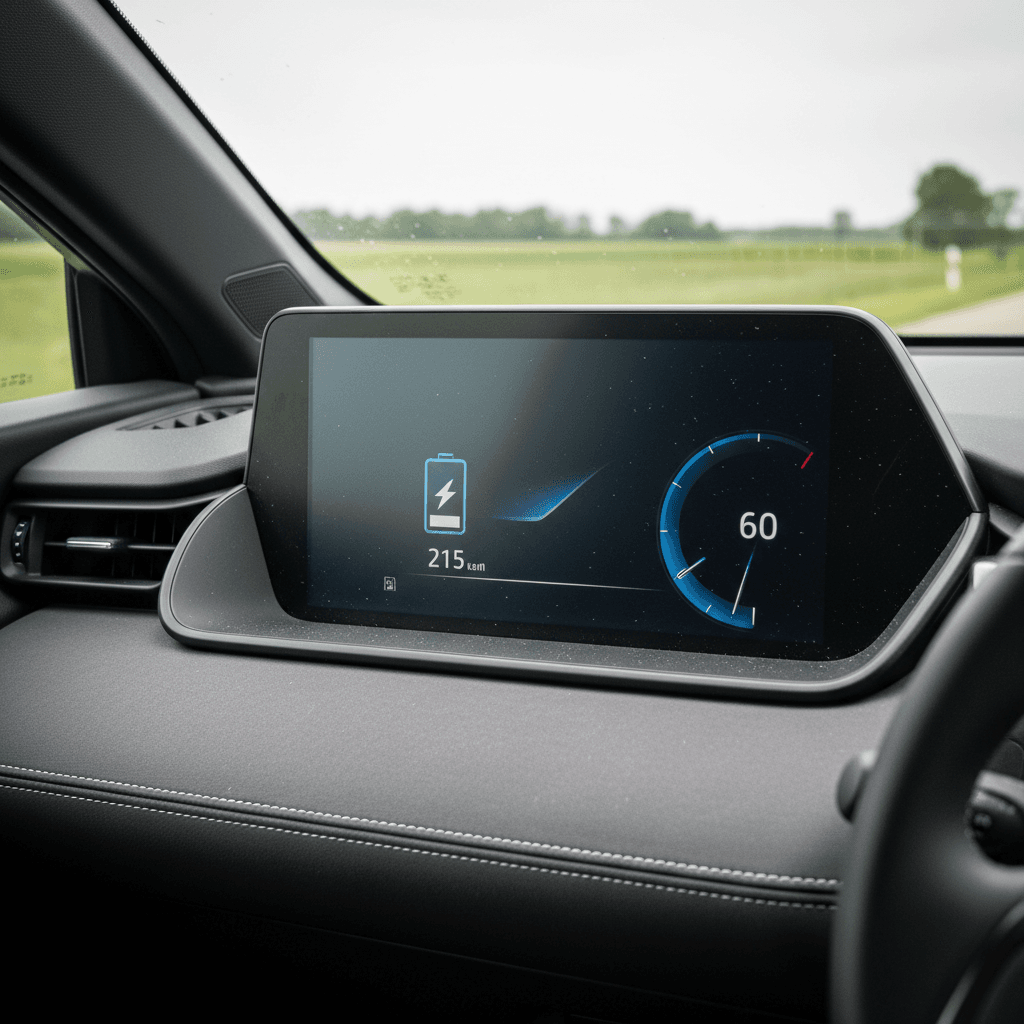
Enthusiast outlets that run standardized 70 mph highway range tests provide a good stress test for EVs. In those conditions, the 2024 bZ4X, especially in AWD guise, has struggled. One well-known test of the dual-motor bZ4X Limited recorded roughly 160 miles before the battery was depleted, well below its 222-mile EPA rating and toward the bottom of the pack among modern EVs.
- FWD bZ4X at 70 mph: owners and testers commonly see 180–200 miles per charge in mild temps.
- AWD bZ4X at 70 mph: real-world numbers often fall in the 160–185 mile range, again depending on conditions.
- Above 75 mph, strong headwinds, heavy cargo, or large roof boxes can shave off another 10–15% from those figures.
If you live in an area with 65 mph limits and rolling terrain, your experience may be better than those torture‑test numbers suggest. But if you’re picturing 80‑mph Interstate blasts across wide‑open Western states, you’ll want to plan your stops carefully and accept that this isn’t a long‑legged range champion.
Winter and cold-weather range performance
Cold weather is tough on every EV, and the 2024 bZ4X is no exception. Batteries are less efficient when cold, and keeping the cabin toasty requires a big slice of the pack’s energy. Toyota has improved battery thermal management and cold‑weather DC fast‑charging performance compared to early bZ4X builds, but you should still expect noticeable range loss when temperatures dip.
How winter affects 2024 bZ4X range
Plan for a bigger buffer when the forecast turns blue.
Mild cold (32–45°F)
Expect roughly 15–25% less range than EPA, especially on short trips where the cabin has to be reheated each time.
Deep cold (0–20°F)
Range losses of 25–40% are common for many EVs at these temps. A bZ4X that does 200 miles in spring might deliver closer to 130–150 miles in a Midwest cold snap.
Trip length matters
Longer drives warm up the battery and cabin more efficiently. Short, frequent trips in extreme cold are the hardest scenario and can make the range display look scary.
Winter driving safety note
Ways to protect bZ4X range in winter
Precondition while plugged in
Use the Toyota app or in‑car settings to warm the cabin while the SUV is still charging. That way, much of the initial heating load comes from the grid instead of your battery.
Use seat and wheel heaters first
Heated seats and steering wheel draw less energy than blasting the HVAC. You can often set the cabin a few degrees cooler and stay just as comfortable.
Watch your speed on cold highways
In sub‑freezing temps, dropping from 75 mph to 65 mph can add <strong>dozens of miles</strong> of real‑world range and reduce how often you need to DC fast charge.
Charge more frequently
In harsh winter conditions, consider charging at 30–40% instead of always trying to get down to 10–15%. It keeps a healthier buffer and gives you more options if a station underperforms.
Charging speeds and how they affect road trips
Range is only half the road‑trip story; charging speed is the other half. The 2024 bZ4X uses a 7.6 kW onboard AC charger, which will refill a near‑empty pack on a Level 2 home charger in about 9–10 hours. For long drives, though, you’ll be relying on DC fast charging.
2024 bZ4X charging basics
Key AC and DC charging specs for the 2024 Toyota bZ4X.
| Charging type | FWD peak | AWD peak | Typical 10–80% time* |
|---|---|---|---|
| AC Level 2 (240V) | 7.6 kW | 7.6 kW | ~9–10 hours at home |
| DC fast charge | Up to 150 kW | Up to ~100 kW | ~30–60 minutes depending on trim & temperature |
Fast-charging performance improves in 2024 models versus early builds, but AWD still peaks lower than FWD.
In cool or cold weather, the 2024 bZ4X’s improved battery thermal system helps it hold higher fast‑charge rates than early production models, but it still isn’t among the fastest‑charging EVs on the market. That means that on a long trip you’ll want to think in terms of “miles added per minute” rather than just the raw range number, particularly if you choose an AWD model with both lower highway efficiency and slower peak charging.
Plan around 10–80%, not 0–100%
How the 2024 bZ4X compares to key rivals on range
If you’re cross‑shopping the 2024 bZ4X against other compact electric SUVs like the Hyundai Ioniq 5, Kia EV6, Volkswagen ID.4, or Ford Mustang Mach‑E, range is an area where Toyota doesn’t lead the class, especially on the highway.
Range comparison: 2024 bZ4X vs popular rivals
Approximate EPA max ranges for popular trims (single-motor versions where applicable).
Toyota bZ4X (FWD)
- EPA up to ~252 mi (XLE FWD)
- Real‑world highway: often under 200 mi at 70 mph
Hyundai Ioniq 5 / Kia EV6
- EPA ranges often in the 280–310 mi zone
- Highway tests typically show materially longer legs than bZ4X
VW ID.4
- EPA up to mid‑250s, depending on battery and drive
- Generally better highway range than AWD bZ4X
Ford Mustang Mach‑E (Std. Range)
- EPA low‑to‑mid 200s, similar on paper
- Real‑world highway efficiency often edges out bZ4X
Where the bZ4X still shines
Practical tips to maximize your bZ4X range
Everyday strategies to stretch your 2024 bZ4X range
Choose FWD if you don’t truly need AWD
The FWD bZ4X is more efficient and offers the highest EPA range figures. If you live in a warmer climate or mainly see rain rather than snow, FWD can give you extra real‑world miles and slightly faster DC charging.
Keep speeds in the sweet spot
Aerodynamic drag rises quickly above 65 mph. Cruising at 65–70 mph instead of 75–80 mph can be the difference between making the next charger comfortably or arriving with single‑digit battery percentage.
Use Eco mode and regen smartly
Eco mode softens throttle response and tames HVAC demand, which helps on both city streets and freeways. Take advantage of regenerative braking on downhill stretches and in traffic instead of coasting and then braking hard.
Pre‑plan public charging
Before a road trip, map your DC fast‑charge stops using your favorite app and build in a <strong>10–15% SOC buffer</strong>. The bZ4X’s shorter legs mean you don’t have as much room for detours as an Ioniq 5 or EV6 driver might.
Watch your roof and cargo
Cargo boxes, bike racks, and a fully loaded cabin all hurt efficiency. If range is tight, remove roof accessories and pack light to keep drag and weight down.
Stay on top of software updates
Toyota has used software changes to improve charging behavior and minor range characteristics over time. Make sure your 2024 bZ4X is up to date before you judge its long‑distance performance.
Is a used 2024 bZ4X right for you?
Because the bZ4X hasn’t been a range standout, it sometimes shows up on the used market at attractive prices compared with more sought‑after EVs. That can make it a smart buy, if its range profile fits your life. The key question is how often you really take long, high‑speed trips versus local driving.
Great fit
- You drive 40–70 miles a day and can charge at home.
- You rarely exceed 200‑mile days or can plan relaxed stops on those days.
- You value Toyota’s comfort and familiar ergonomics more than cutting‑edge charging speed.
Think twice
- You routinely drive 250–300 miles in a day on 75‑mph highways.
- You live in a region with long winter seasons and sparse fast‑charging infrastructure.
- You want an EV that minimizes stops on road trips above all else.
How Recharged can help with a used bZ4X
FAQ: 2024 Toyota bZ4X range and testing
Frequently asked questions about 2024 bZ4X range tests
Bottom line: who the 2024 bZ4X range works for
The 2024 Toyota bZ4X isn’t the range hero of the EV crossover world, and highway range tests, especially of AWD models, make that clear. But for the right driver, its combination of comfortable ride, Toyota familiarity, and adequate real‑world 190–220 mile range makes it a perfectly sensible choice, particularly at the right used‑car price.
If most of your driving is commuting, errands, and the occasional 150‑mile weekend trip with reliable charging on both ends, the bZ4X’s range is more than workable. If your life is built around 300‑mile Interstate days, you may want to look elsewhere, or budget extra time for charging stops. Either way, going in with clear, test‑backed expectations will make you a happier EV owner. And if you’re weighing a used bZ4X against other EVs, Recharged can help you compare battery health, real‑world range, and total cost of ownership across all your options.