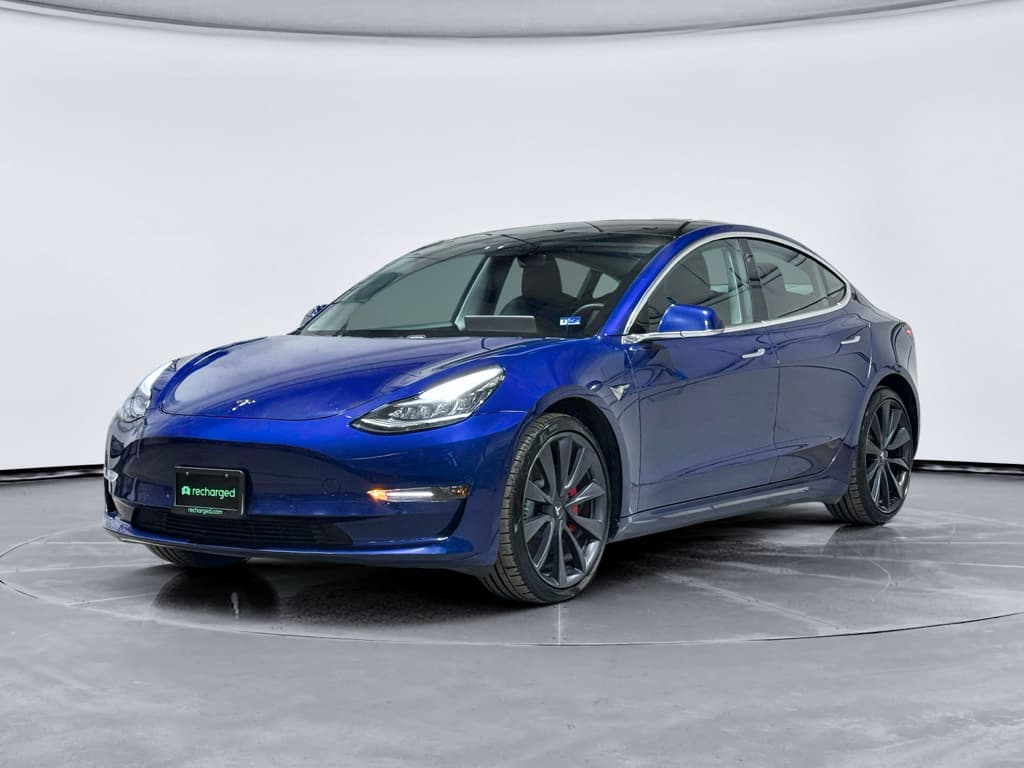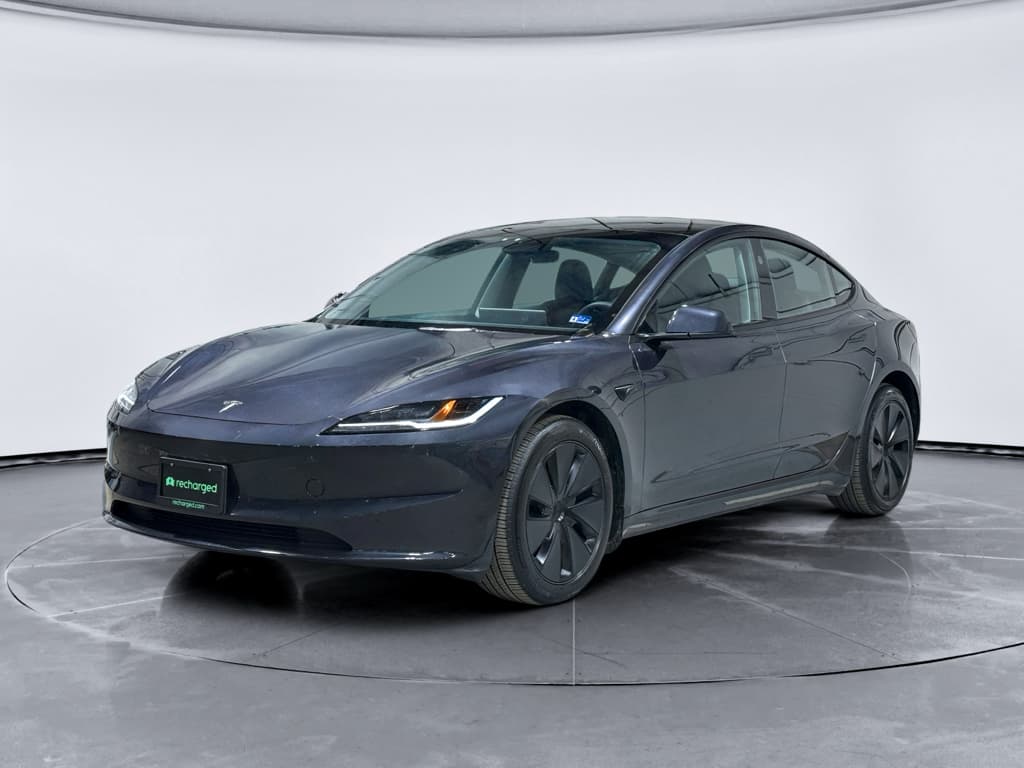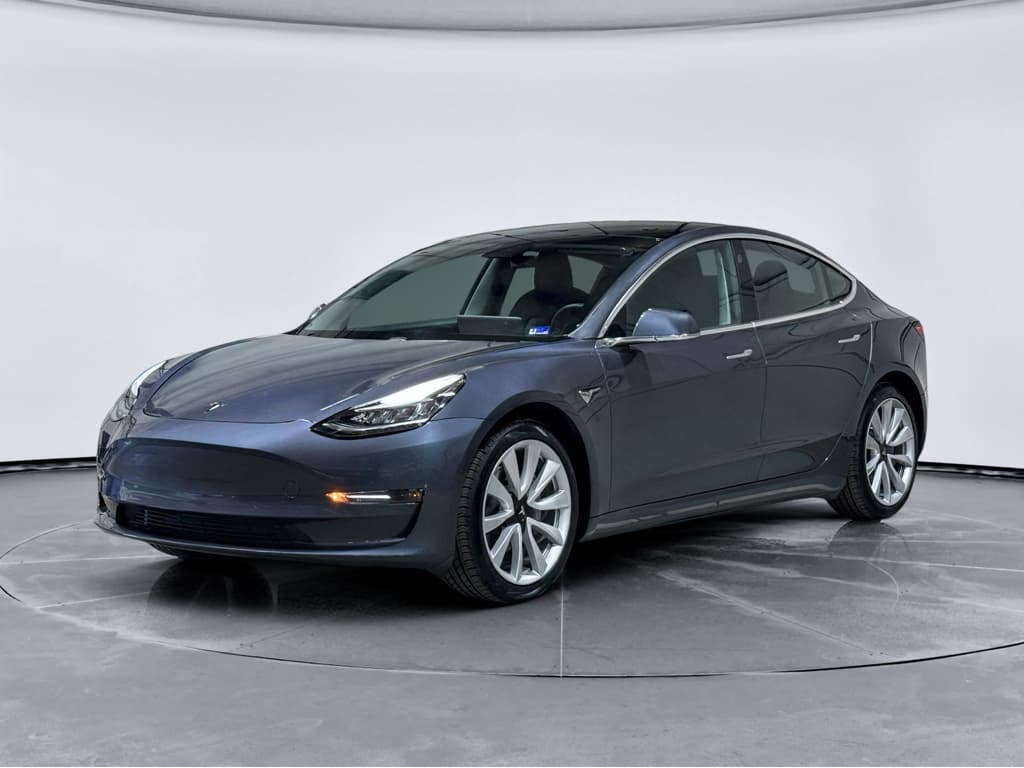
If you’re eyeing a 2020 Tesla Model 3, you’re probably asking one question: **how far will it really go on a charge**, not in a lab, but in your daily life. This 2020 Tesla Model 3 range test guide breaks down EPA numbers, independent tests, and what Recharged sees in real-world driving so you know exactly what to expect from a new or used Model 3.
Quick context: 2020 was a turning point year
2020 Tesla Model 3 range at a glance
Key 2020 Model 3 range and efficiency numbers
Depending on which 2020 Model 3 you’re looking at, **official EPA range** spans from roughly **250 miles to just over 320 miles**. In the real world, you should plan on **10–20% less** for typical highway driving, more if you live somewhere cold or drive fast.
2020 Tesla Model 3 EPA range by trim
Official EPA estimates for 2020 Model 3 versions that most commonly show up on the used market.
| Trim (2020) | Drive | Approx. Battery (usable kWh) | EPA Range (mi, combined) | Typical Real Highway Range* |
|---|---|---|---|---|
| Standard Range Plus (SR+) | RWD | ~54 kWh | 250 | 200–215 mi |
| Long Range (LR) | AWD | ~75 kWh | 322 | 255–280 mi |
| Performance (18–19" wheels) | AWD | ~75 kWh | 310–322** | 245–275 mi |
| Performance (20" wheels) | AWD | ~75 kWh | 299 | 235–260 mi |
Remember: these are lab-tested numbers. Real-world range varies with speed, temperature, terrain, and driving style.
About those asterisks
EPA ratings vs. real‑world range tests
Laboratory tests are useful for comparing vehicles, but your **2020 Tesla Model 3 range test on real roads** will almost never match the EPA sticker. Independent tests from outlets like Edmunds and Car and Driver have consistently found that **highway range comes in below the official numbers**, even when efficiency is excellent.
What independent testers have seen
Here’s how a 2020‑era Model 3 tends to behave once you leave the test lab.
Highway range shortfall
On a **200‑mile highway loop**, Car and Driver recorded **84 MPGe** in a long‑term Model 3, well below its EPA MPGe rating. That translated to **less range than advertised at steady 70+ mph cruising**.
City range often better
Start‑stop driving lets the Model 3 lean on **regenerative braking**, so its **urban and suburban range can come surprisingly close to EPA**, sometimes even a hair better if you drive gently.
Why the spread?
EPA combined range assumes a mix of speeds and gentle acceleration. Real life is messier: **75–80 mph cruising, hills, HVAC use, and cargo** all conspire to eat into that headline number.
A good rule of thumb
City vs. highway vs. mixed driving
City & suburban driving
In city use, the 2020 Model 3 is in its element. Frequent stops let regenerative braking recapture energy, so you’ll often see **lower Wh/mi numbers than on the highway**. A careful driver in a Long Range AWD can genuinely see **280–300+ miles** before getting nervous, especially around town at 25–50 mph.
- Best case: mild temps, gentle driving, lots of regen.
- Expectation: 90–100% of EPA in relaxed city use.
Highway & road‑trip driving
At 70–80 mph, aerodynamics dominate. The Model 3 is slippery, but **drag still climbs exponentially with speed**. On an honest 75‑mph cruise:
- SR+: 180–210 miles from 100% to low‑battery warning.
- Long Range: 230–270 miles in mild weather.
- Performance 20" wheels: on the low side of that long‑range band.
Add strong headwinds, rain, or cold temps and you can shave another **10–25%** off those figures.
In mixed, real‑world commuting, say 20 miles of freeway plus errands, most owners tell us their 2020 Model 3 behaves like a **220–260‑mile car for SR+** and a **270–310‑mile car for Long Range**, with Performance models sitting slightly lower because of their stickier tires.
How weather and climate hit 2020 Model 3 range
Temperature is the silent villain in any EV range test, and the 2020 Model 3 is no exception. Cold batteries are less efficient, and keeping you warm or cool takes energy that doesn’t move the car at all.
Weather scenarios for a 2020 Model 3 range test
Approximate impacts vs. EPA range when starting from 100% charge.
Winter, below 32°F
- Expect **20–40% range loss** depending on speed and heater use.
- Short trips are hardest: battery never fully warms up.
- Pre‑conditioning while plugged in helps a lot.
Hot summer, 85–100°F
- Moderate **5–15% range hit** from A/C and higher rolling resistance.
- Cabin cools quickly; Auto mode is efficient.
- Parking in shade can save several percent over a day.
Rain, wind, and elevation
- Heavy rain or headwinds can eat **10–25%** of range.
- Big climbs burn range, but you’ll win some of it back downhill via regen.
- Trip Planner in the Tesla nav is conservative and adjusts on the fly.
Winter driving tip
Battery size, trim levels, and charging speeds
Under the floor of every 2020 Tesla Model 3 is a lithium‑ion pack that does two jobs for you: **stores energy (kWh) and accepts charge (kW)**. Both matter when you care about range on a daily commute or on a cross‑country trip.
- Standard Range Plus (RWD) – about 54 kWh usable, lighter and slightly more efficient but with the lowest absolute range.
- Long Range AWD – about 75 kWh usable, the sweet spot for road‑trippers, with the best combination of range and charging speed.
- Performance AWD – also roughly 75 kWh usable, but tuned for acceleration and fitted with grippier tires that cost you a bit of range.
On DC fast charging, a healthy 2020 Long Range can pull **up to ~250 kW on a V3 Supercharger** when conditions are ideal, then taper down as the pack fills. That high peak charge rate doesn’t increase your range, but it **shrinks how long you sit between stints**, which is what really matters on a long run.
Charging speeds in plain English
What range drop to expect on a used 2020 Model 3
If you’re looking at a used 2020, you’re dealing with a car that’s roughly **5–6 years old**. Battery degradation is absolutely real, but on Teslas it’s usually **slower and more boring** than the horror stories make it sound.
Typical degradation on a well‑cared‑for 2020 Model 3
These are ballpark figures for an average‑mileage, non‑abused car.
Year 1–2
Most of the visible loss happens early. Expect roughly **3–5%** drop from brand‑new EPA range.
Year 3–5
Degradation slows. Well‑kept packs often sit at **5–10% loss** by year five, many still closer to the low end of that band.
Abuse vs. care
Frequent **100% charges, lots of fast‑charging on a hot pack, or deep discharges** can accelerate wear. Gentle use and garage parking help the pack age gracefully.
How Recharged measures battery health
Ready to find your next EV?
Browse VehiclesHow we’d range test a 2020 Model 3 today
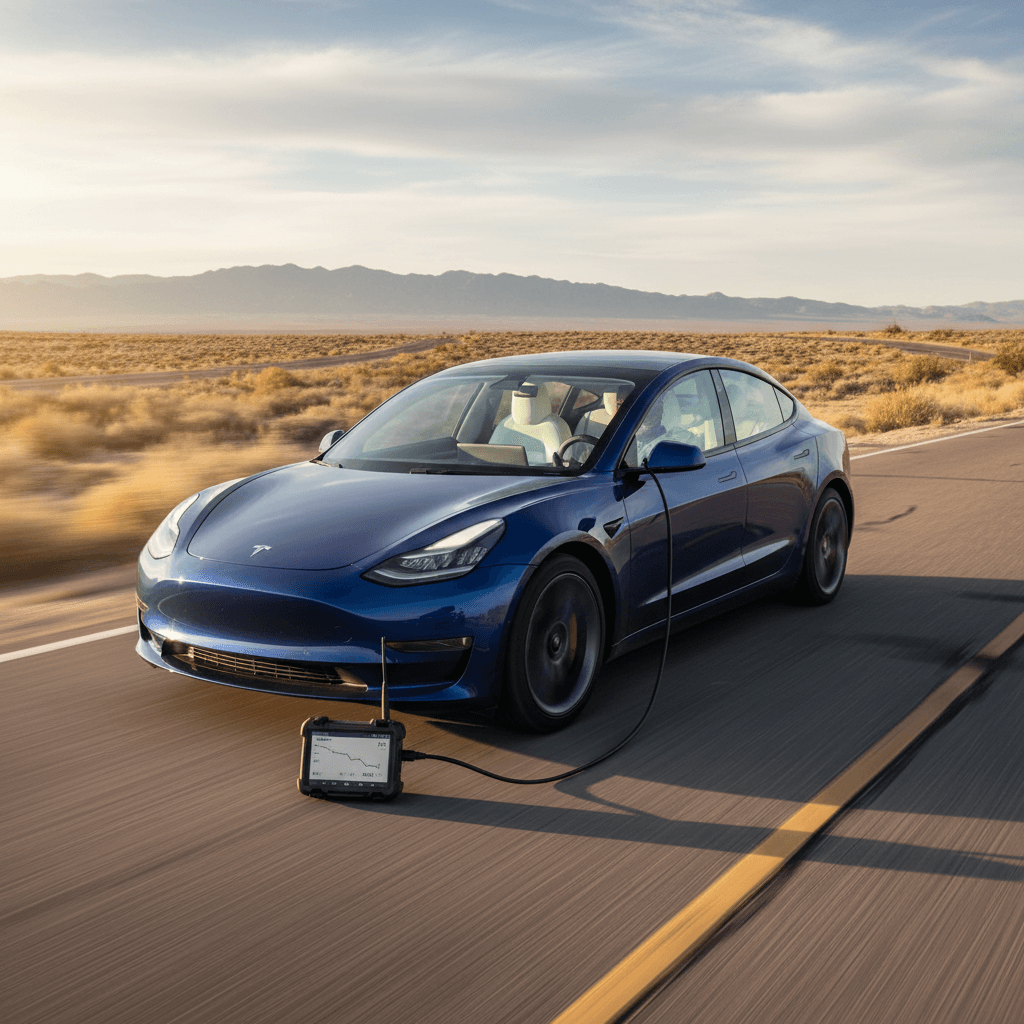
If you want to perform your own **2020 Tesla Model 3 range test**, you don’t need a proving ground. You just need a repeatable route, a bit of planning, and the discipline not to drive like you’re qualifying for Pole in a Performance model.
DIY 2020 Model 3 range test: step‑by‑step
1. Pick a repeatable route
Choose a mostly flat loop or out‑and‑back highway route you can safely drive at a steady speed, ideally **60–70 mph** to start. Avoid huge elevation changes if you want clean data.
2. Start with a known state of charge
Charge to a specific level (say **90%**) and note the battery percentage and rated miles. You don’t need 100%; in fact, staying below 100% is friendlier to the pack.
3. Lock in your speed and climate
Use cruise control or Autopilot at a set speed. Choose a comfortable but efficient cabin setting, around **68–70°F** with seat heaters on in winter works well.
4. Use the Energy graph
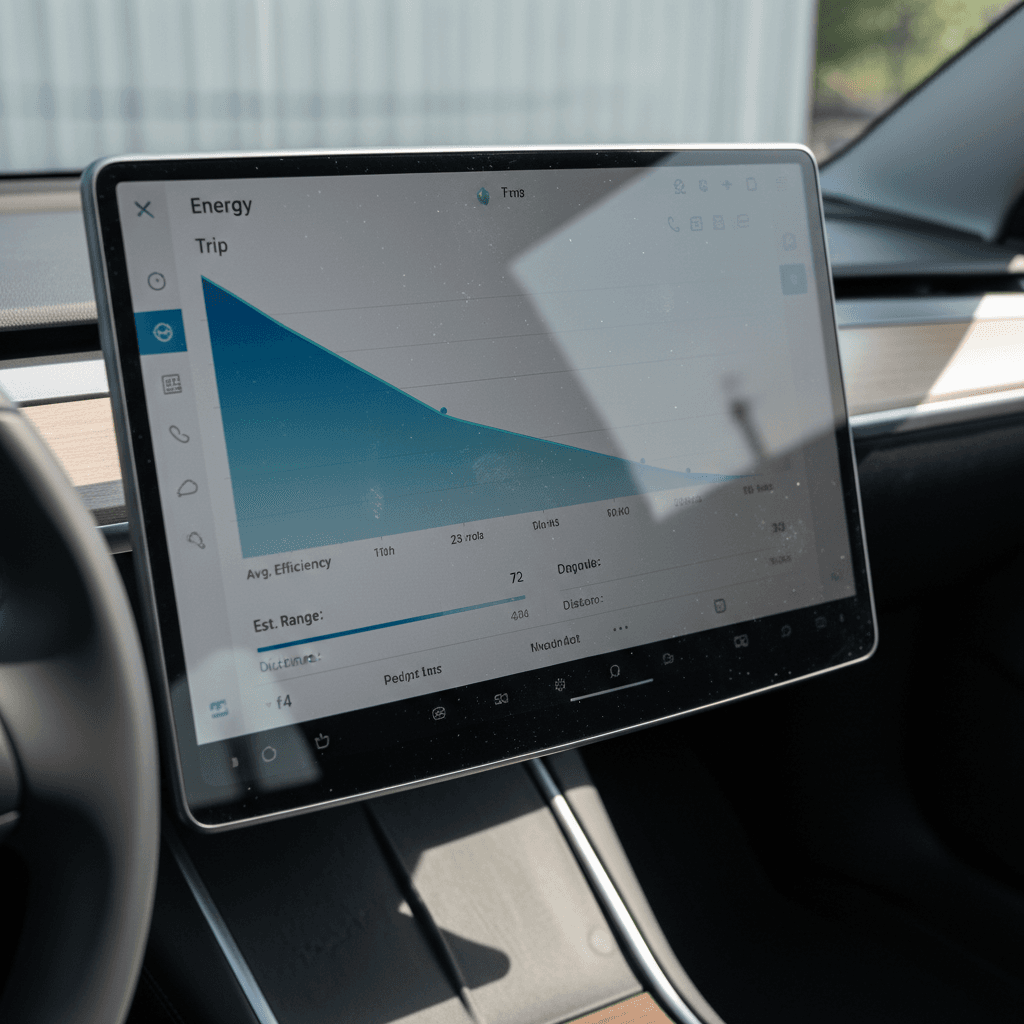
Open the **Energy app → Consumption tab** and set it to 30 miles. This will smooth out short‑term blips and show your average Wh/mi over the drive.
5. Drive to a target SOC, not to zero
Don’t run the car to a dead battery. Instead, drop from your start point (e.g., 90%) down to **10–15%**, then note distance driven and average Wh/mi.
6. Do the math
Multiply your **distance driven** by the ratio of full pack (from 100% to 0%) to the portion you used. This gives you an estimated real‑world range under those exact conditions.
Don’t learn range limits the hard way
Maximizing range in everyday driving
You don’t need to hypermile your 2020 Model 3 to see strong range numbers. A handful of habits will do more than any single trick, and they’re all easy to live with.
- Use **Chill Mode** and smooth throttle inputs; spikes of hard acceleration burn energy fast.
- Rely on **Auto climate** plus seat heaters instead of blasting heat or A/C at full tilt.
- Plan charging stops around **10–60%** on road trips, where fast‑charging speeds are highest.
- Make friends with **Scheduled Departure and pre‑conditioning** so the pack and cabin are warm (or cool) before you pull the plug.
- Swap to **smaller, more efficient wheels and tires** if your Performance model lives on the highway more than the track.
- Keep your **speed under 75 mph** when you can, every extra 5 mph at freeway speeds takes a noticeable bite out of range.
Range and resale value
Shopping for a used 2020 Tesla Model 3
When you’re comparing used 2020 Model 3s, don’t just stare at the odometer and the EPA range figure. Focus on **battery health, trim level, wheel choice, and how the previous owner used the car**.
Range questions to ask about a used 2020 Model 3
These answers matter more than the original window‑sticker number.
How has it been charged?
Lots of **home Level 2 charging and few fast‑charge sessions** are a good sign. A life lived almost entirely on Superchargers isn’t an automatic deal‑breaker, but it deserves a closer look at battery health.
What kind of miles?
Highway miles are usually easier on the car mechanically, but **sustained high‑speed road‑tripping in extreme climates** can mean more thermal stress on the pack.
Which trim and wheels?
A Long Range on 18" or 19" wheels will always have a **more forgiving real‑world range buffer** than a Performance on 20" rubber. That matters if you live far from fast charging.
Is there an independent health report?
On Recharged, every Model 3 listing includes a **Recharged Score Report** with verified battery health metrics, so you can compare one 2020 car to another with more than just a guess from the dash.
How Recharged can help
2020 Tesla Model 3 range: FAQ
Common questions about 2020 Model 3 range
Bottom line on 2020 Model 3 range
A 2020 Tesla Model 3 won’t magically deliver the big EPA number printed on its window sticker every day, and that’s okay. Driven like most of us actually drive, it’s still one of the most efficient, longest‑legged EVs you can buy in the used market.
If you’re shopping, focus less on the lab numbers and more on **real‑world range, battery health, and how the car was used**. Ask questions, look for verified diagnostics like the **Recharged Score Report**, and think about your own routes and climate. Do that, and your 2020 Model 3 range test won’t be a guessing game, it’ll be a confirmation that the car fits the way you really live and drive.