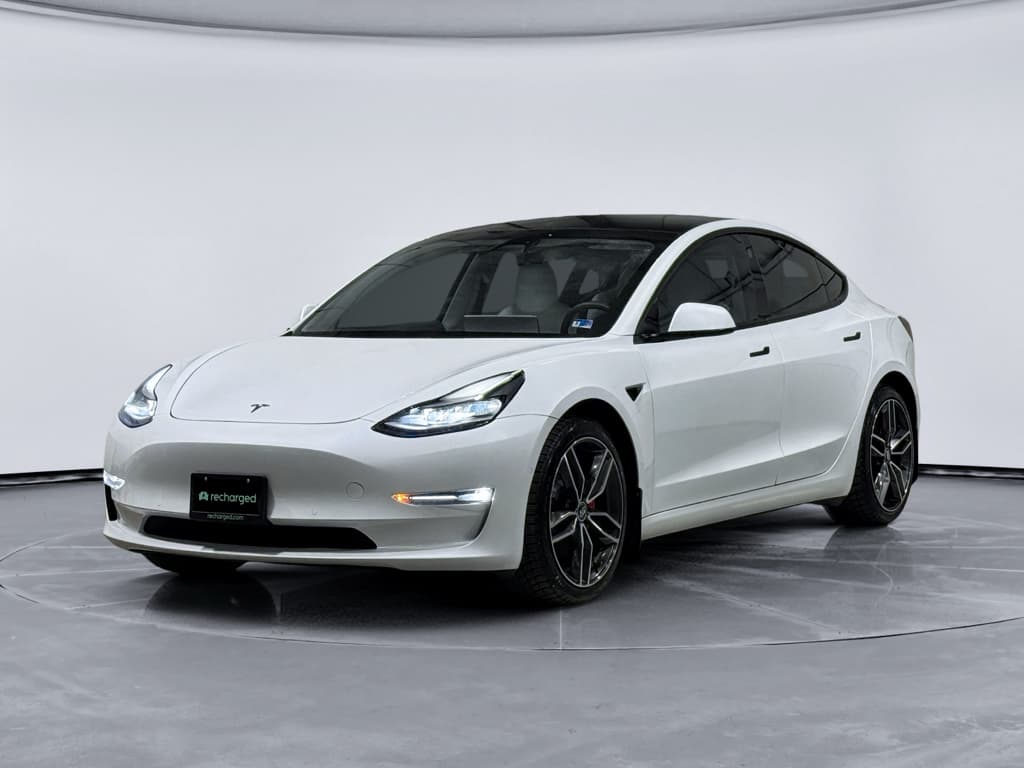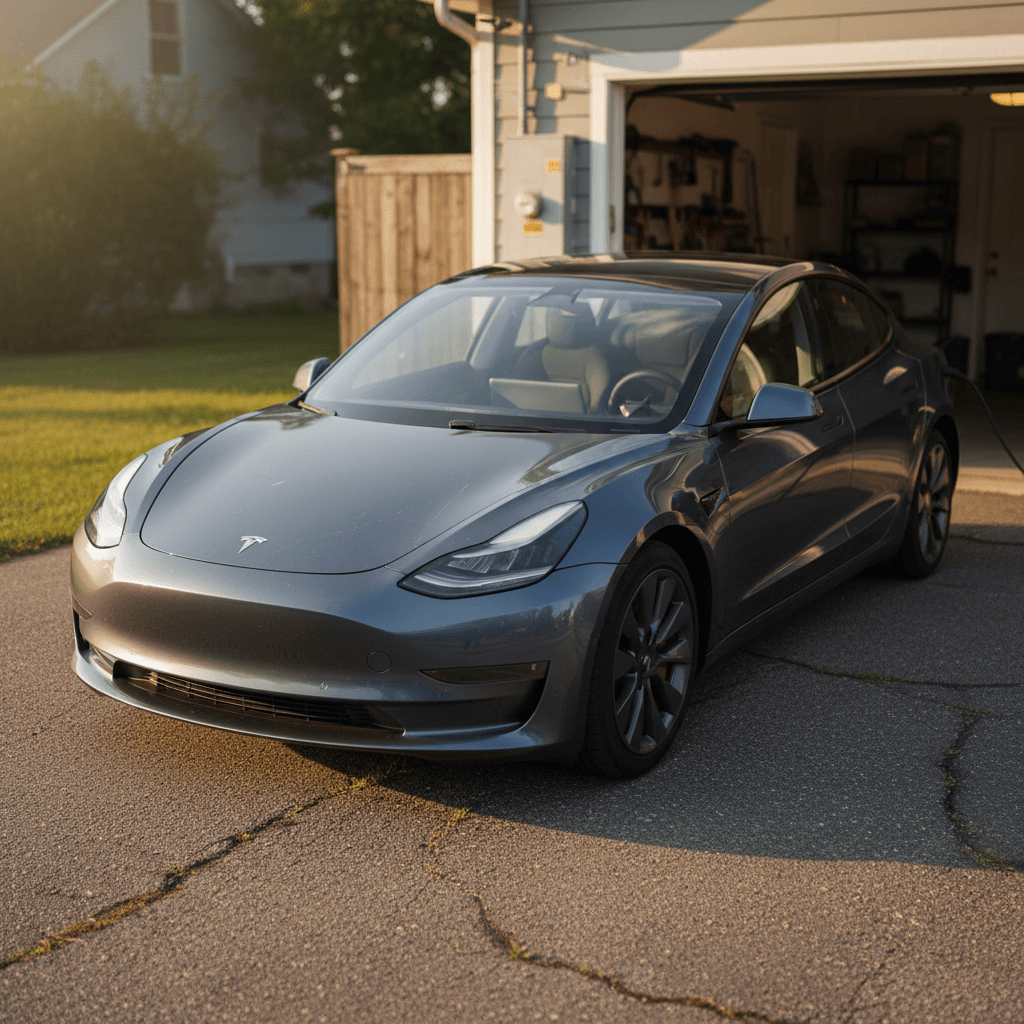
If you’re shopping for a 2024 Tesla Model 3, you’ve probably seen two very different stories about reliability. On one side, owners rave about the smooth, quiet powertrain that just keeps going. On the other, you’ll hear about rattles, alignment problems, and software bugs. The reality behind the 2024 Tesla Model 3 reliability rating lives between those extremes, and understanding that nuance is the key to buying confidently, especially in the used market.
Quick takeaway
2024 Tesla Model 3 reliability at a glance
2024 Model 3 reliability snapshot
On paper, the **2024 Tesla Model 3 reliability rating** shows a car that’s maturing. Third‑party reliability trackers and brand‑level scores indicate that Tesla has improved versus the early Model 3 years, and the Model 3 is now one of Tesla’s better‑scoring products for quality and reliability. At the same time, European inspection data has highlighted a high defect rate on 2–5‑year‑old Model 3s, especially around suspension, lights, and brakes, reminders that long‑term durability is still a work in progress.
“Reliable” depends on what you care about
How reliability rating is actually calculated
When you see a “reliability score” for the 2024 Tesla Model 3, it’s usually a blend of **owner‑reported problems, repair data, and expert predictions**. Different organizations weigh those inputs differently, which is why one outlet can praise the Model 3’s reliability while another warns about defect rates.
Who’s rating the 2024 Model 3, and how
Why you’ll see different scores for the same car
Owner surveys
Large owner surveys track **problems per vehicle** over the past 12 months. That includes everything from stuck door latches to failed drive units.
Because Teslas update so frequently, software bugs and feature changes show up in these surveys just like mechanical failures.
Repair & inspection data
Inspection agencies and repair databases look at **what actually breaks** and how often. For the Model 3, that’s often suspension components, brakes, and lighting, especially in Europe.
Battery or motor failures remain rare events.
Predicted reliability
Analysts combine historical data from 2018–2023 Model 3s with early reports from the 2024 refresh (often called “Highland”) to predict how the latest cars will age over 5–8 years.
Most composite scores land the **2024 Model 3 in the “average to slightly above average” band** for overall reliability, and significantly better than some problem‑prone EVs. The gap between the bulletproof drivetrain and the more fragile suspension and trim is what pulls the overall rating down from “excellent” to “good enough for most buyers, with caveats.”
Survey scores, owner satisfaction, and where the 2024 Model 3 ranks
Recent satisfaction studies show the **Model 3 still scores very well with owners**, especially on driving enjoyment, charging ease, and technology. In several all‑EV satisfaction rankings, the Model 3 lands near the top of its segment, buoyed by its performance and Supercharger access even as Tesla’s brand‑wide quality scores have slipped toward the industry average.
- Brand‑level quality surveys now put Tesla roughly in the **middle of the pack** on new‑car defects, no longer worst, not best either.
- Within Tesla’s lineup, the **Model 3 often scores highest** for quality and reliability, ahead of the larger and more complex models.
- Independent reliability aggregators give the **Model 3 line an overall score around the low 60s out of 100**, with clear improvement in 2023–2025 versus the earliest years.
Why owners still rate it highly
Battery and drivetrain: the 2024 Model 3’s strongest area
If your biggest worry is **“Will the battery last?”**, the 2024 Tesla Model 3 is one of the safer bets in the EV world. Years of data from earlier Model 3s show **slow battery degradation** and **very low rates of motor failure**. The 2024 refresh uses evolved versions of those same core components, paired with more mature production processes.
Where the 2024 Model 3 is genuinely strong
The parts that make it an appealing long‑term EV
High‑voltage battery health
- Earlier Model 3 packs typically lose **around 5–10% capacity in the first 100,000 miles**, then level off.
- Few verified cases of 2024 packs needing replacement under normal use.
- Active thermal management and conservative buffers help protect the pack.
Electric motors & inverter
- Permanent‑magnet motors show **excellent real‑world durability** with minimal failures compared to engines and transmissions.
- No fluids to change, no spark plugs, no exhaust system, far fewer wear items than a gas car.
Battery‑friendly habits that help reliability
Build quality, suspension, and hardware trouble spots
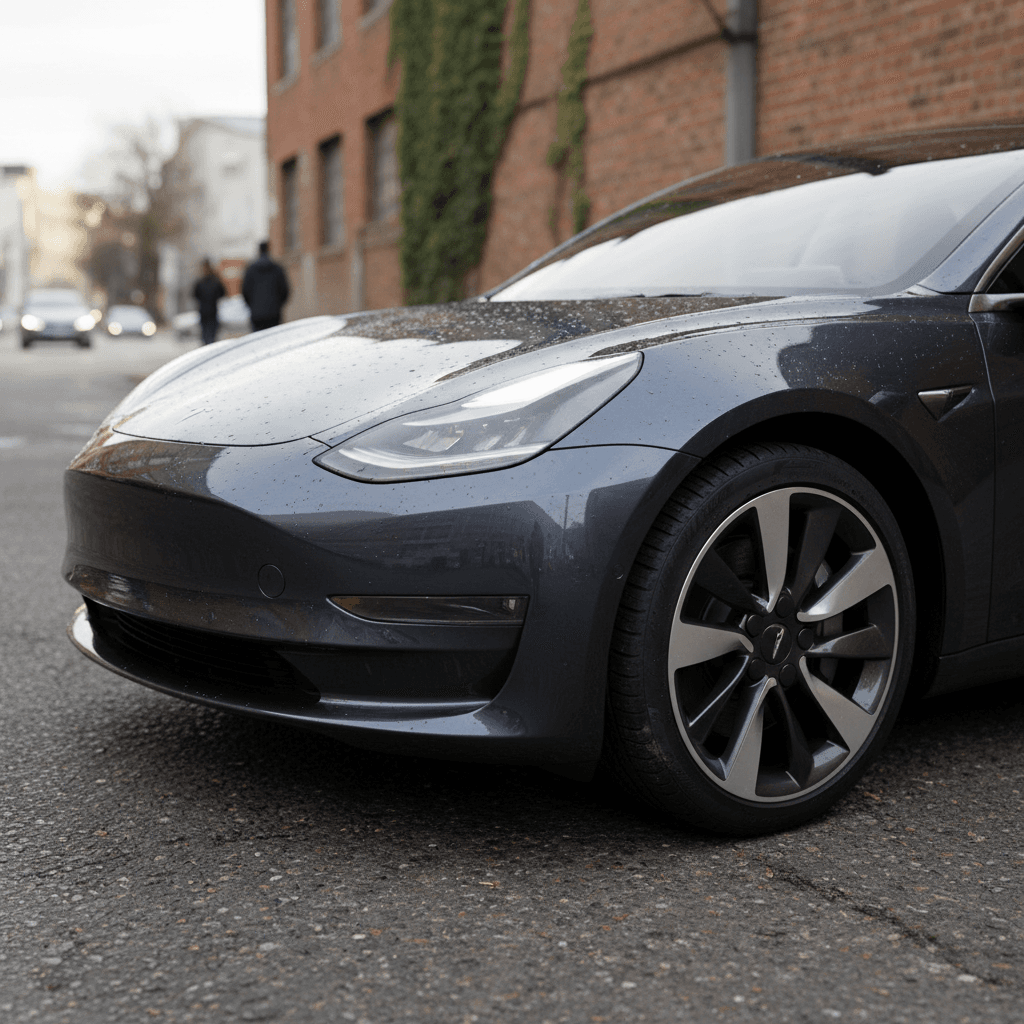
Where the **2024 Tesla Model 3 reliability rating** softens is in the day‑to‑day livability items: how tightly the car is screwed together and how well the hardware stands up to real roads. Tesla has unquestionably improved from the earliest Model 3s, but owner reports and European inspection data still show **higher‑than‑average defect rates** in several areas.
Common 2024 Model 3 problem areas
Not every car will have these issues, but they’re the patterns showing up most often in early data and owner reports.
| Area | Typical Symptoms | Why It Matters | What To Do Before You Buy |
|---|---|---|---|
| Suspension & alignment | Pulls slightly, uneven tire wear, clunks over bumps | Can chew through expensive performance tires quickly and affect ride quality. | Inspect tires for inside‑edge wear, drive on a rough road to listen for clunks, and check alignment records. |
| Interior rattles & trim | Buzzes from pillars or dash, loose panels or clips | Annoying on a quiet EV; fixes can require panel removal. | Test drive on rough pavement with the radio off; push gently on trim pieces to check for movement. |
| Exterior fit & finish | Uneven panel gaps, frunk/hood alignment, paint thin spots | Primarily cosmetic but can affect resale value, and door or trunk sealing. | Walk the car in good light and look closely at edges, seals, and paint transitions. |
| Brakes & parking brake use | Rusty rotors, shudder under light braking, sticky parking brake feel | EVs use regen, so friction brakes can corrode when under‑used. | Check rotor surfaces for heavy rust ridges; during the drive, periodically brake firmly to feel for pulsation. |
| Lighting & sensors | Condensation in lights, glitchy parking sensors or cameras | Can be a nuisance and a safety concern if visibility is compromised. | Look at headlights/taillights for moisture; test cameras and parking sensors in reverse and at low speeds. |
Use this as a shopping checklist, not a guarantee that a particular car has these faults.
European inspection reports are a caution flag
Software updates: convenience, bugs, and changing features
Software is part of the Tesla appeal, and part of the reliability story. The 2024 Model 3 receives **frequent over‑the‑air (OTA) updates** that can improve range estimates, tweak driver‑assist behavior, add features, or fix defects. But those same updates can also introduce new bugs or change how the car behaves from one week to the next.
Software strengths
- Many recalls and defects are fixed with a **free OTA update**, not a dealer visit.
- Navigation, charging route planning, and phone‑as‑key features improve over time.
- Driver‑assist systems can gain new capabilities or refinements without hardware changes.
Software pain points
- Updates occasionally break features before a patch arrives (Bluetooth quirks, camera glitches, charging bugs).
- Driver‑assist tuning may change how the car accelerates, brakes, or lane‑keeps, some owners love it, others don’t.
- Service may initially blame software and ask you to “wait for an update,” delaying a real repair if hardware is at fault.
How software affects “reliability ratings”
Recalls and safety concerns for the 2024 Model 3
Like every modern Tesla, the 2024 Model 3 has been swept into **multiple large recall campaigns**, many of them software‑related. These range from relatively minor user‑interface changes to more serious issues that could affect visibility or crash risk if left unaddressed.
Key recall and safety themes affecting 2024 Model 3s
Campaigns evolve over time, but these categories capture the types of issues you should ask about when buying new or used.
| Category | Example Concern | Typical Fix | What You Should Verify |
|---|---|---|---|
| Camera / display visibility | Risk that a software or hardware fault could block the rear‑view camera or key warnings. | Over‑the‑air software update; in some cases, hardware inspection or replacement. | Confirm the car is on the latest software and that rear camera, side cameras, and warning chimes all operate normally. |
| Autopilot / driver‑assist behavior | System may allow inattentive use or not provide adequate takeover warnings in some situations. | Software update that changes how prompts, limits, or monitoring work. | Test drive with basic Autopilot engaged on a clear road; verify it engages/disengages properly and shows clear prompts. |
| Door/trunk latches & hoods | Reports in prior years of hoods or trunks not properly latched or opening unexpectedly, plus isolated complaints of doors not opening in some conditions. | Hardware inspection, latch replacement, or software update to revise warning logic. | Open and close all doors, trunk, and frunk repeatedly; check for smooth operation and warning messages. |
| Airbags & safety restraints | Scattered owner complaints across Tesla’s lineup about airbag deployment logic or seat occupancy sensing. | Software calibration updates or component replacement when a fault is confirmed. | Check for any airbag warning lights; ask for documentation of airbag or seat sensor repairs. |
Always run a fresh VIN check with NHTSA and ask the seller for a recall/repair history printout.
Don’t ignore open recalls on a used Model 3
What reliability means for total cost of ownership
The biggest financial upside of a 2024 Model 3’s reliability profile is that the **expensive stuff, the battery and motors, have looked rock‑solid so far**. Most of the common issues are “nuisance problems” that can still cost time and money but aren’t catastrophic in the way an engine failure would be on a gas car.
Reliability impact on your wallet
Where the 2024 Model 3 saves you money, and where it doesn’t
Lower routine maintenance
- No oil changes, spark plugs, or timing belts.
- Brake wear is reduced thanks to regeneration.
- Cabin filters, brake fluid checks, and tires are the primary routine costs.
Potential repair hot spots
- Suspension arms, end links, and bushings can wear early on rough roads.
- Out‑of‑warranty trim, weatherstrips, and rattles are often your problem.
- Camera or sensor replacements are pricier than on older, simpler cars.
Resale value & perception
- Battery‑health confidence and Supercharger access help support resale.
- Documented repairs and software updates reassure the next buyer.
- Visible cosmetic flaws or persistent rattles can knock thousands off resale value.
Smart move for used shoppers
Buying a used 2024 Tesla Model 3: reliability checklist
If you’re looking at a 2024 Model 3 in the used market, especially as prices soften, reliability is less about a single rating and more about **how well a particular car has been built, driven, and maintained**. Use this checklist to separate a great used Tesla from a future headache.
Reliability checklist for a 2024 Tesla Model 3
1. Pull a detailed history and recall report
Use the VIN to check for accidents, odometer inconsistencies, and open recalls. Be wary of cars with repeated suspension or steering repairs, which can signal hard use on rough roads or track days.
2. Inspect exterior fit, finish, and glass
Look closely at panel gaps, hood/frunk alignment, paint thin spots around edges, and any cracked or chipped glass. Cosmetic issues won’t strand you, but they affect value and can hint at prior damage.
3. Listen for rattles and squeaks on a long drive
Drive at city and highway speeds over imperfect pavement with the audio off. Interior buzzes from pillars, the dash, or the rear shelf are common complaints and not always easy to eliminate.
4. Check tires, alignment, and suspension behavior
Uneven tire wear, especially on the inner shoulders, suggests alignment issues. Pay attention to clunks or knocks over bumps, and verify the steering wheel tracks straight on a level road.
5. Stress‑test the tech and software
Pair a phone, use phone‑as‑key, test all cameras and sensors, try navigation and voice commands, and operate every window, handle, and latch. Minor glitches are common, but repeated failures are red flags.
6. Evaluate charging behavior and battery data
If possible, review recent energy consumption, projected range at common charge levels, and at least one DC fast‑charge session. Large unexplained range loss or repeated “limp mode” reports require deeper investigation.
Where a professional EV inspection helps
How Recharged evaluates 2024 Model 3 reliability
If you’d rather not decode the 2024 Tesla Model 3 reliability picture on your own, this is where a data‑driven used‑EV retailer can simplify life. At Recharged, each Model 3 gets a **Recharged Score Report** that looks beyond cosmetic condition to the things that actually affect long‑term ownership.
What goes into a Recharged Score for a 2024 Model 3
How we turn scattered reliability data into a clear picture
Battery & high‑voltage system health
- Pack capacity and degradation estimate compared with similar‑mileage cars.
- Charge speed and temperature behavior during DC fast‑charging.
- Diagnostic scan for high‑voltage faults or prior derating events.
Mechanical & build‑quality review
- Suspension, steering, and brake inspection with a road test focused on noises and tracking.
- Detailed look at fit, finish, interior trims, and water‑leak or condensation clues.
- Verification of software level, recall completion, and critical safety system operation.
Ready to find your next EV?
Browse VehiclesBecause Recharged also offers **financing, trade‑ins, instant offers, and nationwide delivery**, you can focus on choosing the right 2024 Model 3, rather than wondering what the reliability rating is hiding. The goal is to make a used EV purchase feel as transparent as buying a certified pre‑owned car, but with EV‑specific data that traditional dealers rarely provide.
FAQ: 2024 Tesla Model 3 reliability
Frequently asked questions about 2024 Model 3 reliability
Bottom line: should you worry about 2024 Model 3 reliability?
The 2024 Tesla Model 3 is **not** a fragile experiment anymore, nor is it a flawless appliance. Its **reliability rating reflects a split personality**: a remarkably durable battery and drivetrain wrapped in a car that can still suffer from suspension wear, trim quirks, and living‑room‑on‑wheels software updates. If you understand those trade‑offs, and shop with your eyes open, it can be one of the most satisfying and cost‑effective EVs you can own.
Your best move is to treat any 2024 Model 3 as an individual, not a statistic. Verify recall completion, listen carefully on the test drive, check alignment and tires, and insist on clear battery‑health information. Do that, and the question stops being, “Is the 2024 Tesla Model 3 reliable?” and becomes, “Is **this** 2024 Model 3 the right car for how I drive?” That’s exactly the question Recharged’s battery diagnostics, Recharged Score Reports, and EV‑specialist support are designed to answer.