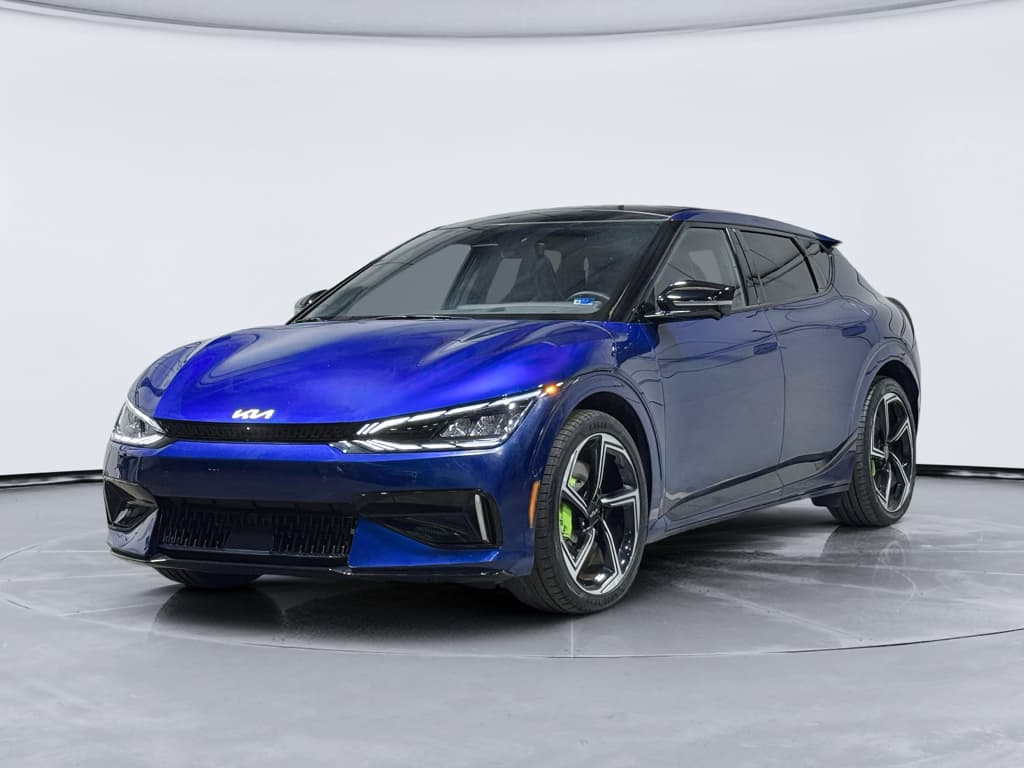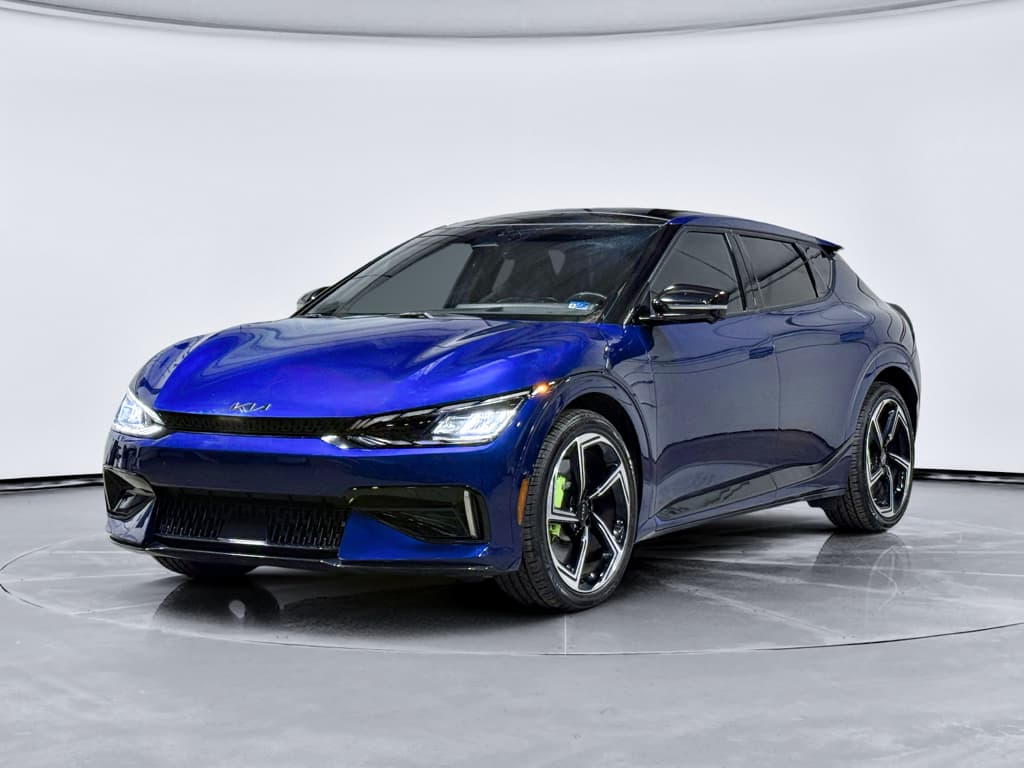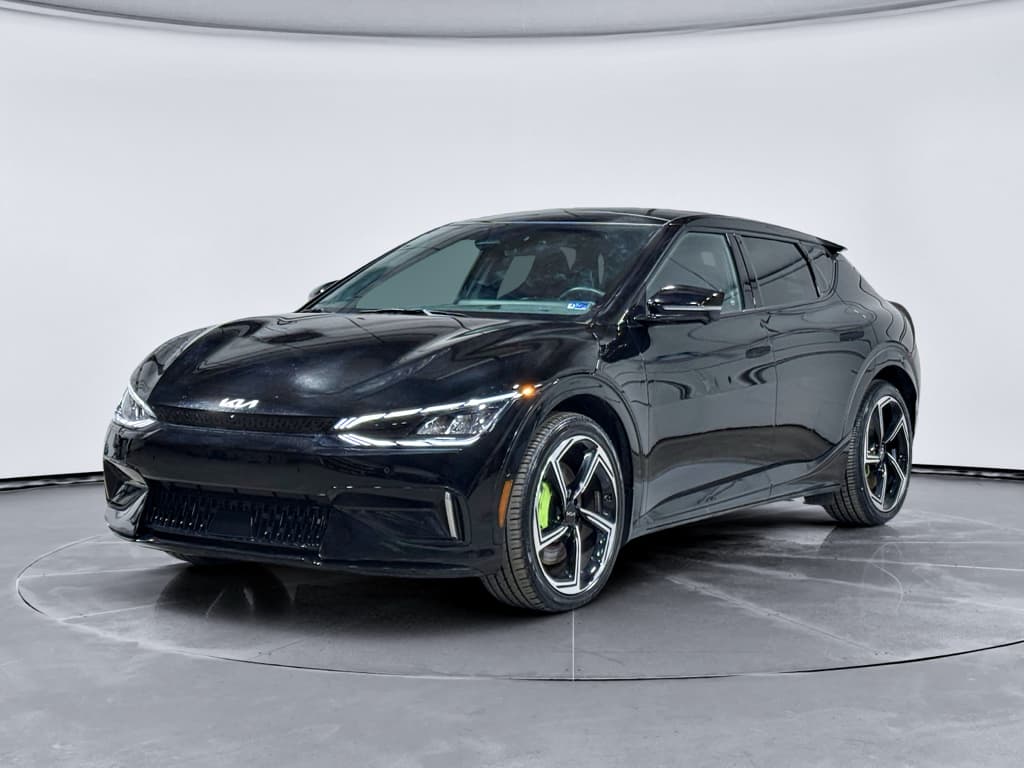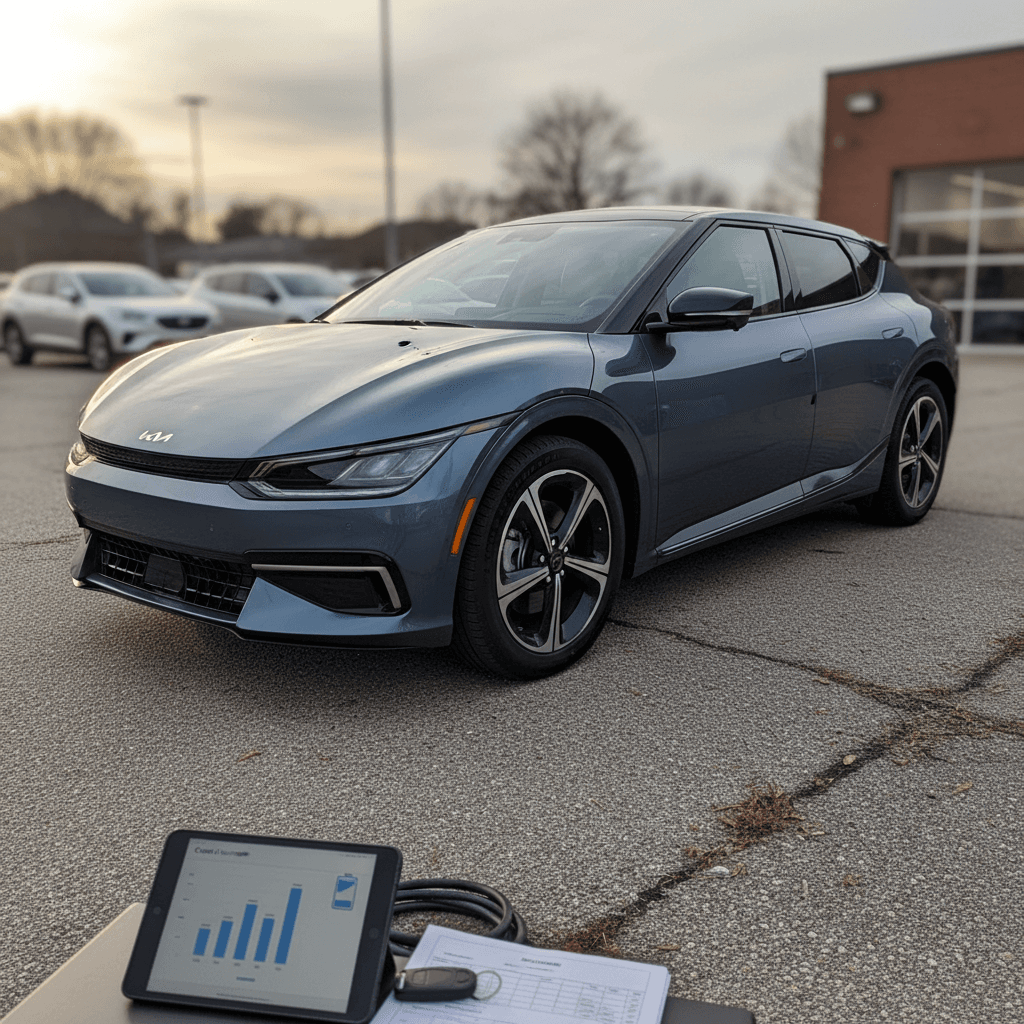
If you’re shopping for a used EV in 2024 or 2025, the Kia EV6 is the car that keeps popping up in your search results, winking at you from every listing: long range, wild concept‑car looks, and discounts big enough to make early buyers weep. This 2024 Kia EV6 review is written specifically for used‑car shoppers: how it drives, how it charges, what actually goes wrong, and whether this fashion‑forward crossover is a smart long‑term bet.
Who this review is for
Overview: 2024 Kia EV6 as a used buy
Kia EV6 at a glance (used‑buyer edition)
The used EV6 is an exercise in contrasts. On one side: spectacular looks, standout charging tech and a cabin that still feels like the future. On the other: early‑production gremlins, uneven dealer support, and depreciation that can turn a $55,000 crossover into a mid‑$20,000 used buy in just a few years. If you’re the second owner, that mix is mostly good news, as long as you know what to look for and insist on proper documentation.
Quick verdict for used shoppers
Range and charging: the used EV6’s ace card
Start with the good news: the EV6’s combination of real‑world range and blistering DC fast‑charging is exactly why it’s such a strong used buy. Most 2022–2024 EV6s in the U.S. use a 77.4 kWh battery pack. Single‑motor rear‑drive versions are rated up to about 310 miles of EPA range, with dual‑motor all‑wheel‑drive examples typically landing in the 270–282 mile neighborhood when new. In Recharged’s own testing, the 2024 EV6 hits its EPA numbers when driven reasonably, and even aggressive highway speeds don’t crater range the way they do in boxier SUVs.
- Rear‑wheel‑drive Long Range: roughly 300–310 miles when new; a healthy used pack might realistically deliver 260–280 miles on the highway today.
- All‑wheel‑drive Wind/GT-Line: plan on roughly 230–260 real‑world miles depending on wheel size, climate and speed.
- Fire‑breathing EV6 GT: think more like 200–220 real‑world miles if you drive it as intended.
Battery degradation so far
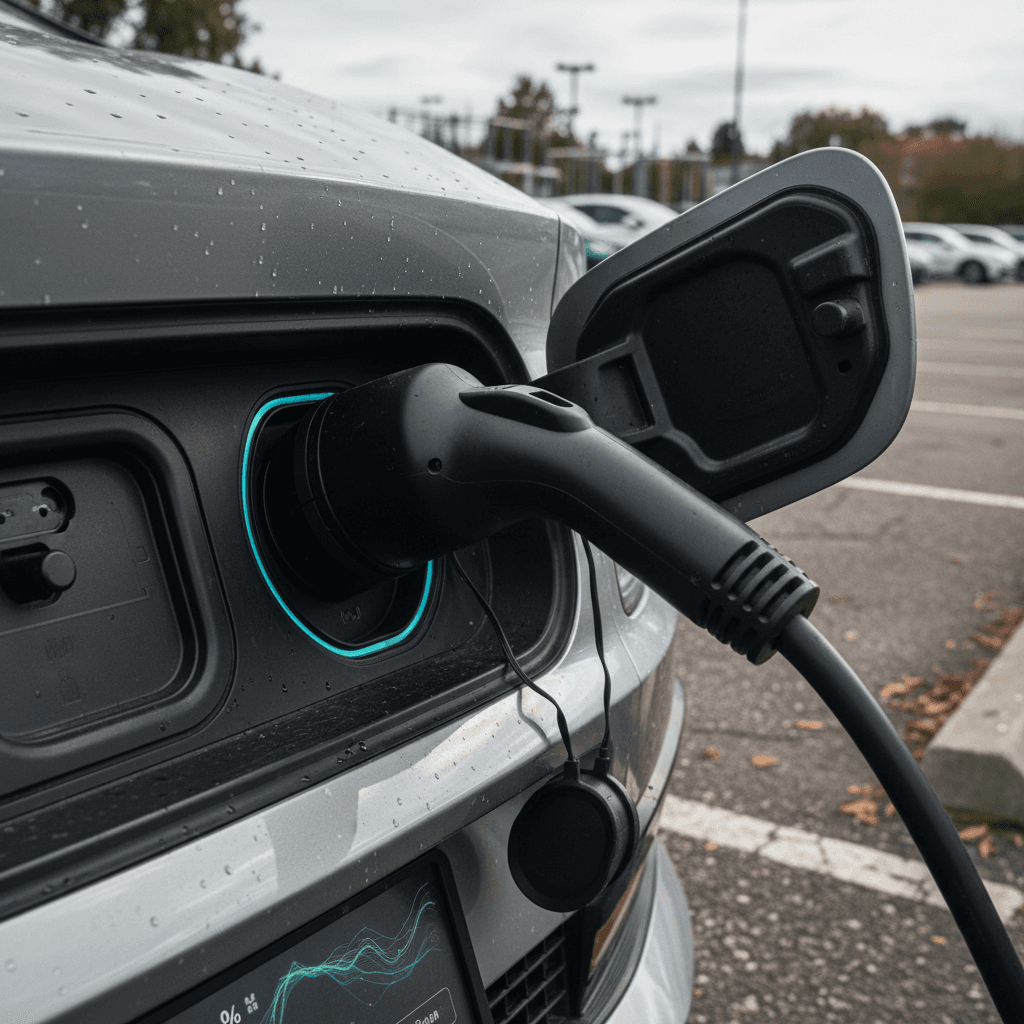
Where the EV6 really embarrasses rivals is at the plug. Thanks to its 800‑volt architecture, the car can peak around 230–240 kW on compatible DC fast chargers and, under ideal conditions, jump from 10% to 80% charge in about 18 minutes. In human terms: a restroom break, a snack, and you’re back on the road. Even as a used buy, that capability doesn’t age; it’s baked into the hardware.
Charging reality check for used EV6 shoppers
Verify DC fast‑charging history
Heavy DC fast‑charging isn’t automatically bad, but a car that lived on 350 kW chargers from day one deserves a closer look at battery health and thermal performance.
Test a fast‑charge session before you buy
If possible, plug the car into a DC fast charger and watch how quickly it ramps up. An EV6 that stubbornly stays at low power may have unresolved software or hardware issues.
Ask about 12V battery replacement
Early EV6s had above‑average 12V battery complaints, which can cause charging and start‑up weirdness. A documented replacement with a quality battery is a nice bonus.
Check home Level 2 setup
If you’re buying private‑party, ask how the seller charged at home. Properly installed Level 2 on a dedicated 240V circuit is what you want to hear, not an extension cord saga.
Cold‑weather range
Performance, ride and comfort
Kia didn’t set out to build a soft, anonymous appliance. Even in the more sensible trims, the EV6 has a sport‑wagon vibe, a little lower, a little firmer, a little more interested in your favorite on‑ramp than a typical compact SUV. Dual‑motor AWD cars hit 60 mph in the mid‑4‑second range. The GT is a different animal entirely: 576 hp, launch‑control violent, a car that treats highway on‑ramps like time‑trial stages.
What you’ll like
- Confident acceleration: Even the base rear‑drive car feels punchy, with instant torque that makes city driving effortless.
- Stable at speed: The long wheelbase and planted stance make the EV6 a relaxed highway cruiser, especially on 19‑inch wheels.
- Low cabin noise: Wind and road noise are well controlled for the class, especially compared with some early‑generation EVs.
What may annoy you
- Firm ride on big wheels: GT‑Line and GT trims with 20–21‑inch wheels can feel busy and crashy over broken pavement.
- Steering feel: Accurate but a bit video‑game artificial; drivers coming from BMW or Mazda might want more nuance.
- Brake blending: The handoff between regen and friction brakes is mostly good, but not entirely invisible at low speeds.
Commuter sweet spot
Interior, tech and practicality for daily life
Inside, the EV6 still looks like it rolled in from 2030. Twin curved 12.3‑inch screens, a tidy steering wheel, and a sweeping dashboard make even three‑year‑old examples feel current. Materials are solid for the segment: more interesting than a Model Y, not quite Audi level, but a pleasant place to spend time. The front seats are comfortable and supportive; the rear seats have excellent legroom, though the sloping roofline trims a bit of headroom for very tall passengers.
Practical pros and cons of a used EV6
What you’ll notice once the honeymoon is over
Spacious cabin
Thanks to the long wheelbase, rear passengers enjoy generous legroom. The flat floor makes the middle seat more usable than in many crossovers.
Good, not huge cargo
Cargo space is competitive but not class‑leading. The sloping hatch looks great but cuts into vertical space; dog crates and bulky strollers may be a tight fit.
Modern tech, mild quirks
Infotainment is quick and clear, with solid smartphone integration. The touch bar that toggles between climate and media controls takes a week to love, or hate.
Touch‑sensitive controls
Used EV6 reliability and common issues
Here’s where you need to take your enthusiast hat off and put your used‑car‑buyer hat on. The EV6 is not a disaster, but the early years haven’t been Toyota‑Camry‑boring either. Independent surveys and owner reports put the 2022–2023 EV6 somewhere in the middle of the pack for reliability: better than some first‑gen EV experiments, not as trouble‑free as the best hybrids.
Most common used Kia EV6 issues (2022–2024)
Not every EV6 will have these problems, but these are the ones to ask about before you buy.
| Issue | Model years mostly affected | What it looks/feels like | What to check |
|---|---|---|---|
| 12V battery failures | 2022–early 2023 | Random warning lights, charging interruptions, car refusing to "start" | Ask if the 12V battery has been replaced and if so, with what. A newer AGM battery is a plus. |
| ICCU (Integrated Charging Control Unit) faults | 2022–2023 | Sudden loss of DC fast‑charging, or car refusing to charge at all | Confirm any ICCU‑related recalls have been performed; ask for invoices or service records. |
| HVAC quirks and rattles | 2022–2024 | Rattling vents, inconsistent cabin temperature, noisy blower | Test the climate system thoroughly on the drive; listen for dash rattles over rough roads. |
| Software/charging bugs | 2022–2024 | Inconsistent charge rates, random infotainment freezes, odd warning messages | Verify all software updates are current. A dealer or specialist can confirm with a scan tool. |
Always verify that recall and service work has been completed, don’t just take a seller’s word for it.
Do not skip recall checks
The EV6’s long‑term story isn’t written yet, but early degradation looks modest and most issues trace back to support systems, 12V batteries, ICCU modules, software, rather than the main high‑voltage pack.
Depreciation and used pricing: where the EV6 gets interesting
If you bought a new EV6 in 2022, you have our sympathies. If you’re buying one used in 2026, you have our congratulations. Between aggressive new‑EV discounts, rapid EV inventory build‑up and shifting incentives, the EV6 has taken a steep early depreciation hit, which is painful for first owners and pure opportunity for you.
How the EV6’s value curve helps used buyers
Approximate patterns, exact prices depend on trim, mileage and condition
Big drop in years 1–3
Market data and KBB‑style charts suggest a 2022 EV6 can lose on the order of $20,000–$25,000 off MSRP in its first three years. That’s roughly half the original sticker price, sometimes more for heavily optioned trims.
Slower losses after that
Once the big early hit is baked in, depreciation tends to level off. That’s why 3–4‑year‑old EV6s strike such a compelling balance between price and remaining battery warranty.
Warranty math that favors you
Which EV6 trim should you buy used?
As a used buyer, you’re not shopping from a brochure; you’re shopping from whatever the leasing gods and early adopters have turned in. Still, some patterns are clear. The lineup broadly splits into sensible long‑range trims and the wild‑child GT. Here’s how they shake out for used shoppers.
Used EV6 trims: what they’re like to live with
Highlights for the trims you’re most likely to see on the used market.
| Trim (typical) | Drivetrain | Character | Best for |
|---|---|---|---|
| Light / Light Long Range | RWD | The value play. Simpler spec, strong range, still quick enough. | Budget‑conscious shoppers who prioritize range and don’t need AWD. |
| Wind (RWD or AWD) | RWD or AWD | The Goldilocks trim: well‑equipped, comfortable, efficient. | Daily drivers who want a balance of comfort, features and price. |
| GT‑Line (RWD or AWD) | RWD or AWD | Sportier styling, more toys, often larger wheels and firmer ride. | Style‑driven buyers who like a sharper look and extra tech. |
| EV6 GT | AWD only | Full lunacy: super‑car thrust, track toys, reduced range. | Enthusiasts who know what they’re getting into and don’t road‑trip often. |
Exact trim names and equipment vary by year, always verify features on the specific car you’re considering.
Sweet‑spot recommendations
Used EV6 vs rivals
You’re not shopping the EV6 in a vacuum. On the used lot, physical or digital, it’s staring down some very competent competition: Tesla Model Y, Hyundai Ioniq 5, Ford Mustang Mach‑E, VW ID.4 and a growing cast of Chinese and legacy‑brand crossovers. So where does the EV6 actually land?
Vs Tesla Model Y
- EV6 wins: Ride quality, interior design flair, dealer support for those who prefer it, often lower used prices for similar range.
- Model Y wins: Supercharger access, software polish, cargo space and established charging ecosystem.
Vs Hyundai Ioniq 5
- EV6 wins: Sharper handling, slightly sportier feel, more dramatic styling.
- Ioniq 5 wins: Airier cabin, more upright seating, friendlier for tall rear passengers and families with bulky gear.
Vs Ford Mustang Mach‑E / VW ID.4
- EV6 wins: Faster DC charging, more range at similar price points, more futuristic interior.
- Rivals win: Sometimes better dealer coverage or incentives region‑to‑region, more conventional SUV shape (ID.4) for cargo.
The EV6’s unique value proposition
How to shop smart for a used EV6
With any used EV, the spec sheet is only half the story. The other half is how the previous owner treated the car, how the dealer handled recalls and software, and what the battery looks like today, not when it rolled off a Korean assembly line. Here’s a focused checklist for EV6 shoppers.
Used Kia EV6 buying checklist
1. Prioritize 2023–2024 if your budget allows
Later build years tend to have more bugs ironed out and may benefit from updated parts and software. 2022s can be fine, but require more careful vetting of recall and repair history.
2. Get a battery health report
A snapshot of usable battery capacity and cell balance is worth its weight in electrons. Recharged’s <strong>Score Report</strong> includes battery diagnostics so you’re not guessing about degradation.
3. Verify all recalls and campaigns
Ask for a printout from a Kia dealer or specialist showing completed recalls, especially anything involving the ICCU, high‑voltage system or charging software.
4. Inspect tires, brakes and suspension
Dual‑motor and GT trims are hard on tires, and heavy EVs eat through brake pads differently than gas cars. Worn, mismatched tires are a red flag about prior maintenance.
5. Test multiple charging scenarios
On a test drive, plug into Level 2 and, if possible, a DC fast charger. Watch for error messages, unusually slow charge rates or fans running wildly after short drives.
6. Factor in home charging
If you don’t have Level 2 at home yet, price out installation before you buy. Recharged’s EV specialists can walk you through what you’ll need and typical costs in your area.
How Recharged fits in
Ready to find your next EV?
Browse VehiclesFAQ: buying a used Kia EV6
Frequently asked questions about used Kia EV6 models
Bottom line: should you buy a used Kia EV6?
The used Kia EV6 is proof that time can be kinder to the second owner than the first. As a new car, it was a pricey, slightly risky fashion statement. As a used car, it’s a deeply capable long‑range EV with best‑in‑class charging, standout design, and a price tag that finally matches the realities of a fast‑moving EV market. You do need to be choosy, about build year, about service history, about battery health, but that’s true of any modern electric.
If you value quick road‑trip charging, want something that doesn’t look like every other crossover in the Costco parking lot, and you’re willing to let someone else pay for the steepest part of the depreciation curve, a well‑vetted used EV6 belongs at the top of your list. And if you’d rather have experts sweat the details, Recharged can help you find an EV6 with a verified battery, fair price, and a clean bill of health, so you can enjoy the future without inheriting someone else’s experiments.