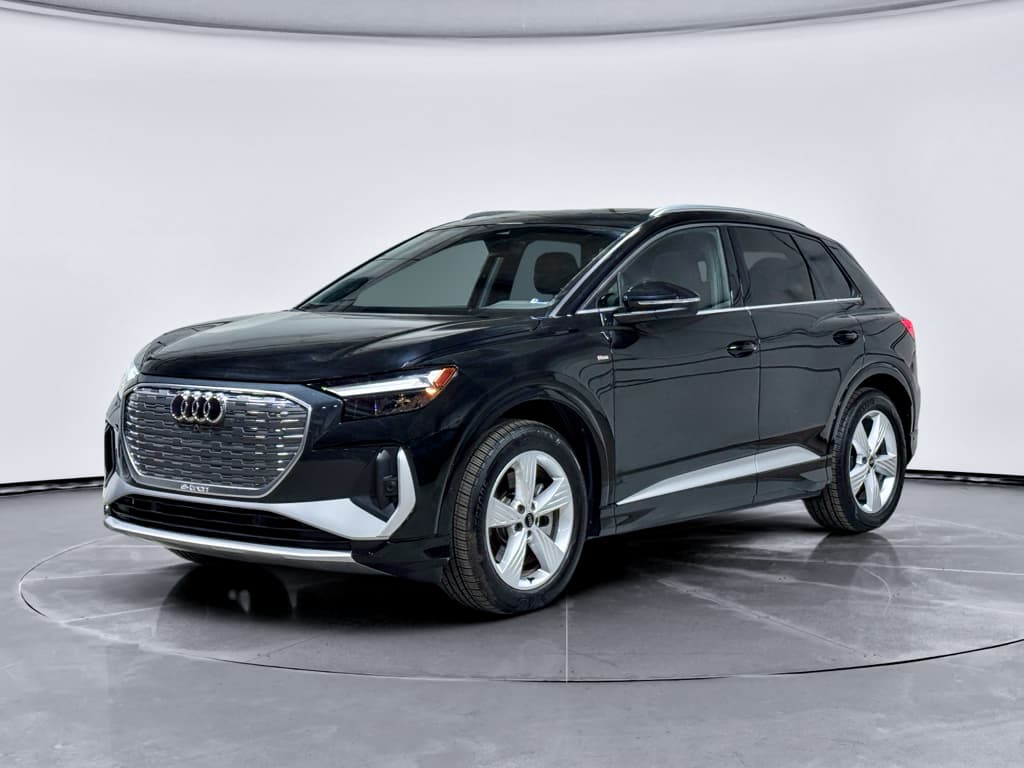
If you’re looking at an Audi e-tron GT, you already know it’s not a sensible-shoes kind of EV. It’s a 469-hp electric grand tourer with Porsche Taycan bones. Naturally, the insurance bill is going to dress to match. The question is: how much does Audi e-tron GT insurance cost in 2026, and when does that number stop making sense?
Spoiler: it’s one of the most expensive EVs to insure
How much does Audi e-tron GT insurance cost in 2026?
Audi e-tron GT insurance at a glance
Most recent nationwide data pegs average Audi e-tron GT insurance cost at about $5,528 per year, or around $461 per month, for full coverage (100/300/100 liability with a $500 deductible) on a middle‑aged driver with a clean record. That’s not a quote; it’s a benchmark. Real-world quotes can easily come in between roughly $4,000 and $7,000 per year depending on your state, driving history, mileage, and credit tier.
Don’t compare it to a Civic. Compare it to a Taycan.
If that $5,000‑plus number feels steep, you’re not wrong. Recent analyses of EV insurance show that electric vehicles now cost well above gas cars to insure on average, and top-shelf models like the e-tron GT sit at the sharp end of that trend. Still, the monthly hit is only one piece of the total ownership story; fuel and maintenance on an EV can be dramatically lower than a comparable gas performance sedan.
Why the Audi e-tron GT is so expensive to insure
What’s hiding inside your premium
Insurers are pricing the repair shop, not just the sheet metal.
1. Exotic electronics
2. Repair complexity
3. High-value collision risk
4. Performance profile
5. EV parts ecosystem
6. Legal & medical costs
Luxury EVs are an actuarial headache. The Audi e-tron GT has Porsche-level hardware, Audi interior craftsmanship and a curb weight north of two and a half tons. It is fast enough to embarrass supercars and complicated enough to make collision shops sweat. From an insurer’s perspective, that’s a perfect storm: more severe losses when crashes happen, fewer shops that can fix the car, and longer repair times.
EVs are cheaper to “feed,” but pricier to fix
Insurance cost breakdown vs other EVs and other Audis
How e-tron GT insurance compares
Approximate average annual full-coverage premiums based on recent nationwide data. Your own quotes may differ significantly.
| Vehicle | Type | Approx. annual premium | How it compares |
|---|---|---|---|
| Audi e-tron GT | Luxury EV sedan | $5,528 | Baseline car for this guide |
| Porsche Taycan | Luxury EV sedan | $5,000–$5,100 | Similar architecture, similarly high premiums |
| Tesla Model S | Luxury EV sedan | Around $5,000+ | Also among the most expensive EVs to insure |
| Audi Q4 e-tron | Compact luxury EV SUV | $2,700 | Roughly half the e-tron GT’s cost |
| Average Audi (all models) | Mixed lineup | $3,449 | About $2,000 less per year than e-tron GT |
| U.S. all-vehicle average | All makes & models | Low-to-mid $2,000s | e-tron GT can be ~2x the national average |
The e-tron GT sits at the high end of both the EV market and the Audi lineup for insurance costs.
Within the Audi family, the e-tron GT is an outlier. A typical Audi driver pays around $3,449 per year for full coverage, while the e-tron GT owner is staring down more than $5,500 on average. Even Audi’s big S and RS sedans, no strangers to scary bills, tend to come in lower than the e-tron GT on insurance.
Good news if you’re cross-shopping
Audi e-tron GT insurance costs by state
Insurance pricing in the U.S. is aggressively local. A clean‑record driver in Iowa might insure an e-tron GT for close to half what a similar driver pays in Louisiana or Michigan. Recent model‑specific data for the e-tron GT shows huge spreads depending on where you live.
Sample Audi e-tron GT insurance rates by state
Approximate annual premiums for a good driver with full coverage. These are illustrative, not quotes.
| State | Good driver | Comment |
|---|---|---|
| Hawaii | $2,273 | One of the lowest-cost states overall for this model |
| Iowa | $3,363 | Relatively low premiums, even for a luxury EV |
| Maine | $3,140 | Lower traffic density and claims frequency help |
| California | $5,938 | High repair costs and dense traffic keep rates elevated |
| Florida | $6,979 | Weather, fraud and claim severity drive premiums up |
| Connecticut | $7,080 | High-cost region plus expensive vehicle |
| Louisiana | $8,303 | Among the most expensive states for this car |
| Michigan | $9,833 | No-fault system and historically high premiums |
Rates can more than triple between the cheapest and most expensive states.
Why your neighbor’s quote might be useless
Eight factors that can change your e-tron GT rate
- Driving record: Any at‑fault accident, DUI, or even a couple of speeding tickets can rocket a luxury EV’s premium into another tax bracket.
- Location: High‑density urban ZIP codes, coastal states with storm risk, or no‑fault states tend to punish expensive cars hardest.
- Credit tier (in most states): Insurers heavily weight credit-based insurance scores; mediocre credit plus a six‑figure EV is a pricey combo.
- Annual mileage: A low‑mileage garage queen is cheaper to insure than a 20,000‑mile‑per‑year commuter missile.
- Coverage levels: Full coverage with high liability limits and low deductibles, as you should probably carry on a car like this, costs far more than bare‑bones coverage.
- Vehicle usage: Pleasure use with limited commuting usually prices better than business or rideshare use.
- Safety and anti‑theft features: Factory driver-assist systems help, but some insurers offer extra discounts for tracking devices, garage parking, or dash cams.
- Age and household profile: Younger drivers, multiple high‑performance cars, or teen drivers on the policy will all push rates up.
You can’t change the car, but you can change the profile
Nine ways to lower Audi e-tron GT insurance costs
You’re not going to turn an e-tron GT into a budget hatchback on the insurance grid, but you can sand off some of the sharp edges. Think of this as chassis tuning for your premium.
Practical strategies to trim your premium
1. Shop multiple insurers the same day
Pricing on a niche EV like the e-tron GT varies wildly by carrier. Get at least three to five quotes using identical coverages and deductibles so you’re comparing apples to apples.
2. Adjust deductibles, carefully
Bumping a $500 comprehensive and collision deductible to $1,000 can shave noticeable dollars off the premium. Just make sure you have that extra $500 liquid if you need it.
3. Ask about EV and telematics discounts
Some insurers now offer specific EV discounts or usage‑based programs that reward gentle driving and low mileage. On a high‑rated car, even modest percentage discounts are meaningful in dollars.
4. Bundle home and auto
If you’re a homeowner, bundling your e-tron GT with a home or renters policy can unlock 10–20% savings with many carriers, again, material money at this price point.
5. Reevaluate coverage on other cars
If you have multiple vehicles, you may be over-insuring the older, boring one. Optimizing the whole household mix can offset some of the e-tron GT’s cost.
6. Park smarter
Gated or garage parking, security cameras, alarm systems and simple things like not street-parking overnight in high‑theft areas can reduce comprehensive and theft risk, and sometimes trigger discounts.
7. Limit who’s listed as a driver
Keep high‑risk or very young drivers off the policy for the e-tron GT when possible, or limit them to a cheaper, slower car in the driveway.
8. Keep your record spotless
On a mainstream crossover, a speeding ticket hurts. On a six‑figure EV, it stings. Defensive‑driving courses and a conservative right foot pay real dividends.
9. Consider slightly lower annual mileage
If you also own a commuter or family hauler, keeping annual miles lower on the e-tron GT can move it into a cheaper rating tier with many insurers.
Insuring a used Audi e-tron GT: what’s different?
On paper, a used Audi e-tron GT should be easier to insure. The market value is lower than a brand-new one, which trims the insurer’s worst‑case payout. In practice, the discount on a three‑ or four‑year‑old e-tron GT’s premium is often modest, because the hardware is still just as exotic and the repair ecosystem is still learning the car.
New e-tron GT
- Highest replacement value, more expensive total loss claims.
- Latest safety tech, can help with some discounts.
- More financing, lenders may require lower deductibles and higher coverage limits.
Used e-tron GT
- Lower vehicle value, potential reduction in comprehensive/collision premiums.
- Similar repair complexity, labor and parts costs are still high.
- More variability, prior accidents or mods can push rates back up.
Battery health quietly matters to insurers
If you’re shopping used, this is where a platform like Recharged can tilt the table in your favor. Every EV sold through Recharged comes with a Recharged Score battery health report, verified odometer and transparent accident history. When you can document that the car hasn’t been crashed, hacked or fast‑charged into oblivion, you’re in a stronger position with both lenders and insurers.
Pre-purchase insurance checklist for e-tron GT shoppers
Run these checks before you sign
1. Get VIN-specific quotes
Ask for quotes using the exact VIN of the e-tron GT you’re considering. Prior accidents, theft history or modifications tied to that VIN can change the price.
2. Match coverages to reality
On a six‑figure EV, state‑minimum liability is a fantasy world. Price 100/300/100 liability and realistic deductibles so you know the *real* monthly number.
3. Compare lenders’ insurance requirements
If you’re financing, lenders may insist on lower deductibles or gap coverage, which affects the premium. Build that into your budget from the start.
4. Ask about OEM parts and EV-certified shops
Some policies default to aftermarket or non‑certified repair shops. With an e-tron GT, you’ll usually want OEM parts and a certified collision center, confirm how your insurer handles that.
5. Check usage restrictions
Make sure your planned use, daily commuting, occasional track days, road‑trip duty, isn’t bumping you into a commercial or specialty category with surprise costs.
6. Re‑run quotes if you move states
If a relocation is on the horizon, get sample quotes in the new ZIP. Moving from, say, Iowa to Florida can change the insurance math on an e-tron GT overnight.
Audi e-tron GT insurance cost: FAQ
Common questions about Audi e-tron GT insurance
Key takeaways: when the e-tron GT insurance bill makes sense
The Audi e-tron GT is one of those cars where the insurance quote can feel like its own luxury item. With average full-coverage costs north of $5,500 per year, it’s not a decision you bury in the fine print. But for the right driver, someone who values near‑silent, warp‑speed grand touring as much as they value a clean design and a four‑ring badge, the premium can be a tolerable line item in a larger electric‑performance indulgence.
If you’re shopping new, build the true monthly number, payment, insurance, taxes, charging, before you fall in love with the paint code. If you’re hunting a used e-tron GT, lean on transparent history and battery diagnostics to protect both your investment and your ability to insure it on sane terms. And if you want a second set of eyes, Recharged can help you compare not just prices, but total cost of ownership across used EVs so your dream car doesn’t turn into a surprise line item in your household budget.