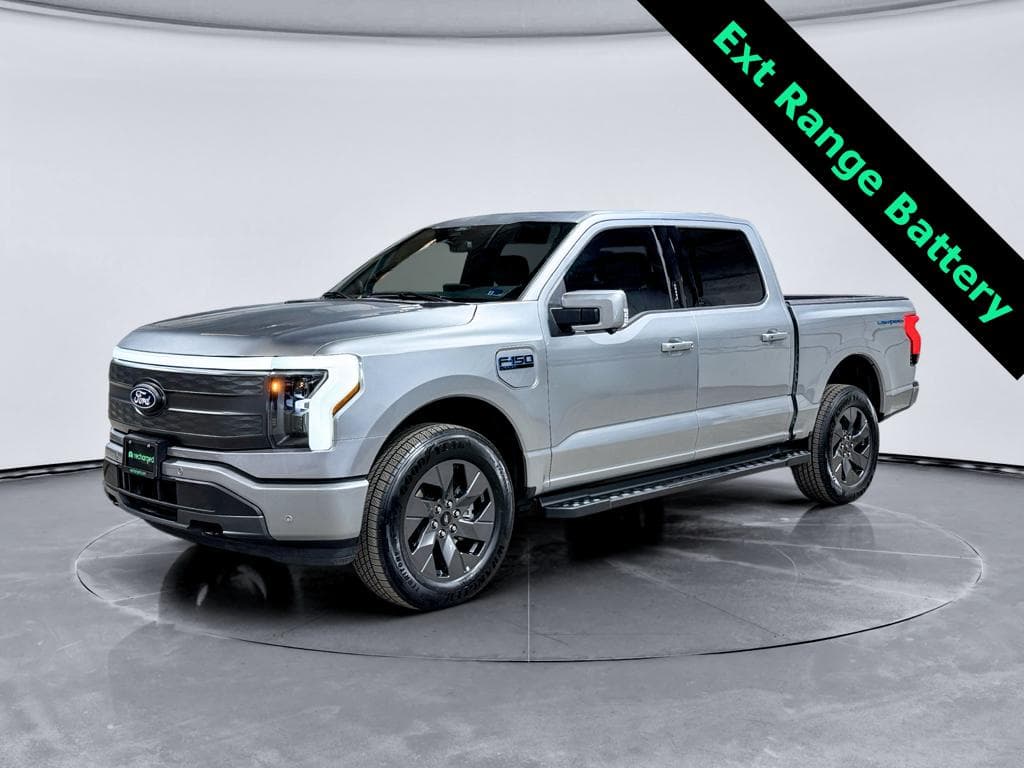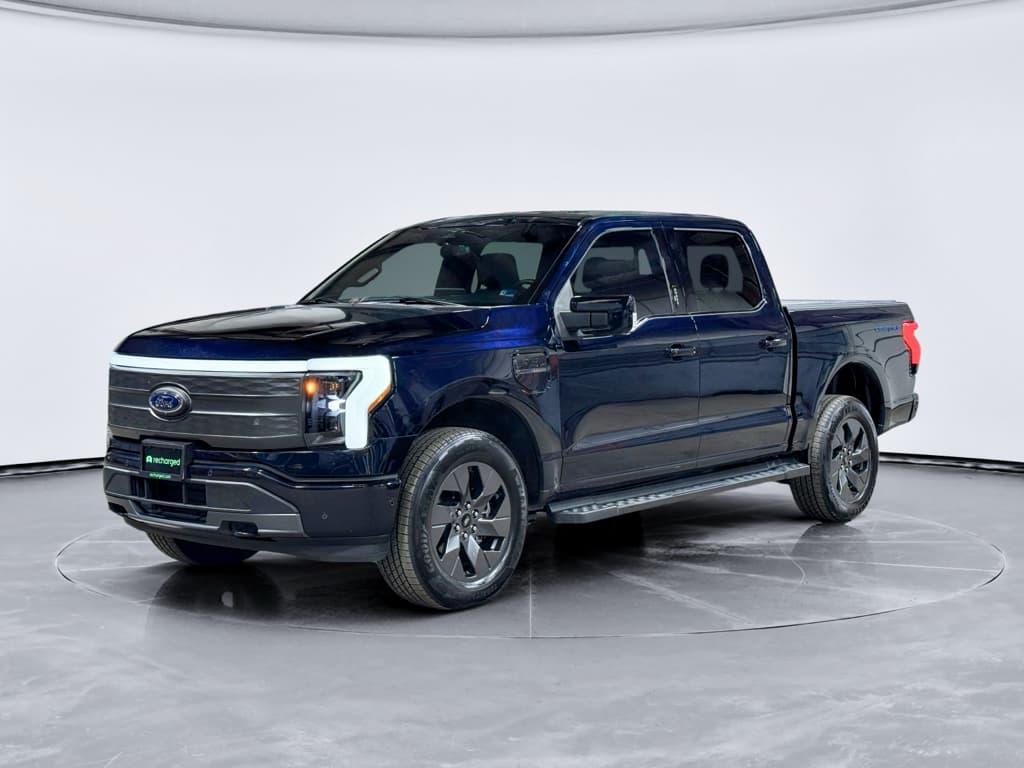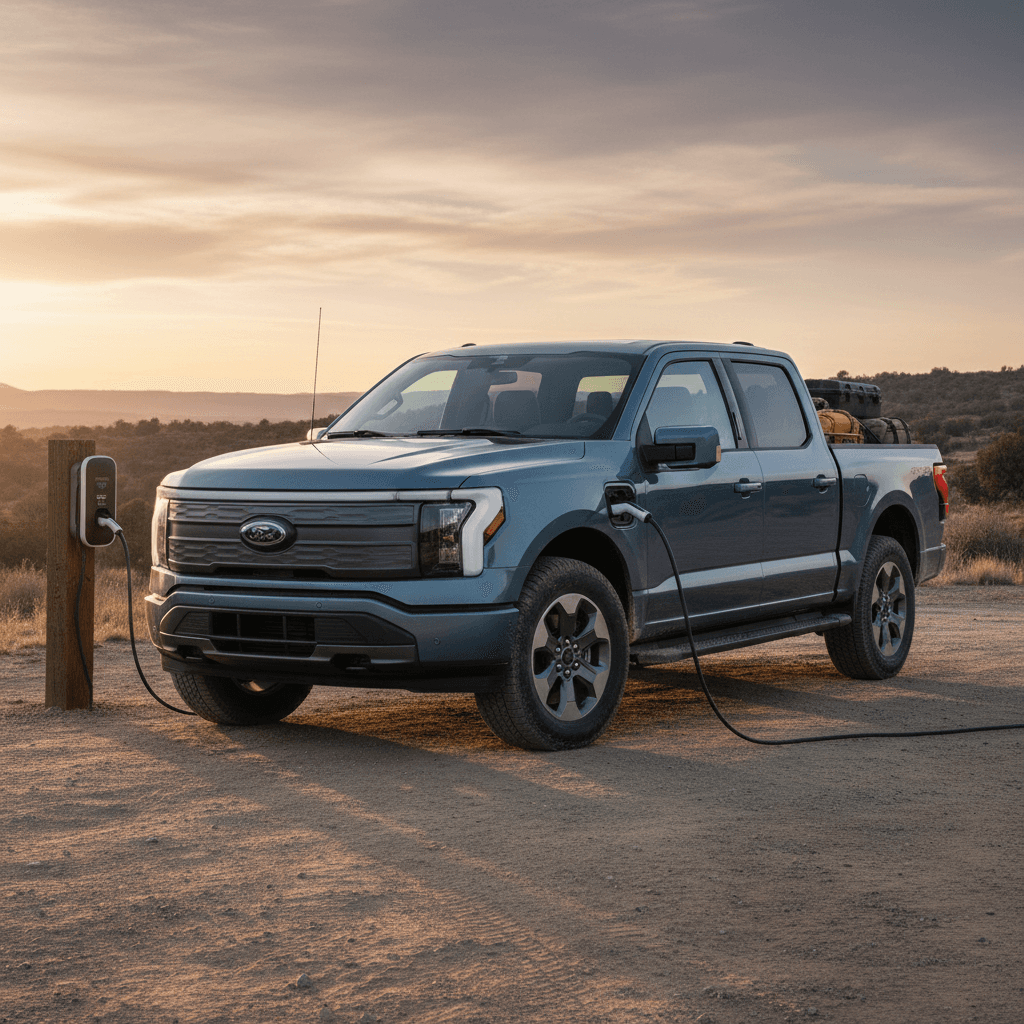
The 2024 Ford F-150 Lightning is still the most normal-feeling electric truck you can buy: it looks like an F-150, drives like an F-150, and plugs in like an EV. But between price swings, a new Flash trim, and more serious competition from Rivian, Tesla and GM, deciding if the 2024 Lightning is right for you, and whether you should buy new or used, takes a clear-eyed look at the details.
Context for 2024 shoppers
2024 Ford F-150 Lightning at a glance
Key 2024 F-150 Lightning numbers
On paper, the 2024 F-150 Lightning remains compelling: up to 320 miles of EPA range, serious towing and payload capability for a half-ton, a huge front trunk, and the ability to power your home during an outage when paired with the right hardware. For many buyers, though, the real story is how the latest trucks differ from the 2022–2023 models now showing up in volume on the used market.
2024 F-150 Lightning trims, batteries and pricing
For 2024, the F-150 Lightning lineup centers on dual-motor, all-wheel-drive trucks with two battery choices. Ford has shuffled trims a few times, but today you’ll primarily see Pro (mostly fleet), XLT, the new Flash value trim, Lariat, and Platinum. Street pricing moves often, but Ford’s own adjustments in 2024 carved thousands off certain trims, especially the Flash.
2024 F-150 Lightning trims, batteries and headline specs
Approximate starting MSRPs including destination for 2024 model year, plus battery and range highlights. Always confirm current pricing, Ford has revised Lightning pricing multiple times.
| Trim | Approx. starting MSRP (2024) | Battery | EPA-estimated range | Notable highlights |
|---|---|---|---|---|
| Pro | ≈$57,000 | Standard range | ~230 mi | Work-focused cabin, vinyl seats, fewer comfort features; often seen in fleets. |
| XLT | ≈$65,000 | Standard range | ~230–240 mi | More creature comforts, cloth seats, some appearance upgrades; extended-range largely gone for 2024. |
| Flash | ≈$70,000 | Extended range | Up to ~320 mi | New for 2024; bundles extended-range battery, popular tech and driver aids at a lower price. |
| Lariat | ≈$79,000 | Extended range | Up to ~320 mi | Leather, premium audio, more luxury and convenience; extended-range only. |
| Platinum | ≈$87,000 | Extended range | ~300 mi | Top-trim with 22-inch wheels and all the toys; range drops slightly due to weight and tires. |
Think of Flash as the 2024 "sweet spot" trim: extended-range battery and core tech without the luxury price tag.
Why the Flash trim matters
One under‑the‑skin change that doesn’t show up on window stickers is a vapor‑injection heat pump system. On 2024 trucks, this replaces the more basic thermal management of early Lightnings, helping the battery stay in its sweet spot in hot and cold weather. That’s good news for winter range and long‑term battery health, two things used buyers should care about as much as new‑truck shoppers.
Real-world range and efficiency
EPA numbers tell only part of the story with any electric pickup. The 2024 Lightning’s headline figures are competitive: standard‑range trucks hover around 230–240 miles of rated range, while most extended‑range trims are rated up to 320 miles, dipping to about 300 miles on the loaded Platinum. But what you actually see depends heavily on how you drive, how you load the truck, and the temperature.
What range looks like in the real world
How driving style, weather and load change your Lightning’s usable miles
Empty, mixed commuting
In mild weather at suburban speeds, many owners see close to EPA range, especially with the extended pack. Expect 2.1–2.5 mi/kWh if you’re not constantly flooring it.
Cold-weather driving
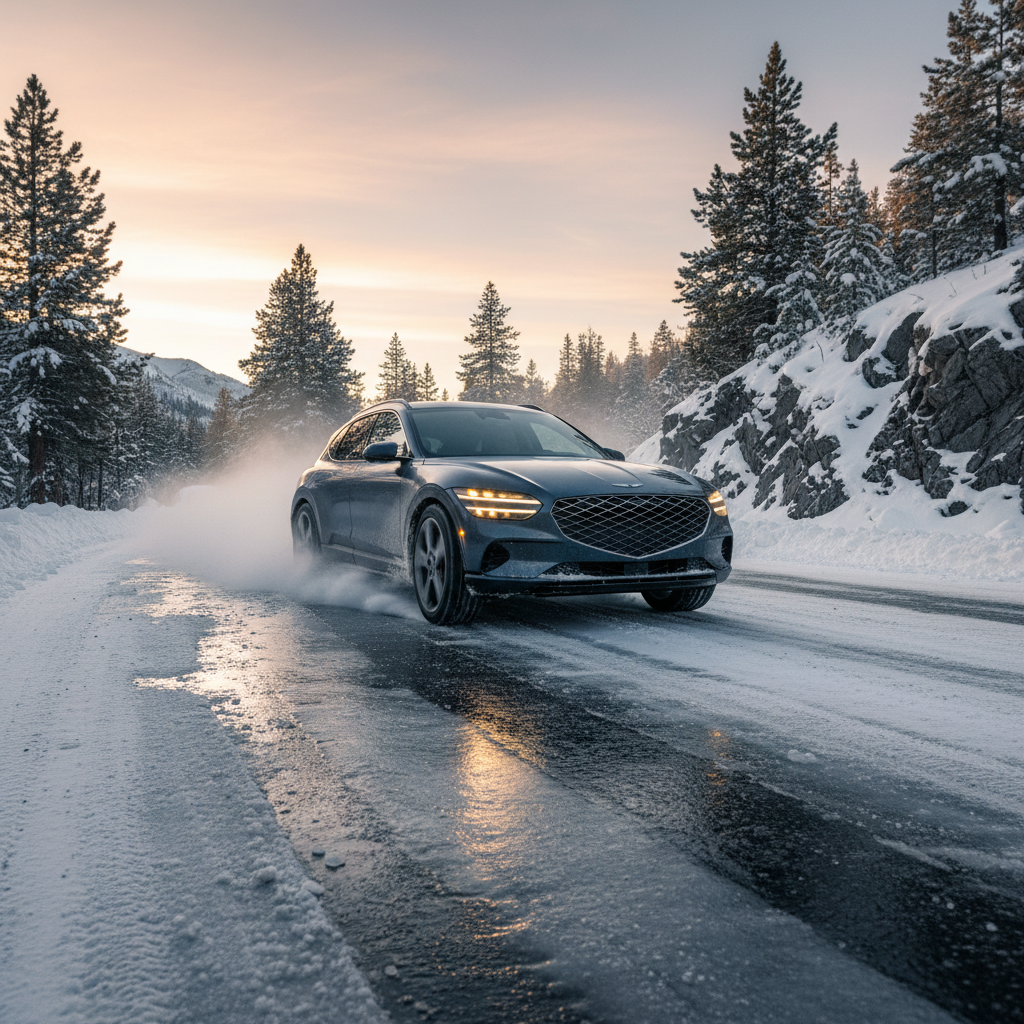
Below freezing, cabin heating and thicker air can shave 20–35% off range, even without towing. The 2024 heat pump helps, but winter planning still matters.
Highway towing
Hook up a multi‑axle trailer at 65–75 mph and range can drop by half or more. That’s true of every EV truck today, not just the Lightning.
Plan for the worst case, not the brochure
From an efficiency standpoint, the Lightning falls between an aerodynamically clean Rivian R1T and the brick‑shaped GMC Hummer EV. Expect combined MPGe in the high‑60s for extended‑range trucks in normal driving, sliding down with bigger wheels, accessories and cold weather. For used buyers, that makes battery health and tire choice especially important: degraded packs and aggressive all‑terrain tires both eat into the margin that makes road trips comfortable.
Towing, hauling and work use: what actually happens
On paper, the 2024 F-150 Lightning can tow up to 10,000 pounds when properly equipped and carry a payload north of 2,000 pounds in certain configurations. Those numbers matter less than how the truck behaves when you actually use them, and here the Lightning is both impressive and honest, if you understand the tradeoffs.
Key realities when towing or hauling with a Lightning
1. Range falls fast with serious trailers
A 6,000–8,000‑lb camper or equipment trailer at highway speeds can cut usable range by roughly half. On an extended‑range truck that might mean 140–170 practical miles between fast‑charge stops in mild conditions, and less in winter or steep terrain.
2. The truck helps you plan
Smart Hitch, On‑Board Scales, trailer backup assist and integrated trailer profiles help estimate tongue weight and range impact. For 2024, more of this tow tech is standard on XLT and above, which is a real improvement over early builds.
3. Pro Power Onboard is a game changer
You can run tools, job‑site lighting or a mobile office straight from the truck. 2024 trucks let you use Pro Power even when the truck is off, making the Lightning a genuinely useful worksite generator substitute.
4. Charging stops redefine ‘route planning’
With a big trailer, planning where you’ll stop, how you’ll maneuver, and whether stations allow pull‑through parking matters more than the raw tow rating. Apps like A Better Routeplanner can help, but it’s still more effort than with a gas F‑150.
5. Payload is strong, but mind the details
Like any half‑ton, adding options, passengers and accessories eats into payload. If you’re eyeing a Platinum on 22‑inch wheels, don’t assume it can carry as much in the bed as a lightly optioned Pro.
Where the Lightning shines for work
Charging: home, public and Ford’s ecosystem
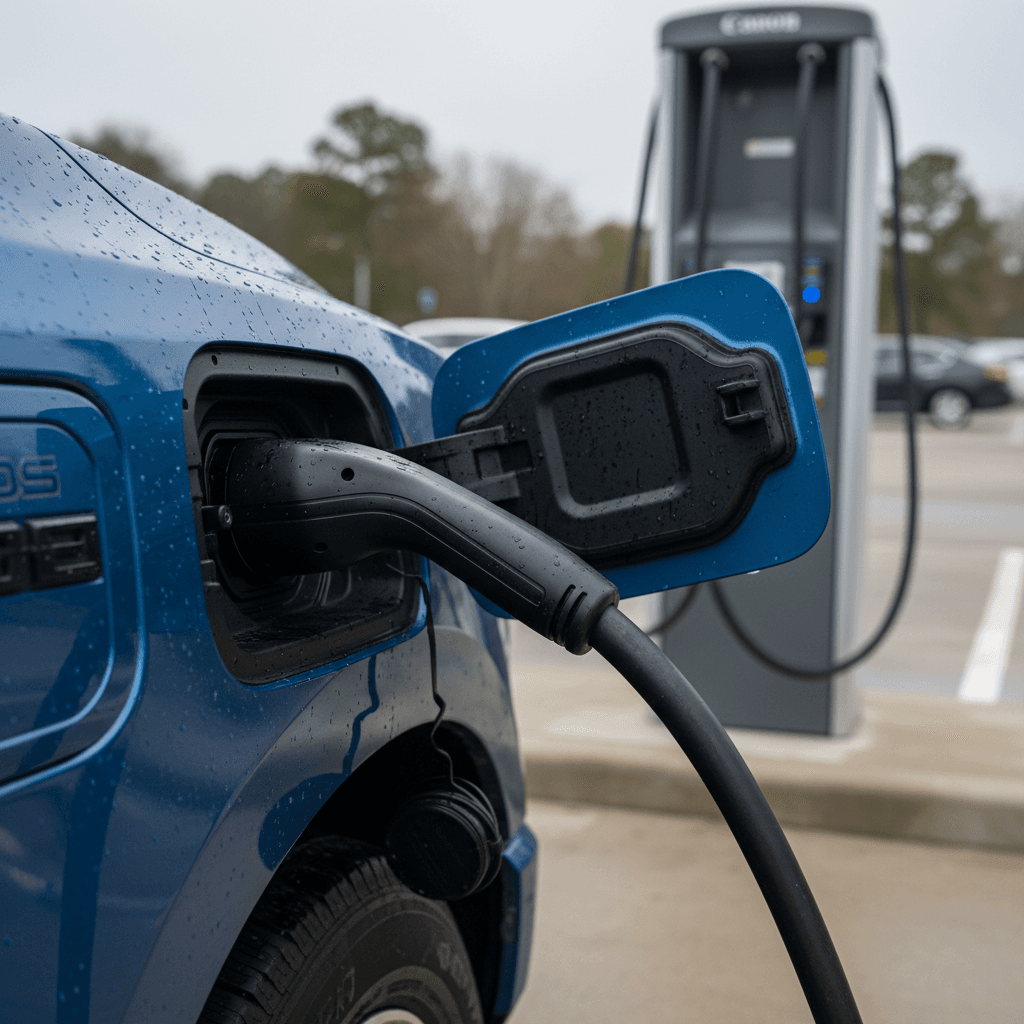
The 2024 F-150 Lightning supports up to 150 kW DC fast charging on most trims. That’s no longer segment‑leading, but it’s still enough to take an extended‑range truck from roughly 15% to 80% in about 40 minutes on a capable charger. At home, a properly installed 80‑amp Ford Charge Station Pro or similar Level 2 unit can add on the order of 25–30 miles of range per hour, easily covering a long commute overnight.
Home and depot charging
- Best case for Lightning ownership. Plugging in every night turns even a 230‑mile standard‑range truck into a perfectly adequate commuter or workhorse within its radius.
- Think in power, not just miles. A 48–80 amp Level 2 circuit is ideal. Anything less still works, but you’ll want to plug in as soon as you park.
- Backup power is real. With Ford’s Home Integration System or similar hardware, the Lightning can power your home during an outage, something rivals are only just catching up to.
Public DC fast charging
- 150 kW peak isn’t cutting‑edge anymore, but it’s enough for road trips if you’re patient and plan ahead.
- Network quality matters more than the spec sheet. A reliable 150 kW charger beats a 350 kW unit that’s offline or blocked.
- Ford’s BlueOval Charge Network aggregates access to major charging providers and is steadily integrating NACS access to Tesla Superchargers, expanding options for Lightning owners.
Plan before you sign
For used buyers, charging hardware is a hidden value lever. A pre‑owned Lightning that includes a professionally installed 240‑volt circuit at home and a wallbox can be worth far more in daily convenience than a slightly lower price on a truck that ships with only the portable cord. When you shop with Recharged, EV‑specialist advisors can walk you through home charging options and what they mean for your total cost of ownership.
Driving experience, tech and BlueCruise
Behind the wheel, the 2024 F-150 Lightning feels instantly familiar to anyone who’s driven an F-150, and shockingly quick if your frame of reference is a gas V6. Dual motors deliver between about 452 horsepower on standard‑range trucks and roughly 580 horsepower on extended‑range versions, with torque arriving instantly and silently. The result is a full‑size pickup that can embarrass sports sedans off the line while carrying a family and a week’s worth of camping gear.
Key tech and comfort highlights
Where the Lightning feels more like a high‑end gadget than a work truck
Digital cockpit
A large central touchscreen, digital instrument cluster and over‑the‑air software updates make the Lightning feel more modern than most gas F‑150s.
BlueCruise hands-free
Available BlueCruise can handle steering, acceleration and braking on pre‑mapped divided highways, with driver monitoring. It’s not autonomous, but it takes the edge off long hauls.
Connected truck features
FordPass connectivity, phone‑as‑key options, and remote power management for Pro Power Onboard turn the Lightning into part of your digital ecosystem.
The real strength of the Lightning isn’t that it’s an EV that can tow, it’s that it’s an F-150 that happens to be electric. That familiarity lowers the barrier for truck buyers who’d never consider an EV sedan or crossover.
Don’t over-trust driver assistance
How the F-150 Lightning compares to Rivian, Cybertruck and Silverado EV
By 2024, the Lightning is no longer the only electric pickup in town. Rivian’s R1T, Tesla’s Cybertruck and the emerging Chevrolet Silverado EV all attack the segment differently. The F-150 Lightning’s edge is that it doesn’t try to reinvent the pickup, something many truck buyers appreciate.
2024 electric pickup comparison snapshot
High‑level comparison of popular electric pickups as of the 2024 model year. Exact specs vary by configuration; focus on character and use‑case fit rather than single headline numbers.
| Model | Character | Max range (approx.) | Max DC charge rate | Towing focus |
|---|---|---|---|---|
| Ford F-150 Lightning | Conventional full‑size truck that happens to be electric | Up to ~320 mi | ≈150 kW | Capable but range‑constrained on long‑haul towing |
| Rivian R1T | Adventure‑oriented lifestyle truck | Up to ~400+ mi (large pack) | ≈220+ kW | Strong off‑road and towing, smaller bed and cabin |
| Tesla Cybertruck | Angular, high‑performance statement piece | Up to ~340–350 mi | >250 kW (varies by config) | Very quick, aero‑efficient, less traditional truck form factor |
| Chevy Silverado EV | Long‑range work and fleet focus | Up to ~450 mi (WT, RST est.) | ≈350 kW (Ultium) | Best suited to long corridor driving with DC fast‑charge access |
The Lightning wins on familiarity and ecosystem, Rivian on adventure, Tesla on headline performance, and GM on long‑range work duty.
Think use-case, not just specs
Ownership costs, battery health and the used Lightning market
By 2026, a growing number of early F-150 Lightnings have entered the used market as 2022–2023 leases end and some early adopters trade up. That’s where things get especially interesting for value‑minded buyers: EV pickups depreciated quickly in the face of interest‑rate hikes and price cuts on new trucks, which means there are genuine bargains if you know what to look for.
Running-cost picture
- Fuel savings: If you currently drive a gas F‑150 getting 15–18 mpg, switching to a Lightning and charging mostly at home can cut your per‑mile energy cost dramatically, especially in regions with off‑peak rates.
- Maintenance: No oil changes, fewer moving parts and strong regenerative braking reduce routine maintenance, though you’re still buying truck‑sized tires and suspension components.
- Insurance and taxes: These can be higher than a comparable gas truck, depending on your state and insurer. Factor them into your budget, especially for higher‑trim Lightnings with expensive bodywork and electronics.
Battery health and used value
- Battery condition is the new compression test. Range, DC fast‑charge behavior and long‑term value all hinge on pack health.
- Charging history matters. A truck that lived on DC fast charging and hot‑weather abuse will age differently than one that slow‑charged in a mild climate.
- 2024 heat‑pump trucks have an edge. Better thermal management should help long‑term degradation and winter efficiency compared with early builds.
How Recharged de-risks a used Lightning
Ready to find your next EV?
Browse VehiclesIf you’re comparing a discounted new 2024 Lightning with a well‑optioned 2022 or 2023 truck, look beyond the sticker. A slightly older truck with a healthier battery, the right options and a transparent history can be a smarter bet than a base 2024, especially if you don’t need the very latest software or the incremental efficiency gains from the heat pump.
Who the 2024 F-150 Lightning is (and isn’t) for
Is the 2024 Lightning a good fit for you?
Three archetypes who should be looking closely, and one who probably shouldn’t
Suburban pros with home charging
If you routinely drive 60–120 miles a day, have a driveway or garage, and occasionally tow a boat or utility trailer, the Lightning extended‑range is an excellent one‑vehicle solution.
Trades and fleets with depot charging
Electrical, plumbing and construction businesses that run predictable routes can save big on fuel and enjoy Pro Power Onboard at job‑sites, especially in regions with high gas prices.
Weekend adventurers near charging
If your favorite trails and campsites sit inside a web of DC fast chargers, the Lightning works well, just remember to budget time for charging on the way home.
Who should think twice
2024 Ford F-150 Lightning FAQ
Frequently asked questions about the 2024 F-150 Lightning
Bottom line: is the 2024 F-150 Lightning a smart buy?
If you judge the 2024 Ford F-150 Lightning purely by traditional truck metrics, power, towing numbers, interior space, it’s unquestionably a real F‑150. The difference is that its strengths and weaknesses are redistributed: brutal low‑end torque, quiet operation and low running costs on one side, tighter range margins and more planning for long‑haul towing on the other.
For the right driver, someone with reliable access to home or depot charging, predictable routes and occasional but not constant long‑distance towing, the Lightning is not a science experiment anymore. It’s a fully viable daily driver and work tool, especially in extended‑range Flash or Lariat form.
The bigger question for many shoppers in 2026 is which Lightning to buy. New 2024 trucks offer incremental improvements; used 2022–2023 trucks often offer dramatic savings. That’s where a data‑driven view of battery health, pricing and your own use case matters far more than marketing copy.
If you’re ready to explore the F-150 Lightning seriously, browsing used Lightnings on Recharged gives you that clarity. Every truck comes with a Recharged Score Report, EV‑literate support, and financing and trade‑in options built around the realities of electric ownership, not just gas‑truck assumptions. In a segment full of hype, that kind of transparency is what turns a bold electric pickup into a truly confident purchase.