If most of your miles are at 65–80 mph, the **best used EV for highway commuting** isn’t necessarily the one with the biggest screen or the flashiest badge. You need real‑world range at speed, a quiet cabin, supportive seats, and charging that won’t punish you when winter hits or meetings run late. This guide looks at the used EVs that actually work for long U.S. highway commutes in 2025, and how to shop them smartly.
Highway vs city: why it matters
Why highway commuters need a different used EV checklist
A lot of “best used EV” lists assume you’re doing short city hops. For **highway commuting**, the checklist shifts. A 35‑mile mixed commute is very different from an 80‑mile, mostly‑interstate grind each way. You’re spending more time at higher speeds, often in heavier traffic and varied weather, which exposes weaknesses in range, charging speed, seat comfort, and noise insulation.
- You’ll hit **aerodynamic limits**: boxy crossovers can burn more kWh/mile at 75 mph than sleeker sedans with the same battery size.
- You’ll feel **seat and noise issues** every day: wind roar, tire hum, and thin seat padding are tolerable for 20 minutes, miserable at 90.
- Weather and HVAC matter: running heat at 70–80 mph can easily eat 15–30% of your practical range in winter.
- Charging access must be predictable: if you can’t reliably charge at home or work, you’ll lean more on DC fast charging near your route.
Don’t just shop by EPA range
Key features that matter for highway commuting
What makes a great highway commuter EV?
Prioritize these over flashy options packages.
Highway range
Look for at least 180–200 real miles at 70–75 mph if you want buffer for weather and detours. EPA figures of 230–300 miles usually land you in that zone.
Comfort & noise
Supportive seats, good lumbar support, and low wind/tire noise matter more than 0–60 times once you’re in a daily grind.
Charging speed & ports
Reliable DC fast charging and, ideally, support for the Tesla/NACS connector via adapter or native port helps when you need quick top‑ups.
- **Driver assists**: adaptive cruise control and lane‑centering significantly cut fatigue in stop‑and‑go or heavy freeway traffic.
- **Thermal management**: liquid‑cooled packs from brands like Tesla, Hyundai/Kia, and GM tend to hold range and fast‑charge speeds better over time.
- **Warranty coverage**: many used EVs still carry 8‑year/100k‑mile (or similar) battery warranties, which is a real comfort if you’re stacking on highway miles.
Quick picks: best used EVs for highway commuters
Used EV highway-commuter shortlist (U.S. market)
Model years to focus on
Tesla Model 3 (2018–2022): the all‑rounder for long commutes
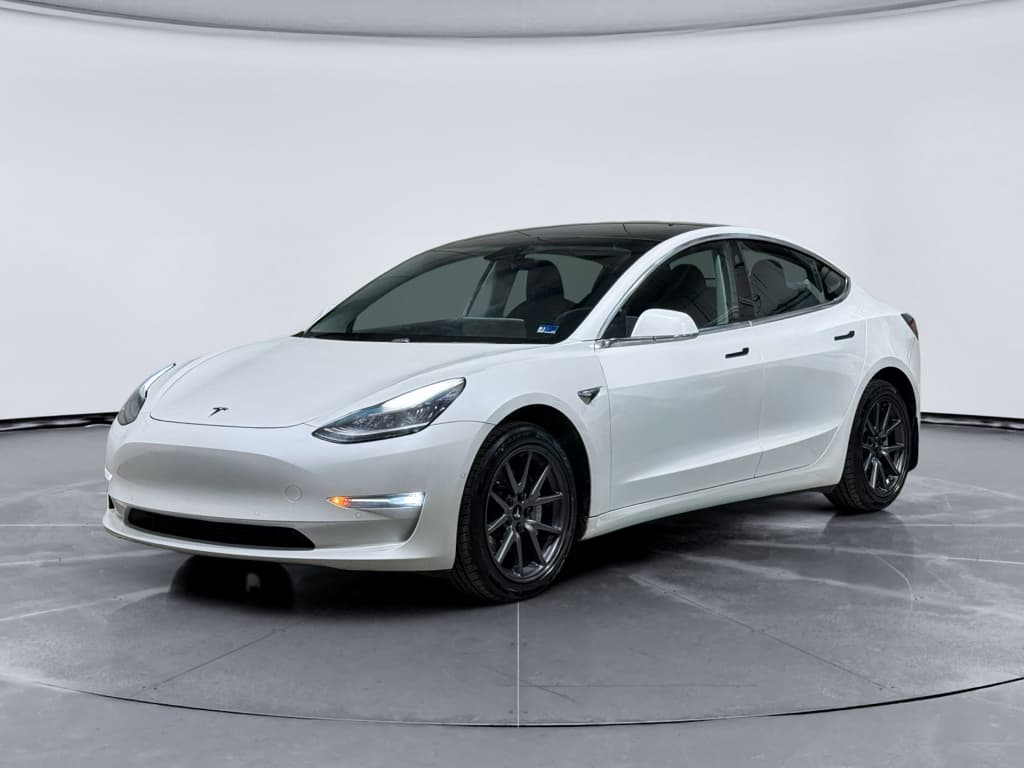
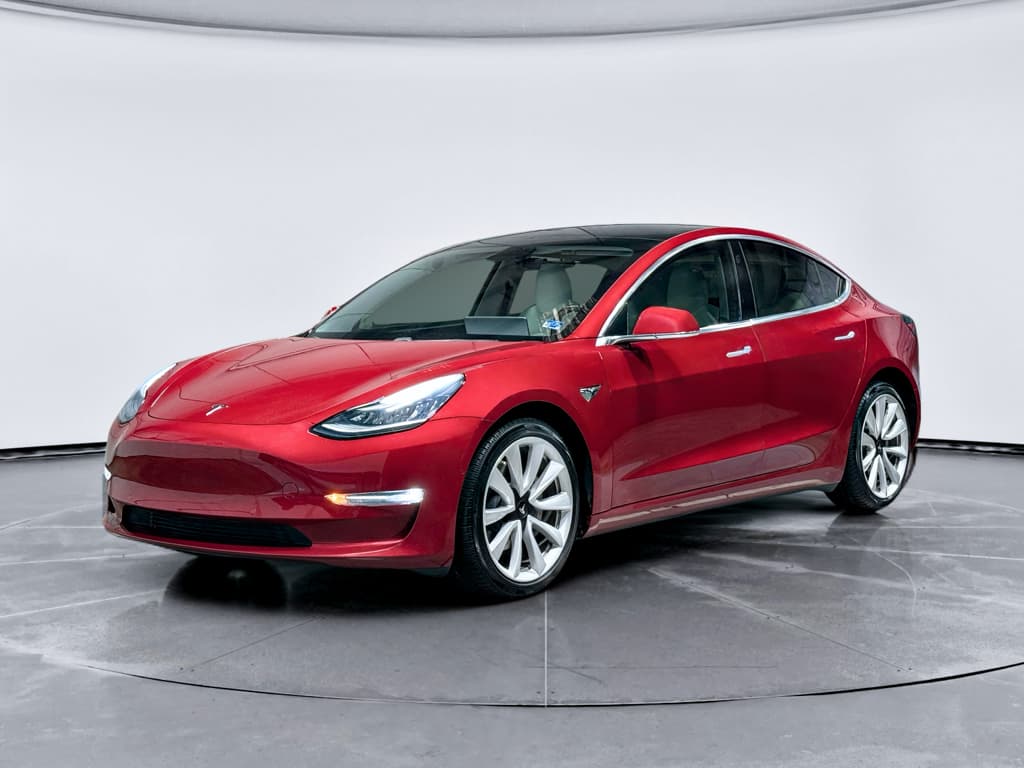
If you asked experienced EV owners to pick a **single best used EV for highway commuting**, many would still land on the **Tesla Model 3**. It’s not perfect, but it nails the core highway brief: strong efficiency at speed, robust thermal management, and access to the nation’s most mature fast‑charging network.
Why it’s great on the highway
- Range that holds up at speed: Long Range and even many Standard Range cars can comfortably cover 100+ highway miles each way with buffer, depending on climate and speed.
- Efficient aero sedan: The low, slippery shape means better highway efficiency than most crossovers with the same battery capacity.
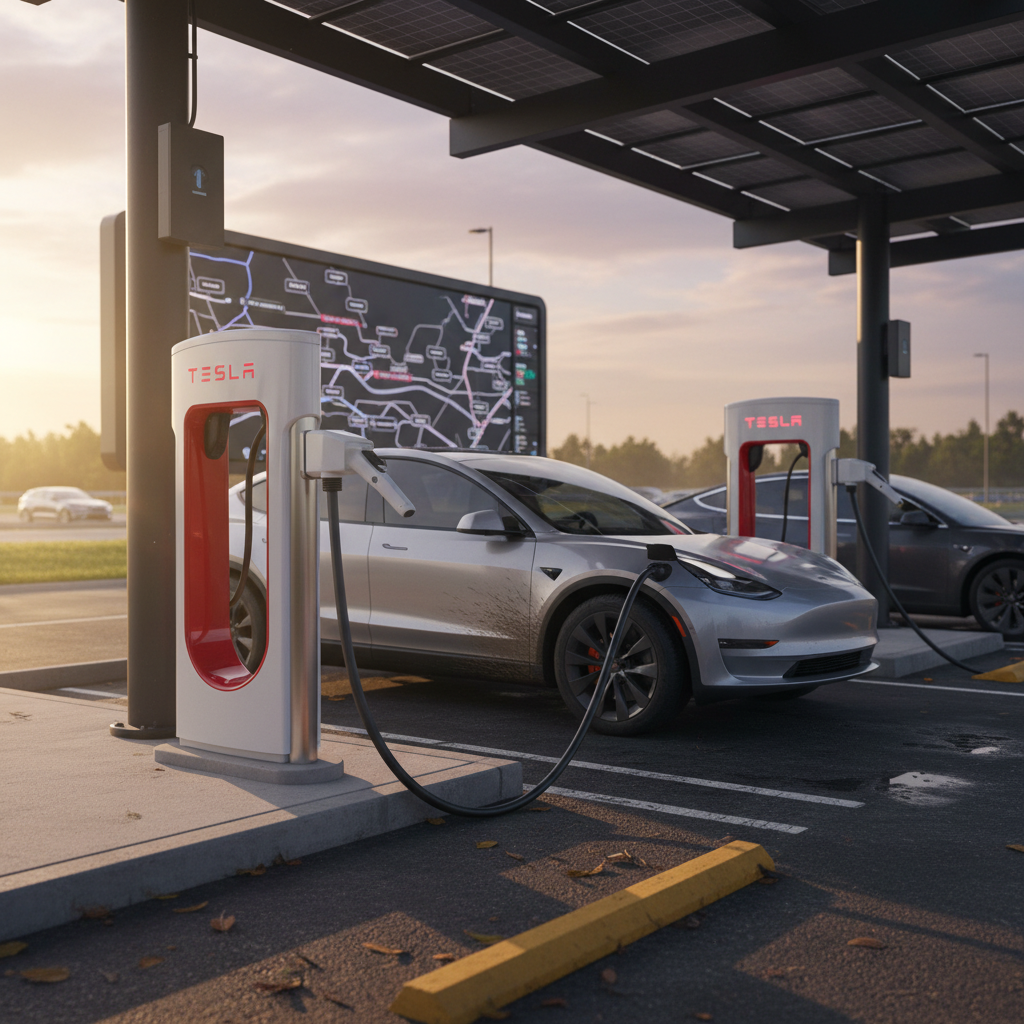
- Supercharger access: For many U.S. routes, Superchargers remain the most reliable and numerous DC fast‑charging option, especially off major interstates.
- Driver assistance: Tesla’s basic Autopilot (standard on most used cars) offers very good lane‑centering and adaptive cruise, which commuters quickly come to rely on.
What to watch out for
- Road noise: Early Model 3s can be noisier over coarse pavement than some rivals. Test drive on the exact kind of highway you’ll use.
- Ride firmness: Sporty tuning means more impact harshness over expansion joints and potholes.
- Build variance: Early builds vary in panel alignment and squeaks/rattles. A careful pre‑purchase inspection matters more here than on some competitors.
Best used Tesla Model 3 trims for commuters
Prioritize trims that balance range, price, and comfort for regular highway use.
| Trim | Model years to target | Original EPA range (mi) | Why it works for commuting |
|---|---|---|---|
| Standard Range / RWD | 2019–2021 | 220–263 | Enough for 40–70 mile each‑way commutes with home charging and mild climate. |
| Long Range AWD | 2018–2022 | 310–358 | Sweet spot: great for 80+ mile each‑way commutes or colder climates. |
| Performance | 2018–2022 | 299–315 | Fun but overkill for most commuters; ride is firmer and efficiency slightly lower. |
Approximate ranges are based on original EPA ratings; expect less at sustained highway speeds and in cold weather.
Check for high‑mileage fast‑charge use
Kia Niro EV (2019–2022): underrated highway workhorse
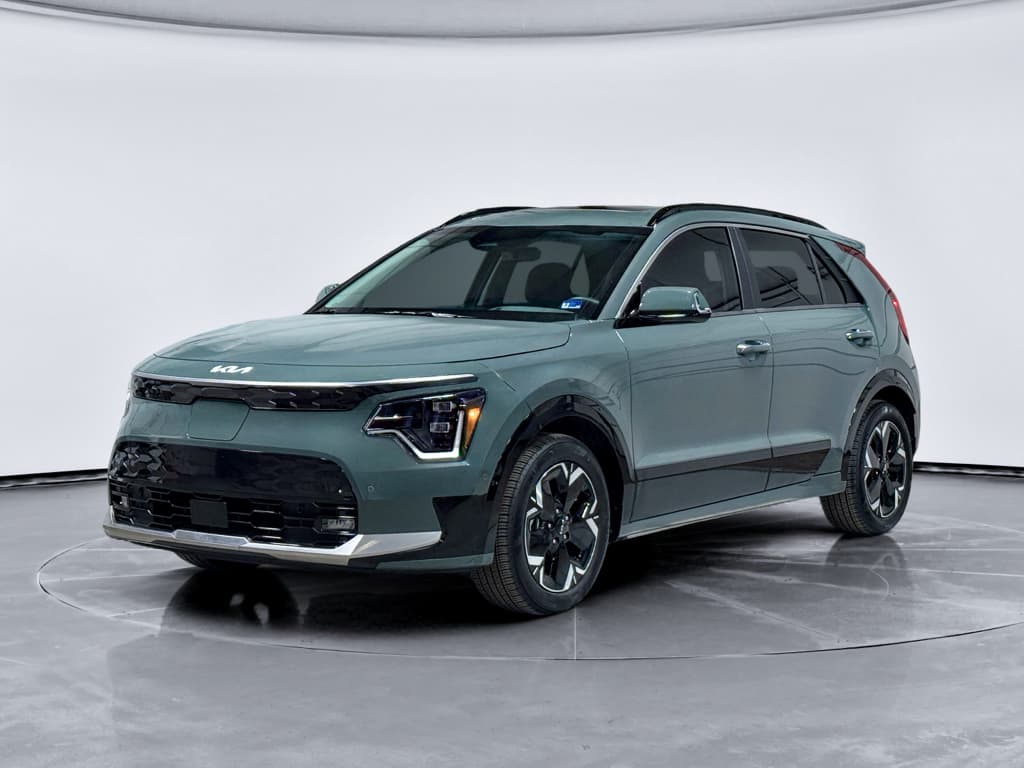
If you prefer a practical hatchback‑style crossover, the **Kia Niro EV** is one of the most balanced used EVs on the market. It doesn’t shout for attention, yet it quietly combines solid highway efficiency, a comfortable ride, and just enough range for serious commuting.
Kia Niro EV highlights for commuters
Why this humble crossover belongs on your shortlist.
Real‑world range
Older Niro EVs typically offered EPA range around 239–253 miles. At highway speeds, that translates into very workable daily commutes with buffer.
Comfortable and quiet
The Niro rides more softly than a Model 3 and is often quieter over rough pavement than cheaper EVs with thin insulation.
Practical cargo space
Hatchback layout and folding rear seats make it easier to live with if you haul gear, kids, or bulky work equipment.
Niro EV vs hybrid/plug‑in
Hyundai Kona Electric (2019–2022): small footprint, big range
The **Hyundai Kona Electric** is a bit of an efficiency champ. It’s a subcompact crossover, but its 60‑something‑kWh battery and slippery shape allow it to punch above its weight for range. For solo commuters who fit comfortably in the cabin, it’s a fantastic way to get a lot of highway miles from a smaller, less expensive package.
Why Kona Electric works for highway duty
- Strong real‑world range from a relatively modest battery size, which keeps costs down while still handling long commutes.
- Good efficiency at 60–70 mph means less charging and lower electricity costs over time.
- Lots of driver aids on higher trims, including lane‑keeping and adaptive cruise, which are worth seeking out if you’re often in dense freeway traffic.
Potential downsides
- Tighter cabin: rear seats and cargo space are a step down from larger crossovers like the Niro EV.
- Seat comfort can be hit‑or‑miss depending on your body type; long test drives matter here.
- DC fast‑charging speed is good enough for commuting, but not class‑leading for frequent long road trips.
Chevy Bolt EV & EUV (2020–2023): budget-friendly highway commuter
If you’re price‑sensitive but still want a capable highway commuter, the **Chevy Bolt EV and slightly larger Bolt EUV** deserve a very close look. Battery recalls on earlier model years led to many cars receiving brand‑new packs, which paradoxically makes some Bolts better used buys now than they were new.
Bolt EV vs Bolt EUV for commuters
Both are capable commuters; your choice comes down to space vs agility.
| Model | Typical used years | EPA range (mi) | Best for |
|---|---|---|---|
| Bolt EV | 2020–2022 | ~259 | Drivers prioritizing efficiency and a smaller footprint over rear seat space. |
| Bolt EUV | 2022–2023 | ~247 | Commuters wanting more rear legroom and access to GM’s Super Cruise on certain trims. |
Range figures are from original EPA estimates for recent model years; expect lower real‑world range at sustained highway speeds.
Battery recall history: do your homework
Other solid used EVs for regular highway trips
- **Hyundai Ioniq Electric (2019–2021)** – Extremely efficient but limited range (~170 miles EPA). Works for shorter highway commutes where you can charge at home and possibly at work.
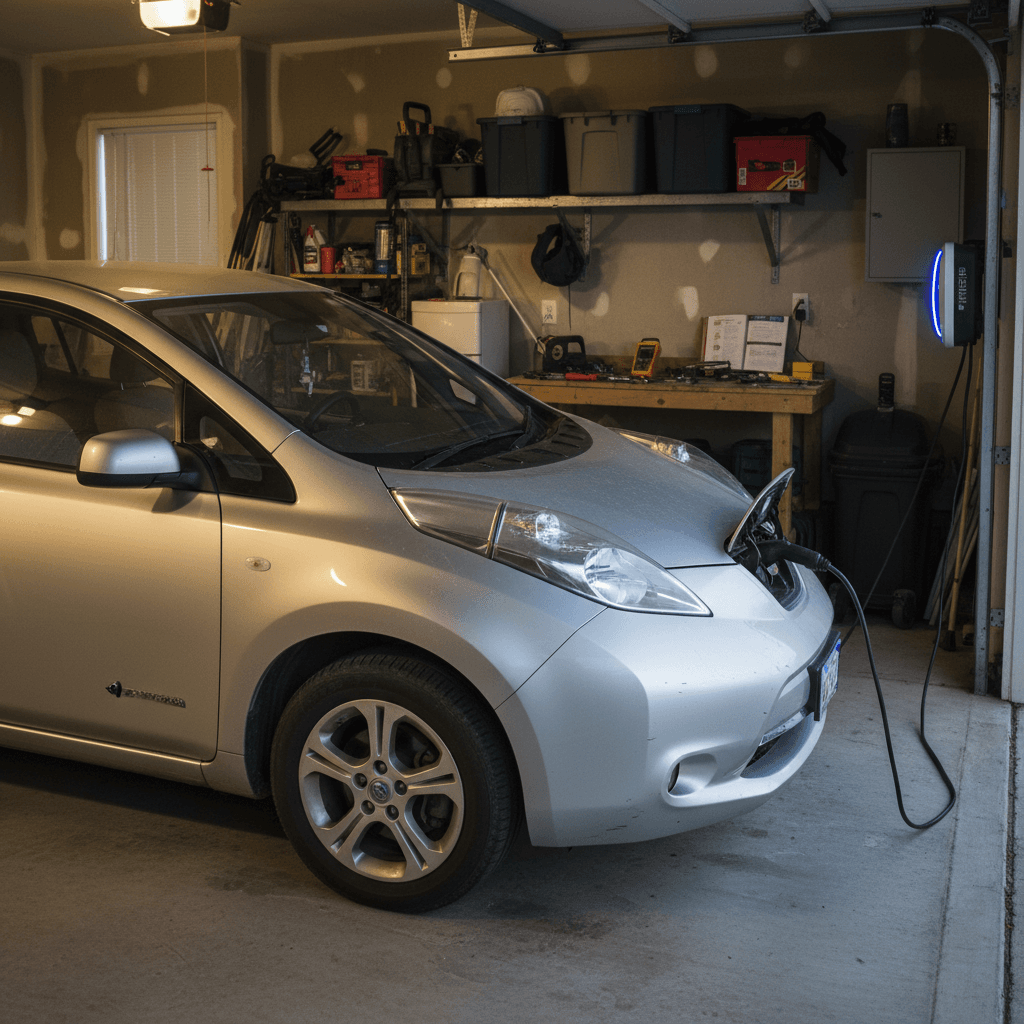
- **Nissan Leaf Plus (2019–2022, 62 kWh)** – 200+ mile EPA range and comfortable seats, but CHAdeMO fast‑charging and less sophisticated thermal management make it better for moderate highway use than constant long trips or DC fast‑charging dependence.
- **Polestar 2 (2021–2022)** – More of a premium choice: comfortable, quiet, and with solid highway manners. Better fit if you value Scandinavian design and a higher‑end feel over absolute efficiency per dollar.
Think about your exact use case
How much range do you really need for your commute?
Start with simple math, then add realistic buffers. Highway commuting punishes optimistic assumptions, especially in winter or at 75–80 mph.
Step‑by‑step: sizing range for a highway commute
1. Map your real daily distance
Add up your true door‑to‑door mileage, including detours for daycare, coffee, or the gym. Don’t underestimate; your car won’t.
2. Multiply by two and add 25–40%
Take your round‑trip commute and add at least 25–40% as buffer for weather, traffic, and degradation. If you do 80 miles a day, plan for 100–115 miles of usable range today.
3. Account for winter and HVAC
In cold climates, expect 15–30% range loss from cabin heat and battery cold‑soak. Size your usable range for the worst month, not the best.
4. Consider how often you can charge
If you charge at home every night, you can live with a smaller buffer. If you rely on public charging, aim higher so a missed session isn’t a crisis.
5. Think about future mileage
If your role might soon require more client visits or site trips, build that into your range target now instead of buying twice.
A practical rule of thumb
Battery health and fast charging: what to check before you buy
Two used EVs with identical badges and odometer readings can have very different lives behind them. One might have lived an easy garage‑kept existence on Level 2 home charging; the other might have spent years bouncing between 0–100% on DC fast chargers. On a highway commuter, that history matters.
Battery & charging questions for highway commuters
Ask these before you fall for a low price.
Battery health & history
- What’s the estimated remaining capacity vs. new?
- Was the pack ever replaced or repaired under warranty or recall?
- Has the car spent most of its life on home Level 2 charging, or fast charging?
Fast charging behavior
- What peak charging power does this model support, and does it still reach it?
- Does the car precondition the battery for fast charging (helpful in cold climates)?
- How compatible is it with networks along your route?
How the Recharged Score helps
How Recharged makes highway commuting in a used EV lower‑risk
Highway commuters ask more from their cars than almost anyone else. That’s why Recharged is built around **transparency** and **battery‑first evaluation**, instead of hoping you won’t notice degradation or charging quirks until after you sign.
1. Battery‑centric inspections
Every EV listed on Recharged gets a Recharged Score with data‑driven battery diagnostics, so you’re not guessing whether that “great deal” still has the range your commute requires.
2. Clear pricing and financing
Recharged benchmarks each car against the national used EV market, then surfaces fair market pricing up front. You can also get financing and even arrange a trade‑in online, so you’re not burning weekends at dealerships.
3. Nationwide delivery & support
Found the right Niro EV or Model 3 in another state? Recharged offers nationwide delivery and EV‑specialist support, plus an Experience Center in Richmond, VA if you prefer to talk things through in person.
Bring your commute data
FAQ: best used EV for highway commuting
Frequently asked questions
Bottom line: choosing the right used EV for your highway commute
For regular 60–100‑mile highway days, the best used EVs combine **honest highway range**, **quiet, comfortable cabins**, and **solid battery health**, rather than just headline 0–60 numbers. For many shoppers, that points toward a used **Tesla Model 3 Long Range**, **Kia Niro EV**, **Hyundai Kona Electric**, or a **Chevy Bolt EV/EUV** with a documented replacement pack.
Buying through a traditional dealer, it’s hard to know whether the exact car in front of you still has the range its badge promises. Buying through Recharged, you get a **Recharged Score battery‑health report**, fair‑market pricing, and EV‑specialist guidance focused on your actual commute, not just moving metal. Bring your mileage, route, and charging situation; the right used EV can turn a punishing highway grind into quiet, predictable, low‑cost miles for years to come.